
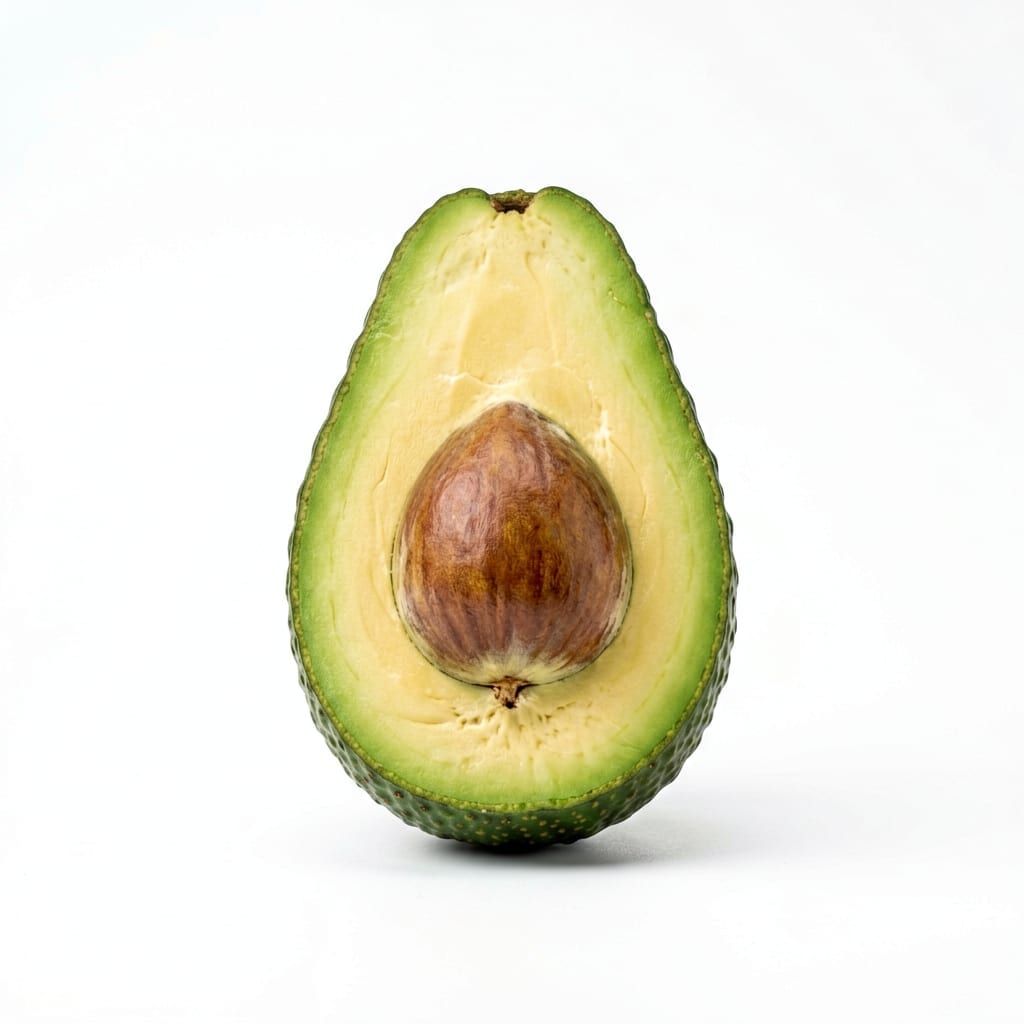
Fruit
Avocado
A high-fat, low-carb fruit known for its creamy texture and heart-healthy monounsaturated fats.
A creamy, nutrient-dense fruit botanically classified as a large berry, prized for its high monounsaturated fat content and smooth texture.
high-fat low-carb whole fruit
Typical serving · 68g
Common varieties · Hass, Fuerte, Bacon, Zutano, Pinkerton +1 more
Overall context score across nutrition, safety, and diet fit
At a glance
Quick facts
Simple indicators based on nutrition, processing, and diet fit.
The story
What makes it unique
Avocado is digested slowly due to its high fat and fiber content, resulting in prolonged satiety and minimal blood sugar spikes. Its macronutrient profile is unique among fruits, being predominantly fat rather than carbohydrate. As a minimally processed whole food, it retains its complete cellular structure and micronutrient matrix.
Varieties: Hass · Fuerte · Bacon · Zutano · Pinkerton · Reed
Per 100g
Nutrition breakdown
Macro balance and key metrics at a glance.
Energy
Density 1.60 kcal/g
Protein
Carbs
Fat
Fiber
Sugar
0.7 g
Sodium
7 mg
Potassium
485 mg
Glycemic index
15
Glycemic load
1
Water content
73%
Standout compounds
Nutrient highlights
Monounsaturated Fat
highSupports heart health and lowers LDL cholesterol
Dietary Fiber
highPromotes gut regularity and feeds microbiome
Potassium
moderateRegulates blood pressure and fluid balance
Folate
moderateEssential for cell division and DNA synthesis
Vitamin K
moderateCrucial for bone metabolism and blood clotting
Wellness map
Health scores & processing
NOVA processing scale
Minimally processed · Whole food
Whole, unrefined plant food consumed in its natural state with no added ingredients.
Diet compatibility
- Weight loss
- Muscle gain
- Diabetes
- Gut health
- Low carb
- High protein
- Heart health
Relative standing
Food rankings
Qualitative ranks compared to similar whole foods.
- Satietyexcellent
- Blood sugarexcellent
- Nutrient densityexcellent
- Fitness fuelgood
- Processing qualityexcellent
Eat with confidence
Food safety profile
The thick skin protects the edible flesh from most pesticide residue and environmental contaminants. Primary risk involves bacterial transfer from the skin to the flesh during cutting.
Evidence confidence 95%
- Pesticideslow
- Antibioticslow
- Heavy metalslow
- Contaminationmoderate
Watch for
- listeria
- salmonella
Safer choices
Organic avocados reduce minimal pesticide exposure further, though conventional is already very low risk.
Prep tips
Wash the skin thoroughly under running water before cutting to prevent dragging surface bacteria into the flesh.
Occasional recalls due to bacterial contamination on the skin from processing facilities.
Deep dive
Health analysis
How this food may fit different goals and preparation choices.
Weight loss
High energy density requires portion control, but high satiety prevents overeating later in the day.
Blood sugar
Virtually zero glycemic impact; fat and fiber slow digestion, stabilizing glucose levels effectively.
Fitness & energy
Provides sustained low-intensity energy and aids joint recovery, but lacks fast-digesting carbs for high-intensity fuel.
Gut health
Rich in both soluble and insoluble fiber, supporting bowel regularity and feeding beneficial gut bacteria.
Processing quality
A whole, unprocessed food with intact cellular structures and maximal nutrient bioavailability.
Food safety
Very safe to consume; primary risk is bacterial transfer from unwashed rind to flesh during slicing.
Common mistakes
Consuming excessive portions due to its health halo, leading to unintended caloric surplus.
Best preparation
Raw, mashed, or blended to preserve heat-sensitive fats and vitamins; avoid high-heat cooking to prevent fat oxidation.
Practical guide
Best use cases
When and how this food fits real eating patterns.
Low-carb meal addition
Adds creaminess and calories to meals without spiking blood sugar.
Nutrient absorption booster
Pairing with vegetables increases absorption of fat-soluble antioxidants.
Satiety enhancer
Adding to salads or snacks prolongs fullness and prevents overeating.
Pre-workout sustained energy
Provides slow-burning fuel for moderate-intensity endurance activities.
Balance sheet
Pros & cons
Upsides
- Extremely low glycemic index and load
- High in heart-healthy monounsaturated fats
- Excellent source of dietary fiber for gut health
- Rich in potassium, exceeding bananas per calorie
- Enhances absorption of fat-soluble vitamins from other foods
Trade-offs
- High calorie density requires strict portion control
- Not a significant source of protein
- Can brown quickly once exposed to air
- Relatively expensive compared to other whole foods
- Overconsumption can easily lead to caloric surplus
Fit check
Who is it for?
Great match
- low-carb and ketogenic diets
- blood sugar management
- heart-healthy eating patterns
- increasing vegetable nutrient absorption
Consider alternatives
- strict low-fat diets
- high-volume low-calorie eating
- high-protein diet goals
- budget-conscious bulk eating
Side by side
How it compares
Open the full head-to-head analysis for nutrition, safety, and practical tradeoffs.
This food
Avocado
VS85% alike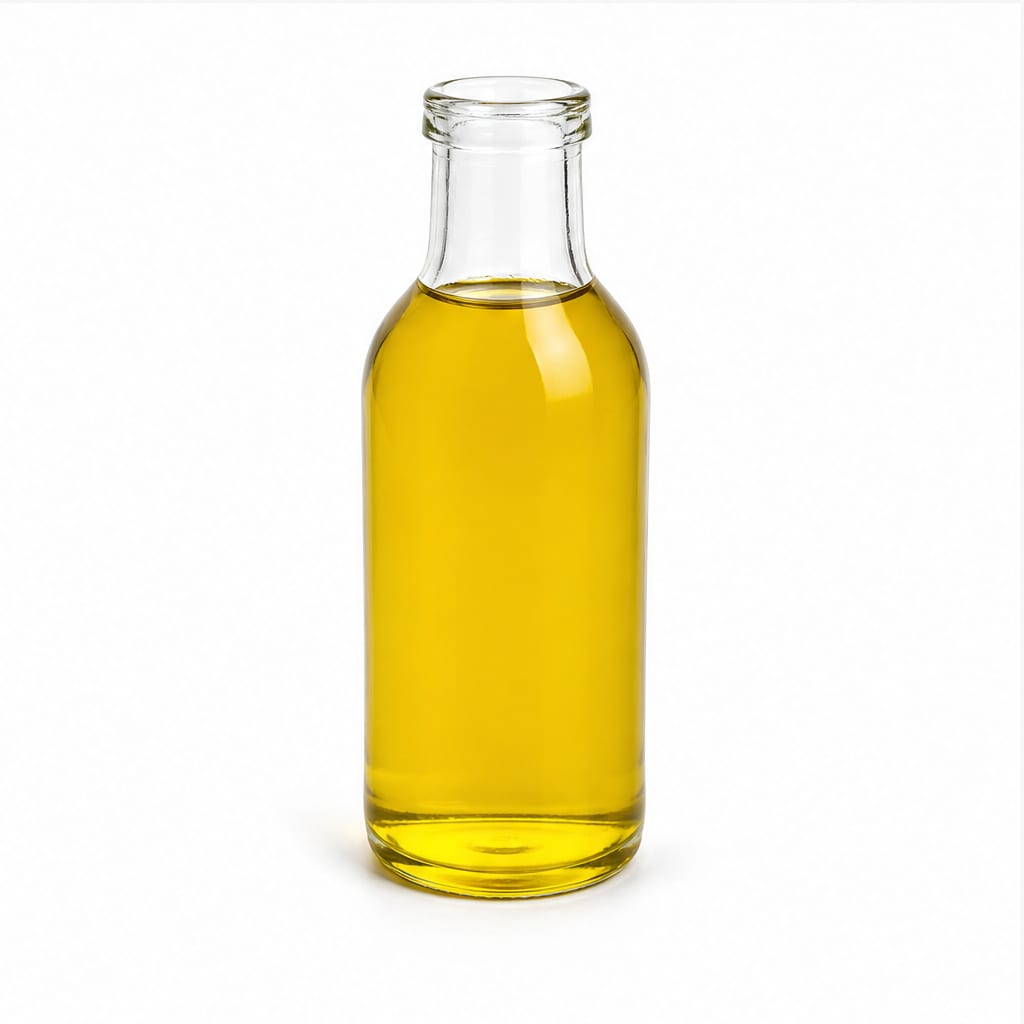
Compare with
Olive Oil
Olive oil is a pure fat extract, while avocado is a whole food containing fiber and micronutrients alongside the fat.
Olive oil provides concentrated healthy fats, but avocado offers better satiety and fiber for weight loss and blood sugar control.
This food
Avocado
VS40% alike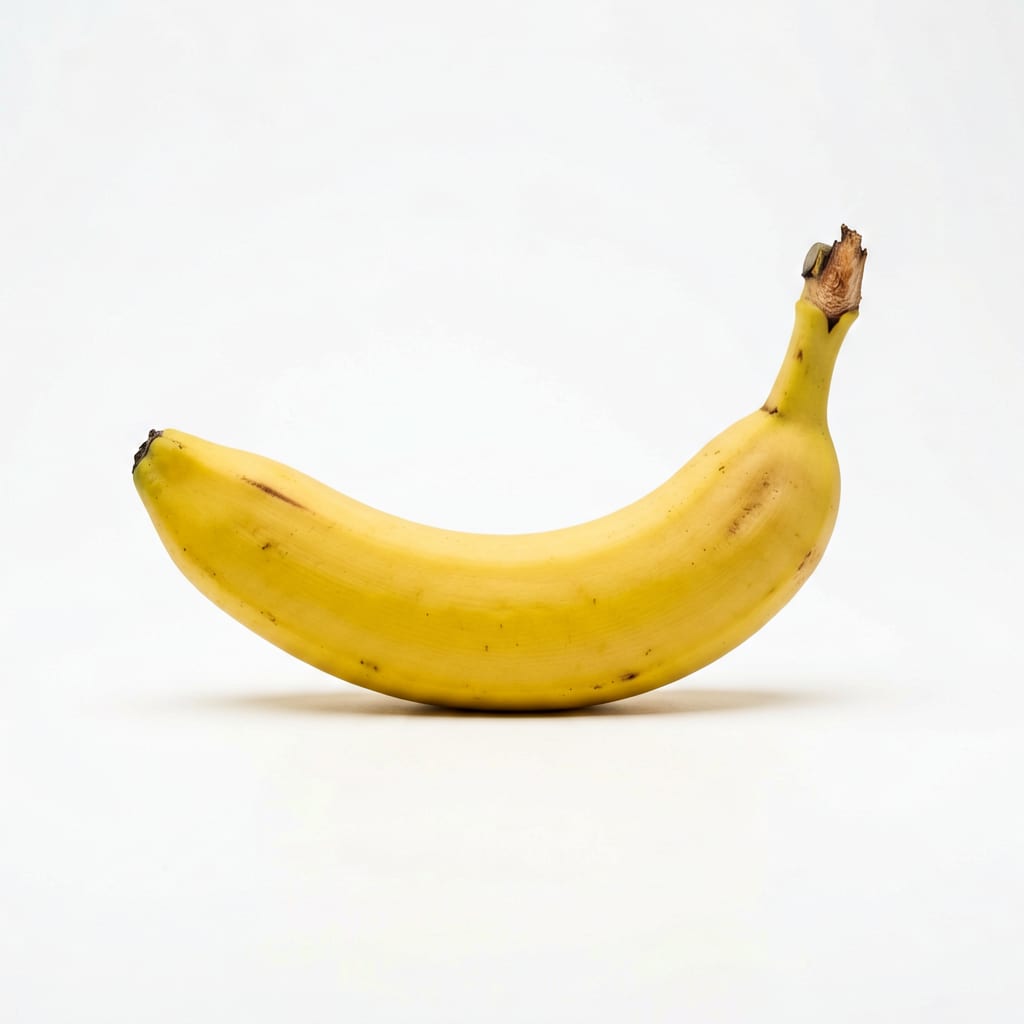
Compare with
Banana
Bananas are high-carb energy foods, while avocados are high-fat satiety foods.
Bananas provide fast carbs for workout fuel, while avocados offer healthy fats and fiber for better blood sugar control and satiety.
This food
Avocado
VS75% alike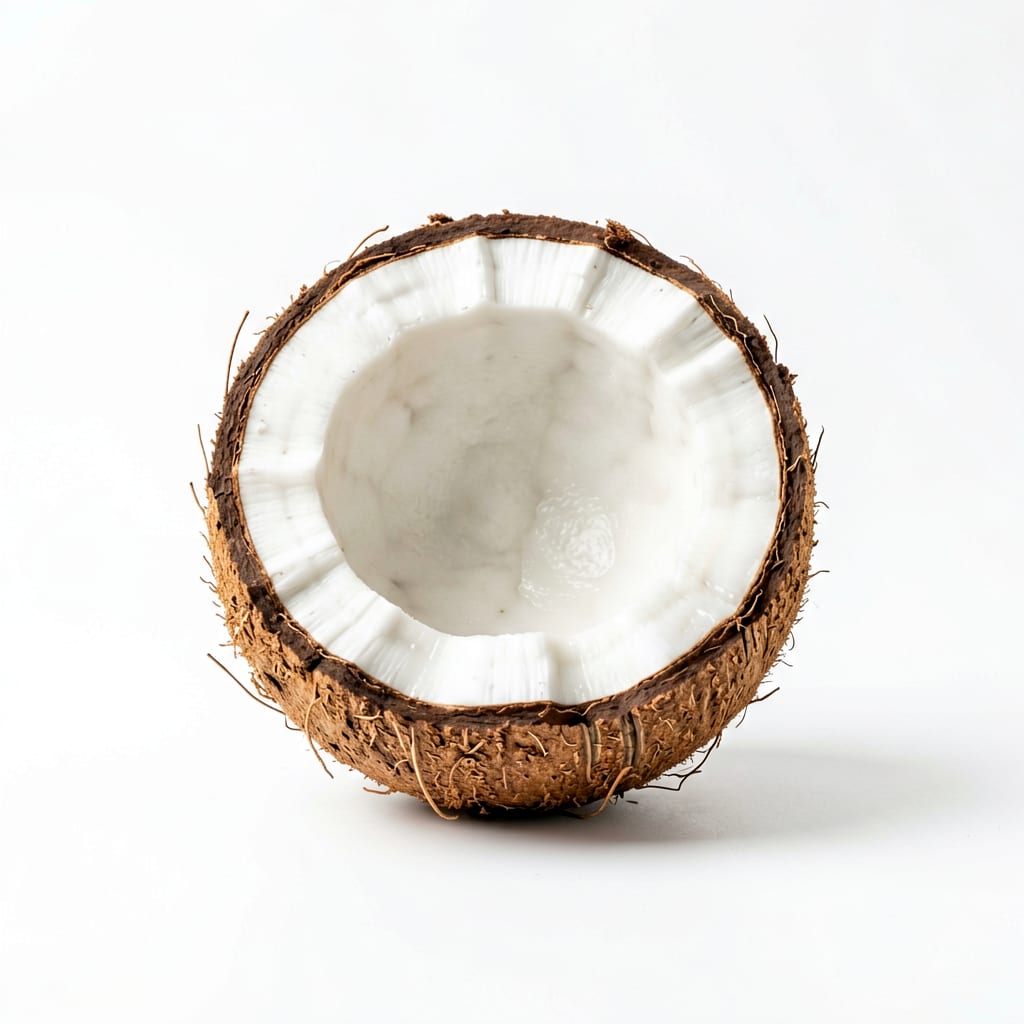
Compare with
Coconut
Avocado contains monounsaturated fats, whereas coconut contains saturated fats.
Avocado is better for heart health due to monounsaturated fats, while coconut's saturated fat content makes it a less ideal daily staple.
This food
Avocado
VS70% alike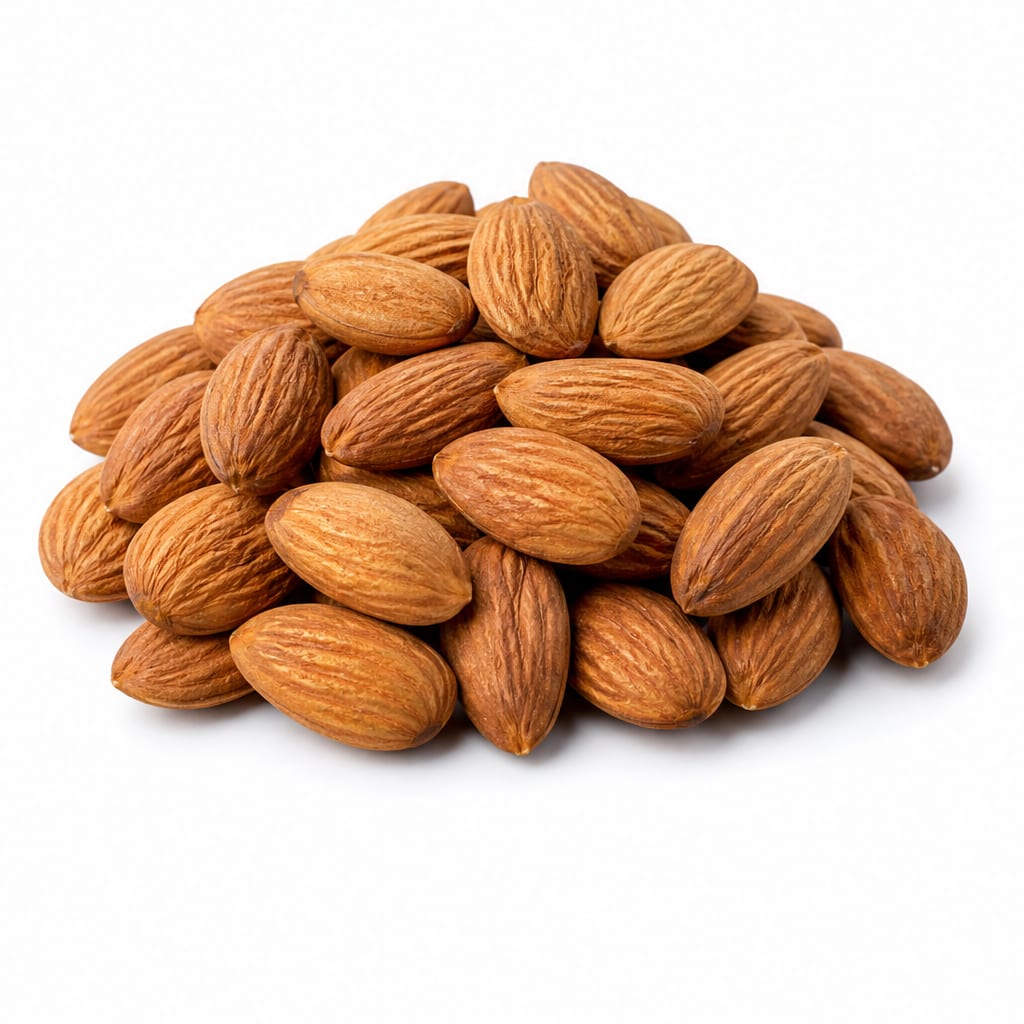
Compare with
Almonds
Almonds provide more protein and vitamin E, while avocados offer unique monounsaturated fats and lower calorie density per gram.
Almonds provide more protein, but avocados have lower energy density, making them slightly better for volume-based weight loss.
This food
Avocado
VS70% alike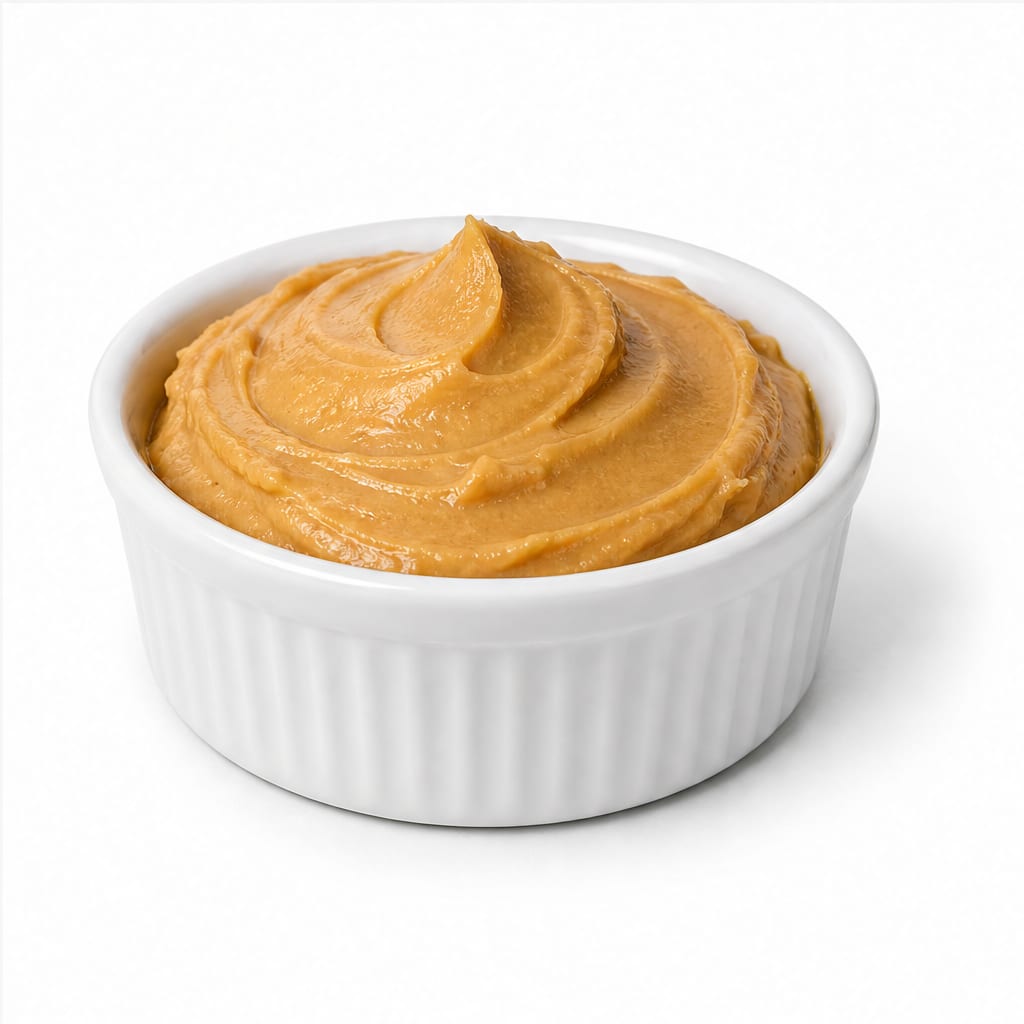
Compare with
Peanut Butter
Peanut butter is more processed and higher in protein, while avocado is a whole food with superior fat quality.
Avocado is a whole food with healthier monounsaturated fats, whereas peanut butter offers more protein but often includes added sugars and oils.
This food
Avocado
VS55% alike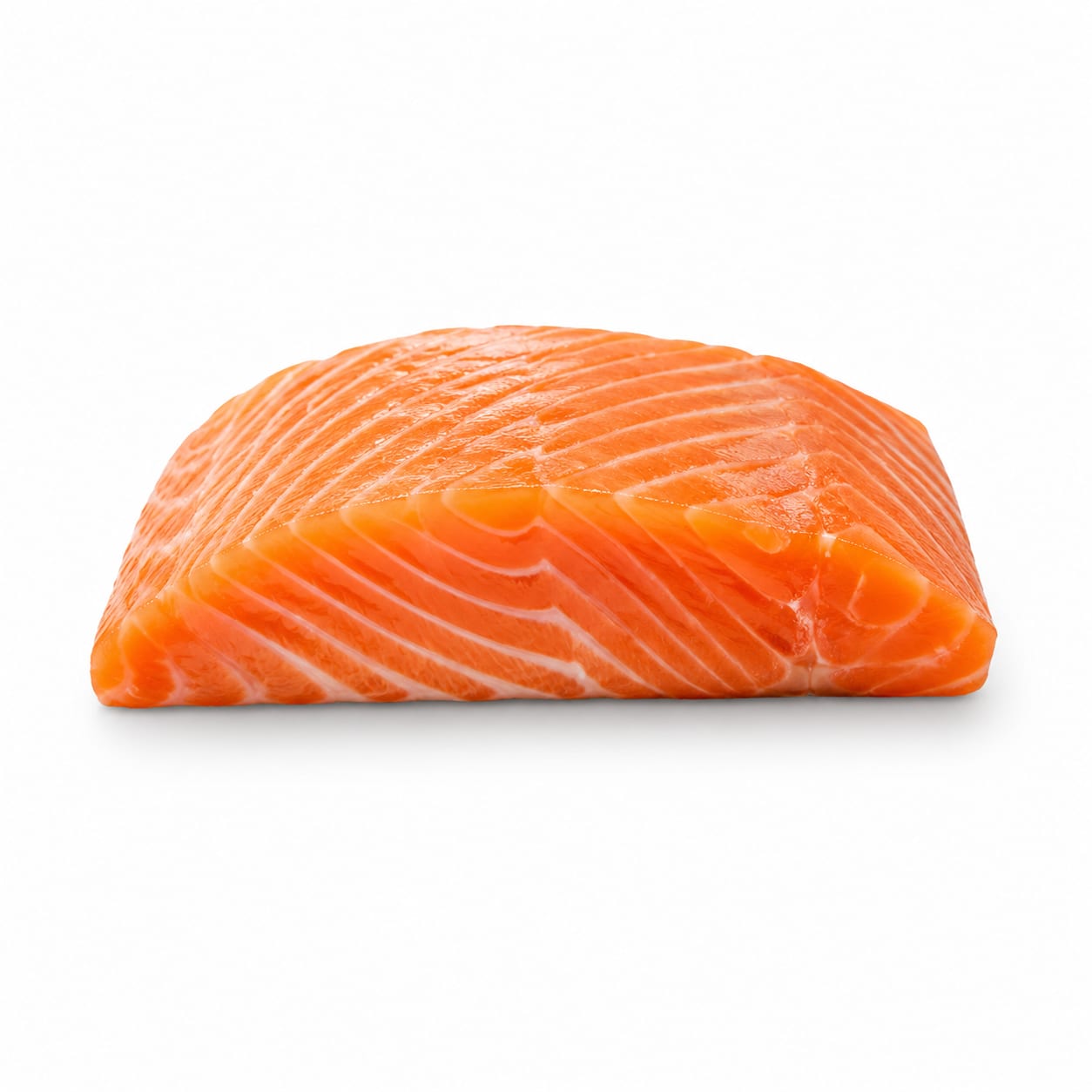
Compare with
Salmon
Salmon provides high-quality protein and omega-3s, while avocado provides fiber and monounsaturated fats.
Salmon is superior for muscle growth and omega-3s, while avocado is better for low-calorie volume eating and fiber.
This food
Avocado
VS60% alike
Compare with
Egg
Eggs are a protein powerhouse, whereas avocados are a fiber and healthy-fat powerhouse.
Eggs provide high-quality protein for muscle maintenance, while avocados deliver fiber for gut health and lower energy density for weight loss.
This food
Avocado
VS35% alike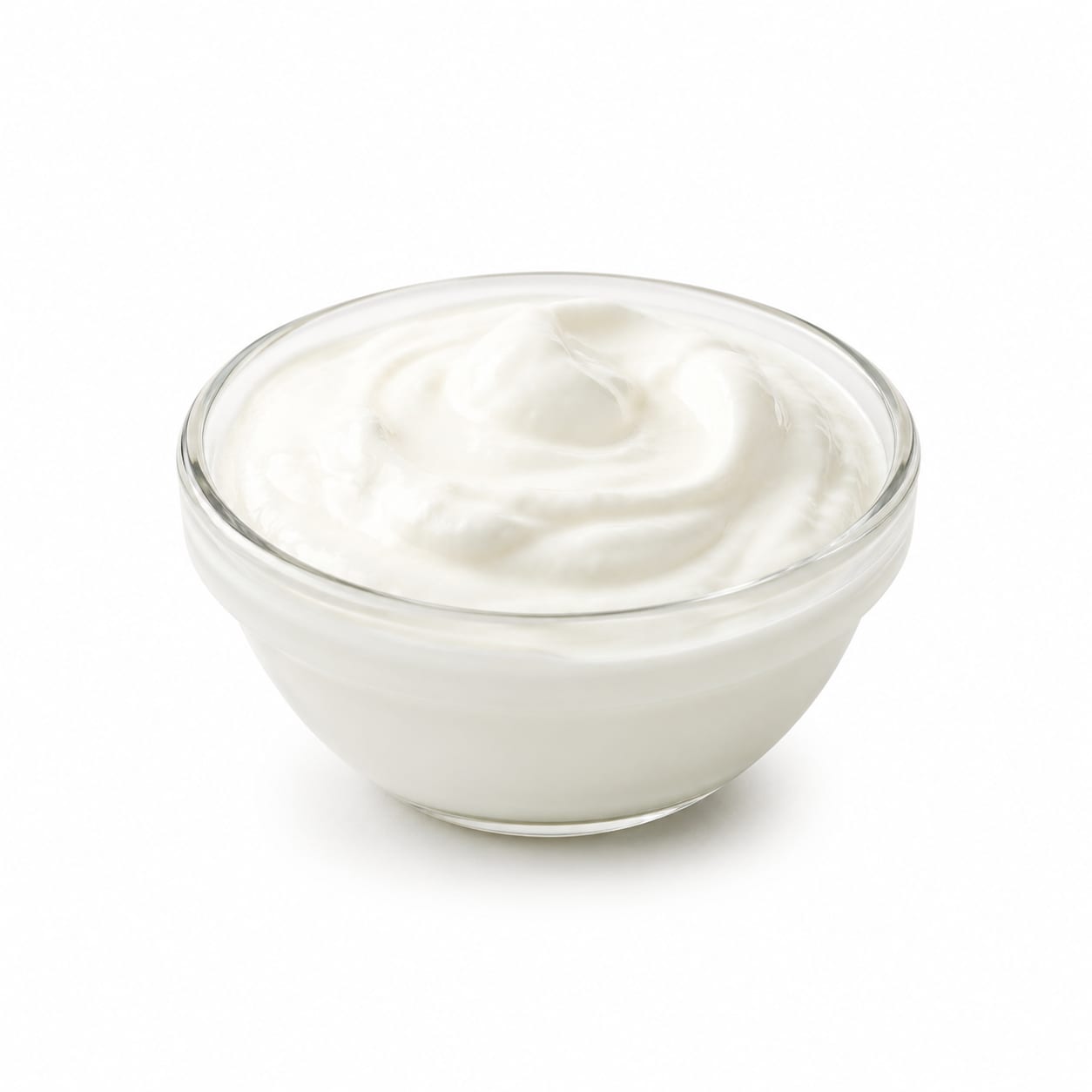
Compare with
Greek Yogurt
Greek yogurt is high-protein and fermented, while avocado is high-fat and high-fiber.
Greek yogurt excels in protein and probiotics, while avocado wins for blood sugar stability and healthy fat intake.
This food
Avocado
VS65% alike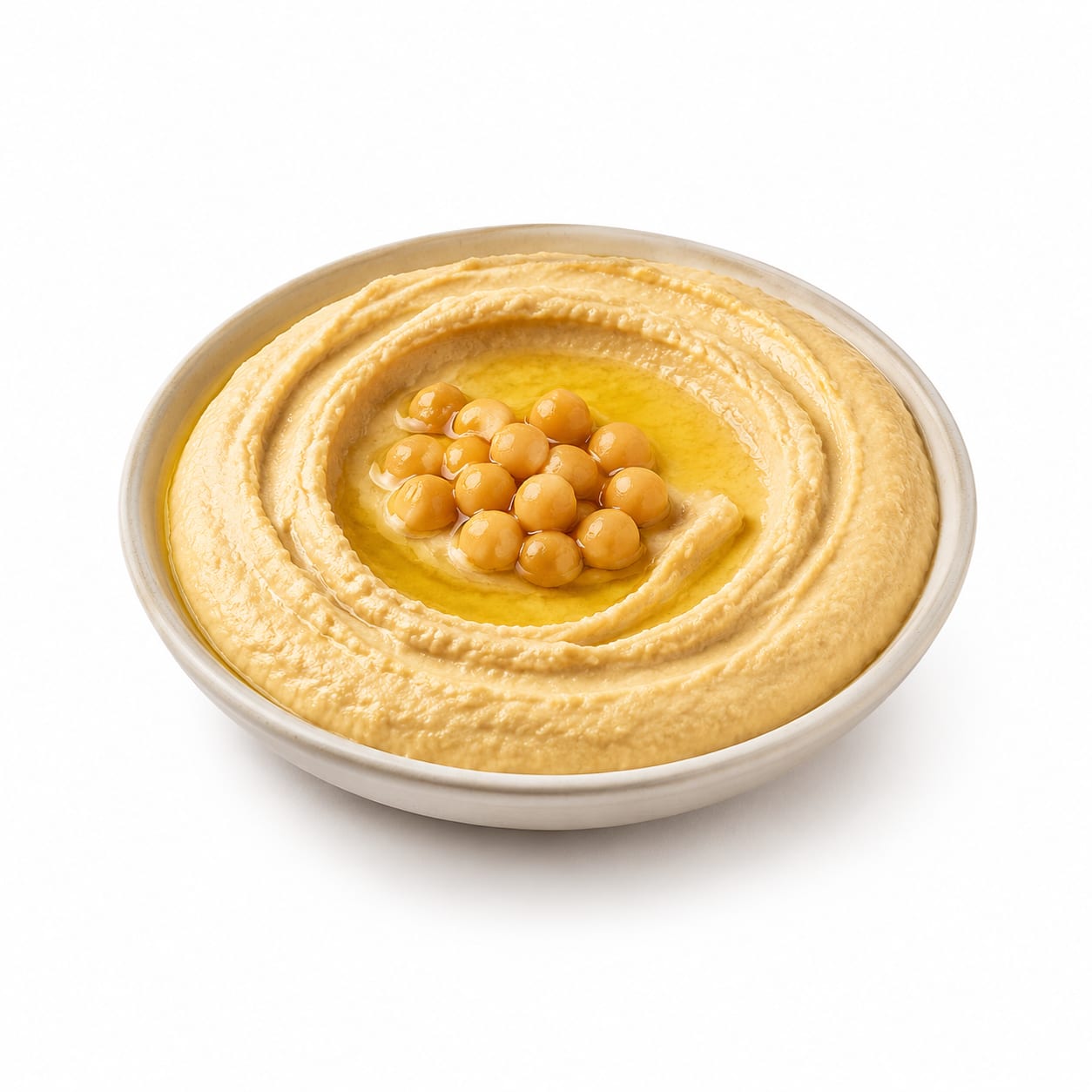
Compare with
Hummus
Hummus offers carbs and plant protein, while avocado offers lower carbs and higher fat.
Hummus provides more protein and complex carbs, but avocado has a lower glycemic impact and higher fiber per calorie.
This food
Avocado
VS50% alike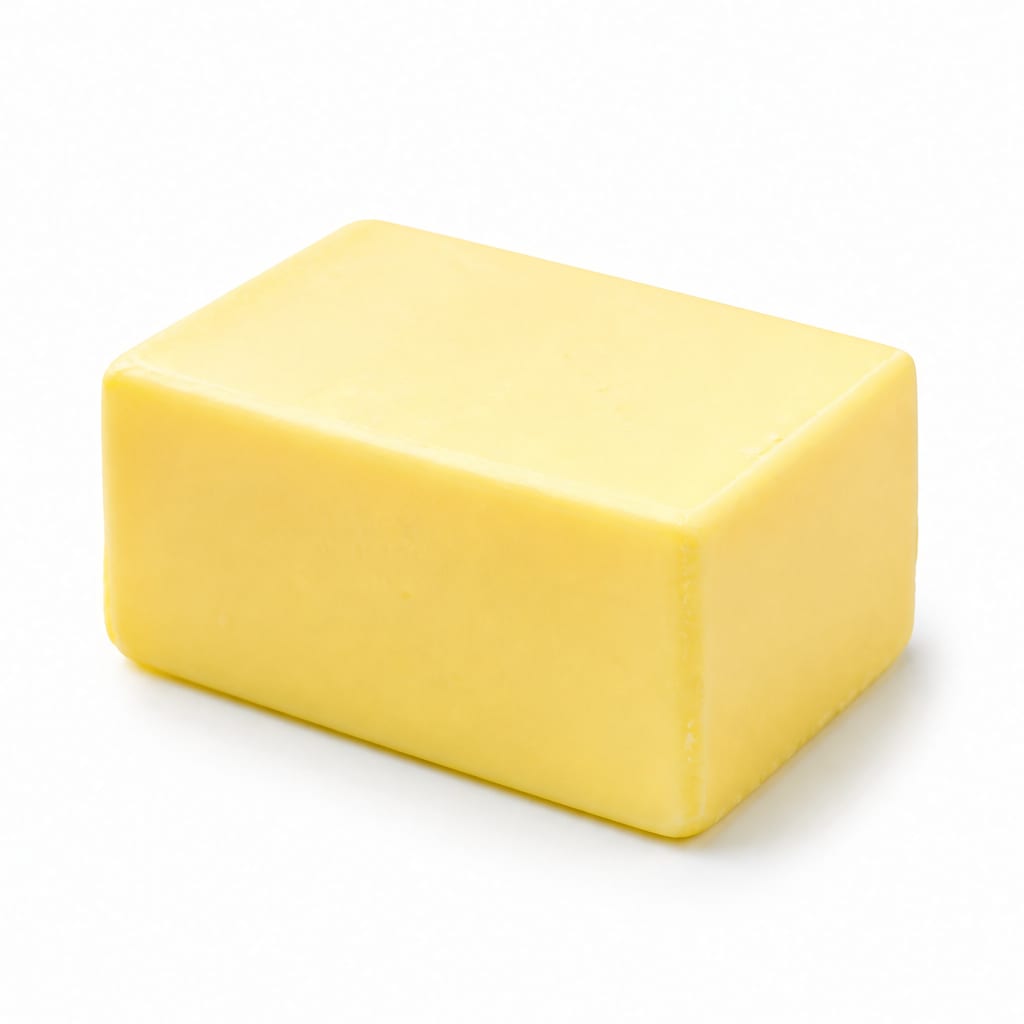
Compare with
Butter
Butter is a pure saturated animal fat, while avocado is a whole food with monounsaturated plant fats.
Avocado provides fiber and heart-healthy fats, making it vastly superior to butter for cardiovascular health and satiety.
Common questions
FAQ
Answers aligned with how people search for this food.
Is avocado good for weight loss?
Yes, despite being calorie-dense. The high monounsaturated fat and fiber content increases satiety, helping you feel full longer and potentially reducing overall calorie intake.
Can diabetics eat avocado?
Absolutely. Avocados contain almost no sugar and have a glycemic index near zero. They help stabilize blood sugar levels and improve insulin sensitivity.
How much avocado should I eat a day?
A typical serving is one-third to one-half of a medium avocado (about 50-80g). This provides healthy fats and fiber without excessive calories.
Is avocado a fruit or a vegetable?
Botanically, an avocado is a fruit, specifically a single-seeded berry. It is used culinarily as a vegetable due to its savory flavor profile.
Does avocado have protein?
Avocado contains a small amount of protein (about 2g per 100g), but it is not considered a high-protein food. Its primary macronutrient is fat.
Is avocado high in cholesterol?
No, avocados contain zero cholesterol. They actually provide plant sterols that help lower LDL cholesterol levels in the body.
Why is avocado so high in fat?
Unlike most fruits that store energy as carbohydrates, avocados store energy as lipids (specifically oleic acid), which is an evolutionary adaptation for their specific growing environments.
What is the healthiest way to eat avocado?
Raw and fresh. Adding it to salads or consuming it with other vegetables increases nutrient absorption, particularly fat-soluble vitamins like A, D, E, and K.
Transparency
Data confidence
Estimated confidence for nutrition data, interpretation, safety notes, and comparisons.
Nutrition data
Health analysis
Food safety
Comparisons