
Nutrition comparison
Avocado vs Peanut Butter: Which Healthy Fat Is Better?
Compare avocado and peanut butter for health, weight loss, and daily use. Learn the nutritional tradeoffs between these popular high-fat foods.
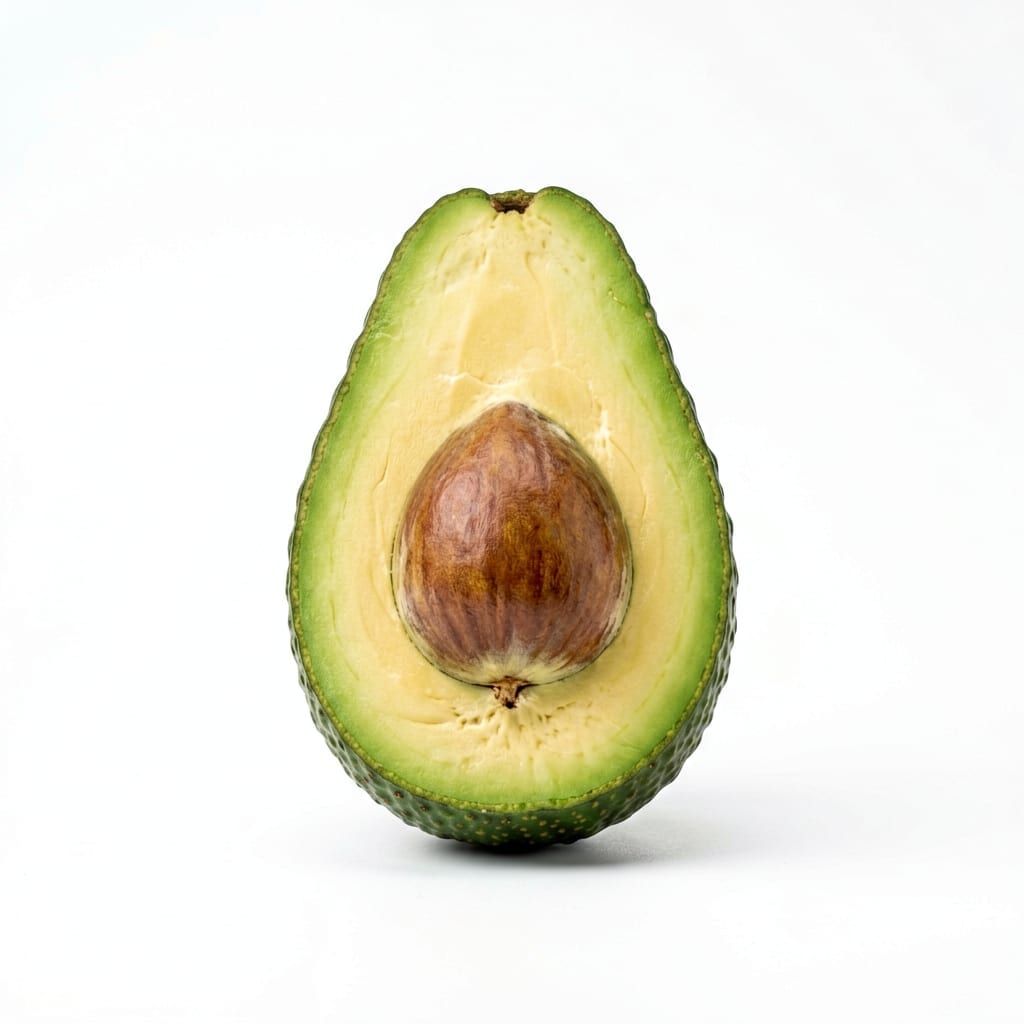
Avocado
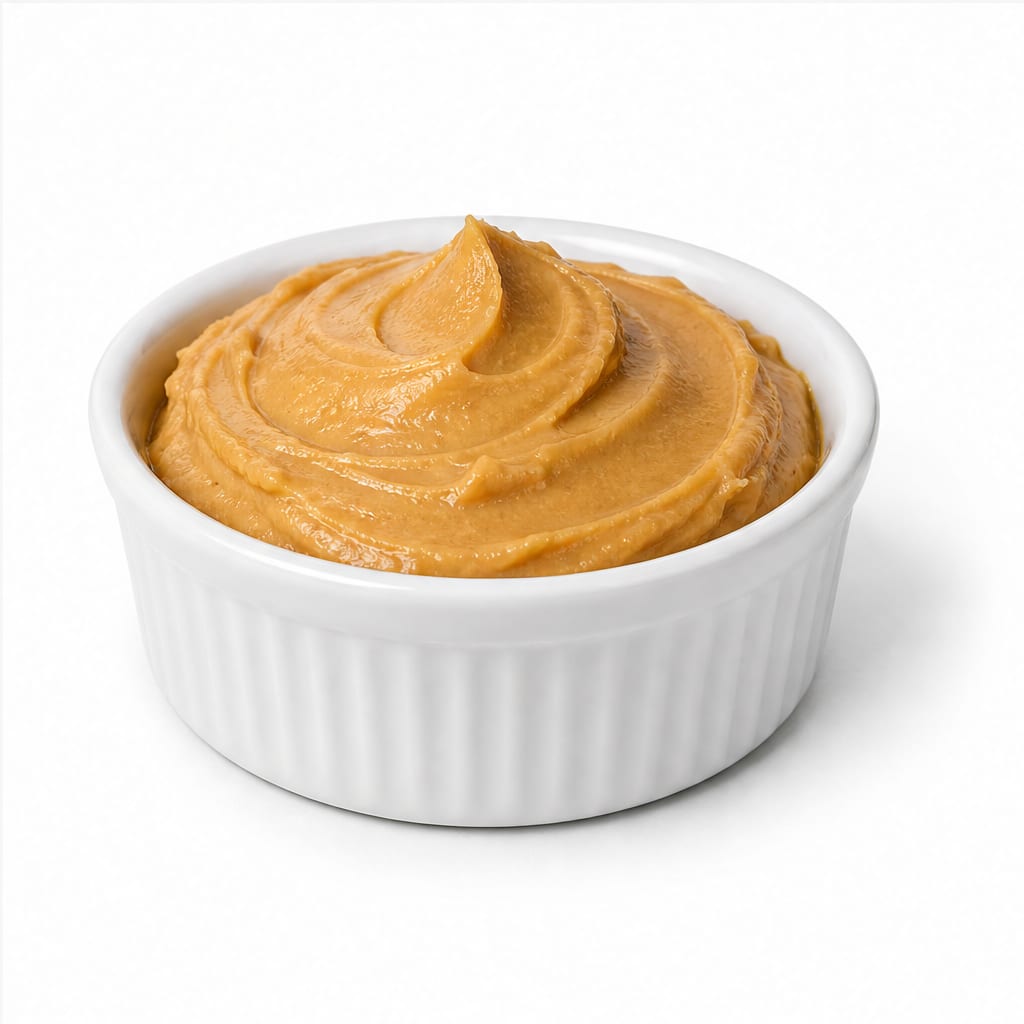
Peanut Butter
Avocado provides cleaner whole-food fats and fiber, while peanut butter delivers more protein and convenience, but both demand strict portion control due to extreme calorie density.
Avocado scores higher due to its whole-food status, superior micronutrient profile, and cleaner fat composition, while peanut butter loses points for potential additives, omega-6 load, and allergy risks.
Whole-food naturalness and fiber (Avocado) versus protein content and shelf-stable convenience (Peanut Butter).
At a glance
Executive summary
Overall
It depends
Healthier
Avocado
More practical
Peanut Butter
Daily use
It depends
Key comparison lenses
Healthy fat source selection
Both foods are primarily valued for their high fat content, making fat quality the main decision driver.
Weight management and calorie control
Both are extremely calorie-dense, so portion control and satiety are critical concerns.
Whole food vs processed food tradeoffs
Avocado is a whole food, while peanut butter varies from minimally processed to heavily refined with additives.
Best choice for
Avocado
- People prioritizing heart health and clean eating
- Those needing more potassium and fiber
- Anyone avoiding processed foods and additives
Peanut Butter
- Athletes needing affordable, shelf-stable protein
- People looking for quick, high-calorie energy
- Those on a tight budget seeking nutritious fats
Least suitable for
Avocado
- People on a tight budget needing daily calories
- Those who lack access to fresh produce regularly
Peanut Butter
- People with severe peanut allergies
- Those trying to reduce omega-6 intake or avoid processed additives
Deep comparison
Dimension by dimension
Each lens scores both foods and breaks down who each option suits.
- Dimension 1 · Priority 95Avocado
Fat Quality & Heart Health
Avocado · 92Peanut Butter · 75Avocado offers pure monounsaturated fats with zero omega-6 imbalance, whereas peanut butter introduces higher omega-6 fats and often hidden trans fats or inflammatory oils.
Tradeoff
You get more protein with peanut butter, but you also consume more inflammatory omega-6 fatty acids unless you choose a 100% pure variety.
Why it matters
A high omega-6 to omega-3 ratio promotes inflammation, which underlies many chronic diseases.
Real-world impact
Eating avocado daily tends to lower bad cholesterol without inflammatory tradeoffs, while commercial peanut butter might quietly undermine those benefits.
Avocado
- Reducing systemic inflammation
- Lowering LDL cholesterol cleanly
Better for
- Situations requiring high protein intake
Worse for
Peanut Butter
- Getting sustained energy for endurance activities
Better for
- Individuals managing inflammatory conditions
Worse for
- Dimension 2 · Priority 90It depends
Satiety & Blood Sugar Control
Avocado · 85Peanut Butter · 85Avocado uses high fiber and water volume to keep you full, while peanut butter relies on dense protein and fat to kill hunger.
Tradeoff
Avocado fills you up with physical volume, whereas peanut butter satisfies with dense, comforting richness but is easier to overeat.
Why it matters
Both foods stabilize blood sugar beautifully, but the mechanism changes how likely you are to accidentally overconsume.
Real-world impact
Half an avocado feels like a substantial meal, but two tablespoons of peanut butter can vanish in a few bites, leaving you wanting more.
Avocado
- Large, physically filling meals
- Digestive regularity
Better for
- When you need high calories in a small package
Worse for
Peanut Butter
- Post-workout hunger relief
- Quick appetite suppression
Better for
- Late-night snacking when portion control is low
Worse for
- Dimension 3 · Priority 85Avocado
Processing & Additives
Avocado · 98Peanut Butter · 60Avocado is a completely unprocessed whole food, while most commercial peanut butter contains added sugars, hydrogenated oils, and emulsifiers.
Tradeoff
You must read labels carefully to get pure peanut butter, whereas an avocado is always exactly what it claims to be.
Why it matters
Hydrogenated oils and added sugars directly counteract the health benefits of the nuts themselves.
Real-world impact
Grabbing a standard jar of peanut butter means you might be eating trans fats and sugar disguised as a health food.
Avocado
- Clean eating diets
- Avoiding hidden sugars
Better for
- None regarding processing
Worse for
Peanut Butter
- No real advantage in processing, though natural varieties exist
Better for
- Those avoiding emulsifiers and seed oils
Worse for
- Dimension 4 · Priority 80Avocado
Micronutrient Density
Avocado · 88Peanut Butter · 72Avocado is loaded with potassium, folate, and vitamin K, while peanut butter offers vitamin E, magnesium, and B vitamins.
Tradeoff
Avocado helps close the common potassium gap, while peanut butter is better for magnesium and vitamin E needs.
Why it matters
Potassium is a widespread deficiency that impacts blood pressure, making avocado uniquely valuable.
Real-world impact
Half an avocado provides more potassium than a banana, silently supporting healthy blood pressure, whereas peanut butter supports nerve function through magnesium.
Avocado
- Blood pressure management
- Pregnancy nutrition (folate)
Better for
- Those needing high vitamin E
Worse for
Peanut Butter
- Immune support (Vitamin E)
- Muscle recovery (Magnesium)
Better for
- Those specifically needing potassium
Worse for
- Dimension 5 · Priority 75Peanut Butter
Convenience & Shelf Life
Avocado · 45Peanut Butter · 95Peanut butter lasts months in the pantry and requires no prep, while avocados spoil quickly and have a frustratingly short ripeness window.
Tradeoff
You trade the absolute nutritional purity of fresh produce for the everyday practicality of a shelf-stable spread.
Why it matters
A healthy food only works if you can actually keep it on hand and use it before it goes bad.
Real-world impact
Peanut butter is always ready for busy mornings, while avocados often turn brown and mushy before you can finish them.
Avocado
- Meal prep where fresh ingredients are guaranteed
Better for
- Dorm living or frequent travel
Worse for
Peanut Butter
- Backpacking and travel
- Emergency food supplies
- Quick breakfasts
Better for
- None regarding convenience
Worse for
Timeline
Health impact over time
Short-term
Hours to days
Avocado
- Provides steady, crash-free energy
- Feels light in the stomach while still being filling
Peanut Butter
- Rapidly satisfies intense hunger
- Comforting and emotionally satisfying, but can trigger cravings for more
Long-term
Months to years
Avocado
- Supports cardiovascular health and lower blood pressure
- Improves digestion and gut health through high fiber
Peanut Butter
- Supports muscle maintenance and metabolic function
- May promote inflammation if commercial varieties with omega-6 oils are consumed regularly
Risk profile
Safety & processing
Avocado is a whole, unrefined food. Peanut butter is mechanically processed and frequently includes added salt, sugars, and hydrogenated oils to stabilize texture and flavor.
Avocado
Pesticide residue
lowThick skin protects the flesh, but conventional avocados still carry some pesticide load on the peel.
Bacterial contamination
lowKnife can introduce bacteria from the skin into the flesh if not washed first.
Peanut Butter
Aflatoxin exposure
mediumPeanuts are susceptible to mold that produces aflatoxins, which are linked to liver damage over time.
Added trans fats
highMany commercial brands still use partially hydrogenated oils to prevent oil separation, introducing harmful trans fats.
Salmonella
lowPeanuts have been linked to salmonella outbreaks, though major brands have strict testing protocols now.
Who wins for whom
Audience fit
Same foods, different winners depending on your goal.
children
Peanut ButterPeanut butter is highly palatable, easy to digest, and provides essential protein and calories for growing kids, assuming no allergies.
daily consumption
AvocadoAvocado's clean fat profile and lack of additives make it safer and more beneficial for everyday use without long-term inflammatory risks.
diabetes
AvocadoAvocado contains virtually zero carbohydrates and no added sugars, guaranteeing stable blood sugar without label reading.
elderly
AvocadoThe soft texture, high potassium for blood pressure, and folate make avocado excellent for aging cardiovascular and digestive systems.
muscle gain
Peanut ButterPeanut butter provides a notable protein boost alongside its calories, which is crucial for muscle repair and growth.
weight loss
AvocadoAvocado's high water and fiber volume makes it harder to overeat compared to the hyper-palatable, spoonable nature of peanut butter.
Your move
Decision guide
Choose Avocado
- You want a clean, whole-food fat source without reading labels
- You need more potassium and fiber in your diet
- You struggle with overeating and need a food that signals fullness through volume
Choose Peanut Butter
- You need an affordable, shelf-stable source of protein and calories
- You are an athlete or highly active person needing convenient energy
- You want a comforting spread that makes healthy eating feel less restrictive
Either works if
- You are looking for healthy fats to round out a meal
- You need to increase your calorie intake in a nutritious way
Avoid both if
- You are on a strict low-fat diet prescribed by a doctor
- You are struggling with severe calorie control and cannot manage portion sizes
Final recommendation
Choose avocado for daily health and clean eating, but keep natural peanut butter on hand for convenience and protein. If you pick peanut butter, always buy varieties with only peanuts and salt to avoid the inflammatory additives that ruin its health profile.
Practical
Consumer tips
- 1
Always buy peanut butter where the only ingredients are peanuts and maybe salt; avoid added sugars and hydrogenated oils.
- 2
Half an avocado is usually the perfect portion; a whole one packs over 300 calories quickly.
- 3
Squeeze lemon juice on leftover avocado halves and wrap tightly in foil to slow down browning.
- 4
Stir natural peanut butter well and store it upside down in the pantry to keep the oils evenly distributed.