
Nutrition comparison
Avocado vs Greek Yogurt: Which Is Healthier for Your Goals?
Compare Avocado and Greek Yogurt on protein, fats, calories, gut health, and more. Find out which one fits your weight loss, muscle, or daily nutrition goals better.
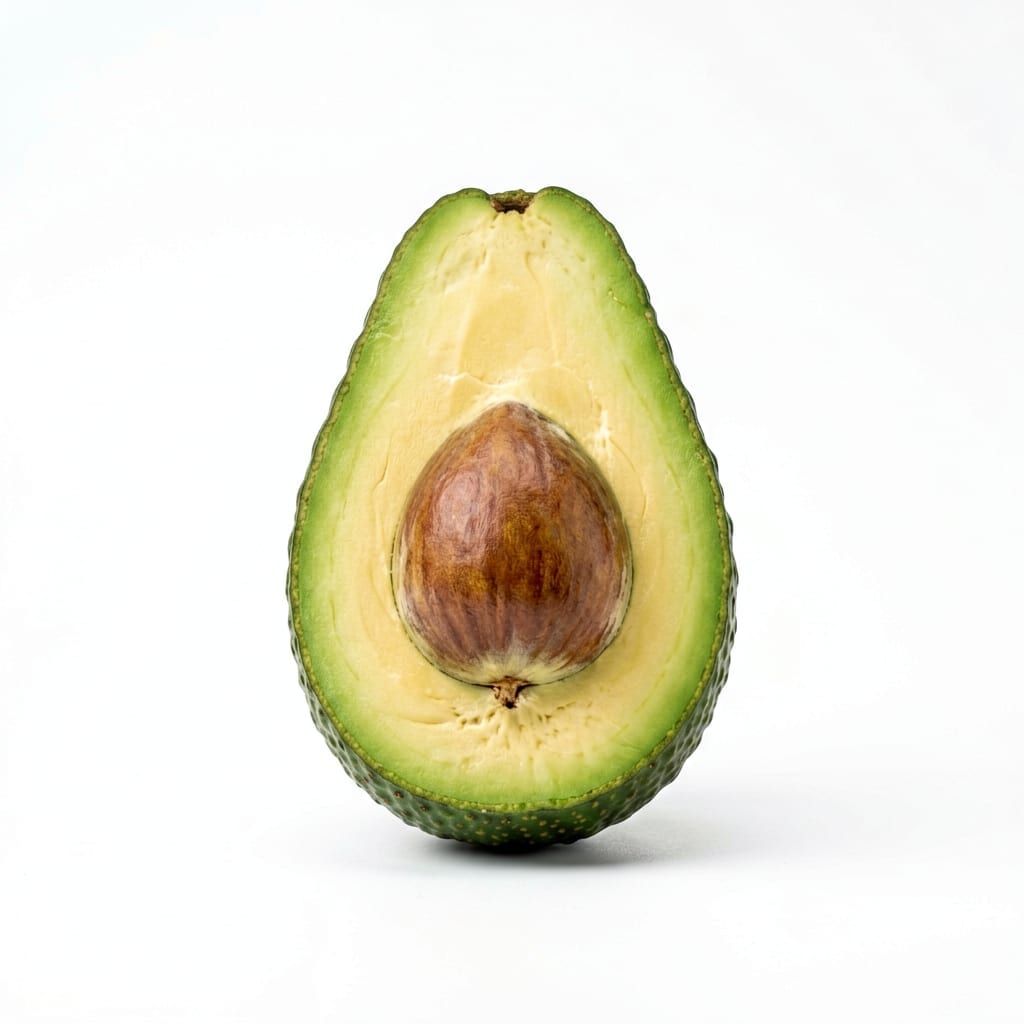
Avocado

Greek Yogurt
Avocado and Greek Yogurt are both nutritional powerhouses serving completely different roles — Avocado fuels you with healthy fats and fiber, Greek Yogurt builds you with protein and probiotics.
Avocado and Greek Yogurt score nearly identically because they excel in different areas. Avocado wins on whole-food naturalness, healthy fats, and blood sugar stability. Greek Yogurt wins on protein, calorie efficiency, convenience, and bone support. Your specific goals determine which score matters more for you.
Calorie-dense healthy fats with zero protein versus lean protein with less fat — you choose between sustained energy from Avocado or muscle support and satiety from Greek Yogurt.
At a glance
Executive summary
Overall
It depends
Healthier
It depends
More practical
Greek Yogurt
Daily use
Greek Yogurt
Key comparison lenses
Fat vs Protein Dominance
Avocado delivers monounsaturated fats while Greek Yogurt delivers high-quality protein — the core tradeoff shapes every downstream decision
Weight Management Strategy
Users commonly choose between these two when building filling, nutritious meals for fat loss or body recomposition
Gut Health Approach
Avocado offers prebiotic fiber while Greek Yogurt offers probiotics — different paths to digestive wellness
Daily Snack Selection
Both are popular snack choices but differ dramatically in convenience, portability, and calorie control
Dairy Tolerance and Allergy Concerns
Greek Yogurt excludes lactose-sensitive and dairy-avoidant users, making Avocado the safe default for many
Best choice for
Avocado
- Low-carb and keto eaters needing healthy fat sources
- People avoiding dairy entirely
- Anyone seeking steady energy without blood sugar spikes
- Heart-health focused individuals wanting monounsaturated fats
- Those who find fat-based meals more satisfying and longer-lasting
Greek Yogurt
- Athletes and active people needing protein recovery
- Anyone counting calories while maximizing fullness
- People wanting gut-friendly probiotics daily
- Older adults needing calcium and protein to protect bones and muscle
- Busy people who need a ready-to-eat fridge staple
Least suitable for
Avocado
- Anyone strictly controlling calories who struggles with portion sizes
- People needing high protein intake for muscle building or recovery
- Those on very low-fat diets for medical reasons
Greek Yogurt
- Anyone with lactose intolerance or dairy allergy
- Vegans and strict plant-based eaters
- People avoiding even minimal added sugars in flavored varieties
Deep comparison
Dimension by dimension
Each lens scores both foods and breaks down who each option suits.
- Dimension 1 · Priority 92Greek Yogurt
Satiety & Fullness
Avocado · 83Greek Yogurt · 89Greek Yogurt keeps you full slightly longer per calorie thanks to its high protein content, while Avocado's fat-based fullness is real but comes with more calories.
Tradeoff
Avocado's fat creates a satisfying mouthfeel and slow digestion, but Greek Yogurt's protein triggers stronger appetite-suppressing hormones for fewer calories.
Why it matters
If you stop snacking sooner and stay full longer, you eat less overall without feeling deprived.
Real-world impact
A cup of Greek Yogurt at 3pm can kill afternoon hunger until dinner. Half an Avocado does the same but costs you roughly double the calories.
Avocado
- People who find fat-based meals more emotionally satisfying
- Low-carb eaters who need fullness without protein powder
Better for
- Overeaters who find it hard to stop at half an Avocado
Worse for
Greek Yogurt
- Calorie-conscious snackers wanting maximum fullness per calorie
- Post-workout eaters needing satiety plus muscle recovery
Better for
- People who find protein-only snacks unsatisfying without fat
Worse for
- Dimension 2 · Priority 88Greek Yogurt
Protein Quality & Quantity
Avocado · 12Greek Yogurt · 93This is the most lopsided comparison here. Greek Yogurt delivers roughly 15-20g of complete protein per serving, while Avocado provides barely 2-3g.
Tradeoff
If muscle maintenance, recovery, or metabolic health through protein matters to you, Greek Yogurt is dramatically superior. Avocado simply cannot fill this role.
Why it matters
Protein preserves muscle, supports metabolism, and keeps you functional as you age. Most people already under-eat protein.
Real-world impact
Replacing Greek Yogurt with Avocado at breakfast means missing 15g of protein — you will need to make that up elsewhere or risk being hungrier and losing muscle tone over time.
Avocado
- Anyone relying on Avocado as a protein source — it is not one
Worse for
Greek Yogurt
- Anyone over 30 needing muscle preservation
- Athletes in any training phase
- People trying to increase protein without meat
Better for
- Dimension 3 · Priority 86Avocado
Healthy Fats & Heart Health
Avocado · 95Greek Yogurt · 42Avocado is one of the best whole-food sources of monounsaturated fat available. Greek Yogurt contains mostly saturated fat with far less total fat benefit.
Tradeoff
Avocado actively supports cardiovascular health through oleic acid and potassium. Greek Yogurt's fat profile is neutral at best, slightly concerning at worst depending on the variety.
Why it matters
Heart disease remains the leading cause of death globally. Monounsaturated fats from whole foods are among the most protective nutrients you can eat.
Real-world impact
Eating Avocado regularly instead of butter or cheese on your toast meaningfully improves your cholesterol numbers over months. Greek Yogurt does not offer this benefit.
Avocado
- Anyone with family history of heart disease
- People following Mediterranean diet principles
- Those replacing saturated fat sources with healthier alternatives
Better for
- People on strict low-fat diets for gallbladder or pancreatic conditions
Worse for
Greek Yogurt
- People on medically prescribed low-fat diets who still want some dairy fat
Better for
- Anyone avoiding saturated fat for cardiovascular reasons
Worse for
- Dimension 4 · Priority 80Greek Yogurt
Gut Health & Digestion
Avocado · 74Greek Yogurt · 84Greek Yogurt provides live probiotics that directly populate your gut. Avocado provides fiber that feeds your existing gut bacteria. Both help, through different mechanisms.
Tradeoff
Probiotics from Greek Yogurt add new beneficial strains. Fiber from Avocado nourishes strains you already have. Ideally you want both, but Greek Yogurt has a slight edge for active gut repair.
Why it matters
Gut health affects immunity, mood, digestion, and inflammation. Most people need both more fiber and more probiotic diversity.
Real-world impact
After antibiotics or a stomach bug, Greek Yogurt helps repopulate your gut faster. For everyday maintenance, Avocado's fiber keeps things moving smoothly.
Avocado
- People with dairy sensitivity who need a fiber-first gut approach
- Anyone prone to constipation needing gentle fiber
Better for
- People who need active probiotic replenishment
Worse for
Greek Yogurt
- People recovering from antibiotics or gut infections
- Anyone wanting to diversify their gut microbiome actively
Better for
- Anyone with lactose intolerance or dairy-triggered IBS
Worse for
- Dimension 5 · Priority 82Avocado
Blood Sugar Stability
Avocado · 93Greek Yogurt · 76Avocado has virtually zero sugar and high fiber, making it nearly impossible to spike blood sugar. Greek Yogurt contains lactose sugar and sometimes added sugars in flavored versions.
Tradeoff
Avocado is the safer bet for rock-steady blood sugar. Plain Greek Yogurt is still good, but flavored varieties can cause noticeable glucose spikes.
Why it matters
Blood sugar crashes drive cravings, fatigue, and long-term metabolic damage. Stable blood sugar means stable energy and mood.
Real-world impact
Avocado on its own will never cause an afternoon energy crash. A flavored Greek Yogurt with 15g of added sugar absolutely can.
Avocado
- Diabetics and pre-diabetics needing guaranteed blood sugar safety
- Anyone prone to energy crashes after snacking
Better for
Greek Yogurt
- Active people who tolerate some carbohydrate around exercise
Better for
- Diabetics choosing flavored Greek Yogurt with added sugar
Worse for
- Dimension 6 · Priority 78Greek Yogurt
Calorie Efficiency
Avocado · 52Greek Yogurt · 86Greek Yogurt delivers far more protein and nutrients per calorie. Avocado is calorie-dense, making portion control critical.
Tradeoff
One whole Avocado runs 240-320 calories. A serving of Greek Yogurt delivers more protein for roughly 100-130 calories. For weight management, this gap matters daily.
Why it matters
If you are trying to lose fat or maintain weight, calorie density determines whether you accidentally overeat.
Real-world impact
It is very easy to eat a whole Avocado mindlessly. It is much harder to accidentally overeat plain Greek Yogurt.
Avocado
- Underweight individuals or athletes needing calorie-dense fuel
- People on keto who want calories from fat
Better for
- Mindless eaters who struggle with calorie-dense foods
Worse for
Greek Yogurt
- Anyone tracking calories for weight loss
- People who want large food volume for fewer calories
Better for
- Dimension 7 · Priority 72Greek Yogurt
Bone Health Support
Avocado · 42Greek Yogurt · 91Greek Yogurt is a calcium and often vitamin D powerhouse. Avocado offers some vitamin K and potassium but cannot compete for bone support.
Tradeoff
If bone density matters — especially for women over 40 — Greek Yogurt is far more valuable. Avocado supports bones indirectly but weakly.
Why it matters
Osteoporosis is silent and progressive. Getting adequate calcium daily from food is far more effective than supplementing later.
Real-world impact
A daily serving of Greek Yogurt covers roughly 20% of your calcium needs. You would need to eat Avocado plus several other foods to match that.
Avocado
- People who get calcium from other dairy or fortified foods daily
Better for
- People relying on Avocado as a primary bone-support food
Worse for
Greek Yogurt
- Women over 40 concerned about bone density
- Anyone who does not consume other calcium-rich foods regularly
- Older adults needing to protect against fractures
Better for
- Dimension 8 · Priority 76Greek Yogurt
Convenience & Practicality
Avocado · 55Greek Yogurt · 88Greek Yogurt is ready to eat, lasts weeks in the fridge, and travels well. Avocado requires ripeness timing, cutting, and browns quickly.
Tradeoff
Greek Yogurt is grab-and-go. Avocado demands planning — too firm and it is inedible, too soft and it is waste.
Why it matters
The healthiest food is the one you actually eat consistently. Convenience drives consistency.
Real-world impact
You can keep Greek Yogurt in your office fridge for emergency meals. An Avocado needs to be perfectly ripe and consumed within a day or two.
Avocado
- People who meal prep and can plan ripeness timing
- Home cooks who use Avocado as an ingredient in meals
Better for
- Anyone frustrated by unpredictable ripening and browning
Worse for
Greek Yogurt
- Busy professionals needing instant nutritious snacks
- Anyone who travels or commutes with food
- People who hate food waste from spoilage
Better for
- Dimension 9 · Priority 74Avocado
Anti-Inflammatory Properties
Avocado · 88Greek Yogurt · 64Avocado's monounsaturated fats, vitamin E, and antioxidants actively reduce inflammation. Greek Yogurt is neutral to mildly anti-inflammatory, but dairy can be inflammatory for some people.
Tradeoff
Avocado is reliably anti-inflammatory for nearly everyone. Greek Yogurt's effect depends on your individual dairy tolerance.
Why it matters
Chronic inflammation drives joint pain, fatigue, and disease progression. Food choices that reduce inflammation compound over years.
Real-world impact
If you have achy joints or skin issues, swapping Greek Yogurt for Avocado a few times a week might calm things down noticeably within weeks.
Avocado
- People with autoimmune conditions or chronic inflammation
- Anyone with joint pain or skin issues potentially linked to dairy
Better for
Greek Yogurt
- People without dairy sensitivity who benefit from probiotic anti-inflammatory effects
Better for
- Anyone who experiences inflammation flare-ups from dairy
Worse for
- Dimension 10 · Priority 70Avocado
Naturalness & Processing Level
Avocado · 98Greek Yogurt · 70Avocado is a whole food with zero processing. Greek Yogurt requires fermentation, straining, and sometimes added thickeners or sugars.
Tradeoff
If eating close to nature matters to you, Avocado is as clean as it gets. Even plain Greek Yogurt involves industrial processing steps.
Why it matters
Less processing generally means fewer additives, more nutrient integrity, and fewer hidden ingredients.
Real-world impact
You can hand someone an Avocado and know exactly what they are eating. Greek Yogurt labels require scanning for added sugars, thickeners, and cultures.
Avocado
- Whole-food purists and clean-eating advocates
- People avoiding all additives and preservatives
Better for
Greek Yogurt
- People who prioritize functional benefits like probiotics over processing concerns
Better for
- Anyone who reads ingredient labels and wants minimal processing
Worse for
Timeline
Health impact over time
Short-term
Hours to days
Avocado
- Sustained energy without crashes due to near-zero sugar and high fat
- Gentle digestive support from soluble fiber without bloating
- Immediate satiety that reduces snacking urge for 3-4 hours
Greek Yogurt
- Quick protein satisfaction that curbs hunger within 20 minutes
- Possible mild bloating if lactose sensitive
- Slight energy dip possible with flavored varieties containing added sugar
Long-term
Months to years
Avocado
- Improved cholesterol profile from consistent monounsaturated fat intake
- Better blood sugar regulation reducing diabetes risk over years
- Risk of weight gain if portions are not managed due to calorie density
Greek Yogurt
- Preserved muscle mass and metabolic rate from consistent high protein intake
- Stronger bones and reduced fracture risk from calcium and vitamin D
- Improved gut microbiome diversity from regular probiotic consumption
Risk profile
Safety & processing
Avocado is a whole food eaten as-is. Greek Yogurt undergoes fermentation and straining, and many commercial brands add thickeners, sweeteners, or flavorings. Choosing plain Greek Yogurt minimizes additive concerns significantly.
Avocado
Pesticide residue on skin
lowThick skin blocks most pesticide transfer to flesh. Peeling eliminates nearly all residue concern. Organic is nice but not critical.
Oxalate accumulation
lowAvocado contains moderate oxalates. Only relevant for people with a history of calcium oxalate kidney stones.
Foodborne contamination in prepared guacamole
mediumStore-bought or restaurant guacamole can harbor bacteria if left unrefrigerated. Whole Avocados are extremely low risk.
Greek Yogurt
Lactose intolerance reactions
mediumGreek Yogurt has less lactose than regular yogurt but still enough to trigger symptoms in sensitive individuals.
Added sugars in flavored varieties
highMany flavored Greek Yogurts contain 12-20g of added sugar per serving, effectively turning a health food into dessert. Always choose plain.
Antibiotic and hormone residues in conventional dairy
lowUSDA regulations limit residues, but choosing organic Greek Yogurt eliminates this concern entirely for worried consumers.
Who wins for whom
Audience fit
Same foods, different winners depending on your goal.
children
Greek YogurtGreek Yogurt is easier for kids to eat, provides calcium for growing bones, and probiotics for developing immune systems. Avocado is healthy but many children resist its texture.
daily consumption
Greek YogurtGreek Yogurt is easier to consume daily without calorie concerns, offers more nutritional variety across protein and calcium, and requires no ripeness timing or prep.
diabetes
AvocadoAvocado has virtually zero sugar and will not spike blood glucose under any circumstances. Even plain Greek Yogurt contains some lactose sugar.
elderly
Greek YogurtOlder adults desperately need protein to prevent muscle loss and calcium to prevent fractures. Greek Yogurt addresses both directly. Avocado is healthy but does not solve these age-specific priorities.
muscle gain
Greek YogurtGreek Yogurt delivers 15-20g of complete protein per serving, making it a genuine muscle-building food. Avocado provides negligible protein.
weight loss
Greek YogurtGreek Yogurt provides more satiety per calorie and makes portion control effortless. Avocado's calorie density requires deliberate measuring to avoid overconsumption.
Your move
Decision guide
Choose Avocado
- You follow a low-carb, keto, or dairy-free eating style
- Heart health is your top priority and you want monounsaturated fats daily
- You need blood sugar stability and want zero risk of glucose spikes
- You are at a healthy weight and can afford calorie-dense foods without tracking
- You have dairy intolerance or a dairy-free household
Choose Greek Yogurt
- You need more protein in your day without adding meat or supplements
- You are managing calories and want maximum fullness per calorie
- Bone health and calcium intake matter to you, especially if you are a woman over 40
- You want a convenient fridge staple that requires zero prep
- You are recovering from illness, antibiotics, or gut issues and need probiotics
Either works if
- You are building a balanced breakfast bowl and can use both together
- You rotate foods throughout the week for nutritional diversity
- You have no dairy issues and no calorie restrictions
Avoid both if
- You have a severe latex allergy — Avocado cross-reacts in some cases
- You are on a strict low-protein diet for kidney disease — Greek Yogurt is too protein-dense
- You are on a very low-fat diet for medical reasons — Avocado is too fat-dense
Final recommendation
Eat both, but not at the same time or for the same purpose. Use Greek Yogurt when you need protein, convenience, and bone support — mornings and post-workout are ideal. Use Avocado when you need healthy fats, blood sugar stability, and anti-inflammatory benefits — on salads, toast, or as a meal enhancer. If you must pick only one for daily use, Greek Yogurt wins on practicality and protein, but Avocado wins on whole-food purity and heart health. Your body benefits most from having both in rotation.
Practical
Consumer tips
- 1
Always choose plain Greek Yogurt and add your own fruit or honey — flavored versions often contain as much sugar as candy
- 2
Half an Avocado is usually the right portion — a whole one doubles your calories without doubling the benefit
- 3
Store cut Avocado with the pit and lemon juice to slow browning, or mash and freeze for later use in smoothies
- 4
Check Greek Yogurt labels for protein content — some brands add thickeners instead of actually straining, resulting in less protein
- 5
Organic Greek Yogurt eliminates antibiotic and hormone residue concerns for roughly the same price at most stores
- 6
Freeze overripe Avocados for smoothies — they add creaminess and healthy fats without any flavor interference
- 7
Pair Avocado with eggs or add Greek Yogurt to a smoothie to cover the protein gap both foods leave when eaten alone