
Nutrition comparison
Avocado vs Butter: Which Fat Is Healthier?
Compare Avocado vs Butter for heart health, cooking, and weight loss. Learn the nutritional tradeoffs and which fat to use daily.
Overall winner · Avocado
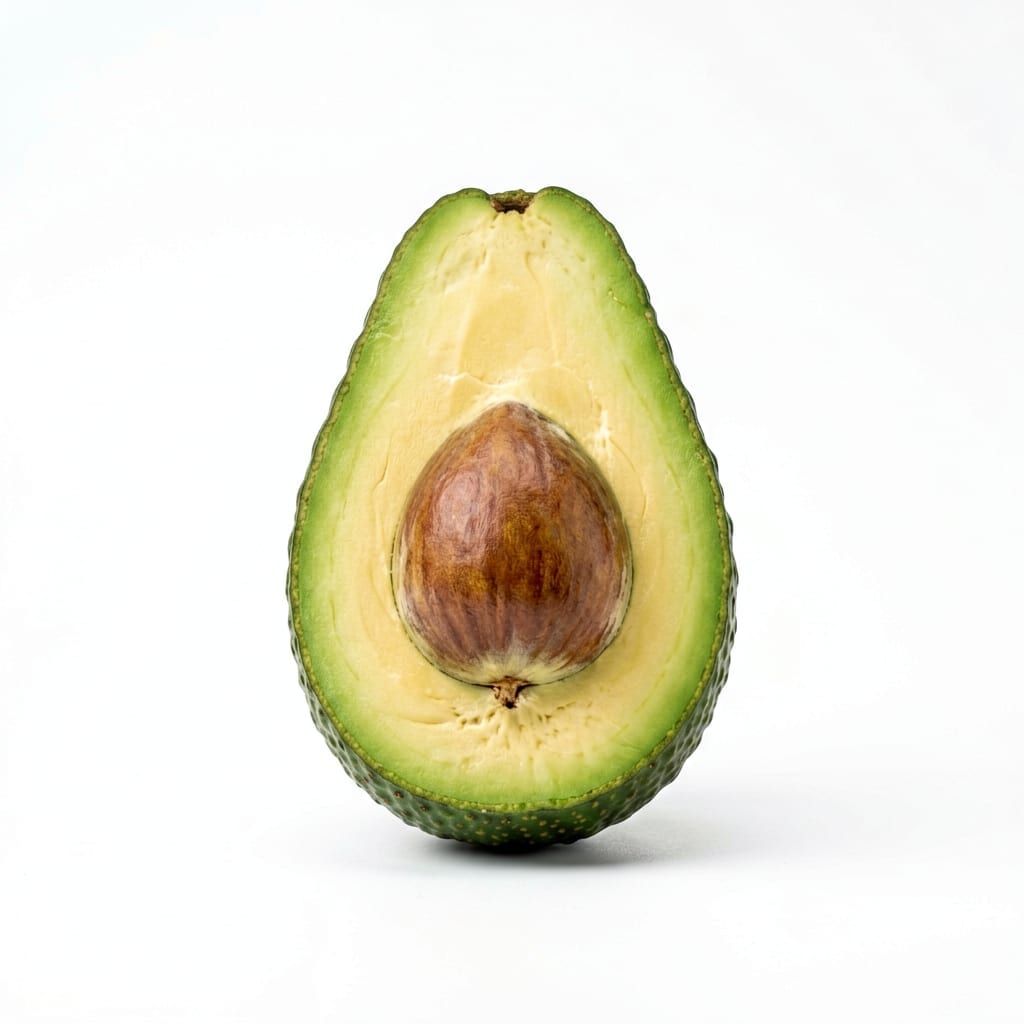
Avocado
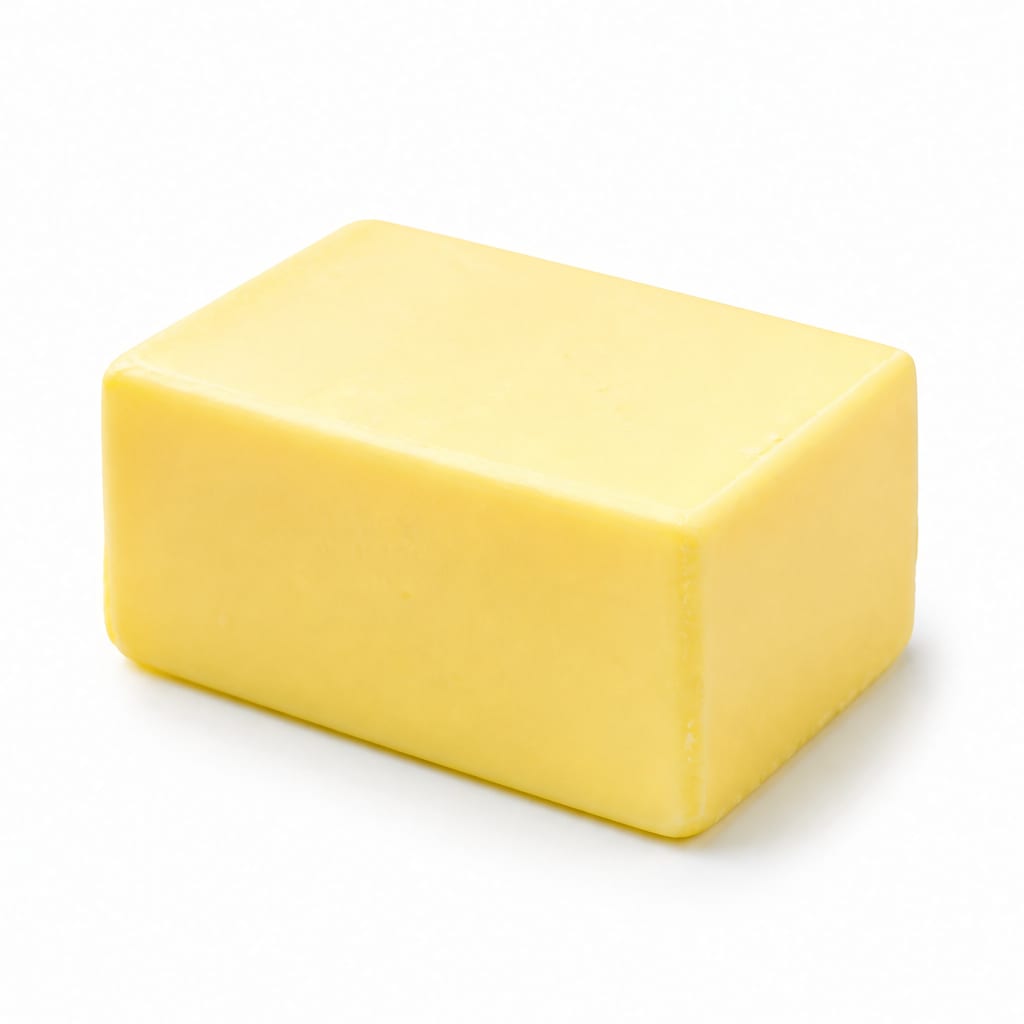
Butter
Avocado wins for daily health and heart protection, while Butter wins for flavor and cooking performance.
Avocado dominates on health metrics, but Butter retains a solid niche for culinary applications, keeping it from scoring terribly low overall.
Nutrient-dense whole-food fat versus flavorful but nutrient-poor saturated fat.
At a glance
Executive summary
Overall
Avocado
Healthier
Avocado
More practical
Butter
Daily use
Avocado
Key comparison lenses
Heart health and cholesterol impact
The primary difference between these fats is their effect on cardiovascular health, with monounsaturated fats battling saturated fats.
Whole-food vs processed fat source
Avocado delivers a complete food package with fiber and micronutrients, whereas butter is a concentrated animal fat extract.
Culinary application and cooking performance
Butter provides irreplaceable flavor and texture in baking and searing, while avocado excels in raw and low-heat applications.
Calorie density and portion control
Both are highly calorie-dense, making overconsumption a real concern for weight management.
Best choice for
Avocado
- Heart health
- Fiber intake
- Whole-food diets
Butter
- Baking flakiness
- High-heat searing
- Rich flavor needs
Least suitable for
Avocado
- High-heat cooking
- Low-budget bulk cooking
Butter
- Heart conditions
- Lowering cholesterol
Deep comparison
Dimension by dimension
Each lens scores both foods and breaks down who each option suits.
- Dimension 1 · Priority 95Avocado
Heart Health & Lipid Profile
Avocado · 95Butter · 25Avocado lowers LDL cholesterol; butter raises it.
Tradeoff
You trade rich dairy flavor for better long-term cardiovascular outcomes.
Why it matters
Heart disease is a leading cause of death; daily fat choices heavily influence risk.
Real-world impact
Swapping butter for avocado on toast steadies your energy and protects your arteries over the years.
Avocado
- Lowering cholesterol
- Reducing inflammation
- Blood pressure support
Better for
Butter
- Keto diets seeking saturated fat
Better for
- Atherosclerosis risk
- High blood pressure
Worse for
- Dimension 2 · Priority 90Avocado
Nutrient Density
Avocado · 90Butter · 15Avocado brings fiber, potassium, and vitamins; butter is essentially empty fat calories.
Tradeoff
Butter offers pure fat energy, while avocado offers fat plus essential micronutrients.
Why it matters
Getting nutrients alongside your fats prevents deficiencies and keeps you full.
Real-world impact
An avocado with lunch keeps you full until dinner; butter leaves you hungry again faster.
Avocado
- Potassium intake
- Digestive regularity
- Vitamin E absorption
Better for
Butter
- Quick calorie loading
Better for
- Nutrient gaps
- Low fiber diets
Worse for
- Dimension 3 · Priority 85Butter
Culinary Performance & Versatility
Avocado · 55Butter · 85Butter excels in baking, browning, and high-heat cooking; avocado is best raw or lightly used.
Tradeoff
Avocado cannot replicate butter's flakiness in pastries or its Maillard browning in pans.
Why it matters
Flavor and texture matter for dietary satisfaction and sustainability.
Real-world impact
A pie crust made with avocado oil will not flake like one made with butter; searing a steak in butter creates a crust avocado oil cannot match.
Avocado
- Vegan baking
- Creamy raw textures
Better for
- Baking structure
- High-heat stability
Worse for
Butter
- Flaky pastries
- Pan sauces
- Searing meats
Better for
- Vegan diets
- Dairy allergies
Worse for
- Dimension 4 · Priority 80Avocado
Satiety & Blood Sugar Stability
Avocado · 85Butter · 40Avocado's fiber slows digestion and steadies blood sugar; butter lacks fiber and can cause energy dips when eaten alone with carbs.
Tradeoff
Avocado provides a satisfying, steady burn; butter gives quick fat calories without the braking effect of fiber.
Why it matters
Stable blood sugar prevents afternoon crashes and cravings.
Real-world impact
Avocado on morning toast prevents the mid-morning crash that butter on toast might trigger.
Avocado
- Steady energy
- Craving control
Better for
Butter
- Keto fat bombs
Better for
- Blood sugar spikes when paired with refined carbs
Worse for
Timeline
Health impact over time
Short-term
Hours to days
Avocado
- Steady energy
- Quick fullness
- Mild digestive aid from fiber
Butter
- Rich mouthfeel satisfaction
- Quick calorie availability
- Potential sluggishness in large amounts
Long-term
Months to years
Avocado
- Improved cholesterol
- Better heart health
- Healthy digestion
Butter
- Increased LDL cholesterol
- Higher cardiovascular risk if overconsumed
- Potential weight gain from calorie density
Risk profile
Safety & processing
Both are relatively natural whole fats, though butter undergoes churning and sometimes adds salt, while avocado is eaten as-is.
Avocado
Oxidation and browning
lowCut avocado browns quickly when exposed to air, though it remains safe to eat.
Pesticide residue
lowThick skin protects the flesh from most pesticide exposure, making it a clean choice.
Butter
Dairy allergen
highContains trace casein and whey, which can trigger reactions in dairy-allergic individuals.
Spoilage
mediumCan go rancid if left unrefrigerated too long or kept past expiration.
Who wins for whom
Audience fit
Same foods, different winners depending on your goal.
children
AvocadoNutrient density supports growth; butter is fine in moderation but offers less developmental value.
daily consumption
AvocadoDaily avocado supports heart health; daily butter can easily push saturated fat over recommended limits.
diabetes
AvocadoFiber prevents blood sugar spikes; saturated fat in butter can worsen insulin resistance.
elderly
AvocadoHeart health is critical with age, and avocado supports cardiovascular function without raising cholesterol.
muscle gain
It dependsButter adds easy calories for bulking; avocado adds calories plus nutrients for lean gains.
weight loss
AvocadoFiber increases fullness, making it easier to avoid overeating despite high calories.
Your move
Decision guide
Choose Avocado
- You want to protect your heart
- You need more fiber in your diet
- You are making toast, sandwiches, or salads
Choose Butter
- You are baking pastries or cakes
- You need a fat for high-heat searing
- You want rich dairy flavor in a dish
Either works if
- You just need a fat source for moderate-heat cooking
- You are on a keto diet and tracking macros closely
Avoid both if
- You are on a strict low-fat diet for gallbladder issues
Final recommendation
Use Avocado as your everyday spreading and topping fat for health benefits, and keep Butter for special culinary moments where its flavor and texture truly shine.
Practical
Consumer tips
- 1
Mash Avocado with a little lemon juice to prevent browning if you plan to store it.
- 2
Use Avocado oil instead of Butter for high-heat cooking if you want the monounsaturated benefits at higher temperatures.
- 3
If baking vegan, Avocado can replace Butter 1:1 in brownies and quick breads for a fudgy texture.
- 4
Measure both carefully; they are calorie-dense and easy to over-portion.