
Nutrition comparison
Avocado vs Olive Oil: Which Healthy Fat Is Better?
Compare Avocado and Olive Oil to see which healthy fat wins for weight loss, cooking, and overall nutrition. Discover the tradeoffs between whole-food fiber and concentrated oils.
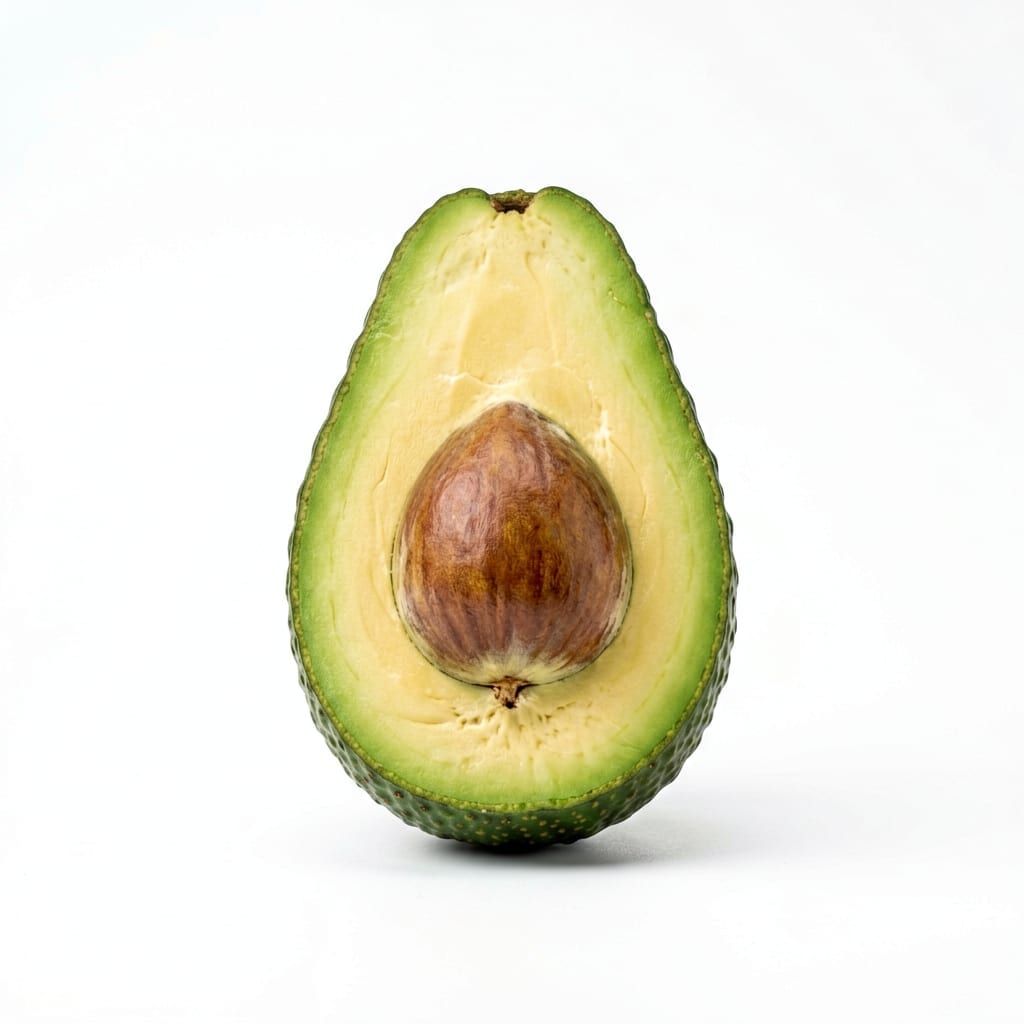
Avocado
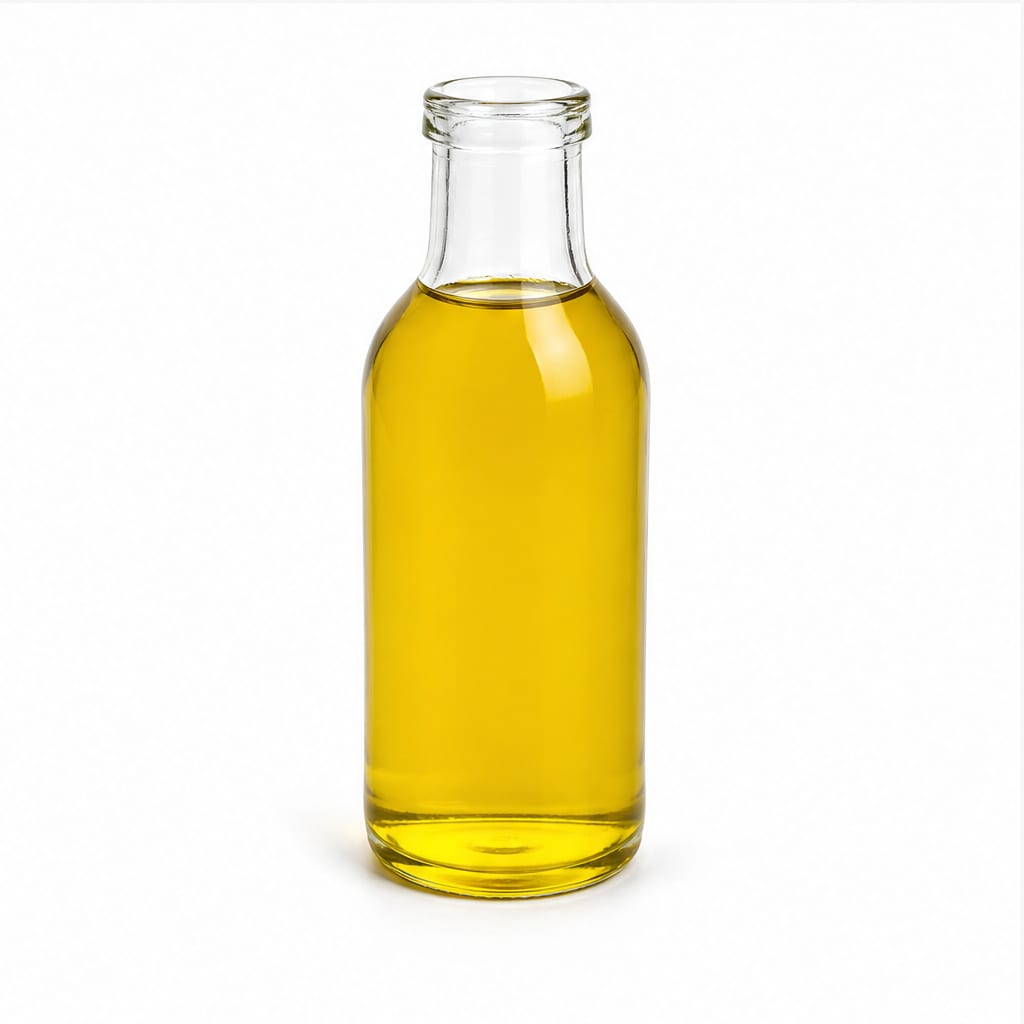
Olive Oil
Avocado wins for satiety and overall nutrient density, while Olive Oil wins for cooking versatility and concentrated healthy fats.
Avocado scores higher due to its complete nutritional package of fiber, vitamins, and minerals. Olive Oil remains an excellent fat source but lacks the satiety and broad micronutrients of the whole fruit.
Fiber and fullness from a whole food versus the convenience and pure fat concentration of an extracted oil.
At a glance
Executive summary
Overall
It depends
Healthier
Avocado
More practical
Olive Oil
Daily use
Avocado
Key comparison lenses
Optimal source of dietary fat
Both are premier sources of heart-healthy monounsaturated fats, making the choice between a whole food and a refined fat the core decision.
Satiety vs calorie density tradeoff
Avocado offers bulk and fullness, while Olive Oil provides concentrated calories that are easy to overconsume.
Whole food vs extracted fat
Users often wonder if the whole food package offers benefits that the extracted oil misses out on.
Culinary application and convenience
Olive Oil is a cooking staple, whereas Avocado is typically eaten raw, impacting how they fit into meals.
Best choice for
Avocado
- People managing weight who need volume and satiety
- Anyone needing more fiber and potassium in their diet
- Those seeking a filling, whole-food snack
Olive Oil
- Home cooks needing a versatile, high-heat cooking fat
- Anyone needing easy, dense calories for weight gain
- Salad eaters wanting to boost absorption of fat-soluble vitamins
Least suitable for
Avocado
- People on strict low-fiber or low-residue diets
- Those needing a neutral-flavored cooking fat
Olive Oil
- People carefully tracking calories who struggle with portion control
- Those avoiding all extracted or concentrated oils
Deep comparison
Dimension by dimension
Each lens scores both foods and breaks down who each option suits.
- Dimension 1 · Priority 95Avocado
Satiety and Fullness
Avocado · 92Olive Oil · 40Avocado is significantly more filling due to its water and fiber content, whereas Olive Oil adds calories without physical bulk.
Tradeoff
You get lasting fullness with Avocado, but Olive Oil delivers fat calories without taking up stomach space.
Why it matters
Eating foods that keep you full makes it easier to avoid overeating later in the day.
Real-world impact
Half an Avocado with lunch will likely keep you satisfied until dinner; a drizzle of Olive Oil on a salad might leave you hungry an hour later.
Avocado
- Curbing afternoon cravings
- Making light meals feel substantial
Better for
- Situations requiring calorie density without fullness
Worse for
Olive Oil
- Adding calories without feeling stuffed
- Getting fat calories right after surgery or with poor appetite
Better for
- Late-night snacking where low volume leads to overeating
Worse for
- Dimension 2 · Priority 90Avocado
Nutrient Density and Fiber
Avocado · 95Olive Oil · 55Avocado delivers a wide spectrum of vitamins, minerals, and gut-healthy fiber. Olive Oil retains healthy fats and antioxidants but loses the fiber and most water-soluble nutrients during extraction.
Tradeoff
Avocado gives you the whole-food matrix, while Olive Oil isolates the fat-soluble benefits.
Why it matters
Fiber supports gut health and blood sugar control, making the whole fruit more metabolically balanced than the extracted oil.
Real-world impact
Choosing Avocado gives you nearly 7 grams of fiber per serving, supporting digestion and steady energy.
Avocado
- Gut health and regularity
- Steadying blood sugar spikes
Better for
- Low-fiber dietary protocols
Worse for
Olive Oil
- Absorbing fat-soluble vitamins (A, D, E, K) from vegetables
Better for
- Meeting daily fiber goals
Worse for
- Dimension 3 · Priority 85Avocado
Calorie Control and Overconsumption Risk
Avocado · 80Olive Oil · 50Avocado's natural packaging makes it harder to accidentally overeat. Olive Oil is so calorie-dense that a quick pour can easily add hundreds of calories.
Tradeoff
Avocado requires effort to overeat due to bulk; Olive Oil can be poured mindlessly.
Why it matters
Liquid calories are notoriously easy to overconsume, which can silently derail weight management.
Real-world impact
Glugging Olive Oil straight from the bottle or over-pouring on bread can add 200+ calories in seconds; eating a whole Avocado takes more time and signals fullness.
Avocado
- Mindful eating and portion awareness
- Weight loss diets requiring volume
Better for
- Strict macro tracking where high volume is inconvenient
Worse for
Olive Oil
- Quick caloric surplus for athletes or weight gain
Better for
- Cutting calories without feeling deprived
Worse for
- Dimension 4 · Priority 80Olive Oil
Culinary Versatility and Convenience
Avocado · 60Olive Oil · 95Olive Oil is incredibly versatile for cooking, roasting, and dressing. Avocado is best eaten raw and has a short ripeness window.
Tradeoff
Olive Oil offers long shelf life and high-heat cooking; Avocado requires timing and is limited to raw or gentle-heat applications.
Why it matters
A cooking fat you can use daily for multiple techniques makes meal prep much simpler.
Real-world impact
You can sauté, roast, and bake with Olive Oil effortlessly. Avocado browns quickly and cannot be used for high-heat frying.
Avocado
- Spreading on toast as a butter replacement
- Making creamy, dairy-free desserts
Better for
- High-heat cooking
- Emergency cooking when produce is unripe
Worse for
Olive Oil
- Sautéing and roasting vegetables
- Making salad dressings and marinades
Better for
- Recipes requiring creamy texture or bulk
Worse for
Timeline
Health impact over time
Short-term
Hours to days
Avocado
- Provides immediate satiety and sustained energy
- Supports smooth digestion due to high fiber content
Olive Oil
- Quickly boosts calorie intake without feeling heavy
- Enhances absorption of nutrients from accompanying vegetables
Long-term
Months to years
Avocado
- Supports heart health with monounsaturated fats and potassium
- Promotes a healthy gut microbiome via dietary fiber
Olive Oil
- Lowers cardiovascular risk factors when replacing saturated fats
- Provides polyphenols that reduce inflammation
Risk profile
Safety & processing
Both are whole or minimally processed. Avocado is eaten in its natural state. High-quality Extra Virgin Olive Oil is simply pressed fruit juice with no additives, though lower grades may be refined.
Avocado
Pesticide residue
lowThick skin protects the edible flesh, making pesticide exposure minimal even with conventional farming.
Bacterial contamination
lowKnife blades can introduce bacteria from the skin into the flesh if not washed first, but this is rare and easily avoided.
Olive Oil
Adulteration with inferior oils
mediumOlive Oil is frequently adulterated with cheaper, less healthy seed oils. Buying certified extra virgin from reputable sources mitigates this.
Oxidation from heat or light
mediumExposure to heat or light can cause Olive Oil to oxidize, creating harmful compounds. Proper storage in dark glass is essential.
Who wins for whom
Audience fit
Same foods, different winners depending on your goal.
children
AvocadoAvocado is an ideal whole-food fat source for kids, offering essential nutrients and a soft texture, whereas Olive Oil is less nutrient-diverse.
daily consumption
AvocadoAvocado offers a broader nutritional profile and built-in portion control, making it a safer daily staple than a concentrated oil.
diabetes
AvocadoAvocado's fiber content slows digestion and prevents blood sugar spikes, whereas Olive Oil, while blood-sugar friendly, lacks fiber.
elderly
AvocadoOlder adults often need more fiber and potassium, both of which Avocado provides abundantly alongside healthy fats.
muscle gain
Olive OilOlive Oil provides dense, easy-to-consume calories without filling up the stomach, which is crucial when needing a caloric surplus for muscle growth.
weight loss
AvocadoThe fiber and water bulk in Avocado naturally restrict overeating and provide lasting fullness, unlike the concentrated calories in Olive Oil.
Your move
Decision guide
Choose Avocado
- You want to feel full and satisfied after meals
- You need to increase your daily fiber and potassium intake
- You are looking for a creamy, whole-food spread or snack
Choose Olive Oil
- You need a reliable fat for cooking and roasting
- You want to easily add calories to meals without feeling stuffed
- You are making a salad and want to absorb the fat-soluble vitamins from your greens
Either works if
- Your primary goal is replacing saturated fats with heart-healthy monounsaturated fats
- You want to reduce inflammation through a Mediterranean-style diet
Avoid both if
- You are on a strict very-low-fat diet for medical reasons, such as managing gallbladder issues
Final recommendation
Keep both in your kitchen, but lean on Avocado for eating and snacking, and Olive Oil for cooking. Avocado gives you the whole-food benefits and satiety that Olive Oil cannot match, making it the healthier choice for direct consumption.
Practical
Consumer tips
- 1
Buy Avocados at different stages of ripeness so you always have a ready one without waste.
- 2
Store leftover Avocado with the pit and a squeeze of lemon juice to slow down browning.
- 3
Always choose Extra Virgin Olive Oil in a dark glass bottle to protect it from light damage.
- 4
Never heat Olive Oil past its smoke point; if you see smoke, it is creating unhealthy compounds.
- 5
Measure Olive Oil with a spoon rather than pouring directly from the bottle to avoid accidental calorie overload.