
Nutrition comparison
Avocado vs Egg: Which Is Healthier for You?
Compare avocado and egg on protein, heart health, weight loss, and daily nutrition. Learn which food fits your goals and why eating both may be the best choice.
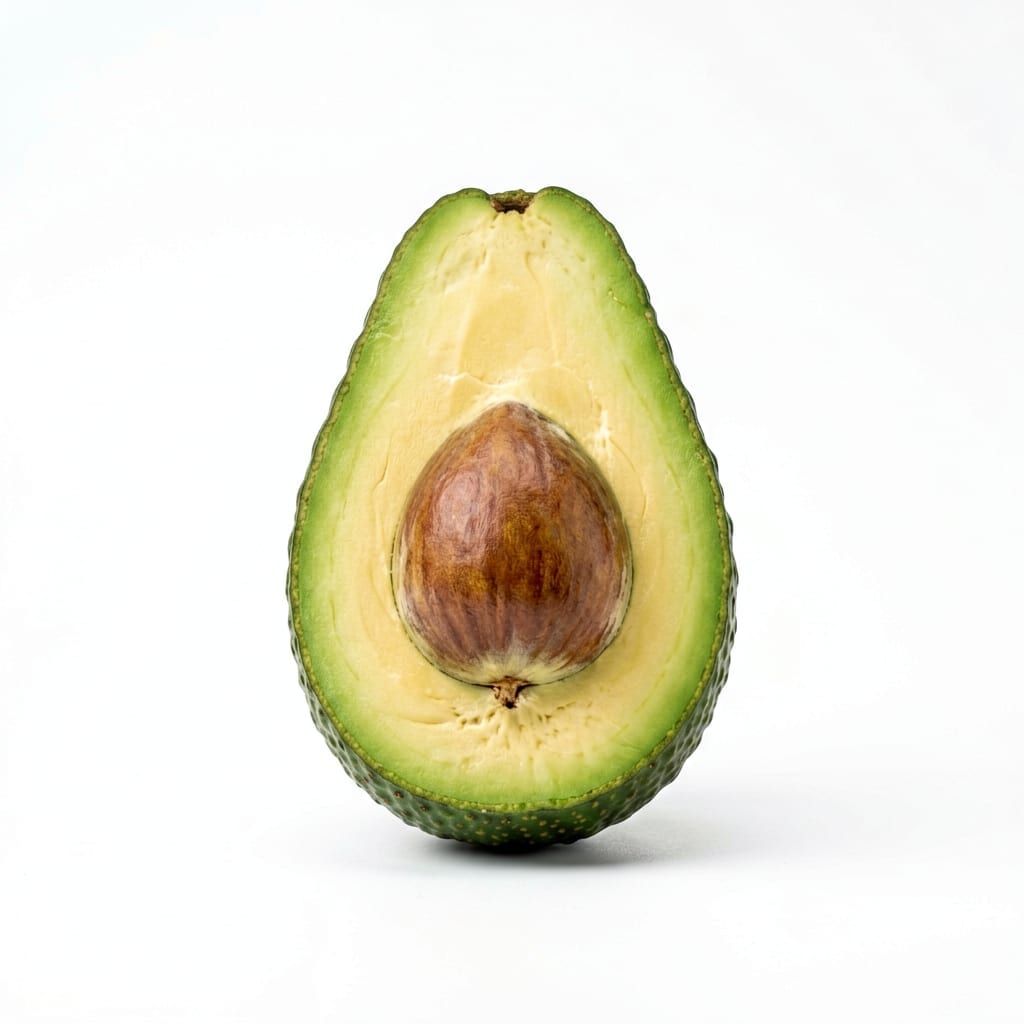
Avocado

Egg
Eggs win on protein and B-vitamins; avocados win on fiber, potassium, and heart-healthy fats. Together they're nearly perfect.
Eggs edge ahead due to complete protein, broader vitamin coverage, lower cost, and easier daily integration. Avocados remain excellent for heart health and fiber but their high calorie density and limited protein narrow their standalone utility.
Protein power versus fiber and healthy fat density — eggs fill you with protein, avocados fill you with slow-digesting plant fats and fiber.
At a glance
Executive summary
Overall
It depends
Healthier
It depends
More practical
Egg
Daily use
Egg
Key comparison lenses
Which is better for satiety and staying full longer?
Both foods are known for keeping hunger at bay, but through different mechanisms — fat vs protein
Which supports heart health more?
Avocado offers heart-friendly monounsaturated fats while eggs carry cholesterol concerns for some people
Which is more nutritionally complete as a standalone food?
Eggs provide complete protein and B12; avocados offer fiber and potassium — both excel in different ways
Which fits better into weight management?
Calorie density vs protein content creates a real tradeoff for anyone watching their weight
Which is safer regarding contamination and allergies?
Eggs carry salmonella risk and are a top allergen; avocados have fewer safety concerns but can cause latex-fruit reactions
Best choice for
Avocado
- People prioritizing heart-healthy monounsaturated fats
- Anyone needing more fiber and potassium in their diet
- Vegans and plant-forward eaters
- Those watching sodium intake
- People with egg allergies
Egg
- Anyone needing high-quality complete protein
- Older adults needing B12 and choline for brain health
- Budget-conscious eaters seeking maximum nutrition per dollar
- Post-workout recovery meals
- Growing children needing protein and vitamin D
Least suitable for
Avocado
- People strictly limiting calorie intake — avocados are very calorie-dense
- Those on low-fat diets for medical reasons
- People with latex-fruit syndrome
- Anyone needing high protein intake
Egg
- People with egg allergies
- Those with severe hypercholesterolemia on doctor-ordered egg restrictions
- Vegans and strict plant-based eaters
- People concerned about animal welfare in conventional farming
Deep comparison
Dimension by dimension
Each lens scores both foods and breaks down who each option suits.
- Dimension 1 · Priority 92Egg
Satiety and Fullness
Avocado · 75Egg · 88Eggs keep you full longer thanks to high-quality protein that triggers stronger satiety hormones than fat alone.
Tradeoff
Avocado's fat-based satiety feels smoother and slower but fades sooner; eggs deliver a sharper, longer-lasting fullness signal.
Why it matters
If you're trying to avoid snacking between meals, protein-driven fullness from eggs outperforms fat-driven fullness from avocado.
Real-world impact
A two-egg breakfast typically keeps hunger away until lunch. Half an avocado on toast often leaves you reaching for a snack by mid-morning.
Avocado
- Smoothing out blood sugar spikes when paired with carbs
Better for
- Situations where you need hours of sustained fullness from a small portion
Worse for
Egg
- Staying full for 4+ hours without snacking
- Preventing afternoon energy crashes
- Reducing overall daily calorie intake through stronger satiety
Better for
- People who find dense protein-heavy meals heavy or uncomfortable
Worse for
- Dimension 2 · Priority 90Egg
Protein Quality and Content
Avocado · 18Egg · 95Eggs are one of the highest-quality protein sources available. Avocados barely register as a protein source.
Tradeoff
One large egg delivers 6g of complete protein with all essential amino acids. A whole avocado provides only about 4g of incomplete protein.
Why it matters
If protein matters for your goals — muscle, satiety, aging, recovery — eggs are in a completely different league.
Real-world impact
Two eggs at breakfast give you 12g of high-quality protein. You'd need to eat three whole avocados to match that, at over 700 calories.
Avocado
- Anyone relying on it as a protein source
Worse for
Egg
- Muscle maintenance and growth
- Older adults preventing age-related muscle loss
- Post-workout recovery
- Anyone meeting daily protein targets
Better for
- Dimension 3 · Priority 88Avocado
Heart Health and Fat Profile
Avocado · 90Egg · 62Avocados deliver heart-protective monounsaturated fats with zero cholesterol. Eggs contain cholesterol and saturated fat that concern some people.
Tradeoff
Avocado fat actively supports heart health. Egg fat is more neutral — fine for most people, risky for those with cholesterol issues.
Why it matters
For anyone with heart disease risk factors, avocado's fat profile is clearly the safer daily choice.
Real-world impact
Regular avocado consumption is linked to lower LDL cholesterol. Egg effects vary by individual — some see cholesterol rises, others don't.
Avocado
- People with elevated LDL cholesterol
- Anyone following a heart-protective eating pattern
- Mediterranean diet followers
Better for
Egg
- Healthy individuals whose cholesterol doesn't respond negatively to dietary cholesterol
Better for
- People with familial hypercholesterolemia
- Those whose doctors have recommended limiting dietary cholesterol
Worse for
- Dimension 4 · Priority 82Avocado
Fiber and Digestive Health
Avocado · 85Egg · 0Avocados are an excellent fiber source. Eggs contain zero fiber.
Tradeoff
One avocado provides about 13g of fiber — nearly half your daily need. Eggs contribute nothing to fiber intake.
Why it matters
Most people are severely under-eating fiber. Avocado is one of the tastiest ways to close that gap.
Real-world impact
Adding half an avocado to your lunch makes a noticeable difference in digestion regularity and gut health over time.
Avocado
- Improving digestive regularity
- Feeding beneficial gut bacteria
- Reducing constipation
Better for
Egg
- Anyone relying on eggs as a meal staple without adding fiber-rich sides
Worse for
- Dimension 5 · Priority 80It depends
Micronutrient Density
Avocado · 78Egg · 82Eggs excel in B12, choline, vitamin D, and selenium. Avocados dominate in potassium, folate, vitamin K, and vitamin E.
Tradeoff
Eggs cover nutrients many people lack — especially B12 and choline. Avocados cover potassium, which most people also under-consume.
Why it matters
Neither food is a universal micronutrient winner. They complement each other almost perfectly.
Real-world impact
Eating both gives you B12, choline, potassium, folate, and vitamin K — a micronutrient combination few single foods can match.
Avocado
- Boosting potassium intake for blood pressure management
- Increasing folate for pregnancy support
Better for
- Anyone at risk of B12 deficiency
Worse for
Egg
- Getting adequate B12 without supplements
- Supporting brain health with choline
- Improving vitamin D intake
Better for
- People who need more potassium for blood pressure control
Worse for
- Dimension 6 · Priority 78Egg
Calorie Efficiency
Avocado · 42Egg · 82Eggs deliver far more nutrition per calorie. Avocados are very calorie-dense for their nutritional output.
Tradeoff
One egg is 70 calories with 6g protein. Half an avocado is 160 calories with 2g protein. Eggs are over twice as calorie-efficient.
Why it matters
If you're watching calories, eggs let you eat more volume and protein for fewer calories.
Real-world impact
A two-egg breakfast costs 140 calories. An avocado toast breakfast typically runs 350-400 calories before you feel equally satisfied.
Avocado
- People who struggle to eat enough calories and need energy-dense foods
Better for
- Anyone trying to lose weight while eating avocado freely
Worse for
Egg
- Calorie-conscious eaters
- Weight loss diets where every calorie matters
- Getting maximum nutrition within a calorie budget
Better for
- Underweight individuals who need calorie-dense options
Worse for
- Dimension 7 · Priority 75Egg
Convenience and Practicality
Avocado · 55Egg · 85Eggs are cheaper, store longer, cook faster, and are available everywhere. Avocados are finicky with ripening and spoil quickly.
Tradeoff
Eggs keep for weeks in the fridge and cook in minutes. Avocados have a maddeningly short ripe window and turn brown fast.
Why it matters
The best food is one you can actually use consistently. Eggs rarely let you down; avocados frequently do.
Real-world impact
You can always have eggs ready. Half the time you want an avocado, it's either rock-hard or browning.
Avocado
- Meals where spreading or mashing is desired
- No-cook meal prep
Better for
- Last-minute meal decisions
- Anyone frustrated by food waste from spoilage
Worse for
Egg
- Quick breakfasts on busy mornings
- Meal prep that lasts the week
- Budget-friendly nutrition
Better for
- Dimension 8 · Priority 76Avocado
Blood Sugar Stability
Avocado · 85Egg · 72Avocado's fiber and fat combination slows digestion more effectively than eggs alone, creating steadier blood sugar when eaten with carbs.
Tradeoff
Both foods are low-carb and blood-sugar friendly. But avocado's fiber gives it an extra edge for blunting glucose spikes from other foods.
Why it matters
If you're pairing food with carbs like toast or rice, avocado is the better partner for preventing sugar spikes.
Real-world impact
Avocado on toast creates a slower, steadier blood sugar response than eggs on toast. The fiber makes the difference.
Avocado
- Pairing with carbohydrate meals to reduce glucose spikes
- Diabetics managing post-meal blood sugar
Better for
Egg
- Low-carb meals where blood sugar impact is already minimal
Better for
Timeline
Health impact over time
Short-term
Hours to days
Avocado
- Provides steady, slow-burning energy without crashes
- Can feel heavy in the stomach if eaten in large amounts
- High fat content slows digestion of anything eaten alongside it
Egg
- Delivers quick-satisfying protein fullness within 20-30 minutes
- Can cause mild digestive discomfort if eaten in large quantities
- Easily digested compared to heavier fat-rich meals
Long-term
Months to years
Avocado
- Regular consumption linked to improved cholesterol profiles
- Supports gut health through consistent fiber intake
- High calorie density can contribute to gradual weight gain if portions aren't managed
Egg
- Consistent high-quality protein supports muscle maintenance with aging
- Choline supports cognitive function long-term
- Dietary cholesterol has minimal impact for most people, but sensitive individuals should monitor
Risk profile
Safety & processing
Both foods are about as natural as it gets — you're eating a whole fruit or a whole egg. Neither requires additives or processing to be edible.
Avocado
Pesticide residues on conventionally grown avocados
lowAvocados consistently rank on the Clean Fifteen list — their thick skin protects the flesh from most pesticide exposure.
Latex-fruit syndrome allergic reaction
mediumPeople with latex allergies may react to avocado proteins. Symptoms range from mouth itching to anaphylaxis in rare cases.
Bacterial contamination from improper handling
lowCut avocados can harbor listeria if left at room temperature, but this is rare with proper refrigeration.
Egg
Salmonella contamination
mediumRaw or undercooked eggs carry salmonella risk. Proper cooking eliminates this. About 1 in 20,000 eggs is contaminated.
Egg allergy
highEggs are one of the top eight food allergens, especially in children. Reactions can be severe and include anaphylaxis.
Antibiotic and hormone exposure in conventional eggs
lowUS regulations prohibit hormones in egg-laying hens. Antibiotic use is limited but possible. Pasture-raised or organic eggs minimize this concern.
Who wins for whom
Audience fit
Same foods, different winners depending on your goal.
children
EggEggs provide protein, choline, and vitamin D critical for growth and brain development. Introduce carefully if allergies run in the family.
daily consumption
EggEggs are more affordable, easier to store, and provide protein most people need daily. Avocado's calorie density makes daily consumption trickier to manage.
diabetes
AvocadoAvocado's fiber content better blunts blood sugar spikes when eaten with carbs, and its near-zero carbohydrate content makes it very diabetes-friendly.
elderly
EggEggs deliver B12, choline, and easily digested protein that older adults especially need for muscle and cognitive preservation.
muscle gain
EggEggs offer complete, high-quality protein with a leucine content that directly supports muscle protein synthesis.
weight loss
EggEggs provide more satiety per calorie, making it easier to stay in a calorie deficit without feeling deprived.
Your move
Decision guide
Choose Avocado
- You want to boost heart-healthy fats and fiber in your diet
- You're plant-based or reducing animal product intake
- You need potassium for blood pressure management
- You're pairing carbs and want to slow glucose absorption
- You have an egg allergy
Choose Egg
- You need affordable, high-quality protein
- You want maximum nutrition per calorie
- You're meal prepping for the week and need reliability
- You're focused on muscle maintenance or growth
- You want brain-supporting choline and B12
Either works if
- You're building a balanced breakfast and can use both
- You want a low-carb, blood-sugar-friendly meal base
- You're looking for whole-food nutrition without ultra-processing
Avoid both if
- You have both egg allergy and latex-fruit syndrome
- You're on a strict very-low-fat diet for medical reasons
Final recommendation
Don't choose — combine them. Eggs and avocado together create one of the most nutritionally complete meals you can eat. If you must pick one, eggs win on practicality and protein, avocados win on heart health and fiber. Your best move is eggs most days with avocado a few times per week.
Practical
Consumer tips
- 1
Buy avocados at different ripeness stages so you always have one ready without waste
- 2
Store cut avocado with the pit and lemon juice to slow browning
- 3
Choose pasture-raised eggs when possible — higher omega-3 and vitamin D content
- 4
Eggs stay fresh 3-5 weeks in the fridge; check the carton date
- 5
Half an avocado is usually the right portion — a whole one packs 240+ calories
- 6
Boil a batch of eggs on Sunday for grab-and-go protein all week
- 7
Pair avocado with eggs on whole grain toast for a nearly perfect breakfast