
Nutrition comparison
Banana vs Avocado: Nutrition, Satiety, and Health Compared
Banana vs Avocado: discover the nutritional tradeoffs between quick carbs and healthy fats for weight loss, energy, and blood sugar control.
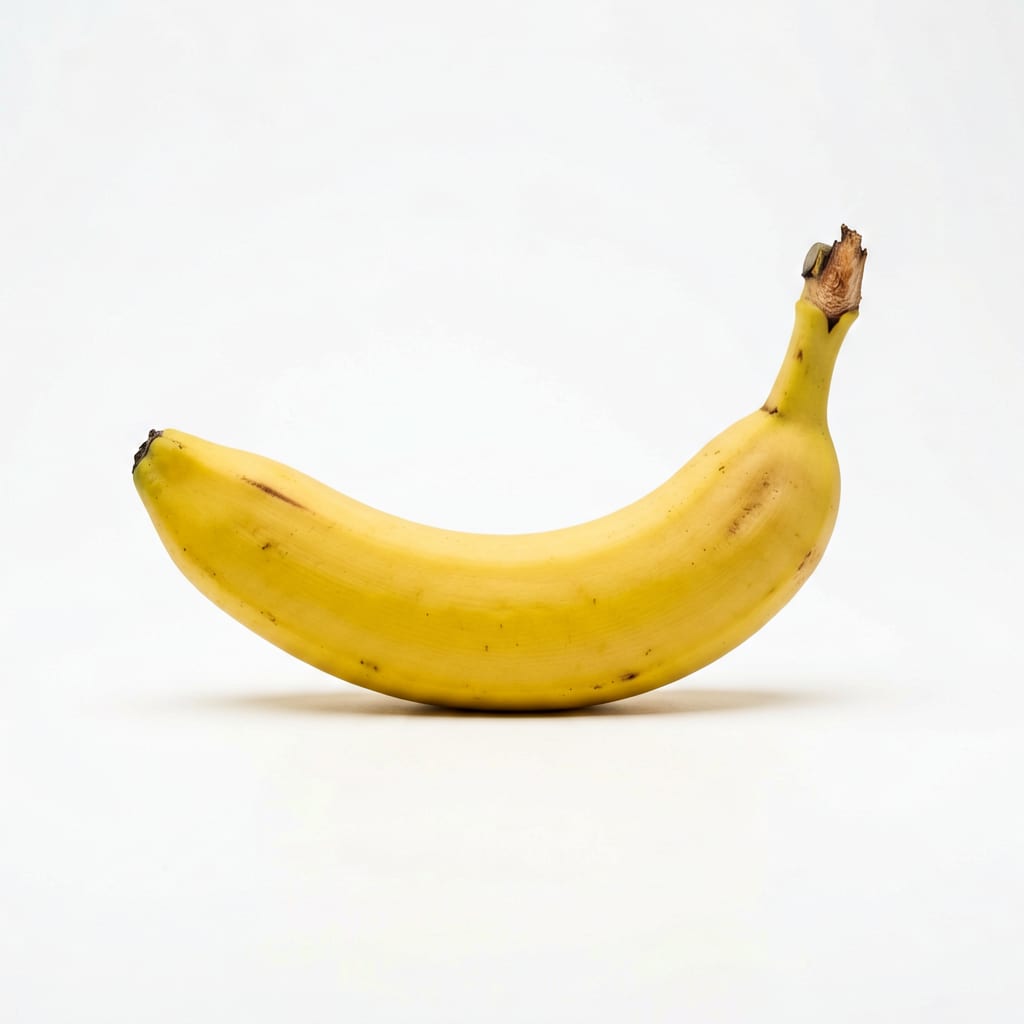
Banana
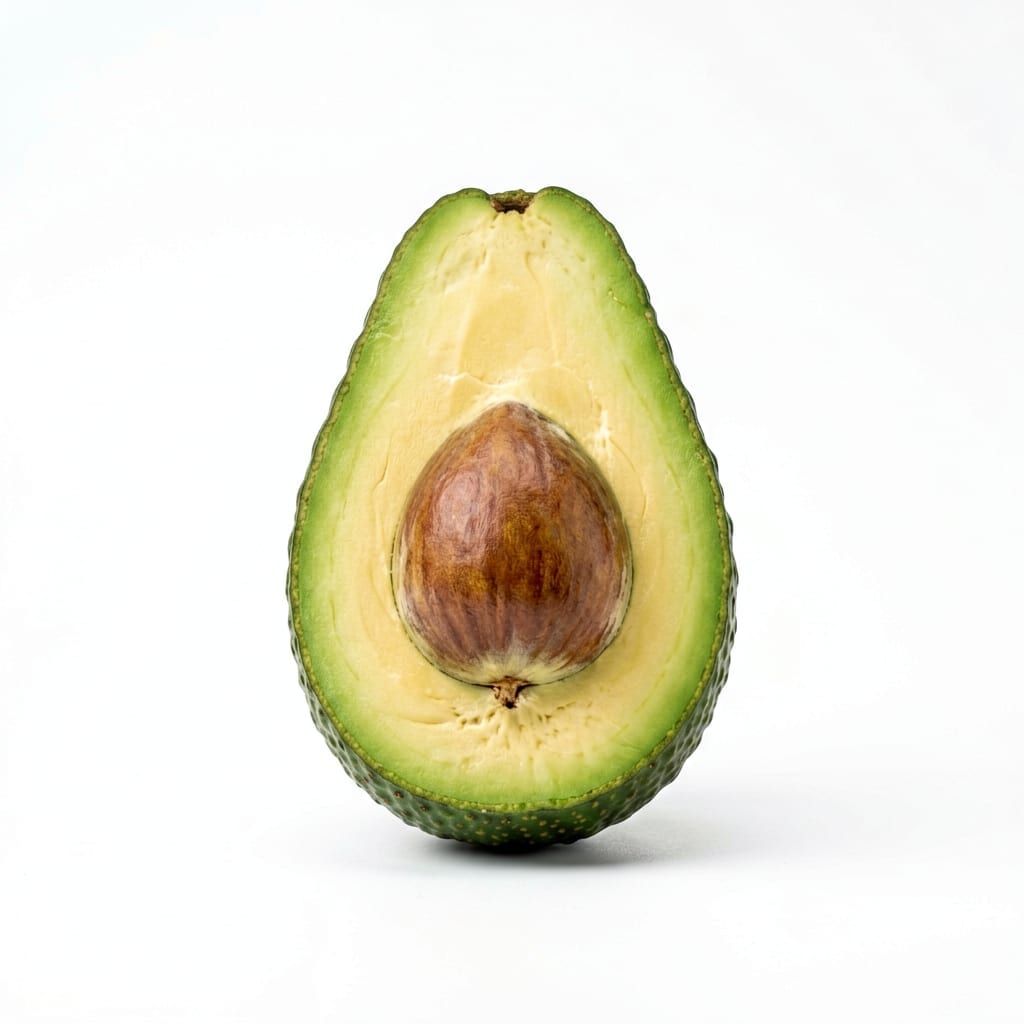
Avocado
Bananas give you quick, accessible energy; avocados give you lasting fullness and steady energy.
Avocado scores higher due to its superior impact on blood sugar stability, heart health, and long-term satiety. Banana remains an excellent, affordable energy source but falls behind on metabolic steadiness for sedentary contexts.
Fast-digesting carbs and sugar versus slow-digesting healthy fats and fiber.
At a glance
Executive summary
Overall
It depends
Healthier
Avocado
More practical
Banana
Daily use
It depends
Key comparison lenses
Blood sugar impact and energy stability
Banana is high in sugar and quick carbs, while Avocado has virtually zero sugar and is rich in stabilizing fats.
Satiety and hunger management
Avocado's fat and fiber provide long-lasting fullness, whereas Banana digests quickly and may lead to sooner hunger.
Weight loss and calorie density tradeoffs
Banana is lower in calories but less filling; Avocado is calorie-dense but strongly prevents overeating later.
Workout fuel and timing
Banana is a classic pre-workout energy boost, while Avocado is better for sustained energy and recovery meals.
Best choice for
Banana
- Pre-workout fuel
- Quick breakfast on the go
- Budget-friendly potassium source
Avocado
- Satiating meals
- Blood sugar management
- Heart-healthy diets
Least suitable for
Banana
- Low-carb or keto diets
- Severe insulin resistance
Avocado
- Strict calorie counting without portion control
- Fat malabsorption issues
Deep comparison
Dimension by dimension
Each lens scores both foods and breaks down who each option suits.
- Dimension 1 · Priority 95Avocado
Blood Sugar & Energy Stability
Banana · 40Avocado · 95Avocado provides steady energy with almost no sugar, while Banana offers quick energy that can cause a crash.
Tradeoff
Immediate fuel versus sustained stability.
Why it matters
Blood sugar crashes lead to cravings and fatigue, making Avocado safer for most daily routines.
Real-world impact
Eating a Banana alone at 3 PM might leave you hungry an hour later; Avocado keeps you full until dinner.
Banana
- Runners needing quick fuel
- People experiencing a blood sugar dip
Better for
- Sedentary evenings on the couch
- Keto dieters
Worse for
Avocado
- People avoiding sugar spikes
- Those needing sustained focus at work
Better for
- Right before a sprint or heavy lift
- When you need immediate energy
Worse for
- Dimension 2 · Priority 90Avocado
Satiety & Fullness
Banana · 45Avocado · 92Avocado's combination of dietary fat and fiber makes it far more filling than a Banana.
Tradeoff
Light, quick digestion versus heavy, lasting satisfaction.
Why it matters
Staying full longer prevents overeating and helps naturally control portions throughout the day.
Real-world impact
Half an Avocado with lunch will likely stop your afternoon snacking; a Banana might only tide you over for 45 minutes.
Banana
- Light pre-workout snacking
- When you want something easy on the stomach
Better for
- Curbing serious hunger pangs
Worse for
Avocado
- Weight management
- Replacing heavy, processed snacks
Better for
- Eating right before a intense run
Worse for
- Dimension 3 · Priority 85Avocado
Heart Health & Fats
Banana · 50Avocado · 98Avocado is packed with heart-protective monounsaturated fats, while Banana is virtually fat-free.
Tradeoff
Beneficial dietary fats versus fat-free simplicity.
Why it matters
Monounsaturated fats actively lower bad cholesterol and reduce cardiovascular disease risk.
Real-world impact
Regularly eating Avocado instead of high-carb snacks supports long-term heart health and healthier blood lipid panels.
Banana
- Very low-fat diet protocols
Better for
- Boosting HDL cholesterol
Worse for
Avocado
- Improving cholesterol levels
- Absorbing fat-soluble vitamins from other foods
Better for
- Severe gallbladder issues requiring a low-fat diet
Worse for
- Dimension 4 · Priority 80Banana
Quick Energy & Workout Fuel
Banana · 95Avocado · 40Banana is the ultimate fast-acting carbohydrate source for physical activity.
Tradeoff
Rapid glycogen replenishment versus slow-digesting fuel.
Why it matters
Muscles need easily accessible glucose during intense cardio or lifting.
Real-world impact
Eating a Banana 30 minutes before a run feels light and provides immediate energy; Avocado could feel heavy and sluggish.
Banana
- Endurance athletes
- Mid-workout fueling
Better for
- Sitting at a desk all day
Worse for
Avocado
- Post-workout recovery meals
- Low-intensity movement days
Better for
- Competitive race fueling
Worse for
- Dimension 5 · Priority 75It depends
Micronutrient Density
Banana · 80Avocado · 85Banana offers more quick-acting potassium and B6, while Avocado provides more folate, Vitamin K, and Vitamin E.
Tradeoff
Energy-supporting B-vitamins versus structural and cellular health fats.
Why it matters
Different micronutrient profiles support different bodily functions, from nerve signaling to cell membrane integrity.
Real-world impact
Banana helps with cramp prevention and energy metabolism; Avocado supports skin health, cell repair, and brain function.
Banana
- Preventing muscle cramps
- Quick electrolyte replenishment
Better for
- Meeting healthy fat needs
Worse for
Avocado
- Supporting skin elasticity
- Prenatal nutrition due to high folate
Better for
- Rapid electrolyte replacement after sweating
Worse for
Timeline
Health impact over time
Short-term
Hours to days
Banana
- Quick energy boost
- Rapid blood sugar rise
- Fast cramp relief
Avocado
- Immediate feeling of fullness
- Stable blood sugar
- Slower digestion
Long-term
Months to years
Banana
- Excellent for active lifestyles
- Potential weight gain if sedentary and overconsumed
- Consistent B6 intake for brain health
Avocado
- Improved heart health markers
- Better metabolic function
- Enhanced nutrient absorption from meals
Risk profile
Safety & processing
Both Banana and Avocado are whole, unprocessed foods straight from nature with no artificial ingredients.
Banana
Pesticide residue
mediumConventional Bananas are grown with heavy pesticides, though the thick peel reduces flesh exposure significantly.
Avocado
Bacterial contamination on skin
mediumAvocado skins can harbor listeria or salmonella; always wash the skin thoroughly before cutting to avoid pushing bacteria into the flesh.
Who wins for whom
Audience fit
Same foods, different winners depending on your goal.
children
BananaBananas are naturally sweet, easy to digest, and a universally loved favorite among kids.
daily consumption
It dependsBananas suit active days and mornings, while Avocados are better for stable energy on restful or desk-bound days.
diabetes
AvocadoAvocado contains negligible sugar and helps stabilize blood glucose, while Banana can cause rapid spikes.
elderly
AvocadoAvocados support cardiovascular health and enhance absorption of fat-soluble vitamins, which become more critical with age.
muscle gain
BananaBanana provides fast carbohydrates essential for workout performance and rapid glycogen replenishment.
weight loss
AvocadoAvocado's high fat and fiber content prevents overeating later in the day, making calorie control easier overall.
Your move
Decision guide
Choose Banana
- You need quick pre-workout energy
- You want a cheap, portable snack
- You need easily digestible carbs for an upset stomach
Choose Avocado
- You want lasting fullness between meals
- You are managing blood sugar or insulin resistance
- You want to boost heart health and lower cholesterol
Either works if
- You need more potassium in your diet
- You want a whole-food, unprocessed snack
- You are making a balanced morning smoothie
Avoid both if
- You have a severe latex-fruit allergy (can cross-react with both)
- You are strictly limiting both carbs and fats simultaneously
Final recommendation
Choose Banana when you need fast, light energy for physical activity. Choose Avocado when you need steady, lasting fuel and want to avoid cravings. For the best of both worlds, pair a few slices of Avocado with half a Banana on toast.
Practical
Consumer tips
- 1
Pair Banana and Avocado together in a smoothie for balanced energy and satiety.
- 2
Wash Avocado skin thoroughly before cutting to prevent transferring bacteria from the peel to the flesh.
- 3
Freeze overripe Bananas to naturally sweeten and thicken future smoothies without adding sugar.
- 4
Add a squeeze of lemon to cut Avocado to prevent browning if you plan to save the other half.