
Nutrition comparison
Avocado vs Salmon: Which Healthy Fat is Better for You?
Compare Avocado and Salmon to discover which healthy fat source is best for weight loss, heart health, and daily nutrition. Learn the tradeoffs between omega-3s and fiber.
Overall winner · Salmon
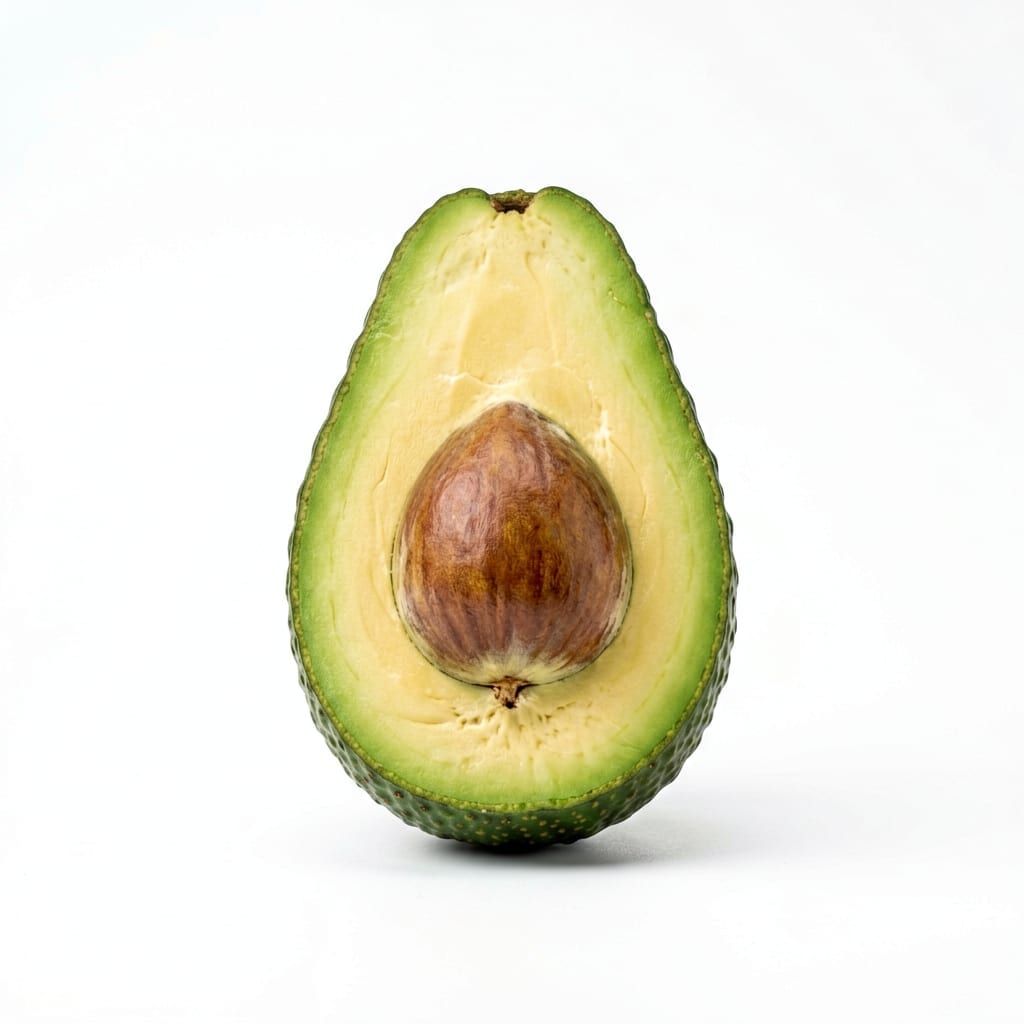
Avocado
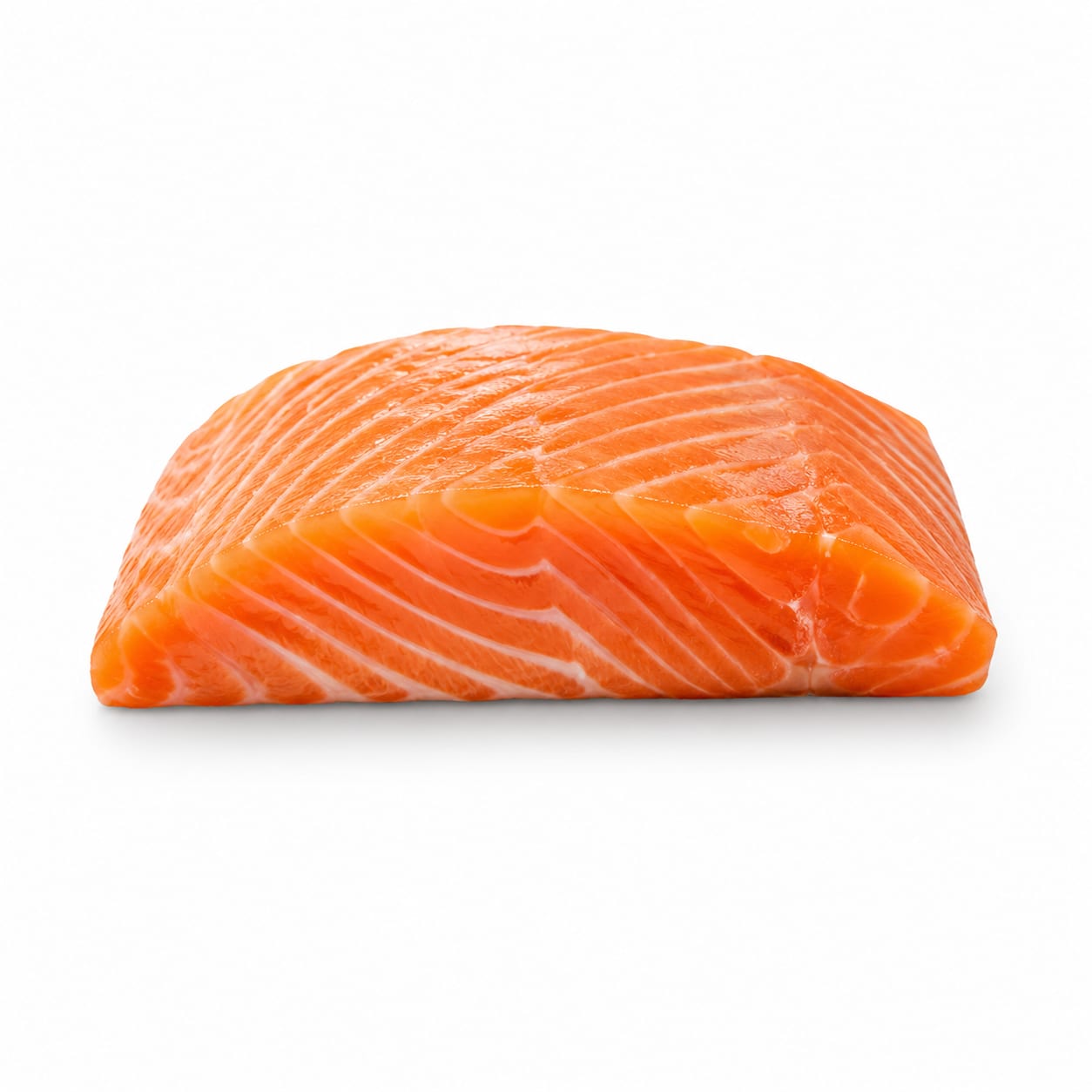
Salmon
Salmon provides critical omega-3s and high-quality protein that are hard to get elsewhere, while Avocado offers superior fiber and plant-based monounsaturated fats.
Salmon scores slightly higher due to its dense, complete protein and essential EPA/DHA omega-3s, which are harder to obtain from other foods. Avocado is excellent but its nutrients are easier to replicate with other plant foods.
Salmon delivers unmatched brain-boosting omega-3s and protein but carries contamination risks, whereas Avocado is a safer daily plant-based fat source with zero protein.
At a glance
Executive summary
Overall
Salmon
Healthier
Salmon
More practical
Avocado
Daily use
Avocado
Key comparison lenses
Healthy fat source comparison
Both are premium sources of dietary fat, but they offer fundamentally different types: monounsaturated vs omega-3.
Heart and brain health optimization
Users often choose between these two for cardiovascular and cognitive benefits.
Weight management and satiety
Both are calorie-dense and filling, but the mechanisms of fullness differ significantly.
Best choice for
Avocado
- Vegans and vegetarians needing healthy fats
- People prioritizing digestive regularity and fiber
- Those concerned about mercury or heavy metal exposure
- Budget-conscious eaters looking for nutrient density
Salmon
- People needing high-quality protein for muscle repair
- Individuals focusing on brain health and cognitive function
- Those with high omega-3 requirements for inflammation control
- Anyone lacking B12 or Vitamin D in their diet
Least suitable for
Avocado
- People needing a protein boost after workouts
- Those strictly limiting calorie density
- Individuals with severe latex-fruit allergy syndrome
Salmon
- Vegans and vegetarians
- Pregnant women needing to strictly limit mercury exposure (depending on source)
- Those on a very tight grocery budget
Deep comparison
Dimension by dimension
Each lens scores both foods and breaks down who each option suits.
- Dimension 1 · Priority 95Salmon
Healthy Fats & Heart Health
Avocado · 85Salmon · 95Avocado is rich in heart-friendly monounsaturated fats, but Salmon provides EPA and DHA omega-3s, which are directly linked to lower heart disease risk and better brain function.
Tradeoff
Avocado lowers LDL cholesterol without mercury risk, while Salmon offers stronger anti-inflammatory benefits but carries potential ocean-borne contaminants.
Why it matters
Your body cannot make EPA and DHA efficiently, making Salmon a uniquely valuable source. Avocado's oleic acid is great, but easier to find in olive oil.
Real-world impact
Eating Salmon twice a week can noticeably reduce joint stiffness and improve mood, while daily Avocado keeps blood lipids steady without cooking.
Avocado
- Sustained daily heart health without contamination worries
- Lowering LDL cholesterol gently over time
Better for
- Acute anti-inflammatory needs
- Brain-specific nutrient delivery
Worse for
Salmon
- Reducing systemic inflammation quickly
- Directly supporting brain cell integrity
Better for
- Daily heavy consumption due to mercury and PCBs
- Plant-based dietary preferences
Worse for
- Dimension 2 · Priority 90Salmon
Satiety & Muscle Support
Avocado · 70Salmon · 95Salmon is a protein powerhouse that triggers strong satiety hormones and repairs muscle, whereas Avocado relies mostly on fat and fiber to keep you full.
Tradeoff
Avocado keeps you full by slowing digestion, but Salmon keeps you full by satisfying actual tissue-level protein needs.
Why it matters
If you are active or trying to manage weight, protein-driven fullness from Salmon prevents muscle loss and cravings far better than fat-driven fullness.
Real-world impact
A Salmon dinner leaves you satisfied for hours without wanting a late-night snack. An Avocado salad might leave you hunting for protein an hour later.
Avocado
- Light, comfortable fullness without heaviness
- Fiber-driven digestive satisfaction
Better for
- Recovering from intense exercise
- Preventing muscle loss during calorie deficits
Worse for
Salmon
- Post-workout muscle recovery
- Deep, long-lasting hunger cancellation
Better for
- Light snacking before a workout
- Quick digestion needs
Worse for
- Dimension 3 · Priority 80Avocado
Digestive Health & Gut Support
Avocado · 90Salmon · 60Avocado is loaded with fiber that feeds gut bacteria and keeps digestion smooth. Salmon contains zero fiber and relies entirely on its protein and fat profile.
Tradeoff
Avocado actively improves gut motility and microbiome diversity, while Salmon is neutral for digestion and can be heavier to break down for some.
Why it matters
A healthy gut affects everything from immunity to mood. Avocado contributes directly to this, while Salmon plays no role in fiber intake.
Real-world impact
Eating half an Avocado daily helps keep you regular and bloated less often. Relying solely on Salmon can slow down digestion if you skip veggies.
Avocado
- Feeding beneficial gut bacteria
- Preventing constipation
Better for
- Those on a strict low-fiber or low-residue diet
Worse for
Salmon
- Easily digested protein for those with severe fiber intolerance
Better for
- Supporting a diverse microbiome
- Maintaining daily bowel regularity
Worse for
- Dimension 4 · Priority 85Avocado
Safety & Contamination Risk
Avocado · 92Salmon · 65Avocado is one of the cleanest foods you can eat, while Salmon carries inherent risks of mercury, PCBs, and microplastics from ocean environments.
Tradeoff
Salmon's unmatched nutrient density comes with the compromise of environmental contamination, whereas Avocado is virtually free of heavy metals.
Why it matters
Accumulated heavy metals and PCBs can negate the brain and heart benefits of Salmon if consumed too frequently, especially for pregnant women.
Real-world impact
You can eat Avocado every single day without worry. With Salmon, you need to monitor portions and source quality to avoid long-term toxin buildup.
Avocado
- Unlimited daily consumption safety
- Pregnancy-safe healthy fat source
Better for
- Pesticide risk if not organic, though minimal due to thick skin
Worse for
Salmon
- None regarding contamination
Better for
- Mercury and PCB accumulation with overconsumption
- Microplastic exposure
Worse for
Timeline
Health impact over time
Short-term
Hours to days
Avocado
- Quick feeling of comfortable fullness without bloating
- Steady, jitter-free energy from healthy fats
- Immediate improvement in meal satiety
Salmon
- Rapid satisfaction of protein cravings
- Sustained energy without a crash
- Feeling of deep nourishment after eating
Long-term
Months to years
Avocado
- Improved cholesterol ratios and cardiovascular markers
- Better digestive regularity and gut health
- Healthier skin from vitamin E and monounsaturated fats
Salmon
- Reduced systemic inflammation and joint pain
- Better cognitive preservation as you age
- Maintained muscle mass and metabolic rate
Risk profile
Safety & processing
Both Avocado and fresh Salmon are whole, unprocessed foods. However, farmed Salmon may be treated with colorants or antibiotics, making wild-caught the cleaner choice. Avocado is consistently natural straight from the peel.
Avocado
Pesticide residue
lowAvocados have a thick peel that protects the flesh, consistently placing them on the Clean Fifteen list with minimal pesticide risk.
Latex-fruit syndrome allergy
lowA small percentage of people with latex allergies may react to avocados, causing mild mouth itching.
Salmon
Mercury and heavy metals
mediumSalmon contains moderate levels of mercury and other heavy metals, requiring moderation, especially for pregnant women and children.
PCBs and dioxins
mediumFarmed Salmon can contain higher levels of industrial pollutants stored in its fat, which can build up if eaten excessively.
Foodborne illness and parasites
mediumRaw or undercooked Salmon carries a risk of listeria or tapeworms, requiring proper cooking or sushi-grade sourcing.
Who wins for whom
Audience fit
Same foods, different winners depending on your goal.
children
SalmonSalmon's omega-3s and protein are crucial for brain development and growth, though portion sizes should be managed to limit mercury exposure.
daily consumption
AvocadoAvocado can be safely eaten every day without concerns about heavy metal accumulation, whereas Salmon should be limited to 2-3 times per week.
diabetes
It dependsBoth are excellent. Avocado has zero sugar and high fiber for blood sugar stability, while Salmon's pure protein and fat prevent insulin spikes entirely.
elderly
SalmonSalmon's omega-3s protect against cognitive decline and its protein prevents age-related muscle loss, making it highly valuable for aging bodies.
muscle gain
SalmonSalmon provides complete, high-quality protein essential for muscle repair and growth, while Avocado offers almost no protein.
weight loss
It dependsAvocado's fiber helps control appetite with fewer calories per serving, but Salmon's high protein preserves muscle and boosts metabolic rate better during a deficit.
Your move
Decision guide
Choose Avocado
- You eat a plant-based or mostly vegetarian diet
- You want a safe, daily source of healthy fats for your toast or salad
- Digestive regularity and fiber intake are top priorities
- You are pregnant and want to avoid mercury while still getting good fats
Choose Salmon
- You need high-quality protein for muscle recovery or satiety
- You rarely eat fish and need a boost of brain-supporting omega-3s
- You are focused on reducing inflammation or joint pain
- You want a nutrient-dense main course that deeply satisfies hunger
Either works if
- You are looking to replace processed carbs with healthy fats
- You want to stabilize blood sugar and avoid energy crashes
- You are trying to increase your intake of potassium
Avoid both if
- You are on a strict very-low-fat diet for medical reasons
- You have a severe calorie restriction that cannot accommodate dense fats
Final recommendation
Eat both strategically. Use Avocado as your daily, worry-free fat source for meals and snacks, and reserve Salmon for 2-3 dinners a week to get your essential omega-3s and high-quality protein without overdoing the mercury.
Practical
Consumer tips
- 1
Choose wild-caught Salmon over farmed when possible to avoid antibiotics and colorants, even if it costs a bit more.
- 2
Buy Avocados at different ripeness levels so you have a steady supply ready to eat throughout the week.
- 3
Canned Salmon is a budget-friendly, high-calcium alternative that offers the same omega-3 benefits with less cost.
- 4
Pair Avocado with a protein source like eggs to mimic the balanced satiety you would get from Salmon.
- 5
If eating Salmon raw, always buy sushi-grade and consume it immediately to minimize parasite and bacteria risks.