
Nutrition comparison
Avocado vs Hummus: Nutrition, Calories, and Health Comparison
Avocado vs Hummus: Which is healthier? Compare healthy fats, calories, sodium, and convenience to find the best choice for your diet.
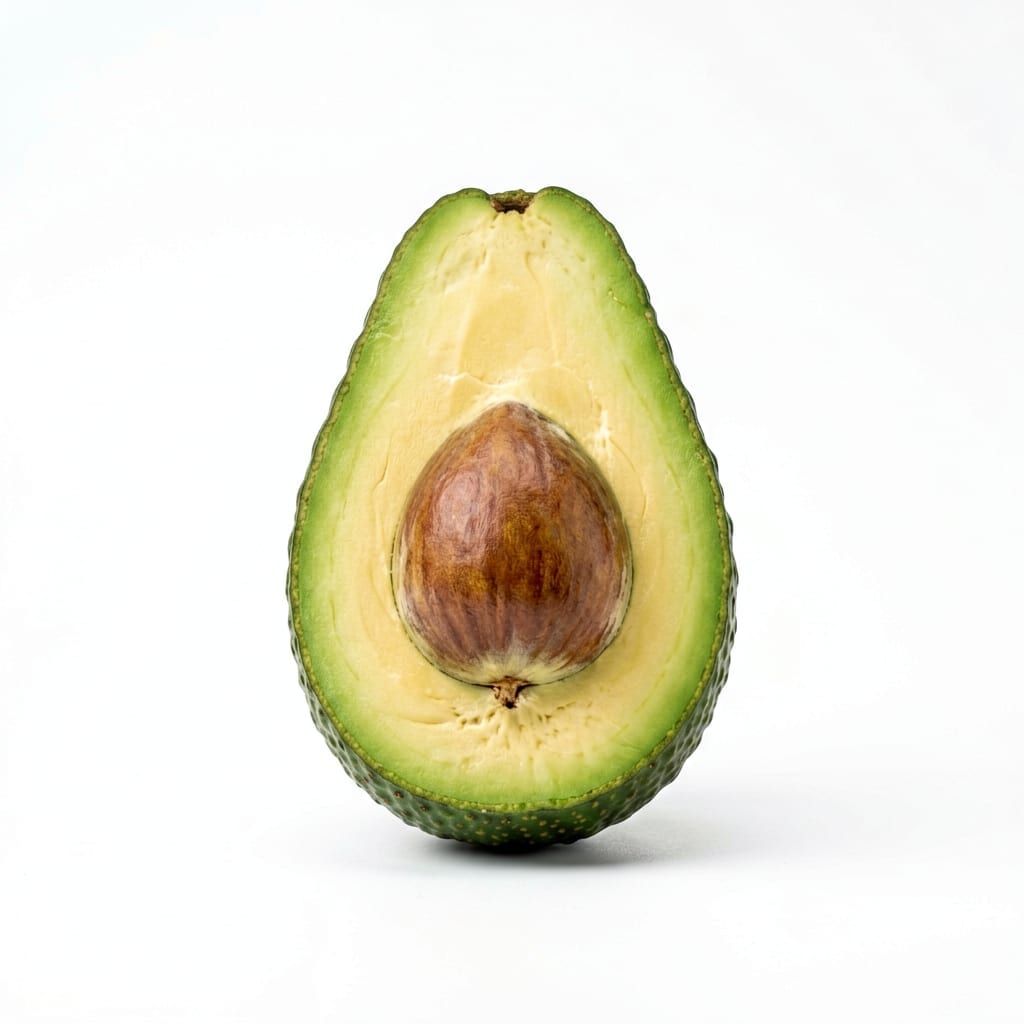
Avocado
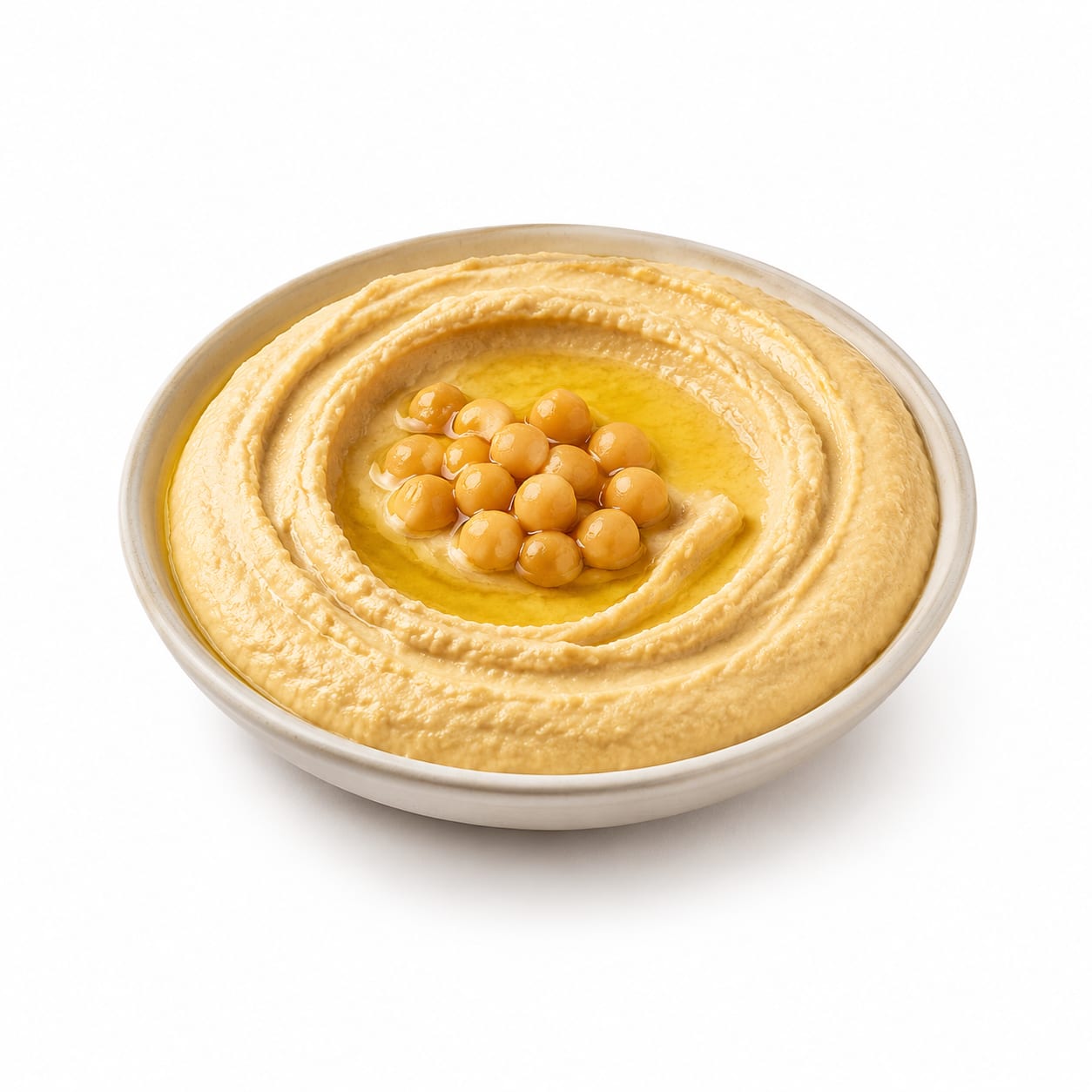
Hummus
Avocado delivers pure, whole-food fats with zero sodium, while Hummus offers easier portion control and ready-to-eat convenience.
Avocado edges ahead on pure nutritional density and zero sodium, but Hummus is extremely close due to its fiber content and easier portion management for everyday snacking.
Whole-food purity and potassium in Avocado versus the portion-friendly, fiber-rich, but saltier convenience of Hummus.
At a glance
Executive summary
Overall
It depends
Healthier
Avocado
More practical
Hummus
Daily use
Hummus
Key comparison lenses
Healthy fat source comparison
Both are primarily valued for their plant-based fat content, but the sources and types differ significantly.
Weight management and calorie density
Avocado is highly calorie-dense and easy to overeat, while Hummus offers more portion flexibility.
Sodium and blood pressure impact
Avocado is naturally sodium-free and rich in potassium, whereas Hummus contains added salt.
Whole food vs minimally processed convenience
Avocado is a raw whole food, while Hummus is a prepared blend requiring refrigeration but offering grab-and-go ease.
Best choice for
Avocado
- People watching blood pressure
- Whole-food diet followers
- Those needing steady energy without sodium
Hummus
- Busy snackers needing quick prep
- People tracking calories strictly
- Those wanting easy portion control
Least suitable for
Avocado
- Strict calorie counters
- People who easily overeat high-fat foods
Hummus
- Low-sodium diets
- Those avoiding added oils or tahini
Deep comparison
Dimension by dimension
Each lens scores both foods and breaks down who each option suits.
- Dimension 1 · Priority 95Avocado
Fat Quality & Heart Health
Avocado · 92Hummus · 80Avocado provides pure monounsaturated fats straight from the source, whereas Hummus relies on a mix of added olive oil and tahini.
Tradeoff
Avocado's intact whole-food fat matrix versus Hummus's combination of chickpea fiber with extracted oils.
Why it matters
Whole-food fats come with natural antioxidants and fiber that extracted oils often lack.
Real-world impact
Eating Avocado gives you clean, steady energy without the inflammatory risks of heavily processed oils.
Avocado
- Heart health
- Reducing inflammation
- Clean keto diets
Better for
- Very low-carb strictness if overeating
Worse for
Hummus
- Balanced macros with carbs and fat
- Plant-based protein pairing
Better for
- Avoiding added oils
Worse for
- Dimension 2 · Priority 90Hummus
Calorie Density & Portion Control
Avocado · 55Hummus · 82Hummus is much easier to portion accurately, while a single Avocado packs a massive calorie load that is easy to underestimate.
Tradeoff
Avocado's satisfying creaminess comes with a high calorie cost, whereas Hummus lets you stretch a serving further.
Why it matters
Overeating healthy fats is still overeating calories, which can stall weight loss.
Real-world impact
Scooping Hummus with veggies feels like a light snack; eating a whole Avocado can quietly add 250+ calories to your day.
Avocado
- Bulking up meals for weight gain
- High-energy needs
Better for
- Strict calorie deficits
- Unconscious overeating
Worse for
Hummus
- Weight loss
- Mindful snacking
- Calorie tracking
Better for
- Very low-carb diets due to chickpeas
Worse for
- Dimension 3 · Priority 85Avocado
Sodium & Blood Pressure
Avocado · 100Hummus · 60Avocado is naturally sodium-free and rich in potassium, while Hummus contains added salt that can add up.
Tradeoff
Zero sodium in Avocado versus the flavor enhancement and preservation that salt provides in Hummus.
Why it matters
Excess sodium raises blood pressure, counteracting some of the heart-health benefits of the healthy fats.
Real-world impact
If you eat Hummus daily, the sodium can creep up, whereas Avocado actively helps lower blood pressure.
Avocado
- Hypertension management
- Kidney health
- Reducing bloating
Better for
- Those needing electrolyte replacement after heavy sweating
Worse for
Hummus
- Flavor satisfaction
- Post-workout electrolyte replenishment
Better for
- Salt-sensitive individuals
- High blood pressure
Worse for
- Dimension 4 · Priority 80Hummus
Convenience & Practicality
Avocado · 50Hummus · 90Hummus is ready to eat straight from the fridge, while Avocados require ripening, peeling, and brown quickly.
Tradeoff
Avocado's perishable nature versus Hummus's grab-and-go reliability.
Why it matters
If a healthy food isn't convenient, you're less likely to eat it consistently.
Real-world impact
Hummus is a zero-prep lunchbox staple; Avocado often leads to the disappointment of cutting into an unripe or brown fruit.
Avocado
- Fresh meal prep
- Gourmet presentations
Better for
- Impatient eaters
- Last-minute meal prep
Worse for
Hummus
- Quick snacks
- Meal prep
- Travel
- Office lunches
Better for
- Those wanting a warm ingredient
Worse for
Timeline
Health impact over time
Short-term
Hours to days
Avocado
- Quick satiety from high fat content
- Steady energy without a sugar crash
- Potential bloating if eaten in large amounts
Hummus
- Fiber helps with immediate fullness
- Sodium might cause slight water retention
- Easy to digest for most people
Long-term
Months to years
Avocado
- Improved heart health from monounsaturated fats and potassium
- Better blood pressure regulation
- Risk of weight gain if portions aren't managed
Hummus
- Consistent fiber intake supports gut health
- Sustained plant-based protein intake
- Possible sodium-related blood pressure concerns if overconsumed
Risk profile
Safety & processing
Avocado is a whole, unprocessed food eaten in its natural state. Hummus is a minimally processed blend of whole foods like chickpeas, tahini, oil, and salt, though some store-bought versions may include preservatives.
Avocado
Bacterial contamination on skin
mediumAvocado skins can harbor Listeria or Salmonella, which can transfer to the flesh when cutting if not washed first.
Pesticide residues
lowWhile the thick skin protects the flesh, conventional avocados still have some pesticide exposure on the peel.
Hummus
High sodium content
mediumCommercial Hummus can be high in sodium, posing a risk for those with hypertension or salt sensitivity.
Preservatives in commercial brands
lowSome store-bought Hummus uses potassium sorbate or sodium benzoate to extend shelf life.
Who wins for whom
Audience fit
Same foods, different winners depending on your goal.
children
It dependsAvocado is great for toddlers needing healthy fats for brain development, while Hummus is a fun, dippable way for older kids to eat vegetables.
daily consumption
HummusHummus is easier to incorporate daily without overdoing calories, thanks to its lower calorie density per typical serving.
diabetes
AvocadoAvocado has virtually zero carbs and won't spike blood sugar at all, whereas Hummus contains some carbohydrates from chickpeas.
elderly
AvocadoThe zero sodium and high potassium in Avocado are crucial for older adults managing blood pressure and heart health.
muscle gain
AvocadoAvocado provides more calorie-dense healthy fats to support the caloric surplus needed for muscle building.
weight loss
HummusHummus is easier to portion control and lower in calories per typical serving, making it safer for weight loss.
Your move
Decision guide
Choose Avocado
- You want a completely whole-food, zero-sodium fat source
- You are tracking blood pressure or need more potassium
- You need high-calorie, clean energy for weight gain or keto
Choose Hummus
- You need a quick, convenient, ready-to-eat snack
- You are strictly tracking calories and need easy portion control
- You want a flavorful dip to help you eat more raw vegetables
Either works if
- You are looking for healthy fats to replace mayo or cheese
- You need plant-based fuel for a busy day
Avoid both if
- You have a severe latex allergy (cross-reactivity with Avocado) or chickpea/sesame allergy (Hummus)
Final recommendation
Keep both in your routine: use Avocado for meals where you want pure, whole-food fats and zero sodium, and rely on Hummus for quick, portion-friendly snacking that helps you eat more veggies.
Practical
Consumer tips
- 1
Wash Avocado skins before cutting to avoid pushing surface bacteria into the flesh.
- 2
Squeeze lemon juice on cut Avocado and press plastic wrap directly on the surface to slow browning.
- 3
Check Hummus labels for sodium; some brands pack over 400mg per serving.
- 4
Make Hummus at home to control the salt and oil content while boosting the lemon and garlic.
- 5
Pair Hummus with low-cal veggies like carrots and cucumbers instead of pita chips to keep it weight-loss friendly.
- 6
A standard Avocado serving is one-third to one-half of a fruit, not the whole thing.