
Nutrition comparison
Avocado vs Almonds: Nutrition, Satiety, and Healthy Fat Comparison
Comparing Avocado and Almonds for health, weight loss, and daily use. Learn which healthy fat source is better for your specific goals and lifestyle.
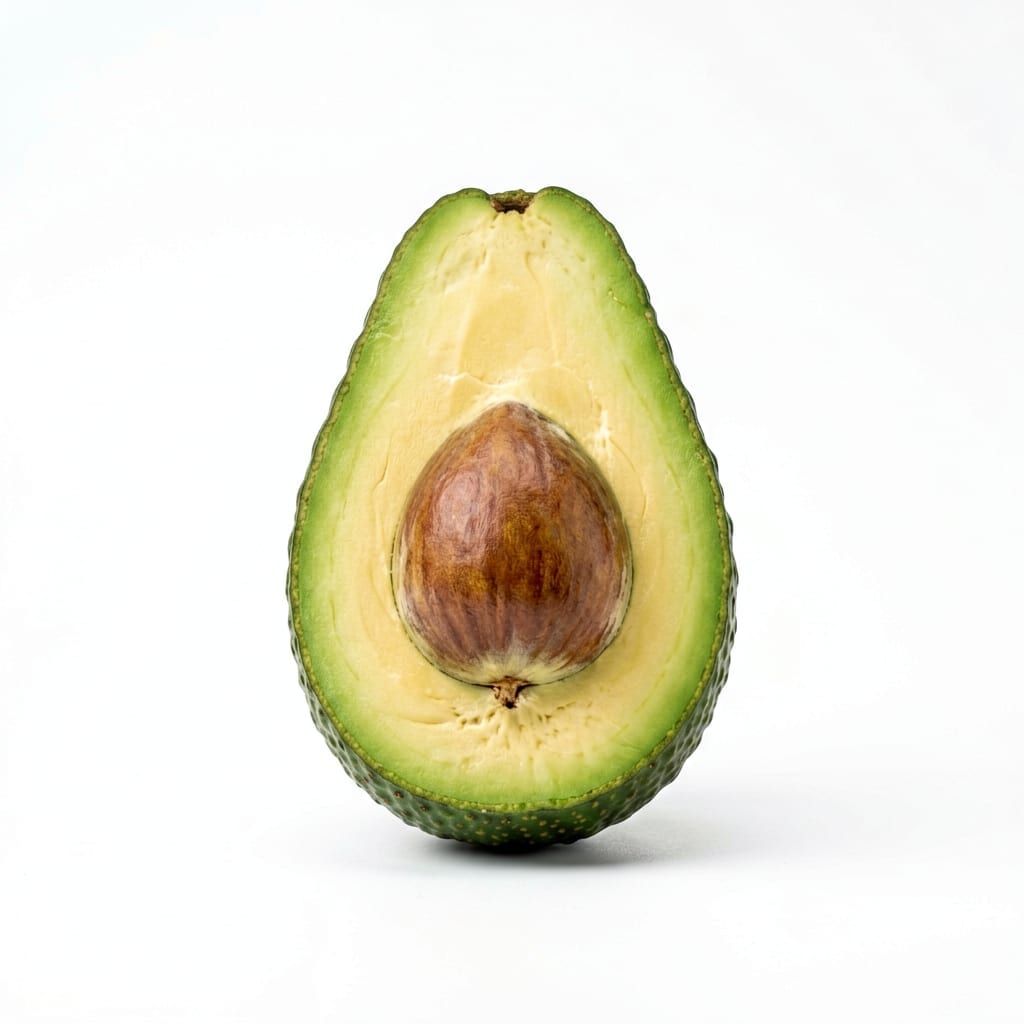
Avocado
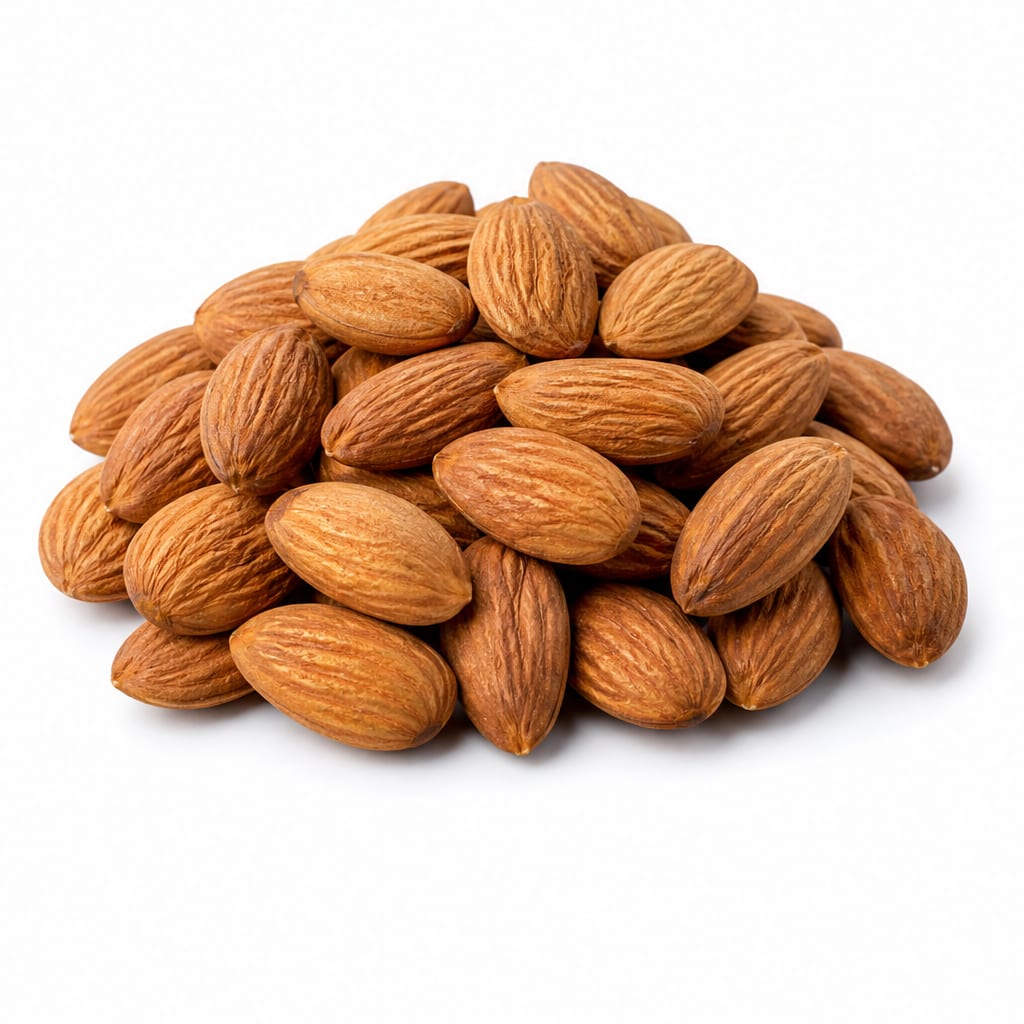
Almonds
Avocado shines in meals and offers creamier, more filling fats, while Almonds dominate on-the-go snacking with a protein and vitamin E boost.
Avocado and Almonds are both elite whole foods. Avocado scores slightly higher due to its superior fat profile for inflammation and harder-to-overeat nature, but Almonds remain a top-tier portable snack.
Meal-friendly volume and potassium versus portable crunch and vitamin E.
At a glance
Executive summary
Overall
It depends
Healthier
It depends
More practical
Almonds
Daily use
It depends
Key comparison lenses
Healthy fat source selection
Both are premier sources of dietary fat, but their fat profiles and how they fit into meals differ significantly.
Weight management and satiety
Avocado offers volume and fullness, while Almonds offer dense energy that is easy to overconsume.
Snack convenience versus meal integration
Almonds are shelf-stable and portable, whereas Avocado requires ripeness timing and refrigeration.
Micronutrient prioritization
Avocado provides potassium and folate, while Almonds deliver vitamin E and magnesium.
Best choice for
Avocado
- Heart-healthy meal additions
- People who tend to overeat nuts
- Soft-food diets or dental issues
- Potassium boosting for muscle cramps
Almonds
- On-the-go snacking and travel
- Trail mix and hiking fuel
- Vitamin E and magnesium needs
- Plant-based protein supplementation
Least suitable for
Avocado
- Emergency pantries or shelf-stable needs
- Very low-fat diets
- Travel without refrigeration
Almonds
- People with oxalate kidney stones
- Severe calorie restriction with low self-control
- Toddlers due to choking hazard
Deep comparison
Dimension by dimension
Each lens scores both foods and breaks down who each option suits.
- Dimension 1 · Priority 90Avocado
Fat Quality & Inflammation
Avocado · 92Almonds · 82Avocado provides mostly monounsaturated fat with very little omega-6, while Almonds offer a mix of monounsaturated and more omega-6 polyunsaturated fats.
Tradeoff
You get more vitamin E from Almonds but also more omega-6 fats, which can be pro-inflammatory in excess.
Why it matters
A lower omega-6 to omega-3 ratio supports lower systemic inflammation and better metabolic health.
Real-world impact
Better fat balance means less bloating and smoother recovery after workouts.
Avocado
- Reducing systemic inflammation
- Heart-healthy meal prep
- Balancing omega fats
Better for
- Getting diverse nut fats
- High protein snacking
Worse for
Almonds
- Boosting antioxidant intake
- Getting more vitamin E
Better for
- Keeping omega-6 low
- Pure MUFA diets
Worse for
- Dimension 2 · Priority 95Avocado
Satiety & Overeating Risk
Avocado · 88Almonds · 70Avocado is high in water and fiber, making it physically filling and hard to overeat. Almonds are dense and crunchy, which makes them incredibly easy to overconsume.
Tradeoff
Almonds offer more protein per bite, but their hyper-palatability can lead to accidental calorie overload.
Why it matters
Portion control is the biggest real-world factor in healthy fat consumption.
Real-world impact
Eating half an avocado feels like a meal; eating half a bag of almonds happens by accident before you feel full.
Avocado
- Weight management
- Mindful eating
- Large portion satisfaction
Better for
- Calorie-dense snacking on the go
Worse for
Almonds
- Quick calorie intake for athletes
- Backpacking and hiking
Better for
- Strict calorie counting
- Controlling cravings
Worse for
- Dimension 3 · Priority 85Almonds
Convenience & Shelf Life
Avocado · 45Almonds · 95Almonds are shelf-stable for months, require zero prep, and survive in a backpack. Avocados are perishable, bruise easily, and have a notoriously short perfect-ripeness window.
Tradeoff
You trade the fresh, perishable creaminess of Avocado for the rugged, shelf-stable crunch of Almonds.
Why it matters
The healthiest food is the one you can actually eat when you need it.
Real-world impact
Almonds are a reliable desk snack; Avocados require planning, refrigeration, and timing.
Avocado
- Fresh meal preparation
- Home cooking
Better for
- Commuting
- No-fridge situations
Worse for
Almonds
- Travel
- Office snacking
- Emergency food storage
Better for
- Gourmet culinary use
- Creamy textures
Worse for
- Dimension 4 · Priority 80It depends
Micronutrient Diversity
Avocado · 88Almonds · 86Avocado is a potassium and folate powerhouse with vision-supporting lutein. Almonds dominate in vitamin E, magnesium, and riboflavin.
Tradeoff
Avocado supports hydration and blood pressure, while Almonds protect cells from oxidative stress and support energy production.
Why it matters
Different micronutrient profiles serve entirely different health goals.
Real-world impact
Avocado helps with post-workout cramps and blood pressure; Almonds help with skin health and energy slumps.
Avocado
- Lowering blood pressure
- Eye health
- Prenatal nutrition
Better for
- Vitamin E needs
- Magnesium supplementation
Worse for
Almonds
- Skin repair
- Energy metabolism
- Bone density
Better for
- Potassium loading
- Folate intake
Worse for
- Dimension 5 · Priority 85Almonds
Blood Sugar Management
Avocado · 85Almonds · 90Both are fantastic for blood sugar, but Almonds edge out Avocado slightly due to a higher protein and fiber combination per standard serving.
Tradeoff
Almonds provide a slightly stronger protein buffer, but Avocado is more versatile for pairing with high-carb meals.
Why it matters
Preventing glucose spikes is crucial for sustained energy and fat loss.
Real-world impact
A handful of Almonds alone stabilizes blood sugar; Avocado does best when mashed on toast or paired with a carb.
Avocado
- Pairing with carbohydrate meals
- Reducing glycemic load of dinners
Better for
- High-protein snacking
Worse for
Almonds
- Standalone snacking
- Preventing afternoon energy crashes
Better for
- Mixing into warm carbohydrate dishes
Worse for
Timeline
Health impact over time
Short-term
Hours to days
Avocado
- Immediate fullness from volume and fiber
- Stabilizes blood sugar when paired with carbs
- Provides quick, steady energy without a crash
Almonds
- Quick hunger relief with dense calories
- Sustained energy for physical activity
- Easy to overeat, leading to a calorie surplus
Long-term
Months to years
Avocado
- Cardiovascular benefits from high MUFA intake
- Lower oxidative stress and inflammation
- Blood pressure regulation from potassium
Almonds
- Strong cell protection from vitamin E
- Bone and nerve support from magnesium
- Potential omega-6 imbalance if heavily favored over other fats
Risk profile
Safety & processing
Both Avocado and raw Almonds are whole, minimally processed foods. Watch out for roasted Almonds with added seed oils and salt, which downgrade their health profile.
Avocado
Latex-fruit syndrome
lowSome individuals with latex allergies react to avocados due to similar proteins.
Pesticide residue
lowThick skin protects the flesh, but conventional avocados still have some pesticide load on the peel.
Almonds
Oxalates
mediumAlmonds are high in oxalates, which can contribute to kidney stone formation in susceptible individuals.
Phytic acid
lowCan bind to minerals like iron and zinc, slightly reducing their absorption.
Choking hazard
mediumWhole nuts are a leading choking hazard for children under 4.
Who wins for whom
Audience fit
Same foods, different winners depending on your goal.
children
AvocadoAvocado is soft, easy to digest, and poses no choking risk, making it ideal for toddlers compared to whole nuts.
daily consumption
It dependsAvocado is better for daily meals, while Almonds are better for daily snacking.
diabetes
AlmondsAlmonds have a slightly stronger protein and fiber matrix per serving, creating a steadier glucose response when eaten alone.
elderly
AvocadoThe soft texture is easier to chew, and the high potassium supports blood pressure management in older adults.
muscle gain
AlmondsAlmonds provide a notable protein boost alongside healthy fats, supporting muscle repair better than Avocado.
weight loss
AvocadoAvocado provides more volume and satiety per calorie, making it harder to accidentally overeat compared to calorie-dense Almonds.
Your move
Decision guide
Choose Avocado
- You need a satisfying, low-carb meal addition
- You tend to overeat nuts and need built-in portion control
- You want to boost potassium and lower blood pressure
- You need a soft food texture for kids or dental issues
Choose Almonds
- You need portable, non-perishable snacks for travel or work
- You want to increase vitamin E and magnesium intake
- You need a quick post-workout protein and fat source
- You are hiking or need dense calorie energy
Either works if
- You want heart-healthy, anti-inflammatory fats
- You need to stabilize blood sugar on a low-carb diet
- You are looking for fiber-rich whole foods
Avoid both if
- You are on a strict very-low-fat diet
- You have severe calorie limits and struggle with portion control
Final recommendation
Keep both in your rotation but respect their different roles. Use Avocado to make meals more satisfying and nutritious, and keep pre-portioned Almonds handy for when you need fuel on the go.
Practical
Consumer tips
- 1
Pre-portion Almonds into 1-ounce bags or containers immediately to prevent mindless overeating.
- 2
Store Avocados in the fridge once they reach perfect ripeness to extend their window by a few days.
- 3
Choose raw or dry-roasted Almonds without added seed oils or salt to avoid inflammatory fats and sodium.
- 4
Mash Avocado with a little lemon juice to prevent browning if you want to save the other half for tomorrow.