
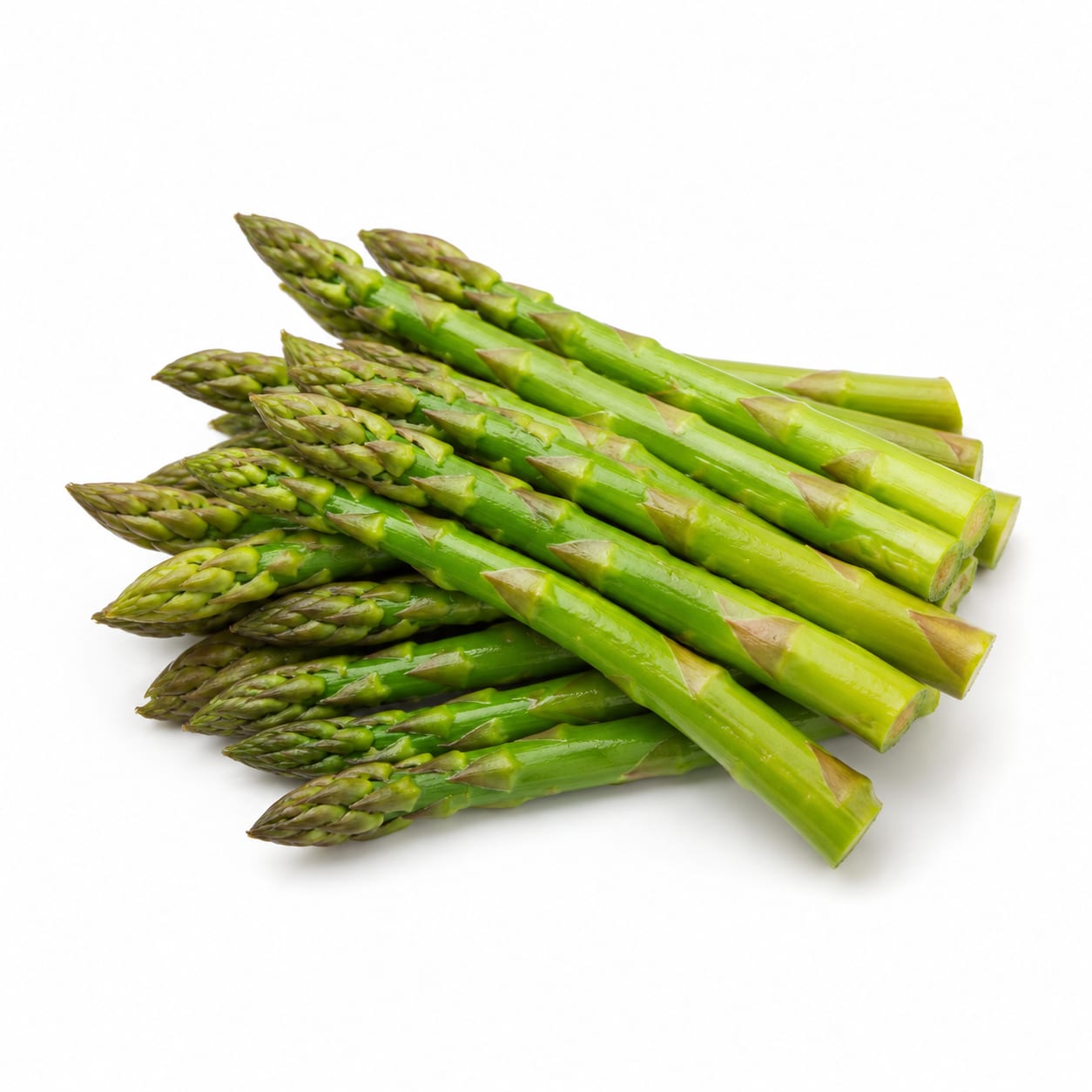
Vegetable
Asparagus
Asparagus is a nutrient-dense, low-calorie green vegetable packed with fiber, folate, and prebiotics.
Asparagus is a spring vegetable known for its tender, spear-shaped stalks and distinct, savory flavor. It is widely consumed grilled, roasted, or steamed as a side dish or salad ingredient.
high-volume low-calorie prebiotic vegetable
Typical serving · 134g
Common varieties · green asparagus, white asparagus, purple asparagus, wild asparagus
Overall context score across nutrition, safety, and diet fit
At a glance
Quick facts
Simple indicators based on nutrition, processing, and diet fit.
The story
What makes it unique
Asparagus is a low-energy-density food with a high water and fiber content, resulting in slow digestion and prolonged satiety. Its macronutrient profile is dominated by complex carbohydrates and fiber, with minimal fat. As a minimally processed whole food, it retains its full matrix of vitamins, minerals, and phytonutrients.
Varieties: green asparagus · white asparagus · purple asparagus · wild asparagus
Per 100g
Nutrition breakdown
Macro balance and key metrics at a glance.
Energy
Density 0.20 kcal/g
Protein
Carbs
Fat
Fiber
Sugar
1.9 g
Sodium
2 mg
Potassium
202 mg
Glycemic index
15
Glycemic load
1
Water content
93%
Standout compounds
Nutrient highlights
Folate
highEssential for DNA synthesis and cell division, particularly important during early pregnancy.
Vitamin K
highCritical for blood clotting and bone metabolism.
Inulin
moderateA prebiotic fiber that promotes the growth of healthy gut bacteria.
Vitamin A
moderateSupports immune function, vision, and skin health.
Wellness map
Health scores & processing
NOVA processing scale
unprocessed · Whole food
Fresh asparagus is a whole, unprocessed plant food harvested directly from the ground with no alterations.
Diet compatibility
- Weight loss
- Muscle gain
- Diabetes
- Gut health
- Low carb
- High protein
- Heart health
Relative standing
Food rankings
Qualitative ranks compared to similar whole foods.
- Satietyexcellent
- Blood sugarexcellent
- Nutrient densityexcellent
- Fitness fuelmoderate
- Processing qualityexcellent
Eat with confidence
Food safety profile
Asparagus is generally very safe with low pesticide and contamination risks. Proper washing removes any residual soil or natural bacterial biofilm.
Evidence confidence 95%
- Pesticideslow
- Antibioticslow
- Heavy metalslow
- Contaminationlow
Watch for
- soil residue
- bacterial biofilm
Safer choices
Organic asparagus reduces already low pesticide exposure, but conventional is also very safe.
Prep tips
Rinse thoroughly under cold water and snap off the woody, fibrous ends before cooking.
Minimal. Asparagus frequently appears on the EWG Clean Fifteen list due to low pesticide residue detection.
Deep dive
Health analysis
How this food may fit different goals and preparation choices.
Weight loss
Extremely low energy density and high water content allow large portion sizes with minimal calories, promoting fullness.
Blood sugar
Very low glycemic index and load. Fiber slows glucose absorption, preventing blood sugar spikes.
Fitness & energy
Provides useful micronutrients for recovery but lacks the dense carbohydrates or protein needed as a primary workout fuel.
Gut health
Rich in inulin, a prebiotic fiber that selectively feeds beneficial Bifidobacteria and Lactobacilli in the colon.
Processing quality
Whole, unprocessed food with an intact nutritional matrix and no added chemicals.
Food safety
Very low risk for pesticides and pathogens. Ranks consistently as one of the cleanest conventional vegetables.
Common mistakes
Overcooking until mushy, which degrades vitamins and texture. Failing to remove the tough woody ends.
Best preparation
Roasting, grilling, or light steaming preserve nutrients and enhance natural flavors while maintaining a crisp texture.
Practical guide
Best use cases
When and how this food fits real eating patterns.
Low-calorie volume eating
Add bulk to meals with minimal calories to increase satiety during weight loss phases.
Prebiotic fiber boost
Feed beneficial gut bacteria by incorporating inulin-rich asparagus into your diet.
Pregnancy nutrition
Supply high amounts of folate, which is crucial for fetal neural tube development during early pregnancy.
Low-carb side dish
Replace starchy sides like potatoes or rice with roasted asparagus for a satisfying, low-glycemic alternative.
Balance sheet
Pros & cons
Upsides
- Very low in calories and carbohydrates
- High in satiety-promoting fiber and water
- Rich source of folate and vitamin K
- Contains prebiotic inulin for gut health
- Quick and easy to prepare
Trade-offs
- Causes sulfur-smelling urine in most people
- Woody ends require trimming and are inedible
- Becomes mushy and loses nutrients if overcooked
- Relatively expensive when out of season
Fit check
Who is it for?
Great match
- low-carb diets
- weight loss phases
- pregnancy nutrition
- gut microbiome support
Consider alternatives
- high-calorie bulking diets
- those sensitive to sulfur odors
- strict zero-carb diets
Side by side
How it compares
Open the full head-to-head analysis for nutrition, safety, and practical tradeoffs.
This food
Asparagus
VS90% alike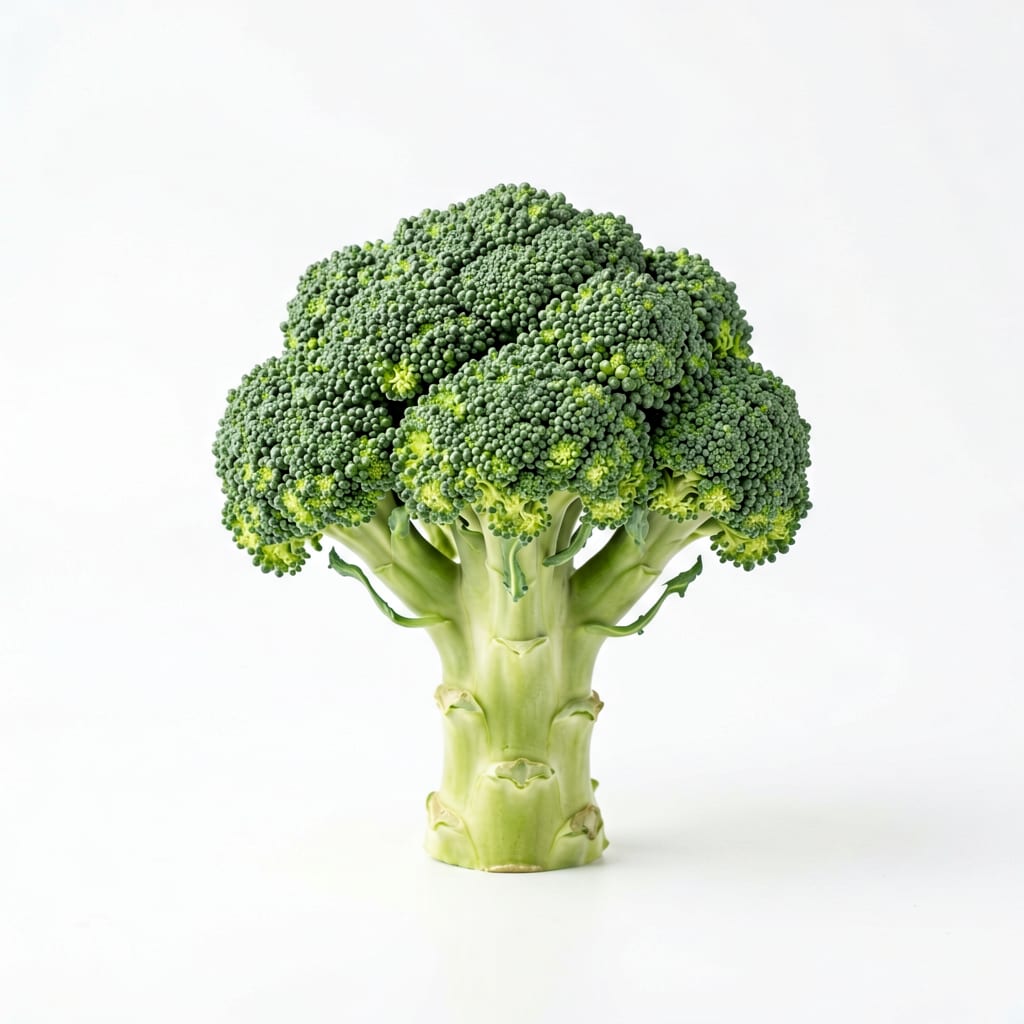
Compare with
Broccoli
Broccoli offers more vitamin C and protein, while asparagus is lower in calories and higher in folate.
Broccoli provides more protein and vitamin C, while asparagus is lower in calories and richer in folate.
This food
Asparagus
VS85% alike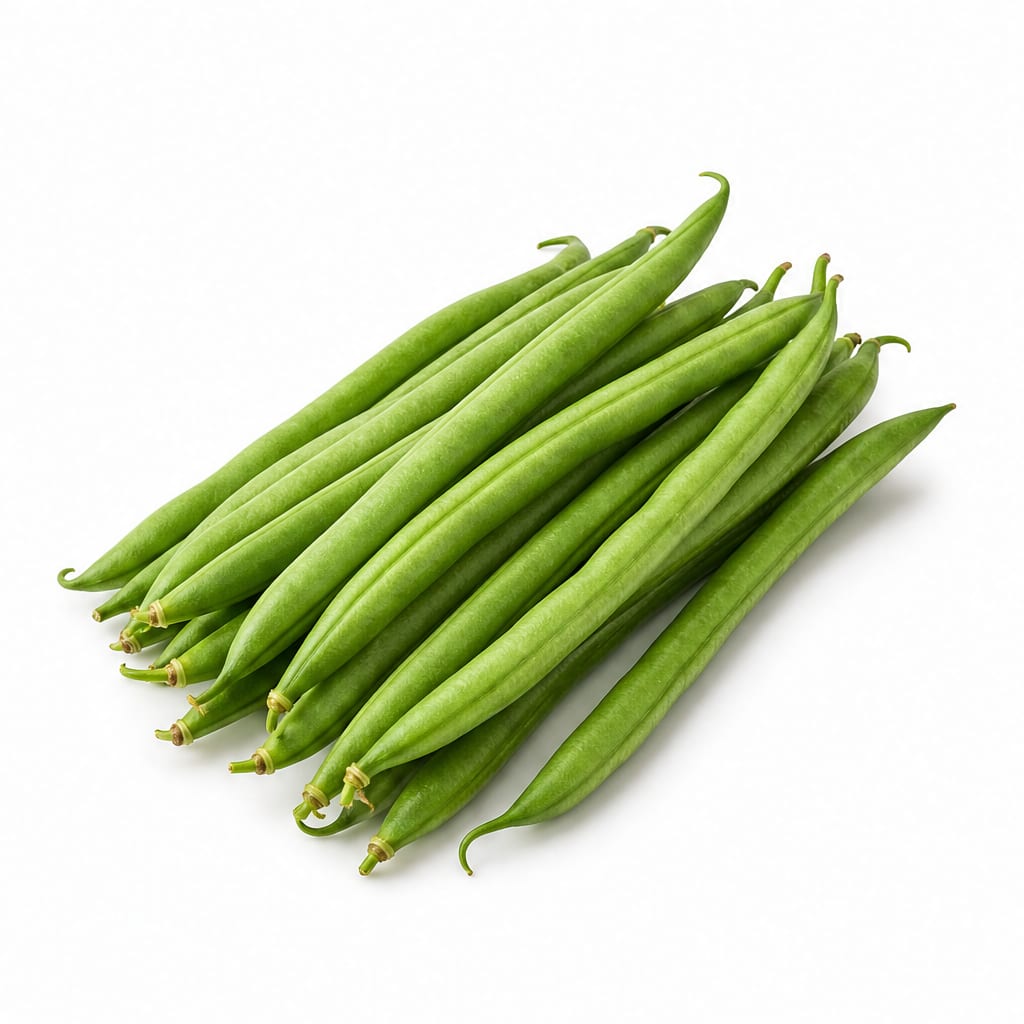
Compare with
Green Beans
Green beans are slightly higher in carbs, while asparagus provides more prebiotic fiber and folate.
Asparagus is lower in carbs and higher in folate, while green beans are slightly sweeter and crunchier.
This food
Asparagus
VS80% alike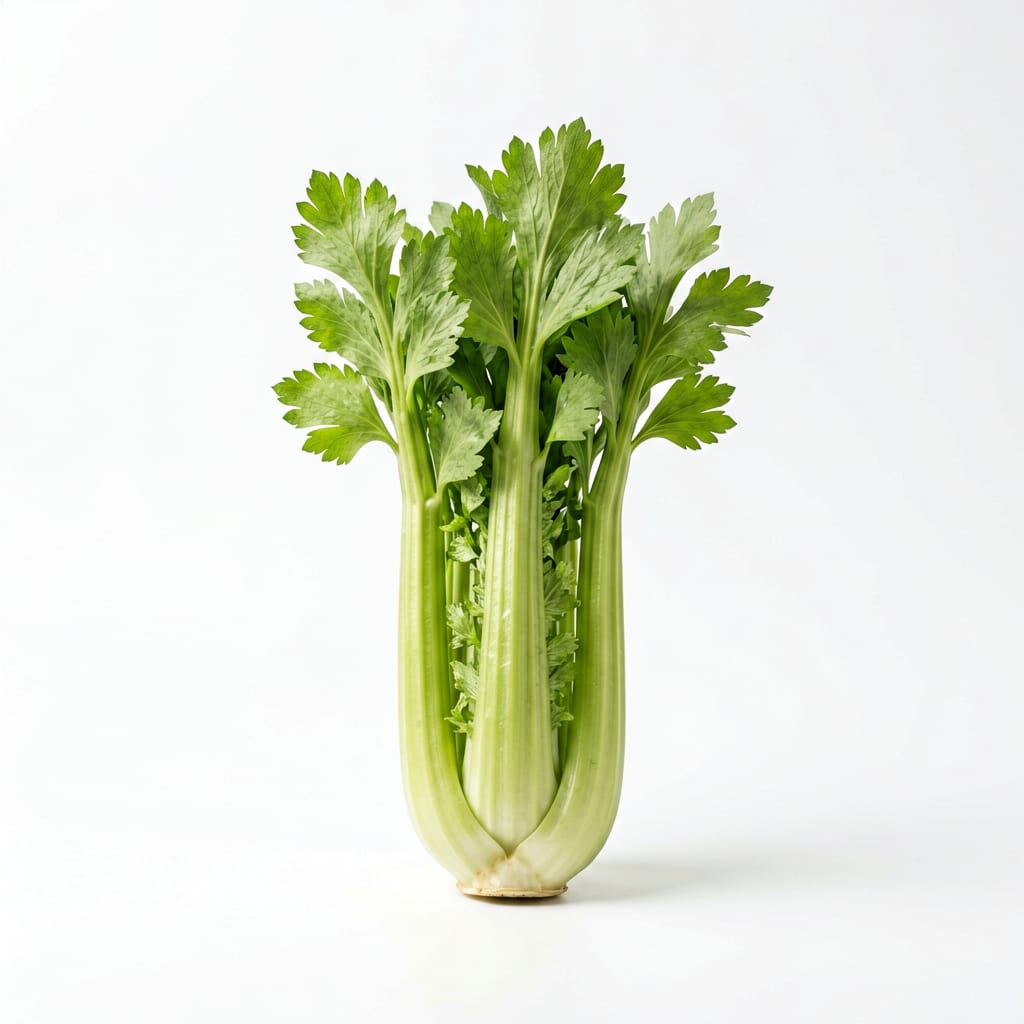
Compare with
Celery
Celery is lower in calories but asparagus is far richer in vitamins like folate and vitamin K.
Celery is lower in calories, but asparagus provides significantly more nutrients and satiety per serving.
This food
Asparagus
VS75% alike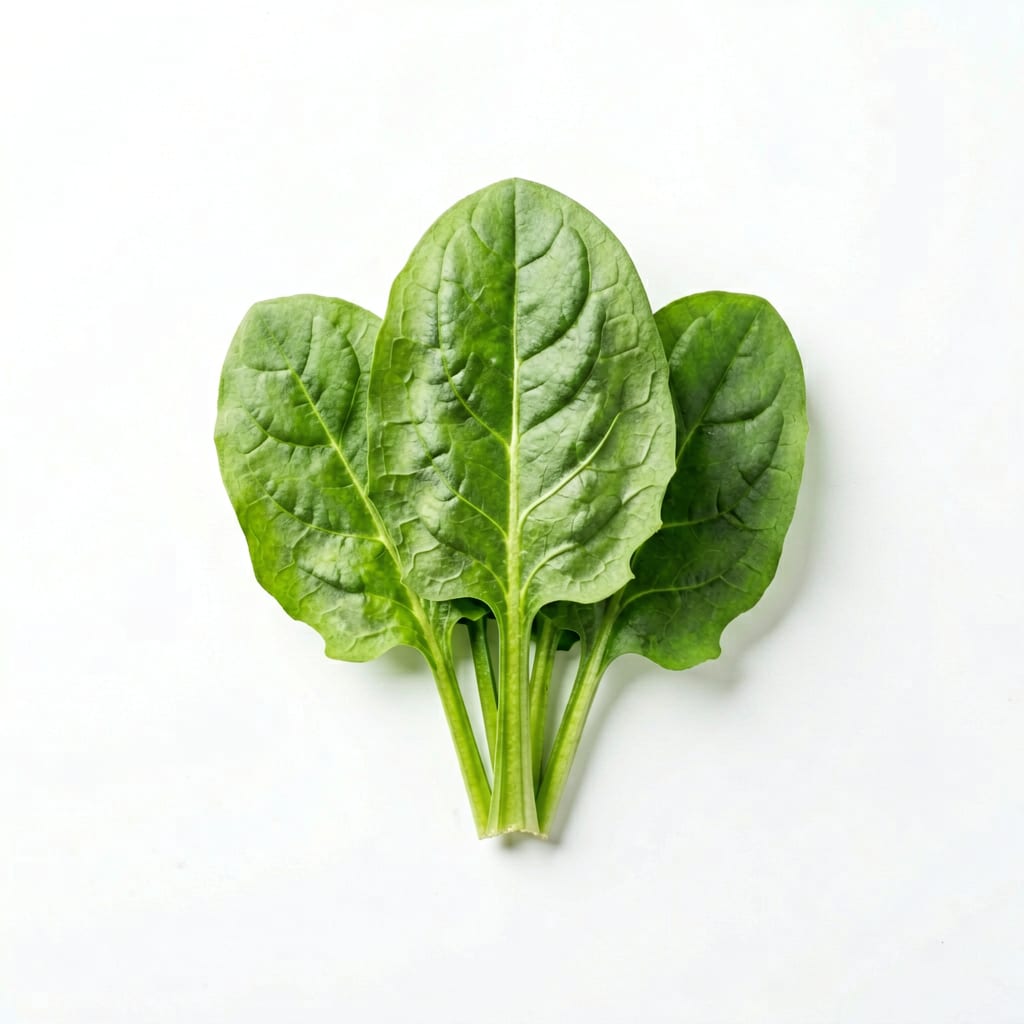
Compare with
Spinach
Spinach is higher in iron and vitamins A and K, while asparagus offers more distinct prebiotic benefits and a crunchier texture.
Spinach is higher in iron and vitamin A, while asparagus provides more prebiotic fiber and a firmer bite.
This food
Asparagus
VS80% alike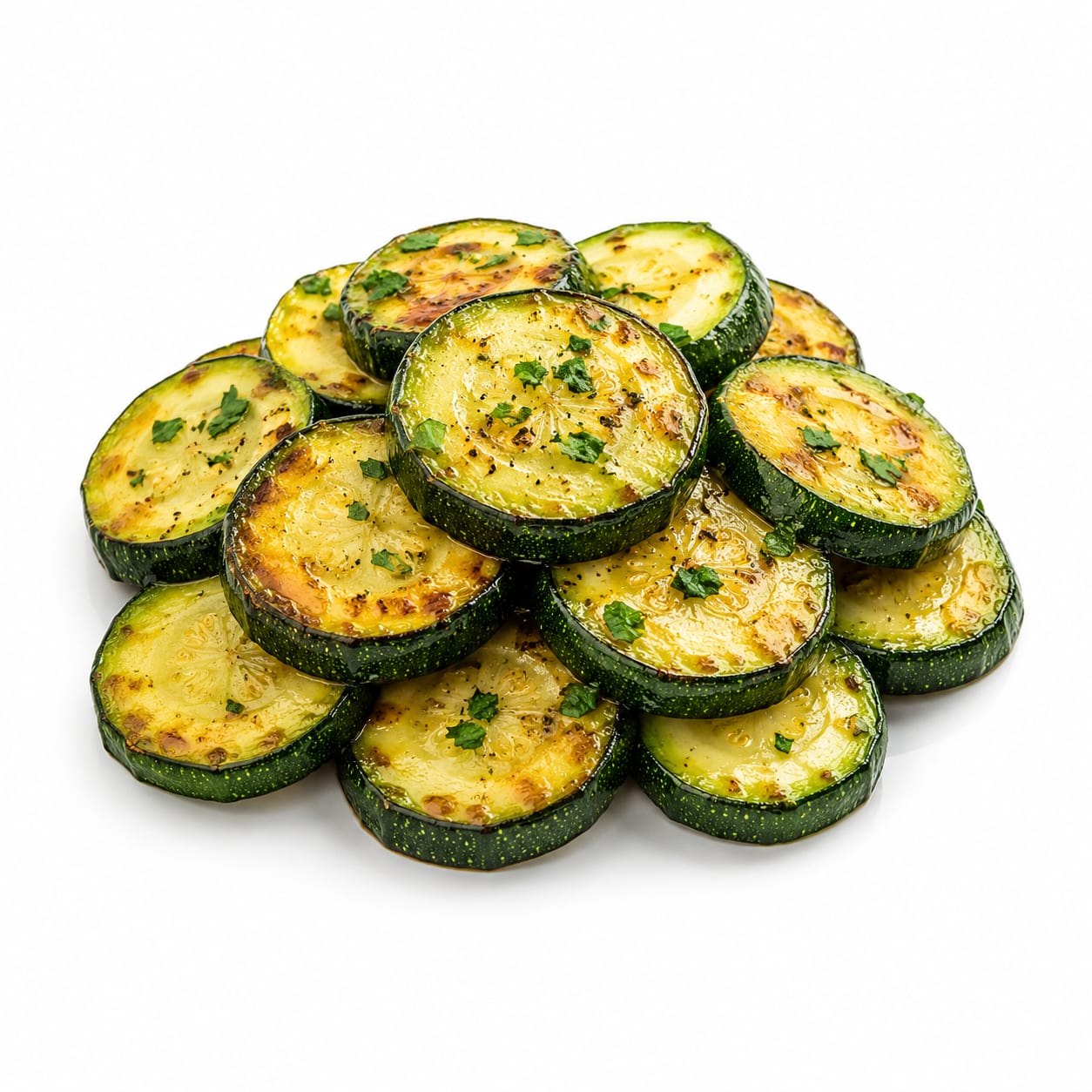
Compare with
Zucchini
Zucchini is lower in calories but asparagus provides significantly more protein and fiber per serving.
Zucchini is lower in calories, but asparagus offers more fiber and protein for better satiety.
This food
Asparagus
VS70% alike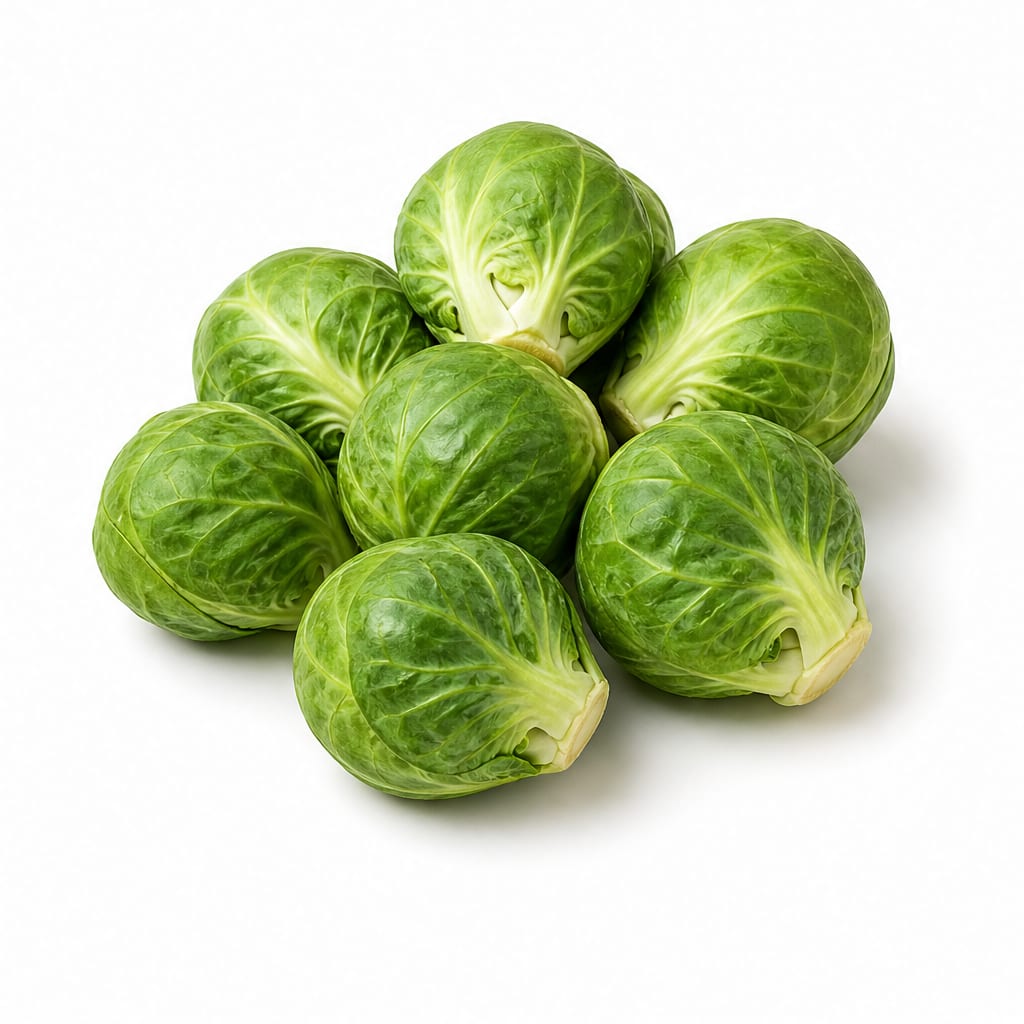
Compare with
Brussels Sprouts
Brussels sprouts are higher in calories and vitamin C, while asparagus is lighter and higher in folate.
Brussels sprouts offer more vitamin C and fiber, while asparagus is lower in calories and higher in folate.
This food
Asparagus
VS65% alike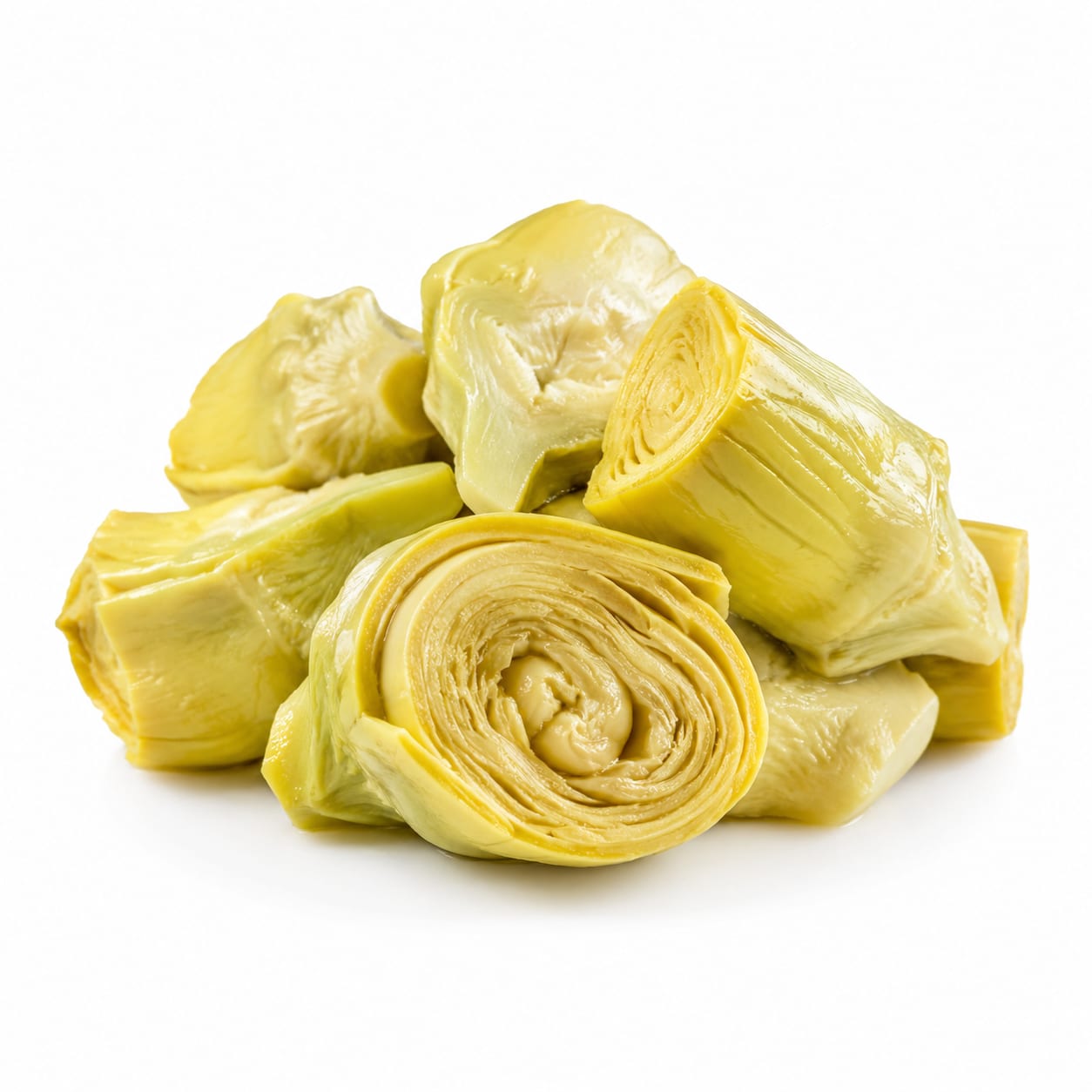
Compare with
Artichoke
Artichokes are much higher in fiber, but asparagus is easier to prepare and lower in calories.
Artichokes are higher in fiber and better for gut health, but asparagus is lower in calories and easier to prep.
This food
Asparagus
VS80% alike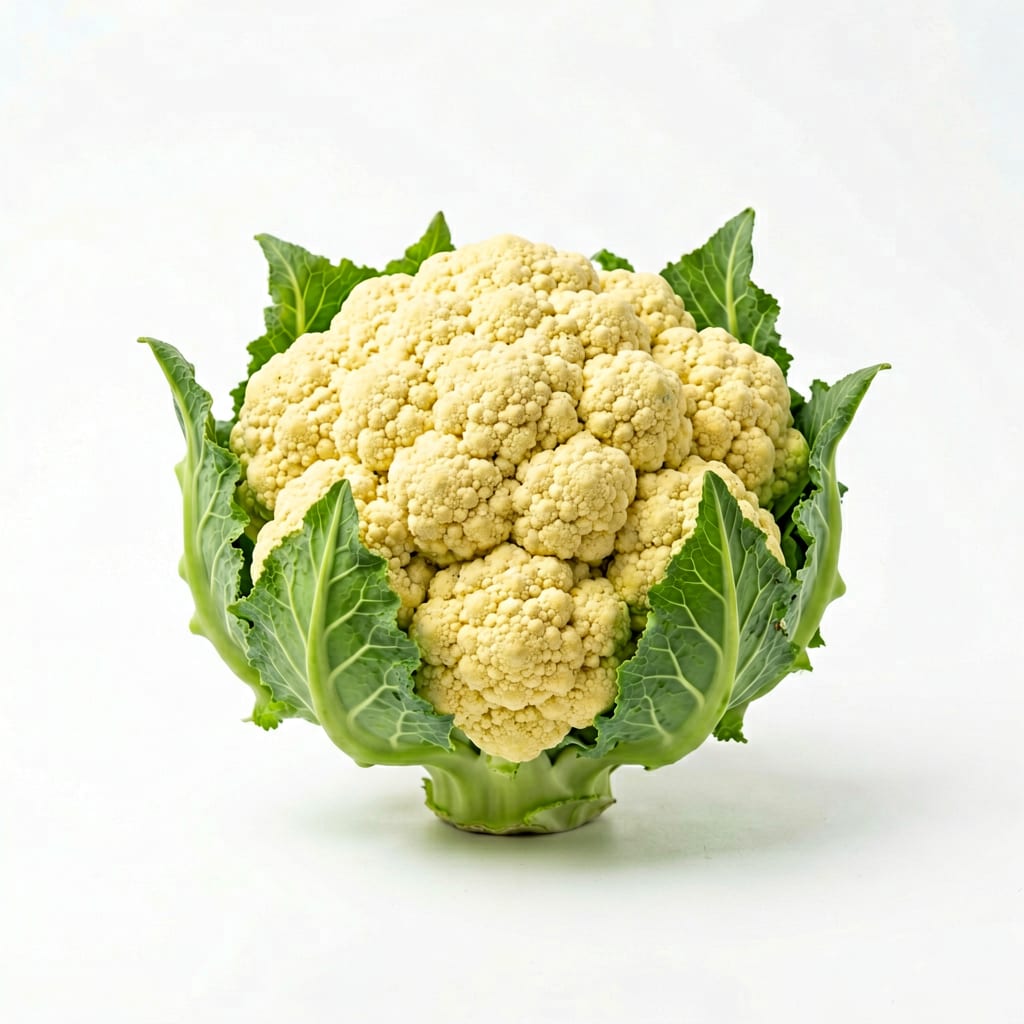
Compare with
Cauliflower
Cauliflower is lower in calories and carbs, but asparagus provides more protein and folate.
Cauliflower is lower in carbs, but asparagus provides more protein and folate for nutritional balance.
This food
Asparagus
VS75% alike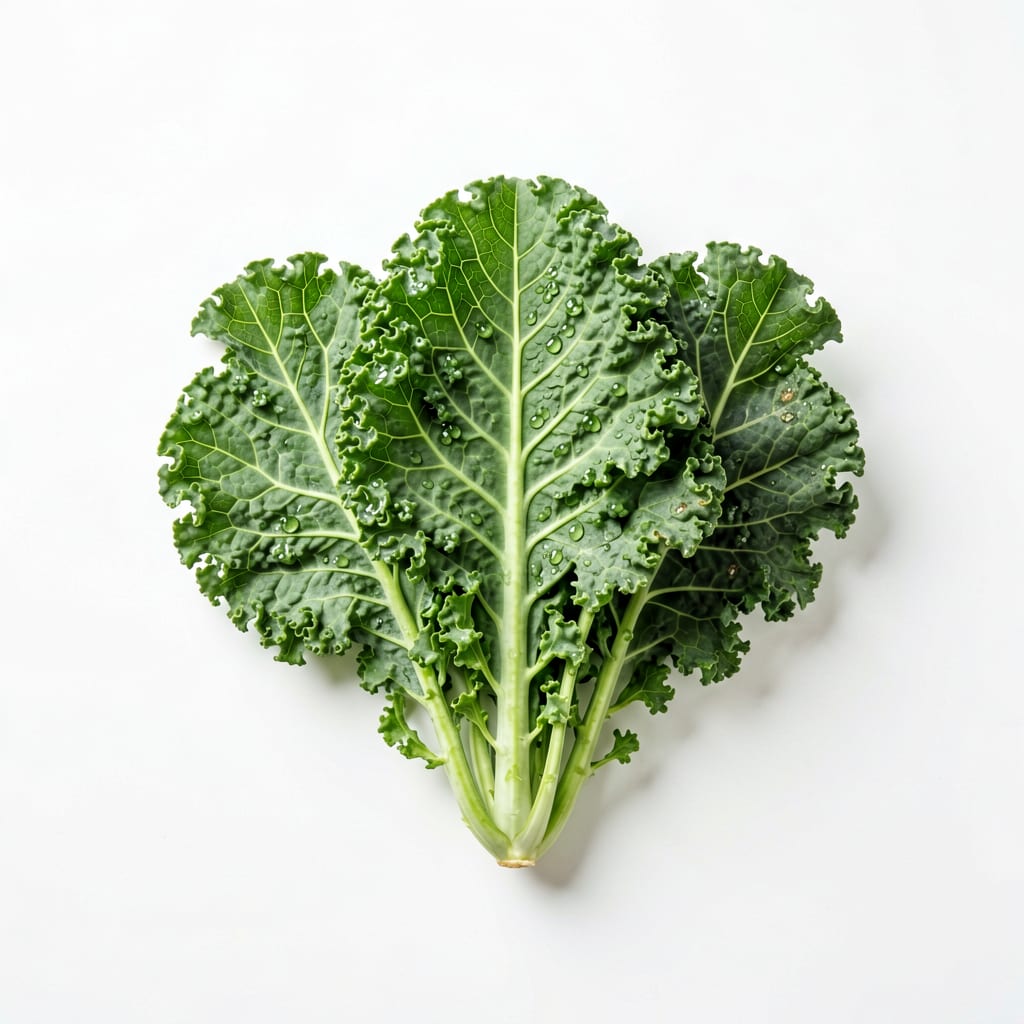
Compare with
Kale
Kale is a nutrient powerhouse with more vitamin A and C, while asparagus is milder in flavor and higher in folate.
Kale provides more vitamins A and C, while asparagus is milder in flavor and richer in folate.
This food
Asparagus
VS70% alike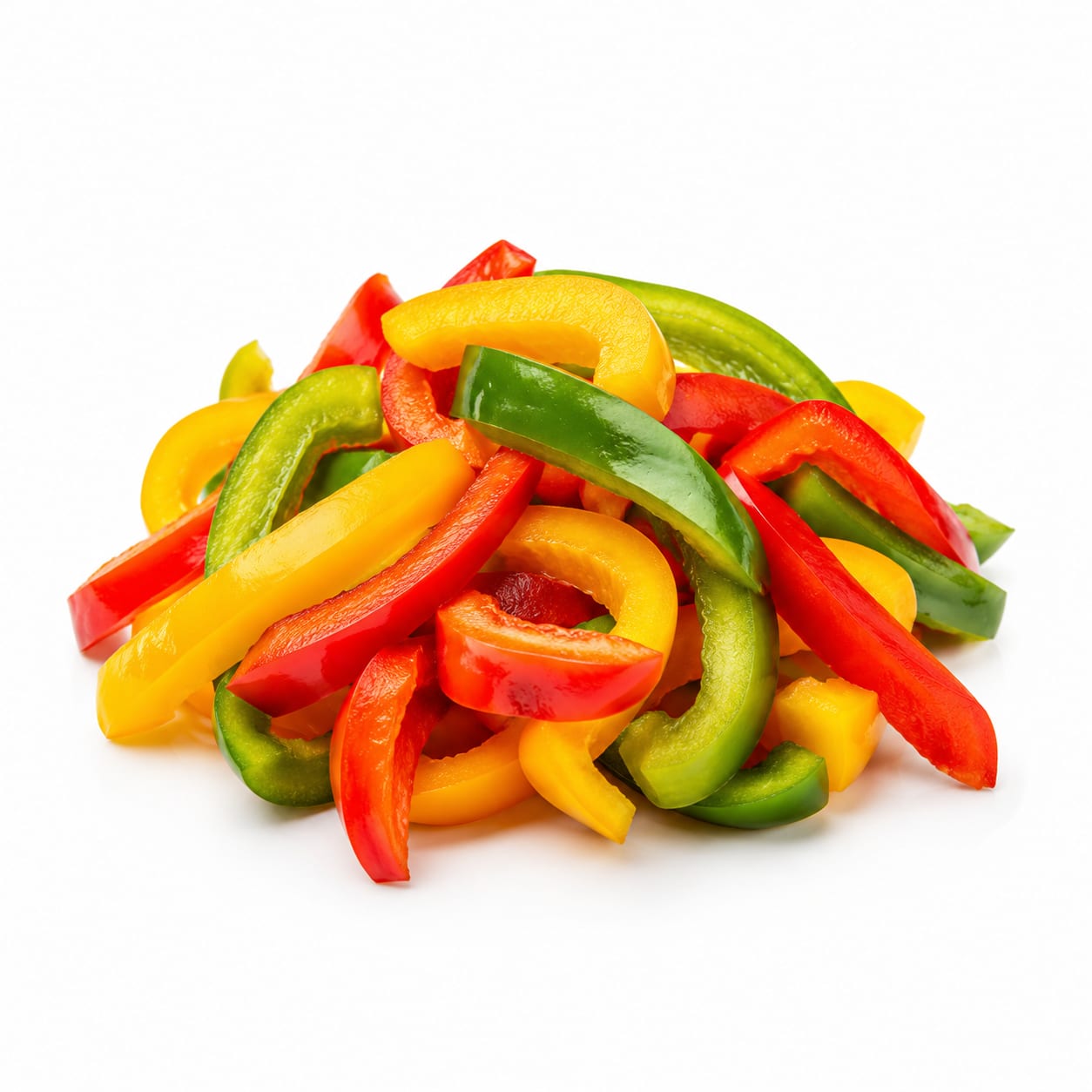
Compare with
Bell Peppers
Bell peppers are much higher in vitamin C and sugar, while asparagus is lower in carbs and higher in B vitamins.
Bell peppers are much higher in vitamin C, but asparagus is lower in sugar and higher in folate.
Common questions
FAQ
Answers aligned with how people search for this food.
Is asparagus good for weight loss?
Yes, asparagus is excellent for weight loss. It is very low in calories and high in water and fiber, which helps you feel full without consuming excess energy.
Why does asparagus make urine smell?
Asparagus contains asparagusic acid, which the body breaks down into sulfur-containing compounds. These compounds are excreted in urine, causing a distinct odor in most people shortly after eating it.
Can diabetics eat asparagus?
Yes, asparagus is highly diabetic-friendly. It has a very low glycemic index and load, and its fiber content helps regulate blood sugar levels without causing spikes.
Is asparagus a prebiotic food?
Yes, asparagus is a rich source of inulin, a type of prebiotic dietary fiber that feeds beneficial gut bacteria and supports a healthy microbiome.
How do you cook asparagus properly?
Roasting, grilling, or steaming asparagus for 5 to 10 minutes until tender-crisp is ideal. Avoid overcooking, which makes it mushy and degrades its nutrients.
Can you eat asparagus raw?
Yes, asparagus can be eaten raw. Shaving it thinly with a vegetable peeler makes it easier to chew and digest while retaining all its heat-sensitive nutrients.
Is asparagus keto friendly?
Yes, asparagus is keto-friendly. It contains only about 1.8 grams of net carbs per 100 grams, making it easy to fit into a strict low-carb diet.
What are the health benefits of asparagus?
Asparagus provides high levels of folate for cell function, vitamin K for bone health, and inulin for gut health, all while being low in calories and supporting blood sugar control.
Transparency
Data confidence
Estimated confidence for nutrition data, interpretation, safety notes, and comparisons.
Nutrition data
Health analysis
Food safety
Comparisons