
Nutrition comparison
Asparagus vs Green Beans: Nutrition, Safety, and Which is Healthier
Compare Asparagus vs Green Beans for weight loss, nutrients, and pesticide safety. Find out which green vegetable is better for your health goals.
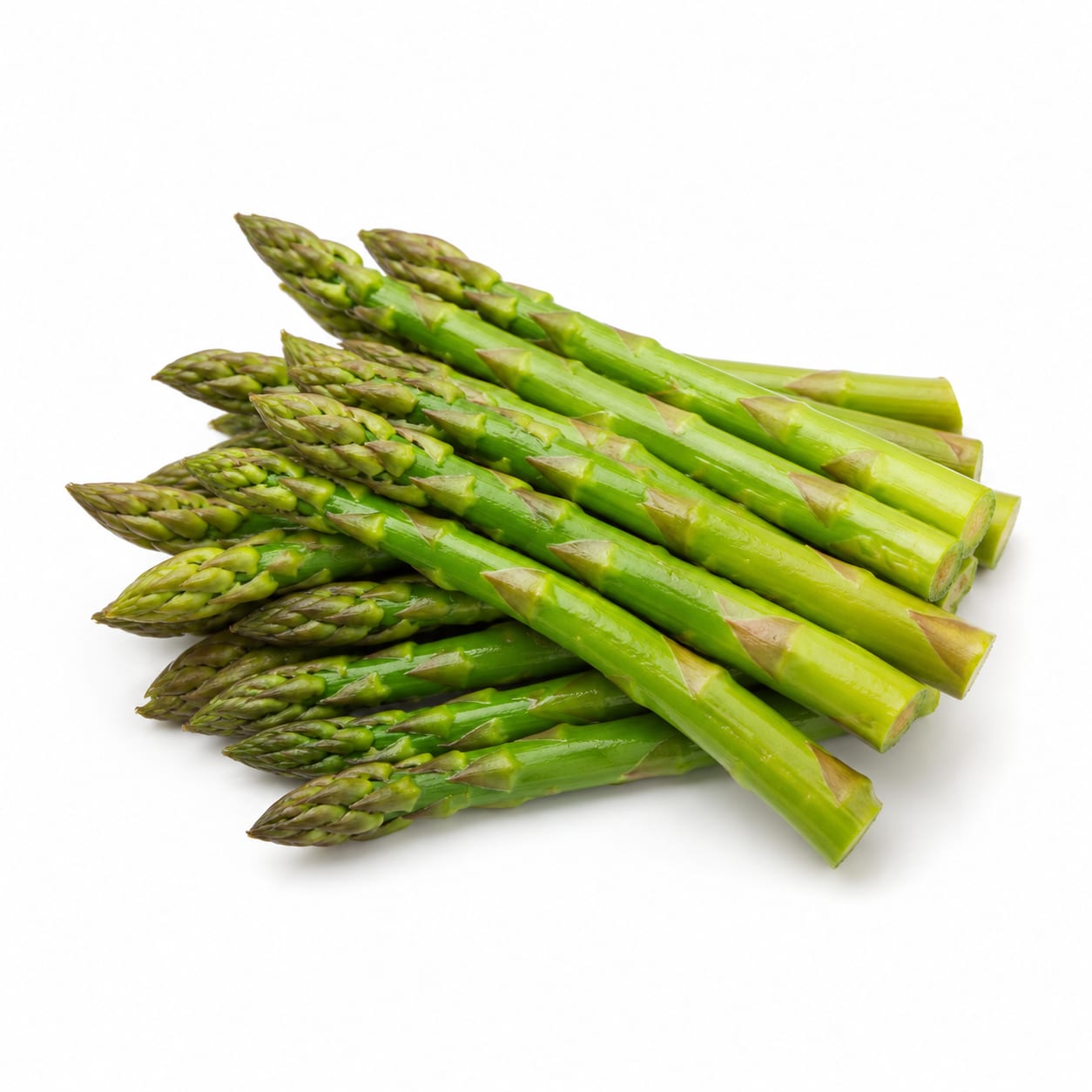
Asparagus
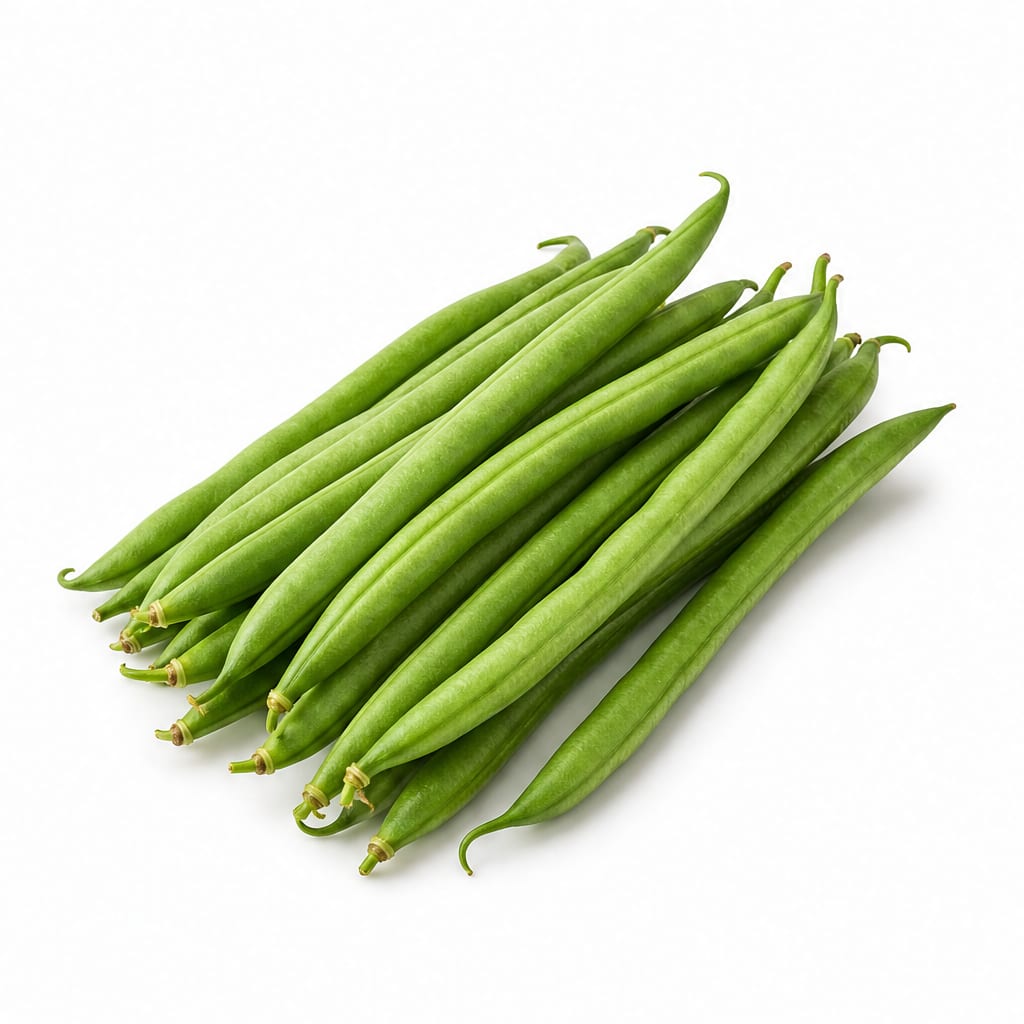
Green Beans
Asparagus delivers more targeted nutrients and gut-friendly prebiotics, while Green Beans win on everyday practicality, cost, and kid-friendliness.
Asparagus edges ahead on pure nutritional value and safety, but Green Beans stay highly competitive due to their convenience, fiber, and lower cost.
Peak nutrient density and gut support versus budget-friendly versatility and easier prep.
At a glance
Executive summary
Overall
It depends
Healthier
Asparagus
More practical
Green Beans
Daily use
Green Beans
Key comparison lenses
Nutrient density and prebiotic benefits
Asparagus is uniquely rich in folate and inulin, making it a standout for gut health and prenatal nutrition compared to Green Beans.
Everyday practicality and cost
Green Beans are significantly cheaper, available year-round, and easier to prepare, making them a more realistic daily staple for most households.
Pesticide exposure and safety
Asparagus naturally resists pests and is usually clean, while conventional Green Beans frequently carry high pesticide residues.
Best choice for
Asparagus
- Boosting folate and vitamin K intake
- Supporting gut microbiome health with prebiotics
- Eating clean on a conventional produce budget
Green Beans
- Budget-friendly everyday side dishes
- Pleasing picky eaters and kids
- Quick weeknight meal prep
Least suitable for
Asparagus
- Those prone to gout flares due to purine content
- Budget-tight weekly meal plans
Green Beans
- Those specifically seeking high folate or prebiotic fiber
- Avoiding conventional pesticide exposure without organic access
Deep comparison
Dimension by dimension
Each lens scores both foods and breaks down who each option suits.
- Dimension 1 · Priority 90Asparagus
Nutrient Density & Gut Health
Asparagus · 90Green Beans · 75Asparagus is loaded with folate, vitamin K, and inulin, a prebiotic fiber that feeds good gut bacteria.
Tradeoff
You get more targeted nutrients and gut support with Asparagus, but Green Beans still offer solid vitamin C and general fiber.
Why it matters
Prebiotics in Asparagus help digestion and immunity long-term, something Green Beans lack in high amounts.
Real-world impact
Eating Asparagus regularly can reduce bloating and improve gut regularity more noticeably than Green Beans.
Asparagus
- Pregnant women needing natural folate
- People improving gut bacteria diversity
- Those needing vitamin K for bone health
Better for
- People with severe gout (purine content)
Worse for
Green Beans
- Boosting general vitamin C intake
- Adding simple bulk fiber to meals
Better for
- Those specifically looking for prebiotic benefits
Worse for
- Dimension 2 · Priority 80Green Beans
Satiety & Blood Sugar Control
Asparagus · 76Green Beans · 84Green Beans provide slightly more fiber per serving and a firmer, more filling texture.
Tradeoff
Green Beans keep you fuller for slightly longer, while Asparagus digests a bit faster.
Why it matters
Firm, fibrous vegetables slow down eating speed and stabilize blood sugar more effectively.
Real-world impact
A side of Green Beans feels more like a substantial part of the meal, preventing second helpings.
Asparagus
- Light eaters who want a delicate side
Better for
- Those who need high-volume meals to feel full
Worse for
Green Beans
- Managing weight through volume eating
- Keeping blood sugar steady after heavy meals
Better for
- People who dislike very fibrous textures
Worse for
- Dimension 3 · Priority 85Asparagus
Pesticide Residue & Safety
Asparagus · 92Green Beans · 60Asparagus is consistently on the Clean 15 list, while Green Beans often land on the Dirty Dozen due to pesticide residue.
Tradeoff
You can safely buy conventional Asparagus, but Green Beans are worth buying organic to avoid chemicals.
Why it matters
Pesticide exposure adds up over time, especially in vegetables eaten frequently.
Real-world impact
Choosing conventional Green Beans to save money might increase your daily chemical load compared to conventional Asparagus.
Asparagus
- Shoppers on a budget who cannot buy organic
Better for
Green Beans
- Those with reliable access to organic produce
Better for
- Budget shoppers forced to buy conventional
Worse for
- Dimension 4 · Priority 75Green Beans
Practicality & Versatility
Asparagus · 65Green Beans · 88Green Beans are cheaper, available year-round, and require less fussy preparation than Asparagus.
Tradeoff
Green Beans are an effortless everyday staple, while Asparagus requires trimming, careful cooking, and costs more.
Why it matters
The easier a vegetable is to cook, the more often you will actually eat it.
Real-world impact
You can toss Green Beans into a stir-fry in seconds; Asparagus demands more attention to avoid mushy or woody results.
Asparagus
- Special occasion side dishes
- Roasting or grilling weekends
Better for
- Rushed weeknight cooking
- Large family meals on a budget
Worse for
Green Beans
- Busy weeknight dinners
- Meal prepping in bulk
- Potlucks and casseroles
Better for
- Elegant dinner parties where presentation matters
Worse for
Timeline
Health impact over time
Short-term
Hours to days
Asparagus
- Noticeable diuretic effect reducing water retention
- Slight energy lift from B vitamins
Green Beans
- Quick feeling of fullness from fiber
- Gentle digestion without bloating
Long-term
Months to years
Asparagus
- Stronger gut microbiome from prebiotics
- Better pregnancy outcomes due to high folate
- Potential gout triggers if susceptible
Green Beans
- Consistent blood sugar management
- Reliable digestive regularity
- Lower risk of pesticide accumulation if organic
Risk profile
Safety & processing
Both Asparagus and Green Beans are whole, natural vegetables. Canned Green Beans can contain added sodium, so fresh or frozen is better.
Asparagus
Purine content
lowAsparagus contains purines, which can trigger gout in highly susceptible individuals if eaten in large amounts.
Green Beans
Pesticide residue
mediumConventional Green Beans frequently test high for pesticide residues, including organophosphates. Washing helps but organic is safer.
Who wins for whom
Audience fit
Same foods, different winners depending on your goal.
children
Green BeansGreen Beans have a milder flavor and familiar texture that kids accept more readily than Asparagus.
daily consumption
Green BeansGreen Beans are cheaper, easier to prepare, and less seasonal, making them a more sustainable daily habit.
diabetes
Green BeansThe slightly higher fiber content and denser texture in Green Beans slow glucose absorption more effectively.
elderly
AsparagusThe high folate and prebiotic fiber in Asparagus support cognitive health and aging digestive systems.
muscle gain
AsparagusAsparagus provides more B vitamins and folate, which support protein metabolism and recovery.
weight loss
Green BeansGreen Beans offer more volume and fiber per calorie, making it easier to eat a large, satisfying portion.
Your move
Decision guide
Choose Asparagus
- You want to boost gut health and folate intake
- You are buying conventional produce on a budget
- You are cooking a special meal where flavor matters
Choose Green Beans
- You need an easy, kid-friendly weeknight side
- You are focusing on weight loss through volume eating
- You can buy organic and want a filling, versatile staple
Either works if
- You just need a low-calorie green vegetable for dinner
- You are roasting vegetables with olive oil and salt
Avoid both if
- You have severe digestive issues with hard-to-break-down fibers
Final recommendation
Keep both in rotation. Use Asparagus for its gut-healing prebiotics and nutrient density, and rely on Green Beans for everyday value, satiety, and ease.
Practical
Consumer tips
- 1
Buy organic Green Beans when possible to avoid high pesticide residues.
- 2
Snap the woody ends off Asparagus by bending the stalk; it naturally breaks at the right spot.
- 3
Frozen Green Beans are just as nutritious as fresh and save prep time.
- 4
Roast Asparagus at high heat to bring out its natural sweetness without making it mushy.