
Nutrition comparison
Asparagus vs Kale: Which Green Is Actually Better for You?
Complete nutrition comparison of Asparagus versus Kale. Discover which is better for thyroid health, digestion, weight loss, and daily use with practical tradeoff analysis.
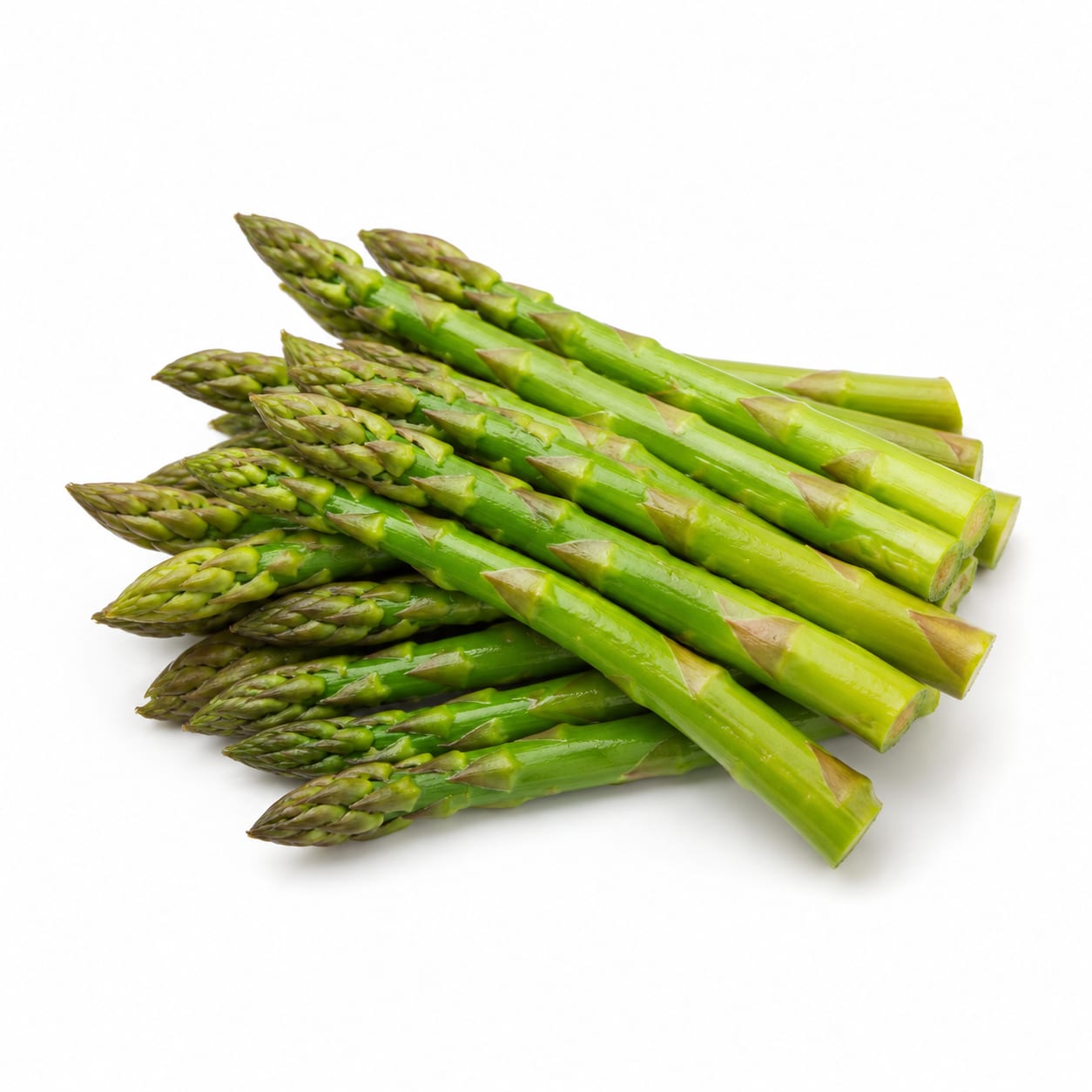
Asparagus
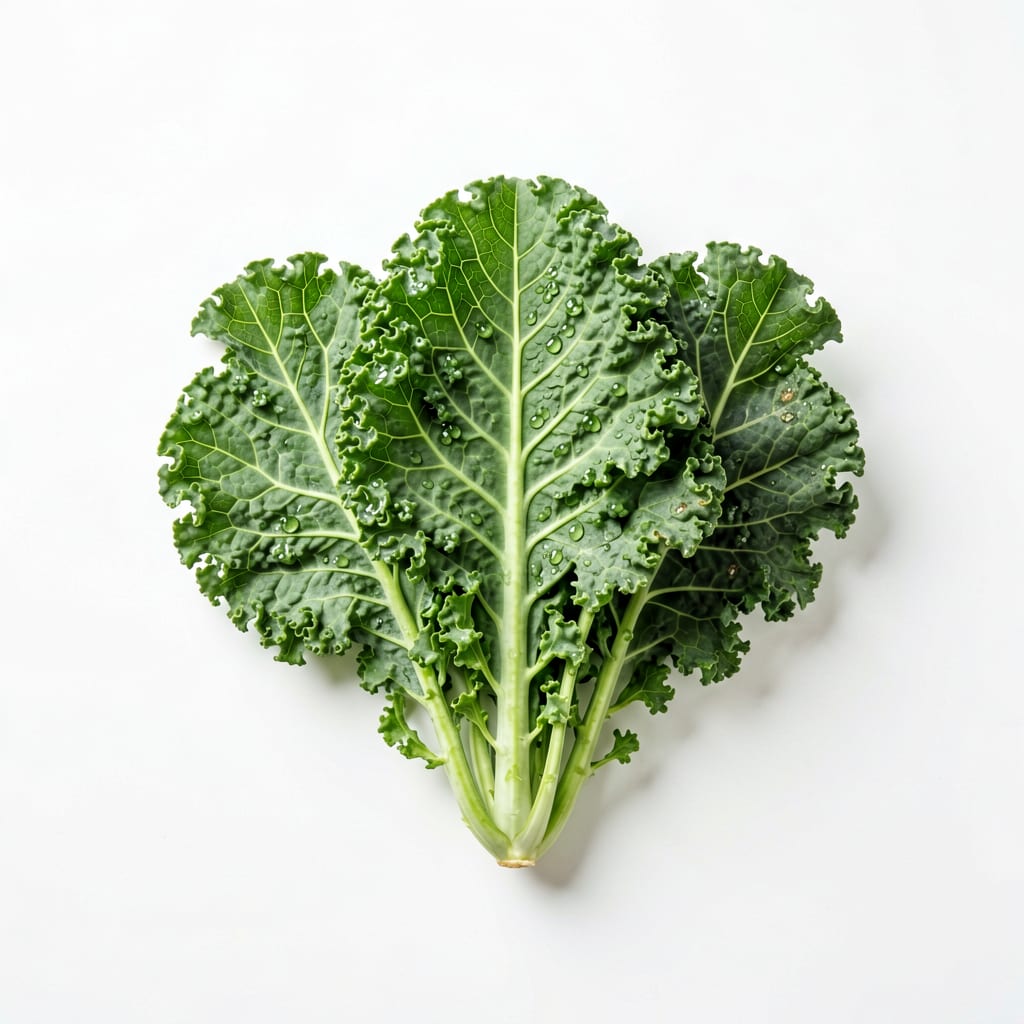
Kale
Kale wins on raw nutrient density and antioxidant variety, but Asparagus wins on digestibility, gut health, and safety for thyroid or kidney concerns.
Kale scores slightly higher due to superior nutrient density and versatility, but the gap is narrow because Asparagus offers unique gut health benefits and avoids Kale's thyroid and oxalate concerns.
Maximum vitamin firepower versus gentler digestion and fewer contraindications
At a glance
Executive summary
Overall
It depends
Healthier
It depends
More practical
Kale
Daily use
Asparagus
Key comparison lenses
nutrient density comparison
Both are nutrient powerhouses but in very different ways — Kale is famous for vitamin density while Asparagus excels in unique compounds like prebiotics
digestive tolerance
Kale causes bloating for many people while Asparagus is gentler and actively supports gut health
thyroid and kidney safety
Kale carries goitrogen and oxalate concerns that Asparagus avoids entirely
everyday versatility
Kale works in smoothies, salads, and chips while Asparagus is more of a side dish vegetable
anti inflammatory benefits
Both fight inflammation through different pathways — Kale via flavonoids, Asparagus via saponins and glutathione
Best choice for
Asparagus
- People with thyroid conditions who need cruciferous alternatives
- Anyone prone to kidney stones who must limit oxalates
- Those with sensitive digestion who find Kale causes bloating
- Older adults needing gentle fiber and folate
- Post-antibiotic gut recovery needing prebiotic support
Kale
- People wanting maximum vitamin K, C, and A per calorie
- Smoothie drinkers looking for blendable greens
- Anyone seeking eye-health nutrients like lutein
- Budget shoppers wanting nutrient density at low cost
- Meal preppers who want greens that last all week
Least suitable for
Asparagus
- People who want a multipurpose green for smoothies and raw salads
- Anyone on a tight grocery budget since Asparagus is often expensive
- Those who want leafy greens for meal prep since Asparagus spoils quickly
Kale
- People with hypothyroidism on iodine-restricted protocols
- Anyone with a history of calcium oxalate kidney stones
- Those who experience bloating or gas from cruciferous vegetables
- People taking blood thinners who must limit vitamin K
Deep comparison
Dimension by dimension
Each lens scores both foods and breaks down who each option suits.
- Dimension 1 · Priority 92Kale
Nutrient Density
Asparagus · 74Kale · 94Kale delivers more vitamins per bite than almost any other vegetable, while Asparagus is respectable but not in the same tier.
Tradeoff
Kale gives you overwhelming vitamin coverage but at the cost of compounds that bother some people's bodies
Why it matters
If you eat limited vegetables, Kale maximizes what you get per serving. Asparagus still covers basics well but cannot match Kale's vitamin K, C, and A levels.
Real-world impact
A single cup of Kale covers over 100% of daily vitamin K and C needs. Asparagus covers about 70% of vitamin K but far less vitamin C.
Asparagus
- More folate per serving which matters for pregnancy and cell repair
- Unique prebiotic fiber that feeds beneficial gut bacteria
- Glutathione content that Kale lacks
Better for
- Lower overall vitamin C content
- Less calcium per serving
- Fewer total antioxidants by variety
Worse for
Kale
- Substantially more vitamin K for bone and blood health
- Much more vitamin C for immune function and iron absorption
- Far more beta-carotene for vitamin A conversion
- Higher lutein and zeaxanthin for eye health
Better for
- Vitamin K so high it interferes with blood thinners
- Nutrient density comes with compounds that stress certain conditions
Worse for
- Dimension 2 · Priority 88Asparagus
Digestive Tolerance
Asparagus · 88Kale · 58Asparagus is gentle and actively nourishes your gut, while raw Kale is notorious for bloating and discomfort.
Tradeoff
Kale's tough fiber is great for bulk but rough on sensitive stomachs, while Asparagus feeds good bacteria without the gas
Why it matters
If you feel bloated after salads or green smoothies, Kale is likely the culprit. Asparagus offers a gut-friendly alternative that still delivers solid nutrition.
Real-world impact
Many people report gas and stomach heaviness after raw Kale. Asparagus rarely causes these complaints and its inulin fiber actually improves gut flora over time.
Asparagus
- Inulin prebiotic feeds beneficial bacteria like Bifidobacteria
- Much less likely to cause bloating or gas
- Softer fiber that is easier on sensitive digestive tracts
- Natural diuretic effect reduces water retention comfortably
Better for
- Less total fiber than Kale per serving
- Asparagusic acid causes urine odor which bothers some people
Worse for
Kale
- Higher insoluble fiber helps with constipation when tolerated
- More roughage for those who need stronger bowel stimulation
Better for
- Raffinose and sulforaphane cause significant gas and bloating
- Raw Kale is particularly hard to break down
- Can trigger IBS symptoms in sensitive individuals
Worse for
- Dimension 3 · Priority 85Asparagus
Thyroid and Kidney Safety
Asparagus · 92Kale · 55Asparagus is safe for thyroid conditions and kidney stone risk, while Kale carries real concerns for both.
Tradeoff
Kale's cancer-fighting glucosinolates are the same compounds that can suppress thyroid function in vulnerable people
Why it matters
If you have hypothyroidism or a history of kidney stones, Kale is a genuinely risky choice while Asparagus is essentially worry-free.
Real-world impact
People on thyroid medication often need to limit or cook Kale carefully. Asparagus has no goitrogens and very low oxalates, making it the safer daily green.
Asparagus
- Virtually no goitrogens so safe for thyroid conditions
- Very low oxalates so minimal kidney stone risk
- No known drug interactions unlike Kale's vitamin K load
Better for
- Lacks the cancer-fighting glucosinolate compounds found in cruciferous vegetables
Worse for
Kale
- Glucosinolates convert to sulforaphane which has cancer-fighting potential
- High vitamin K supports bone density when not contraindicated
Better for
- Goitrogens can interfere with thyroid hormone production
- High oxalates bind calcium and increase kidney stone risk
- Excessive vitamin K is dangerous for people on warfarin or similar blood thinners
Worse for
- Dimension 4 · Priority 80Kale
Anti-Inflammatory and Antioxidant Power
Asparagus · 72Kale · 89Kale offers a wider arsenal of anti-inflammatory compounds, while Asparagus has unique but narrower antioxidant benefits.
Tradeoff
Kale fights inflammation through multiple pathways simultaneously, while Asparagus relies heavily on glutathione and saponins
Why it matters
For chronic inflammation concerns, Kale provides broader coverage. Asparagus still helps but through fewer mechanisms.
Real-world impact
Kale's quercetin and kaempferol are among the most studied anti-inflammatory flavonoids. Asparagus offers glutathione which is powerful but less researched in dietary form.
Asparagus
- Glutathione is the body's master antioxidant and Asparagus is one of the best food sources
- Saponins have unique anti-inflammatory properties
- Less oxidative stress from digestion since it is easier to process
Better for
- Fewer distinct antioxidant classes compared to Kale
- Lower total antioxidant capacity by ORAC measurements
Worse for
Kale
- Quercetin reduces histamine response and allergic inflammation
- Kaempferol protects against cellular damage from multiple angles
- Vitamin C and beta-carotene add another layer of antioxidant defense
- Sulforaphane activates the body's own detoxification enzymes
Better for
- Some antioxidants like sulforaphane are reduced by cooking which reduces practical benefit
Worse for
- Dimension 5 · Priority 78Kale
Versatility and Convenience
Asparagus · 60Kale · 83Kale works in smoothies, salads, soups, and chips, while Asparagus is mostly a cooked side dish.
Tradeoff
Asparagus excels as an elegant side but lacks the flexibility that makes Kale a daily staple green
Why it matters
If you want one green that works everywhere, Kale adapts better. Asparagus demands more specific preparation and pairing.
Real-world impact
You can throw Kale into a morning smoothie, a lunch salad, or evening soup. Asparagus really shines roasted or grilled as a side, which limits how often you reach for it.
Asparagus
- Quick to roast or grill in under 10 minutes
- Elegant presentation for meals where you want something special
- No massaging or prep needed unlike raw Kale
Better for
- Does not work in smoothies or raw salads
- Shorter shelf life and spoils quickly
- Often more expensive per pound than Kale
- Limited to cooked preparations
Worse for
Kale
- Works raw in salads and smoothies
- Can be baked into chips for a crunchy snack
- Holds up well in soups and stews without turning mushy
- Available year-round and stores longer in the fridge
- More affordable per serving in most regions
Better for
- Raw Kale needs massaging with oil to be palatable in salads
- Tough stems require removal and add prep time
Worse for
- Dimension 6 · Priority 72It depends
Blood Sugar and Satiety
Asparagus · 76Kale · 78Both are excellent for blood sugar control with minimal differences between them.
Tradeoff
Kale has slightly more fiber for fullness while Asparagus has inulin which steadies blood sugar through gut health pathways
Why it matters
Neither will spike blood sugar. The real difference is how full you feel afterward and how they support metabolic health long-term.
Real-world impact
Both have glycemic loads near zero. Kale's extra fiber may keep you slightly more satisfied, but Asparagus's prebiotic effect improves insulin sensitivity over time.
Asparagus
- Inulin improves insulin sensitivity through gut microbiome changes
- Lower calorie density per bite for volume eating
- Natural diuretic effect helps with water weight
Better for
- Less fiber overall means slightly less satiety per serving
Worse for
Kale
- More total fiber per serving keeps you fuller longer
- Higher protein content relative to calories
- Chromium content supports blood sugar regulation
Better for
- Digestive discomfort may offset satiety benefits for some people
Worse for
Timeline
Health impact over time
Short-term
Hours to days
Asparagus
- Mild diuretic effect reduces bloating within hours
- Inulin may cause slight gas if you eat large amounts suddenly
- Urine odor change within 30 minutes is harmless but noticeable
- Steady energy with no blood sugar impact
Kale
- Raw Kale often causes bloating and gas within 1-2 hours
- High fiber creates noticeable fullness quickly
- Vitamin K can affect blood clotting markers within a day
- Chewing raw Kale requires significant effort which slows eating pace
Long-term
Months to years
Asparagus
- Prebiotic fiber builds healthier gut microbiome over months
- Folate supports cell repair and DNA maintenance long-term
- Consistent glutathione intake supports liver detoxification capacity
- Low oxalate intake protects kidney health over decades
Kale
- Sulforaphane exposure may reduce certain cancer risks with regular consumption
- Very high vitamin K intake supports bone density long-term
- Lutein and zeaxanthin accumulate in eyes protecting against macular degeneration
- Goitrogen exposure may gradually affect thyroid if consumed excessively raw
- Oxalate accumulation increases kidney stone risk over years for susceptible people
Risk profile
Safety & processing
Both are whole vegetables typically sold fresh with no additives. Asparagus is sometimes sold canned or frozen with minimal added salt. Kale is occasionally found in processed chip or powder forms with added oils and seasonings, but fresh Kale is as natural as it gets.
Asparagus
Pesticide residue
mediumAsparagus is generally lower on pesticide concern lists but conventional farming still uses fungicides. Washing thoroughly or choosing organic reduces exposure.
Urine odor compound sensitivity
lowAsparagusic acid causes sulfurous urine odor in most people. This is harmless but can cause alarm if unexpected.
Kale
Pesticide residue
highKale frequently appears on the Environmental Working Group's Dirty Dozen list with detectable levels of multiple pesticides including some banned in other countries. Organic is strongly recommended.
Oxalate accumulation
mediumHigh oxalate content can contribute to kidney stone formation in susceptible individuals, especially when consumed raw in large quantities.
Goitrogen exposure
mediumRaw Kale contains goitrogens that can interfere with thyroid function, particularly concerning for people with existing hypothyroidism or iodine deficiency.
Who wins for whom
Audience fit
Same foods, different winners depending on your goal.
children
AsparagusAsparagus is milder, easier to digest, and less likely to cause stomach discomfort. Its softer texture when cooked is more kid-friendly than Kale's toughness.
daily consumption
AsparagusAsparagus has fewer contraindications and is gentler on the system for daily use. Kale's goitrogens, oxalates, and digestive difficulty make it better as a several-times-per-week vegetable rather than daily.
diabetes
AsparagusAsparagus's inulin improves insulin sensitivity through gut microbiome pathways and its lower oxalate content makes it safer for kidneys, which are already at risk in diabetes.
elderly
AsparagusOlder adults often have weaker digestion, possible thyroid medication interactions, and higher kidney stone risk. Asparagus avoids all these concerns while providing folate and gentle fiber.
muscle gain
It dependsNeither is a protein source. Asparagus offers slightly more folate for cell repair while Kale has marginally more protein, but both need to be paired with protein-rich foods.
weight loss
KaleKale's higher fiber and protein per calorie create more satiety with fewer calories, though both are excellent low-calorie choices.
Your move
Decision guide
Choose Asparagus
- You have hypothyroidism or take thyroid medication
- You have a history of kidney stones or are at risk
- Raw greens cause you bloating or digestive discomfort
- You want a gentle prebiotic to rebuild gut health
- You are on blood thinners and must limit vitamin K
- You prefer cooked vegetables over raw salads
Choose Kale
- You want maximum vitamin coverage from fewer servings
- You make green smoothies regularly
- You have no thyroid or kidney concerns
- You want a versatile green for salads, soups, and snacks
- You are on a tight grocery budget
- You want cancer-fighting glucosinolates in your diet
Either works if
- You simply want more vegetables in your diet overall
- You have no specific health contraindications
- You enjoy variety and can rotate both throughout the week
Avoid both if
- You are on a very strict low-fiber diet for digestive recovery
- You have severe oral allergy syndrome to either vegetable family
Final recommendation
Eat both, but lean toward Asparagus more often if you have any thyroid, kidney, or digestive sensitivities. Choose Kale when you want nutrient density and versatility. The ideal approach is rotating them: Asparagus as your gentle daily green and Kale as your nutrient booster a few times per week. Always buy organic Kale due to pesticide concerns, while conventional Asparagus is relatively safe.
Practical
Consumer tips
- 1
Buy organic Kale whenever possible — it consistently ranks high for pesticide residue
- 2
Asparagus is relatively clean conventionally but organic still reduces exposure
- 3
Massage raw Kale with olive oil and lemon for 2 minutes to break down tough fibers and reduce bitterness
- 4
Roast Asparagus at 400°F for 8-10 minutes with olive oil and garlic for maximum flavor with minimal nutrient loss
- 5
If Kale bothers your stomach, try cooking it instead of eating raw — heat reduces goitrogens and softens fiber
- 6
Snap Asparagus stems at the natural break point — the woody ends are too tough to enjoy
- 7
Store Kale in a damp paper towel inside a bag for up to a week
- 8
Use Asparagus within 2-3 days as it deteriorates faster than Kale
- 9
If you have thyroid concerns and still want Kale, cook it thoroughly and ensure adequate iodine intake
- 10
Freeze Kale for smoothies — it blends better from frozen and retains nutrients well