
Nutrition comparison
Asparagus vs Bell Peppers: Which Vegetable Is Healthier for You?
Compare asparagus and bell peppers on vitamins, gut health, versatility, and cost. Find out which is better for weight loss, immunity, pregnancy, and daily meals.
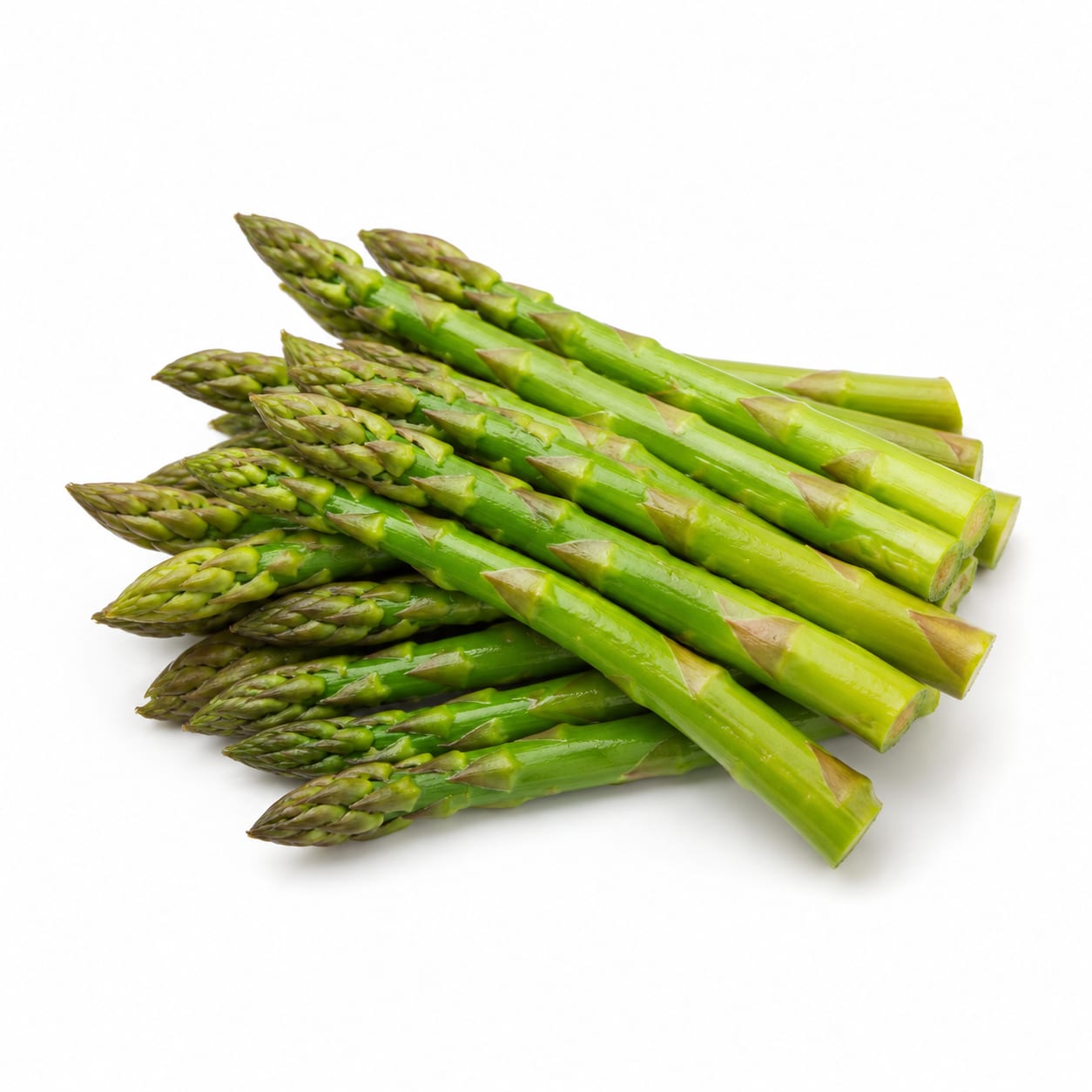
Asparagus
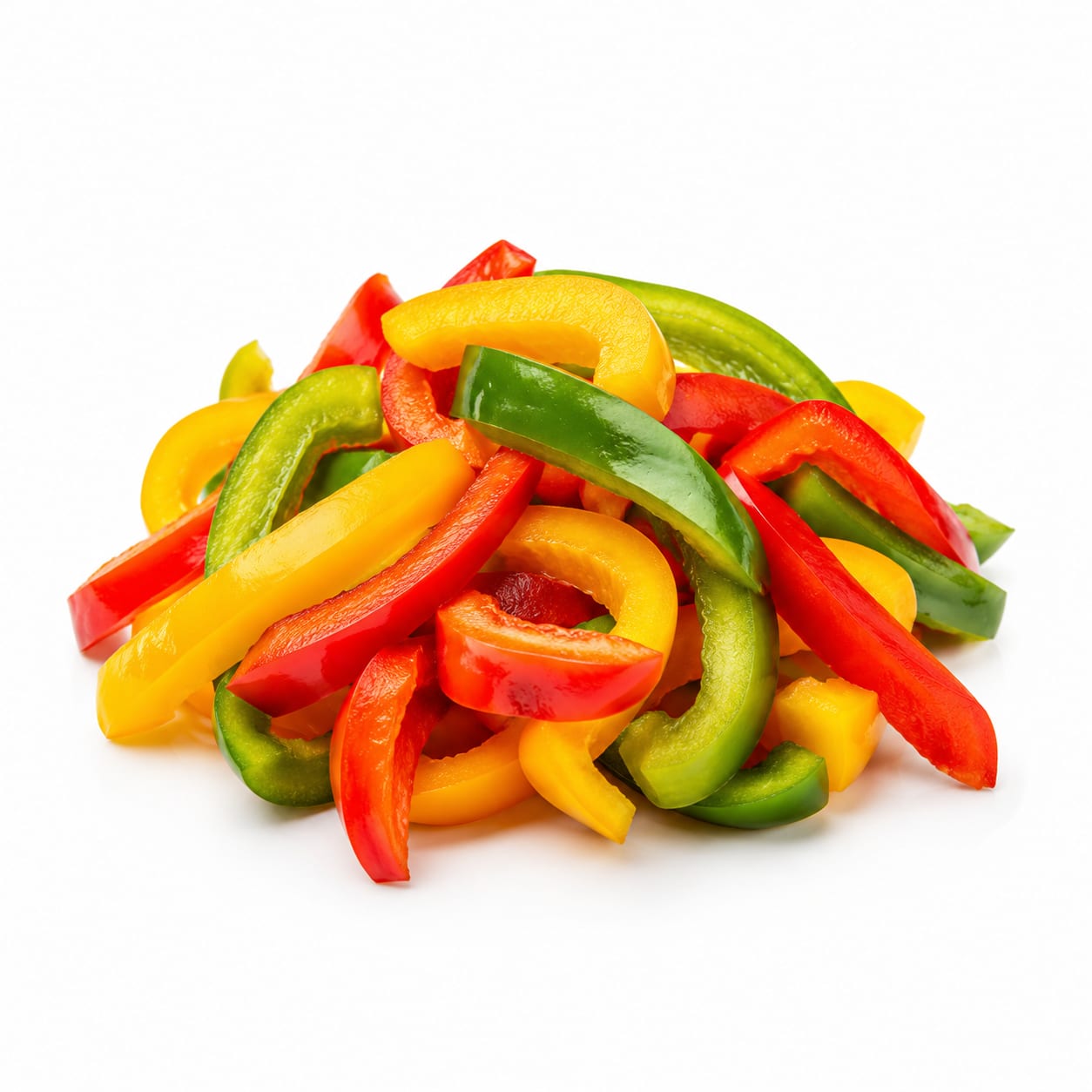
Bell Peppers
Asparagus wins for gut health and folate; bell peppers win for vitamin C, versatility, and everyday practicality.
Bell peppers edge ahead slightly due to superior versatility, year-round availability, and exceptional vitamin C content. Asparagus scores well for specialized nutrients like folate and prebiotic fiber but loses ground on convenience and broader daily usability.
Asparagus offers deeper gut and detox support but is less convenient and more seasonal, while bell peppers provide massive vitamin C and raw snackability year-round.
At a glance
Executive summary
Overall
It depends
Healthier
It depends
More practical
Bell Peppers
Daily use
Bell Peppers
Key comparison lenses
vitamin and antioxidant profile comparison
Asparagus delivers folate and vitamin K while bell peppers dominate in vitamin C — users are likely choosing between these for nutrient density
everyday versatility and meal integration
Bell peppers are raw-snack friendly and cook into almost anything; asparagus requires more prep and has a shorter season
digestive and gut health benefits
Asparagus contains prebiotic inulin that feeds gut bacteria, while bell peppers offer soluble fiber with broader tolerance
pesticide exposure and safety
Both appear on watch lists for pesticide residue, making organic sourcing a relevant concern
weight management and satiety
Both are low-calorie vegetables but differ in fiber type and volume, affecting how filling they feel
Best choice for
Asparagus
- Pregnant women needing folate
- People focused on gut microbiome health
- Those wanting natural diuretic and detox support
- Anyone prioritizing vitamin K for bone health
Bell Peppers
- People seeking immune support through vitamin C
- Families needing kid-friendly raw snacks
- Anyone meal-prepping across multiple cuisines
- Budget-conscious shoppers wanting year-round nutrition
Least suitable for
Asparagus
- Those with gout flare-ups due to purine content
- People sensitive to asparagusic acid causing urine odor
- Anyone needing quick no-prep snacks
- Shoppers on tight budgets outside spring season
Bell Peppers
- People with nightshade sensitivities or joint inflammation
- Those avoiding high-pesticide conventional produce without organic access
- Individuals on very low-carb diets watching even trace sugars
Deep comparison
Dimension by dimension
Each lens scores both foods and breaks down who each option suits.
- Dimension 1 · Priority 92It depends
vitamin and mineral density
Asparagus · 82Bell Peppers · 85Bell peppers deliver an extraordinary vitamin C punch, while asparagus provides folate and vitamin K that bell peppers cannot match.
Tradeoff
You choose between immune-boosting vitamin C in bell peppers or blood-building folate and bone-supporting vitamin K in asparagus.
Why it matters
A single red bell pepper covers over 150% of daily vitamin C needs, while a serving of asparagus covers nearly 60% of folate needs — both are critical but serve different body systems.
Real-world impact
If you feel run down and catch colds easily, bell peppers are your friend. If you are pregnant, planning pregnancy, or concerned about bone density, asparagus is the smarter pick.
Asparagus
- Folate needs during pregnancy
- Vitamin K for blood clotting and bone density
- Trace minerals like iron and copper
Better for
- Vitamin C content is modest compared to bell peppers
- Not a significant source of vitamin E
Worse for
Bell Peppers
- Vitamin C for immune function and skin health
- Vitamin B6 for energy metabolism
- Vitamin E especially in red varieties
Better for
- Folate content is much lower than asparagus
- Vitamin K is minimal in comparison
Worse for
- Dimension 2 · Priority 85Asparagus
gut health and digestion
Asparagus · 88Bell Peppers · 72Asparagus contains inulin, a powerful prebiotic fiber that directly feeds beneficial gut bacteria, giving it a meaningful edge for microbiome health.
Tradeoff
Asparagus actively nourishes your gut flora, while bell peppers provide gentler fiber that is easier on sensitive stomachs but less targeted.
Why it matters
Inulin from asparagus promotes growth of Bifidobacteria, which improves digestion and may reduce inflammation. Bell peppers offer bulk fiber without the same prebiotic specificity.
Real-world impact
If you are rebuilding gut health after antibiotics or dealing with bloating, asparagus is the more therapeutic choice. Bell peppers are better if you just need comfortable, everyday regularity.
Asparagus
- Prebiotic inulin feeds beneficial gut bacteria
- Supports microbiome diversity
- Natural diuretic effect reduces water retention
Better for
- Inulin can cause bloating in people with IBS or FODMAP sensitivity
- Asparagusic acid byproducts cause strong urine odor
Worse for
Bell Peppers
- Gentler on sensitive digestive systems
- Less likely to cause gas than inulin-rich asparagus
- Higher water content aids hydration and motility
Better for
- Lacks targeted prebiotic compounds
- Less impactful for microbiome rebuilding
Worse for
- Dimension 3 · Priority 83It depends
antioxidant and anti-inflammatory power
Asparagus · 80Bell Peppers · 84Red bell peppers are antioxidant powerhouses with carotenoids and flavonoids, while asparagus offers saponins and glutathione that support detox pathways.
Tradeoff
Bell peppers provide broader antioxidant coverage visible in their vivid colors, while asparagus delivers deeper detox-specific compounds like glutathione.
Why it matters
Glutathione is called the master antioxidant and is hard to get from food. Carotenoids from bell peppers protect skin and eyes from oxidative damage more directly.
Real-world impact
For daily cellular protection and skin health, red bell peppers are easier to eat in quantity. For liver support and detoxification, asparagus has compounds bell peppers simply lack.
Asparagus
- Glutathione supports liver detoxification
- Saponins have anti-cancer properties
- Rutin strengthens blood vessels
Better for
- Lower total carotenoid content
- Smaller volume typically eaten per sitting
Worse for
Bell Peppers
- Carotenoids like beta-carotene and lycopene in red varieties
- Quercetin and luteolin reduce inflammation
- Vitamin C recycles other antioxidants in the body
Better for
- No meaningful glutathione content
- Less targeted detox support
Worse for
- Dimension 4 · Priority 88Bell Peppers
versatility and meal integration
Asparagus · 62Bell Peppers · 91Bell peppers are culinary chameleons that work raw, roasted, stuffed, stir-fried, or blended into sauces. Asparagus has a narrower comfort zone.
Tradeoff
Bell peppers fit into nearly any cuisine or meal without much thought, while asparagus demands more intentional cooking and pairing.
Why it matters
The vegetable you actually eat consistently beats the one that sits in the fridge. Bell peppers make it easy to add color and crunch to anything.
Real-world impact
You can chop bell peppers into eggs, salads, pasta, wraps, and grain bowls with zero cooking. Asparagus needs trimming, blanching or roasting, and pairs best with specific flavors.
Asparagus
- Elegant side dish for dinner parties
- Pairs beautifully with eggs and lemon
- Grilling brings out unique nutty sweetness
Better for
- Limited raw applications
- Quickly becomes mushy if overcooked
- Strong flavor can dominate delicate dishes
Worse for
Bell Peppers
- Raw snacking with hummus or dip
- Stir-fries and fajitas across multiple cuisines
- Stuffing with proteins or grains for full meals
- Blends into sauces for hidden nutrition
Better for
- Can become soggy in meal prep if not stored properly
- Less impressive as a standalone side dish
Worse for
- Dimension 5 · Priority 75Asparagus
satiety and weight management
Asparagus · 78Bell Peppers · 73Asparagus provides more fiber per calorie and creates a stronger feeling of fullness, while bell peppers offer satisfying crunch but less sustained satiety.
Tradeoff
Asparagus fills you up longer with less volume, while bell peppers let you eat more volume for the same calories but you may feel hungry sooner.
Why it matters
At 3 grams of fiber per 27 calories, asparagus has a better fiber-to-calorie ratio than bell peppers. This matters when you are actively managing portions.
Real-world impact
A serving of roasted asparagus alongside protein feels like a complete, filling plate. Bell peppers are lighter and better as between-meal snacks than as a satiety anchor.
Asparagus
- Higher fiber density per calorie
- More satisfying as part of a main meal
- Prebiotic fiber extends fullness signals
Better for
- Smaller typical portion sizes
- Less enjoyable as a standalone snack
Worse for
Bell Peppers
- Higher volume eating for fewer calories
- Crunch provides psychological satisfaction
- Better as a low-calorie snack between meals
Better for
- Lower fiber density means hunger returns faster
- Easy to overconsume with dips adding hidden calories
Worse for
- Dimension 6 · Priority 72Bell Peppers
cost and accessibility
Asparagus · 58Bell Peppers · 82Bell peppers are affordable and available year-round, while asparagus is expensive and heavily seasonal with a narrow spring peak.
Tradeoff
Bell peppers deliver consistent value regardless of season, while asparagus demands premium pricing especially outside its natural growing window.
Why it matters
Frozen asparagus loses texture quality, but frozen bell peppers remain useful for cooking. This makes bell peppers far more practical for budget meal planning.
Real-world impact
A three-pack of bell peppers costs roughly the same as one small bundle of asparagus. For families feeding multiple people, this difference adds up weekly.
Asparagus
- Premium feel for special occasion meals
- Freezing works acceptably for soups and purees
Better for
- Price spikes dramatically outside spring
- Short shelf life leads to food waste
- Often sold in small bundles with high per-unit cost
Worse for
Bell Peppers
- Consistently affordable year-round
- Freezes well for later use in cooked dishes
- Available in every grocery store globally
Better for
- Organic varieties can still be pricey
- Red and yellow varieties cost more than green
Worse for
Timeline
Health impact over time
Short-term
Hours to days
Asparagus
- Mild diuretic effect reduces bloating within hours
- Inulin may cause gas or bloating in sensitive individuals
- Noticeable urine odor within 30 minutes of eating due to asparagusic acid breakdown
Bell Peppers
- Immediate vitamin C boost supports short-term immune response
- High water content aids hydration and digestive motility
- Raw consumption provides satisfying crunch that reduces urge to snack on processed foods
Long-term
Months to years
Asparagus
- Consistent prebiotic intake improves microbiome diversity over months
- Folate supports cardiovascular health and reduces homocysteine levels
- Glutathione intake may enhance liver detoxification capacity with regular consumption
Bell Peppers
- Sustained high vitamin C intake reduces oxidative stress and supports collagen production
- Carotenoid accumulation protects eye health and reduces macular degeneration risk
- Regular consumption correlates with lower inflammatory markers in population studies
Risk profile
Safety & processing
Both asparagus and bell peppers are whole vegetables typically sold fresh and unprocessed. Neither carries meaningful additive concerns when purchased fresh. Canned or jarred versions exist but introduce sodium or preservatives that reduce their naturalness advantage.
Asparagus
Pesticide residue
mediumAsparagus is generally lower on pesticide concern lists but conventional farming still uses fungicides. Washing thoroughly reduces surface residue significantly.
Purine content and gout
lowAsparagus contains moderate purines that can trigger gout flare-ups in highly sensitive individuals, though most people tolerate it without issue.
Bell Peppers
Pesticide residue
highBell peppers consistently appear on the Environmental Working Group Dirty Dozen list with detectable levels of multiple pesticide residues. Organic is strongly recommended.
Nightshade sensitivity
lowAs a nightshade vegetable, bell peppers may trigger joint pain or digestive discomfort in sensitive individuals, though this affects a small minority.
Who wins for whom
Audience fit
Same foods, different winners depending on your goal.
children
Bell PeppersBell peppers are sweeter, crunchier, and can be eaten raw as finger food — making them far more appealing to kids. Their bright colors also make plates more visually engaging.
daily consumption
Bell PeppersBell peppers are easier to incorporate every day across different meals, more affordable year-round, and their vitamin C content benefits daily immune and skin health without digestive discomfort.
diabetes
AsparagusAsparagus has a lower glycemic impact and higher fiber density, creating steadier blood sugar response. The inulin also improves insulin sensitivity over time.
elderly
AsparagusFolate and vitamin K in asparagus support cognitive function and bone density, both critical concerns for aging adults. The prebiotic fiber also helps with common age-related digestive slowdown.
muscle gain
Bell PeppersBell peppers offer more vitamin C which supports collagen synthesis for connective tissue repair, and their versatility makes them easier to pair with high-protein meals consistently.
weight loss
AsparagusAsparagus provides more fiber per calorie and stronger satiety, making it easier to manage portions without feeling deprived.
Your move
Decision guide
Choose Asparagus
- You are pregnant or planning pregnancy and need folate
- You are actively working on gut health and microbiome diversity
- You want a satisfying low-calorie side that fills you up at dinner
- You are focused on liver support and natural detoxification
- You enjoy seasonal eating and spring farmers market shopping
Choose Bell Peppers
- You want a versatile vegetable that works in any meal without fuss
- You are boosting immune health and want maximum vitamin C
- You need kid-friendly snacks that require zero cooking
- You are meal-prepping across multiple cuisines weekly
- You want affordable year-round nutrition without seasonal price spikes
Either works if
- You simply want more colorful vegetables on your plate
- You are trying to increase daily fiber intake from whole foods
- You are building a roasted vegetable medley and both add value
- You want low-calorie volume to support weight management
Avoid both if
- You have severe FODMAP intolerance and cannot tolerate inulin or fructans
- You are on a very restricted elimination diet that excludes most vegetables
- You have known allergies to either vegetable family
Final recommendation
Keep both in rotation. Eat bell peppers daily for vitamin C and easy meal integration, and add asparagus a few times per week for its unique prebiotic and folate benefits. If budget forces a choice, bell peppers give you more consistent value and versatility. If gut health is your priority, asparagus earns its higher price tag.
Practical
Consumer tips
- 1
Buy organic bell peppers when possible — they consistently rank high for pesticide residue and you often eat the skin
- 2
Asparagus is best purchased in spring when it is freshest and most affordable; out-of-season imports cost more and taste weaker
- 3
Roast both vegetables together with olive oil and garlic for a simple side that captures the strengths of each
- 4
Freeze chopped bell peppers for easy additions to omelets, stir-fries, and soups — they retain nutrients well
- 5
Snap asparagus stalks at their natural breaking point to remove woody ends automatically without guessing
- 6
Red bell peppers contain more vitamin C and carotenoids than green ones — the sweeter color is also the more nutritious one
- 7
If asparagus causes bloating, try smaller portions and cook thoroughly — heat breaks down some inulin before you eat it