
Nutrition comparison
Asparagus vs Brussels Sprouts: Which Vegetable Is Healthier?
Compare asparagus and Brussels sprouts on nutrition, digestion, cancer-fighting compounds, and taste. Find out which cruciferous vegetable wins for your health goals.
Overall winner · Brussels Sprouts
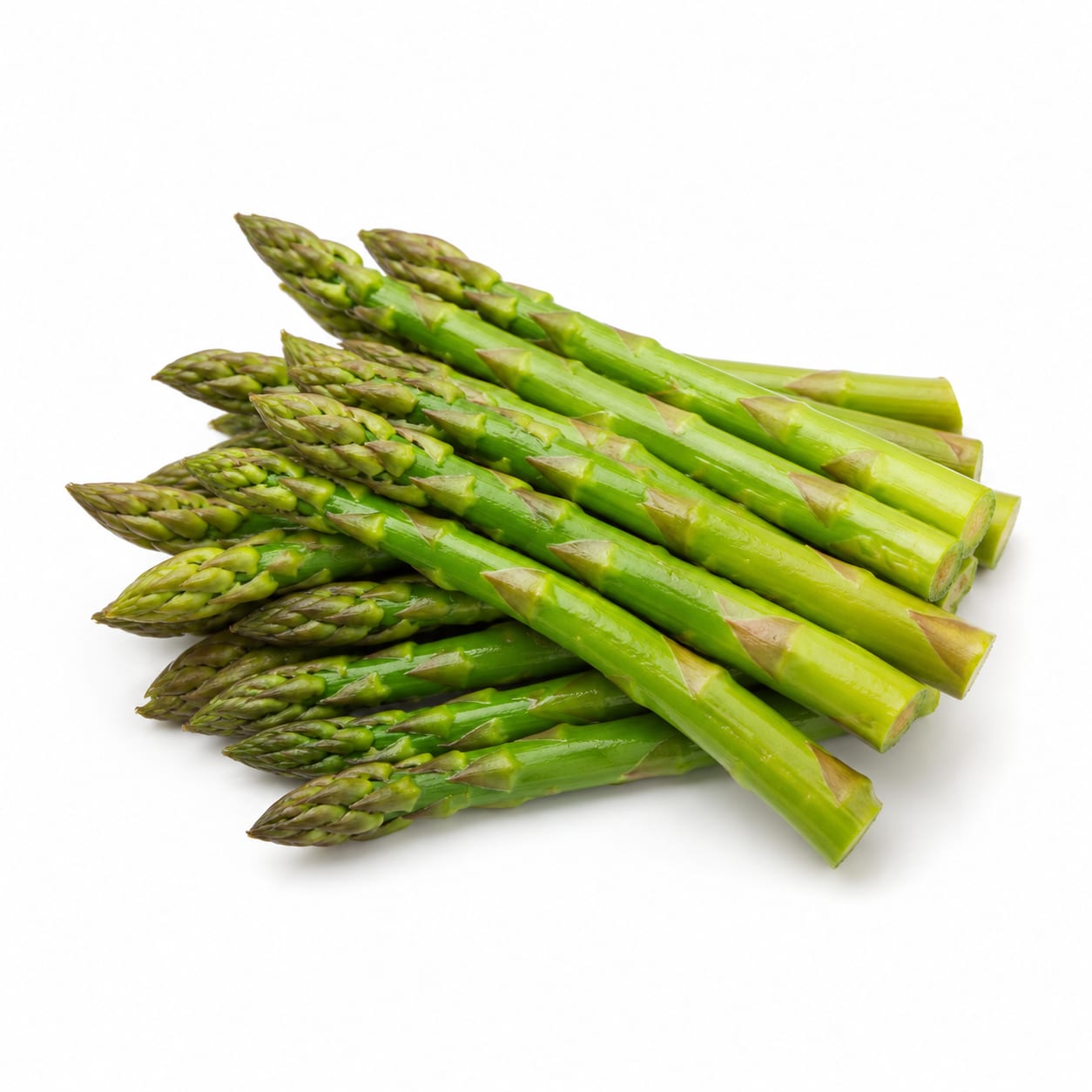
Asparagus
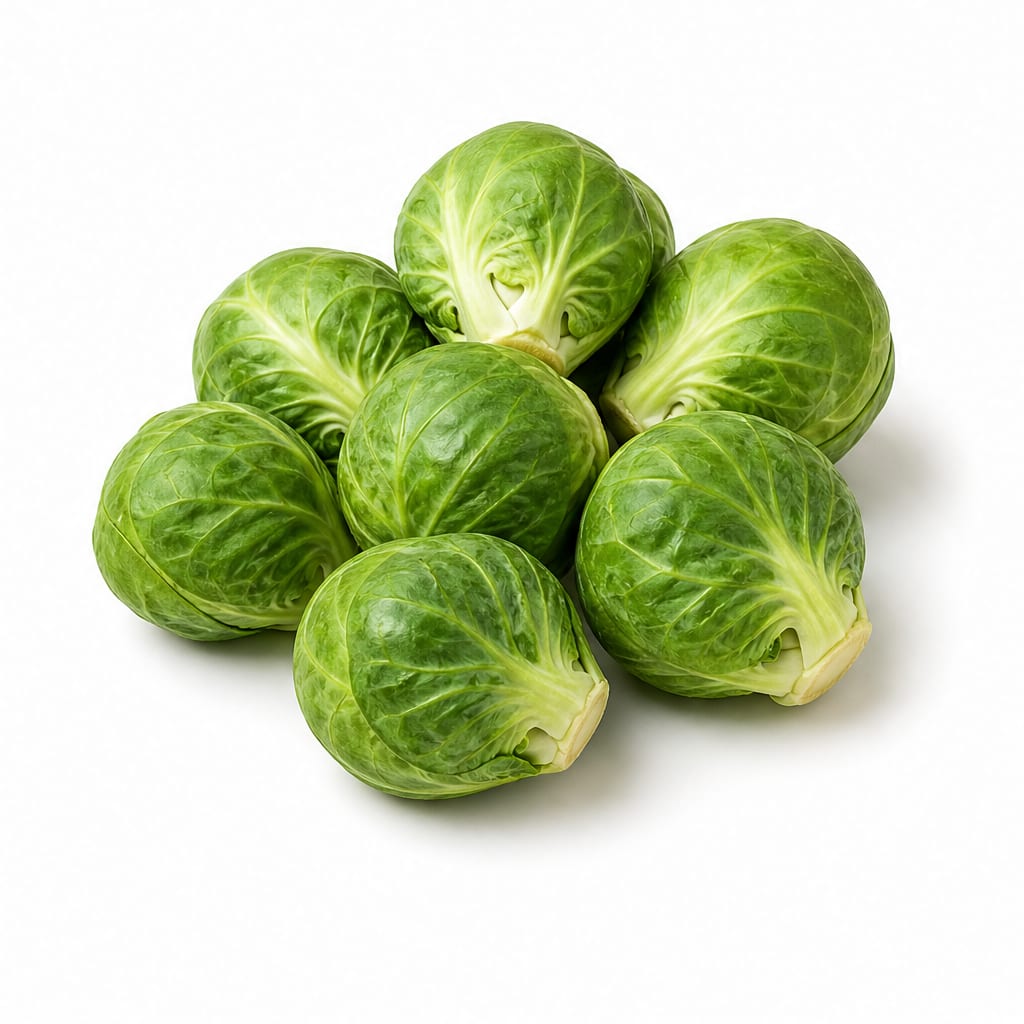
Brussels Sprouts
Brussels sprouts deliver more nutrients per bite and stronger disease-fighting compounds, but asparagus wins on digestive comfort and elegance.
Brussels sprouts score higher due to superior nutrient density, fiber content, and disease-fighting glucosinolates. Asparagus remains strong for digestibility and folate but offers less overall nutritional impact per serving.
Brussels sprouts offer superior nutrition and fullness at the cost of potential bloating, while asparagus is lighter and easier on the stomach but less filling.
At a glance
Executive summary
Overall
Brussels Sprouts
Healthier
Brussels Sprouts
More practical
It depends
Daily use
Brussels Sprouts
Key comparison lenses
nutrient density comparison
Both are nutrient powerhouses but with very different vitamin and mineral profiles
digestive tolerance
Brussels sprouts are notorious for causing gas while asparagus is generally gentler
cancer fighting potential
Cruciferous vegetables like Brussels sprouts have well-documented chemoprotective compounds
meal versatility
Cooking methods and recipe integration differ significantly between these vegetables
weight management
Both are low-calorie but differ in satiety and fiber content
Best choice for
Asparagus
- People with sensitive digestion or IBS
- Those wanting a light side that won't cause bloating before events
- Anyone seeking a gentle natural diuretic
- Pregnant women needing folate without heaviness
Brussels Sprouts
- People prioritizing cancer-fighting compounds
- Anyone wanting to stay full longer on fewer calories
- Those needing immune support from vitamin C
- Athletes seeking anti-inflammatory recovery foods
Least suitable for
Asparagus
- People who find it too light to feel satisfied
- Those on blood thinners needing consistent vitamin K intake (asparagus has variable amounts)
- Anyone prone to gout attacks (moderate purines)
Brussels Sprouts
- People with severe IBS or FODMAP sensitivity
- Those taking blood thinners (very high vitamin K can interfere)
- Anyone who experiences uncomfortable bloating from cruciferous vegetables
Deep comparison
Dimension by dimension
Each lens scores both foods and breaks down who each option suits.
- Dimension 1 · Priority 95Brussels Sprouts
Nutrient Density
Asparagus · 68Brussels Sprouts · 91Brussels sprouts pack significantly more vitamin C, vitamin K, and fiber into each serving than asparagus.
Tradeoff
You get more vitamins with Brussels sprouts but also more compounds that can cause digestive discomfort.
Why it matters
Higher nutrient density means each bite works harder for your health, which matters when calorie budgets are limited.
Real-world impact
A single cup of Brussels sprouts covers over 100% of your daily vitamin C and vitamin K needs, while asparagus covers more folate but less of everything else.
Asparagus
- Folate needs during pregnancy
Better for
- Lower overall vitamin and mineral coverage
Worse for
Brussels Sprouts
- Immune support through vitamin C
- Bone health through vitamin K
- Fiber goals for gut health
Better for
- Vitamin K levels require caution with blood thinners
Worse for
- Dimension 2 · Priority 88Asparagus
Digestive Comfort
Asparagus · 85Brussels Sprouts · 52Asparagus is significantly gentler on digestion, while Brussels sprouts commonly cause gas and bloating.
Tradeoff
The same fiber and sulfur compounds that make Brussels sprouts nutritious also make them harder to digest.
Why it matters
Digestive discomfort can ruin a meal experience and discourage healthy eating habits long-term.
Real-world impact
Eating Brussels sprouts before a social event or date night could mean uncomfortable bloating, while asparagus is much safer for sensitive stomachs.
Asparagus
- People with IBS or sensitive digestion
- Pre-event meals where bloating is undesirable
- Gentle introduction to more vegetables
Better for
- Less prebiotic fiber to feed beneficial gut bacteria long-term
Worse for
Brussels Sprouts
- Those with robust digestion who tolerate cruciferous vegetables well
Better for
- High FODMAP content triggers IBS symptoms
- Sulfur compounds cause noticeable gas and odor
Worse for
- Dimension 3 · Priority 90Brussels Sprouts
Disease-Fighting Compounds
Asparagus · 62Brussels Sprouts · 93Brussels sprouts contain glucosinolates and sulforaphane, which are among the most studied cancer-fighting compounds in food.
Tradeoff
Maximum disease protection comes with the digestive challenges that make Brussels sprouts hard for some people to eat regularly.
Why it matters
Consistent intake of cruciferous vegetables is linked to lower cancer rates in large population studies.
Real-world impact
Eating Brussels sprouts a few times per week provides meaningful protection that asparagus simply cannot match.
Asparagus
- Saponins with mild anti-inflammatory properties
- Natural diuretic effect supporting kidney function
Better for
- Lacks the potent glucosinolate family of compounds
Worse for
Brussels Sprouts
- Glucosinolates that convert to cancer-fighting sulforaphane
- Kaempferol antioxidant linked to reduced chronic disease risk
- Superior anti-inflammatory profile overall
Better for
- Benefits require regular consumption, which is harder if digestion is an issue
Worse for
- Dimension 4 · Priority 80Brussels Sprouts
Satiety and Fullness
Asparagus · 55Brussels Sprouts · 82Brussels sprouts are more filling due to higher fiber and slightly more protein per serving.
Tradeoff
Feeling full is great for weight management, but heaviness from Brussels sprouts may not suit every meal or occasion.
Why it matters
Vegetables that keep you full help prevent overeating and make healthy eating more sustainable.
Real-world impact
A side of Brussels sprouts with dinner keeps you satisfied until morning, while asparagus may leave you reaching for a snack later.
Asparagus
- Light meals where you want to avoid feeling stuffed
- Multi-course dinners where heaviness is unwanted
Better for
- May not provide enough substance as a standalone side
Worse for
Brussels Sprouts
- Weight loss diets where satiety matters
- Post-workout meals needing sustained fullness
- Replacing higher-calorie sides with something filling
Better for
- Can feel too heavy alongside rich main dishes
Worse for
- Dimension 5 · Priority 72It depends
Cooking Versatility
Asparagus · 73Brussels Sprouts · 75Both vegetables shine with roasting, but asparagus excels in quick preparations while Brussels sprouts are better for hearty dishes.
Tradeoff
Asparagus cooks in minutes but has a shorter season, while Brussels sprouts are available year-round but take longer to prepare well.
Why it matters
Vegetables that fit your cooking style get eaten more often, which matters more than theoretical nutrition.
Real-world impact
Asparagus is perfect for a 5-minute weeknight side, while Brussels sprouts reward patience with caramelized depth that makes them a holiday favorite.
Asparagus
- Quick sautéing and grilling
- Elegant presentation for dinner parties
- Stir-fries and pasta toss-ins
- Raw shaving in salads
Better for
- Very short peak season in spring
- Tough woody ends require trimming
- Overcooks quickly and becomes mushy
Worse for
Brussels Sprouts
- Roasting and braising
- Hearty winter meals
- Sheet pan dinners
- Shredded into hash or slaw
Better for
- Longer cooking time required
- Easy to overcook into sulfurous mush
- Less suitable for raw or light preparations
Worse for
- Dimension 6 · Priority 75Brussels Sprouts
Blood Sugar Stability
Asparagus · 70Brussels Sprouts · 82Both vegetables have minimal impact on blood sugar, but Brussels sprouts provide more fiber to slow glucose absorption.
Tradeoff
The difference is small since both are excellent low-glycemic choices, but consistent fiber intake adds up over time.
Why it matters
Even small improvements in blood sugar stability compound into meaningful health differences over months and years.
Real-world impact
Pairing either vegetable with a carb-heavy meal helps blunt blood sugar spikes, but Brussels sprouts do this slightly better.
Asparagus
- Light meals where you want minimal digestive load alongside carbs
Better for
- Less fiber means slightly less glucose-buffering effect
Worse for
Brussels Sprouts
- Diabetes management where fiber matters most
- Preventing afternoon energy crashes after lunch
Better for
- Difference is modest and may not matter practically for most people
Worse for
Timeline
Health impact over time
Short-term
Hours to days
Asparagus
- Mild diuretic effect within hours of eating
- Very low risk of digestive discomfort
- Quick energy from B vitamins without heaviness
- Asparagine may cause noticeable urine odor within 30 minutes
Brussels Sprouts
- Gas and bloating likely within 1-3 hours if you are sensitive
- Noticeable fullness that reduces snacking urge
- Vitamin C absorption boost for iron if eaten with other foods
- Potential digestive adjustment period if you increase intake suddenly
Long-term
Months to years
Asparagus
- Consistent folate intake supports cell repair and healthy aging
- Mild diuretic effect may support kidney health over time
- Lower cancer-fighting compound intake compared to cruciferous options
- Prebiotic fiber supports beneficial gut bacteria gradually
Brussels Sprouts
- Regular glucosinolate intake linked to lower colorectal cancer risk
- High vitamin K supports bone density and reduces fracture risk
- Fiber intake promotes regularity and gut microbiome diversity
- Anti-inflammatory compounds may reduce chronic disease risk over decades
Risk profile
Safety & processing
Both asparagus and Brussels sprouts are whole vegetables typically sold fresh or frozen without additives. Neither raises processing concerns when purchased in their natural state.
Asparagus
Pesticide residue
mediumAsparagus is generally low on the EWG pesticide list, but imported out-of-season spears may carry more residue. Washing thoroughly reduces risk.
Foodborne illness from raw consumption
lowRarely eaten raw in large quantities, minimizing exposure. Cooking eliminates most concerns.
Brussels Sprouts
Pesticide residue
mediumBrussels sprouts appear on the EWG Clean Fifteen list, meaning they typically test low for pesticide residue even when conventionally grown.
Goitrogenic compounds
lowRaw Brussels sprouts contain goitrogens that can interfere with thyroid function, but cooking significantly reduces this risk. Only a concern for people with existing thyroid issues eating large amounts raw.
Who wins for whom
Audience fit
Same foods, different winners depending on your goal.
children
AsparagusAsparagus is milder in flavor and easier for kids to accept, especially when roasted with a little olive oil. Brussels sprouts bitterness is a common rejection trigger.
daily consumption
Brussels SproutsBrussels sprouts deliver more cumulative health benefits when eaten regularly, provided your digestion handles them well.
diabetes
Brussels SproutsHigher fiber content slows glucose absorption more effectively, though both are excellent low-glycemic choices.
elderly
It dependsAsparagus is gentler on aging digestive systems and provides folate for cognitive health, but Brussels sprouts offer more vitamin K for bone density. Choose based on individual tolerance.
muscle gain
Brussels SproutsSlightly more protein per serving and better anti-inflammatory compounds that support recovery, though neither is a significant protein source.
weight loss
Brussels SproutsBrussels sprouts provide more fiber and protein per calorie, keeping you fuller longer and reducing the urge to overeat.
Your move
Decision guide
Choose Asparagus
- You have IBS or sensitive digestion and cruciferous vegetables cause discomfort
- You want a light, elegant side that will not leave you bloated before an event
- You are pregnant and need reliable folate intake without heaviness
- You prefer quick-cooking vegetables for busy weeknights
- You find Brussels sprouts bitter or unpleasant regardless of preparation
Choose Brussels Sprouts
- You want maximum disease-fighting nutrition per calorie
- You tolerate cruciferous vegetables well and want their cancer-protective benefits
- You are focused on weight management and need vegetables that keep you full
- You want immune support from natural vitamin C sources
- You enjoy roasting vegetables and want deep, caramelized flavor
Either works if
- You simply want more vegetables in your diet and enjoy both
- You are meal prepping and want variety across the week
- You are pairing with a protein and need a low-calorie side
Avoid both if
- You are on warfarin or other blood thinners and have not consulted your doctor about vitamin K intake
- You have severe FODMAP intolerance and react to both vegetables
Final recommendation
Eat Brussels sprouts as your default when digestion allows, because the cancer-fighting glucosinolates and superior nutrient density make it one of the most powerful vegetables available. Keep asparagus in rotation for lighter meals, sensitive stomach days, and spring celebrations. The best approach is alternating both throughout the week for complementary benefits.
Practical
Consumer tips
- 1
Roast Brussels sprouts at high heat (425°F) to caramelize their natural sugars and reduce bitterness — this makes them far more palatable
- 2
Trim woody asparagus ends by bending each stalk until it snaps naturally at the tender point
- 3
If Brussels sprouts cause bloating, start with small portions and increase gradually over weeks to adapt your gut bacteria
- 4
Buy asparagus in season (spring) for best flavor and price — out-of-season imported spears are often tough and flavorless
- 5
Shred raw Brussels sprouts into salads for a crunchy slaw that avoids the sulfurous smell of overcooking
- 6
Both vegetables lose nutrients when overcooked — aim for bright green color with slight tenderness, not army-green mush
- 7
Frozen Brussels sprouts are surprisingly good and often more consistent than fresh ones that have sat on shelves