
Nutrition comparison
Asparagus vs Cauliflower: Which Vegetable is Healthier?
Compare Asparagus vs Cauliflower for weight loss, gut health, and low-carb diets. Discover the nutritional differences, benefits, and best uses for each vegetable.
Overall winner · Cauliflower
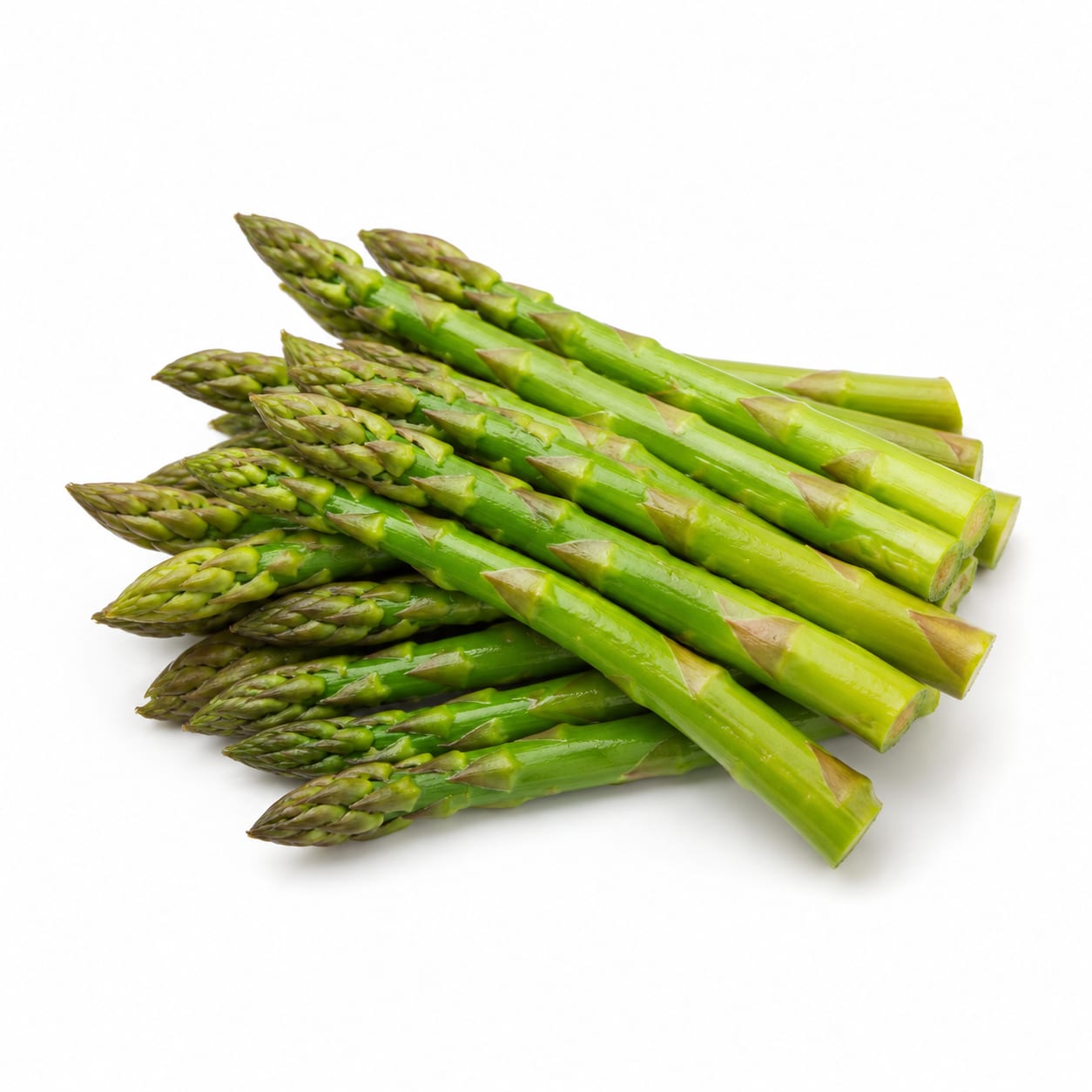
Asparagus
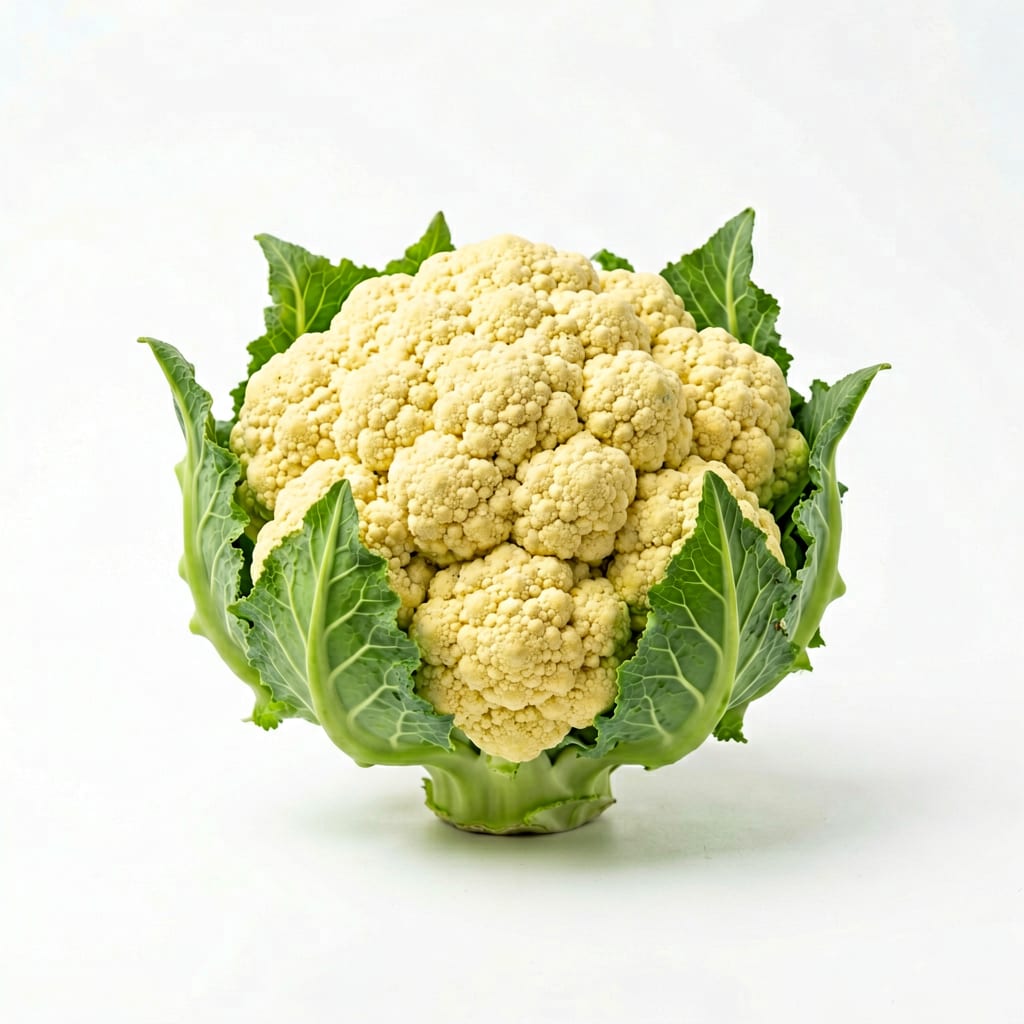
Cauliflower
Cauliflower wins on versatility and daily practicality, but Asparagus is a micronutrient powerhouse with superior prebiotic benefits.
Cauliflower edges out Asparagus slightly due to its incredible culinary flexibility and volume-eating potential, though Asparagus holds its own with a denser micronutrient and prebiotic profile.
You trade Asparagus's targeted gut and detox benefits for Cauliflower's unmatched ability to bulk up meals and replace carbs.
At a glance
Executive summary
Overall
Cauliflower
Healthier
Asparagus
More practical
Cauliflower
Daily use
Cauliflower
Key comparison lenses
Versatility and low-carb substitution
Cauliflower is famous for replacing carbs, while Asparagus is typically a standalone side dish.
Micronutrient profile and detox support
Asparagus offers unique compounds like glutathione and inulin, whereas Cauliflower provides glucosinolates.
Digestive tolerance and gut health
Asparagus feeds gut bacteria with prebiotics, but Cauliflower can cause more gas for sensitive individuals.
Best choice for
Asparagus
- People seeking prebiotic fiber for gut health
- Those needing folate or natural detox support
- Anyone looking for a quick-cooking, elegant side dish
Cauliflower
- Low-carb and keto dieters needing carb substitutes
- Families needing versatile, hideable vegetables
- Volume eaters wanting large portions for few calories
Least suitable for
Asparagus
- People prone to gout (contains purines)
- Those bothered by asparagus-induced urine odor
Cauliflower
- People with severe IBS or cruciferous sensitivity
- Those seeking high folate or vitamin A specifically
Deep comparison
Dimension by dimension
Each lens scores both foods and breaks down who each option suits.
- Dimension 1 · Priority 90Asparagus
Micronutrient Density
Asparagus · 88Cauliflower · 78Asparagus delivers significantly more folate, vitamin A, and vitamin K per serving compared to Cauliflower.
Tradeoff
You get more B vitamins and antioxidants with Asparagus, but Cauliflower provides way more vitamin C.
Why it matters
Folate is crucial for cell repair and energy, making Asparagus a better recovery food after intense workouts.
Real-world impact
Eating Asparagus regularly can help keep energy levels steady and support healthy skin and blood cells more directly.
Asparagus
- Pregnant women or those trying to conceive (folate)
- People recovering from illness or fatigue
Better for
- Those who need high doses of vitamin C from food sources
Worse for
Cauliflower
- Boosting immune function during cold season (vitamin C)
- Reducing oxidative stress on a budget
Better for
- Anyone specifically targeting folate or vitamin A intake
Worse for
- Dimension 2 · Priority 95Cauliflower
Versatility and Practicality
Asparagus · 60Cauliflower · 96Cauliflower is a culinary chameleon that can mimic rice, pizza crust, and mashed potatoes, while Asparagus is mostly limited to side dishes.
Tradeoff
Cauliflower requires more prep work to transform, but Asparagus is ready in minutes with simple roasting or steaming.
Why it matters
Being able to substitute high-carb favorites with Cauliflower makes sticking to a low-carb diet far more enjoyable.
Real-world impact
When cravings hit for comfort food, Cauliflower can save your diet plan; Asparagus is less likely to rescue a craving.
Asparagus
- Quick weeknight dinners needing a fast, elegant side
- Minimalist cooking with few ingredients
Better for
- Creating low-carb versions of comfort foods
Worse for
Cauliflower
- Meal prepping bulk bases like cauliflower rice
- Sneaking vegetables into picky eaters' meals
Better for
- Quick, low-prep side dishes on busy nights
Worse for
- Dimension 3 · Priority 85Asparagus
Gut Health and Digestion
Asparagus · 90Cauliflower · 72Asparagus is rich in inulin, a powerful prebiotic that feeds beneficial gut bacteria, whereas Cauliflower can cause uncomfortable bloating.
Tradeoff
Asparagus actively heals the gut lining and feeds good bacteria, while Cauliflower's cruciferous fiber can irritate a sensitive stomach.
Why it matters
A healthy gut microbiome affects everything from mood to immunity, giving Asparagus a distinct functional edge.
Real-world impact
If your stomach is easily upset, Cauliflower might leave you feeling puffy, while Asparagus feels light and soothing.
Asparagus
- People with mild gut dysbiosis needing prebiotic support
- Those seeking a gentle, non-bloating vegetable
Better for
- People who specifically need insoluble fiber for bowel regularity
Worse for
Cauliflower
- Individuals needing to increase overall fiber intake for constipation relief
Better for
- Anyone with IBS or severe bloating triggered by cruciferous veggies
Worse for
- Dimension 4 · Priority 80It depends
Detox and Antioxidant Support
Asparagus · 85Cauliflower · 85Asparagus provides glutathione, the body's master antioxidant, while Cauliflower offers glucosinolates that support liver detox enzymes.
Tradeoff
Asparagus directly supplies a ready-to-use antioxidant, whereas Cauliflower stimulates the body's own detox pathways.
Why it matters
Both support the body in different ways: Asparagus neutralizes existing toxins, Cauliflower helps prevent toxin activation.
Real-world impact
After a weekend of indulgence, Asparagus helps clear the aftermath, while Cauliflower strengthens your defenses for the next exposure.
Asparagus
- Post-alcohol or post-junk-food recovery meals
- Reducing cellular aging and oxidative damage
Better for
- Supporting phase II liver detoxification enzymes
Worse for
Cauliflower
- Long-term liver health and enzyme support
- Cancer-preventative dietary patterns
Better for
- Directly replenishing the body's glutathione stores
Worse for
Timeline
Health impact over time
Short-term
Hours to days
Asparagus
- Noticeable urine odor within hours due to asparagusic acid
- Acts as a mild natural diuretic, reducing water retention
- Provides a light, non-bloating feeling after meals
Cauliflower
- Can cause significant gas and bloating if eaten in large amounts
- Helps you feel physically full due to high volume and fiber
- Satisfies carb cravings when used as a substitute
Long-term
Months to years
Asparagus
- Improved gut microbiome diversity from consistent prebiotic intake
- Better cellular repair and anti-aging effects from glutathione
- Potential gout flare-ups in susceptible individuals due to purines
Cauliflower
- Enhanced liver detoxification capacity from glucosinolates
- Easier weight maintenance from sustainable low-carb swapping
- Possible thyroid disruption if consumed raw in extreme excess
Risk profile
Safety & processing
Both Asparagus and Cauliflower are whole, natural vegetables. However, Cauliflower is more often turned into processed alternatives like cauliflower pizza crusts or rice, which can introduce additives or sodium if store-bought.
Asparagus
Pesticide residue
mediumAsparagus is generally lower on the pesticide scale, but imported out-of-season bunches can carry residues; washing well is important.
Gout triggers
lowContains purines which can trigger gout in highly sensitive individuals if eaten in very large quantities.
Cauliflower
Pesticide residue
mediumCauliflower's tight florets can trap pests, leading to heavier pesticide use; soaking in salt water helps remove it.
Thyroid interference
lowRaw Cauliflower contains goitrogens that can interfere with thyroid function, but cooking neutralizes this risk.
Who wins for whom
Audience fit
Same foods, different winners depending on your goal.
children
CauliflowerCauliflower can be easily hidden in mac and cheese, mashed potatoes, or pizza crusts, making it far easier to sneak past picky eaters.
daily consumption
CauliflowerCauliflower's culinary flexibility means you can eat it daily without getting bored, easily rotating between rice, mash, and roasted forms.
diabetes
CauliflowerCauliflower is the ultimate low-carb substitute, keeping blood sugar perfectly stable while allowing diabetics to enjoy comfort food textures.
elderly
AsparagusAsparagus provides superior folate for cognitive health and prebiotics for the aging gut, which often struggles with diversity.
muscle gain
AsparagusAsparagus offers more folate and natural anti-inflammatory compounds that support cellular repair and recovery from heavy training.
weight loss
CauliflowerCauliflower's ability to replace high-calorie carbs like rice and potatoes makes it far easier to sustain a calorie deficit.
Your move
Decision guide
Choose Asparagus
- You want to boost your gut health with powerful prebiotics
- You need a quick-cooking, elegant side for lean proteins
- You are focused on anti-aging and cellular detox support
Choose Cauliflower
- You are on a keto or low-carb diet and miss carb-heavy foods
- You need to stretch meals and feel full on fewer calories
- You want a versatile base for meal prepping
Either works if
- You simply want to increase your daily vegetable intake
- You are looking for non-starchy sides for dinner
- You want to support your body's natural detox pathways
Avoid both if
- You are on a strict low-FODMAP diet for SIBO (both can trigger symptoms)
- You are looking for significant protein or calorie intake from vegetables
Final recommendation
Keep both in your rotation, but lean on Cauliflower for bulk and carb-crushing, and Asparagus for targeted gut healing and micronutrient boosts. They complement each other perfectly in a weekly meal plan.
Practical
Consumer tips
- 1
Snap the woody ends off Asparagus naturally by bending the stalk; it breaks exactly where the tough part begins.
- 2
Soak Cauliflower florets in warm salt water for 10 minutes to draw out any hidden pests and pesticide residue.
- 3
Roast both vegetables at high heat (400°F+) with olive oil to bring out natural sweetness and reduce bitterness.
- 4
If Cauliflower gives you gas, try steaming it lightly instead of eating it raw, which breaks down the tough fibers.
- 5
Add a squeeze of lemon to Asparagus; the vitamin C helps your body absorb its abundant iron more effectively.