
Nutrition comparison
Broccoli vs Asparagus: Which is Healthier?
Broccoli vs Asparagus nutrition comparison. Find out which green veggie is better for weight loss, digestion, and meal prep, plus the surprising winner for vitamins.
Overall winner · Broccoli
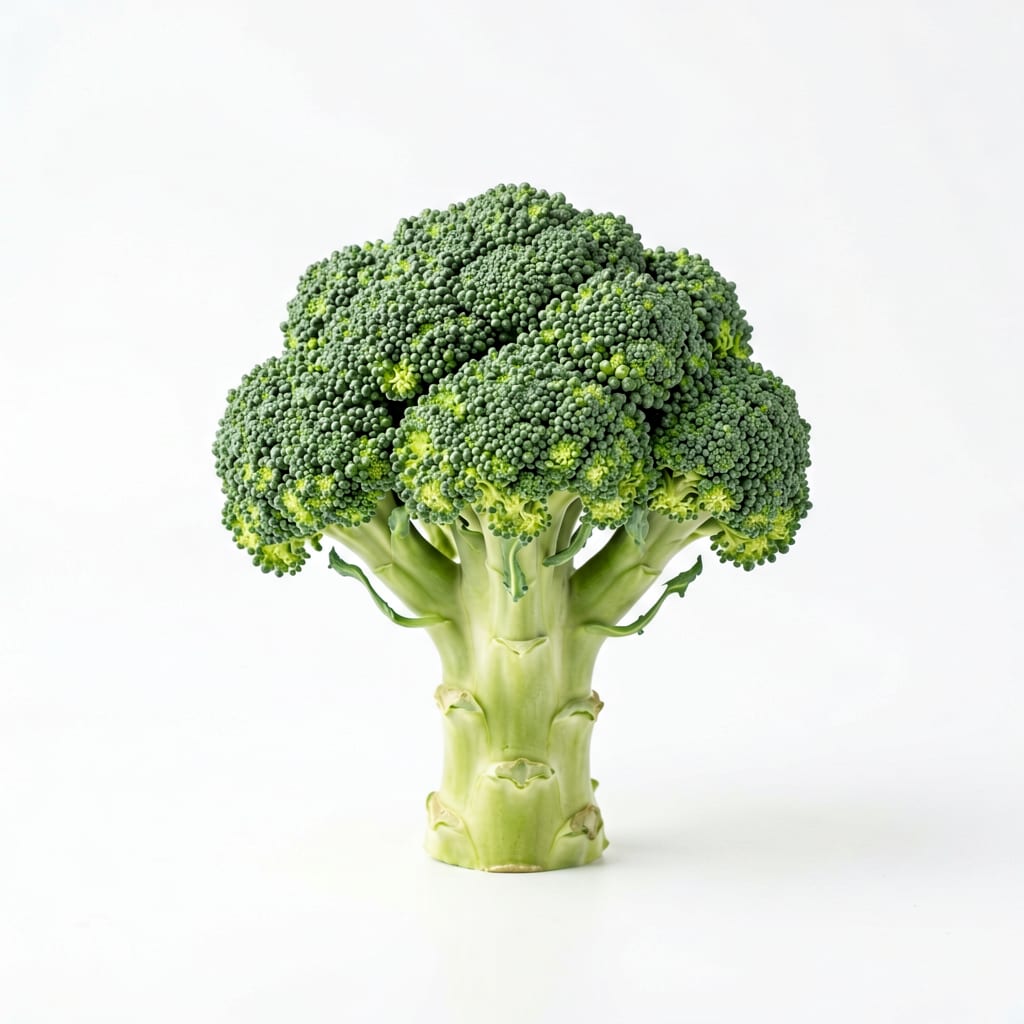
Broccoli
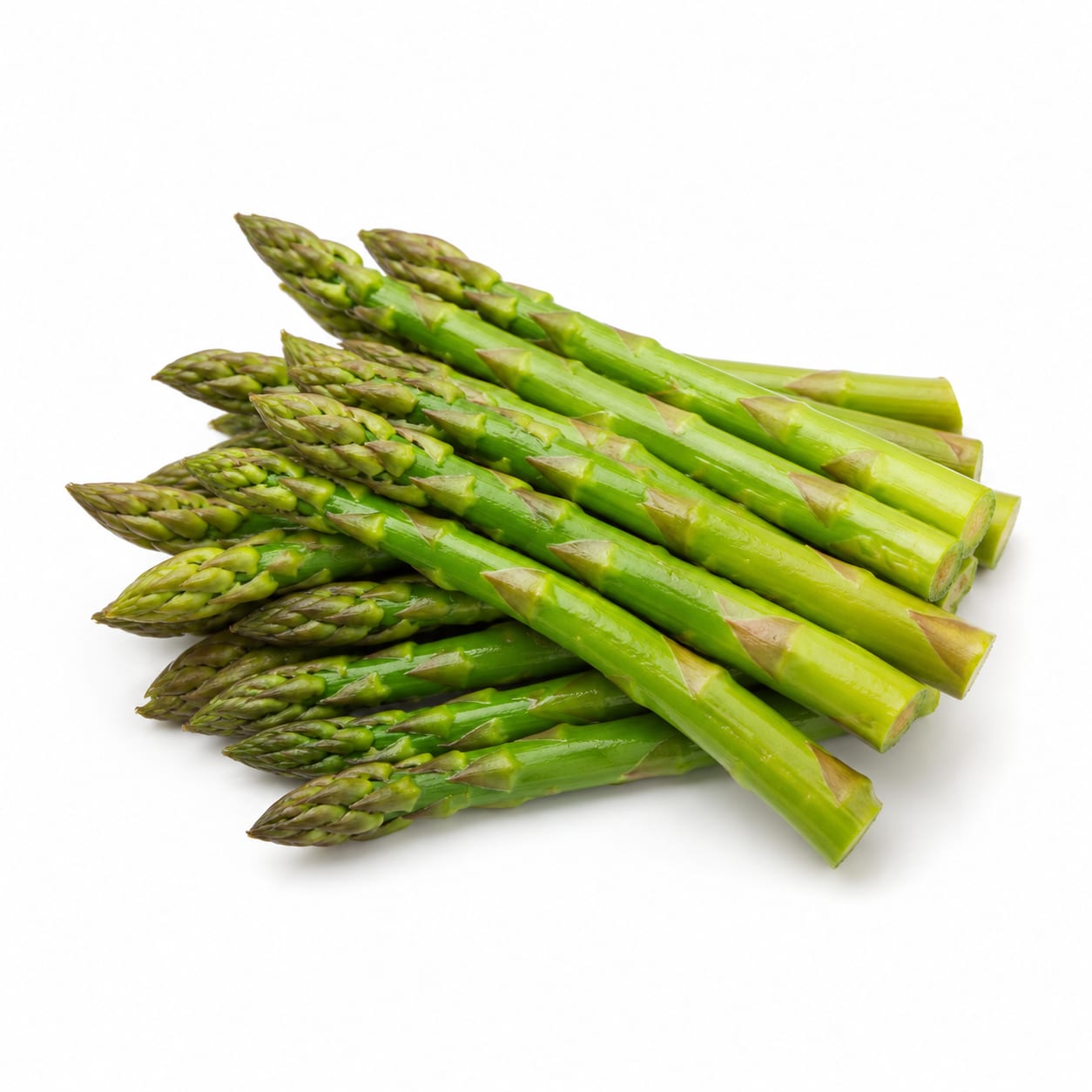
Asparagus
Broccoli offers more vitamin C and versatility for everyday meals, while asparagus delivers superior folate and is gentler on digestion.
Broccoli edges out asparagus due to its higher vitamin C, cancer-fighting sulforaphane, and much better affordability for daily use, though asparagus remains an excellent choice for specific needs like folate intake and gentle digestion.
Broccoli brings more immune support and meal-prep flexibility, but asparagus is easier on the stomach and better for prenatal health.
At a glance
Executive summary
Overall
Broccoli
Healthier
Broccoli
More practical
Broccoli
Daily use
Broccoli
Key comparison lenses
Nutrient density and vitamin profile
Users often compare green vegetables to find the most powerful vitamin boost per bite
Digestive comfort and gut health
Cruciferous vegetables can cause bloating, making gut tolerance a key decision factor
Budget and meal prep practicality
Everyday vegetables need to be affordable, store well, and fit into quick meals
Prenatal and specific health goals
Asparagus is famous for folate, making it highly relevant for pregnancy and cell repair
Best choice for
Broccoli
- Budget-friendly weekly meal prep
- Maximizing Vitamin C and immune support
- Families needing versatile veggie options
Asparagus
- Prenatal nutrition and folate needs
- Elegant dinner side dishes
- Those who get bloated from cruciferous veggies
Least suitable for
Broccoli
- People with severe cruciferous vegetable bloating
- Strict low-FODMAP diets
Asparagus
- Tight grocery budgets for daily use
- Long-term bulk storage
Deep comparison
Dimension by dimension
Each lens scores both foods and breaks down who each option suits.
- Dimension 1 · Priority 95Broccoli
Vitamin & Mineral Profile
Broccoli · 92Asparagus · 86Broccoli dominates in vitamin C and K, while asparagus is a standout source of folate.
Tradeoff
You get more immune-boosting power from Broccoli, but Asparagus is clearly better for cell repair and pregnancy.
Why it matters
Vitamin C helps absorb iron and fight fatigue, while folate is critical for DNA synthesis and preventing birth defects.
Real-world impact
Eating Broccoli helps you fight off a cold, while Asparagus supports healthy pregnancy and cellular recovery.
Broccoli
- Immune support
- Bone health
Better for
- Folate-specific needs
Worse for
Asparagus
- Prenatal health
- Cell repair
Better for
- Vitamin C requirements
Worse for
- Dimension 2 · Priority 88Asparagus
Digestive Comfort & Fiber
Broccoli · 82Asparagus · 88Asparagus contains prebiotic inulin and is less likely to cause bloating than cruciferous Broccoli.
Tradeoff
Broccoli has slightly more total fiber, but Asparagus feeds gut bacteria without the uncomfortable gas.
Why it matters
Good digestion means steady energy and less bloating, which makes sticking to healthy habits much easier.
Real-world impact
Asparagus is a safer choice before a date or meeting, whereas Broccoli might leave you feeling puffy if you eat a large portion.
Broccoli
- Maximizing roughage intake
- Feeling physically full
Better for
- Sensitive stomachs
- Low-FODMAP needs
Worse for
Asparagus
- Gut microbiome health
- Low-bloat meals
Better for
- High-bulk stool formation
Worse for
- Dimension 3 · Priority 85Broccoli
Antioxidant & Anti-inflammatory Power
Broccoli · 93Asparagus · 80Broccoli contains sulforaphane, a potent cancer-fighting compound that Asparagus lacks.
Tradeoff
Broccoli offers deeper cellular defense, while Asparagus provides more gentle, everyday anti-inflammatory support.
Why it matters
Long-term inflammation drives aging and disease; sulforaphane actively helps switch off inflammatory pathways.
Real-world impact
Regular Broccoli consumption acts like a long-term insurance policy for your cells against environmental stress.
Broccoli
- Long-term disease defense
- Detoxification support
Better for
- Immediate relaxation (can cause digestive stress)
Worse for
Asparagus
- Blood pressure regulation
- Gentle anti-aging
Better for
- Heavy-duty cellular detox
Worse for
- Dimension 4 · Priority 82Broccoli
Budget & Practicality
Broccoli · 95Asparagus · 70Broccoli is significantly cheaper, lasts longer in the fridge, and fits into almost any dish.
Tradeoff
Asparagus feels more like a luxury vegetable with a shorter shelf life and higher price tag.
Why it matters
The healthiest food is the one you can actually afford and keep stocked in your kitchen without it going bad.
Real-world impact
Broccoli is a no-brainer for weekly meal prep, while Asparagus is best enjoyed as a weekend dinner treat.
Broccoli
- Weekly meal prep
- Budget grocery runs
- Stir-fries and casseroles
Better for
- Gourmet presentation
Worse for
Asparagus
- Special occasion sides
- Quick blanching
Better for
- Cost-effective daily eating
- Long fridge life
Worse for
Timeline
Health impact over time
Short-term
Hours to days
Broccoli
- Provides quick fullness from high fiber
- May cause gassiness or bloating if eaten raw in large amounts
Asparagus
- Acts as a natural mild diuretic to reduce water retention
- Very gentle on the digestive system with minimal bloating
Long-term
Months to years
Broccoli
- Sulforaphane supports long-term cancer prevention
- Consistent vitamin K intake protects bone density
Asparagus
- High folate lowers risk of cognitive decline
- Prebiotics maintain a resilient and balanced gut microbiome
Risk profile
Safety & processing
Both Broccoli and Asparagus are whole, natural vegetables with virtually zero additive concerns when purchased fresh or frozen.
Broccoli
Pesticide residue
mediumBroccoli often appears on the EWG's Dirty Dozen list; wash thoroughly or buy organic to reduce exposure.
Asparagus
Urine odor
lowAsparagusic acid causes a strong sulfur smell in urine, which is completely harmless but surprising if unexpected.
Pesticide residue
lowAsparagus is on the EWG's Clean 15 list, meaning it typically has very low pesticide contamination.
Who wins for whom
Audience fit
Same foods, different winners depending on your goal.
children
BroccoliBroccoli is easier to hide in mac and cheese or serve as familiar 'trees', whereas Asparagus has a tougher texture for kids.
daily consumption
BroccoliBroccoli is far more affordable and versatile, making it realistic to eat every day without breaking the bank.
diabetes
BroccoliThe extra fiber in Broccoli slows down glucose absorption just a bit more, leading to steadier blood sugar levels.
elderly
AsparagusAsparagus is softer to chew when cooked and its high folate helps protect against cognitive decline.
muscle gain
BroccoliBroccoli provides more vitamin C, which is essential for collagen formation and joint repair during heavy training.
weight loss
BroccoliBroccoli is slightly more filling per calorie due to its higher fiber density, making it easier to eat large volumes without overeating.
Your move
Decision guide
Choose Broccoli
- You are meal prepping on a budget
- You want maximum vitamin C and immune support
- You need a versatile veggie for stir-fries, soups, and raw snacking
Choose Asparagus
- You are pregnant or trying to conceive
- Cruciferous vegetables make you bloated
- You want a quick, elegant side dish for a nice dinner
Either works if
- You just need more green vegetables on your plate
- You are roasting vegetables with olive oil and salt
Avoid both if
- You are on a strict low-fiber diet for acute digestive flare-ups
Final recommendation
Keep Broccoli as your daily driver for its price, vitamin C, and cancer-fighting sulforaphane, but rotate in Asparagus when you want a gentler, folate-rich treat for your gut and brain.
Practical
Consumer tips
- 1
Buy frozen Broccoli florets to save money and reduce food waste—they flash-freeze at peak freshness
- 2
Roast Asparagus at 400°F for just 10 minutes with olive oil for the best tender-crisp texture
- 3
If Broccoli upsets your stomach, try steaming it instead of eating it raw to break down the gas-causing sugars