
Nutrition comparison
Asparagus vs Zucchini: Nutrition, Health Benefits, and Which to Choose
Compare asparagus and zucchini side by side — nutrient density, gut health benefits, cooking versatility, price, and which fits your diet best.
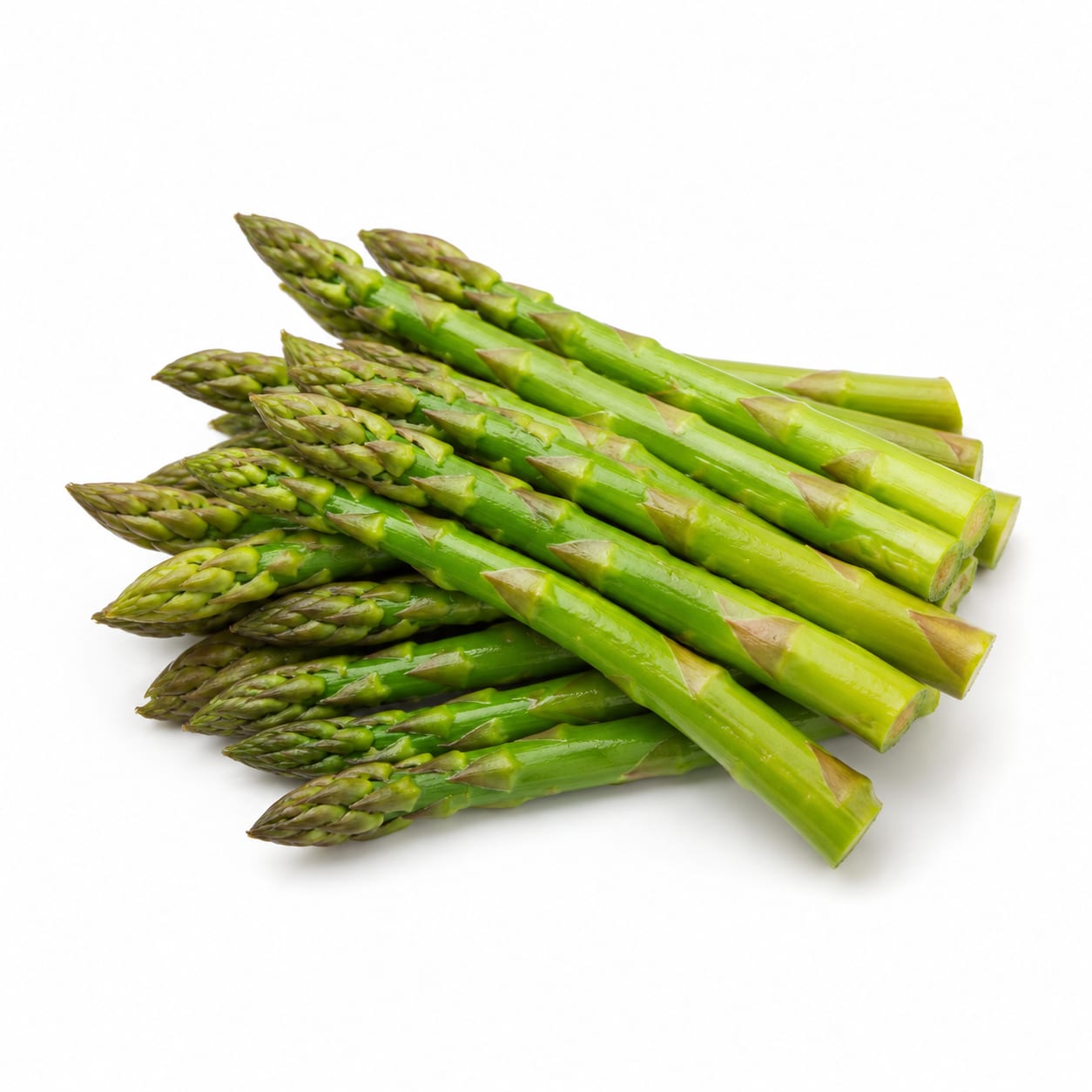
Asparagus
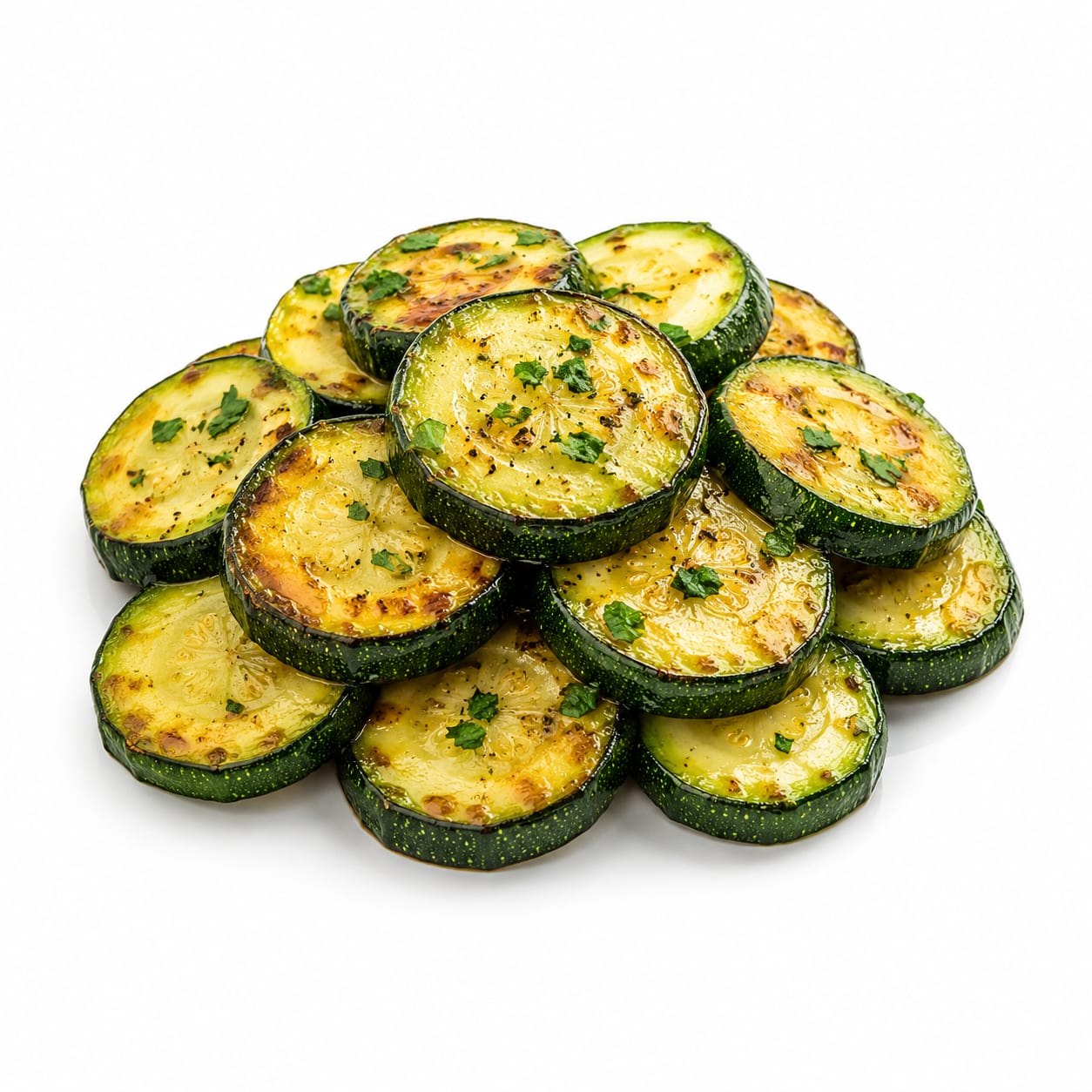
Zucchini
Asparagus delivers more nutrients per calorie and unique gut-friendly fiber, but zucchini wins on versatility, price, and everyday practicality.
Asparagus scores higher on nutrient density and unique health compounds, but zucchini stays competitive through superior affordability, versatility, and ease of daily use. The gap is small because both are genuinely healthy choices.
Nutritional firepower versus kitchen flexibility — asparagus is the specialist, zucchini is the everyday workhorse.
At a glance
Executive summary
Overall
It depends
Healthier
Asparagus
More practical
Zucchini
Daily use
Zucchini
Key comparison lenses
nutrient density per calorie
Both are low-calorie vegetables, so which packs more nutrition per bite matters most
everyday versatility and cooking ease
Users choosing between these want to know which fits more meals and cooking styles
digestive and gut health benefits
Asparagus offers unique prebiotic fiber that zucchini lacks, a key differentiator
budget and accessibility
Zucchini is cheaper and available year-round while asparagus is seasonal and pricier
weight management and satiety
Both are popular for low-calorie diets, but filling power differs
Best choice for
Asparagus
- Maximizing vitamin K, folate, and antioxidant intake
- Supporting gut health with prebiotic fiber
- Adding a nutrient-dense side dish to special meals
- Reducing bloating through natural diuretic properties
Zucchini
- Bulk cooking on a budget
- Low-calorie meal prep with maximum volume
- Sneaking vegetables into picky eaters' meals
- Replacing pasta or noodles in comfort food recipes
Least suitable for
Asparagus
- Daily meal prep on a tight grocery budget
- Recipes requiring a mild, neutral vegetable base
- People sensitive to sulfur-containing vegetables
Zucchini
- Maximizing micronutrient intake per calorie
- Seeking strong prebiotic or gut-healing benefits
- Meals where you want a vegetable with bold flavor
Deep comparison
Dimension by dimension
Each lens scores both foods and breaks down who each option suits.
- Dimension 1 · Priority 92Asparagus
Nutrient Density
Asparagus · 88Zucchini · 62Asparagus delivers significantly more folate, vitamin K, vitamin A, and iron per calorie than zucchini.
Tradeoff
You pay more money for that concentrated nutrition, and asparagus is harder to find year-round.
Why it matters
If you eat small portions or track micronutrients, asparagus gives you more per bite.
Real-world impact
A single serving of asparagus covers over half your daily vitamin K needs — zucchini covers about 8%.
Asparagus
- Meeting folate needs during pregnancy
- Boosting vitamin K for bone health
- Getting more antioxidants from fewer calories
Better for
- Budget-conscious households needing bulk vegetables
Worse for
Zucchini
- Eating large volumes without worrying about cost
- Maintaining adequate vitamin C intake
Better for
- Anyone relying on a single vegetable for micronutrients
Worse for
- Dimension 2 · Priority 88Zucchini
Versatility and Cooking Ease
Asparagus · 55Zucchini · 90Zucchini adapts to almost any dish — roasted, grilled, spiralized, baked into breads, or hidden in sauces. Asparagus has a narrower range.
Tradeoff
Zucchini's mild flavor means it rarely steals the show, while asparagus brings a distinctive taste that elevates simple meals.
Why it matters
The vegetable you actually cook with multiple times a week beats the one that sits in the fridge waiting for the right recipe.
Real-world impact
Zucchini noodles, muffins, fritters, and stir-fries all work effortlessly. Asparagus excels roasted or grilled but struggles beyond that.
Asparagus
- Elegant side dishes where the vegetable is the star
- Quick roasting with olive oil and salt
Better for
- Cooks who want one vegetable for everything
- Recipes requiring a neutral base flavor
Worse for
Zucchini
- Meal prep across multiple cuisines
- Sneaking vegetables into baked goods or sauces
- Low-carb pasta alternatives
Better for
- Dishes where you want the vegetable to stand out flavor-wise
Worse for
- Dimension 3 · Priority 85Asparagus
Gut Health and Digestive Benefits
Asparagus · 86Zucchini · 65Asparagus contains inulin, a prebiotic fiber that feeds beneficial gut bacteria. Zucchini offers fiber but lacks this targeted prebiotic effect.
Tradeoff
Asparagus can cause noticeable urine odor and may trigger gas in sensitive people, while zucchini is gentler on digestion.
Why it matters
Prebiotic fiber has cascading benefits for immunity, mood, and inflammation that regular fiber alone doesn't match.
Real-world impact
Regular asparagus consumption supports the same gut bacteria that probiotic supplements aim to nurture — but through food instead of pills.
Asparagus
- Feeding beneficial gut bacteria with inulin
- Supporting a healthy gut-immune connection
- People taking probiotics who want to feed those bacteria
Better for
- Anyone prone to gas from cruciferous and sulfur-rich vegetables
Worse for
Zucchini
- People with IBS or sensitive digestion who need gentler fiber
- Avoiding sulfur-related digestive discomfort
Better for
- Those specifically seeking prebiotic benefits from food
Worse for
- Dimension 4 · Priority 75Asparagus
Satiety and Weight Management
Asparagus · 74Zucchini · 68Asparagus has slightly more fiber per calorie, making it a touch more filling. Zucchini's higher water content means you can eat more volume but may feel hungry sooner.
Tradeoff
Zucchini lets you eat larger portions for fewer calories, which helps psychologically. Asparagus fills you up with less food, which helps physically.
Why it matters
For weight loss, some people need volume, others need density — both strategies work depending on the person.
Real-world impact
A cup of asparagus has about 40 calories and 4g fiber. A cup of zucchini has about 20 calories and 1.4g fiber — you'd need nearly two cups to match the fiber.
Asparagus
- Smaller meals where you need satiety from limited calories
- Getting more fiber without eating massive volumes
Better for
- People who feel deprived without large food portions
Worse for
Zucchini
- Volume eaters who need large portions to feel satisfied
- Creating low-calorie bases for heavier sauces or toppings
Better for
- Those who find high-water vegetables unsatisfying on their own
Worse for
- Dimension 5 · Priority 78Zucchini
Affordability and Availability
Asparagus · 42Zucchini · 88Zucchini is cheap, abundant, and available year-round. Asparagus is expensive, seasonal, and often imported at premium prices.
Tradeoff
Asparagus costs more partly because it's labor-intensive to harvest — that price reflects real agricultural effort, not just marketing.
Why it matters
The healthiest vegetable is the one you can afford to eat regularly, not the one you buy once as a treat.
Real-world impact
Zucchini typically costs $1-2 per pound year-round. Asparagus ranges from $3-7 per pound and peaks only in spring.
Asparagus
- Spring seasonal eating when prices drop
- Special occasion meals where cost matters less
Better for
- Anyone who needs affordable daily vegetables
Worse for
Zucchini
- Weekly grocery budgets under $50 per person
- Consistent year-round vegetable intake
- Families feeding multiple people
Better for
- Situations where you want a premium ingredient feel
Worse for
- Dimension 6 · Priority 72Asparagus
Antioxidant and Anti-inflammatory Profile
Asparagus · 82Zucchini · 58Asparagus is rich in glutathione and saponins — compounds with documented anti-inflammatory and potential anti-cancer properties. Zucchini offers antioxidants but less potently.
Tradeoff
These compounds are most concentrated in young, fresh asparagus. Canned or old asparagus loses much of this advantage.
Why it matters
Chronic inflammation drives most lifestyle diseases, so foods that actively fight it carry long-term value beyond basic nutrition.
Real-world impact
Glutathione is called the body's master antioxidant — asparagus is one of the best food sources. Zucchini simply doesn't compete here.
Asparagus
- Reducing chronic inflammation through diet
- Supporting liver detoxification pathways
- Long-term disease risk reduction
Better for
- People who only eat canned or overcooked asparagus
Worse for
Zucchini
- Getting vitamin C, which asparagus provides less of
Better for
- Those prioritizing anti-inflammatory food choices
Worse for
Timeline
Health impact over time
Short-term
Hours to days
Asparagus
- Noticeable urine odor within hours due to asparagusic acid breakdown
- Mild diuretic effect that can reduce bloating
- Possible gas or digestive discomfort in sensitive individuals
Zucchini
- Very gentle on digestion with almost no adverse reactions
- High water content supports hydration
- Unlikely to cause any noticeable short-term side effects
Long-term
Months to years
Asparagus
- Consistent folate intake supports cardiovascular and brain health
- Prebiotic inulin feeds gut bacteria linked to improved immunity
- Glutathione intake may support liver health and cellular defense
Zucchini
- Sustained low-calorie intake supports healthy weight maintenance
- Potassium content helps maintain healthy blood pressure over time
- Easy daily consumption builds consistent vegetable habits
Risk profile
Safety & processing
Both asparagus and zucchini are whole, unprocessed vegetables typically sold fresh without additives. Canned or frozen versions may contain added sodium, but fresh forms are equally natural.
Asparagus
Pesticide residue
mediumAsparagus typically ranks moderate on pesticide lists. Imported asparagus may carry higher residues. Washing thoroughly or choosing organic reduces exposure.
Urine odor confusion
lowNot a health risk, but the sulfur smell in urine after eating asparagus can alarm uninformed consumers. It is completely harmless.
Zucchini
Pesticide residue
mediumZucchini can carry pesticide residues, especially conventionally grown varieties. Peeling reduces exposure but also removes beneficial nutrients near the skin.
Bitter compound toxicity
lowRarely, zucchini can develop cucurbitacins causing extreme bitterness. This is uncommon in store-bought varieties but possible in homegrown zucchini. Discard any unusually bitter zucchini.
Who wins for whom
Audience fit
Same foods, different winners depending on your goal.
children
ZucchiniZucchini's mild flavor and soft texture make it far easier to introduce to kids, especially hidden in familiar foods.
daily consumption
ZucchiniZucchini's affordability, availability, and cooking versatility make it realistic to eat every day without fatigue or budget strain.
diabetes
AsparagusAsparagus has more fiber per serving and a lower glycemic impact, providing steadier blood sugar support.
elderly
AsparagusAsparagus provides more folate and vitamin K, nutrients that become increasingly important for cognitive and bone health with age.
muscle gain
It dependsNeither is a significant protein source. Both serve as side vegetables — choose based on what helps you eat consistently.
weight loss
ZucchiniZucchini's ultra-low calorie density lets you eat large portions, making it easier to stay in a deficit without feeling deprived.
Your move
Decision guide
Choose Asparagus
- You want maximum nutrition per calorie and don't mind the cost
- Gut health and prebiotic fiber are a priority for you
- You enjoy distinct vegetable flavors that elevate simple preparations
- You're cooking a meal where the side dish should feel special
Choose Zucchini
- You need an affordable vegetable you can eat daily without thinking
- Versatility matters — you want one vegetable that works in stir-fries, baking, pasta, and grilling
- You're feeding kids or picky eaters who resist strong flavors
- You're meal prepping on a budget and need volume for fewer calories
Either works if
- You simply want more vegetables on your plate and both are available
- You're rotating seasonal produce and eating what's fresh and local
- Blood sugar management is your goal — both are excellent low-glycemic choices
Avoid both if
- You need a protein-rich or calorie-dense food to meet energy needs
- You're looking for a fruit or vegetable high in vitamin C — bell peppers or citrus would serve you better
Final recommendation
Keep both in rotation. Use asparagus when you want a nutrient-dense, gut-friendly side that feels a bit special. Rely on zucchini for everyday cooking, budget-friendly meal prep, and recipes that need a mild, adaptable vegetable. If you must pick one for daily use, zucchini wins on practicality — but adding asparagus even twice a week gives you nutritional benefits zucchini cannot match.
Practical
Consumer tips
- 1
Snap asparagus stalks at the natural break point — the woody ends are too tough to enjoy
- 2
Roast asparagus at 400°F for 12 minutes with olive oil and salt for the easiest, best-tasting preparation
- 3
Spiralize zucchini for a low-carb pasta base, but salt and drain it first to avoid watery dishes
- 4
Buy asparagus in spring for the best price and flavor — frozen works well for soups year-round
- 5
Grate zucchini into muffins, meatballs, or sauces to add moisture and nutrients without changing flavor
- 6
Wash both vegetables thoroughly even if you plan to peel them — pesticide residues transfer during cutting
- 7
Store asparagus upright in water like flowers to keep it crisp longer
- 8
Choose thinner asparagus spears for tenderness and thicker ones for grilling — both work, but cooking times differ