
Nutrition comparison
Asparagus vs Artichoke: Which Vegetable Is Better for You?
Compare asparagus and artichoke nutrition, fiber, convenience, and health benefits. Find out which vegetable wins for gut health, liver support, weight loss, and everyday cooking.
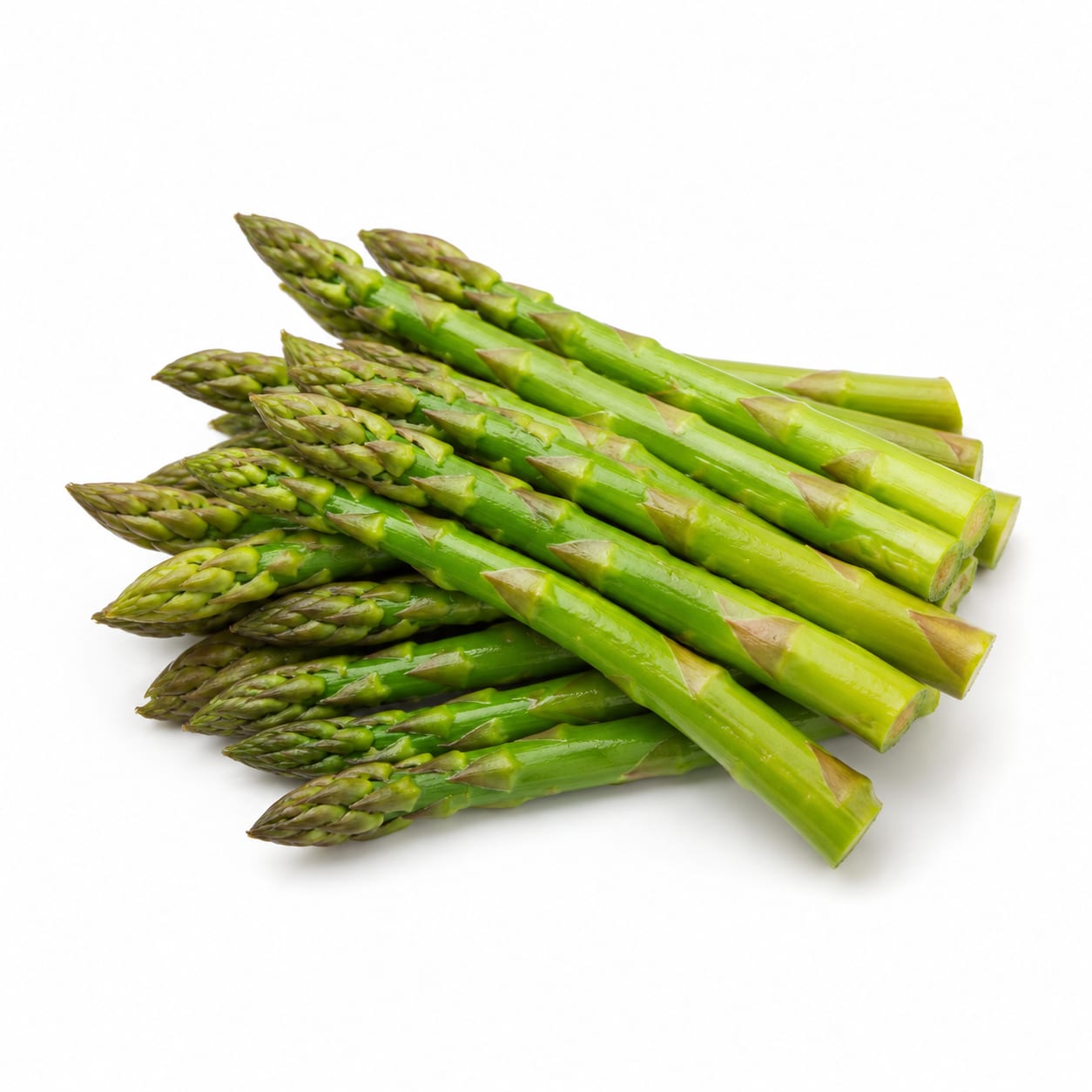
Asparagus
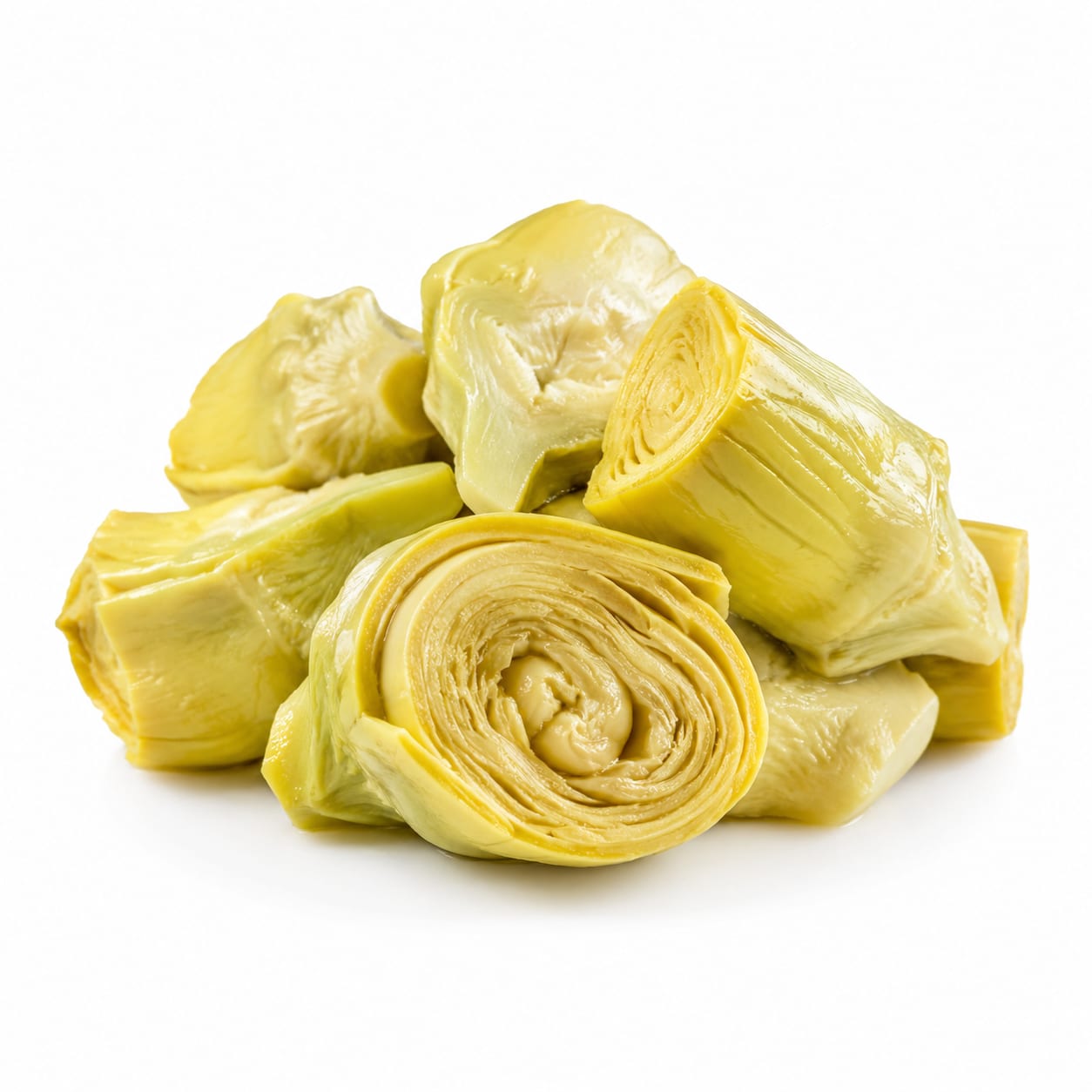
Artichoke
Artichoke delivers far more fiber and liver-supporting compounds but demands serious prep time. Asparagus is the practical everyday vegetable that cooks in minutes.
Artichoke scores higher on nutritional depth and health impact, but asparagus stays competitive through superior convenience and gentler digestion. The 9-point gap reflects artichoke's stronger fiber and antioxidant advantages versus asparagus's practicality edge.
Maximum nutritional depth versus kitchen convenience — artichoke rewards patience, asparagus rewards efficiency.
At a glance
Executive summary
Overall
It depends
Healthier
Artichoke
More practical
Asparagus
Daily use
Asparagus
Key comparison lenses
fiber and digestive health
Artichoke is one of the highest-fiber vegetables available, making this a critical differentiator for gut health and satiety decisions
antioxidant and liver support
Artichoke contains cynarin and silymarin, compounds specifically studied for liver health, while asparagus offers different antioxidant profiles
convenience and meal prep
Asparagus cooks in minutes with minimal prep; artichokes require significant trimming, steaming time, and manual eating effort
weight management satiety
Both are low-calorie vegetables but artichoke's fiber content creates noticeably longer fullness
blood sugar stability
Fiber content difference directly impacts how each vegetable affects blood sugar response
Best choice for
Asparagus
- Busy weeknight dinners needing a vegetable in under 10 minutes
- People who want low-effort meal prep without sacrificing nutrition
- Anyone avoiding high-fiber loads due to digestive sensitivity
- Quick roasting, grilling, or stir-frying applications
Artichoke
- Gut health optimization through maximum prebiotic fiber intake
- Liver support and detoxification-focused eating patterns
- Cholesterol management through dietary approaches
- Leisurely meals where eating slowly is enjoyable, not frustrating
Least suitable for
Asparagus
- People specifically targeting very high daily fiber goals above 35g
- Those seeking the strongest liver-supportive food compounds
- Situations where maximum satiety per calorie matters most
Artichoke
- Weeknight cooking when time is critically short
- People with IBS or fiber sensitivity who need gentler vegetables
- Anyone frustrated by fussy food preparation or slow eating
Deep comparison
Dimension by dimension
Each lens scores both foods and breaks down who each option suits.
- Dimension 1 · Priority 95Artichoke
Fiber and Satiety
Asparagus · 55Artichoke · 95Artichoke dominates fiber content with roughly 7g per medium artichoke versus asparagus's 3g per cup. That difference translates to noticeably longer fullness.
Tradeoff
Artichoke's fiber advantage comes with digestive adjustment risk for unaccustomed eaters; asparagus offers gentler, more predictable digestion.
Why it matters
Fiber is the single most undereaten nutrient in Western diets. Artichoke is one of the most efficient ways to close that gap from a single food.
Real-world impact
A single artichoke can cover roughly 25% of daily fiber needs. Asparagus covers closer to 10%. Over a week, that gap compounds significantly for gut health.
Asparagus
- Gentle digestive transitions when increasing vegetable intake
- Low-fiber diet phases after gastrointestinal procedures
Better for
- Falling short of fiber goals if relying on it as a primary source
- Less satiety staying power in low-calorie meal plans
Worse for
Artichoke
- Reaching 30g+ daily fiber targets without supplements
- Sustained fullness between meals without snacking
- Feeding beneficial gut bacteria for microbiome diversity
Better for
- Bloating or gas when dramatically increasing fiber too quickly
- Overwhelming sensitive digestive systems accustomed to low-fiber eating
Worse for
- Dimension 2 · Priority 88Artichoke
Antioxidant and Liver Support
Asparagus · 65Artichoke · 92Artichoke contains cynarin and silymarin, two of the most studied liver-supportive plant compounds. Asparagus offers glutathione and vitamin K but with less targeted liver research.
Tradeoff
Artichoke's liver benefits are better documented but require regular consumption. Asparagus provides broader but less concentrated antioxidant coverage.
Why it matters
Liver health is silently critical for metabolism, hormone balance, and detoxification. Few foods have as much clinical backing for liver support as artichoke.
Real-world impact
Regular artichoke consumption has been linked to measurable improvements in liver enzyme markers. Asparagus supports antioxidant status but without the same targeted effect.
Asparagus
- Broader antioxidant coverage without focusing on a single organ
- Vitamin K needs for bone and blood clotting health
Better for
- Less specific liver-protective evidence compared to artichoke
- Missing the bile-stimulating benefits that aid fat digestion
Worse for
Artichoke
- Targeted liver support during or after periods of heavy drinking, medication use, or toxin exposure
- Cholesterol reduction through cynarin's bile production stimulation
- Post-meal digestive comfort through increased bile flow
Better for
- Narrower antioxidant spectrum focused heavily on liver pathways
- Less vitamin K per serving for bone health priorities
Worse for
- Dimension 3 · Priority 82Asparagus
Convenience and Preparation
Asparagus · 90Artichoke · 40Asparagus trims in seconds and roasts in under 10 minutes. Whole artichokes require trimming, steaming for 25-40 minutes, and careful leaf-by-leaf eating.
Tradeoff
Asparagus gets dinner on the table fast. Artichoke turns eating into a slow, mindful experience — which is either meditative or annoying depending on your mindset.
Why it matters
The best vegetable nutritionally is the one you actually eat consistently. Convenience often determines long-term adherence more than nutrient density.
Real-world impact
Asparagus can go from fridge to plate in 12 minutes. A whole artichoke demands 45+ minutes from start to finished eating. That time gap matters on busy weeknights.
Asparagus
- Weeknight cooking when every minute counts
- Meal prep batching where speed enables consistency
- Simple roasting, grilling, or sautéing without specialized technique
Better for
- Missing the intentional slowness that helps with portion awareness
- Less ritualistic or social eating engagement
Worse for
Artichoke
- Weekend cooking projects where slow preparation feels rewarding
- Social eating experiences built around shared food rituals
- Mindful eating practices that slow down meal pace naturally
Better for
- Realistic risk of not bothering on busy days, losing nutritional benefits entirely
- Intimidating prep for inexperienced cooks
- Canned or jarred artichoke hearts lose some nutrients and add sodium
Worse for
- Dimension 4 · Priority 72Artichoke
Blood Sugar Stability
Asparagus · 68Artichoke · 85Both vegetables have minimal impact on blood sugar, but artichoke's higher fiber creates a stronger buffer against glucose spikes when eaten with carbohydrates.
Tradeoff
Artichoke offers better blood sugar insurance per serving, but asparagus is easier to pair with meals frequently enough that consistency might offset the per-serving advantage.
Why it matters
Steady blood sugar means steadier energy, fewer cravings, and better metabolic health over decades. Fiber is the main lever vegetables pull here.
Real-world impact
Eating artichoke with a carb-heavy meal slows glucose absorption more effectively. Asparagus helps too, but you would need a larger serving to match the effect.
Asparagus
- Easier to eat in larger volumes due to gentler fiber, partially closing the gap
- More likely to be consumed consistently alongside meals
Better for
- Less fiber per serving means less glucose-buffering capacity
- Smaller impact on GLP-1 and other satiety hormones
Worse for
Artichoke
- Stronger per-serving blood sugar buffering at mixed meals
- Better for metabolic syndrome or insulin resistance management
- More effective prebiotic fiber for gut hormones that regulate appetite
Better for
- If preparation barriers reduce consumption frequency, the theoretical advantage disappears
Worse for
- Dimension 5 · Priority 75Artichoke
Nutrient Density and Micronutrients
Asparagus · 70Artichoke · 82Artichoke delivers more magnesium, potassium, and vitamin C per calorie. Asparagus excels in folate and vitamin K. Both are nutrient-dense but with different strengths.
Tradeoff
Artichoke covers more mineral ground; asparagus is notably stronger for folate, which matters for pregnancy and cellular repair.
Why it matters
Micronutrient gaps accumulate silently. Choosing vegetables that fill your specific nutritional holes matters more than generic 'superfood' labels.
Real-world impact
Asparagus provides roughly 60% of daily folate needs per cup — critical for pregnant women or anyone on methylation-support protocols. Artichoke's mineral profile better supports electrolyte balance and muscle function.
Asparagus
- Folate needs during preconception and pregnancy
- Vitamin K requirements for bone density and clotting
- Iron absorption support through vitamin C content
Better for
- Lower mineral content per calorie compared to artichoke
- Less total vitamin C per serving
Worse for
Artichoke
- Potassium intake for blood pressure management
- Magnesium for sleep, muscle recovery, and stress resilience
- Vitamin C for immune support and collagen synthesis
Better for
- Significantly less folate per serving than asparagus
- Lower vitamin K density
Worse for
Timeline
Health impact over time
Short-term
Hours to days
Asparagus
- Quick digestion with minimal bloating for most people
- Noticeable urine odor within hours due to asparagusic acid — harmless but surprising if unexpected
- Mild natural diuretic effect reducing water retention
Artichoke
- Increased fullness lasting 2-3 hours after eating due to fiber density
- Possible bloating or gas if digestive system is unaccustomed to high fiber
- Stimulated bile production that can ease fat digestion in the current meal
Long-term
Months to years
Asparagus
- Consistent folate intake supporting cellular repair and DNA synthesis
- Mild anti-inflammatory contribution from polyphenols and vitamin K
- Sustained but modest fiber intake — helpful but unlikely to transform gut health alone
Artichoke
- Measurably improved liver enzyme profiles with regular consumption
- Significant prebiotic fiber intake shifting microbiome composition toward beneficial species
- Reduced LDL cholesterol through cynarin's bile stimulation mechanism
- Better long-term blood sugar regulation from consistent high-fiber intake
Risk profile
Safety & processing
Both vegetables are whole foods in their natural state. The main processing concern is canned or jarred artichoke hearts, which often contain added sodium, citric acid, or preservatives. Fresh or frozen versions of both avoid these issues entirely.
Asparagus
Pesticide residue on imported spears
mediumAsparagus grown conventionally, especially imported out-of-season, can carry pesticide residues. Washing thoroughly and choosing domestic or organic reduces exposure.
Urine odor causing unnecessary alarm
lowAsparagusic acid metabolizes into sulfur compounds that cause strong urine odor. This is completely harmless but can worry people who do not expect it.
Artichoke
Choking hazard from tough outer leaves and choke
mediumThe fuzzy choke in the center of globe artichokes must be completely scraped away before eating the heart. Incomplete removal creates a choking risk, especially for children.
Sodium in canned or jarred preparations
mediumCanned artichoke hearts often contain 300-500mg sodium per serving. Rinsing helps but does not eliminate all added salt. Fresh or frozen preparations avoid this entirely.
Cross-reactivity for ragweed allergy sufferers
lowArtichoke is in the same family as ragweed. People with severe ragweed allergies may experience oral allergy syndrome with fresh artichoke.
Who wins for whom
Audience fit
Same foods, different winners depending on your goal.
children
AsparagusAsparagus is simpler to prepare, easier to chew, and less likely to cause digestive discomfort. Whole artichokes present choking hazards and frustration for young eaters.
daily consumption
AsparagusAsparagus wins on consistency. Its quick preparation means you are far more likely to actually eat it daily. Artichoke's nutritional advantages only matter if you consume it regularly.
diabetes
ArtichokeArtichoke's higher fiber content provides stronger blood sugar buffering at meals. Its prebiotic fiber also supports gut hormones that improve insulin sensitivity over time.
elderly
AsparagusAsparagus is gentler on aging digestive systems, easier to chew when cooked soft, and provides folate and vitamin K that support bone and cognitive health without fiber overload.
muscle gain
It dependsNeither vegetable is a protein source. Asparagus edges ahead slightly due to higher folate supporting cell division during muscle repair, but the difference is minimal for this goal.
weight loss
ArtichokeArtichoke's superior fiber content creates stronger satiety signals, making it easier to eat less overall. The slow eating process also naturally reduces consumption speed.
Your move
Decision guide
Choose Asparagus
- You need a vegetable that fits into 15-minute weeknight meals without stress
- Your digestive system is sensitive to high fiber loads or you are gradually increasing intake
- You are pregnant or trying to conceive and prioritizing folate intake
- You want a versatile vegetable that roasts, grills, stir-fries, or steams equally well
- You find fussy food preparation frustrating rather than relaxing
Choose Artichoke
- Gut health and microbiome diversity are top priorities for you
- You want liver support from food rather than supplements
- You enjoy slow, mindful eating and treat meals as an experience
- You are managing cholesterol or blood sugar and need the strongest dietary tools
- You have time on weekends to batch-prepare artichokes for the week ahead
Either works if
- You simply want more vegetables on your plate and both sound appealing
- You are eating a varied diet that already covers fiber and micronutrient needs
- You rotate vegetables seasonally and enjoy both at different times of year
Avoid both if
- You have severe oxalate sensitivity and need to limit moderate-oxalate vegetables
- You are on a very strict low-FODMAP elimination phase — both contain fermentable carbohydrates
Final recommendation
Keep both in rotation. Use asparagus as your daily driver vegetable for speed and consistency. Add artichoke 1-2 times weekly for the fiber and liver benefits that asparagus cannot match. This combination gives you practicality plus depth without forcing an either-or choice.
Practical
Consumer tips
- 1
Snap asparagus spears at the natural break point — they bend and snap where the tough base ends and the tender part begins. No knife needed.
- 2
Roast asparagus at 425°F for 8-10 minutes with olive oil, salt, and a squeeze of lemon. This is the highest-reward, lowest-effort preparation.
- 3
For artichokes, trim the top inch off each leaf with scissors to remove thorns, cut the top third off the whole artichoke, and steam 25-35 minutes until a center leaf pulls out easily.
- 4
Canned artichoke hearts are a reasonable shortcut — just rinse thoroughly to remove up to 40% of added sodium before using.
- 5
Frozen artichoke hearts offer near-fresh nutrition with none of the prep hassle. They work well in pasta, dips, and grain bowls.
- 6
If asparagus urine odor alarms you, know that it affects roughly 40-50% of people due to genetic differences in sulfur metabolism detection. It is completely harmless.
- 7
Do not overcook asparagus — it goes from bright and crisp to mushy and sulfurous quickly. Err on the side of slightly underdone.