
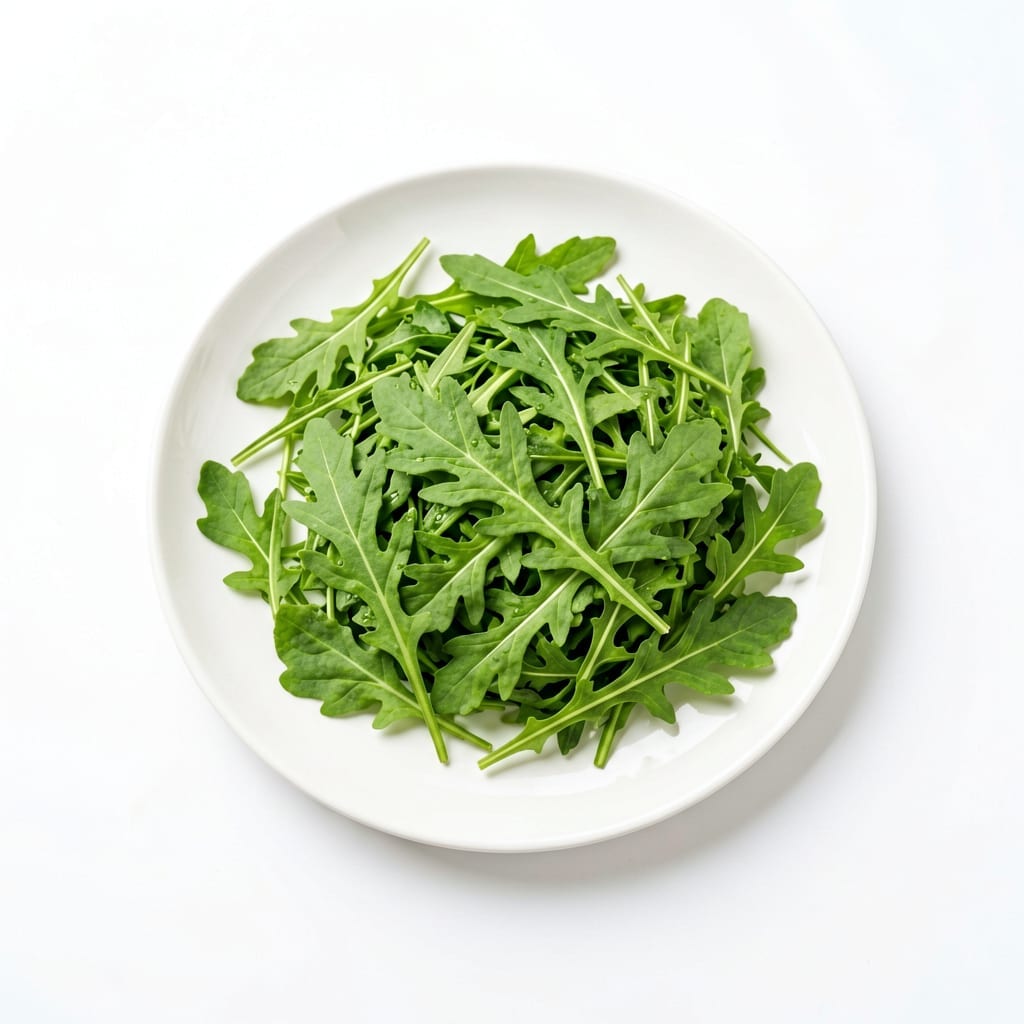
Leafy Green Vegetable
Arugula
Arugula is a peppery, nutrient-dense leafy green commonly used in salads and Mediterranean cuisine.
Arugula, also known as rocket or roquette, is a cruciferous leafy green with a distinct peppery, slightly bitter flavor. It is commonly used raw in salads, added to pizzas, or mixed into pasta dishes.
high-volume low-calorie leafy green
Typical serving · 20g
Common varieties · standard cultivated arugula, wild arugula (diplotaxis erucoides), baby arugula, rocket
Overall context score across nutrition, safety, and diet fit
At a glance
Quick facts
Simple indicators based on nutrition, processing, and diet fit.
The story
What makes it unique
Arugula is a very low-calorie, water-rich food composed mostly of water (92%) and minimal macronutrients. It digests quickly due to its low fiber and fat content, providing low but efficient satiety per volume. Its macronutrient profile is negligible, but it is dense in micronutrients like vitamin K and nitrates. As a raw, unprocessed plant, its cellular structure remains intact until chewing.
Varieties: standard cultivated arugula · wild arugula (diplotaxis erucoides) · baby arugula · rocket
Per 100g
Nutrition breakdown
Macro balance and key metrics at a glance.
Energy
Density 0.25 kcal/g
Protein
Carbs
Fat
Fiber
Sugar
2.1 g
Sodium
27 mg
Potassium
369 mg
Glycemic index
0
Glycemic load
0
Water content
92%
Standout compounds
Nutrient highlights
Vitamin K
highEssential for blood clotting and bone metabolism
Dietary Nitrates
highLowers blood pressure and improves exercise efficiency
Vitamin A
moderateSupports vision, immune function, and skin health
Glucosinolates
moderateSulfur compounds that support cellular detoxification
Wellness map
Health scores & processing
NOVA processing scale
unprocessed · Whole food
Raw arugula is a whole, unprocessed plant food harvested directly from the ground with no alterations.
Diet compatibility
- Weight loss
- Muscle gain
- Diabetes
- Gut health
- Low carb
- High protein
- Heart health
Relative standing
Food rankings
Qualitative ranks compared to similar whole foods.
- Satietygood
- Blood sugarexcellent
- Nutrient densityexcellent
- Fitness fuelgood
- Processing qualityexcellent
Eat with confidence
Food safety profile
Raw arugula carries a moderate risk of bacterial contamination from soil and water. Thorough washing is required to minimize pathogen risk.
Evidence confidence 90%
- Pesticidesmoderate
- Antibioticslow
- Heavy metalslow
- Contaminationmoderate
Watch for
- e. coli
- salmonella
- pesticide residue
Safer choices
Organically grown arugula reduces pesticide exposure. Pre-washed packaged greens offer convenience but still carry bacterial risk if consumed past expiration.
Prep tips
Wash thoroughly under cold running water, separating the leaves to remove soil and potential bacteria. Pat dry or use a salad spinner.
Leafy greens are frequently associated with foodborne illness outbreaks due to farm irrigation practices and handling.
Deep dive
Health analysis
How this food may fit different goals and preparation choices.
Weight loss
Extremely low energy density allows large portion sizes for minimal calories, increasing meal volume without caloric penalty.
Blood sugar
Virtually zero digestible carbohydrates result in no glycemic impact, making it ideal for glucose management.
Fitness & energy
Dietary nitrates enhance vasodilation, improving oxygen delivery to muscles during cardiovascular exercise.
Gut health
Provides mild fiber and bitter compounds that stimulate digestive enzyme production and support healthy bowel movements.
Processing quality
A completely unprocessed whole food, retaining all natural enzymes, vitamins, and phytonutrients.
Food safety
As a raw leafy green, it is susceptible to bacterial contamination from agricultural runoff, requiring strict washing protocols.
Common mistakes
Drowning arugula in heavy, high-calorie salad dressings completely negates its low-calorie advantage for weight loss.
Best preparation
Best consumed raw in salads or lightly wilted as a bed for hot dishes. Overcooking destroys its delicate flavor and vitamin C content.
Practical guide
Best use cases
When and how this food fits real eating patterns.
High-volume low-calorie salads
Use as a base for large salads to maximize fullness without overconsuming calories.
Pre-workout nitrate boost
Consume a couple of hours before cardio to enhance nitric oxide production and blood flow.
Nutrient-dense pizza topping
Add fresh arugula on top of cooked pizza for a fresh, peppery contrast and a vitamin boost.
Low-carb sandwich wrap
Use large arugula leaves in place of bread or tortillas for a gluten-free, low-carb wrap.
Balance sheet
Pros & cons
Upsides
- Very low in calories and carbohydrates
- High in blood-pressure-lowering dietary nitrates
- Excellent source of vitamin K for bone health
- Distinct peppery flavor enhances bland dishes
- Contains cancer-fighting glucosinolates
Trade-offs
- Highly perishable and wilts quickly
- Peppery flavor can be too intense for some palates
- Very low in protein and healthy fats
- Requires thorough washing to remove grit and bacteria
- Not substantial enough to be a standalone meal
Fit check
Who is it for?
Great match
- high-volume eating
- blood pressure management
- low-carb and keto diets
- diabetics seeking zero-glycemic greens
Consider alternatives
- high-protein diets
- those on warfarin who cannot maintain consistent vitamin K intake
- people seeking calorie-dense energy sources
Side by side
How it compares
Open the full head-to-head analysis for nutrition, safety, and practical tradeoffs.
This food
Arugula
VS90% alike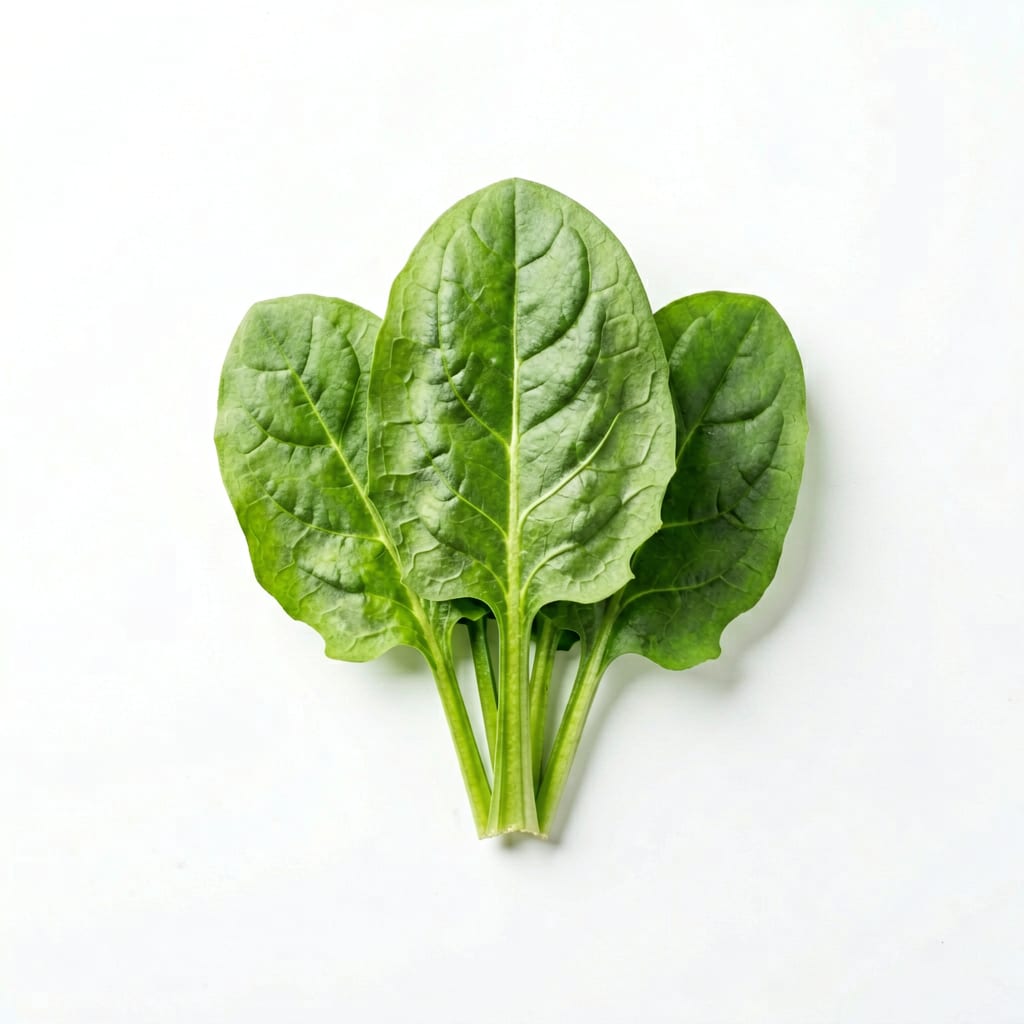
Compare with
Spinach
Spinach is milder and higher in iron, while arugula offers more nitrates and a distinct peppery kick.
Arugula provides more nitrates for blood flow and a peppery flavor, while spinach is milder and higher in iron and folate.
This food
Arugula
VS80% alike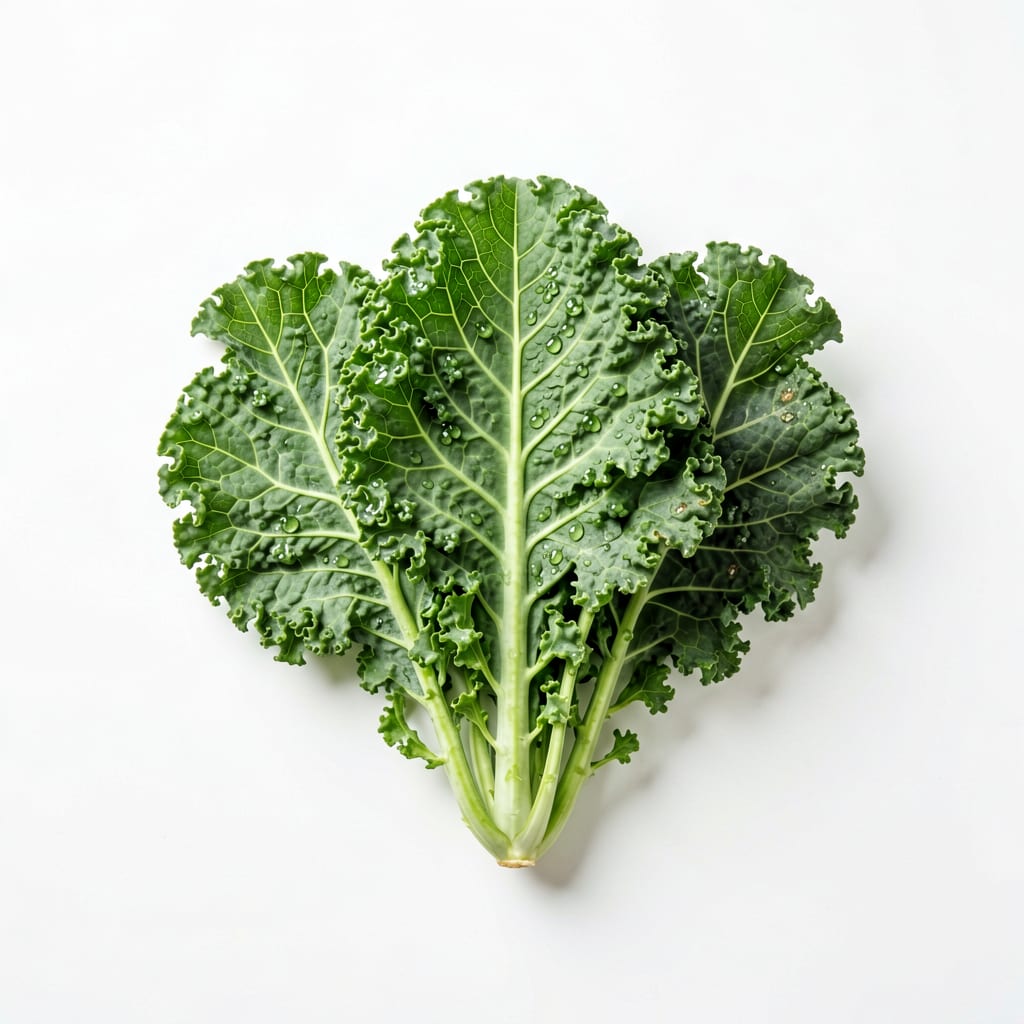
Compare with
Kale
Kale is denser in fiber and vitamins per calorie, but arugula is easier to eat raw in large quantities.
Kale offers more fiber and vitamin C per serving, but arugula is lower in calories and easier to chew raw in large volumes.
This food
Arugula
VS75% alike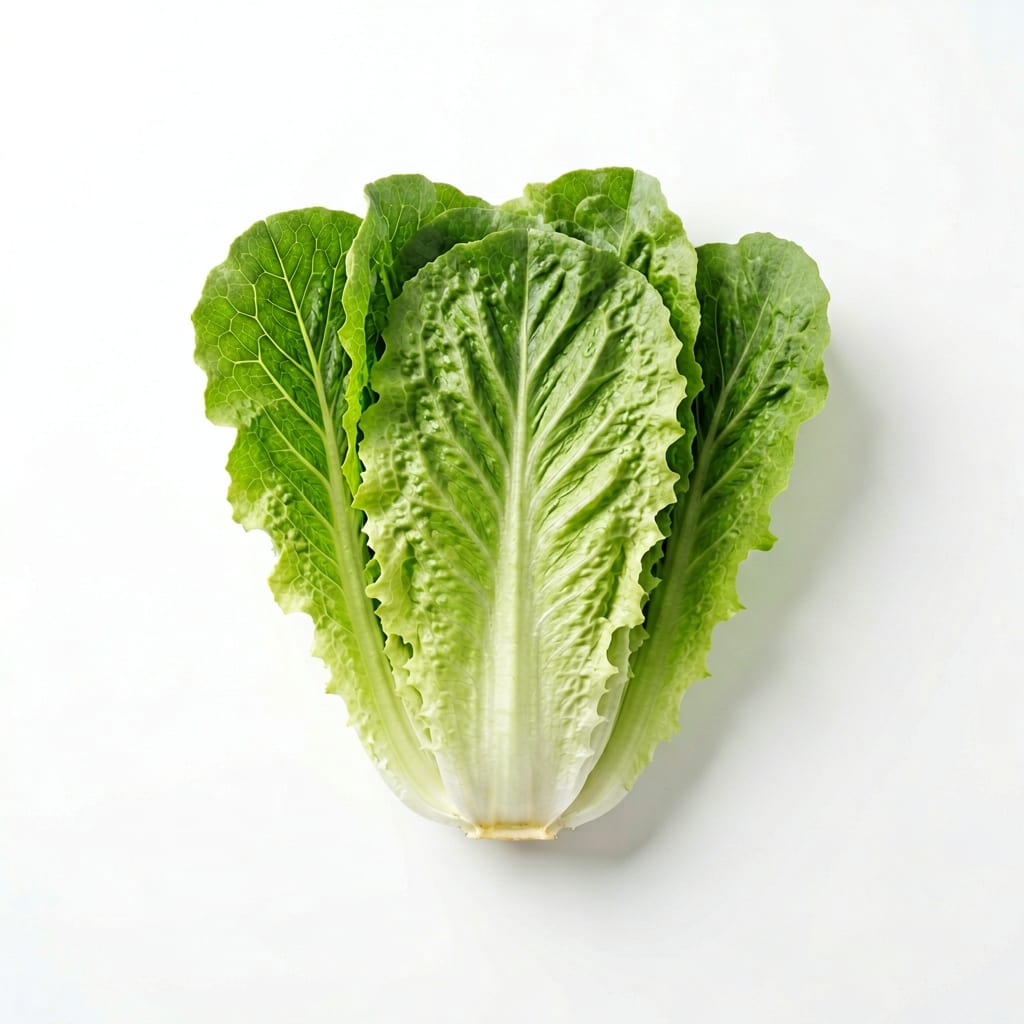
Compare with
Romaine Lettuce
Romaine is crisp and mild, whereas arugula is tender and peppery with higher nutrient density.
Arugula is far more nutrient-dense and rich in nitrates than romaine, which primarily provides crunch and water volume.
This food
Arugula
VS85% alike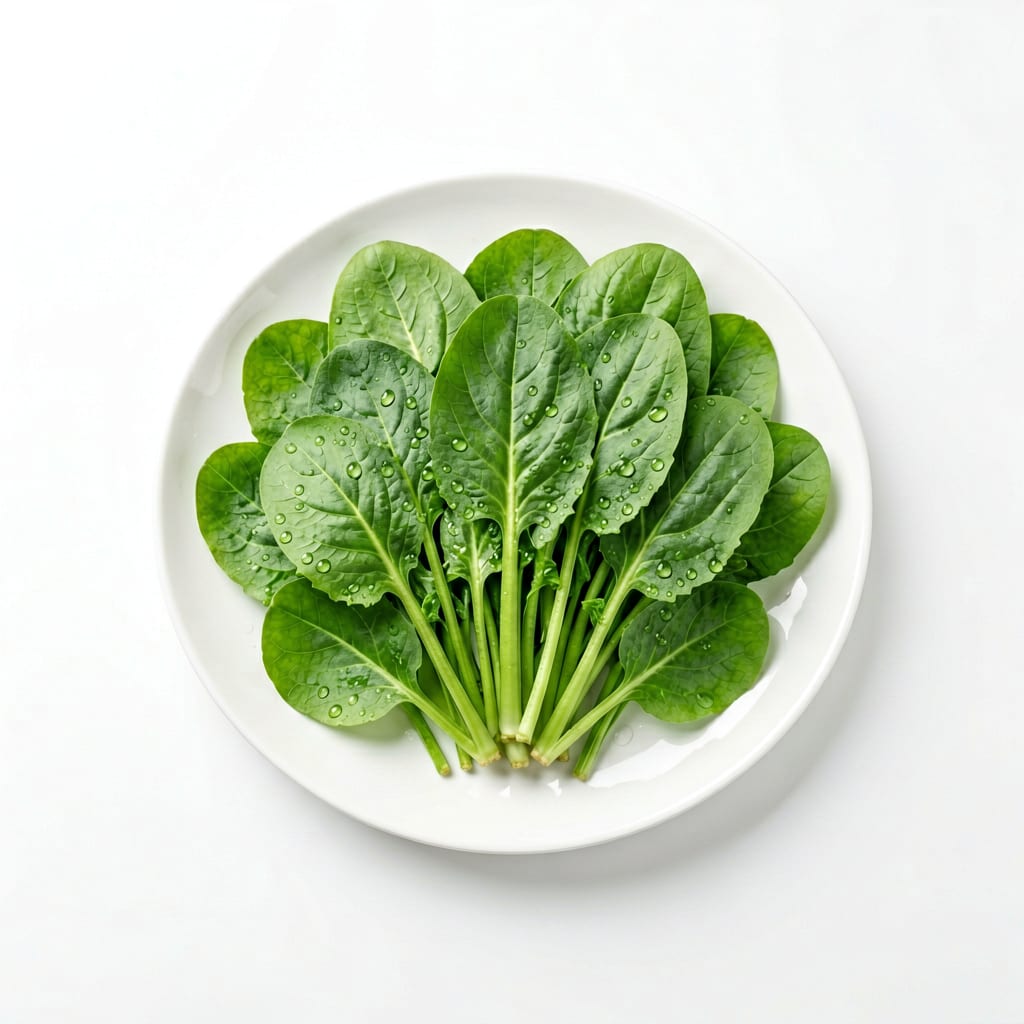
Compare with
Watercress
Watercress is slightly more nutrient-dense, but arugula is more accessible and affordable.
Watercress and arugula are both peppery, nutrient-dense greens, but watercress slightly edges out arugula in overall vitamin density.
This food
Arugula
VS60% alike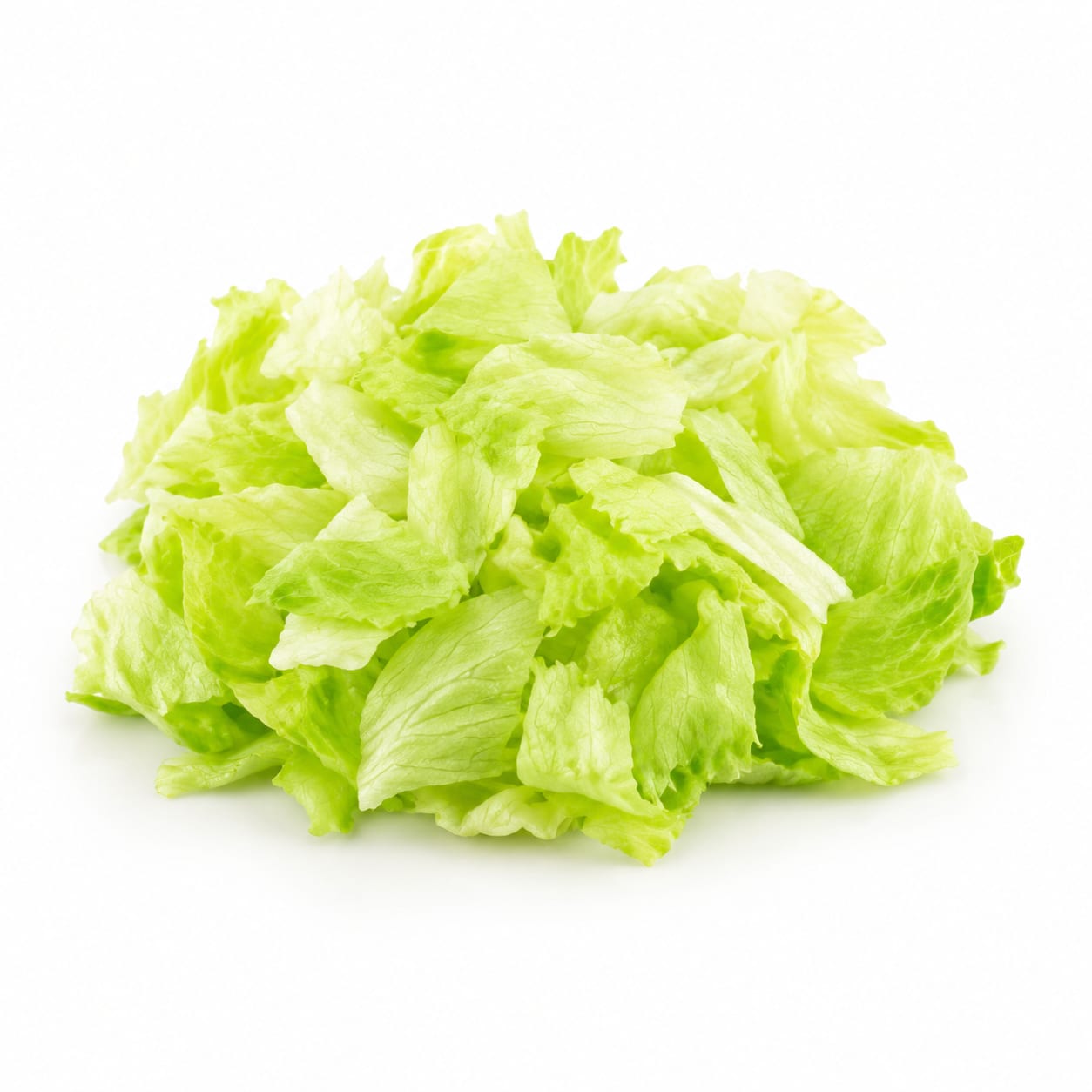
Compare with
Iceberg Lettuce
Arugula is vastly superior in nutrients and flavor, while iceberg provides cheap, mild crunch.
Arugula is dramatically more nutritious than iceberg lettuce, offering vitamins and nitrates that iceberg completely lacks.
This food
Arugula
VS70% alike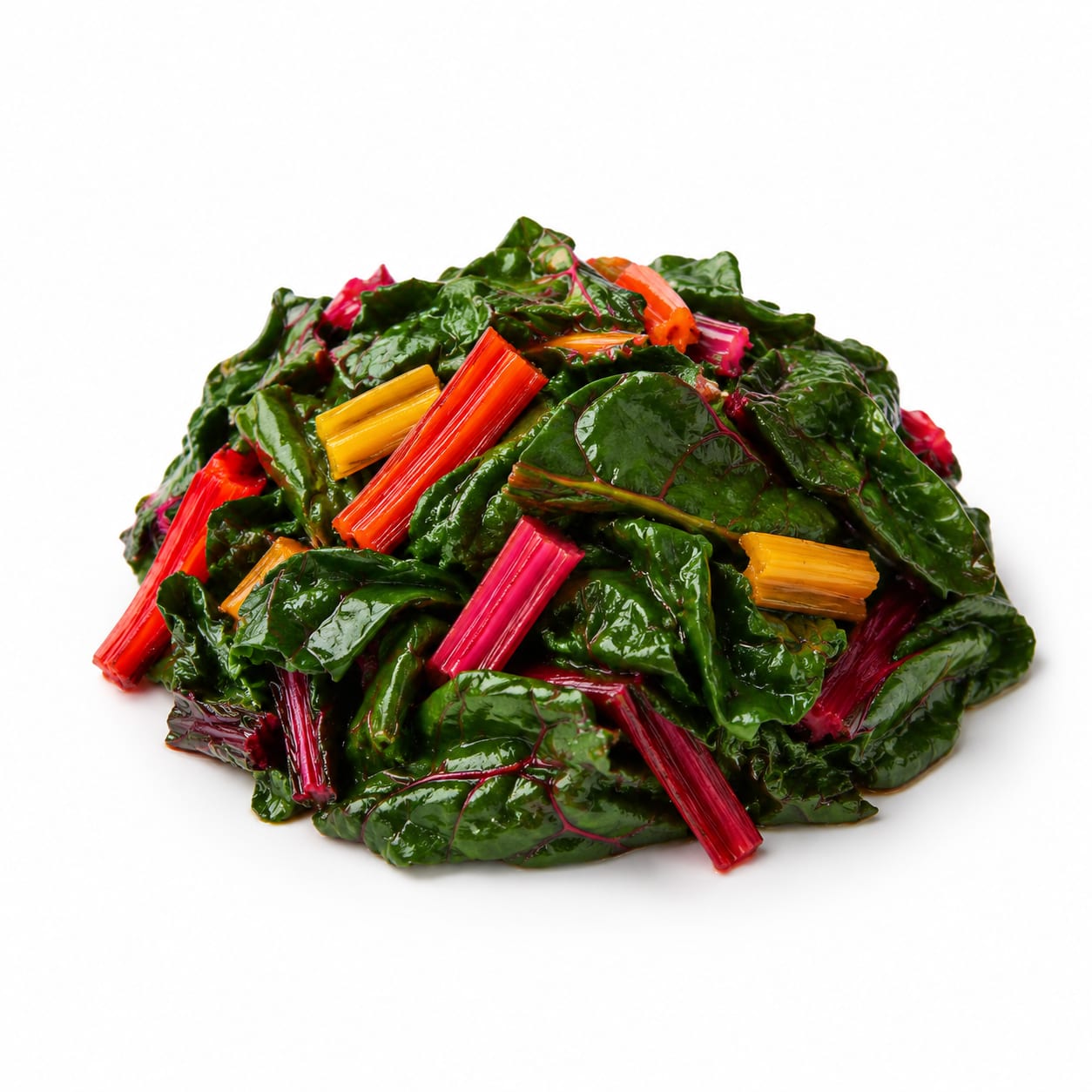
Compare with
Swiss Chard
Swiss chard is better for cooking and has more magnesium, while arugula is better raw.
Swiss chard holds up better to cooking and offers more magnesium, while arugula is a better raw, low-calorie salad base.
This food
Arugula
VS75% alike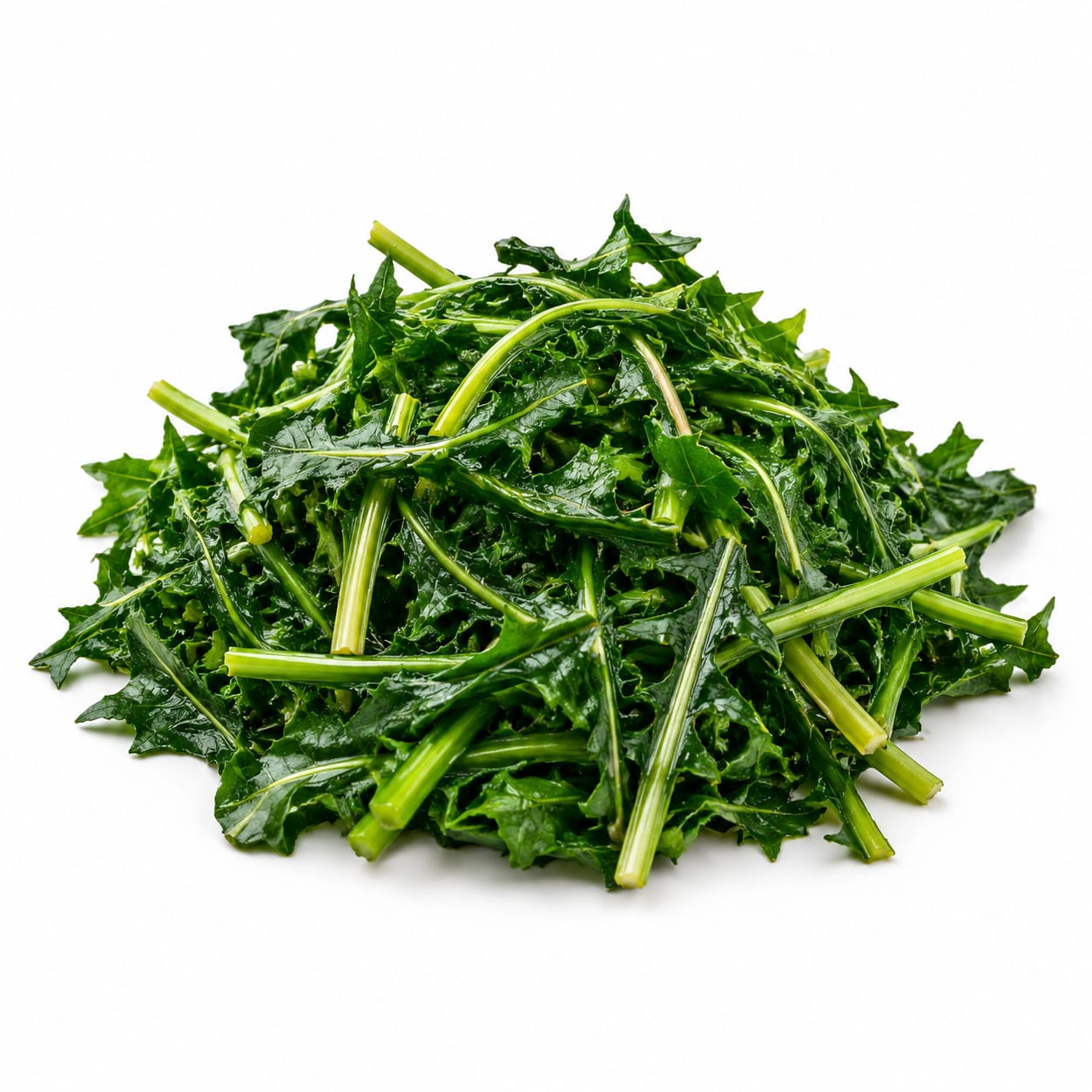
Compare with
Dandelion Greens
Dandelion greens are more bitter and diuretic, while arugula is more universally palatable.
Dandelion greens are more intensely bitter and support liver function, while arugula is milder and better for everyday salads.
This food
Arugula
VS65% alike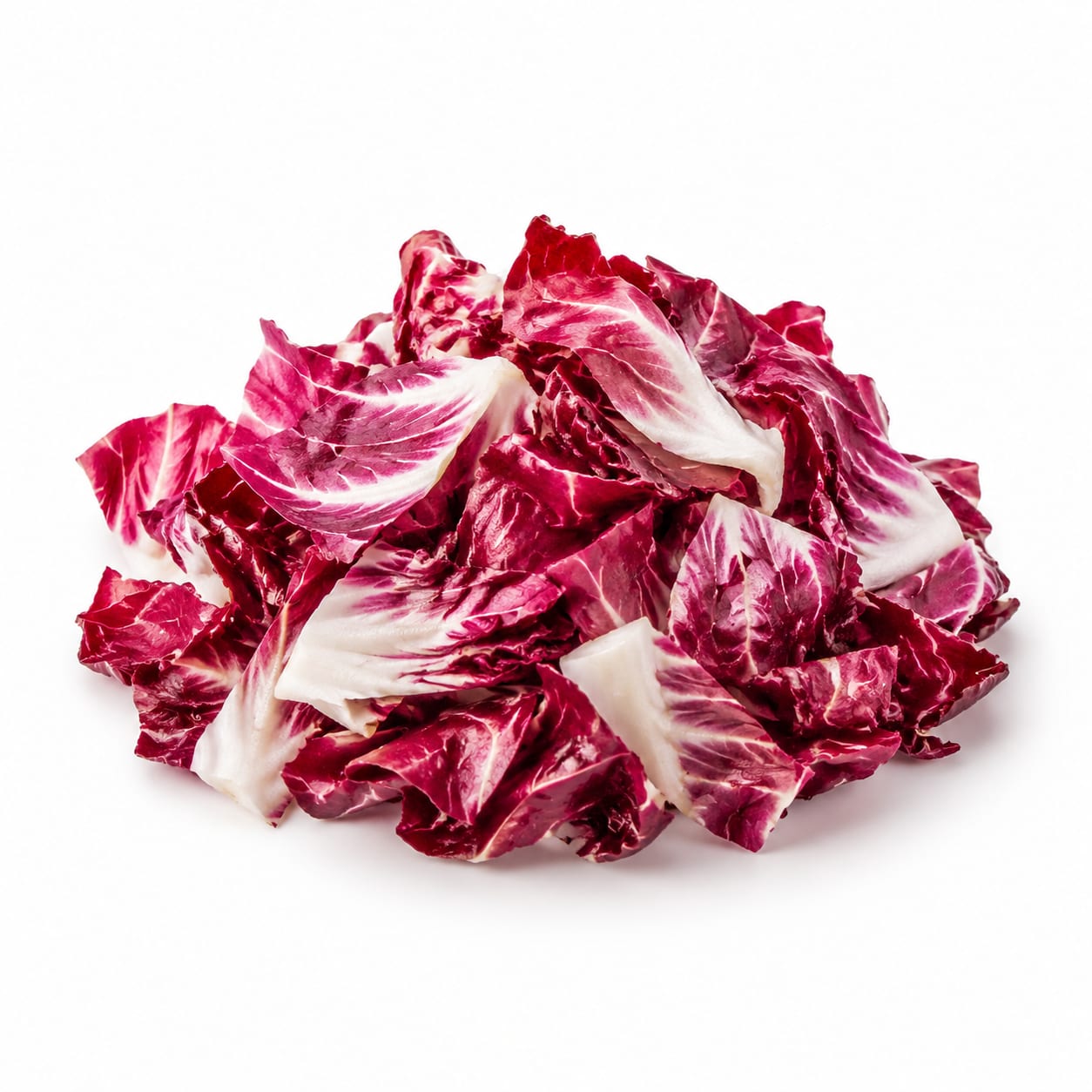
Compare with
Radicchio
Radicchio provides crunch and color, while arugula offers more folate and nitrates.
Radicchio adds crisp texture and red pigments, while arugula provides more blood-pressure-lowering nitrates and a different bitter profile.
This food
Arugula
VS65% alike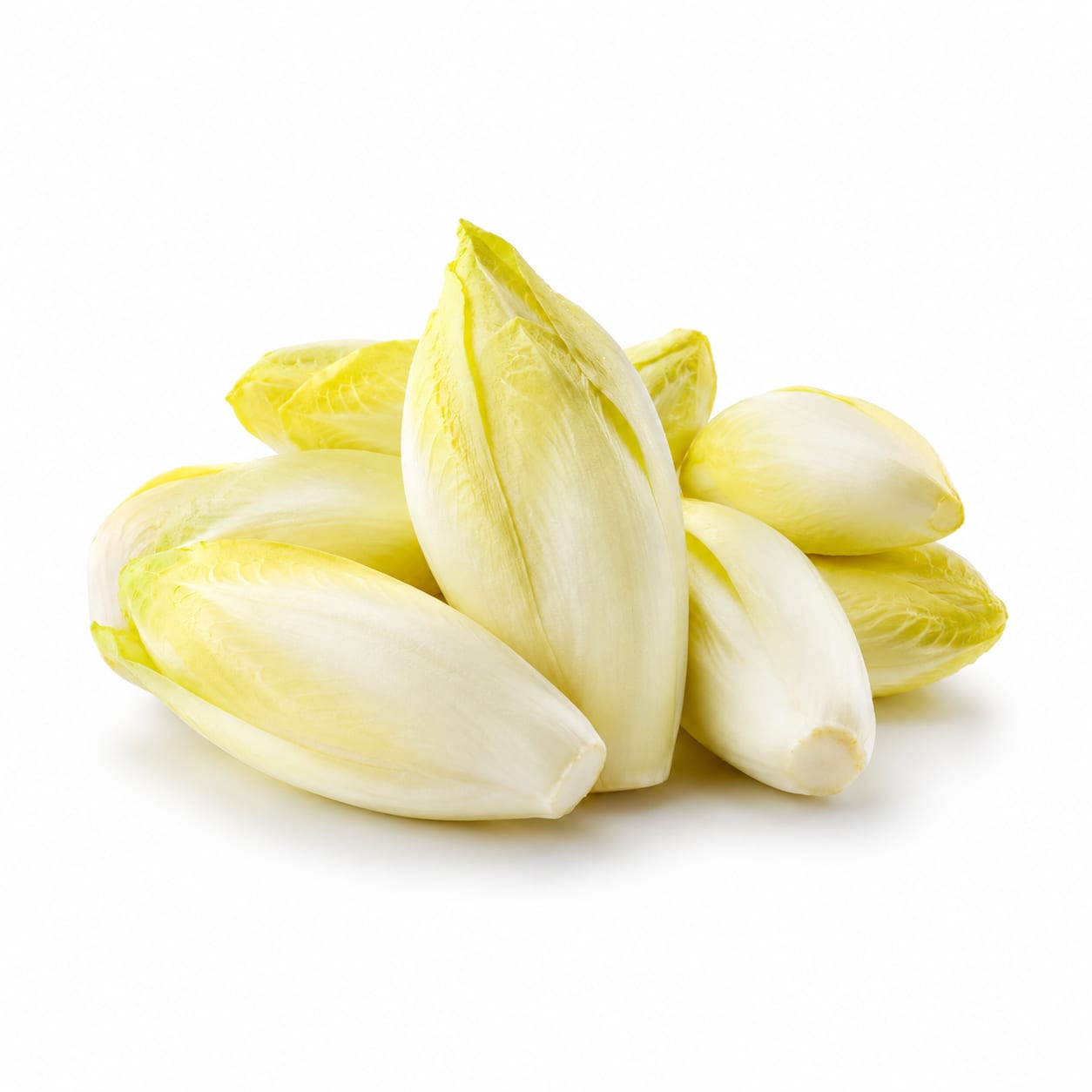
Compare with
Endive
Endive is crisp and boat-shaped for dips, while arugula is leafy and better for bulk salads.
Endive is crisp and ideal for low-carb appetizers, whereas arugula is better for mixing into large, nutrient-dense salads.
This food
Arugula
VS60% alike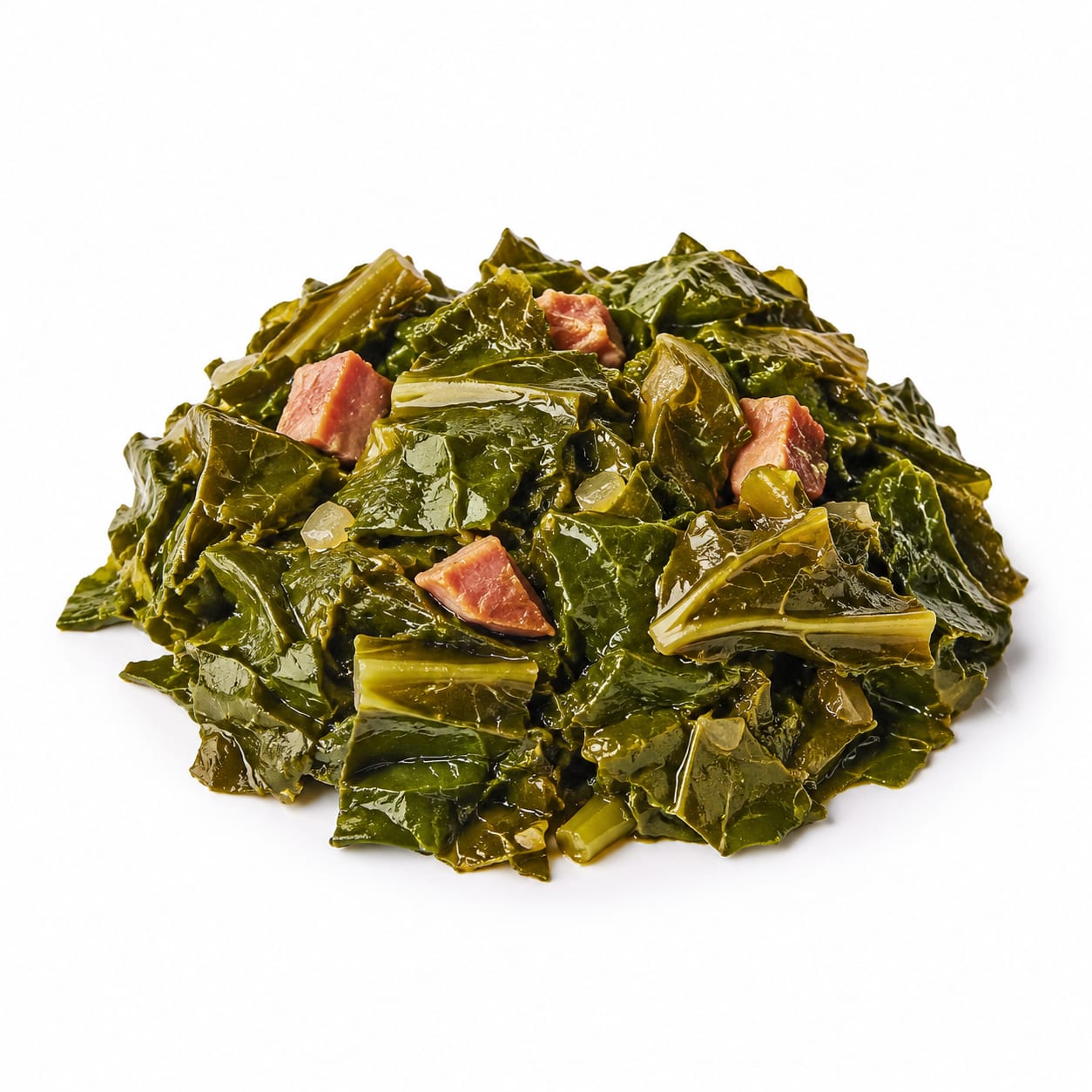
Compare with
Collard Greens
Collards are tough and require cooking, while arugula is delicate and best raw.
Collard greens are thicker, higher in fiber, and require cooking, while arugula is a delicate, raw salad green with more nitrates.
Common questions
FAQ
Answers aligned with how people search for this food.
Is arugula good for weight loss?
Yes, arugula is excellent for weight loss. It provides only 25 calories per 100 grams, allowing you to eat large volumes to feel full without consuming excess calories.
What is the difference between arugula and spinach?
Arugula has a distinct peppery, slightly bitter flavor, while spinach is milder and slightly sweet. Spinach is higher in iron and folate, but arugula provides more dietary nitrates for blood flow.
Can diabetics eat arugula?
Yes, arugula is highly recommended for diabetics. It contains almost zero digestible carbohydrates and has no impact on blood sugar levels.
Why does arugula taste peppery?
The peppery flavor comes from glucosinolates, which are sulfur-containing compounds found in cruciferous vegetables. These compounds also break down into cancer-fighting agents in the body.
Do you need to wash pre-washed arugula?
While pre-washed arugula is treated for safety, food safety experts still recommend rinsing it under cold water to further reduce the risk of residual bacteria like E. coli.
Is arugula high in nitrates?
Yes, arugula is one of the best dietary sources of natural nitrates, which your body converts into nitric oxide to help lower blood pressure and improve exercise performance.
Can you eat arugula every day?
Yes, eating arugula daily is safe and beneficial for most people. It provides a steady source of vitamin K, vitamin A, and antioxidants, though those on blood thinners should maintain consistent intake.
Is cooked arugula still healthy?
Yes, but raw arugula retains more vitamin C and glucosinolates. Lightly wilting it preserves most nutrients while mellowing the bitter flavor.
Transparency
Data confidence
Estimated confidence for nutrition data, interpretation, safety notes, and comparisons.
Nutrition data
Health analysis
Food safety
Comparisons