
Nutrition comparison
Arugula vs Swiss Chard: Nutrition, Oxalates, and Best Uses
Comparing Arugula and Swiss Chard? Discover which leafy green is safer for kidneys, better for salads, and packed with more vitamins.
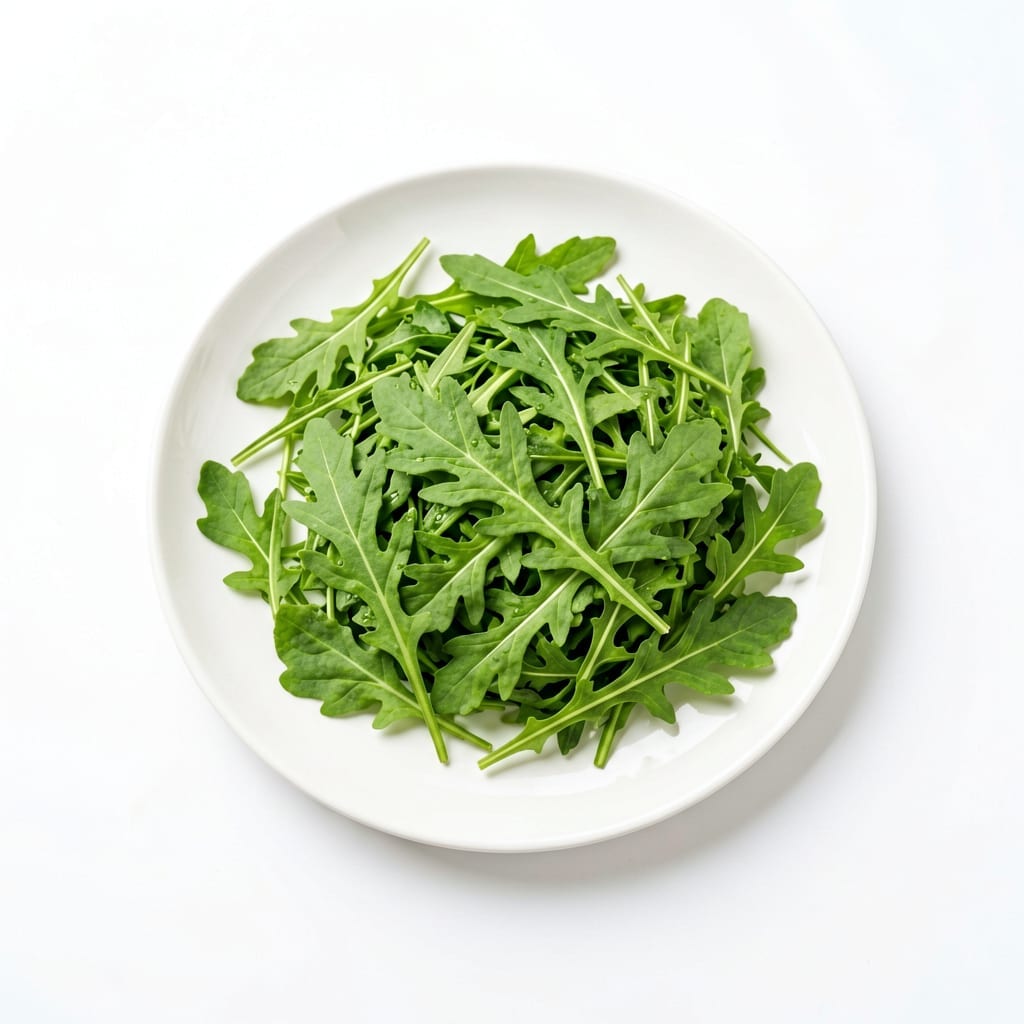
Arugula
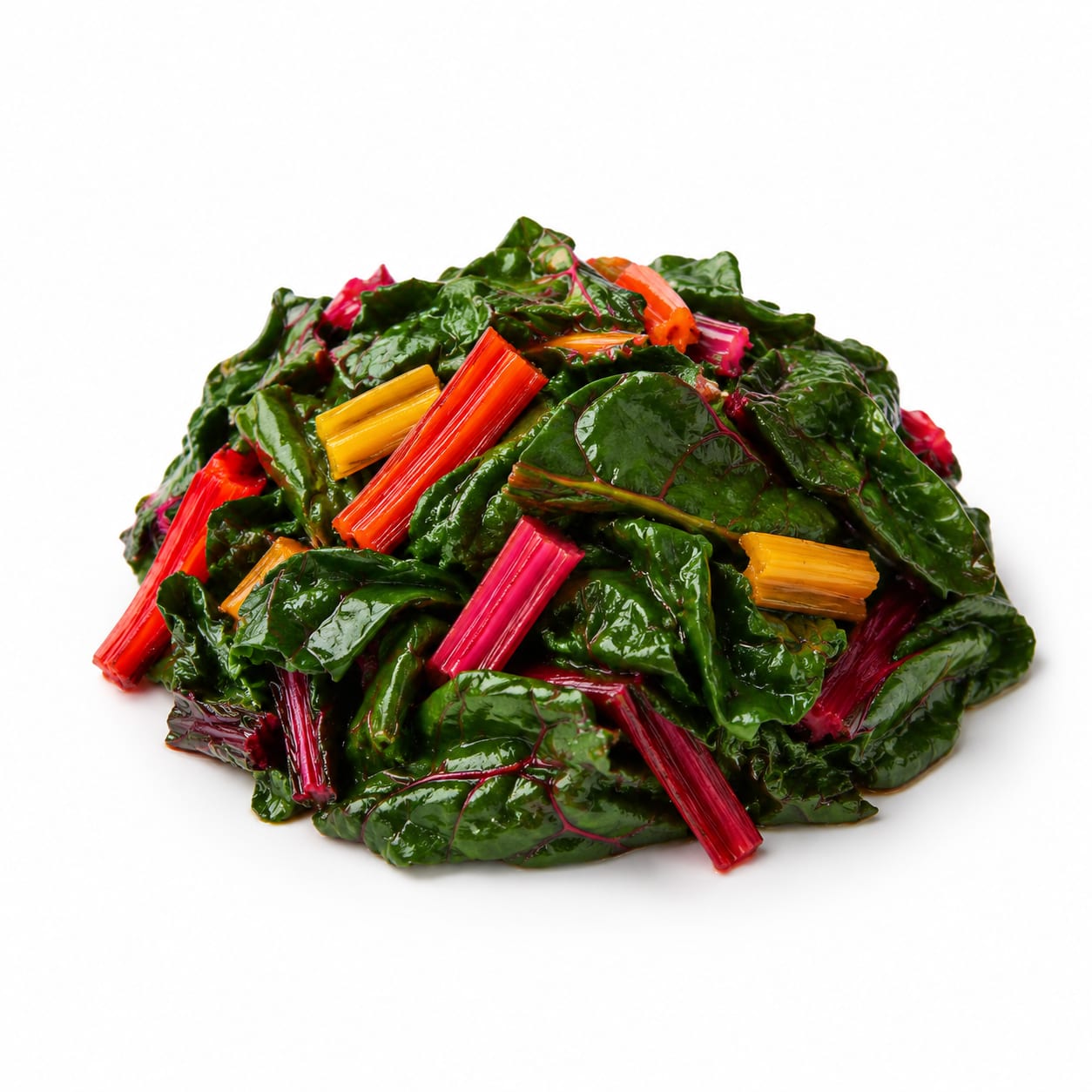
Swiss Chard
Arugula wins for raw salads and low oxalate needs, while Swiss chard dominates for cooked dishes and massive mineral hits.
Arugula scores slightly higher for daily practicality and safety, while Swiss chard's superior mineral content is slightly offset by its oxalate burden and cooking requirement.
Arugula is safer for kidneys and easier to use raw; Swiss chard offers more magnesium and potassium but brings high oxalates that require cooking.
At a glance
Executive summary
Overall
It depends
Healthier
It depends
More practical
Arugula
Daily use
Arugula
Key comparison lenses
Oxalate content and kidney safety
Swiss chard is notoriously high in oxalates which can cause kidney stones, while Arugula is one of the lowest oxalate greens available.
Raw vs cooked culinary use
Arugula excels as a raw salad base, whereas Swiss chard requires cooking to neutralize oxalates and improve texture.
Mineral density
Swiss chard provides massive amounts of magnesium and potassium, significantly outpacing Arugula in pure mineral volume.
Antioxidant diversity
Arugula offers cancer-fighting glucosinolates, while Swiss chard provides unique anti-inflammatory betalains.
Best choice for
Arugula
- Kidney stone prone individuals
- Raw salad lovers
- Quick meal prep
Swiss Chard
- Cooked side dish lovers
- Those needing magnesium boosts
- Bone health focus
Least suitable for
Arugula
- People wanting a substantial cooked green
- Those seeking high magnesium
Swiss Chard
- People prone to calcium oxalate kidney stones
- Those who want a raw salad base
Deep comparison
Dimension by dimension
Each lens scores both foods and breaks down who each option suits.
- Dimension 1 · Priority 95Arugula
Oxalate Content & Kidney Safety
Arugula · 95Swiss Chard · 30Arugula is a low-oxalate green, whereas Swiss chard is extremely high in oxalates.
Tradeoff
Swiss chard's nutrient density comes with a compound that can form kidney stones in susceptible people, while Arugula is much safer.
Why it matters
High oxalate greens can contribute to painful kidney stones and interfere with mineral absorption if eaten raw.
Real-world impact
If you have a history of kidney stones, eating a large raw Swiss chard salad is risky, but a raw Arugula salad is perfectly safe.
Arugula
- Kidney stone prevention
- Safe raw consumption
- Better mineral bioavailability
Better for
- None significant for oxalates
Worse for
Swiss Chard
- None for oxalates
Better for
- Kidney stone risk
- Mineral blocking when raw
Worse for
- Dimension 2 · Priority 85Swiss Chard
Micronutrient Density
Arugula · 70Swiss Chard · 92Swiss chard delivers significantly more vitamin K, magnesium, and potassium per serving than Arugula.
Tradeoff
You get more minerals with Swiss chard, but you also get high oxalates that can block their absorption.
Why it matters
Minerals like magnesium are crucial for muscle recovery and sleep, making Swiss chard a powerhouse if prepared correctly.
Real-world impact
A cooked Swiss chard side dish can cover over half your daily magnesium needs, while Arugula offers lighter, more spread-out nutrient coverage.
Arugula
- Balanced nutrient absorption
- Consistent daily intake without blockers
Better for
- Lower overall mineral volume
Worse for
Swiss Chard
- Bone health
- Muscle cramp prevention
- Blood pressure regulation
Better for
- Calcium absorption due to oxalates
Worse for
- Dimension 3 · Priority 80Arugula
Culinary Versatility & Ease
Arugula · 90Swiss Chard · 65Arugula is delicious raw or lightly wilted, while Swiss chard really requires cooking to be enjoyable and safe.
Tradeoff
Arugula saves time with zero prep needed for salads, but Swiss chard needs heat and water to reduce its harsh raw texture and oxalates.
Why it matters
Convenience dictates what you actually eat daily. If a green is hard to prep, you might skip it.
Real-world impact
Throwing Arugula into a sandwich takes 5 seconds; preparing Swiss chard requires washing, chopping, and sautéing.
Arugula
- Quick salads
- Sandwiches and wraps
- No-cook meals
Better for
- Lacks the substantial bite of a cooked green
Worse for
Swiss Chard
- Hearty cooked side dishes
- Soups and stews
Better for
- Poor raw salad base
- Requires cooking time
Worse for
- Dimension 4 · Priority 75It depends
Antioxidant & Phytonutrient Profile
Arugula · 85Swiss Chard · 85Arugula provides glucosinolates which support detox, while Swiss chard offers betalains which fight inflammation.
Tradeoff
You get cancer-fighting compounds in Arugula and anti-inflammatory pigments in Swiss chard.
Why it matters
Different antioxidants protect the body in different ways, making variety more important than absolute amounts.
Real-world impact
Eating Arugula supports liver detox pathways, while the colorful stems and leaves of Swiss chard help calm systemic inflammation.
Arugula
- Cellular detoxification
- Cancer-fighting potential
Better for
- Lower anti-inflammatory betalains
Worse for
Swiss Chard
- Inflammation reduction
- Antioxidant variety from colored stems
Better for
- Lower glucosinolate content
Worse for
Timeline
Health impact over time
Short-term
Hours to days
Arugula
- Light, energizing feeling
- Quick digestion
- Peppery flavor that stimulates appetite
Swiss Chard
- Very filling when cooked
- Raw leaves cause a chalky mouthfeel due to oxalates
- Satisfying warm side dish
Long-term
Months to years
Arugula
- Supports liver health and detox
- Safe for long-term daily consumption without kidney stress
- Consistent vitamin K for bone health
Swiss Chard
- Excellent for bone density and blood health if cooked
- Risk of kidney stones if consumed raw frequently
- Strong anti-inflammatory benefits
Risk profile
Safety & processing
Both Arugula and Swiss chard are whole, natural vegetables with no processing or artificial additives when bought fresh.
Arugula
Pesticide residue
mediumLeafy greens often retain surface pesticides; washing thoroughly is important.
High natural nitrates
lowNaturally occurring, but can be a concern for infants if juiced in large amounts.
Swiss Chard
High oxalates
highSwiss chard is one of the highest oxalate greens, posing a significant kidney stone risk and blocking calcium absorption if eaten raw.
Pesticide residue
mediumLike most leafy greens, conventional Swiss chard can carry pesticide residue.
Who wins for whom
Audience fit
Same foods, different winners depending on your goal.
children
ArugulaArugula is safer for small kidneys due to low oxalates, though its peppery taste might be less popular than milder greens.
daily consumption
ArugulaArugula is safer for daily raw consumption due to its low oxalate content and requires no special preparation.
diabetes
It dependsBoth Arugula and Swiss chard are virtually zero-carb, non-starchy greens that will not spike blood sugar.
elderly
ArugulaArugula provides bone-building vitamin K without the kidney stone risk that elderly individuals are more prone to with Swiss chard.
muscle gain
Swiss ChardSwiss chard provides significantly more magnesium and potassium, which are crucial for muscle function and recovery.
weight loss
ArugulaArugula is extremely low in calories and can be eaten in massive raw volumes to fill you up without cooking.
Your move
Decision guide
Choose Arugula
- You are prone to kidney stones
- You want a quick, no-cook salad base
- You prefer a peppery, fresh flavor
Choose Swiss Chard
- You want a hearty, cooked green
- You need a magnesium and potassium boost
- You have no history of kidney stones
Either works if
- You want to rotate greens for broad nutrient coverage
- You are looking to increase your daily vitamin K intake
Avoid both if
- You are on blood thinners like Warfarin and cannot maintain a consistent daily vitamin K intake
Final recommendation
Keep Arugula as your daily raw salad staple for its safety and convenience, and enjoy Swiss chard occasionally as a cooked side dish to maximize your mineral and antioxidant variety.
Practical
Consumer tips
- 1
Always cook Swiss chard and discard the cooking water to slash oxalate levels by up to 87%.
- 2
Use Arugula as a pizza topping added right after the oven for a fresh, peppery kick.
- 3
Rotate your greens weekly to avoid oxalate buildup and get a wider range of antioxidants.
- 4
If you find Arugula too peppery, mix it with milder greens like spinach or lettuce.