
Nutrition comparison
Romaine Lettuce vs Arugula: Which Green Is Healthier for You?
Compare Romaine Lettuce and Arugula side by side. Discover which leafy green offers more nutrition, better flavor versatility, and safer daily eating.
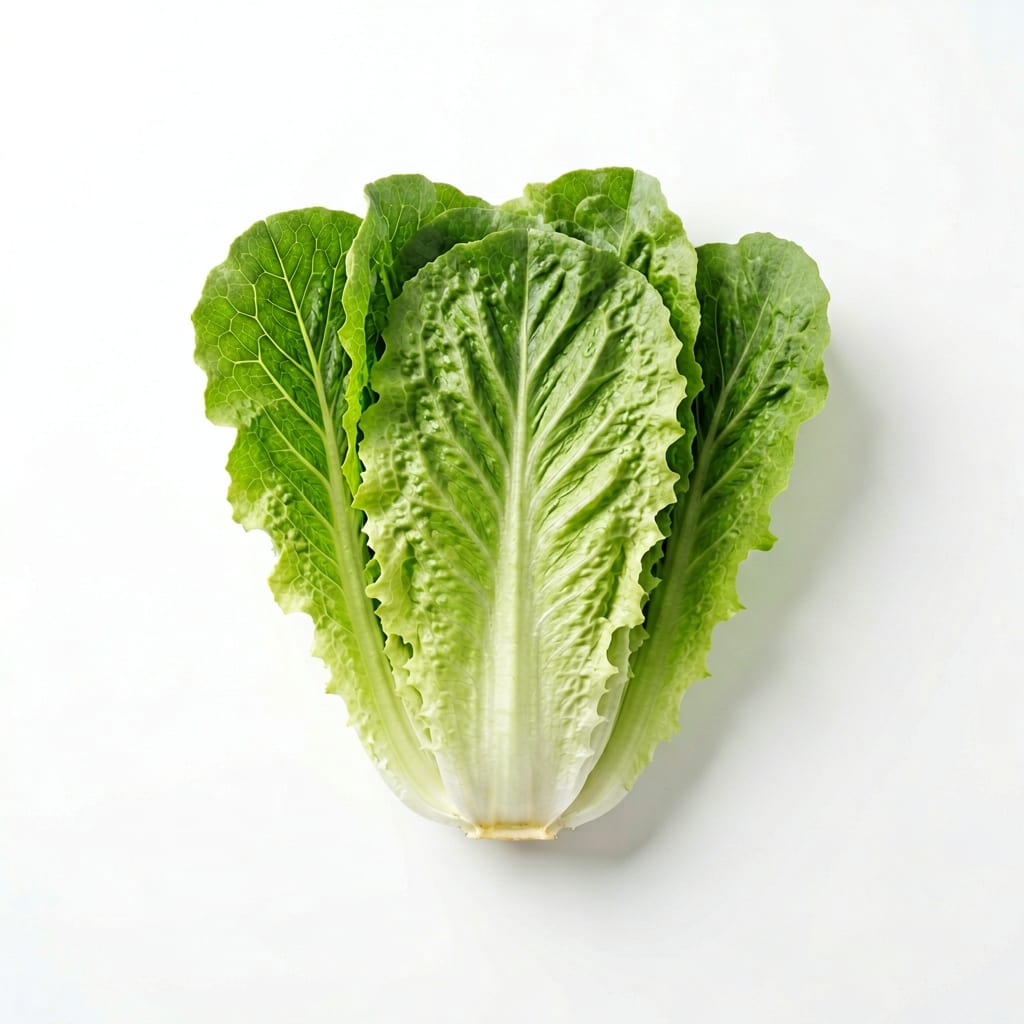
Romaine Lettuce
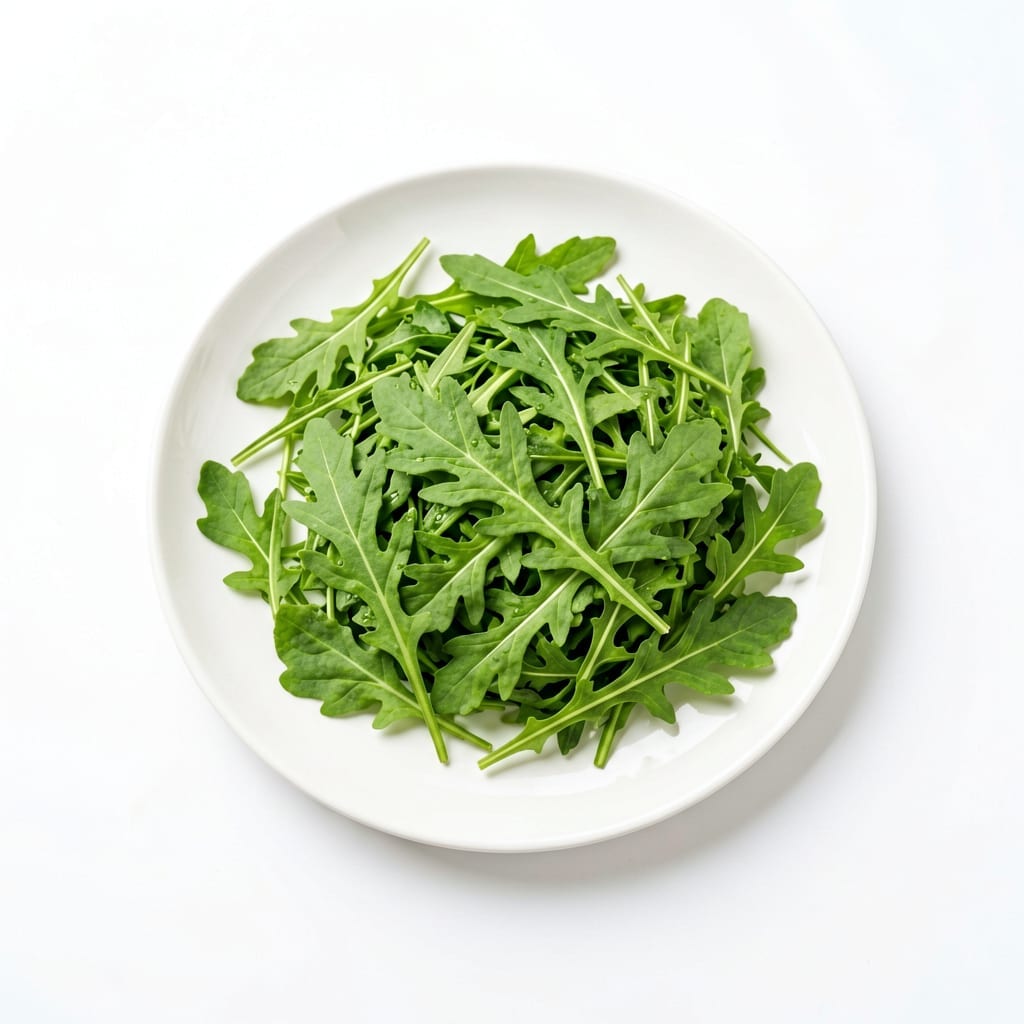
Arugula
Arugula delivers more nutrition per leaf, but Romaine offers more volume, crunch, and everyday versatility.
Arugula scores higher for nutrition and health benefits, but Romaine stays competitive through affordability, volume, and everyday practicality. The gap reflects Arugula's superior nutrient density and antioxidant content, not a dramatic quality difference.
Nutrient density and bold flavor versus bulk, mildness, and wider culinary adaptability.
At a glance
Executive summary
Overall
It depends
Healthier
Arugula
More practical
Romaine Lettuce
Daily use
Romaine Lettuce
Key comparison lenses
nutrient density per calorie
Both are extremely low-calorie greens, so the real question is which packs more nutrition per bite
salad base selection
Users are likely deciding which green to build meals around
food safety and contamination risk
Romaine has had notable E. coli outbreaks, making safety a genuine concern
flavor and culinary versatility
Arugula's peppery bite limits some uses while enhancing others
daily eating sustainability
Mild flavor makes Romaine easier to eat every day without fatigue
Best choice for
Romaine Lettuce
- People who want a neutral salad base that pairs with anything
- Families needing affordable, kid-friendly greens
- Anyone meal-prepping bulk salads for the week
- Wrap and sandwich lovers needing sturdy, crunchy leaves
Arugula
- Nutrition optimizers seeking maximum vitamins per calorie
- Home cooks wanting a peppery flavor boost without dressing
- People following anti-inflammatory or cancer-preventive eating patterns
- Those who enjoy bitter greens and sophisticated flavor profiles
Least suitable for
Romaine Lettuce
- People prioritizing peak nutrient density from their greens
- Anyone avoiding greens with recurring food safety recalls
- Those seeking bold flavor without heavy dressings
Arugula
- Picky eaters or children sensitive to bitter flavors
- Budget-conscious shoppers needing large volumes cheaply
- Anyone wanting a neutral crunch vessel for toppings
Deep comparison
Dimension by dimension
Each lens scores both foods and breaks down who each option suits.
- Dimension 1 · Priority 95Arugula
nutrient density
Romaine Lettuce · 55Arugula · 88Arugula delivers significantly more vitamins and minerals per calorie than Romaine, especially vitamin K, calcium, and folate.
Tradeoff
You get more nutrition from Arugula, but less total volume per serving, which means less physical fullness.
Why it matters
When calories are nearly identical, the food with more micronutrients gives you better return on every bite.
Real-world impact
A cup of Arugula covers more of your daily vitamin K needs than the same amount of Romaine, meaning your body gets more from less.
Romaine Lettuce
- Getting more stomach-filling volume per serving
Better for
- Lower return on nutritional investment per bite
Worse for
Arugula
- Maximizing vitamin and mineral intake per calorie
- Supporting bone health through higher vitamin K
- Getting more folate for cellular repair
Better for
- Smaller leaves mean less satisfying portions visually
Worse for
- Dimension 2 · Priority 90Arugula
antioxidant and anti-inflammatory power
Romaine Lettuce · 45Arugula · 85Arugula belongs to the cruciferous family and contains glucosinolates, compounds linked to cancer-fighting and anti-inflammatory effects.
Tradeoff
Romaine offers some beta-carotene but lacks the potent sulfur-containing compounds that make cruciferous greens special.
Why it matters
Chronic inflammation drives most lifestyle diseases. Arugula's compounds actively combat this at a cellular level.
Real-world impact
Regularly eating Arugula contributes to your body's defense system in ways Romaine simply cannot match.
Romaine Lettuce
- Providing beta-carotene for eye and skin health
Better for
- Missing the cruciferous advantage entirely
Worse for
Arugula
- Delivering glucosinolates that support detoxification pathways
- Reducing inflammatory markers over time
- Adding cancer-preventive compounds to your diet
Better for
- Stronger flavor may discourage eating enough to get full benefit
Worse for
- Dimension 3 · Priority 82Romaine Lettuce
culinary versatility
Romaine Lettuce · 85Arugula · 65Romaine's neutral crunch works in salads, wraps, sandwiches, and even grilling, while Arugula's peppery flavor limits some applications.
Tradeoff
Arugula elevates specific dishes but can overpower delicate flavors; Romaine stays out of the way and lets other ingredients shine.
Why it matters
A green you can use more ways gets eaten more often, reducing waste and increasing real-world vegetable intake.
Real-world impact
Romaine works as a wrap holder, a salad base, or a sandwich crunch layer. Arugula really shines as a finishing green or bold salad star.
Romaine Lettuce
- Building Caesar salads and chop salads
- Making lettuce wraps that hold together
- Adding crunch to sandwiches without changing flavor
- Grilling or charred side dishes
Better for
- Bland on its own, requires flavorful additions
Worse for
Arugula
- Pizza toppings and pasta finishes
- Peppery salad bases that need less dressing
- Elevating simple dishes with gourmet flavor
Better for
- Overpowers milder ingredients easily
- Wilts fast in warm dishes
- Too strong for delicate wraps
Worse for
- Dimension 4 · Priority 78Romaine Lettuce
satiety and eating volume
Romaine Lettuce · 82Arugula · 55Romaine's large, crisp leaves provide more physical bulk and crunch, leading to greater feelings of fullness per serving.
Tradeoff
More volume means more fullness but also more chewing effort for fewer nutrients compared to Arugula.
Why it matters
Physical fullness matters for weight management and meal satisfaction, especially in salads as main courses.
Real-world impact
A Romaine-based salad feels like a real meal. An Arugula-based salad can feel like a side dish unless you add substantial toppings.
Romaine Lettuce
- Making large satisfying salads that fill you up
- Creating meal-sized portions without extra calories
- Getting that satisfying crunch factor
Better for
- Lower nutrient density means you eat more for less nutritional payoff
Worse for
Arugula
- Adding flavor intensity without needing large volumes
Better for
- Small leaves and quick wilting reduce portion satisfaction
Worse for
- Dimension 5 · Priority 75Arugula
food safety
Romaine Lettuce · 50Arugula · 78Romaine has been linked to multiple major E. coli outbreaks in recent years, while Arugula has a cleaner safety track record.
Tradeoff
Romaine's larger supply chain and processing infrastructure increases contamination risk, though proper washing mitigates most concerns.
Why it matters
Foodborne illness from leafy greens is real and can be serious, especially for vulnerable populations.
Real-world impact
If you have young children, elderly family members, or a compromised immune system, Arugula carries less worry.
Romaine Lettuce
- Widely available with established safety protocols in major brands
Better for
- Multiple high-profile E. coli recalls since 2018
- Often grown in regions with recurring contamination issues
Worse for
Arugula
- Fewer historical contamination events
- Smaller supply chain reduces exposure points
- Less processing typically means fewer handling steps
Better for
- Still a raw green subject to standard produce risks
Worse for
- Dimension 6 · Priority 72Romaine Lettuce
cost and accessibility
Romaine Lettuce · 90Arugula · 60Romaine is cheaper per pound and available in every grocery store, while Arugula costs more and may require specialty sections.
Tradeoff
Paying more for Arugula gets you better nutrition, but Romaine's affordability makes consistent daily consumption easier.
Why it matters
The healthiest green only matters if you can afford to eat it regularly.
Real-world impact
A family of four can eat Romaine daily without budget strain. Arugula daily adds up noticeably over a month.
Romaine Lettuce
- Budget-friendly for large households
- Available everywhere including dollar stores and food banks
- Longer shelf life in whole-head form
Better for
- Lower nutritional value per dollar spent
Worse for
Arugula
- Worth the premium for nutrient-focused eaters
Better for
- Typically 50-100% more expensive per ounce
- Not always available in smaller or discount stores
- Pre-washed clamshell packaging costs even more
Worse for
Timeline
Health impact over time
Short-term
Hours to days
Romaine Lettuce
- Provides satisfying crunch and hydration from high water content
- Mild flavor encourages eating larger volumes of greens
- Very gentle on digestion with almost no bitterness
Arugula
- Peppery compounds may stimulate digestion and appetite
- Higher vitamin K supports blood clotting function quickly
- Bitter taste signals liver-supportive properties in traditional medicine
Long-term
Months to years
Romaine Lettuce
- Consistent vegetable intake supports heart health and weight management
- Beta-carotene contributes to eye health over decades
- Lower antioxidant load means less cellular protection than cruciferous alternatives
Arugula
- Glucosinolates may reduce cancer risk with regular consumption
- Higher vitamin K supports long-term bone density
- Anti-inflammatory compounds protect against chronic disease progression
- Nitrates in Arugula may support healthy blood pressure over time
Risk profile
Safety & processing
Both greens are whole, unprocessed foods. The main concern is pre-washed packaging, which uses chlorine washes and plastic clamshells. Buying whole heads or bunches is the most natural option for either.
Romaine Lettuce
E. coli contamination
highMultiple outbreaks linked to Romaine from 2018-2020, primarily from Central Coast California growing regions. Can cause severe illness, especially in children and elderly.
pesticide residue
mediumRomaine typically appears on EWG's Dirty Dozen list with detectable pesticide levels. Washing helps but does not remove all residues.
Arugula
pesticide residue
mediumLeafy greens generally carry pesticide residue. Arugula's smaller surface area may retain less than large Romaine leaves.
contamination from pre-washed packaging
lowClamshell Arugula undergoes washing that can spread bacteria across batches, though no major outbreaks have been associated with it.
Who wins for whom
Audience fit
Same foods, different winners depending on your goal.
children
Romaine LettuceKids generally prefer mild, crunchy Romaine over Arugula's peppery bite, making it easier to establish green-eating habits.
daily consumption
Romaine LettuceRomaine's neutral flavor and affordability make it easier to eat every single day without palate fatigue or budget strain.
diabetes
ArugulaArugula's higher nutrient density and anti-inflammatory compounds better support metabolic health and blood sugar regulation long-term.
elderly
ArugulaArugula's superior vitamin K and calcium content better supports bone health and fall prevention in aging populations.
muscle gain
It dependsNeither green significantly impacts muscle gain directly. Arugula's slightly higher nitrates may modestly support exercise performance.
weight loss
Romaine LettuceRomaine's larger volume and crunch create more physical fullness per calorie, making it easier to build satisfying low-calorie meals.
Your move
Decision guide
Choose Romaine Lettuce
- You want a versatile, affordable everyday salad base
- You're feeding kids or picky eaters who resist bitter flavors
- You make lettuce wraps or need sturdy sandwich crunch
- You're on a tight grocery budget and need maximum volume
- You meal-prep salads that sit in the fridge for days
Choose Arugula
- You want maximum nutritional payoff from your greens
- You enjoy or prefer peppery, bold flavors
- You're focused on anti-inflammatory eating patterns
- You eat smaller portions and want every bite to count
- You use greens as a flavor enhancer, not just a base
Either works if
- You simply need more leafy greens in your diet
- You're building a mixed salad and can use both
- You're looking for low-calorie hydration and fiber
- You want something raw and crunchy as a side
Avoid both if
- You're on blood thinners and need consistent vitamin K intake without fluctuation
- You have a compromised immune system and cannot risk raw produce contamination
Final recommendation
Use both. Build your salad base with Romaine for volume and crunch, then top with a handful of Arugula for a nutrient and flavor boost. This gives you the best of both worlds: satisfying portions with elevated nutrition.
Practical
Consumer tips
- 1
Buy whole Romaine heads instead of pre-cut bags to reduce contamination risk and save money
- 2
Choose organic for either green to minimize pesticide exposure, especially if eating daily
- 3
Add Arugula at the end of meal prep since it wilts faster than Romaine
- 4
Mix both greens together: Romaine for bulk, Arugula for flavor and nutrition
- 5
Wash all greens thoroughly even if labeled pre-washed, especially Romaine
- 6
Store Arugula with a paper towel in its container to absorb moisture and extend freshness
- 7
If Romaine recalls concern you, Arugula makes a reliable alternative salad base