
Nutrition comparison
Arugula vs Collard Greens: Which Leafy Green Is Actually Better for You?
Compare arugula and collard greens on nutrition, fiber, calcium, cost, and convenience. Find out which green delivers more health value per bite and per dollar.
Overall winner · Collard Greens
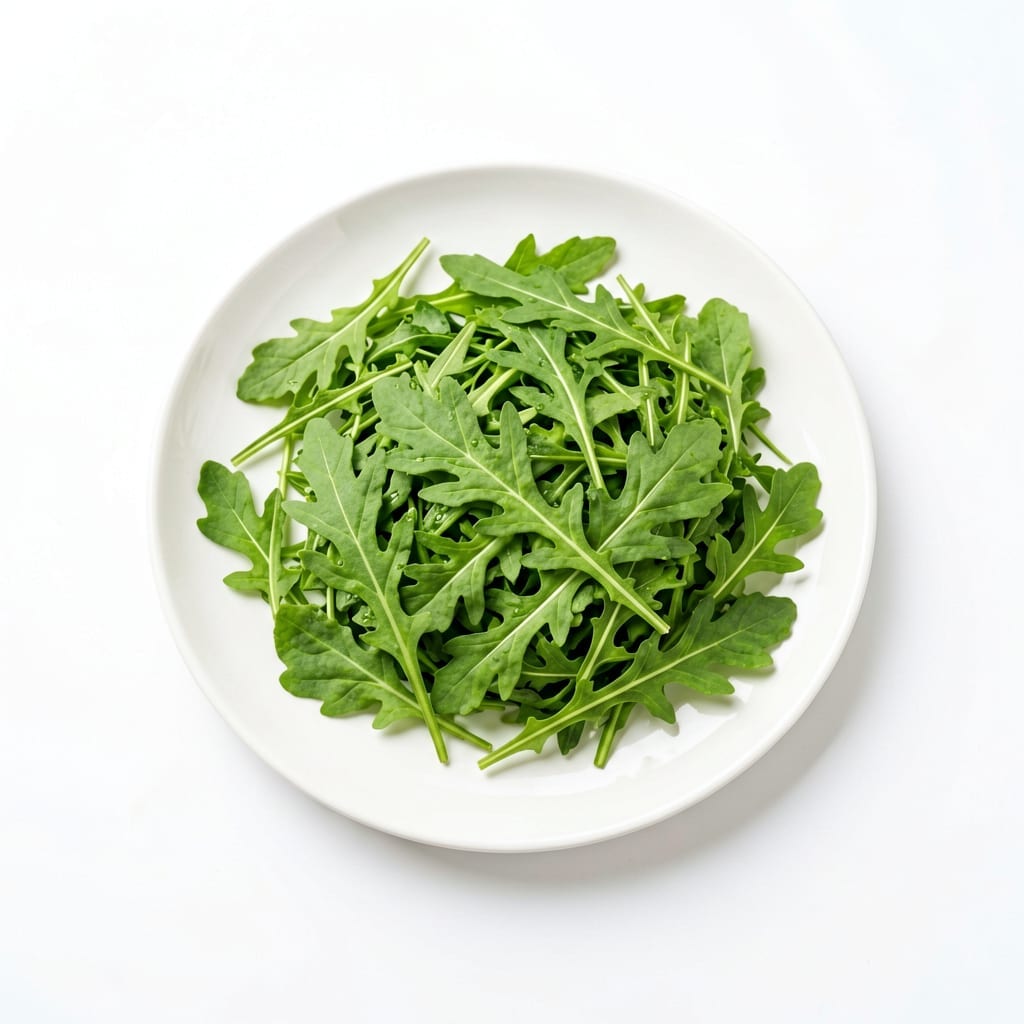
Arugula
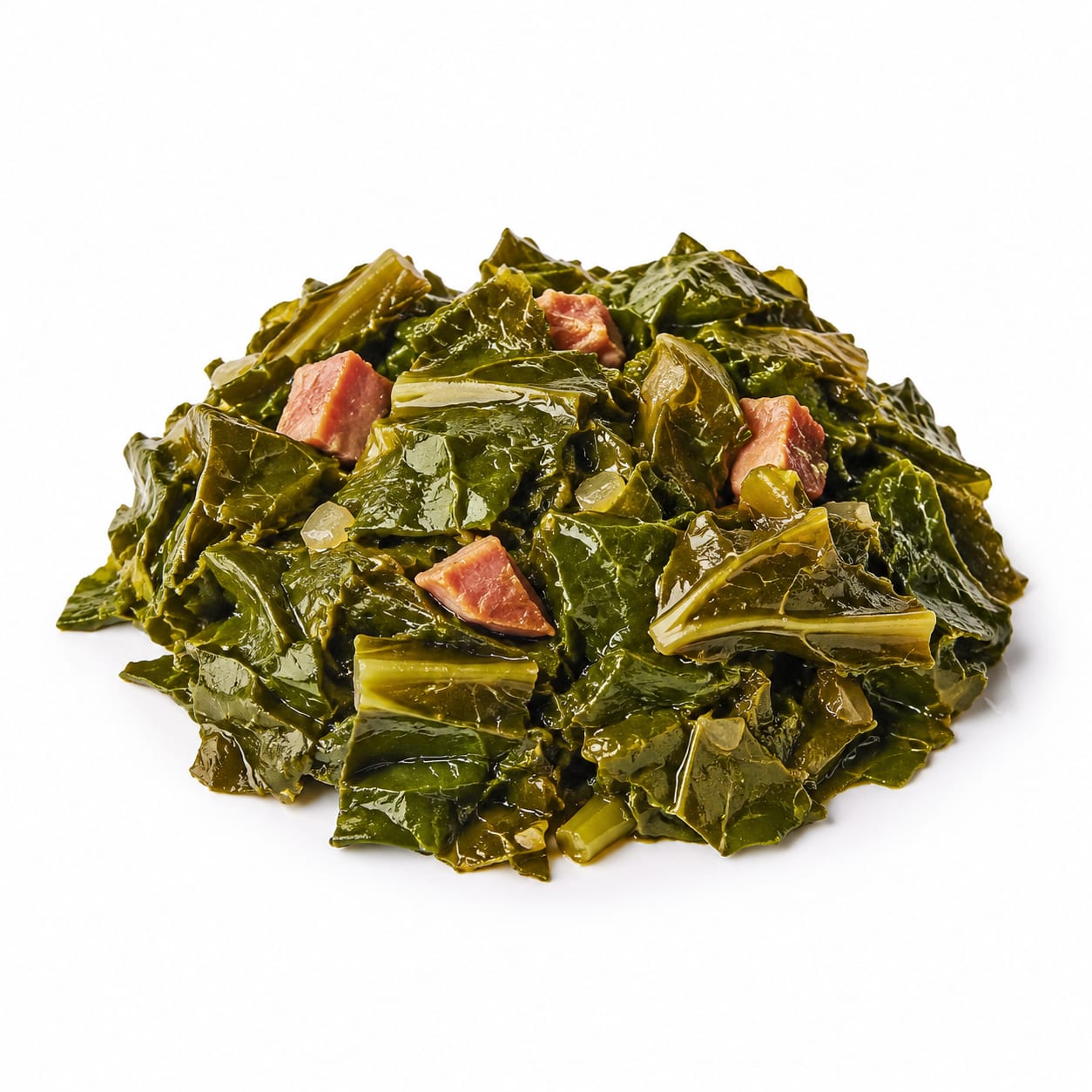
Collard Greens
Collard greens deliver far more nutrition per calorie and per dollar, but arugula wins for convenience when you want a no-cook green with a peppery kick.
Collard greens score notably higher due to superior fiber, calcium, iron, and overall nutrient density. Arugula remains valuable for raw convenience and unique flavor but falls short as a nutritional staple.
You trade quick raw convenience and bright flavor (arugula) for substantially more fiber, calcium, iron, and sustained fullness (collard greens).
At a glance
Executive summary
Overall
Collard Greens
Healthier
Collard Greens
More practical
Arugula
Daily use
Collard Greens
Key comparison lenses
nutrient density comparison
Both are dark leafy greens but collard greens deliver significantly more vitamins and minerals per serving, making nutrient density the core differentiator
raw vs cooked green choice
Arugula is primarily eaten raw while collard greens are almost always cooked, which changes how people actually use them day to day
fiber and satiety difference
Collard greens have roughly 5x the fiber of arugula, making them far more filling and impactful for digestion and blood sugar
bone health mineral support
Collard greens are notably rich in calcium and vitamin K, directly relevant for bone strength, while arugula offers less
everyday practicality and cost
Collard greens are cheaper, store longer, and work in bulk meals, while arugula is pricier and more perishable
Best choice for
Arugula
- Quick salads with zero prep
- People who dislike cooked greens
- Sandwich and wrap toppings
- Light peppery flavor without cooking
Collard Greens
- Maximizing nutrient intake per meal
- Bone health and calcium needs
- Digestive regularity and fullness
- Budget-conscious meal prep
Least suitable for
Arugula
- People needing high fiber intake
- Those seeking significant calcium from greens
- Bulk meal prep (wilts quickly)
- Anyone who finds bitter flavors unpleasant
Collard Greens
- Raw salad lovers who avoid cooking
- Quick no-prep meal situations
- People sensitive to cruciferous gas
- Those on blood thinners needing stable vitamin K
Deep comparison
Dimension by dimension
Each lens scores both foods and breaks down who each option suits.
- Dimension 1 · Priority 95Collard Greens
Nutrient Density
Arugula · 55Collard Greens · 92Collard greens pack dramatically more vitamins and minerals into each serving, especially calcium, iron, folate, and vitamin K.
Tradeoff
Arugula is lighter and easier to eat in volume raw, but you would need enormous quantities to match collard greens nutritionally.
Why it matters
If you eat greens partly to cover your micronutrient bases, collard greens do significantly more heavy lifting per bite.
Real-world impact
A single cooked cup of collard greens covers over 250% of your vitamin K needs and 25% of your calcium, while arugula covers roughly 20% and 3% respectively.
Arugula
- Light eaters who prefer smaller portions
Better for
- Those counting on salads for significant mineral intake
Worse for
Collard Greens
- Anyone trying to get maximum nutrition from limited calories
- People who do not take multivitamins and rely on food
Better for
- People who find large cooked green portions overwhelming
Worse for
- Dimension 2 · Priority 90Collard Greens
Fiber and Satiety
Arugula · 30Collard Greens · 88Collard greens have roughly 5 grams of fiber per cooked cup compared to arugula's half gram, making them far more filling.
Tradeoff
Arugula salads leave you hungry sooner unless paired with protein and fat. Collard greens as a side actually help you feel satisfied longer.
Why it matters
Fiber is the single biggest factor in whether a food keeps you full or leaves you snacking an hour later.
Real-world impact
A collard greens side with dinner helps prevent late-night fridge raids. An arugula side salad barely moves the needle on fullness.
Arugula
- Light appetizers where you do not want to fill up
Better for
- People relying on greens to stay full between meals
Worse for
Collard Greens
- Weight management through natural fullness
- Digestive regularity
- Blood sugar stabilization after meals
Better for
- Those with acute digestive sensitivity to high-fiber foods
Worse for
- Dimension 3 · Priority 82Collard Greens
Bone Health Support
Arugula · 40Collard Greens · 90Collard greens are one of the best plant sources of calcium and pair it with abundant vitamin K, which together strengthen bones.
Tradeoff
Arugula has some vitamin K but negligible calcium, so it supports bone health far less directly.
Why it matters
For people avoiding dairy, collard greens are one of the most reliable plant calcium sources available.
Real-world impact
Regular collard greens consumption can meaningfully contribute to daily calcium targets without supplements. Arugula cannot do this alone.
Arugula
- Contributing small amounts of vitamin K alongside other calcium sources
Better for
- Those relying on greens as a primary calcium source
Worse for
Collard Greens
- Dairy-free individuals needing plant calcium
- Older adults concerned about bone density
- Post-menopausal women seeking dietary calcium support
Better for
- People on warfarin who must keep vitamin K intake consistent
Worse for
- Dimension 4 · Priority 78Arugula
Convenience and Ease of Use
Arugula · 85Collard Greens · 55Arugula is ready to eat straight from the bag with zero cooking. Collard greens require washing, chopping, and cooking to be enjoyable.
Tradeoff
You save 15-20 minutes of prep with arugula but sacrifice the nutritional payoff that cooking collard greens unlocks.
Why it matters
The healthiest green is the one you actually eat. If cooking feels like a barrier, arugula gets greens on your plate more effortlessly.
Real-world impact
Throwing arugula on a sandwich or into a bowl takes seconds. Collard greens require planning and active cooking time.
Arugula
- Busy weeknights with no time to cook
- Office lunches and quick assembly meals
- People new to eating greens regularly
Better for
- Situations where you want a hot substantial side dish
Worse for
Collard Greens
- Weekend meal prep sessions
- Slow cooker and batch cooking routines
Better for
- Anyone too time-pressed to cook most evenings
Worse for
- Dimension 5 · Priority 75It depends
Antioxidant and Anti-inflammatory Profile
Arugula · 72Collard Greens · 78Both are strong in antioxidants but through different compounds. Arugula is rich in nitrates that support blood flow; collard greens offer more glucosinolates linked to cancer defense.
Tradeoff
Arugula may better support cardiovascular circulation, while collard greens may offer stronger cellular protection against chronic disease.
Why it matters
Your priority between heart health and cancer prevention could tip this either way, though both contribute to both goals.
Real-world impact
Arugula's nitrates may give a subtle boost to exercise performance and blood pressure. Collard greens' glucosinolates support the body's natural detox pathways more robustly.
Arugula
- Athletes seeking natural nitrate benefits
- People focused on blood pressure management
Better for
- Those seeking the most potent anti-inflammatory greens available
Worse for
Collard Greens
- Those prioritizing long-term cancer risk reduction
- People seeking stronger anti-inflammatory dietary support
Better for
- People looking for acute circulation or performance benefits
Worse for
- Dimension 6 · Priority 70Collard Greens
Cost and Accessibility
Arugula · 50Collard Greens · 85Collard greens are one of the cheapest vegetables per pound available year-round. Arugula is typically 2-3 times more expensive per ounce.
Tradeoff
Arugula costs more and yields less nutrition per dollar. Collard greens stretch your grocery budget dramatically further.
Why it matters
For families or individuals on tight food budgets, collard greens are among the most cost-effective health foods in the store.
Real-world impact
A large bunch of collard greens costs around $1.50 and feeds a family. The same money buys a small arugula container for one salad.
Arugula
- Special occasion meals where premium ingredients feel worthwhile
Better for
- Budget-constrained households needing affordable staples
Worse for
Collard Greens
- Families feeding multiple people on a budget
- Bulk meal preppers
- Anyone wanting maximum health return per grocery dollar
Better for
- Stores with limited produce sections that may not stock collard greens
Worse for
Timeline
Health impact over time
Short-term
Hours to days
Arugula
- Quick no-cook way to add greens to any plate
- Mild peppery flavor stimulates appetite and digestion
- Nitrates may slightly improve blood flow within hours of eating
- Very low fiber means minimal satiety impact on its own
Collard Greens
- Noticeable fullness after eating due to high fiber content
- Can cause gas or bloating if you are not used to high-fiber foods
- Cooking with oil helps absorb fat-soluble vitamins more effectively
- Steadier blood sugar after meals when eaten alongside carbs
Long-term
Months to years
Arugula
- Consistent vitamin K intake supports bone and cardiovascular health
- Nitrates may contribute to lower blood pressure over time
- Low fiber intake means arugula alone will not resolve chronic constipation
- Easy to maintain as a daily habit due to zero prep requirement
Collard Greens
- Significant calcium and vitamin K intake supports bone density long-term
- High fiber reduces risk of colorectal issues and supports gut microbiome diversity
- Glucosinolates may lower chronic disease risk with regular consumption
- Requires cooking habit consistency to realize these benefits
Risk profile
Safety & processing
Both arugula and collard greens are whole, unprocessed foods. Pre-washed bagged arugula may carry slightly more handling and packaging exposure, but neither raises meaningful processing concerns.
Arugula
Pesticide residue
mediumArugula is not on the EWG Dirty Dozen but leafy greens generally retain pesticide residue. Buying organic reduces exposure.
Bacterial contamination from pre-washed packaging
mediumBagged arugula has been linked to recalls. The moist sealed environment can harbor bacteria. Wash even pre-washed brands.
Collard Greens
Pesticide residue
mediumCollard greens appear on the EWG Dirty Dozen list due to frequent pesticide detection. Organic is strongly preferable.
Goitrogenic compounds when raw
lowRaw collard greens contain goitrogens that can interfere with thyroid function in susceptible people. Cooking largely neutralizes this concern.
Who wins for whom
Audience fit
Same foods, different winners depending on your goal.
children
It dependsArugula is easier to sneak onto plates raw, but many kids find its pepperiness off-putting. Collard greens can be cooked mild and hidden in soups or stews more easily.
daily consumption
Collard GreensCollard greens provide more consistent nutritional coverage as a daily staple, though they require the habit of cooking. Arugula is easier daily but nutritionally thinner.
diabetes
Collard GreensThe high fiber in collard greens slows glucose absorption and stabilizes blood sugar more effectively than the minimal fiber in arugula.
elderly
Collard GreensCollard greens deliver more calcium and vitamin K for bone health, and cooked greens are easier to chew for those with dental concerns.
muscle gain
Collard GreensNeither is a protein powerhouse, but collard greens offer slightly more protein and more calcium which supports muscle contraction and bone integrity under training stress.
weight loss
Collard GreensCollard greens provide far more fiber and volume for fewer calories per cooked cup, keeping you fuller longer and reducing the urge to overeat.
Your move
Decision guide
Choose Arugula
- You want a no-cook green you can throw on anything in seconds
- You eat salads daily and want variety beyond lettuce and spinach
- You are focused on blood pressure and want natural dietary nitrates
- You find cooked greens unappealing and need a raw option you enjoy
Choose Collard Greens
- You want the most nutrient-dense green for your money and effort
- Bone health and calcium intake are priorities for you
- You meal prep and can batch-cook greens for the week
- You need more fiber to stay regular and feel full
- You are on a budget and want maximum health value per dollar
Either works if
- You simply want more leafy greens in your life and enjoy both raw and cooked
- You rotate greens for nutrient diversity and flavor variety
- You are generally healthy and just trying to eat more vegetables
Avoid both if
- You are on warfarin and cannot maintain consistent vitamin K intake
- You have severe oxalate sensitivity (though both are moderate-oxalate, not high like spinach)
Final recommendation
Keep both in your rotation. Use arugula for quick raw meals and collard greens for cooked dishes where you want real nutritional depth. If you must pick one for daily health impact, collard greens give you significantly more per serving and per dollar — as long as you are willing to cook them.
Practical
Consumer tips
- 1
Buy organic collard greens when possible — they rank high for pesticide residue on conventional farms
- 2
Wash bagged arugula even if the package says pre-washed — it takes ten seconds and reduces contamination risk
- 3
Massage raw collard greens with olive oil and lemon if you want to eat them raw in salads — it softens the tough leaves
- 4
Pair arugula with a fat source like olive oil or avocado to absorb its fat-soluble vitamins more effectively
- 5
Cook collard greens with a splash of vinegar or lemon juice at the end — acid brightens flavor and improves iron absorption
- 6
Freeze extra collard greens before they wilt — they hold up well to freezing and work perfectly in soups later
- 7
Aim for at least 2 cups of raw arugula or 1 cup of cooked collard greens per serving to get meaningful nutrient intake