
Nutrition comparison
Arugula vs Radicchio: Which Bitter Green Is Better for You?
Compare arugula and radicchio nutrition, taste, and health benefits. Learn which green is better for blood pressure, gut health, weight loss, and everyday meals.
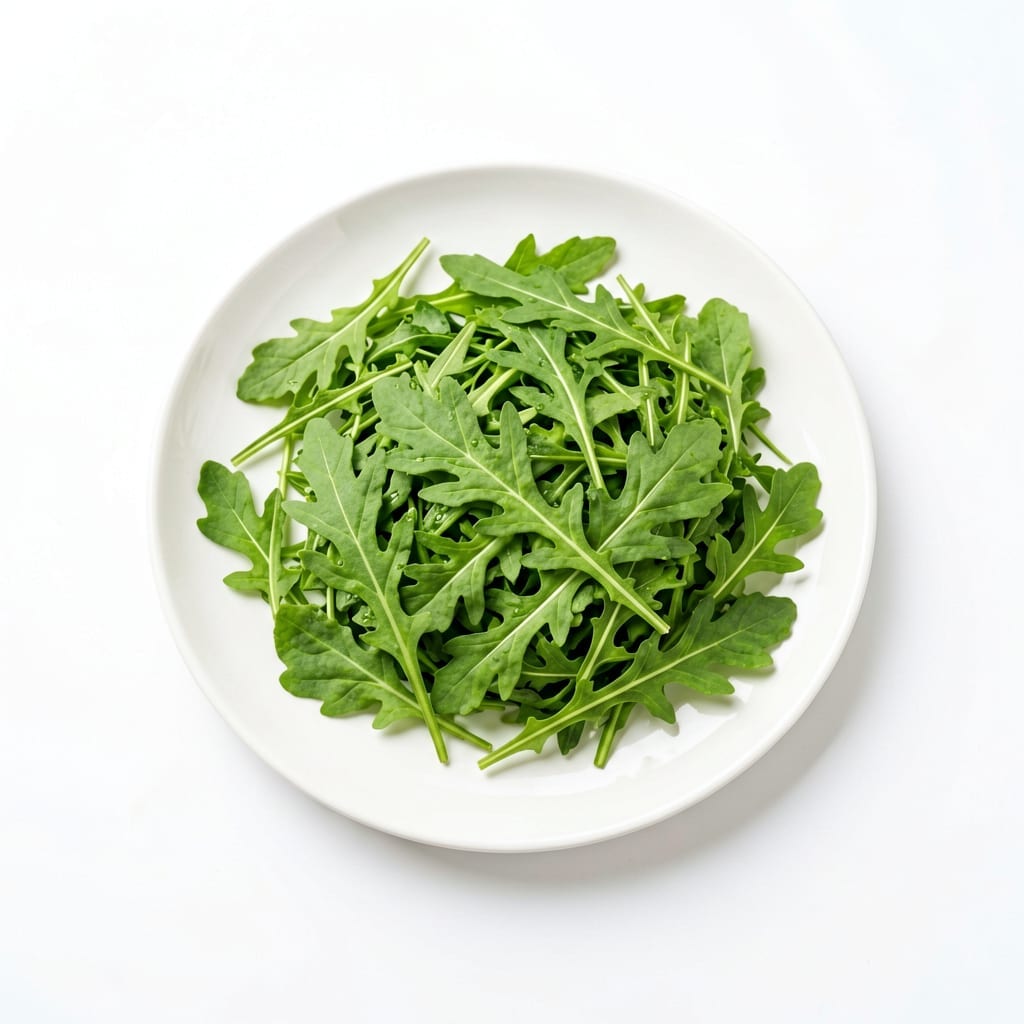
Arugula
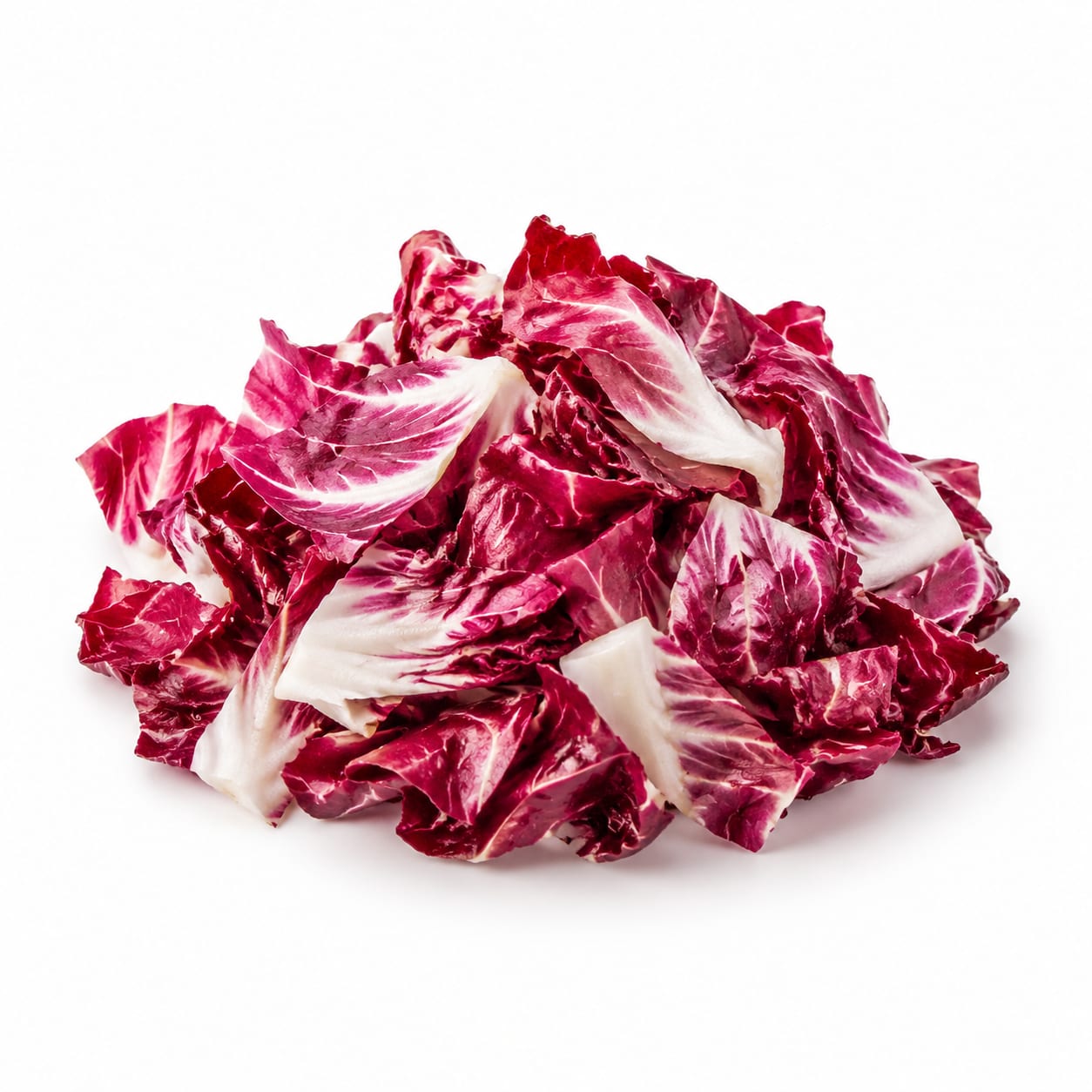
Radicchio
Arugula is the easier everyday green with broader appeal and cardiovascular perks, while radicchio is the antioxidant powerhouse with gut-friendly fiber that most people overlook.
Arugula scores slightly higher due to superior everyday practicality and nitrate content, but radicchio is nutritionally competitive with unique gut and antioxidant benefits. The close scores reflect that neither is clearly dominant — the better choice depends on your priorities.
Approachability and nitrates versus deeper antioxidant protection and prebiotic benefits
At a glance
Executive summary
Overall
It depends
Healthier
It depends
More practical
Arugula
Daily use
Arugula
Key comparison lenses
salad green selection for everyday meals
Both are popular bitter salad greens, so users are likely deciding which to add to their regular rotation
taste preference and culinary versatility
Arugula is peppery-mild while radicchio is firmly bitter — this drives real-world compliance more than nutrition
antioxidant and anti-inflammatory benefits
Arugula offers glucosinolates while radicchio provides anthocyanins — different pathways to similar goals
digestive health and gut support
Radicchio contains inulin, a prebiotic fiber, making gut health a key differentiator
blood pressure and cardiovascular support
Arugula is notably rich in dietary nitrates, which support vascular function
Best choice for
Arugula
- People who want a versatile green they will actually eat daily
- Those focused on blood pressure and circulation
- Anyone sensitive to bitter flavors
- Meal preppers who want a green that works in salads, sandwiches, and pizzas
Radicchio
- People prioritizing gut health and prebiotic intake
- Those seeking maximum antioxidant diversity
- Cooking enthusiasts who enjoy grilling or roasting greens
- Anyone already comfortable with bitter flavors
Least suitable for
Arugula
- People specifically seeking prebiotic fiber for gut health
- Those wanting a visually striking, colorful plate
Radicchio
- People who dislike bitter flavors and would skip salads altogether
- Anyone looking for a mild base green for large salads
Deep comparison
Dimension by dimension
Each lens scores both foods and breaks down who each option suits.
- Dimension 1 · Priority 90Arugula
Nutrient Density
Arugula · 82Radicchio · 76Arugula packs more vitamins K, A, and folate per calorie, while radicchio contributes vitamin C and unique phytonutrients that arugula lacks.
Tradeoff
Arugula wins on classic vitamin metrics, but radicchio offers nutrient categories arugula simply does not have
Why it matters
If you eat greens sporadically, maximizing each serving matters more; if you eat greens daily, diversity beats density
Real-world impact
A big arugula salad covers more of your daily vitamin K and A needs in one sitting
Arugula
- Meeting vitamin K and folate targets efficiently
- Supporting bone density through vitamin K
Better for
- Missing out on anthocyanin-class antioxidants
Worse for
Radicchio
- Adding antioxidant variety beyond what green vegetables offer
- Getting vitamin C from a bitter green source
Better for
- Lower folate and vitamin A per serving
Worse for
- Dimension 2 · Priority 88Radicchio
Antioxidant Profile
Arugula · 72Radicchio · 86Radicchio's deep red-purple color signals anthocyanins — the same antioxidant family found in blueberries. Arugula relies on glucosinolates, which are valuable but less diverse.
Tradeoff
Radicchio offers broader antioxidant coverage; arugula offers a specific cancer-fighting compound class
Why it matters
Anthocyanins protect blood vessels, reduce inflammation, and support brain health in ways glucosinolates do not
Real-world impact
Eating radicchio a few times a week adds an antioxidant layer similar to eating berries, but in savory form
Arugula
- Targeted glucosinolate intake for detoxification pathway support
Better for
- Less antioxidant color diversity on the plate
Worse for
Radicchio
- Cardiovascular protection through anthocyanins
- Anti-inflammatory benefits from a broader antioxidant spectrum
- Brain health support linked to anthocyanin consumption
Better for
- Missing glucosinolates found in cruciferous greens like arugula
Worse for
- Dimension 3 · Priority 82Radicchio
Gut Health and Digestion
Arugula · 65Radicchio · 83Radicchio contains inulin, a prebiotic fiber that feeds beneficial gut bacteria. Arugula has minimal fiber and no prebiotic content to speak of.
Tradeoff
Radicchio actively nourishes your microbiome; arugula is nearly fiberless and digestion-neutral
Why it matters
Prebiotic fiber is one of the most impactful yet underconsumed nutrients for long-term gut and immune health
Real-world impact
Regular radicchio intake can improve digestion and bloating over weeks, while arugula simply will not move the needle on gut health
Arugula
- Easy to digest for sensitive stomachs since it is low-fiber
Better for
- Essentially no prebiotic or fiber benefit
Worse for
Radicchio
- Feeding beneficial gut bacteria through inulin
- Supporting regular bowel movements with actual fiber content
- Reducing bloating long-term by strengthening microbiome diversity
Better for
- Bitter compounds may initially upset sensitive stomachs
Worse for
- Dimension 4 · Priority 80Arugula
Cardiovascular Support
Arugula · 85Radicchio · 72Arugula is one of the best leafy green sources of dietary nitrates, which convert to nitric oxide and help relax blood vessels. Radicchio supports heart health indirectly through anthocyanins.
Tradeoff
Arugula has a more direct and immediate effect on blood pressure; radicchio offers longer-term vascular protection through different mechanisms
Why it matters
If you have elevated blood pressure, nitrate-rich greens are among the most evidence-supported dietary interventions
Real-world impact
A nitrate-rich arugula salad before exercise can improve blood flow and endurance noticeably
Arugula
- Acute blood pressure reduction through dietary nitrates
- Exercise performance enhancement via nitric oxide pathways
- Quick vascular benefit measurable within hours of eating
Better for
- Does not offer the same sustained anti-inflammatory vascular protection
Worse for
Radicchio
- Long-term vascular protection through anthocyanin anti-inflammatory action
Better for
- No meaningful nitrate content for direct blood pressure support
Worse for
- Dimension 5 · Priority 86Arugula
Taste and Culinary Versatility
Arugula · 84Radicchio · 68Arugula's peppery bite is widely appealing and works raw or lightly wilted. Radicchio's assertive bitterness limits its audience and requires more culinary skill to balance.
Tradeoff
Arugula is the green you will reach for instinctively; radicchio demands intentionality but rewards with deeper flavor complexity
Why it matters
The healthiest green is the one you actually eat consistently — taste drives compliance more than nutrition facts
Real-world impact
Arugula disappears into sandwiches, pizzas, and grain bowls effortlessly; radicchio often sits in the fridge waiting for inspiration
Arugula
- Easy addition to almost any dish without recipe planning
- Mild enough to serve as a salad base
- Kid-friendly compared to most bitter greens
- Works as a garnish or a main ingredient
Better for
- Can feel one-dimensional if used as the only green
- Wilts quickly and becomes slimy
Worse for
Radicchio
- Adds sophisticated bitter notes that elevate composed dishes
- Grilling or roasting transforms it into something entirely different and delicious
- Beautiful color makes any plate more visually appealing
Better for
- Bitterness is a barrier for many eaters
- Requires pairing knowledge to balance flavors effectively
Worse for
- Dimension 6 · Priority 70Radicchio
Satiety and Meal Satisfaction
Arugula · 58Radicchio · 72Radicchio's crunch and fiber make it more physically filling, while arugula's delicate leaves vanish quickly and leave you hungry sooner.
Tradeoff
Radicchio makes you feel more satisfied per serving; arugula is so light you may need larger portions or additional ingredients to feel full
Why it matters
If you are using greens to manage portion sizes and stay full, fiber and texture matter more than calorie counts
Real-world impact
A radicchio-heavy salad keeps you fuller for an extra hour compared to an arugula-only salad of the same volume
Arugula
- Light eaters who prefer not to feel full
- Appetizer courses where heaviness is unwanted
Better for
- Unlikely to satisfy hunger on its own
Worse for
Radicchio
- Main course salads where staying full matters
- Reducing snacking between meals through better satiety
Better for
- Heavier texture may feel like too much in light meals
Worse for
Timeline
Health impact over time
Short-term
Hours to days
Arugula
- Noticeable peppery flavor that stimulates digestion
- Mild blood pressure reduction within hours due to nitrates
- Very low calorie intake — easy on the stomach
Radicchio
- Bitter compounds trigger digestive enzyme release
- Prebiotic inulin may cause temporary gas if you are not used to it
- Crunchy texture promotes slower eating and better satiety signals
Long-term
Months to years
Arugula
- Consistent nitrate intake supports healthier blood pressure trends
- Glucosinolate consumption linked to lower cancer risk in cruciferous vegetable studies
- Very low fiber means minimal direct gut microbiome benefit
Radicchio
- Anthocyanin intake associated with reduced cardiovascular disease risk over years
- Regular prebiotic consumption strengthens microbiome diversity and immune resilience
- Bitter compound exposure may improve digestive capacity and bile flow over time
Risk profile
Safety & processing
Both arugula and radicchio are whole, unprocessed vegetables typically sold fresh. Neither carries meaningful additive concerns. The only processing consideration is pre-washed bagged versions, which may use chlorine washes — buy whole heads or bunches when possible.
Arugula
Pesticide residue on conventional arugula
mediumArugula frequently appears on the Dirty Dozen list due to pesticide residues. Organic is strongly recommended since you eat it raw and the leaves have high surface area.
Bacterial contamination from pre-washed packaging
mediumBagged arugula has been linked to E. coli and salmonella outbreaks. Wash thoroughly even if labeled pre-washed.
Radicchio
Pesticide residue on conventional radicchio
lowRadicchio's tight head structure protects inner leaves from spray exposure. Outer leaves can be removed, significantly reducing residue risk.
Bacterial contamination
lowLess frequently associated with outbreaks than delicate greens, partly because the compact head structure limits surface exposure.
Who wins for whom
Audience fit
Same foods, different winners depending on your goal.
children
ArugulaMost children reject bitter flavors strongly. Arugula's peppery taste is far more approachable than radicchio's intensity, making it the realistic choice for families.
daily consumption
ArugulaArugula's mild flavor and versatility make it sustainable as a daily green. Radicchio's bitterness leads to fatigue if eaten every day without variety.
diabetes
RadicchioRadicchio's fiber slows glucose absorption, and its inulin has been shown to improve insulin sensitivity. Arugula has minimal fiber to offer this benefit.
elderly
ArugulaOlder adults benefit most from arugula's vitamin K for bone health and nitrates for blood pressure. Radicchio's prebiotic fiber is valuable but the bitter taste and potential gas may reduce compliance.
muscle gain
ArugulaArugula's dietary nitrates improve blood flow during exercise, potentially enhancing workout performance. Neither green is a protein source, so the edge goes to circulation support.
weight loss
RadicchioRadicchio's fiber and crunch create more satiety per calorie, making it easier to eat less overall. Arugula is so light you may overeat other foods to compensate.
Your move
Decision guide
Choose Arugula
- You want a green you will actually eat every day without thinking about it
- Blood pressure management is a priority
- You need a versatile green for sandwiches, pizzas, and quick salads
- You are feeding picky eaters or children
- You prefer peppery over bitter flavors
Choose Radicchio
- Gut health and prebiotic intake matter to you
- You want maximum antioxidant diversity from your greens
- You enjoy cooking and know how to balance bitter flavors
- You are building colorful, visually impressive meals
- You already eat arugula or spinach daily and want to diversify
Either works if
- You are building a mixed salad and want both peppery and bitter notes
- You rotate greens weekly and want variety more than optimization
- Both are available fresh and affordable at your store
Avoid both if
- You are on a strict low-oxalate diet and need to limit all bitter greens
- You have a known allergy to Asteraceae family plants (radicchio) or Brassicaceae (arugula)
- You are taking blood thinners and need consistent vitamin K intake — talk to your doctor about either green
Final recommendation
Keep arugula as your daily base green for its approachability and cardiovascular benefits, and add radicchio two to three times a week for the antioxidant and gut health advantages you cannot get from green leaves alone. The best strategy is not choosing one — it is rotating both so your body gets the full spectrum of compounds each offers.
Practical
Consumer tips
- 1
Buy organic arugula whenever possible — it consistently ranks high for pesticide residue
- 2
Choose radicchio with tight, firm heads and vibrant color — loose leaves mean age and bitterness
- 3
Store both in a damp paper towel inside a bag in the crisper drawer to extend freshness by days
- 4
If radicchio tastes too bitter raw, try halving and grilling it with olive oil — heat transforms the flavor completely
- 5
Mix arugula and radicchio together for a salad that covers both nitrate and anthocyanin benefits in one bowl
- 6
Wash arugula even if the package says pre-washed — it is one of the most recall-prone greens for contamination
- 7
Radicchio's outer leaves are the most bitter; peel them off and use the sweeter inner leaves if you are new to it