
Nutrition comparison
Arugula vs Iceberg Lettuce: Nutrition, Benefits, and Best Uses
Arugula vs Iceberg Lettuce: Discover which leafy green is healthier, how their nutrients compare, and when to use each in your meals.
Overall winner · Arugula
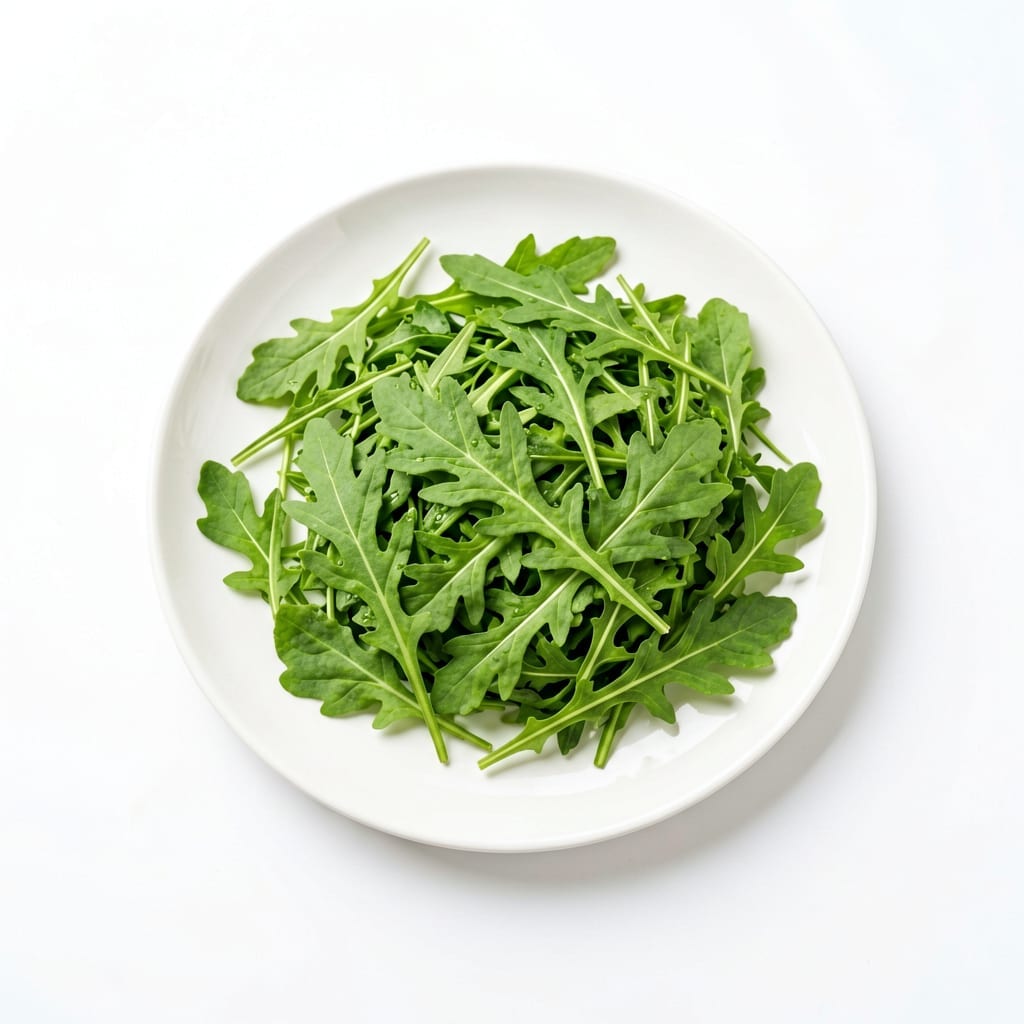
Arugula
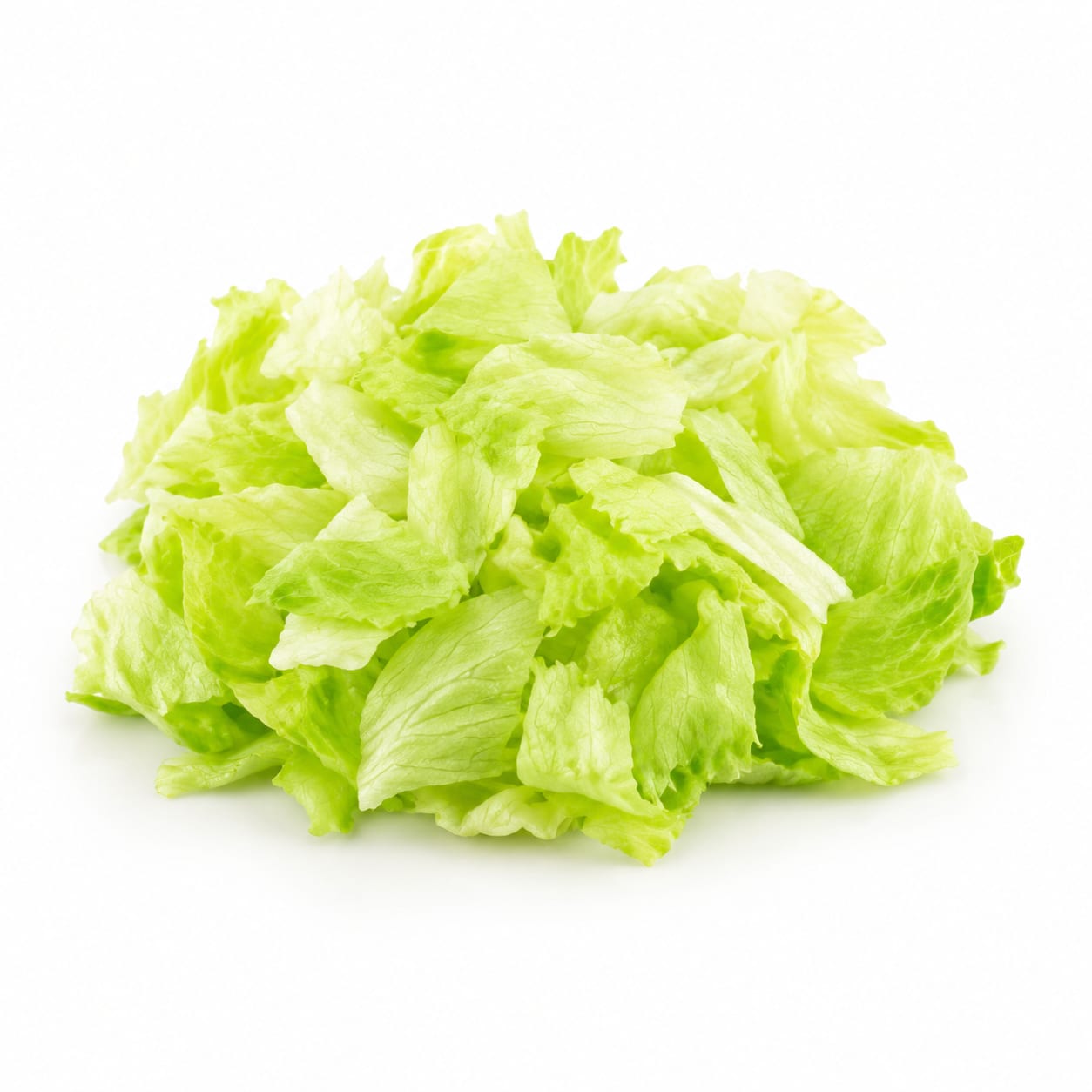
Iceberg Lettuce
Arugula dominates nutritionally, but Iceberg Lettuce wins on crunch, hydration, and budget.
Arugula scores significantly higher due to its dense vitamin and mineral profile, but Iceberg Lettuce retains a moderate score because of its exceptional hydration, crunch, and accessibility.
You trade maximum nutrient density and bold flavor for mild crispness and higher volume at a lower cost.
At a glance
Executive summary
Overall
Arugula
Healthier
Arugula
More practical
Iceberg Lettuce
Daily use
Arugula
Key comparison lenses
Nutrient density vs hydration and crunch
Arugula is a nutritional powerhouse while Iceberg Lettuce is prized mainly for its water content and crisp texture.
Culinary role and flavor profile
Arugula brings a peppery bite that drives flavor, whereas Iceberg Lettuce provides a neutral, refreshing crunch for sandwiches and tacos.
Budget and accessibility
Iceberg Lettuce is significantly cheaper and more widely available in bulk, making it a staple for cost-conscious households.
Best choice for
Arugula
- Nutrient seekers wanting maximum vitamins per bite
- Salad enthusiasts who enjoy bold, peppery flavors
- Athletes looking for natural dietary nitrates to support blood flow
Iceberg Lettuce
- Families feeding picky eaters who dislike bitter greens
- Budget-conscious meal preppers needing cheap volume
- Burger and taco lovers needing a sturdy, crisp crunch
Least suitable for
Arugula
- People who find strong, peppery flavors overwhelming
- Those needing massive salad volume on a tight budget
Iceberg Lettuce
- Those prioritizing maximum vitamin and antioxidant intake
- People wanting robust flavor without relying on heavy dressings
Deep comparison
Dimension by dimension
Each lens scores both foods and breaks down who each option suits.
- Dimension 1 · Priority 95Arugula
Nutrient Density
Arugula · 95Iceberg Lettuce · 25Arugula is a cruciferous superfood loaded with Vitamin K, folate, and antioxidants. Iceberg Lettuce is mostly water with minimal vitamins.
Tradeoff
You get drastically more health-protective compounds in Arugula, but you miss out on the sheer physical volume that Iceberg Lettuce provides.
Why it matters
Eating nutrient-dense greens means your body gets more of what it needs to function optimally without having to consume large quantities.
Real-world impact
A handful of Arugula gives you more Vitamin K than an entire head of Iceberg Lettuce, supporting bone and blood health much more efficiently.
Arugula
- Boosting daily vitamin intake effortlessly
- Supporting bone health with Vitamin K
Better for
- Those who want to eat massive salads without getting full too quickly
Worse for
Iceberg Lettuce
- Eating large volumes without overwhelming your digestive system
Better for
- Anyone relying on it as a primary vegetable for daily nutrients
Worse for
- Dimension 2 · Priority 80Iceberg Lettuce
Hydration and Crunch
Arugula · 50Iceberg Lettuce · 95Iceberg Lettuce is incredibly crisp and refreshing due to its high water content. Arugula is softer and wilts easily under heat or heavy dressings.
Tradeoff
You sacrifice structural integrity and refreshing crunch for a more delicate, flavorful leaf.
Why it matters
Texture plays a huge role in meal satisfaction. A satisfying crunch can make simple meals like sandwiches and wraps much more enjoyable.
Real-world impact
Iceberg Lettuce holds up beautifully in burgers and tacos, giving that satisfying snap, while Arugula is better suited as a tender salad base or pizza topping.
Arugula
- Creating delicate, gourmet-style salads
Better for
- Using as a structural layer in messy, heavy sandwiches
Worse for
Iceberg Lettuce
- Adding refreshing crunch to hot sandwiches and burgers
- Staying hydrated in hot weather
Better for
- Dishes where a rich, complex flavor is desired without dressing
Worse for
- Dimension 3 · Priority 85It depends
Flavor and Culinary Versatility
Arugula · 85Iceberg Lettuce · 70Arugula brings a distinct peppery, slightly bitter flavor that stands on its own. Iceberg Lettuce is a blank canvas that relies entirely on what you pair it with.
Tradeoff
Arugula can overpower delicate dishes, while Iceberg Lettuce requires flavorful additions to taste like anything at all.
Why it matters
Flavorful greens allow you to use less dressing, saving calories. Neutral greens offer a safe base for bold, heavy flavors.
Real-world impact
A simple olive oil and lemon dressing is all Arugula needs. Iceberg Lettuce often requires richer dressings like ranch or blue cheese to make it exciting.
Arugula
- Light, minimalist salads with simple vinaigrettes
- Adding a flavor punch to pizzas and pastas
Better for
- Dishes where a neutral background is needed
Worse for
Iceberg Lettuce
- Letting heavy, creamy dressings take center stage
- Meals where you want other ingredients to shine without green flavor interference
Better for
- Low-calorie meals where you want the greens to provide the flavor
Worse for
- Dimension 4 · Priority 75Iceberg Lettuce
Budget and Accessibility
Arugula · 55Iceberg Lettuce · 95Iceberg Lettuce is one of the cheapest vegetables available year-round. Arugula is pricier and often sold in smaller pre-washed clamshells.
Tradeoff
You pay a premium for Arugula's nutritional and flavor benefits, while Iceberg Lettuce offers unbeatable calorie-per-dollar volume.
Why it matters
Consistency in healthy eating depends heavily on what you can afford and easily find at your local store.
Real-world impact
Feeding a family of four a side salad is far more cost-effective with Iceberg Lettuce, whereas Arugula is better reserved as a targeted nutritional boost.
Arugula
- Small, nutrient-dense side salads for one or two
Better for
- Budget-restricted households needing bulk greens
Worse for
Iceberg Lettuce
- Feeding large families on a budget
- Meal prepping large volumes of food cheaply
Better for
- Those willing to spend more for maximum health benefits per calorie
Worse for
Timeline
Health impact over time
Short-term
Hours to days
Arugula
- Natural nitrates may quickly improve blood flow and lower blood pressure
- Provides an immediate boost of folate and Vitamin A
Iceberg Lettuce
- High water content helps with quick hydration
- Very light on the stomach, easy to digest
Long-term
Months to years
Arugula
- Glucosinolates support cellular health and reduce cancer risk
- High Vitamin K intake strengthens bones over time
Iceberg Lettuce
- Helps maintain healthy weight by providing low-calorie bulk
- Supports overall hydration habits
Risk profile
Safety & processing
Both Arugula and Iceberg Lettuce are whole, natural foods that are typically sold fresh and unprocessed. Neither carries significant risk of artificial additives unless purchased in pre-mixed, dressed salad kits.
Arugula
Pesticide residue
mediumLeafy greens like Arugula often retain pesticide residue on their textured surfaces; washing thoroughly is essential.
Foodborne illness
mediumOpen-leaf greens are more susceptible to soil and water contamination compared to tight-headed lettuces.
Iceberg Lettuce
Pesticide residue
lowThe tight, layered head of Iceberg Lettuce protects the inner leaves from direct pesticide exposure.
Foodborne illness
lowThe tightly wrapped leaves make it harder for bacteria to penetrate, making it easier to clean safely by discarding outer leaves.
Who wins for whom
Audience fit
Same foods, different winners depending on your goal.
children
Iceberg LettuceIceberg Lettuce has a mild, slightly sweet flavor and a fun crunch that kids typically accept much more easily than bitter greens.
daily consumption
ArugulaArugula delivers a much higher concentration of health-protective phytonutrients in every bite, making daily intake highly beneficial.
diabetes
ArugulaArugula offers more antioxidants and magnesium per serving, which help with insulin sensitivity and inflammation.
elderly
ArugulaArugula provides significantly more Vitamin K and calcium, which are critical for maintaining bone density in older adults.
muscle gain
ArugulaArugula contains dietary nitrates that can improve blood flow and exercise performance, offering a slight edge for athletes.
weight loss
Iceberg LettuceIceberg Lettuce provides more physical volume per calorie, making it easier to fill up on a budget, though both are extremely low calorie.
Your move
Decision guide
Choose Arugula
- You want to maximize your vitamin and antioxidant intake per bite
- You enjoy a peppery, bold flavor in your salads and sandwiches
- You are looking for natural dietary nitrates to support cardiovascular health
Choose Iceberg Lettuce
- You need a cheap, hydrating crunch for burgers, tacos, and wraps
- You are feeding picky eaters or children who dislike strong flavors
- You want a neutral canvas for heavy, flavorful dressings
Either works if
- You just need a low-calorie, fresh vegetable to round out a meal
- You are making a massive salad and want a mix of textures and flavors
Avoid both if
- You are looking for a significant source of protein or sustained energy
- You need a hearty green that holds up to long cooking times like soups or stews
Final recommendation
Use Arugula when nutrition and flavor are your top priorities, especially for raw salads and light meals. Rely on Iceberg Lettuce when you need unbeatable crunch, hydration, or a budget-friendly vehicle for other ingredients. For the best of both worlds, mix them together in your salad bowl.
Practical
Consumer tips
- 1
Mix half Arugula and half Iceberg Lettuce to get the nutritional benefits of the first and the satisfying crunch of the second.
- 2
Wash Arugula thoroughly in a salad spinner to remove grit and reduce any pesticide residue.
- 3
Keep Iceberg Lettuce whole in the crisper drawer and chop right before eating to maintain maximum crispness.
- 4
Use Arugula as a pizza topping right after the oven—it wilts perfectly from the residual heat without turning soggy.