
Nutrition comparison
Arugula vs Endive: Which Leafy Green Is Healthier for You?
Compare arugula and endive nutrition, health benefits, and culinary uses. Discover which green is better for gut health, weight loss, and daily eating.
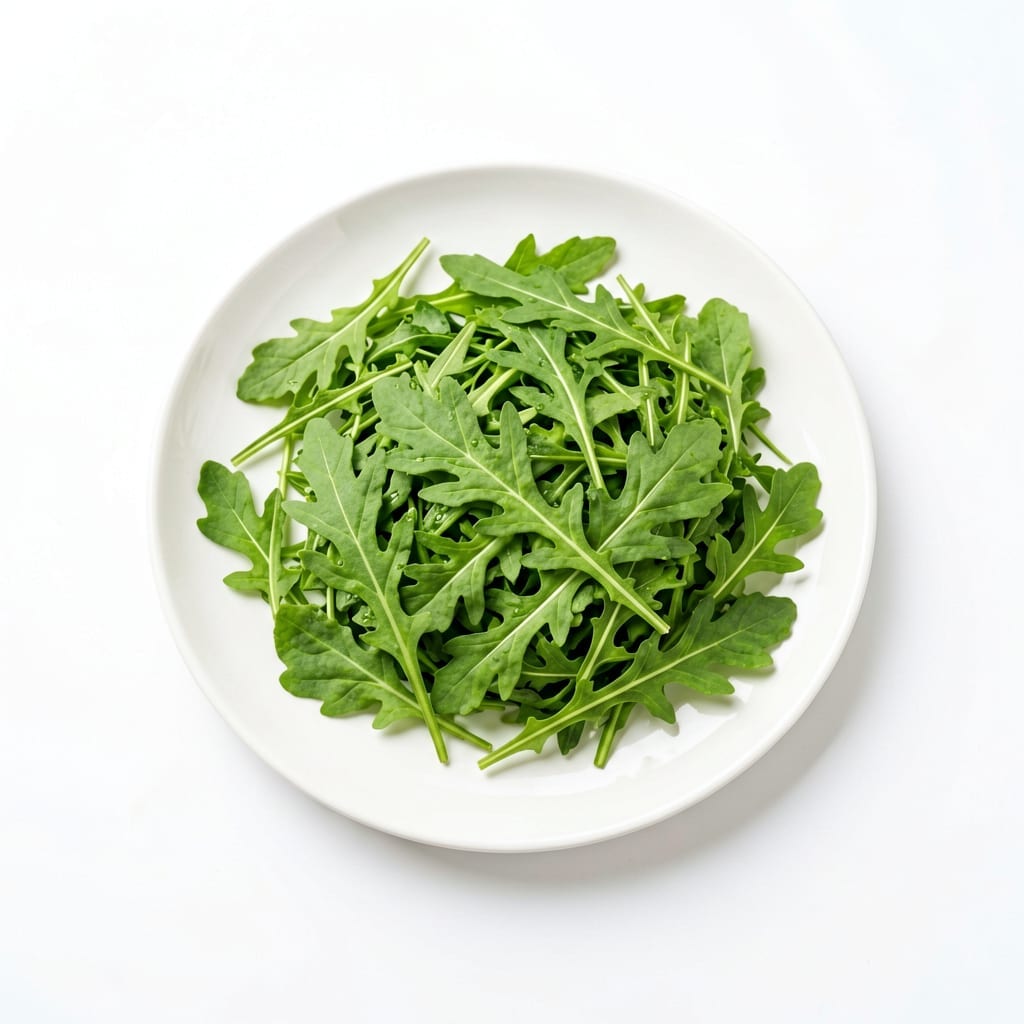
Arugula
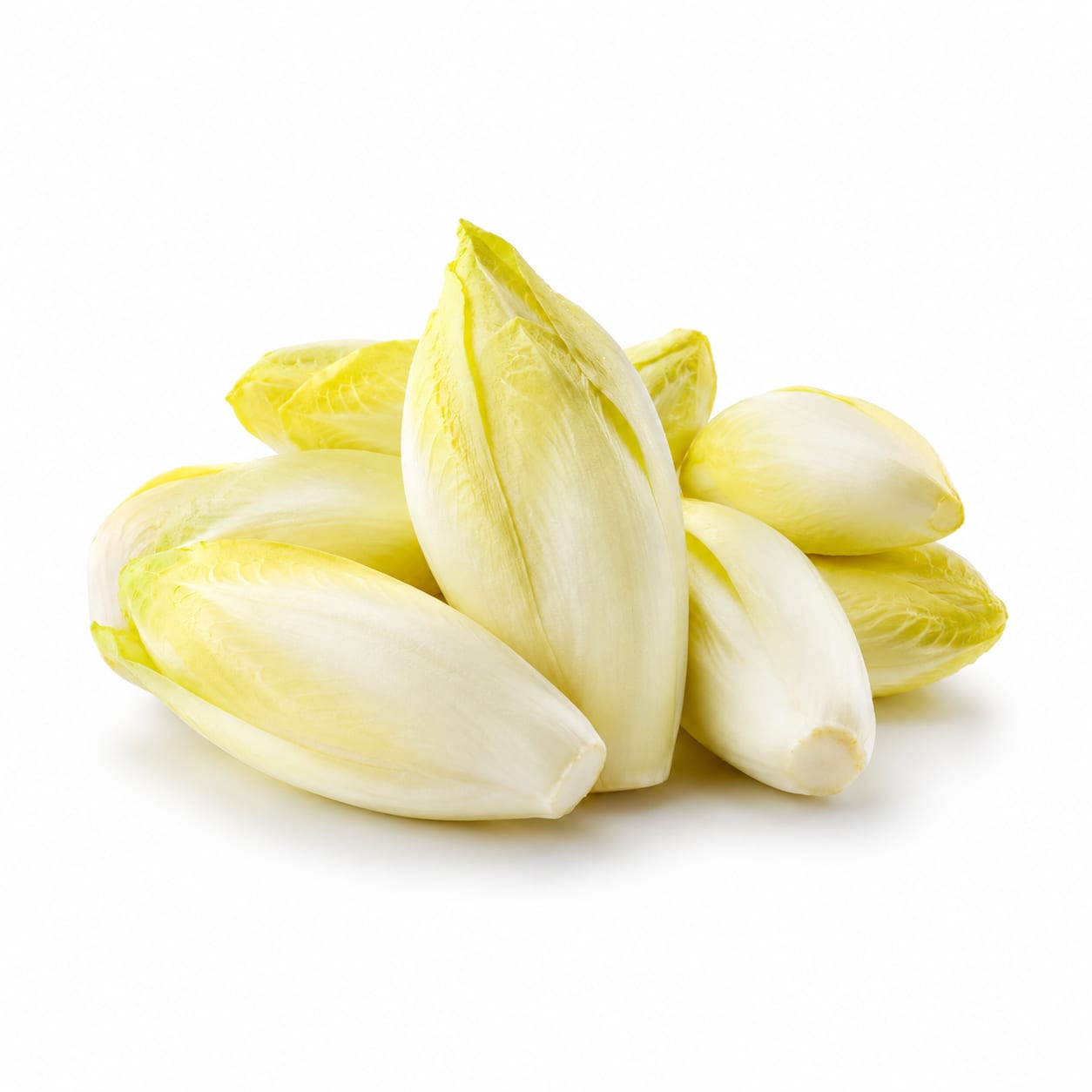
Endive
Arugula wins on nutrient density and cancer-fighting compounds, while endive excels for gut health and crunch factor. Choose based on your priority.
Arugula scores higher due to superior nutrient density, wider availability, and more versatile culinary use. Endive remains valuable for its unique prebiotic fiber and satisfying crunch, but its higher cost and limited cooking applications narrow its everyday appeal.
Arugula delivers more vitamins and glucosinolates per leaf, but endive provides unique prebiotic fiber and a satisfying crispness that arugula cannot match.
At a glance
Executive summary
Overall
It depends
Healthier
Arugula
More practical
Arugula
Daily use
Arugula
Key comparison lenses
nutrient density and vitamin profile
Both are low-calorie greens, so the real question is which delivers more nutritional value per bite
digestive health and fiber
Endive contains inulin, a prebiotic fiber that arugula lacks, making gut health a key differentiator
culinary versatility and taste
Arugula's peppery bite versus endive's crisp bitterness affects how people actually use them day-to-day
antioxidant and disease prevention
Arugula's glucosinolates and endive's polyphenols offer different protective benefits worth comparing
practical everyday use
Availability, price, and ease of preparation matter when choosing between these specialty greens
Best choice for
Arugula
- People prioritizing vitamin K and folate intake
- Those seeking cancer-fighting glucosinolates
- Salad lovers wanting a peppery flavor boost
- Anyone needing an affordable, widely available green
Endive
- People focused on gut health and prebiotic fiber
- Those wanting a low-calorie vessel for dips or appetizers
- Anyone seeking a satisfying crunch without carbs
- Blood sugar management due to inulin content
Least suitable for
Arugula
- People who dislike peppery or bitter flavors
- Those with kidney stones needing low-oxalate options
- Anyone seeking a crunchy texture for appetizers
Endive
- Budget-conscious shoppers (endive is pricier)
- Those who find bitter flavors unappealing
- People wanting a versatile cooking green
Deep comparison
Dimension by dimension
Each lens scores both foods and breaks down who each option suits.
- Dimension 1 · Priority 90Arugula
nutrient_density
Arugula · 82Endive · 68Arugula packs more vitamins K, A, and folate per calorie than endive, making it the more nutrient-dense choice overall.
Tradeoff
Endive still delivers solid nutrition but cannot match arugula's concentration of bone-supporting vitamin K and cell-protecting compounds.
Why it matters
When eating low-calorie greens, maximizing the vitamin payload per bite ensures you actually nourish your body rather than just filling plate space.
Real-world impact
A generous handful of arugula in your salad meaningfully contributes to your daily vitamin K needs, while endive contributes less per serving.
Arugula
- Meeting daily vitamin K requirements efficiently
- Boosting folate intake for prenatal nutrition
- Maximizing antioxidant protection per calorie
Better for
- Providing prebiotic fiber for gut bacteria
Worse for
Endive
- Adding fiber variety alongside vitamins
- Supporting gut health while still getting decent nutrition
Better for
- Delivering concentrated vitamin K and glucosinolates
Worse for
- Dimension 2 · Priority 85Endive
digestive_health
Arugula · 55Endive · 80Endive contains inulin, a prebiotic fiber that feeds beneficial gut bacteria, giving it a clear digestive health advantage over arugula.
Tradeoff
Arugula provides some fiber but lacks the targeted prebiotic effect that makes endive particularly valuable for gut microbiome support.
Why it matters
A healthy gut microbiome influences everything from immunity to mood, and inulin specifically nourishes the bacteria that produce short-chain fatty acids.
Real-world impact
Regularly eating endive can help maintain a thriving gut ecosystem, which translates to better digestion and potentially improved immune function over time.
Arugula
- Light digestion for sensitive stomachs
- Adding greens without significant fiber load
Better for
- Targeted prebiotic support for gut bacteria
Worse for
Endive
- Feeding beneficial gut bacteria with inulin
- Supporting regular bowel movements more effectively
- Improving gut microbiome diversity over time
Better for
- Those with IBS who may be sensitive to inulin
Worse for
- Dimension 3 · Priority 75Arugula
antioxidant_and_disease_prevention
Arugula · 78Endive · 65Arugula's glucosinolates break down into cancer-fighting compounds, giving it an edge in disease prevention over endive's polyphenols.
Tradeoff
Endive still offers meaningful antioxidant protection through its polyphenol content, but arugula's sulfur-containing compounds are more directly linked to cancer prevention research.
Why it matters
Glucosinolates are the same family of protective compounds found in broccoli and kale, and they help cells detoxify carcinogens more effectively.
Real-world impact
People who regularly eat arugula as part of a cruciferous vegetable routine gain an extra layer of cellular defense that endive cannot fully replicate.
Arugula
- Cellular detoxification support
- Cancer risk reduction through glucosinolates
- Anti-inflammatory benefits from sulfur compounds
Better for
- Providing prebiotic-linked immune benefits
Worse for
Endive
- Polyphenol-based antioxidant protection
- Cardiovascular support through flavonoid content
Better for
- Delivering glucosinolate-based cancer protection
Worse for
- Dimension 4 · Priority 80Arugula
culinary_versatility
Arugula · 78Endive · 60Arugula works raw in salads, wilted into pasta, blended into pesto, or used as a pizza topping, while endive is mostly limited to raw preparations and appetizers.
Tradeoff
Endive's sturdy boat-shaped leaves make it unmatched for elegant appetizers and dip vessels, but arugula's broader cooking compatibility makes it more useful overall.
Why it matters
A green you can use multiple ways gets eaten more often and wasted less, which directly impacts your actual nutritional intake.
Real-world impact
Arugula can replace lettuce in sandwiches, spinach in omelets, or basil in pesto, while endive mostly stays in the appetizer lane.
Arugula
- Cooking into warm dishes like pasta and eggs
- Blending into sauces and pestos
- Using as a universal salad base
- Topping pizzas and sandwiches
Better for
- Creating sturdy appetizer boats for dips
Worse for
Endive
- Elegant appetizer presentations
- Crisp dip vessels replacing crackers or chips
- Adding textural contrast to cheese plates
Better for
- Cooking into warm dishes
- Blending into sauces
Worse for
- Dimension 5 · Priority 70Endive
satiety_and_eating_experience
Arugula · 58Endive · 74Endive's firm crunch and substantial bite make it more satisfying to eat, while arugula's delicate leaves disappear quickly on the palate.
Tradeoff
Arugula's tender texture works beautifully in mixed salads, but endive's crunch provides a more physically satisfying eating experience that can help with portion awareness.
Why it matters
Crunchy foods slow down eating and increase satisfaction signals, which helps prevent overeating without requiring willpower.
Real-world impact
Snacking on endive leaves with hummus feels more substantial than eating the same hummus with arugula, making portion control easier.
Arugula
- Creating voluminous salads with minimal chewing effort
- Adding flavor without dominating texture
Better for
- Delivering a satisfying crunch factor
Worse for
Endive
- Slowing down eating pace through crunch
- Replacing carb-heavy crackers for dips
- Providing physical satisfaction from crispness
Better for
- Creating large voluminous salads easily
Worse for
- Dimension 6 · Priority 70Arugula
practicality_and_accessibility
Arugula · 82Endive · 55Arugula is widely available, affordable, and sold in convenient pre-washed bags, while endive is pricier, less available, and often requires specialty stores.
Tradeoff
Endive's longer refrigerator shelf life partially offsets its availability disadvantage, but arugula still wins on everyday convenience.
Why it matters
The healthiest green is the one you actually buy and eat consistently, and accessibility directly impacts that reality.
Real-world impact
You can grab arugula at nearly any grocery store for a few dollars, while endive may require a trip to a specialty market and costs significantly more per serving.
Arugula
- Widely available at all grocery stores
- Affordable pre-washed options
- Easy to find year-round
Better for
- Shelf life is shorter once opened
Worse for
Endive
- Longer shelf life in the refrigerator
- Less waste from spoilage over time
Better for
- Higher cost per serving
- Limited availability in some regions
Worse for
Timeline
Health impact over time
Short-term
Hours to days
Arugula
- Quick vitamin K boost supporting blood clotting and bone metabolism
- Peppery flavor stimulates digestion and appetite
- Light hydration from high water content
Endive
- Immediate prebiotic effect feeding beneficial gut bacteria
- Crunchy texture promotes mindful, slower eating
- Blood sugar-friendly due to inulin slowing glucose absorption
Long-term
Months to years
Arugula
- Consistent glucosinolate intake may reduce cancer risk over time
- Improved bone density from regular vitamin K consumption
- Better cardiovascular health through folate and nitrates
Endive
- Enhanced gut microbiome diversity from regular inulin consumption
- Improved digestive regularity and reduced constipation
- Better blood sugar management with consistent intake
Risk profile
Safety & processing
Both arugula and endive are whole, minimally processed vegetables typically sold fresh without additives. Arugula is sometimes sold pre-washed in bags, which may involve chlorine rinses, while endive is usually sold loose. Neither raises significant processing concerns.
Arugula
E. coli and Salmonella from raw leafy greens
mediumPre-washed arugula in bags has been linked to occasional foodborne illness outbreaks. Always wash thoroughly, even if labeled pre-washed.
Pesticide residue
lowArugula typically shows moderate pesticide residue levels. Organic options reduce this concern significantly.
Oxalate content
lowArugula contains moderate oxalates, which could contribute to kidney stone formation in susceptible individuals, though levels are lower than spinach.
Endive
Pesticide residue
lowEndive grown using conventional methods may carry pesticide residues. The tightly packed leaves can trap residues, requiring thorough washing.
Bitter compound sensitivity
lowThe sesquiterpene lactones causing endive's bitterness can trigger mild digestive discomfort in sensitive individuals.
Foodborne illness from raw consumption
mediumLike all raw greens, endive can harbor bacteria. The layered leaves require careful separation and washing.
Who wins for whom
Audience fit
Same foods, different winners depending on your goal.
children
ArugulaArugula's milder peppery flavor is more approachable for kids than endive's pronounced bitterness, and it hides more easily in mixed dishes.
daily consumption
ArugulaArugula's versatility, affordability, and wider availability make it easier to eat consistently every day without fatigue or budget strain.
diabetes
EndiveEndive's inulin content slows glucose absorption and feeds gut bacteria linked to improved insulin sensitivity, giving it a meaningful edge for blood sugar management.
elderly
ArugulaArugula's superior vitamin K content directly supports bone density and fall prevention, which becomes critical with aging.
muscle gain
ArugulaNeither green is a muscle-building food, but arugula's slightly higher nitrate content may modestly support exercise performance and blood flow.
weight loss
EndiveEndive's crunch and prebiotic fiber create more physical and metabolic satisfaction per calorie, making it easier to stick with lower-calorie eating patterns.
Your move
Decision guide
Choose Arugula
- You want maximum vitamin K and folate per calorie
- You cook with greens regularly and need versatility
- Budget and availability are important factors
- You enjoy peppery flavor in salads and cooked dishes
- You are focused on cancer-preventive dietary patterns
Choose Endive
- Gut health and prebiotic fiber are your top priorities
- You want a satisfying low-carb vessel for dips and appetizers
- You are managing blood sugar or insulin resistance
- You enjoy bitter flavors and sophisticated taste profiles
- You value crunch and physical satisfaction from vegetables
Either works if
- You simply want more leafy greens in your diet
- You are looking for low-calorie salad bases
- You want to diversify your vegetable intake beyond lettuce
- You are building a cheese or charcuterie plate
Avoid both if
- You are on a strict low-oxalate diet for kidney stones
- You have severe bitter taste sensitivity
- You need high-protein or calorie-dense foods for weight gain
Final recommendation
Keep both in rotation. Use arugula as your daily workhorse green for salads, cooking, and sauces, and add endive when you want gut health support, an elegant appetizer base, or a satisfying crunch. If you must choose one, arugula's superior nutrient density and everyday practicality make it the more impactful daily choice.
Practical
Consumer tips
- 1
Buy arugula in bulk bags for cooking and smaller containers for raw salads to minimize waste
- 2
Store endive wrapped in a damp paper towel in the refrigerator to maintain crunch for up to two weeks
- 3
Choose organic arugula when possible to reduce pesticide exposure, especially if eating raw frequently
- 4
Trim endive bases and separate leaves carefully before washing to remove trapped soil and residues
- 5
Mix arugula and endive together in salads for a combination of peppery flavor, crunch, and diverse nutritional benefits
- 6
If endive tastes too bitter, soak separated leaves in ice water for 30 minutes to mellow the flavor
- 7
Add arugula to hot dishes at the very last second to preserve its delicate texture and vitamin content