
Nutrition comparison
Kale vs Arugula: Which Leafy Green Is Actually Better for You?
Kale packs more nutrients but Arugula is easier to eat daily. Compare their health benefits, thyroid safety, and real-world practicality to find your best green.
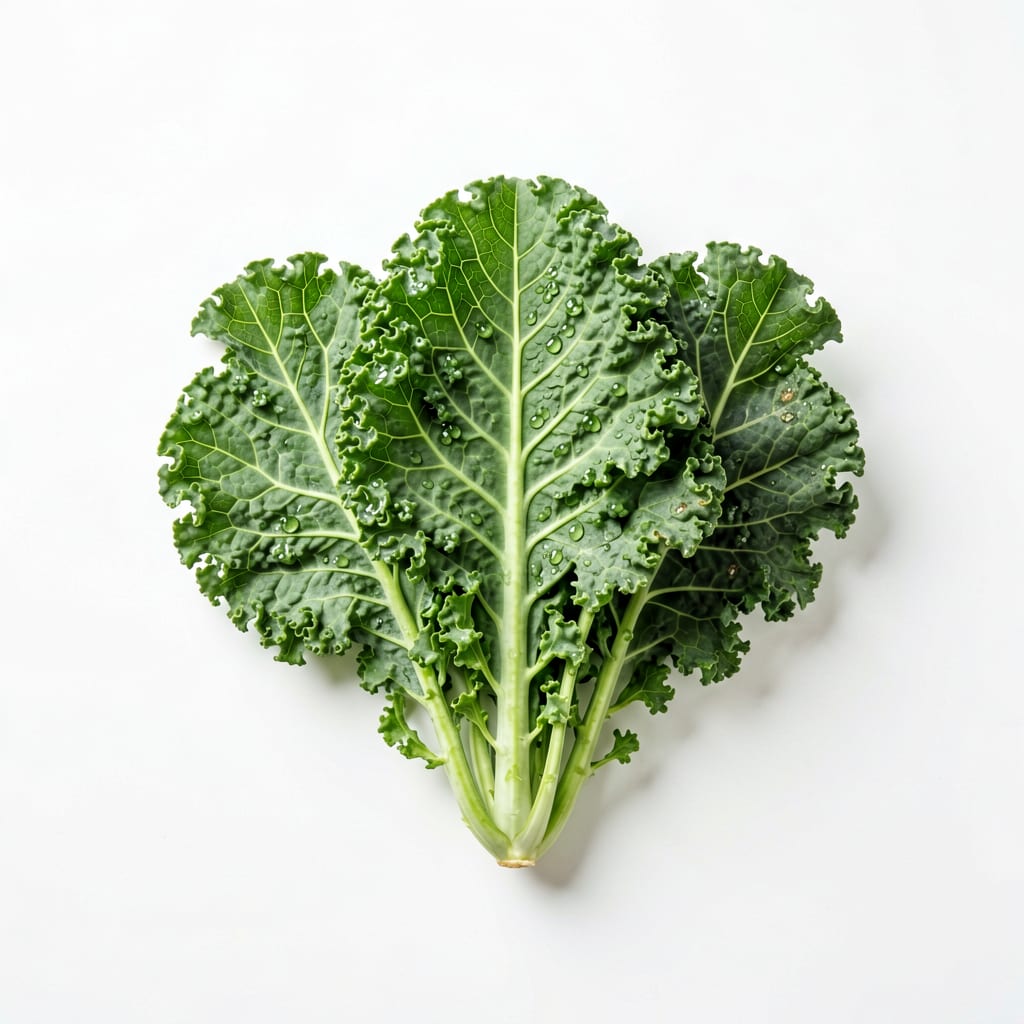
Kale
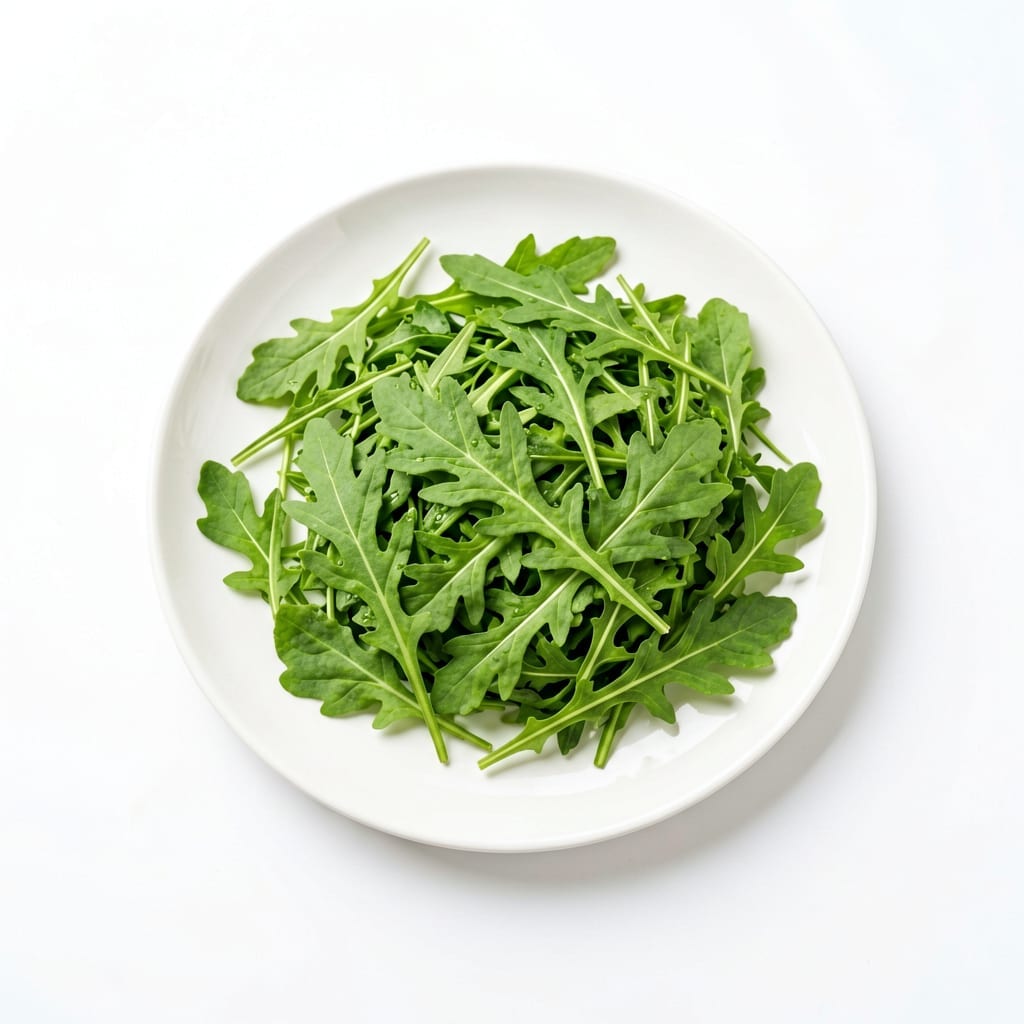
Arugula
Kale packs more nutrients per bite, but Arugula is far easier to eat and enjoy daily. Your best pick depends on whether you prioritize maximum nutrition or sustainable enjoyment.
Kale scores higher on raw nutritional metrics, but Arugula closes the gap through superior practicality, easier digestion, and better long-term adherence. The 4-point difference reflects that the best green is the one you will actually eat consistently.
Kale delivers superior vitamins and antioxidants but requires more effort to prepare and eat comfortably. Arugula sacrifices some nutritional firepower for tenderness, milder digestion, and effortless eating.
At a glance
Executive summary
Overall
It depends
Healthier
Kale
More practical
Arugula
Daily use
Arugula
Key comparison lenses
nutrient density maximization
Both are leafy greens often chosen specifically for their health benefits, so micronutrient load is the primary decision driver
digestive comfort and thyroid safety
Kale contains goitrogens and oxalates that concern some users, while Arugula is gentler on the thyroid and digestion
everyday salad practicality
People eat these greens raw regularly, so taste, texture, and ease of preparation matter greatly
anti-inflammatory and antioxidant benefits
Both greens are prized for disease-fighting compounds, but their profiles differ significantly
Best choice for
Kale
- People maximizing micronutrient intake per calorie
- Those willing to massage or cook greens for better texture
- Anyone seeking high Vitamin K for bone health
- Smoothie drinkers who blend their greens
Arugula
- Daily salad eaters who want something easy and enjoyable
- People with thyroid concerns wanting to limit goitrogens
- Those prone to kidney stones who need lower oxalates
- Busy people who want a no-prep green
Least suitable for
Kale
- People with hypothyroidism on iodine-restricted diets
- Those prone to kidney stones from oxalates
- Anyone who finds raw kale too tough or bitter to enjoy
- Children who resist strong-flavored greens
Arugula
- Those needing maximum iron or calcium from greens alone
- People seeking the highest antioxidant concentration possible
- Anyone wanting a green that feels substantial and filling
Deep comparison
Dimension by dimension
Each lens scores both foods and breaks down who each option suits.
- Dimension 1 · Priority 95Kale
nutrient density
Kale · 94Arugula · 68Kale is one of the most nutrient-dense foods on the planet, dramatically outpacing Arugula in Vitamin K, Vitamin A, Vitamin C, and manganese.
Tradeoff
You get far more vitamins per calorie with Kale, but Arugula still provides solid nutrition in a much more pleasant eating experience.
Why it matters
If you eat greens specifically to fill nutritional gaps, Kale delivers significantly more per serving. One cup of raw Kale provides over 100% of daily Vitamin K needs.
Real-world impact
A Kale salad covers your Vitamin K and most of your Vitamin A in one meal. An Arugula salad contributes nicely but leaves bigger nutritional gaps to fill elsewhere.
Kale
- Meeting daily Vitamin K requirements easily
- Boosting Vitamin A intake for skin and eye health
- Getting more nutrition from fewer calories
Better for
- People on warfarin who must limit Vitamin K
Worse for
Arugula
- Avoiding excessive Vitamin K if on blood thinners
- Keeping nutrition balanced without overconcentrating
Better for
- Those relying on greens as a primary micronutrient source
Worse for
- Dimension 2 · Priority 88Arugula
ease of eating and enjoyment
Kale · 45Arugula · 90Arugula is tender, peppery, and ready to eat straight from the bag. Raw Kale is tough, bitter, and usually needs massaging with oil or cooking to become palatable.
Tradeoff
Kale rewards extra preparation with a satisfying hearty texture, but Arugula eliminates the prep barrier entirely, making daily consumption far more likely.
Why it matters
The healthiest green only works if you actually eat it. Many people buy Kale and let it wilt in the fridge because it feels like work to prepare.
Real-world impact
Arugula goes from bag to plate in seconds. Kale demands 5-10 minutes of massaging, chopping, or cooking before it becomes enjoyable.
Kale
- Hearty salads and bowls where chewiness is welcome
- Cooked dishes like soups and stir-fries where toughness dissolves
Better for
- Last-minute meals when you have no time for prep
- Raw salads for people sensitive to bitter flavors
Worse for
Arugula
- Quick weeknight salads with zero prep
- Sandwiches and wraps needing a tender green layer
- Topping pizzas or pasta straight from the container
Better for
- Recipes requiring a sturdy green that holds up to heat
Worse for
- Dimension 3 · Priority 82Arugula
digestive and thyroid safety
Kale · 55Arugula · 85Kale contains goitrogens that can interfere with thyroid function and oxalates that may contribute to kidney stones. Arugula has significantly lower levels of both.
Tradeoff
Kale offers more cancer-fighting glucosinolates, but these same compounds create thyroid concerns when consumed raw in large amounts. Arugula provides a gentler alternative with fewer risks.
Why it matters
For the roughly 12% of adults with thyroid issues and the 1 in 10 people prone to kidney stones, this distinction is not trivial.
Real-world impact
Eating large raw Kale salads daily could worsen an underactive thyroid. Arugula can be eaten freely without these concerns, making it safer for unrestricted daily use.
Kale
- Those with healthy thyroid function who cook their greens
- People seeking maximum cancer-fighting glucosinolates
Better for
- Raw kale smoothies consumed by people with thyroid conditions
- Daily large-portion kale salads for kidney stone formers
Worse for
Arugula
- Anyone with hypothyroidism or Hashimoto's
- People with a history of calcium oxalate kidney stones
- Those eating large volumes of raw greens daily
Better for
- Those wanting maximum glucosinolate exposure for cancer prevention
Worse for
- Dimension 4 · Priority 78Kale
antioxidant and anti-inflammatory power
Kale · 90Arugula · 70Kale contains quercetin, kaempferol, and high levels of Vitamin C, making it a potent anti-inflammatory food. Arugula has notable antioxidants but in smaller quantities.
Tradeoff
Kale is the stronger fighter against chronic inflammation, but Arugula contributes unique nitrate compounds that specifically support cardiovascular health.
Why it matters
Chronic inflammation drives most modern disease. Getting more antioxidant diversity from Kale can meaningfully shift your inflammatory baseline over time.
Real-world impact
Regular Kale consumption is linked to measurable reductions in inflammatory markers. Arugula helps too, especially for blood pressure, but with less overall antioxidant firepower.
Kale
- Reducing systemic inflammation
- Fighting oxidative stress from intense exercise
- Supporting immune function during cold season
Better for
- Those who cannot tolerate enough Kale to get the antioxidant benefits
Worse for
Arugula
- Lowering blood pressure through dietary nitrates
- Supporting cardiovascular health specifically
Better for
- People seeking the strongest possible anti-inflammatory food
Worse for
- Dimension 5 · Priority 72Kale
satiety and meal satisfaction
Kale · 82Arugula · 58Kale is more filling due to its higher fiber content and substantial chew. Arugula is light and delicate, which can leave you wanting more food sooner.
Tradeoff
Kale makes a meal feel more complete and sustaining, but its heaviness can feel overwhelming in warm weather or light meals. Arugula keeps things fresh but less filling.
Why it matters
If you are using salads as a main meal, feeling satisfied afterward matters for preventing snacking and overeating later.
Real-world impact
A Kale-based salad bowl keeps you full for hours. An Arugula salad may leave you reaching for a snack within 90 minutes unless you add protein and healthy fats.
Kale
- Main-dish salads that need to hold you over
- Meal prep bowls where staying power matters
- Post-workout meals when hunger is high
Better for
- Light refreshing meals on hot days
- Situations where you want a delicate texture
Worse for
Arugula
- Light side salads alongside a hearty main
- Summer meals when heavy food feels unappealing
- Appetizer courses before a rich dinner
Better for
- Anyone relying on salad as a standalone meal
Worse for
Timeline
Health impact over time
Short-term
Hours to days
Kale
- May cause bloating or gas when eaten raw in large amounts due to tough fiber
- Can feel heavy in the stomach if not chewed thoroughly or massaged with oil
- Raw Kale smoothies may cause mild digestive discomfort in sensitive people
Arugula
- Very gentle on digestion, rarely causes bloating or discomfort
- Peppery flavor can stimulate appetite and digestion
- Light enough to eat before exercise without feeling sluggish
Long-term
Months to years
Kale
- Consistent intake strongly supports bone density through exceptional Vitamin K content
- High antioxidant load may reduce risk of chronic inflammatory conditions
- Raw Kale overconsumption could contribute to thyroid suppression in vulnerable individuals
- Oxalate accumulation may increase kidney stone risk for predisposed people
Arugula
- Dietary nitrates support healthy blood pressure and vascular function over time
- Low oxalate and goitrogen profile makes it safe for unrestricted long-term daily consumption
- Moderate but consistent antioxidant intake supports cellular health without thyroid risk
Risk profile
Safety & processing
Both Kale and Arugula are whole, unprocessed foods typically sold fresh with no additives. Pre-washed bagged versions may have slightly lower nutrient levels but remain clean choices.
Kale
Pesticide residue
mediumKale consistently appears on the EWG Dirty Dozen list with detectable pesticide residues. Organic Kale significantly reduces this exposure.
Goitrogen exposure
mediumRaw Kale contains compounds that can interfere with thyroid hormone production. Cooking reduces goitrogen content substantially.
Oxalate accumulation
lowKale has moderate oxalate levels, lower than spinach but still relevant for people prone to calcium oxalate kidney stones.
Arugula
Pesticide residue
lowArugula typically tests lower for pesticide residues than Kale, though organic is still preferable.
Nitrate accumulation
lowArugula contains dietary nitrates which are generally beneficial for blood pressure but could be a concern if combined with nitrate medications.
Who wins for whom
Audience fit
Same foods, different winners depending on your goal.
children
ArugulaArugula's tender texture and milder taste make it far more approachable for kids. Kale's toughness and bitterness often trigger rejection.
daily consumption
ArugulaArugula's ease of eating, lower goitrogen load, and gentler digestion make it more sustainable as an everyday green without accumulating thyroid or kidney risks.
diabetes
KaleKale's higher fiber content slows glucose absorption more effectively, and its stronger antioxidant profile helps combat the oxidative stress associated with diabetes.
elderly
ArugulaArugula is easier to chew and digest, which matters for older adults with dental concerns or slower digestion. Its lower oxalate content is also safer for aging kidneys.
muscle gain
KaleKale offers more Vitamin C and magnesium per serving, both important for muscle recovery and protein synthesis, though neither green is a primary muscle-building food.
weight loss
KaleKale provides more fiber and volume per calorie, creating stronger satiety signals that help control overall food intake throughout the day.
Your move
Decision guide
Choose Kale
- You want maximum nutritional return from every bite of greens
- You are willing to massage, cook, or blend Kale to make it enjoyable
- You have no thyroid issues or kidney stone history
- You drink green smoothies regularly and want the most nutrient-dense base
- You are building hearty meal-prep bowls that benefit from sturdy greens
Choose Arugula
- You want a green you will actually look forward to eating every day
- You have hypothyroidism, Hashimoto's, or a history of kidney stones
- You need a no-prep salad green for busy weeknights
- You prefer lighter meals that do not sit heavy in your stomach
- You want a versatile green for sandwiches, pizza, pasta, and salads alike
Either works if
- You simply want more leafy greens in your diet regardless of type
- You rotate between different greens throughout the week for nutrient diversity
- You are making a mixed green salad where both can coexist beautifully
Avoid both if
- You are on a strict Vitamin K restriction due to blood-thinning medication without medical guidance
- You have a severe allergy to cruciferous vegetables, which is rare but possible
Final recommendation
Use both strategically. Keep Arugula as your daily driver for effortless salads and quick meals. Add Kale 2-3 times per week in smoothies, soups, or massaged salads to supercharge your micronutrient intake without overloading on goitrogens. This rotation gives you Arugula's consistency and Kale's nutritional intensity while minimizing the downsides of each.
Practical
Consumer tips
- 1
Buy organic Kale whenever possible since it consistently ranks high for pesticide residue
- 2
Massage raw Kale with olive oil and a pinch of salt for 2 minutes to transform its texture from tough to tender
- 3
If you have thyroid concerns, always cook Kale before eating to significantly reduce goitrogen content
- 4
Arugula wilts quickly, so use it within 2-3 days of purchase for the best flavor and texture
- 5
Mix both greens together for a salad that balances Kale's nutritional power with Arugula's pleasant eating experience
- 6
Freeze Kale leaves for smoothies if you cannot use them fresh before they spoil
- 7
Add Arugula as a pizza topping after the oven for a fresh peppery kick that does not cook away