
Nutrition comparison
Arugula vs Dandelion Greens: Nutrition, Taste & Health Benefits
Comparing Arugula and Dandelion Greens? Discover which leafy green is better for your health goals, taste preferences, and daily meals.
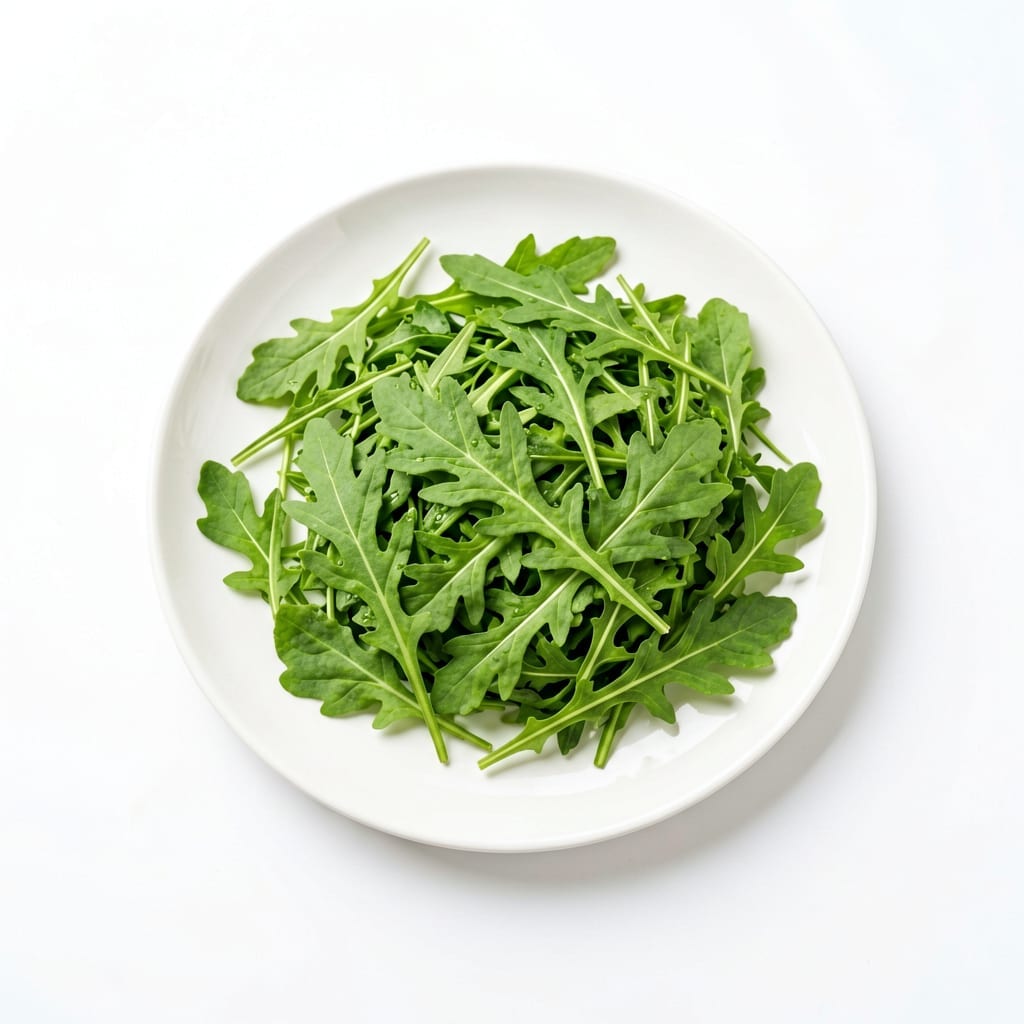
Arugula
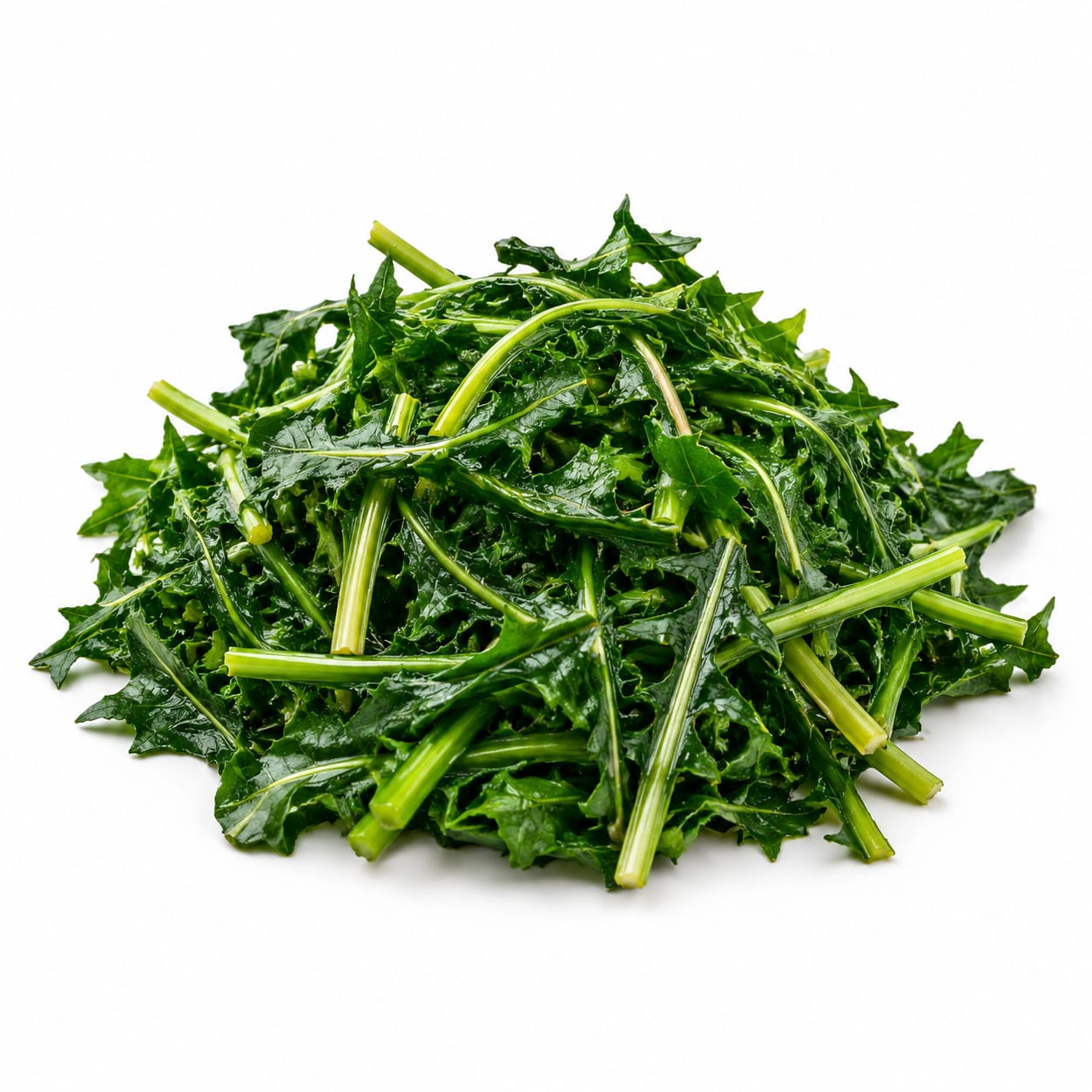
Dandelion Greens
Arugula is the everyday salad hero with a pleasant peppery kick, while Dandelion Greens are the bitter medicinal powerhouse for those seeking maximum nutrient density.
Dandelion Greens score higher for raw nutritional impact and medicinal value, but Arugula remains highly competitive due to its superior palatability, easier digestion, and everyday versatility.
You trade the easy, versatile flavor of Arugula for the superior vitamin and mineral load of Dandelion Greens.
At a glance
Executive summary
Overall
It depends
Healthier
Dandelion Greens
More practical
Arugula
Daily use
Arugula
Key comparison lenses
Nutrient density and vitamin load
Both are nutritional powerhouses, but Dandelion Greens significantly outpace Arugula in Vitamins A, K, and calcium, making micronutrient density a key differentiator.
Palatability and culinary versatility
Arugula offers a mild peppery flavor that fits easily into salads, while Dandelion Greens are notably bitter, requiring specific cooking techniques to enjoy.
Digestive tolerance and anti-nutrients
Dandelion Greens contain higher levels of oxalates and tough fiber that can challenge sensitive stomachs, whereas Arugula is generally gentler on digestion.
Sourcing and foraging safety
Dandelion Greens are often foraged, carrying risks of pesticide exposure or misidentification, while Arugula is almost exclusively farm-raised and regulated.
Best choice for
Arugula
- Everyday salads and sandwich toppings
- People sensitive to bitter flavors
- Those with oxalate sensitivity or prone to kidney stones
- Quick, no-cook meal prep
Dandelion Greens
- Maximizing vitamin K and calcium intake naturally
- Liver support and traditional detox routines
- Fans of bitter greens and complex flavor profiles
- Adding nutrient-dense bulk to cooked soups and stews
Least suitable for
Arugula
- Those seeking extremely high calcium or Vitamin A from greens alone
- People looking for strong digestive bitters to stimulate appetite
Dandelion Greens
- Picky eaters or children unaccustomed to bitter flavors
- Individuals on blood thinners who need stable, lower Vitamin K intake
- People with severe oxalate sensitivity
Deep comparison
Dimension by dimension
Each lens scores both foods and breaks down who each option suits.
- Dimension 1 · Priority 95Dandelion Greens
Micronutrient Density
Arugula · 70Dandelion Greens · 95Dandelion Greens absolutely dominate in Vitamin A, Vitamin K, and calcium, delivering far more nutrition per bite than Arugula.
Tradeoff
You get vastly more vitamins with Dandelion Greens, but their intense bitterness makes it harder to eat large volumes raw compared to Arugula.
Why it matters
Higher nutrient density means you can eat less bulk to hit your daily vitamin requirements, which is especially useful for bone health and immune function.
Real-world impact
A single serving of cooked Dandelion Greens covers over 500% of your daily Vitamin K needs, whereas Arugula covers about 20%.
Arugula
- Getting some gentle Vitamin K without overwhelming your daily intake
Better for
- Falling short on calcium if relying solely on it for dairy-free calcium sources
Worse for
Dandelion Greens
- Reaching daily calcium and Vitamin A goals without supplements
- Supporting bone density naturally
Better for
- Consuming too much Vitamin K if you are on blood-thinning medications
Worse for
- Dimension 2 · Priority 90Arugula
Palatability and Culinary Versatility
Arugula · 90Dandelion Greens · 55Arugula's mild peppery flavor is universally approachable and requires no cooking, while Dandelion Greens demand careful preparation to tame their harsh bitterness.
Tradeoff
Arugula is ready to eat straight from the bag, whereas Dandelion Greens usually require blanching or sautéing to become enjoyable.
Why it matters
If a food is hard to make taste good, you are less likely to eat it regularly, undermining its nutritional benefits.
Real-world impact
You can easily throw Arugula into a sandwich or salad; Dandelion Greens will likely ruin a raw dish for most people if not balanced with rich dressings or fats.
Arugula
- Quick, no-cook weeknight meals
- Smooth, crowd-pleasing flavor profiles
Better for
- Lacking the bold, complex flavor that elevates certain traditional recipes
Worse for
Dandelion Greens
- Adding depth and complexity to slow-cooked dishes
- Acting as a digestive bitter before meals
Better for
- Causing meal fatigue if forced into simple raw salads
Worse for
- Dimension 3 · Priority 85Arugula
Digestibility and Anti-nutrients
Arugula · 85Dandelion Greens · 60Arugula is gentle on the gut and low in oxalates, while raw Dandelion Greens are tougher, more fibrous, and higher in oxalates that can irritate sensitive systems.
Tradeoff
The tough fiber in Dandelion Greens is great for gut motility but can cause bloating or discomfort if your digestion is already sensitive.
Why it matters
Eating greens should make you feel light and energized, not gassy or cramped.
Real-world impact
Eating a large raw Dandelion Greens salad might leave you feeling overly full or bloated, while a large Arugula salad digests comfortably.
Arugula
- Those with irritable bowel syndrome or sensitive stomachs
- People prone to calcium oxalate kidney stones
Better for
- Not providing as much roughage for severe constipation relief
Worse for
Dandelion Greens
- Those needing strong insoluble fiber to combat sluggish digestion
Better for
- Triggering digestive upset or kidney stone issues in susceptible individuals
Worse for
- Dimension 4 · Priority 80Dandelion Greens
Antioxidant and Medicinal Profile
Arugula · 72Dandelion Greens · 92Dandelion Greens have a long history in herbal medicine for liver support and fluid retention, backed by a robust profile of bitter compounds and antioxidants.
Tradeoff
The medicinal compounds in Dandelion Greens act as mild diuretics, which is great for bloating but requires staying well-hydrated.
Why it matters
Food can be medicine, and Dandelion Greens offer genuine functional benefits beyond basic nutrition.
Real-world impact
Adding cooked Dandelion Greens to your diet can help reduce water retention and support natural detox pathways, whereas Arugula acts more like standard nourishment.
Arugula
- Providing steady, gentle antioxidants without diuretic effects
Better for
- Lacking the concentrated medicinal compounds found in bitter greens
Worse for
Dandelion Greens
- Natural management of mild fluid retention
- Traditional liver and gallbladder support
Better for
- Causing dehydration or frequent urination if consumed in excessive amounts
Worse for
Timeline
Health impact over time
Short-term
Hours to days
Arugula
- Provides a light, refreshing base that digests easily
- Delivers a quick, mild peppery satisfaction without overwhelming the palate
Dandelion Greens
- Stimulates bile production and digestive enzymes due to bitter compounds
- Acts as a mild diuretic, reducing water weight and bloating quickly
Long-term
Months to years
Arugula
- Supports consistent, gentle intake of leafy green nutrients
- Helps maintain steady bone and eye health without dietary extremes
Dandelion Greens
- Significantly boosts bone density through massive Vitamin K and calcium intake
- Supports long-term liver health and improved lipid profiles
Risk profile
Safety & processing
Both Arugula and Dandelion Greens are whole, unprocessed foods. Arugula is typically commercially farmed, while Dandelion Greens can be foraged, which increases naturalness but introduces potential environmental contamination risks.
Arugula
Standard agricultural pesticide residue
mediumAs a leafy green, Arugula has broad leaves that can retain pesticides; washing thoroughly or buying organic mitigates this.
Dandelion Greens
Foraging misidentification
highForaging Dandelion Greens carries the risk of confusing them with toxic look-alikes or picking from areas treated with harsh herbicides.
High oxalate load
mediumRaw Dandelion Greens contain notable oxalates, which can contribute to kidney stone formation in prone individuals if consumed excessively.
Who wins for whom
Audience fit
Same foods, different winners depending on your goal.
children
ArugulaArugula is much milder and easier for kids to accept than the intense bitterness of Dandelion Greens.
daily consumption
ArugulaBecause Arugula is so versatile and easy to eat, it is much more sustainable as a daily dietary habit for most people.
diabetes
Dandelion GreensThe bitter compounds in Dandelion Greens have been shown to help improve insulin sensitivity and blood sugar regulation more actively than Arugula.
elderly
ArugulaArugula is easier to chew raw and gentler on aging digestive systems, while still providing good baseline nutrition.
muscle gain
It dependsNeither is a significant protein source, though both offer magnesium and calcium for muscle function; Arugula is easier to eat in large volumes alongside protein.
weight loss
Dandelion GreensDandelion Greens are incredibly filling due to their tough fiber, extremely low in calories, and their diuretic effect helps shed water weight.
Your move
Decision guide
Choose Arugula
- You want a delicious, easy salad base you will actually look forward to eating
- You have a sensitive stomach or are prone to kidney stones
- You need a versatile green that works raw or lightly wilted
Choose Dandelion Greens
- You want to maximize your vitamin and mineral intake per calorie
- You enjoy or want to incorporate bitter flavors for digestive health
- You are looking for natural liver support or help with water retention
Either works if
- You simply need low-calorie bulk for a meal
- You want to boost your daily leafy green intake for general health
Avoid both if
- You are on Warfarin or other blood thinners and struggle to maintain consistent Vitamin K intake
Final recommendation
Use Arugula as your everyday workhorse green for salads and light meals, and treat Dandelion Greens as a potent nutritional supplement—sauté or blanch them a few times a week to supercharge your vitamin intake and support digestion.
Practical
Consumer tips
- 1
Mix Arugula and Dandelion Greens together to balance the peppery and bitter flavors while getting the best of both nutrient profiles.
- 2
Blanch Dandelion Greens in boiling water for 1-2 minutes to drastically reduce bitterness and oxalates before sautéing with garlic and olive oil.
- 3
If foraging Dandelion Greens, only pick from areas you are certain are free of pesticides and herbicides, and avoid roadsides.
- 4
Buy organic Arugula to avoid high pesticide residues common in leafy greens.