
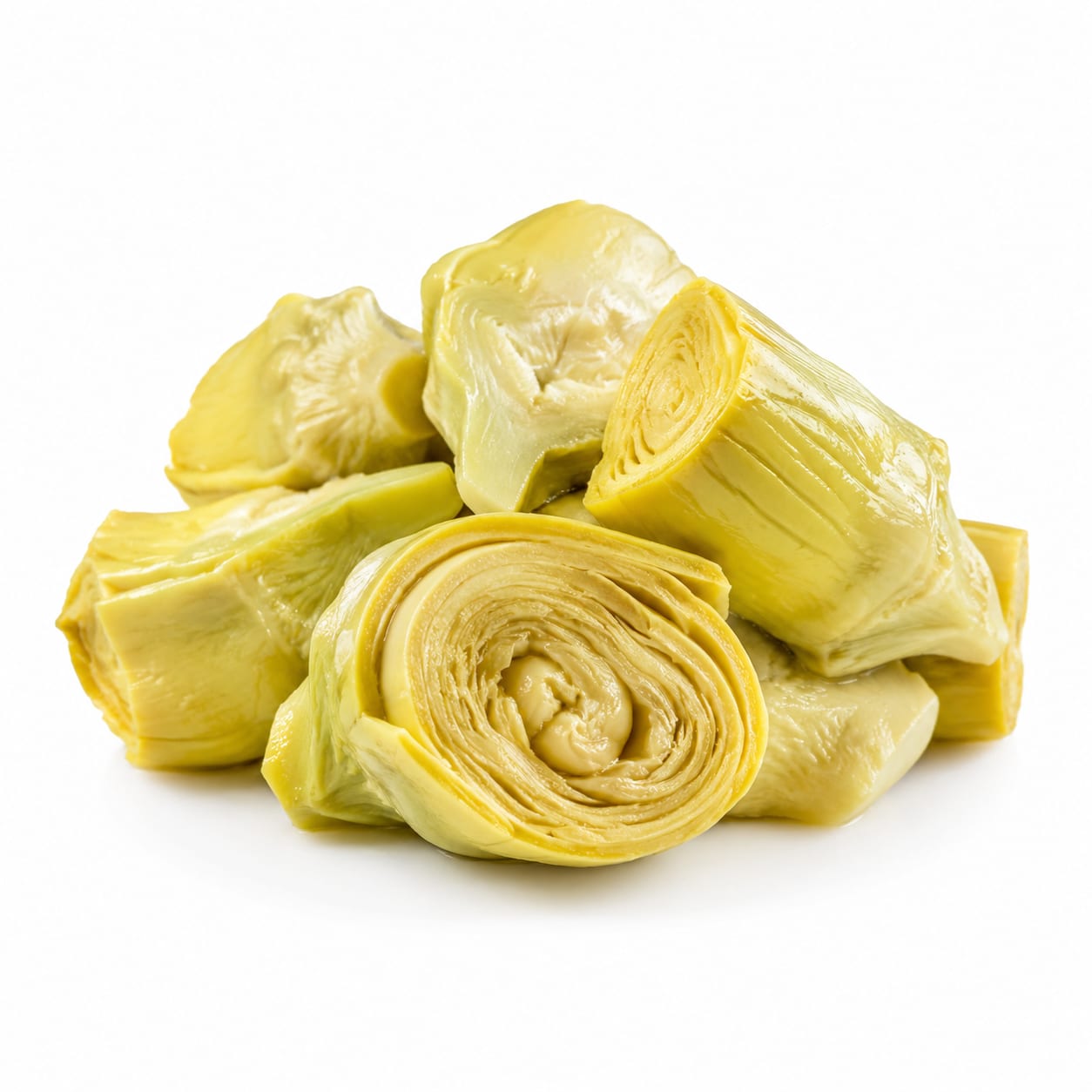
Vegetable
Artichoke
A nutrient-dense, high-fiber thistle vegetable known for its prebiotic benefits and low calorie count.
The edible flower bud of a thistle-like plant, prized for its tender heart and fleshy leaf bases, offering a unique nutty flavor and exceptional nutritional density.
high-fiber low-calorie prebiotic vegetable
Typical serving · 120g
Common varieties · green globe, violetta, romanesco, baby artichoke, desert globe
Overall context score across nutrition, safety, and diet fit
At a glance
Quick facts
Simple indicators based on nutrition, processing, and diet fit.
The story
What makes it unique
Artichokes are slow-digesting due to their very high insoluble and soluble fiber content, particularly inulin. This high fiber volume creates strong satiety, delays gastric emptying, and flattens the glycemic response. The macronutrient profile is low in fat and sugar but rich in complex carbohydrates. As a minimally processed whole plant food, it retains its natural phytochemical matrix, including cynarin and silymarin.
Varieties: green globe · violetta · romanesco · baby artichoke · desert globe
Per 100g
Nutrition breakdown
Macro balance and key metrics at a glance.
Energy
Density 0.47 kcal/g
Protein
Carbs
Fat
Fiber
Sugar
1 g
Sodium
94 mg
Potassium
370 mg
Glycemic index
15
Glycemic load
1
Water content
84.9%
Standout compounds
Nutrient highlights
Fiber
highPromotes satiety and feeds beneficial gut bacteria
Inulin
highPrebiotic that improves microbiome health and calcium absorption
Cynarin
moderateStimulates bile production and supports liver health
Folate
moderateEssential for cell division and DNA synthesis
Vitamin K
moderateImportant for bone metabolism and blood clotting
Wellness map
Health scores & processing
NOVA processing scale
minimally processed · Whole food
Fresh artichokes are intact whole plant foods requiring no processing before cooking.
Diet compatibility
- Weight loss
- Muscle gain
- Diabetes
- Gut health
- Low carb
- High protein
- Heart health
Relative standing
Food rankings
Qualitative ranks compared to similar whole foods.
- Satietyexcellent
- Blood sugarexcellent
- Nutrient densityexcellent
- Fitness fuelmoderate
- Processing qualityexcellent
Eat with confidence
Food safety profile
Fresh artichokes are generally very safe. The main concern is pesticide residue trapped between the tightly packed leaves. Canned or jarred varieties may contain added sodium or preservatives like citric acid.
Evidence confidence 85%
- Pesticidesmoderate
- Antibioticslow
- Heavy metalslow
- Contaminationlow
Watch for
- pesticide residues in leaf layers
Safer choices
Organic artichokes to avoid pesticide buildup in the bud layers, or low-sodium canned versions.
Prep tips
Rinse thoroughly under running water, gently spreading the leaves to wash inside. Cut off the thorny leaf tips and stem before cooking.
Tight bud structure can trap pesticide sprays, making thorough washing important.
Deep dive
Health analysis
How this food may fit different goals and preparation choices.
Weight loss
Extremely low energy density and high fiber volume promote fullness with very few calories, making it ideal for high-volume eating strategies.
Blood sugar
The combination of low sugar, high fiber, and inulin creates a minimal impact on blood glucose, offering excellent glycemic control.
Fitness & energy
Not a primary fuel source due to low calories and slow digestion, but provides useful micronutrient support for overall metabolic health.
Gut health
Inulin feeds bifidobacteria and other beneficial microbiome strains, producing short-chain fatty acids that support colon health.
Processing quality
A whole, unrefined plant food with maximal nutrient retention and no added chemicals when purchased fresh.
Food safety
Pesticide residue can hide between leaves; washing is essential. Jarred hearts often contain excess sodium.
Common mistakes
Eating the hairy choke, discarding the nutrient-rich heart, or overcooking until mushy and waterlogged.
Best preparation
Steaming or boiling whole, then serving with a light dip; roasting or grilling halved artichokes for deeper flavor.
Practical guide
Best use cases
When and how this food fits real eating patterns.
Prebiotic gut health boost
The high inulin content feeds beneficial gut bacteria, making it an ideal food for microbiome diversity.
High-volume low-calorie eating
Takes a long time to eat and provides massive physical fullness for under 50 calories per 100 grams.
Blood sugar friendly side dish
A flavorful, low-glycemic carbohydrate source that prevents glucose spikes.
Balance sheet
Pros & cons
Upsides
- Extremely high in prebiotic fiber
- Very low calorie and low energy density
- Supports liver function and bile production
- Minimal impact on blood sugar
- High antioxidant content
Trade-offs
- Difficult and time-consuming to prepare and eat
- High inulin can cause bloating and gas
- Edible portion is small relative to whole weight
- Canned or jarred versions are often high in sodium
Fit check
Who is it for?
Great match
- prebiotic diets
- blood sugar management
- high-volume eating
- liver support
Consider alternatives
- strict low-FODMAP diets
- quick calorie loading
- low-fiber diets
- convenience-focused meals
Side by side
How it compares
Open the full head-to-head analysis for nutrition, safety, and practical tradeoffs.
This food
Artichoke
VS85% alike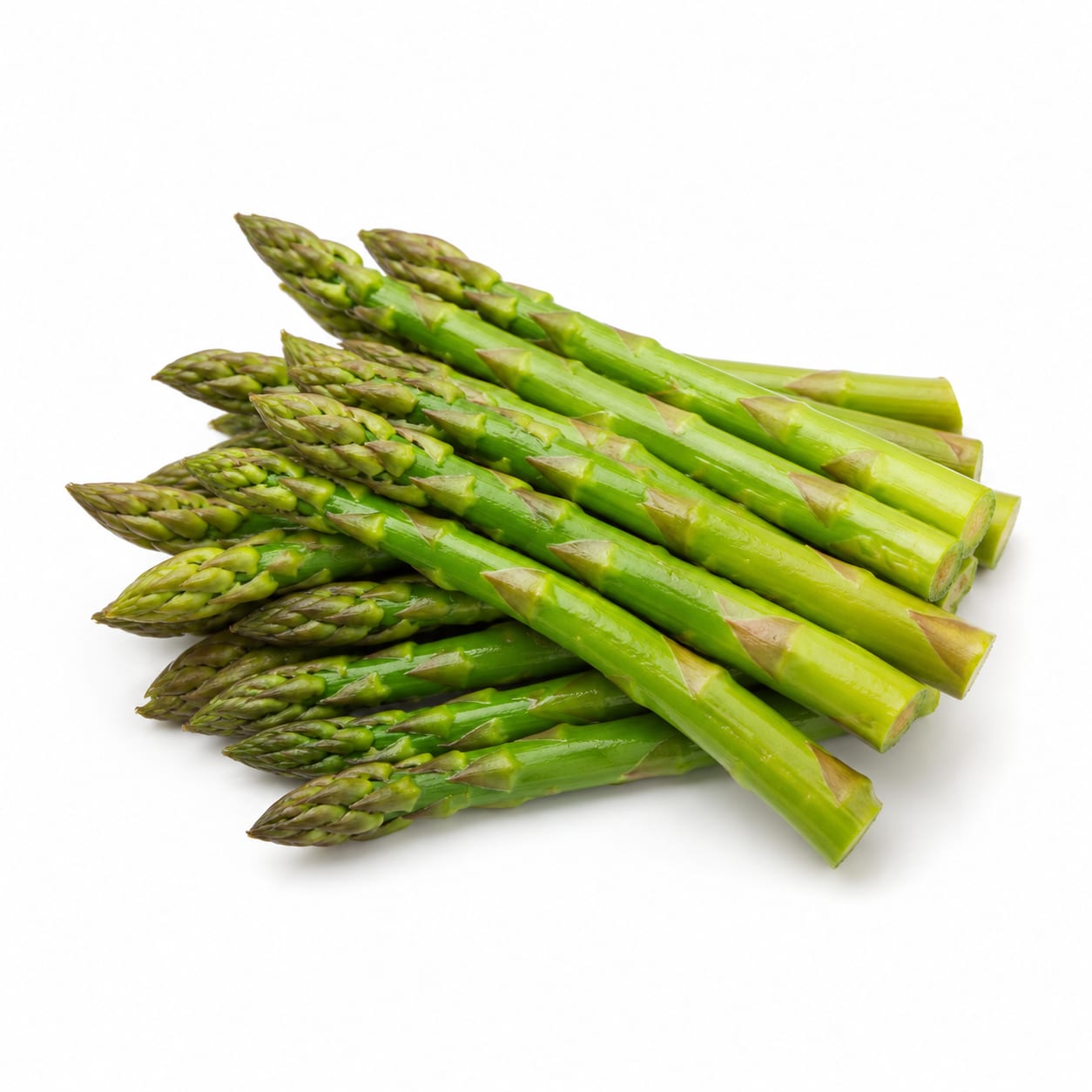
Compare with
Asparagus
Artichokes provide significantly more fiber per serving, while asparagus is easier and faster to prepare and eat.
Artichokes offer more fiber and gut health benefits, while asparagus is easier to prepare and provides a quicker vegetable side dish.
This food
Artichoke
VS80% alike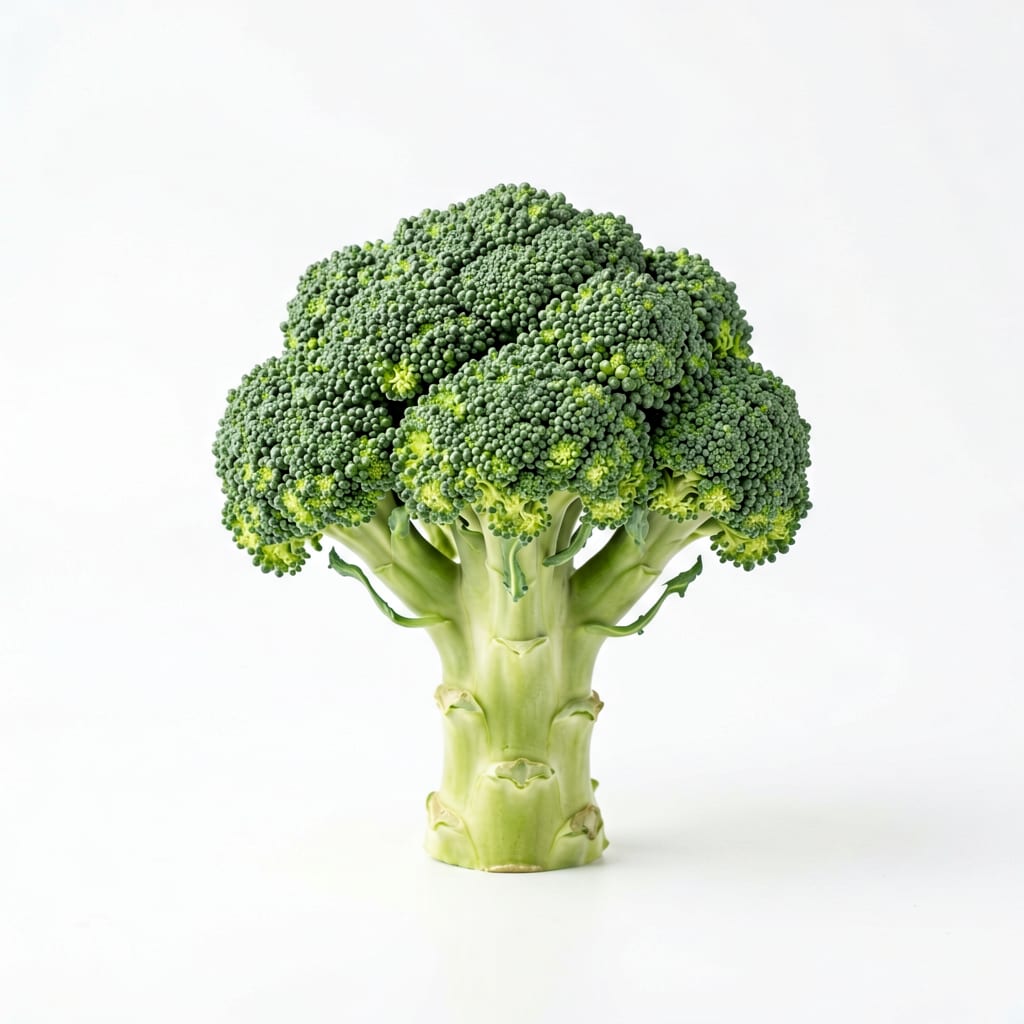
Compare with
Broccoli
Broccoli offers more protein and vitamin C, while artichoke is superior for prebiotic fiber and liver support.
Broccoli is higher in protein and vitamin C, but artichokes provide more prebiotic fiber and better satiety per calorie.
This food
Artichoke
VS75% alike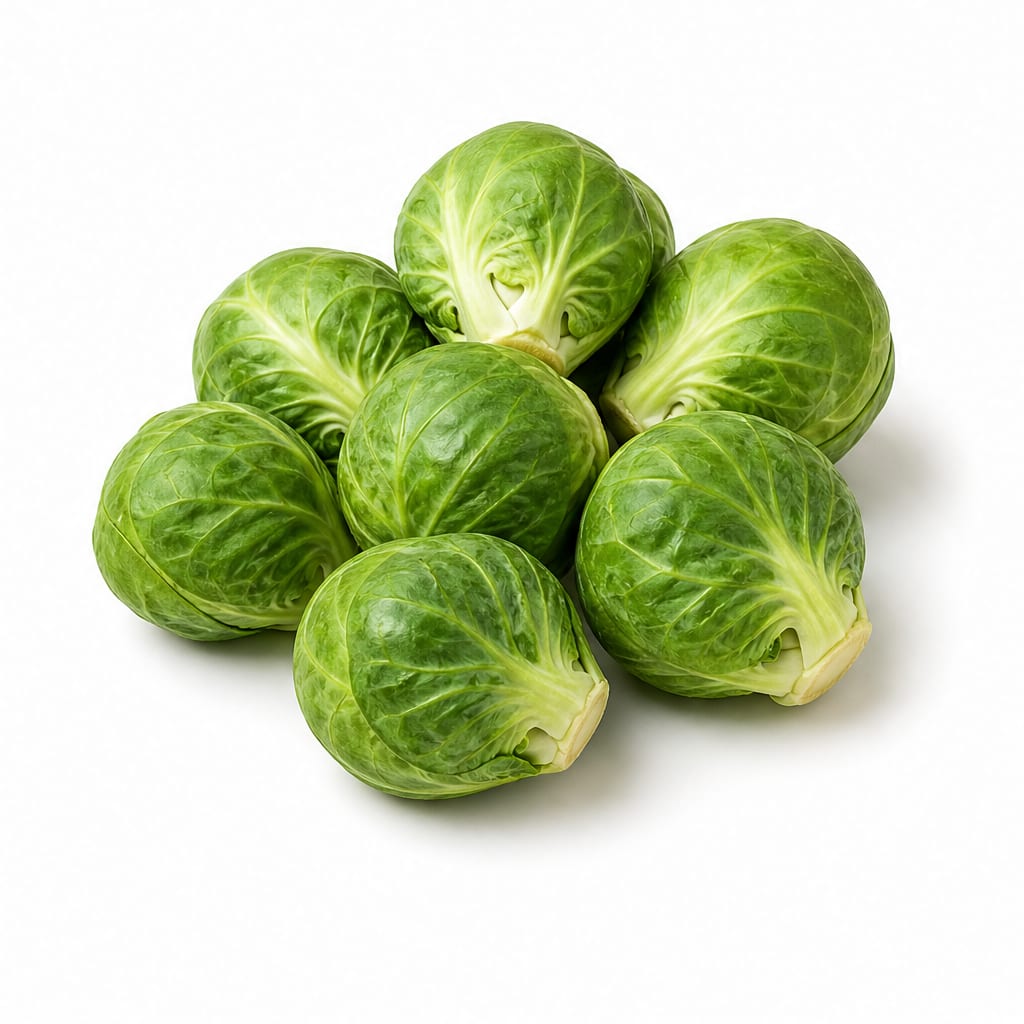
Compare with
Brussels Sprouts
Brussels sprouts are higher in vitamin C and easier to portion, while artichokes are lower in calories and higher in prebiotic inulin.
Artichokes are lower in calories and richer in prebiotics, while brussels sprouts provide more vitamin C and are easier to cook evenly.
This food
Artichoke
VS60% alike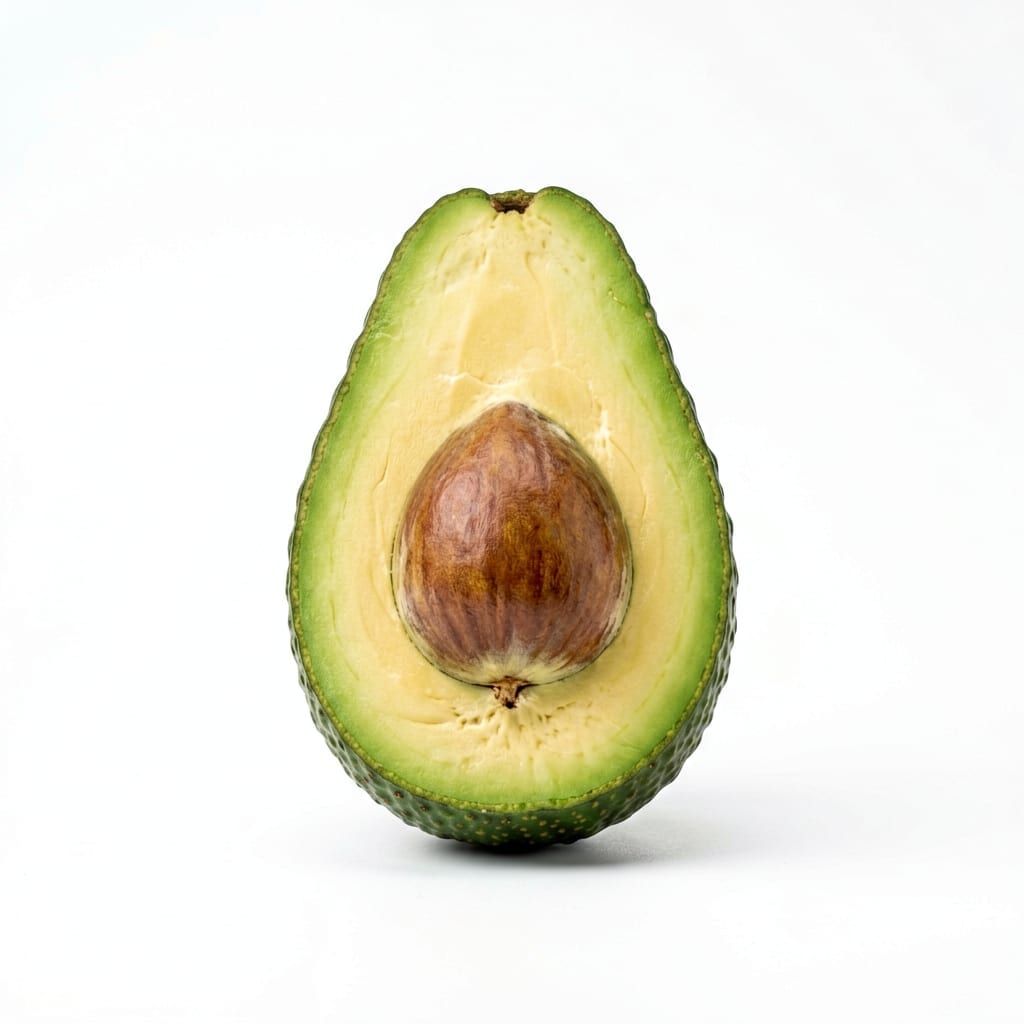
Compare with
Avocado
Avocados are high in healthy fats and calories, while artichokes are virtually fat-free and very low calorie.
Avocados provide healthy fats for hormone health, while artichokes offer a much lower-calorie, fat-free source of fiber.
This food
Artichoke
VS70% alike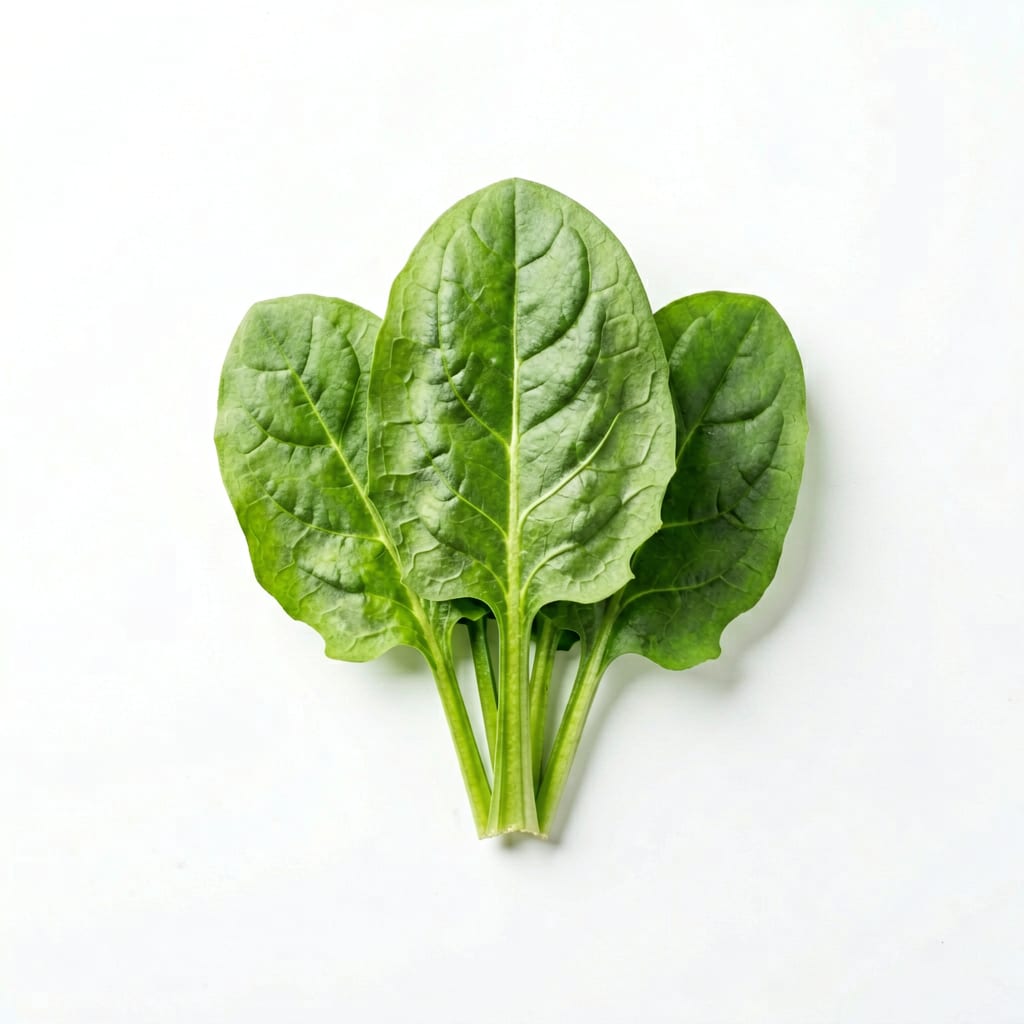
Compare with
Spinach
Spinach is extremely low in calories and versatile raw, while artichokes provide significantly more fiber and prebiotic benefits.
Spinach is more versatile and lower in calories, but artichokes deliver far more fiber and better satiety.
This food
Artichoke
VS75% alike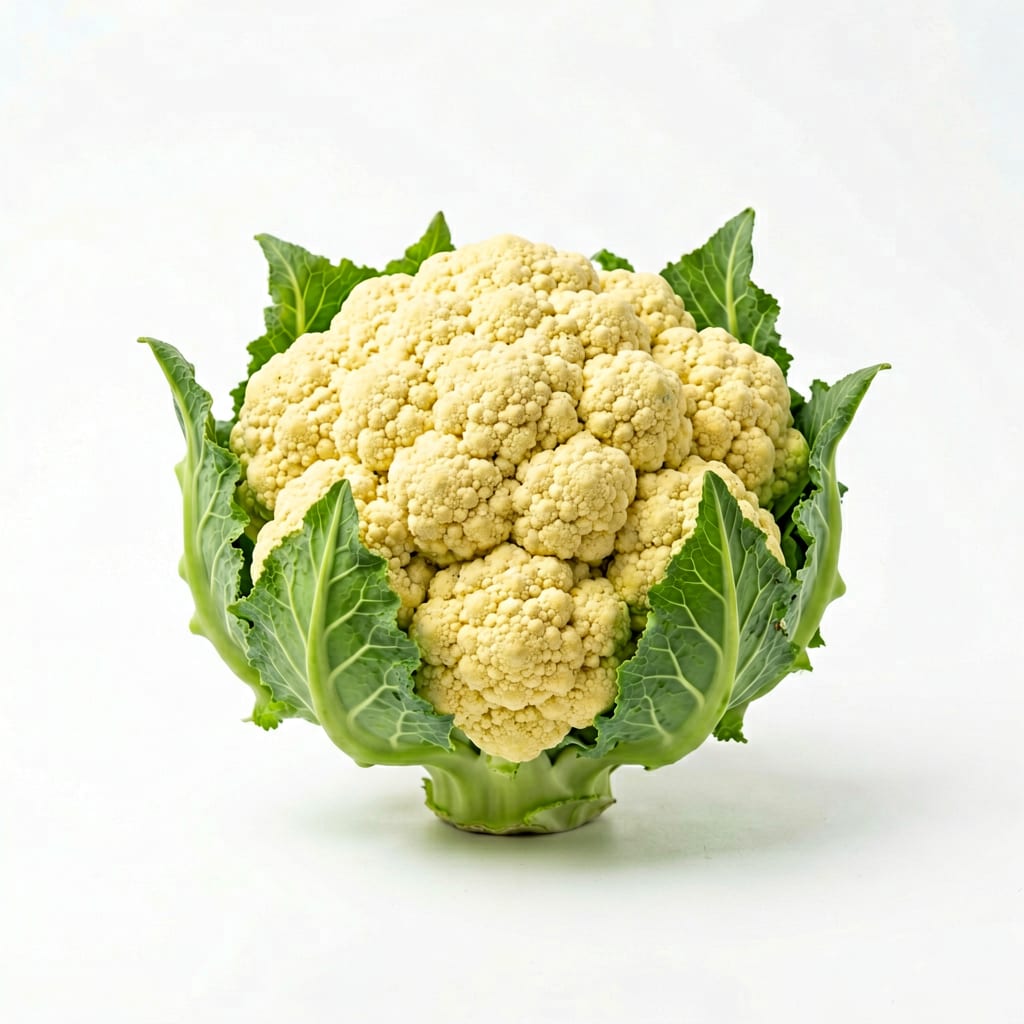
Compare with
Cauliflower
Cauliflower is highly versatile and easy to prep, while artichoke offers a distinct prebiotic advantage and higher fiber density.
Cauliflower is easier to prepare and highly versatile, but artichokes are superior for gut health and satiety due to higher fiber.
This food
Artichoke
VS65% alike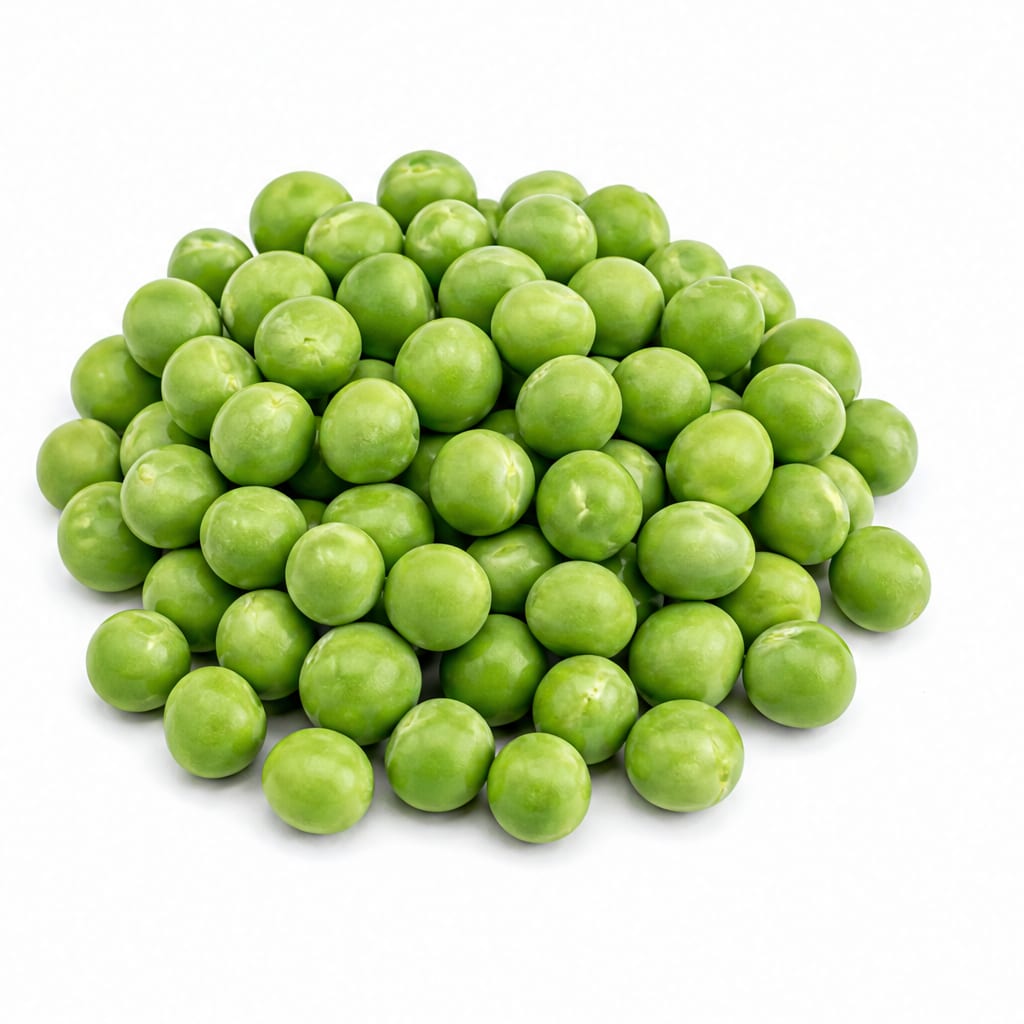
Compare with
Green Peas
Peas are higher in protein and sugar, while artichokes are much lower in sugar and higher in fiber.
Green peas offer more protein for muscle recovery, while artichokes provide superior blood sugar control and prebiotic fiber.
This food
Artichoke
VS60% alike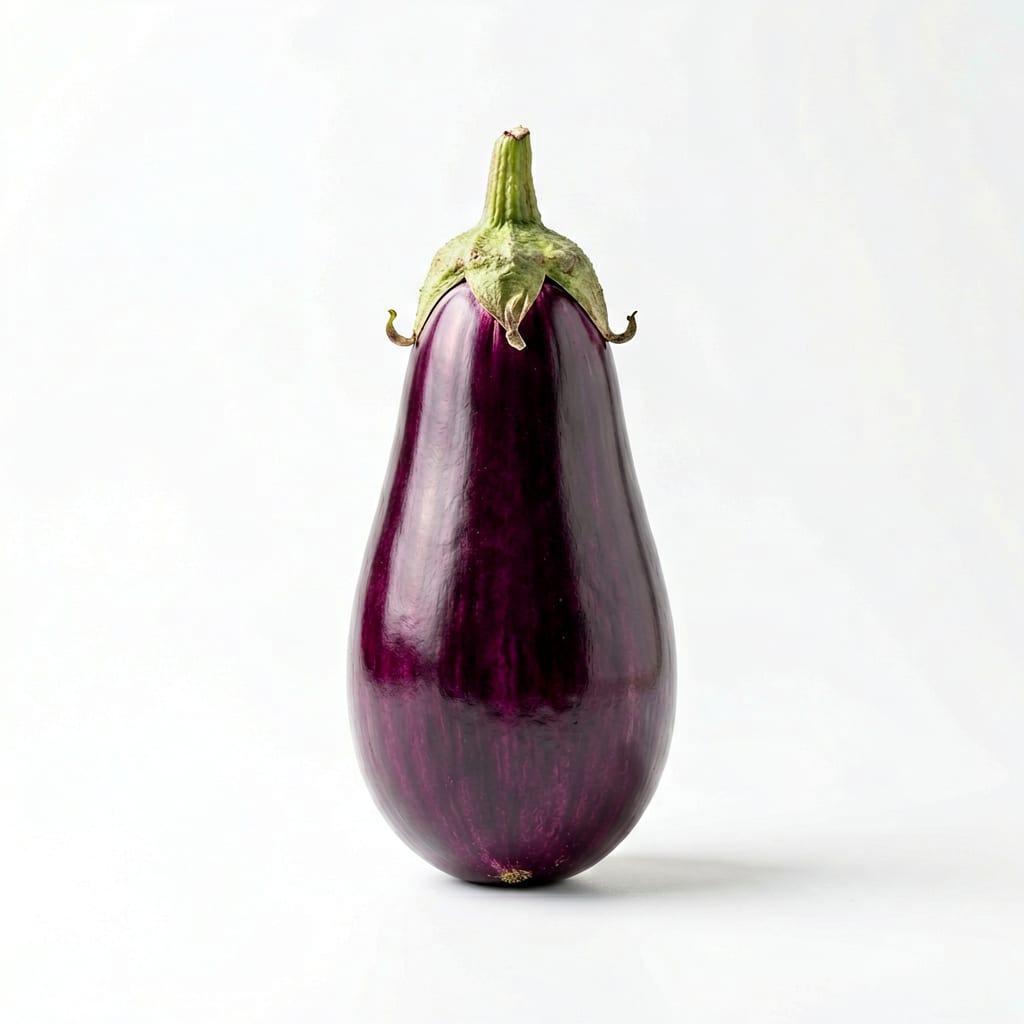
Compare with
Eggplant
Eggplant is softer and acts as a culinary sponge for fats, while artichoke is firmer, lower in calories, and higher in fiber.
Artichokes are lower in calories and higher in fiber than eggplant, which tends to absorb more cooking oils.
This food
Artichoke
VS70% alike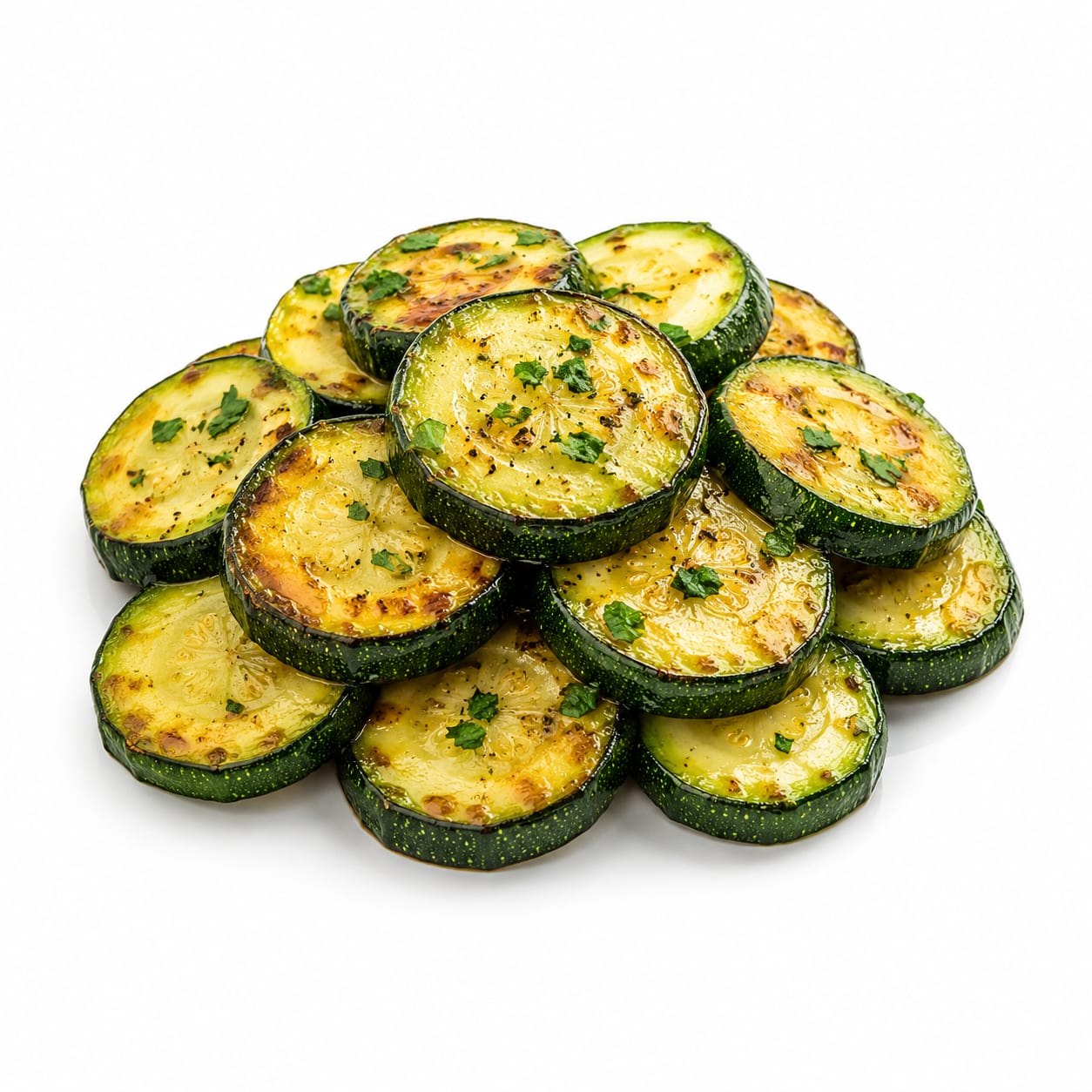
Compare with
Zucchini
Zucchini is extremely low in carbs and easy to eat raw or cooked, while artichokes are a fiber and prebiotic powerhouse.
Zucchini is lighter and easier to digest, but artichokes provide much stronger satiety and gut health benefits.
This food
Artichoke
VS95% alike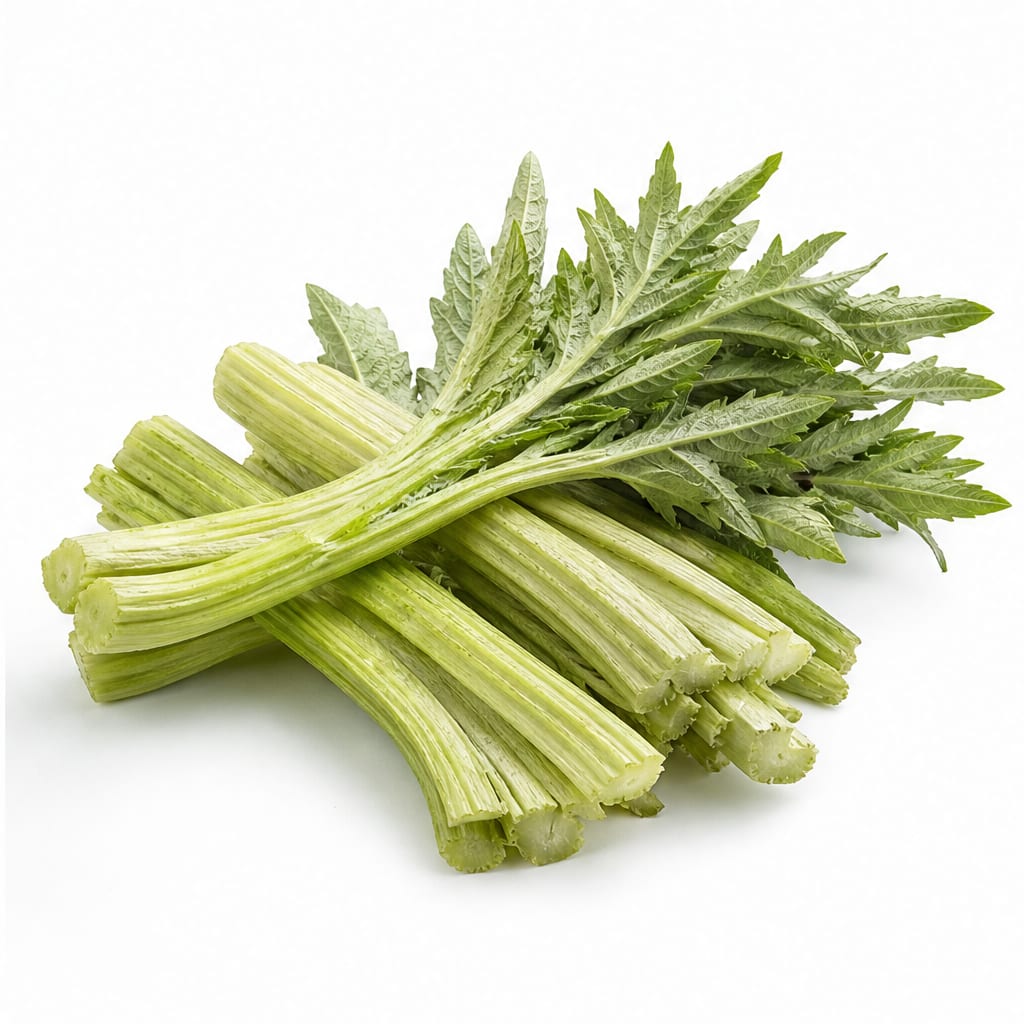
Compare with
Cardoon
Both share a similar flavor profile and cynarin content, but artichoke buds are more nutrient-dense and widely consumed than cardoon stems.
Artichokes and cardoons share a similar earthy flavor, but artichokes are more nutrient-dense and easier to find in stores.
Common questions
FAQ
Answers aligned with how people search for this food.
Are artichokes good for weight loss?
Yes, artichokes are excellent for weight loss. They are very low in calories but high in fiber, which slows digestion and keeps you feeling full longer on fewer calories.
Do artichokes make you poop?
Yes, artichokes are high in fiber, particularly insoluble fiber, which adds bulk to stool and promotes regular bowel movements.
Are artichokes high in carbs?
Artichokes contain moderate carbohydrates, but over half of them come from fiber. The net digestible carbs are low, making them suitable for low-carb diets.
Is artichoke good for fatty liver?
Artichokes contain cynarin and silymarin, compounds shown to support liver function and bile production, which may help protect against fatty liver disease.
Can you eat artichoke leaves?
You cannot eat the whole leaf, but you can scrape the tender, fleshy base of the cooked leaves with your teeth. The tough upper portion of the leaf should be discarded.
Why do artichokes make me gassy?
Artichokes are rich in inulin, a prebiotic fiber that ferments in the gut. This fermentation produces gas, which can cause bloating in sensitive individuals.
Are jarred artichoke hearts healthy?
Jarred artichoke hearts retain fiber and nutrients but are often high in added sodium and sometimes packed in inflammatory oils. Rinsing them or choosing water-packed versions is healthier.
What part of an artichoke do you eat?
You eat the fleshy base of the leaves, the tender inner heart, and the stem. The fuzzy choke in the center and the tough outer leaf tips must be discarded.
Transparency
Data confidence
Estimated confidence for nutrition data, interpretation, safety notes, and comparisons.
Nutrition data
Health analysis
Food safety
Comparisons