
Nutrition comparison
Eggplant vs Artichoke: Which Vegetable Is Healthier for You?
Compare Eggplant and Artichoke side by side—fiber, liver health, digestion, cooking convenience, and more. Find out which vegetable fits your health goals better.
Overall winner · Artichoke
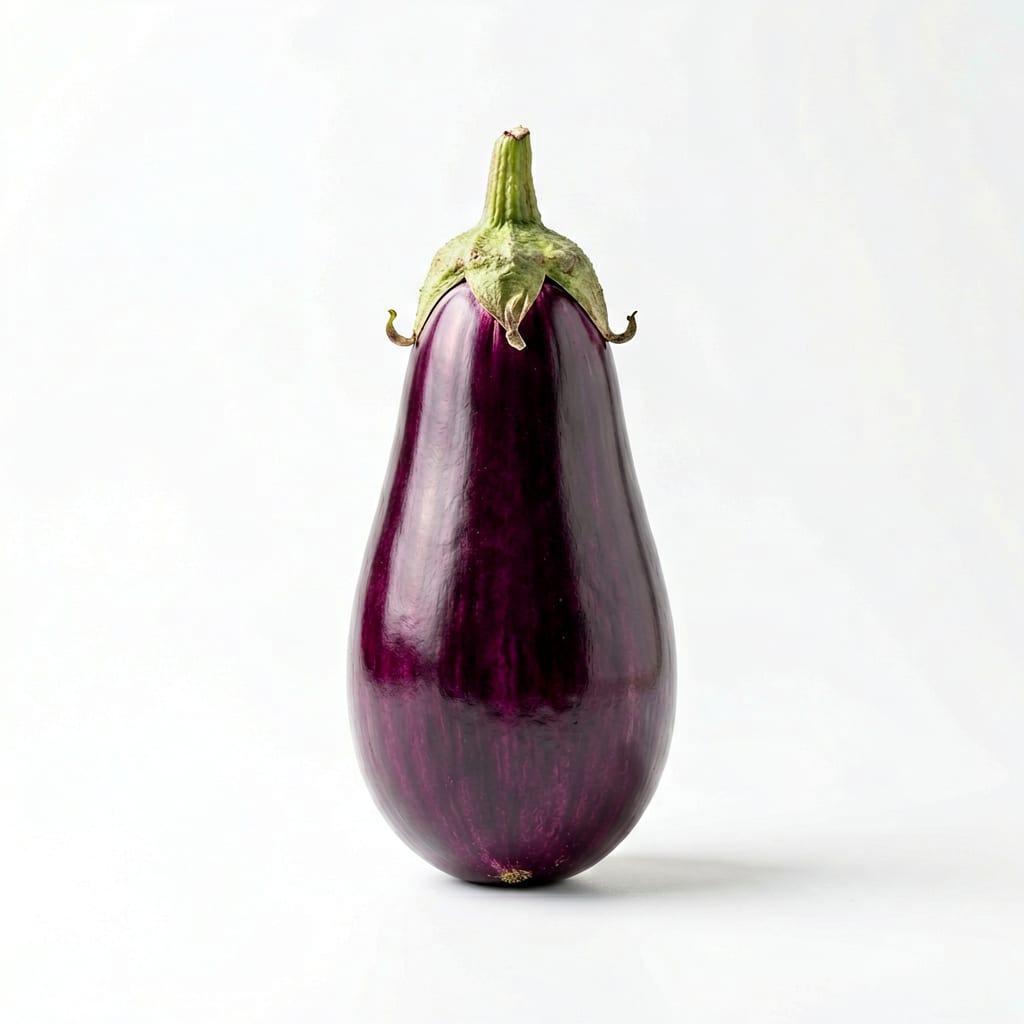
Eggplant
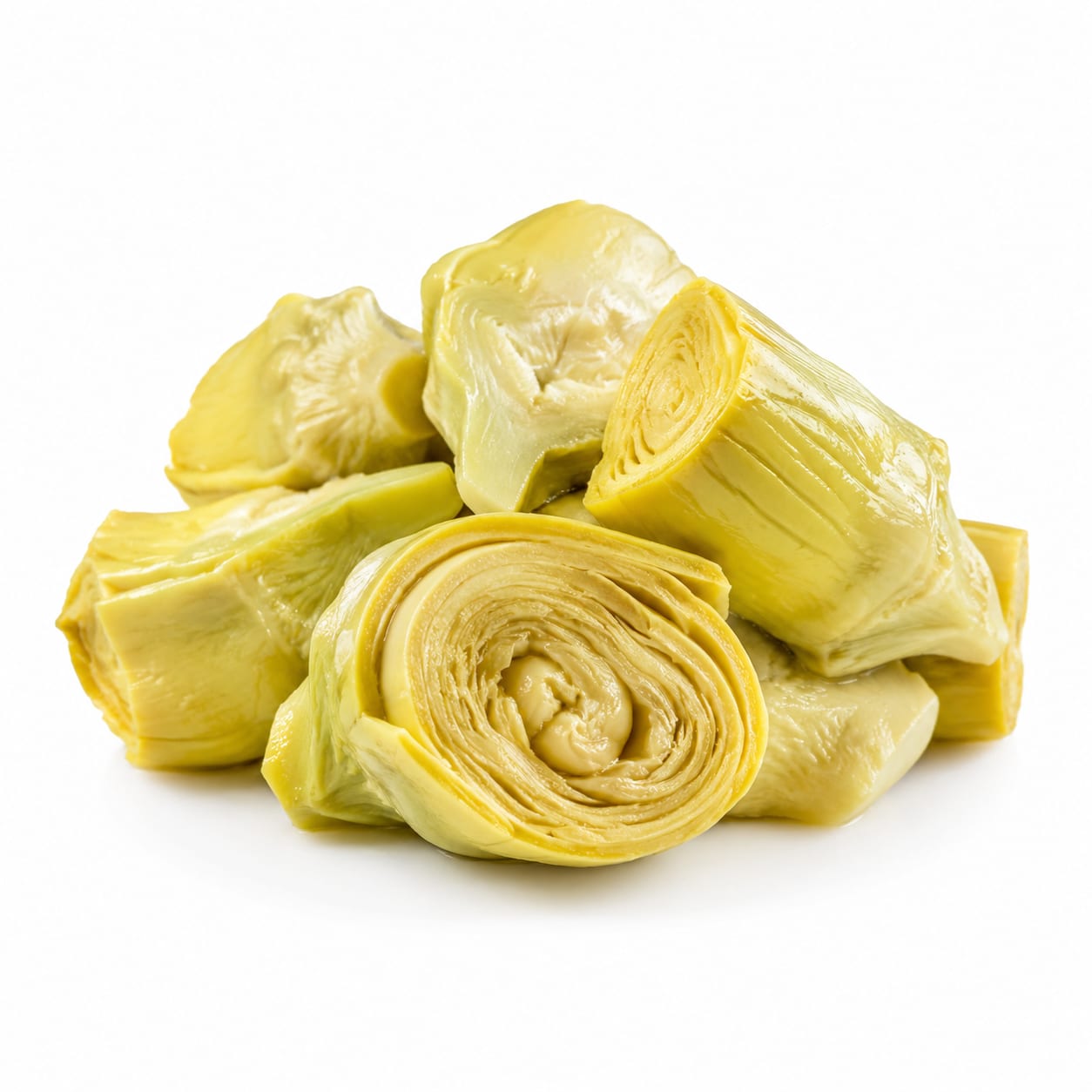
Artichoke
Artichoke delivers significantly more fiber, liver-supporting compounds, and overall nutrient density, but Eggplant wins on convenience, versatility, and being gentler on digestion for sensitive stomachs.
Artichoke scores higher due to its exceptional fiber content, liver-supporting compounds, and superior nutrient density. Eggplant remains solid but offers less nutritional impact per serving. The gap narrows significantly when convenience and digestibility are prioritized.
Artichoke gives you superior nutrition per bite, but Eggplant gives you an easier food to live with day-to-day.
At a glance
Executive summary
Overall
Artichoke
Healthier
Artichoke
More practical
Eggplant
Daily use
It depends
Key comparison lenses
fiber and digestive health
Artichoke is one of the highest-fiber vegetables available, making this a critical differentiator for gut health and satiety decisions
liver and detox support
Artichoke contains cynarin and silymarin-like compounds specifically studied for liver support, a rare nutritional niche
antioxidant diversity
Both foods offer distinct antioxidant profiles—nasunin in Eggplant versus cynarin in Artichoke—making this about choosing antioxidant priorities
cooking versatility and convenience
Eggplant is far easier to prepare and incorporate into meals, while Artichoke requires significant prep effort
food sensitivity concerns
Eggplant is a nightshade which triggers sensitivity in some people, while Artichoke can cause gas due to high inulin
Best choice for
Eggplant
- People with nightshade tolerance who want an easy vegetable to cook regularly
- Anyone meal-prepping or cooking for a family on busy weeknights
- Those who find high-fiber foods cause bloating and prefer gentler options
- Home cooks wanting a versatile ingredient that absorbs flavors beautifully
Artichoke
- People prioritizing gut health and prebiotic fiber intake
- Anyone focused on liver support and bile production
- Those wanting maximum nutrient density per calorie
- People willing to spend more time preparing food for better nutritional returns
Least suitable for
Eggplant
- People with nightshade sensitivity or autoimmune conditions aggravated by solanine
- Anyone looking for a high-protein or iron-rich vegetable
- Those prone to over-oiling their cooking, since Eggplant acts like a sponge
Artichoke
- People with IBS or severe FODMAP sensitivity who react to inulin
- Anyone wanting quick weeknight vegetable sides
- Those who find fussy food preparation frustrating
Deep comparison
Dimension by dimension
Each lens scores both foods and breaks down who each option suits.
- Dimension 1 · Priority 95Artichoke
fiber_and_gut_health
Eggplant · 55Artichoke · 93Artichoke is a fiber powerhouse with roughly double the fiber of Eggplant, plus significant prebiotic inulin that feeds beneficial gut bacteria.
Tradeoff
That same high fiber and inulin can cause uncomfortable gas and bloating in sensitive individuals, while Eggplant is gentler on the stomach.
Why it matters
Fiber is the single most underconsumed nutrient in modern diets, and Artichoke delivers it in quantities few vegetables can match.
Real-world impact
A single Artichoke can provide nearly half your daily fiber needs, whereas you would need multiple servings of Eggplant to approach the same intake.
Eggplant
- People with IBS who need lower-FODMAP options
- Anyone transitioning to a higher-fiber diet who needs to adjust gradually
Better for
- Relying on Eggplant alone will not close most fiber gaps
Worse for
Artichoke
- Building a thriving gut microbiome
- Improving regularity without supplements
- Sustained fullness that reduces between-meal snacking
Better for
- Sudden large servings can cause significant bloating and gas
Worse for
- Dimension 2 · Priority 85Artichoke
liver_and_detoxification_support
Eggplant · 45Artichoke · 90Artichoke contains cynarin and related compounds that stimulate bile production and support liver function—a nutritional benefit almost unique to this vegetable.
Tradeoff
Eggplant offers no meaningful liver-specific compounds, but its chlorogenic acid still provides general antioxidant support.
Why it matters
Liver health is silently critical for hormone balance, detoxification, and energy, yet few foods actively support it.
Real-world impact
Regular Artichoke consumption has been linked to improved liver enzyme markers in studies, making it a functional food choice for liver-conscious eaters.
Eggplant
- General antioxidant protection without targeting any specific organ
Better for
- No meaningful liver-specific benefit
Worse for
Artichoke
- Active bile stimulation that aids fat digestion
- Measurable liver enzyme support in clinical observations
- Pairing naturally with rich meals to help process dietary fats
Better for
- Benefits require regular consumption, not just occasional use
Worse for
- Dimension 3 · Priority 78It depends
antioxidant_profile
Eggplant · 80Artichoke · 82Eggplant skin provides nasunin, a potent brain-protective antioxidant, while Artichoke delivers cynarin and high overall antioxidant capacity. Both are excellent but protect different systems.
Tradeoff
You get brain-protective antioxidants from Eggplant and liver-protective antioxidants from Artichoke—neither is objectively superior.
Why it matters
Antioxidant diversity matters more than quantity, and these two vegetables complement each other rather than compete.
Real-world impact
Eating both across the week gives you broader antioxidant coverage than loading up on just one.
Eggplant
- Brain cell protection through nasunin in the purple skin
- Protecting cell membranes from oxidative damage
Better for
- Most antioxidants are in the skin, which some people peel away
Worse for
Artichoke
- Higher total antioxidant capacity per serving
- Liver-specific oxidative stress reduction
Better for
- Antioxidant content degrades significantly with prolonged cooking
Worse for
- Dimension 4 · Priority 75Eggplant
cooking_versatility_and_convenience
Eggplant · 88Artichoke · 42Eggplant is a culinary chameleon that roasts, grills, stir-fries, and bakes beautifully. Artichoke requires trimming, choking, and careful cooking before it is even edible.
Tradeoff
Eggplant absorbs oil eagerly, which can turn a low-calorie vegetable into a calorie-dense dish. Artichoke is naturally eaten with minimal added fat.
Why it matters
The healthiest vegetable only helps if you actually cook and eat it regularly. Convenience drives consistency.
Real-world impact
You can have Eggplant on the table in 20 minutes with almost no prep. A whole Artichoke can take 45 minutes just to steam, plus trimming time.
Eggplant
- Quick sheet-pan meals and stir-fries
- Absorbing sauces and spices for flavorful dishes
- Working across Mediterranean, Asian, and Middle Eastern recipes
Better for
- Calories can triple if you pan-fry in oil heavily
- Bitterness requires salting and draining in some varieties
Worse for
Artichoke
- Elegant presentation for dinner parties
- Natural portion control from slow eating
Better for
- High prep barrier discourages regular use
- Canned or jarred versions often include excess sodium
Worse for
- Dimension 5 · Priority 72It depends
calorie_density_and_weight_management
Eggplant · 70Artichoke · 75Both are low-calorie vegetables, but Artichoke is more filling per calorie due to its fiber, while Eggplant is easier to accidentally calorie-load through cooking oil.
Tradeoff
Artichoke naturally keeps you fuller longer, but Eggplant's lower raw calorie count only holds if you cook it without drowning it in oil.
Why it matters
Satiety per calorie is the real metric for weight management, not just the raw calorie count on paper.
Real-world impact
One medium Artichoke keeps you satisfied for hours. One serving of Eggplant can leave you hungry an hour later unless paired with protein.
Eggplant
- Very low calorie density when roasted or grilled with minimal oil
- Bulk for volume eaters who want large portions
Better for
- Oil absorption can silently double or triple the calorie count
Worse for
Artichoke
- Higher satiety per calorie due to superior fiber content
- Natural fat intake control since it does not absorb cooking oil
Better for
- Higher baseline calories per 100g, though still very low
Worse for
- Dimension 6 · Priority 70It depends
food_sensitivity_and_tolerance
Eggplant · 55Artichoke · 58Eggplant is a nightshade containing solanine, which triggers joint pain or inflammation in sensitive individuals. Artichoke is high in inulin, which ferments aggressively in sensitive guts.
Tradeoff
Each vegetable has a distinct sensitivity profile—nightshade issues with Eggplant versus FODMAP issues with Artichoke.
Why it matters
For people with autoimmune conditions or IBS, the wrong choice can cause real discomfort regardless of nutritional merits.
Real-world impact
Someone with rheumatoid arthritis may feel worse after Eggplant, while someone with SIBO may feel worse after Artichoke.
Eggplant
- Lower FODMAP and gentler on the fermentable carbohydrate front
- Generally well-tolerated by people without nightshade issues
Better for
- Solanine can trigger joint pain in susceptible individuals
- Nightshade elimination diets specifically exclude Eggplant
Worse for
Artichoke
- Safe for people with nightshade sensitivity or autoimmune flares
- No solanine concerns whatsoever
Better for
- Inulin is a strong FODMAP trigger for IBS and SIBO
- Can cause painful gas in people with compromised gut flora
Worse for
- Dimension 7 · Priority 68Artichoke
nutrient_density_beyond_fiber
Eggplant · 50Artichoke · 78Artichoke provides meaningfully more folate, vitamin K, magnesium, and potassium per serving. Eggplant is not nutrient-poor, but it is less impressive per bite.
Tradeoff
Eggplant's nutrient contribution is modest but spread across many small amounts, while Artichoke delivers concentrated doses of specific nutrients.
Why it matters
When you have limited vegetable servings per day, choosing nutrient-dense options gives you more health return per meal.
Real-world impact
A serving of Artichoke covers about 25% of your daily folate needs, which matters for cell repair and energy production.
Eggplant
- Small amounts of manganese and potassium contribute to daily totals
Better for
- No standout vitamin or mineral in meaningful quantities
Worse for
Artichoke
- Significant folate for cellular repair and DNA synthesis
- Vitamin K for bone and blood health
- Magnesium for muscle relaxation and sleep quality
Better for
- Vitamin C content drops with cooking
Worse for
Timeline
Health impact over time
Short-term
Hours to days
Eggplant
- Quick volume on the plate with minimal calorie cost when prepared simply
- Possible mild digestive comfort due to low fermentable carbohydrate content
- Nightshade-sensitive individuals may notice joint stiffness within hours
Artichoke
- Noticeable fullness and satiety after eating due to high fiber
- Possible bloating or gas within 30-60 minutes if gut is not accustomed to inulin
- Stimulated bile production may improve digestion of a rich meal eaten alongside it
Long-term
Months to years
Eggplant
- Consistent antioxidant intake from nasunin supports brain cell membrane health
- Low calorie density supports weight maintenance when cooking methods stay lean
- Nightshade consumption remains debated for autoimmune conditions—monitor personal response
Artichoke
- Improved gut microbiome diversity from regular prebiotic fiber intake
- Better liver enzyme profiles and bile function from cynarin consumption
- Higher folate intake supports cardiovascular and cellular health over decades
Risk profile
Safety & processing
Both Eggplant and Artichoke are whole, minimally processed vegetables when purchased fresh. The main concern is with jarred or canned Artichoke hearts, which often contain citric acid, salt, and preservatives that reduce their clean-eating advantage.
Eggplant
Solanine sensitivity
mediumEggplant contains solanine, which can trigger inflammation and joint pain in nightshade-sensitive individuals, particularly those with autoimmune conditions.
Oil absorption during cooking
mediumEggplant acts like a sponge, easily absorbing 3-4 tablespoons of oil per cup when pan-fried, turning a healthy vegetable into a calorie bomb.
Oxalate content
lowEggplant contains moderate oxalates, a minor concern for people prone to kidney stones.
Artichoke
Inulin fermentation and gas
mediumArtichoke's high inulin content ferments aggressively in the gut, causing significant bloating and flatulence in people with IBS or unadapted gut bacteria.
Choking hazard from choke
lowImproperly prepared whole Artichoke retains the fuzzy choke, which is a physical choking hazard and must be completely removed before eating.
Sodium in preserved forms
mediumCanned and jarred Artichoke hearts often contain 300-500mg of sodium per serving, which can quietly push daily intake over recommended limits.
Who wins for whom
Audience fit
Same foods, different winners depending on your goal.
children
EggplantEggplant is easier to prepare, softer to chew, and more likely to be accepted in familiar dishes like pasta or stir-fries. Whole Artichokes require patience and coordination most children lack.
daily consumption
EggplantEggplant's ease of preparation and lower digestive irritation risk makes it more sustainable as a daily vegetable. Artichoke's prep time and gas potential limit everyday practicality.
diabetes
ArtichokeArtichoke's high fiber slows glucose absorption more effectively, leading to steadier blood sugar responses after meals.
elderly
ArtichokeArtichoke's folate, vitamin K, and magnesium support bone density and cognitive health in aging populations, and its fiber helps with common constipation issues.
muscle gain
It dependsNeither vegetable is a meaningful protein source. Both serve as low-calorie sides for muscle-building meals, with no clear advantage.
weight loss
ArtichokeArtichoke's superior fiber content keeps you fuller longer per calorie, reducing the urge to snack between meals.
Your move
Decision guide
Choose Eggplant
- You want a versatile vegetable that fits into quick weeknight meals without fuss
- You have IBS or FODMAP sensitivity and need a gentler fiber source
- You enjoy cooking and want an ingredient that absorbs flavors and sauces beautifully
- You are nightshade-tolerant and want a low-calorie volume food for large portions
Choose Artichoke
- Gut health and microbiome diversity are top priorities for you
- You want liver support and better fat digestion from your vegetables
- You are willing to invest prep time for significantly more nutritional return
- You have nightshade sensitivity and need a nutrient-dense alternative
Either works if
- You are simply trying to eat more vegetables and both sound appealing
- You want antioxidant diversity by rotating different colored vegetables across the week
- You are meal planning and can use Eggplant for quick nights and Artichoke for slower weekends
Avoid both if
- You have both nightshade sensitivity and severe IBS simultaneously
- You are looking for a protein-rich or iron-rich vegetable to meet those specific needs
Final recommendation
Eat both, but let Artichoke do the heavy nutritional lifting when you have time to prepare it, and keep Eggplant as your reliable daily workhorse. If forced to choose one for health outcomes alone, Artichoke wins. If forced to choose one for realistic daily use, Eggplant wins. The smartest approach is keeping both in rotation.
Practical
Consumer tips
- 1
Salt sliced Eggplant and let it drain for 20 minutes before cooking to reduce bitterness and oil absorption significantly
- 2
Steam or roast Eggplant rather than pan-frying to keep calories low without sacrificing texture
- 3
Buy canned Artichoke hearts packed in water rather than oil or brine to avoid excess calories and sodium
- 4
If whole Artichoke prep feels overwhelming, frozen Artichoke hearts offer nearly the same nutrition with far less effort
- 5
Introduce Artichoke gradually—start with small portions to let your gut bacteria adapt to the inulin without excessive gas
- 6
Always leave the skin on Eggplant, as that is where most nasunin antioxidants live
- 7
Pair Artichoke with a drizzle of olive oil and lemon after steaming instead of dipping leaves in melted butter or mayo-based sauces