
Nutrition comparison
Artichoke vs Avocado: Nutrition Comparison, Health Benefits, and Which to Choose
Compare artichoke and avocado side by side — calories, fiber, healthy fats, weight loss impact, gut health benefits, and practical everyday use. Find which fits your health goals.
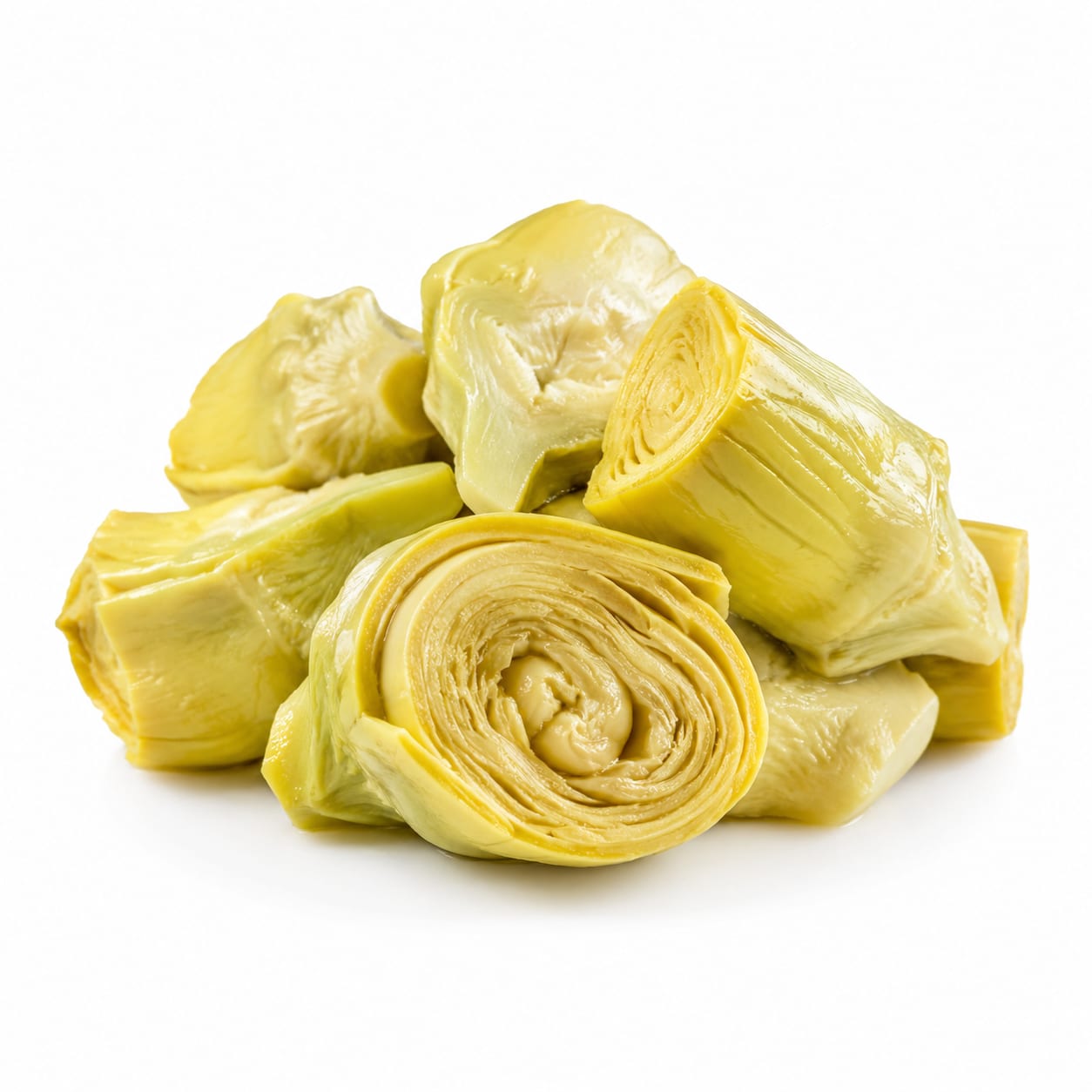
Artichoke
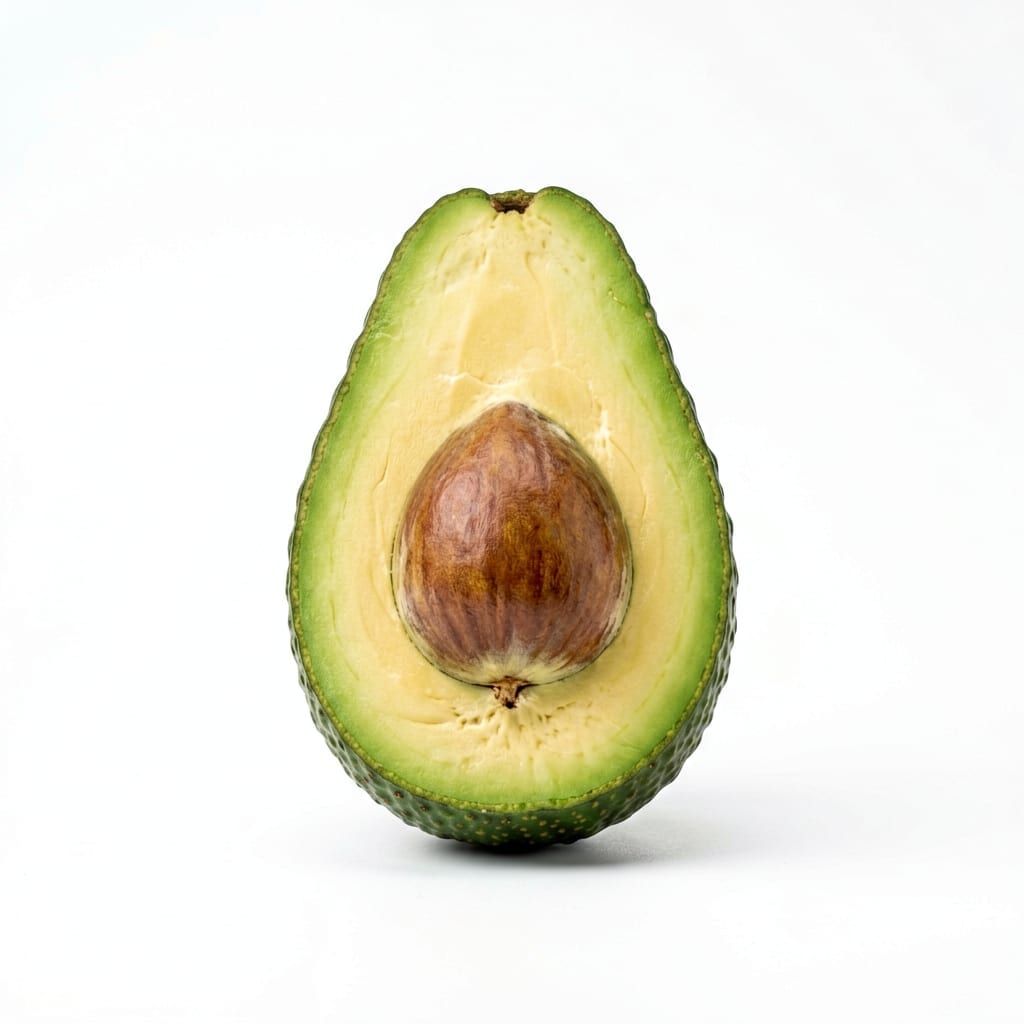
Avocado
Artichoke wins for low-calorie volume eating and gut health; avocado wins for healthy fats, creaminess, and meal versatility.
Avocado scores slightly higher due to superior healthy fat content, broader nutrient absorption benefits, and everyday practicality. Artichoke remains exceptional for low-calorie fiber and liver health but loses points on convenience and calorie density limitations.
Calorie density versus fat quality — artichoke fills you up on almost no calories, while avocado delivers essential fats that many diets lack but at high calorie cost.
At a glance
Executive summary
Overall
It depends
Healthier
It depends
More practical
Avocado
Daily use
Avocado
Key comparison lenses
weight management and calorie density
Artichoke is extremely low in calories while avocado is calorie-dense, making this the most impactful daily decision factor
heart health fat vs fiber
Avocado offers heart-healthy monounsaturated fats while artichoke provides cholesterol-lowering fiber, representing two distinct cardiovascular strategies
satiety and fullness mechanisms
These foods create fullness through completely different mechanisms — volume and fiber versus fat density
digestive health and gut support
Artichoke is a prebiotic powerhouse with inulin, while avocado offers gentler fiber that is easier on sensitive stomachs
practical everyday convenience
Avocado is ready to eat and versatile, while artichoke requires significant preparation effort
Best choice for
Artichoke
- Active weight loss with volume eating
- Gut health optimization and prebiotic support
- Liver health and detoxification support
- Low-calorie snacking and appetite control
- Cholesterol reduction through soluble fiber
Avocado
- Heart-healthy monounsaturated fat intake
- Nutrient absorption from fat-soluble vitamins
- Quick satisfying meals with minimal prep
- Brain health and anti-inflammatory diets
- Keto and low-carb lifestyles
Least suitable for
Artichoke
- People who need calorie-dense foods for weight gain
- Those seeking quick convenient meals
- Anyone with difficulty digesting high-fiber foods
- People unfamiliar with preparing whole artichokes
Avocado
- Strict calorie counting for weight loss
- People prone to overeating calorie-dense foods
- Those with fat malabsorption issues
- Very low-fat diet protocols
Deep comparison
Dimension by dimension
Each lens scores both foods and breaks down who each option suits.
- Dimension 1 · Priority 95Artichoke
Calorie Density and Weight Management
Artichoke · 92Avocado · 45Artichoke delivers massive volume and fiber for minimal calories, making it a weight-loss ally. Avocado's healthy fats come with a steep calorie price tag.
Tradeoff
You get essential fats from avocado but must carefully portion it. Artichoke lets you eat freely but provides virtually no dietary fat.
Why it matters
For anyone tracking calories, this is the defining difference. A whole artichoke has roughly 60 calories; a single avocado has around 240.
Real-world impact
You can eat an entire artichoke as a snack without guilt. Half an avocado can quietly use up 15% of your daily calorie budget.
Artichoke
- Volume eaters who want to feel full on fewer calories
- Calorie-counters seeking generous portion sizes
- Evening snackers who want something to pick at mindfully
Better for
- Anyone needing efficient calorie delivery for weight gain
- Busy people who cannot afford low-calorie fillers
Worse for
Avocado
- People who need calorie-dense options to maintain weight
- Athletes requiring efficient calorie intake
- Those who struggle to eat enough throughout the day
Better for
- Weight loss dieters who underestimate portion calories
- Mindless eaters who consume avocado straight with a spoon
Worse for
- Dimension 2 · Priority 90Avocado
Heart Health and Lipid Profile
Artichoke · 75Avocado · 88Avocado's monounsaturated fats actively improve cholesterol ratios. Artichoke's soluble fiber helps lower LDL but through a different, slower mechanism.
Tradeoff
Avocado gives you the fats your heart needs directly. Artichoke helps your body manage cholesterol indirectly through fiber binding.
Why it matters
Most Western diets are deficient in quality monounsaturated fats. Avocado fills this gap efficiently. Artichoke supports heart health but cannot replace healthy fat intake.
Real-world impact
Adding avocado to a salad helps absorb fat-soluble nutrients from other vegetables while directly supporting cardiovascular function. Artichoke is a great side but not a fat source.
Artichoke
- People already getting adequate healthy fats from other sources
- Those focusing on fiber-based cholesterol management
Better for
- People relying on it as their primary heart-healthy food without fat sources
Worse for
Avocado
- Anyone needing to increase monounsaturated fat intake
- People looking to improve HDL-to-LDL ratios
- Those eating plant-based diets needing whole-food fat sources
Better for
- Those on very low-fat diets for medical reasons
Worse for
- Dimension 3 · Priority 85It depends
Satiety and Fullness
Artichoke · 82Avocado · 84Artichoke fills you through volume and fiber stretch. Avocado fills you through fat-driven satiety signals. Both work, but through different mechanisms.
Tradeoff
Artichoke satiety is physical and immediate but shorter-lasting. Avocado satiety is hormonal and more sustained but requires calorie investment.
Why it matters
If you are hungry now and watching calories, artichoke physically fills your stomach. If you want to stay satisfied for hours, avocado's fat content delays hunger return.
Real-world impact
An artichoke as an appetiter suppresses hunger before dinner. Half an avocado at lunch keeps you full until evening without snacking.
Artichoke
- Pre-meal appetite reduction
- Volume-based dieters needing physical fullness
- Mindful eating practices that involve slow consumption
Better for
- Those needing long-lasting satiety from a single food
Worse for
Avocado
- Sustained energy between meals without crashes
- Breakfast additions that prevent mid-morning hunger
- Post-workout recovery meals needing lasting satisfaction
Better for
- People who find high-fat foods trigger rather than reduce cravings
Worse for
- Dimension 4 · Priority 80Artichoke
Digestive and Gut Health
Artichoke · 90Avocado · 68Artichoke is a prebiotic champion loaded with inulin that feeds beneficial gut bacteria. Avocado offers gentle fiber but less microbiome impact.
Tradeoff
Artichoke aggressively feeds your gut flora but can cause gas in sensitive people. Avocado is gentler on digestion but less transformative for microbiome health.
Why it matters
Inulin from artichoke is one of the most studied prebiotics. If gut health is a priority, artichoke delivers more targeted benefits.
Real-world impact
Regular artichoke consumption can meaningfully shift your gut bacteria composition. Avocado keeps things moving smoothly but without the same probiotic-feeding power.
Artichoke
- People actively rebuilding gut microbiome diversity
- Those seeking prebiotic fiber for probiotic supplementation
- Individuals focused on liver-gut axis health
Better for
- People with FODMAP sensitivities who react to inulin
- Those experiencing active IBS flares
Worse for
Avocado
- People with irritable bowel who need gentle fiber
- Those who experience bloating from inulin-rich foods
- Individuals recovering from digestive illness needing easy-to-process foods
Better for
- People seeking maximum prebiotic impact from their food
Worse for
- Dimension 5 · Priority 75Avocado
Convenience and Everyday Practicality
Artichoke · 35Avocado · 88Avocado is ready to eat, spreads easily, and mixes into anything. Whole artichokes require boiling, steaming, and careful eating — a commitment.
Tradeoff
Artichoke demands time and skill but rewards with a meditative eating experience. Avocado sacrifices nothing for convenience but spoils quickly once ripe.
Why it matters
In real life, convenience often determines what you actually eat. Avocado wins the daily usability test by a wide margin.
Real-world impact
You can mash avocado on toast in 60 seconds. Preparing a whole artichoke takes 30-45 minutes including cooking and cooling time.
Artichoke
- People who enjoy cooking as a mindful ritual
- Those who value slow eating experiences
- Home cooks preparing weekend meals
Better for
- Weeknight dinners when time is limited
- Office lunches requiring portable food
Worse for
Avocado
- Busy professionals needing quick meal assembly
- Anyone meal-prepping for the week
- People who want healthy additions without cooking
Better for
- Situations requiring long shelf life without refrigeration
Worse for
- Dimension 6 · Priority 70Avocado
Nutrient Absorption Enhancement
Artichoke · 40Avocado · 92Avocado dramatically boosts absorption of fat-soluble vitamins from other foods. Artichoke provides nutrients but does not enhance absorption of companion foods.
Tradeoff
Eating avocado with a salad can triple your absorption of carotenoids. Artichoke stands alone nutritionally without this synergistic effect.
Why it matters
It is not just what you eat but what you absorb. Avocado acts as a nutrient delivery amplifier for everything on your plate.
Real-world impact
Adding avocado to a salsa or salad means you actually get more nutrition from the vegetables. Artichoke is nutritious itself but does not amplify other foods.
Artichoke
- Standalone nutrient-dense snacking
Better for
- Meals where nutrient synergy matters
Worse for
Avocado
- Pairing with colorful vegetables to maximize vitamin absorption
- Building nutrient-dense bowls and salads
- Supporting absorption of supplements taken with food
Better for
- Situations where added fat interferes with other dietary goals
Worse for
Timeline
Health impact over time
Short-term
Hours to days
Artichoke
- Quick physical fullness from fiber volume
- Potential gas or bloating from inulin if gut is unaccustomed
- Blood sugar stability with minimal glycemic impact
- Mild diuretic effect supporting reduced water retention
Avocado
- Sustained energy from slow-digesting fats
- Rapid satiety signals from fat-triggered hormones
- Improved nutrient absorption from any meal it accompanies
- Potential digestive heaviness if consumed in large quantities
Long-term
Months to years
Artichoke
- Improved gut microbiome diversity from consistent prebiotic intake
- Better cholesterol management through soluble fiber binding
- Enhanced liver function from cynarin and silymarin compounds
- Sustained appetite regulation supporting weight maintenance
Avocado
- Improved cardiovascular markers from monounsaturated fat intake
- Better skin health from vitamin E and healthy fat availability
- Reduced inflammation markers from oleic acid content
- Sustained hormone production support from adequate dietary fat
Risk profile
Safety & processing
Both artichoke and avocado are whole foods typically eaten in their natural state. Jarred or canned artichoke hearts may contain added sodium and preservatives, so fresh is preferable. Avocado needs nothing added but watch for browning treatments in pre-cut options.
Artichoke
Choking hazard from choke and sharp leaf tips
mediumThe fuzzy choke in the center must be completely removed before eating. Improperly prepared artichokes can cause throat irritation or choking.
Pesticide residue on outer leaves
mediumArtichokes frequently appear on EWG's moderate pesticide lists. Washing thoroughly or choosing organic reduces exposure, especially since outer leaves are handled during eating.
Excess sodium in canned or jarred varieties
mediumPreserved artichoke hearts often contain 300-500mg sodium per serving. Rinsing helps but does not eliminate all added salt.
Avocado
Bacterial contamination on skin
mediumAvocado skin can harbor listeria and salmonella from handling. Always wash the exterior before cutting, as the knife transfers bacteria from skin to flesh.
Rapid oxidation and spoilage
lowOnce cut, avocado flesh browns quickly. While not dangerous, spoiled texture and off-flavors indicate nutrient degradation. Lemon juice and airtight storage slow this.
Pesticide residue on conventionally grown varieties
lowAvocado is on the Clean Fifteen list due to thick skin protecting flesh. Pesticide exposure risk is low even with conventional options.
Who wins for whom
Audience fit
Same foods, different winners depending on your goal.
children
AvocadoAvocado's creamy texture and mild flavor are child-friendly and provide essential fats for developing brains. Artichoke is challenging for children to eat and less appealing to young palates.
daily consumption
AvocadoAvocado integrates easily into daily meals from breakfast to dinner. Artichoke's preparation time and eating complexity make daily consumption unrealistic for most people.
diabetes
ArtichokeArtichoke has virtually zero impact on blood sugar with its extremely low glycemic load. Avocado is also excellent but its calorie density requires more careful portioning.
elderly
AvocadoAvocado is soft, easy to chew, and provides fats that support brain health and joint function. Artichoke requires dexterity and strong teeth to navigate leaves and choke.
muscle gain
AvocadoAvocado provides calorie-dense healthy fats that support hormone production and efficient calorie surplus needed for muscle building.
weight loss
ArtichokeArtichoke provides maximum food volume and fiber for minimal calories, making it far easier to maintain a calorie deficit without feeling deprived.
Your move
Decision guide
Choose Artichoke
- You are actively losing weight and need low-calorie volume
- Gut health and prebiotic fiber are top priorities
- You enjoy slow, mindful eating experiences
- Liver support and detoxification are health goals
- You want maximum fiber with minimal caloric cost
Choose Avocado
- You need heart-healthy monounsaturated fats in your diet
- Quick meal assembly matters for your lifestyle
- You want to boost nutrient absorption from vegetables
- Brain health and anti-inflammatory eating are priorities
- You struggle to get enough healthy fat from whole food sources
Either works if
- You want to increase daily fiber intake from whole foods
- Both fit within your calorie and fat macros comfortably
- You are building a nutrient-dense Mediterranean-style diet
- Variety in your vegetable and fat sources matters to you
Avoid both if
- You have severe FODMAP intolerance and react to inulin and sorbitol
- You are on a strict very-low-fiber diet for acute digestive conditions
- You have known allergies to either food family
Final recommendation
Keep both in rotation. Use avocado daily for healthy fats, meal convenience, and nutrient absorption. Add artichoke weekly for gut health, liver support, and low-calorie volume. They solve different nutritional problems and complement each other well in a balanced diet.
Practical
Consumer tips
- 1
Canned artichoke hearts are a practical shortcut — just rinse thoroughly to remove excess sodium before using
- 2
Buy avocados at different ripeness stages so you always have one ready without waste
- 3
Artichoke leaf tea is an easy way to get liver-supporting compounds without the preparation effort
- 4
Half an avocado is usually the right portion — a whole one is a calorie commitment most people underestimate
- 5
Lemon juice on cut avocado prevents browning and adds vitamin C that helps preserve the green color
- 6
Frozen artichoke hearts retain most nutrients and skip the prep work entirely
- 7
Pressing near the stem tells you avocado ripeness — slight give means ready, mushy means overripe