
Nutrition comparison
Artichoke vs Cardoon: Nutrition, Prep, and Health Benefits Compared
Comparing Artichoke and Cardoon: discover which thistle is better for your health, easier to cook, and worth your time in the kitchen.
Overall winner · Artichoke
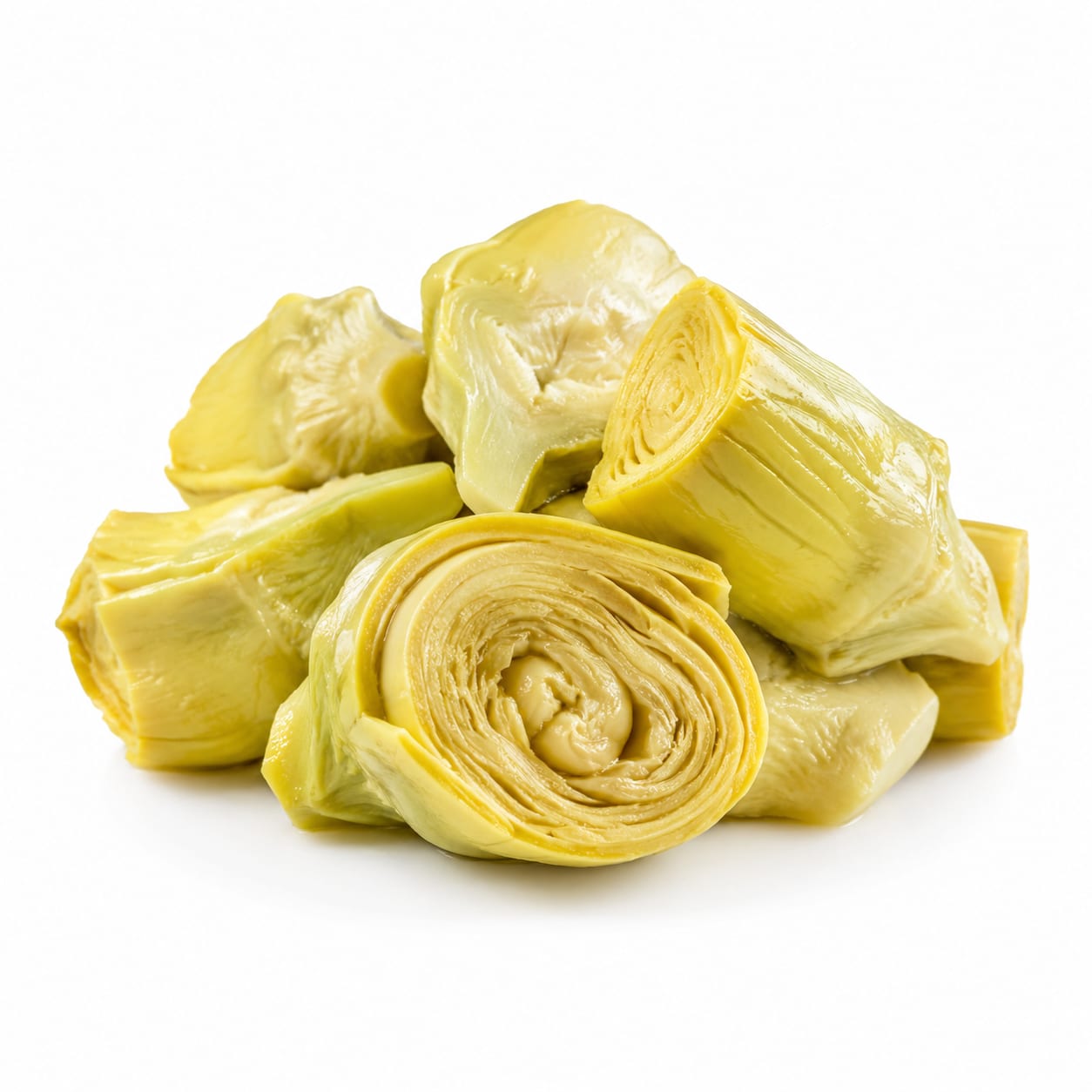
Artichoke
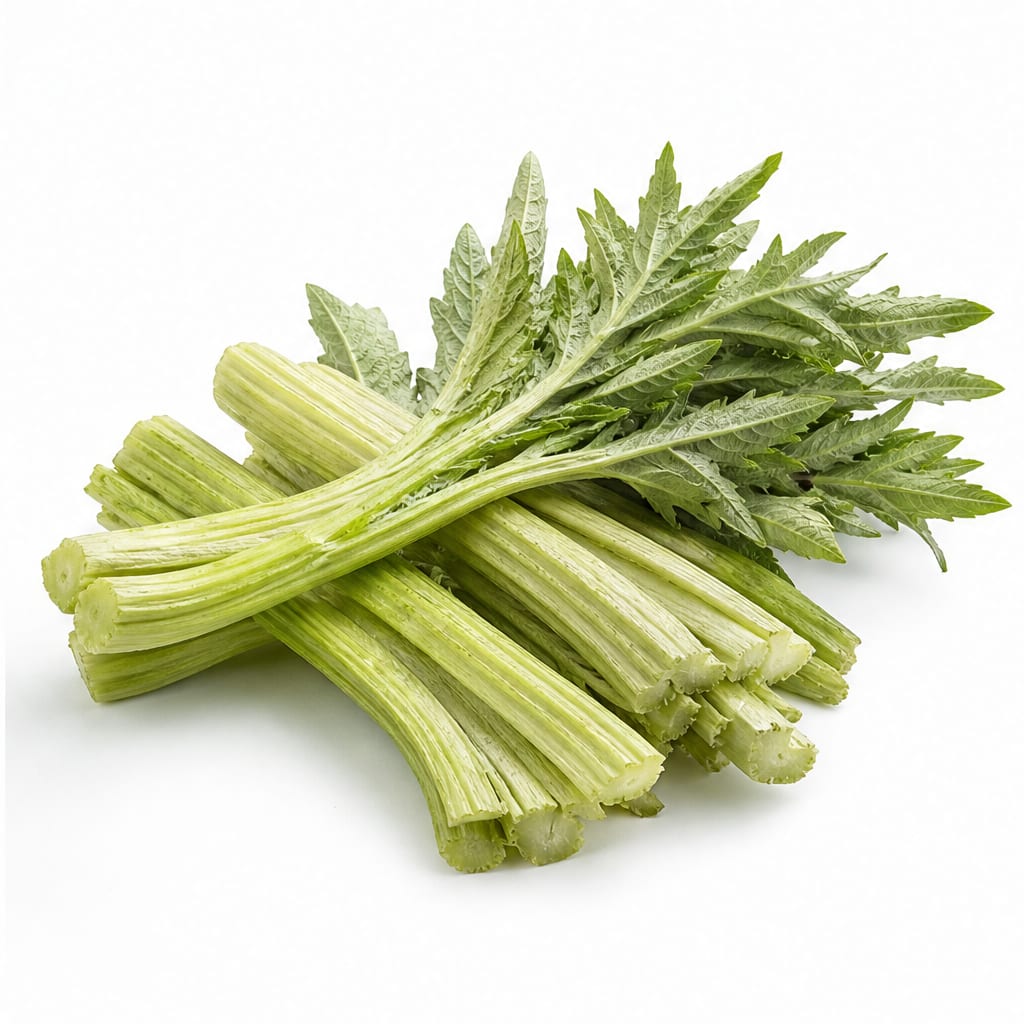
Cardoon
Artichoke wins for everyday convenience and standalone nutrition, while Cardoon is a niche culinary project with similar gut benefits but major prep hassle.
Artichoke scores higher due to superior convenience, better nutrient density per serving, and a lower likelihood of being prepared with heavy fats. Cardoon loses significant points for extreme prep difficulty and its tendency to absorb butter or cheese in traditional recipes.
Artichoke is easy to prepare and enjoy with minimal additions, whereas Cardoon demands serious kitchen effort and usually requires added fats to become palatable.
At a glance
Executive summary
Overall
Artichoke
Healthier
Artichoke
More practical
Artichoke
Daily use
Artichoke
Key comparison lenses
Culinary practicality and preparation effort
Cardoon is notoriously labor-intensive to prep, while artichoke is relatively straightforward or available pre-cooked.
Digestive and liver health benefits
Both are rich in cynarin and inulin, making them functional foods for gut and liver support.
Real-world calorie and fat impact
Cardoon's extreme bitterness usually requires heavy sauces or cheeses to taste good, altering its nutritional profile.
Nutritional density per serving
Users want to know which plant delivers more vitamins and antioxidants for the effort.
Best choice for
Artichoke
- Busy weeknights
- Maximizing fiber and antioxidants easily
- Low-calorie snacking
Cardoon
- Adventurous home cooks
- Traditional Mediterranean holiday recipes
- Slow weekend cooking projects
Least suitable for
Artichoke
- Those who dislike prepping thorny vegetables
Cardoon
- Weeknight dinners
- People strictly watching fat intake
Deep comparison
Dimension by dimension
Each lens scores both foods and breaks down who each option suits.
- Dimension 1 · Priority 95Artichoke
Convenience & Preparation
Artichoke · 85Cardoon · 20Artichoke is widely available and relatively easy to prep or buy pre-cooked. Cardoon is notoriously labor-intensive, requiring peeling, soaking, and long boiling.
Tradeoff
You get a unique celery-like texture with Cardoon, but it costs you an hour of active prep time.
Why it matters
If a vegetable is hard to cook, you simply will not eat it often, negating its health benefits.
Real-world impact
You will reach for Artichokes on a Tuesday, but save Cardoon for a Sunday project.
Artichoke
- Quick side dishes
- Meal prep
Better for
- Those seeking a completely hands-off vegetable
Worse for
Cardoon
- Slow cooking weekends
- Impressing foodie friends
Better for
- Anyone short on time or patience
Worse for
- Dimension 2 · Priority 80Artichoke
Nutritional Density
Artichoke · 88Cardoon · 60Artichoke packs more vitamins, minerals, and antioxidants per bite than Cardoon, which is mostly water and fiber.
Tradeoff
Cardoon offers some unique bitter compounds, but Artichoke delivers a broader spectrum of nutrients like folate and vitamin K.
Why it matters
Higher nutrient density means you get more health benefits per calorie consumed.
Real-world impact
Eating Artichoke feels like a concentrated health boost; Cardoon feels more like a fibrous filler.
Artichoke
- Boosting vitamin intake
- Maximizing antioxidants
Better for
- Those who want a neutral-tasting base
Worse for
Cardoon
- Adding bulk to meals with minimal calories before adding sauces
Better for
- Anyone needing a quick nutrient boost
Worse for
- Dimension 3 · Priority 90Artichoke
Digestive & Liver Support
Artichoke · 90Cardoon · 85Both are excellent for liver health and digestion thanks to cynarin and inulin, but Artichoke has been studied more extensively for these benefits.
Tradeoff
Cardoon's intense bitterness might stimulate digestion slightly more, but Artichoke provides a more reliable, clinically backed dose of beneficial compounds.
Why it matters
Both vegetables are functional foods for the gut, making either a great choice for digestive issues.
Real-world impact
Both can help ease bloating after a heavy meal, but Artichoke is easier to consume regularly.
Artichoke
- Consistent daily liver support
- Managing cholesterol
Better for
- People with severe inulin intolerance
Worse for
Cardoon
- Stimulating appetite
- Traditional post-feast digestion
Better for
- Those who find bitter flavors nauseating
Worse for
- Dimension 4 · Priority 85Artichoke
Calorie & Fat Control
Artichoke · 85Cardoon · 50Raw Cardoon is very low calorie, but traditional recipes require heavy blanching and rich sauces to make it palatable.
Tradeoff
Artichoke is delicious steamed with a simple dip, while Cardoon usually needs butter or cheese to balance its bitterness.
Why it matters
How you prepare a vegetable often determines its real-world health impact more than its raw nutritional profile.
Real-world impact
A Cardoon gratin can easily become a calorie bomb, while a steamed Artichoke remains a light, filling snack.
Artichoke
- Weight management
- Clean eating
Better for
- Those wanting a hearty, warming dish
Worse for
Cardoon
- Rich, comforting winter meals
Better for
- Strict calorie counters
- Low-fat diets
Worse for
Timeline
Health impact over time
Short-term
Hours to days
Artichoke
- Promotes fullness due to high fiber content
- May cause slight bloating if you are not used to inulin
Cardoon
- Acts as a natural diuretic
- Bitter compounds can stimulate bile flow and appetite
Long-term
Months to years
Artichoke
- Supports liver function and cholesterol metabolism
- Feeds beneficial gut bacteria for improved digestion
Cardoon
- Supports liver health similarly to Artichoke
- Traditional preparations with cheese or fat may impact heart health if eaten frequently
Risk profile
Safety & processing
Both Artichoke and Cardoon are whole, natural vegetables with minimal processing concerns when bought fresh. However, jarred or canned Artichoke hearts may contain added sodium or citric acid.
Artichoke
Choking hazard from the fuzzy choke
mediumIf not properly scooped out, the fibrous choke of an Artichoke is a choking risk and intensely irritating to the throat.
Inulin sensitivity
lowHigh inulin content can cause gas or cramping in people with sensitive guts or IBS.
Cardoon
Oxalate content
mediumCardoon contains oxalates, which can contribute to kidney stone formation in susceptible individuals if consumed in large amounts.
Contact dermatitis during prep
lowHandling cut Cardoon can sometimes cause skin irritation or browning of the hands due to its enzymes.
Ragweed cross-reactivity
mediumAs a member of the daisy family, Cardoon can trigger oral allergy syndrome in people allergic to ragweed.
Who wins for whom
Audience fit
Same foods, different winners depending on your goal.
children
ArtichokeKids often enjoy pulling the leaves off an Artichoke, whereas Cardoon is too bitter and stringy for most young palates.
daily consumption
ArtichokePracticality wins. Artichoke is easy to integrate into daily meals, while Cardoon is too labor-intensive for regular use.
diabetes
ArtichokeArtichoke has a highly favorable fiber-to-carb ratio and stabilizes blood sugar without needing sugary or starchy additions.
elderly
ArtichokeArtichoke hearts are tender and easy to chew, while Cardoon can remain stringy and tough even after long cooking.
muscle gain
It dependsNeither is a significant protein source, though both can serve as filling side dishes in a muscle-building diet.
weight loss
ArtichokeArtichoke is naturally satisfying and low in calories without requiring high-fat sauces to taste good.
Your move
Decision guide
Choose Artichoke
- You want a quick, healthy vegetable side
- You are focusing on liver and gut health
- You do not want to spend an hour peeling and boiling
Choose Cardoon
- You love traditional Italian or French cooking
- You want a unique, bitter flavor profile
- You have time for slow cooking and elaborate prep
Either works if
- You want to support digestion and liver health
- You enjoy bitter, earthy flavors
Avoid both if
- You have severe ragweed allergies
- You are on a strict low-FODMAP diet
Final recommendation
Make Artichoke your everyday vegetable for reliable health benefits and sanity-saving prep. Save Cardoon for a special culinary adventure when you have the time and patience to do it justice.
Practical
Consumer tips
- 1
When prepping Cardoon, wear gloves to prevent your hands from turning brown.
- 2
Boil Cardoon stalks with lemon juice to reduce bitterness and maintain their pale color.
- 3
Canned or jarred Artichoke hearts offer the same health benefits with zero prep time for busy nights.
- 4
If trying Cardoon for the first time, treat it like celery that requires peeling and blanching before using in recipes.
- 5
Steam Artichokes whole for 30-40 minutes until the leaves pull away easily for a satisfying, hands-on eating experience.