
Nutrition comparison
Artichoke vs Brussels Sprouts: Which Vegetable Is Healthier for You?
Compare Artichoke and Brussels Sprouts nutrition including fiber, vitamins, cancer-fighting compounds, and liver health benefits. Find out which vegetable fits your health goals better.
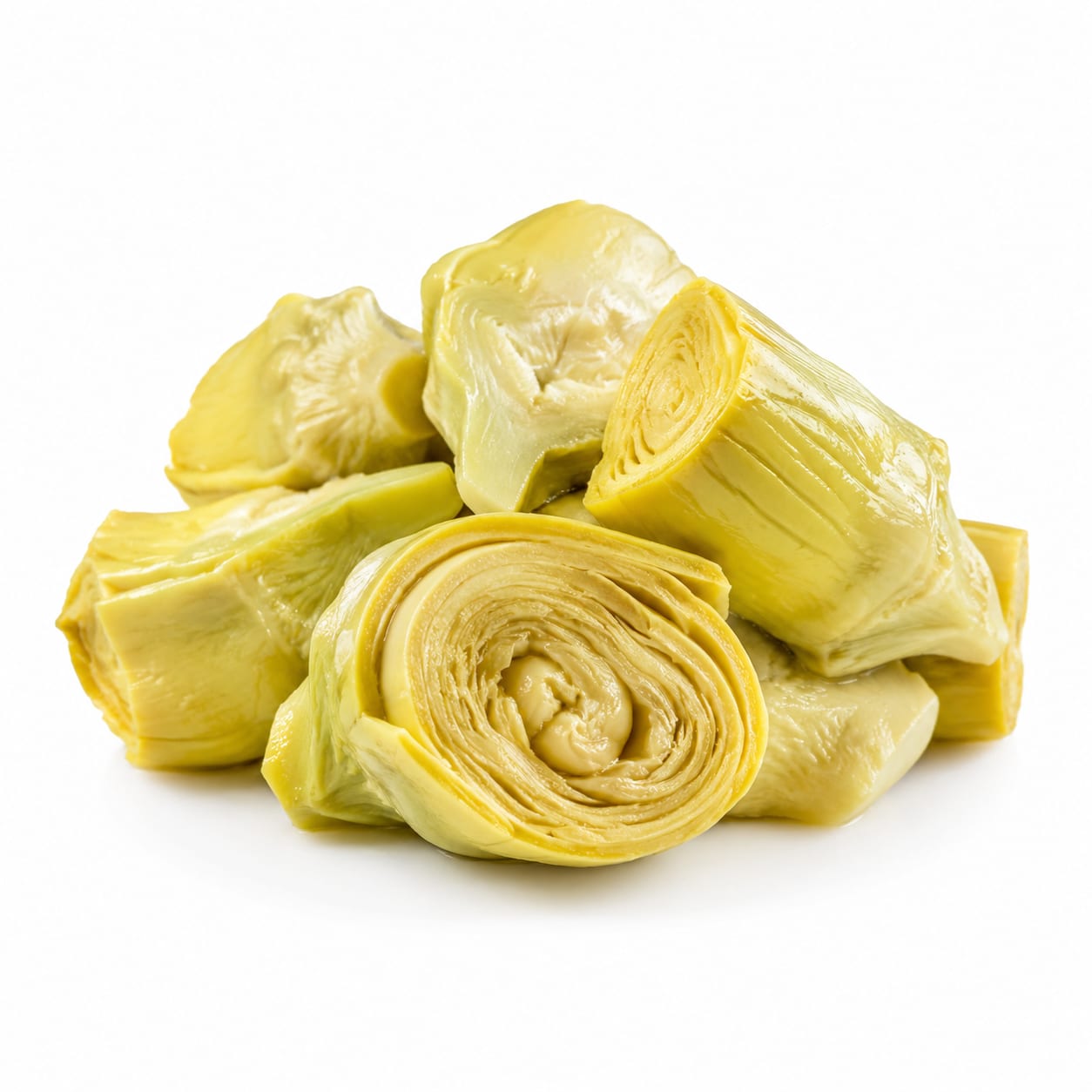
Artichoke
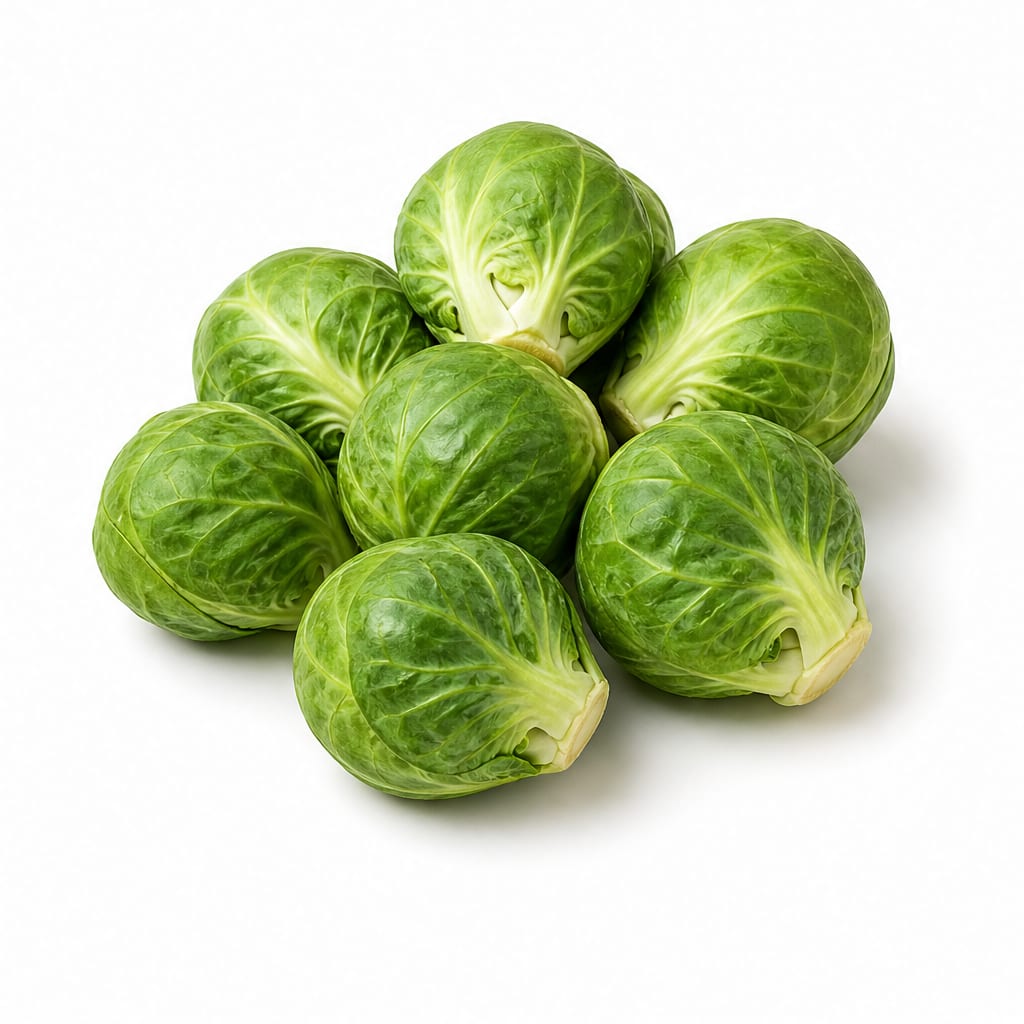
Brussels Sprouts
Artichoke wins for fiber, liver support, and satiety per calorie. Brussels Sprouts win for vitamin density, cancer-fighting compounds, and everyday convenience.
Brussels Sprouts score slightly higher due to superior vitamin density, cancer-fighting compounds, and everyday practicality. Artichoke remains exceptional for fiber and liver health but loses points on preparation difficulty and narrower vitamin coverage.
Deep digestive and liver benefits of Artichoke versus the broader vitamin coverage and anti-cancer power of Brussels Sprouts.
At a glance
Executive summary
Overall
It depends
Healthier
It depends
More practical
Brussels Sprouts
Daily use
Brussels Sprouts
Key comparison lenses
fiber and digestive health
Artichoke is one of the highest-fiber vegetables available, making digestive impact a central comparison point
cancer prevention nutrition
Brussels Sprouts contain glucosinolates and sulforaphane, compounds heavily studied for cancer-fighting properties
liver and detox support
Artichoke contains cynarin which directly supports liver function and bile production, a unique advantage
vitamin density
Brussels Sprouts are significantly higher in vitamins K and C, making micronutrient density a key differentiator
meal preparation practicality
Fresh artichokes require significant prep time while Brussels Sprouts are relatively quick to cook
blood sugar management
Both vegetables support stable blood sugar but through different mechanisms worth comparing
Best choice for
Artichoke
- People focused on liver health and detoxification
- Anyone needing dramatically more fiber in their diet
- Those managing blood sugar who want maximum satiety per calorie
- People with sluggish digestion or constipation
Brussels Sprouts
- People prioritizing cancer-preventive nutrition
- Anyone needing more vitamins K and C in their diet
- Families wanting an easy weeknight vegetable side
- People following anti-inflammatory eating patterns
Least suitable for
Artichoke
- People short on time who want quick vegetable prep
- Anyone bothered by fussy eating experiences with leaves and chokes
- People prone to gallstones who should avoid bile-stimulating foods without medical guidance
Brussels Sprouts
- People with IBS or FODMAP sensitivities who react to cruciferous vegetables
- Anyone taking blood thinners who needs consistent vitamin K intake
- People who strongly dislike bitter or sulfurous flavors
Deep comparison
Dimension by dimension
Each lens scores both foods and breaks down who each option suits.
- Dimension 1 · Priority 92Artichoke
Fiber and Satiety
Artichoke · 95Brussels Sprouts · 72Artichoke delivers nearly double the fiber per serving, making it one of the most filling vegetables you can eat.
Tradeoff
That incredible fiber comes with a slower eating experience and more digestive adjustment time for unaccustomed guts.
Why it matters
High-fiber meals keep you full longer and stabilize blood sugar, reducing the urge to snack between meals.
Real-world impact
A serving of Artichoke with dinner can prevent the late-night kitchen raid that a lower-fiber vegetable might not.
Artichoke
- Weight loss through natural appetite suppression
- Constipation relief and bowel regularity
- Steady energy without afternoon crashes
Better for
- Sudden fiber increases can cause bloating and gas if you ramp up too fast
- Not ideal right before intense exercise due to slow digestion
Worse for
Brussels Sprouts
- Moderate fiber without overwhelming your digestive system
- Easier transition if you currently eat low-fiber meals
Better for
- Less satiety per calorie compared to Artichoke
- May leave you hungry sooner after meals
Worse for
- Dimension 2 · Priority 88Brussels Sprouts
Cancer-Fighting Compounds
Artichoke · 62Brussels Sprouts · 94Brussels Sprouts contain glucosinolates and sulforaphane, among the most studied cancer-fighting compounds in any food.
Tradeoff
These powerful compounds come with a sulfurous aroma that turns some people off, especially when overcooked.
Why it matters
Regular consumption of cruciferous vegetables is consistently linked to lower cancer rates in large population studies.
Real-world impact
Eating Brussels Sprouts a few times per week is one of the most evidence-backed dietary moves for long-term cancer risk reduction.
Artichoke
- Polyphenols and antioxidants that still offer meaningful cellular protection
- A gentler option for people who find cruciferous vegetables hard to digest
Better for
- Lacks the specific glucosinolate compounds that make cruciferous vegetables unique
- Less directly studied for cancer prevention
Worse for
Brussels Sprouts
- Direct activation of detoxification enzymes through sulforaphane
- Strong epidemiological evidence linking regular intake to reduced cancer risk
- Protection specifically against hormone-related cancers like breast and prostate
Better for
- Overcooking destroys much of the sulforaphane content, negating the benefit
- Sulfur compounds can be unpleasant and cause social anxiety about odor
Worse for
- Dimension 3 · Priority 85Artichoke
Liver and Detox Support
Artichoke · 93Brussels Sprouts · 68Artichoke contains cynarin, a compound that stimulates bile production and directly supports liver function in ways few vegetables can match.
Tradeoff
People with gallbladder issues may need medical guidance before eating Artichoke regularly due to its bile-stimulating effects.
Why it matters
Your liver handles hundreds of detoxification processes daily, and cynarin gives it direct functional support rather than just indirect antioxidant protection.
Real-world impact
After a period of heavy eating or drinking, Artichoke can help your digestive system recover faster by supporting bile flow and fat digestion.
Artichoke
- Direct stimulation of bile production for better fat digestion
- Cynarin has been used medicinally for liver disorders in Europe for decades
- Helps reduce cholesterol by increasing bile excretion
Better for
- Not suitable for people with bile duct obstruction without medical supervision
- Can trigger gallbladder pain in susceptible individuals
Worse for
Brussels Sprouts
- Indirect liver support through Phase II detoxification enzyme activation
- Less risk of triggering gallbladder attacks in sensitive individuals
Better for
- Less direct impact on bile production and fat digestion
- Does not offer the same medicinal-level liver support as cynarin
Worse for
- Dimension 4 · Priority 80Brussels Sprouts
Vitamin and Mineral Density
Artichoke · 65Brussels Sprouts · 90Brussels Sprouts deliver dramatically more vitamins K and C per serving, plus more folate and potassium.
Tradeoff
Vitamin K requires consistency in intake for people on blood thinners, making Brussels Sprouts a food to monitor rather than freely enjoy for those individuals.
Why it matters
Vitamin K is essential for bone health and blood clotting, while vitamin C supports immune function and collagen production.
Real-world impact
A single serving of Brussels Sprouts provides over 200% of your daily vitamin K needs and more than your full vitamin C requirement.
Artichoke
- More magnesium per serving, which many people are deficient in
- Decent folate content that supports cell repair
Better for
- Noticeably lower in vitamins K and C compared to Brussels Sprouts
- Less overall micronutrient bang per bite
Worse for
Brussels Sprouts
- Exceptional vitamin K for bone density and wound healing
- High vitamin C that boosts iron absorption from other foods
- More folate per calorie, important during pregnancy
Better for
- High vitamin K requires careful management for people on warfarin or similar medications
- Vitamin C degrades significantly with prolonged cooking
Worse for
- Dimension 5 · Priority 75Brussels Sprouts
Preparation Convenience
Artichoke · 40Brussels Sprouts · 82Brussels Sprouts are straightforward to trim and cook in 15-20 minutes. Fresh Artichokes require trimming, steaming for 30-45 minutes, and careful eating around the choke.
Tradeoff
Canned or jarred Artichoke hearts solve the convenience problem but introduce added sodium and lose some nutrients.
Why it matters
The vegetable you actually prepare and eat always beats the one that sits in your fridge because prep feels overwhelming.
Real-world impact
On a busy Tuesday night, Brussels Sprouts can be roasted while you prepare the rest of dinner. Fresh Artichoke is more of a weekend project.
Artichoke
- Canned or jarred Artichoke hearts offer reasonable convenience with some nutritional tradeoffs
- Artichoke hearts work well in salads and pasta with zero cooking needed if pre-preserved
Better for
- Fresh preparation is time-intensive and intimidating for beginners
- Eating whole Artichoke requires navigating leaves and avoiding the fuzzy choke
- Leftover storage is less practical than cooked Brussels Sprouts
Worse for
Brussels Sprouts
- Simple trim, halve, and roast with minimal effort
- Cooks well in air fryers, sheet pans, and skillets
- Consistent results even for inexperienced cooks
Better for
- Overcooking creates mushy texture and unpleasant sulfur smell
- Can be bitter if not cooked with enough fat or seasoning
Worse for
- Dimension 6 · Priority 72Artichoke
Blood Sugar Stability
Artichoke · 88Brussels Sprouts · 76Both vegetables have minimal impact on blood sugar, but Artichoke's exceptional fiber content and inulin provide a stronger stabilizing effect.
Tradeoff
Inulin is a prebiotic fiber that can cause gas during the adjustment period, which may discourage consistent intake.
Why it matters
Stable blood sugar means fewer energy crashes, reduced cravings, and better metabolic health over time.
Real-world impact
Pairing Artichoke with a carbohydrate-rich meal can significantly blunt the blood sugar spike you would otherwise experience.
Artichoke
- Inulin specifically feeds beneficial gut bacteria that improve glucose metabolism
- Higher fiber per calorie creates a stronger glycemic buffer in mixed meals
- More filling per serving, reducing the urge to overeat other foods
Better for
- Inulin fermentation causes gas and bloating in some people, potentially reducing compliance
- Less practical to eat in large quantities due to preparation barriers
Worse for
Brussels Sprouts
- Still excellent for blood sugar compared to most foods
- Less digestive discomfort during the adjustment period
Better for
- Lower fiber means less glycemic buffering in mixed meals
- Slightly less satiety per calorie
Worse for
Timeline
Health impact over time
Short-term
Hours to days
Artichoke
- Noticeable fullness after eating due to high fiber content
- Possible gas and bloating if you are not used to high-fiber foods
- Improved digestion after rich or fatty meals due to bile stimulation
Brussels Sprouts
- Quick boost in vitamin C intake supporting immune function
- Possible digestive discomfort from cruciferous fiber if eaten in large amounts
- Sulfur odor in cooking that may affect kitchen and breath
Long-term
Months to years
Artichoke
- Improved cholesterol levels through increased bile excretion
- Better liver function and fat metabolism with regular consumption
- Significantly improved bowel regularity and gut microbiome diversity
Brussels Sprouts
- Reduced cancer risk, particularly for colorectal and hormone-related cancers
- Stronger bones from consistent high vitamin K intake
- Lower systemic inflammation markers with regular consumption
Risk profile
Safety & processing
Both vegetables are whole foods in their natural state. However, canned and jarred Artichoke hearts often contain added sodium and sometimes citric acid or preservatives, which slightly reduces their naturalness score compared to fresh. Frozen Brussels Sprouts retain most nutrients with minimal additives.
Artichoke
Choking hazard from choke
mediumThe fuzzy choke in the center of fresh Artichoke must be completely removed before eating. Accidental ingestion can cause throat irritation or choking, especially in children.
High sodium in canned varieties
mediumCanned Artichoke hearts can contain 400-600mg of sodium per serving. Rinsing helps but does not eliminate all added salt.
Pesticide residue
lowArtichokes appear on EWG's Clean Fifteen list, meaning they typically have low pesticide residue even when conventionally grown.
Brussels Sprouts
Pesticide residue
mediumBrussels Sprouts are not on the Clean Fifteen list and can carry more pesticide residue. Washing thoroughly or choosing organic reduces this concern.
Goitrogenic compounds
lowRaw Brussels Sprouts contain goitrogens that can interfere with thyroid function in susceptible individuals. Cooking significantly reduces this risk.
Foodborne illness from improper storage
lowLike all fresh produce, Brussels Sprouts can harbor bacteria if not stored properly. Keep refrigerated and cook within a few days of purchase.
Who wins for whom
Audience fit
Same foods, different winners depending on your goal.
children
Brussels SproutsBrussels Sprouts are easier to prepare in child-friendly ways like roasting with a bit of parmesan, while whole Artichokes present a choking risk and confusing eating experience for kids.
daily consumption
Brussels SproutsBrussels Sprouts are easier to prepare consistently, more versatile in cooking, and provide broader vitamin coverage for daily nutritional insurance.
diabetes
ArtichokeArtichoke's inulin fiber and higher total fiber content provide stronger blood sugar stabilization, making it the better choice for glucose management in mixed meals.
elderly
It dependsArtichoke supports liver health and digestion which often decline with age, but Brussels Sprouts provide vitamin K for bone density and vitamin C for immune support. The choice depends on which health concern is more pressing.
muscle gain
Brussels SproutsBrussels Sprouts offer more vitamin C per serving, which supports collagen synthesis for joint and tissue repair during training. Both are low-protein vegetables, so neither is a primary muscle-building food.
weight loss
ArtichokeArtichoke provides more satiety per calorie due to its exceptional fiber content, making it easier to eat less overall without feeling deprived.
Your move
Decision guide
Choose Artichoke
- You want maximum fiber and digestive regularity from your vegetables
- Liver health and detoxification support are top priorities for you
- You enjoy the ritual of slow, mindful eating that whole Artichoke requires
- You are managing blood sugar and want the strongest glycemic buffer at meals
Choose Brussels Sprouts
- Cancer prevention and anti-inflammatory nutrition are your primary goals
- You want quick weeknight vegetable sides with minimal prep hassle
- You need more vitamins K and C in your diet for bone and immune health
- You are building a sustainable daily vegetable habit that needs to be easy
Either works if
- You simply want more whole vegetables in your diet and enjoy both flavors
- You are rotating cruciferous and non-cruciferous vegetables for gut microbiome diversity
- You are cooking for a group and want to offer variety
Avoid both if
- You have severe IBS or FODMAP intolerance and have not yet determined your tolerance for high-fiber or cruciferous vegetables
- You are on a strict low-fiber diet for a medical procedure or condition
Final recommendation
Eat both regularly but for different reasons. Make Brussels Sprouts your everyday workhorse vegetable for broad vitamin coverage and cancer-fighting compounds. Bring in Artichoke a few times per month for its unmatched fiber and liver support. If you must pick only one, Brussels Sprouts win on practicality and overall nutrient breadth, but Artichoke is the specialist you want for digestive and liver health.
Practical
Consumer tips
- 1
Buy frozen Artichoke hearts to get the nutritional benefits without the prep hassle of fresh ones
- 2
Roast Brussels Sprouts at high heat with olive oil to maximize flavor and minimize sulfur odor
- 3
If canned Artichoke hearts are your go-to, rinse them thoroughly to remove up to 30% of added sodium
- 4
Steam Brussels Sprouts rather than boiling to preserve vitamin C and glucosinolate content
- 5
Add lemon juice to Artichoke to prevent browning and boost iron absorption from the meal
- 6
If Brussels Sprouts taste too bitter, try roasting with balsamic vinegar or a touch of honey to balance flavors
- 7
Start with small portions of either vegetable if you are not used to high-fiber foods and increase gradually over two weeks