
Nutrition comparison
Artichoke vs Broccoli: Which Vegetable Is Better for You?
Compare artichoke and broccoli on fiber, cancer-fighting compounds, liver health, cost, and convenience. Find out which vegetable fits your health goals and lifestyle better.
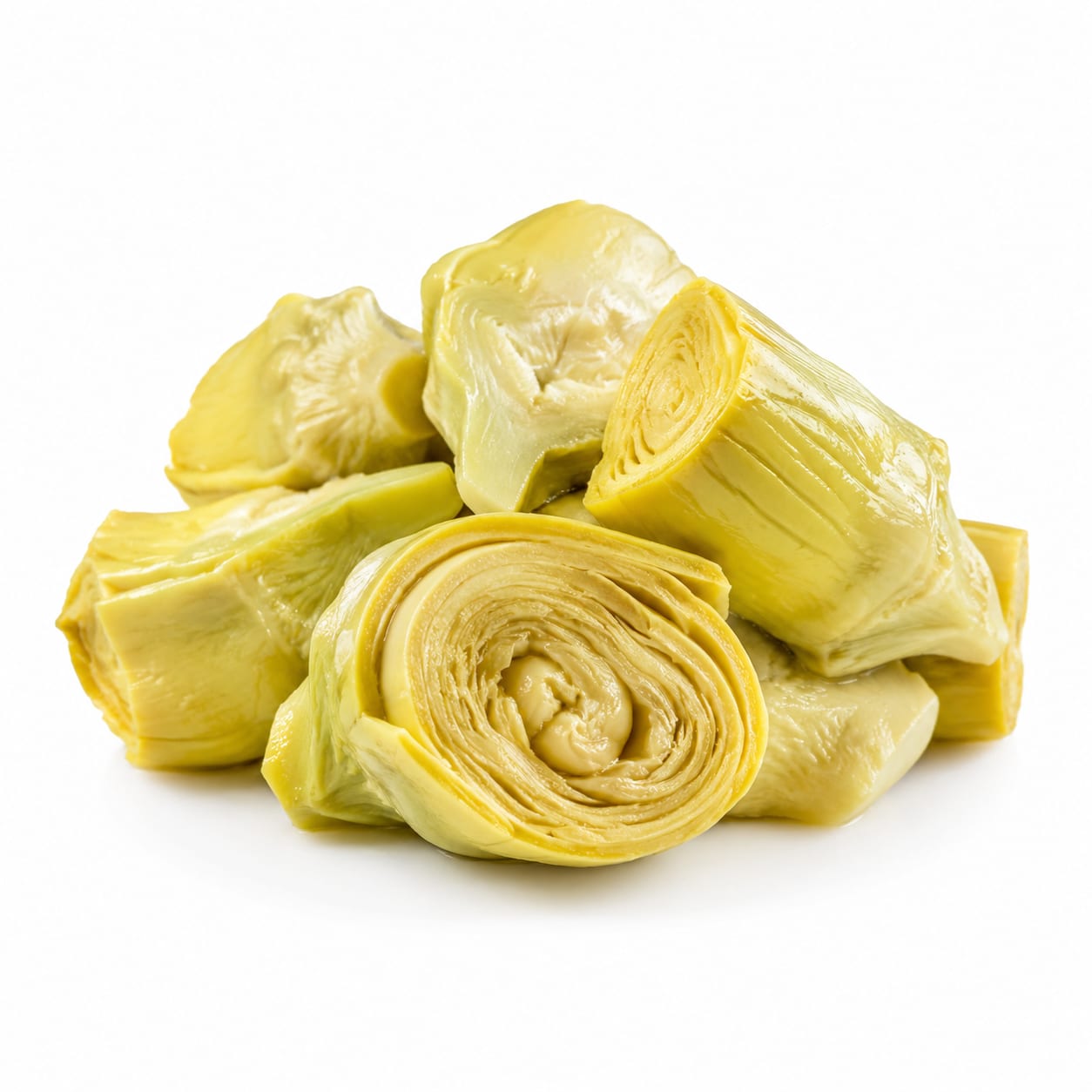
Artichoke
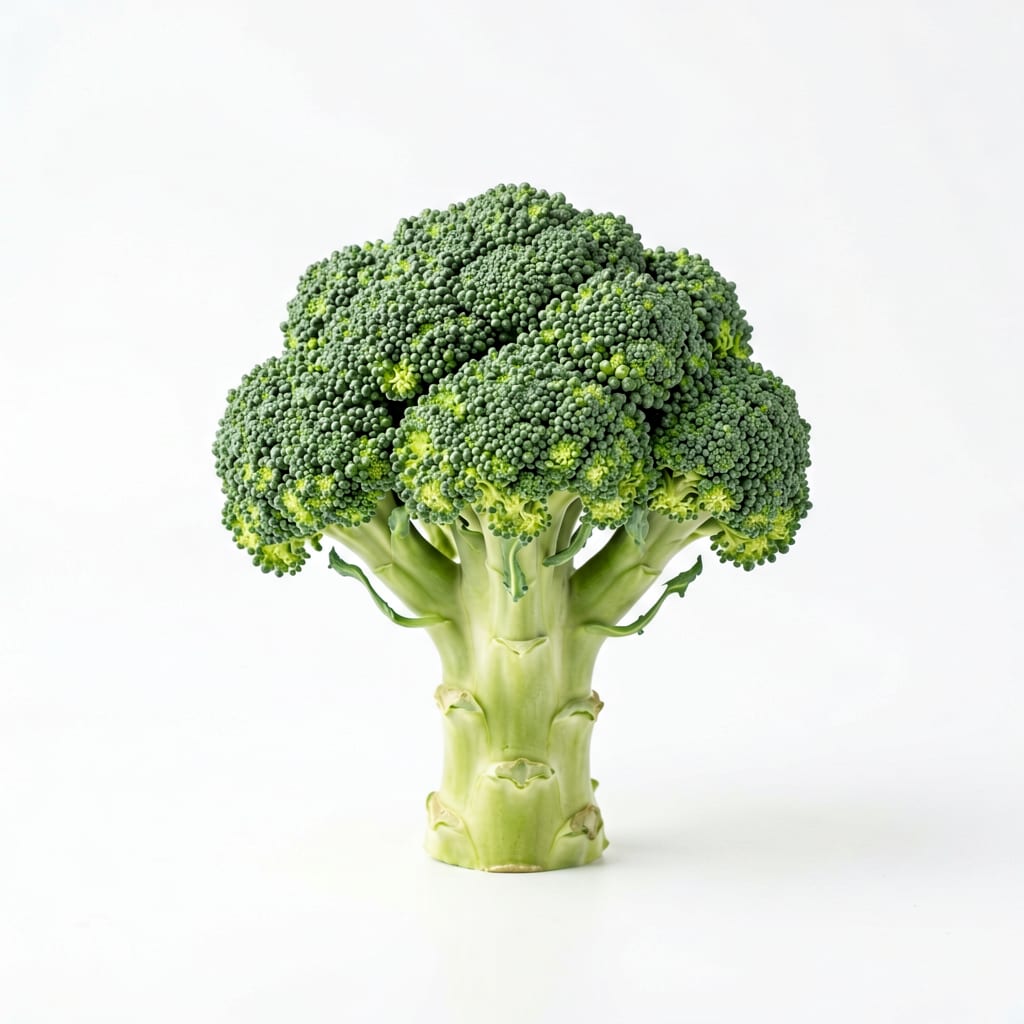
Broccoli
Broccoli wins on convenience and cancer-fighting power; artichoke wins on fiber and liver support. Your choice depends on what your body needs most.
Broccoli scores higher mainly on practicality and daily usability. Artichoke is nutritionally exceptional but its prep burden, cost, and digestive intensity for some people keep it from winning overall. Both are elite vegetable choices.
Artichoke offers unmatched fiber and liver benefits but demands time and money. Broccoli delivers potent disease-fighting compounds with weeknight-friendly practicality.
At a glance
Executive summary
Overall
It depends
Healthier
It depends
More practical
Broccoli
Daily use
Broccoli
Key comparison lenses
fiber and gut health
Artichoke is one of the highest-fiber vegetables available, making gut health the defining contrast
everyday practicality
Preparation difficulty and cost differ dramatically between these two vegetables
disease prevention profile
Broccoli's sulforaphane vs artichoke's cynarin represent two distinct protective pathways
nutrient bang for buck
Users want to know which delivers more nutrition per dollar and per minute of prep
digestive tolerance
Both can cause bloating but through different mechanisms, affecting daily eatability
Best choice for
Artichoke
- People prioritizing gut health and prebiotic fiber
- Anyone supporting liver function or detox pathways
- Those who enjoy mindful, slower eating experiences
- People seeking to lower cholesterol naturally
Broccoli
- Busy households needing quick vegetable sides
- People focused on cancer-risk reduction
- Anyone meal-prepping for the week
- Budget-conscious eaters wanting maximum nutrition per dollar
Least suitable for
Artichoke
- People with severe IBS who react to inulin
- Anyone short on weeknight prep time
- Households on tight grocery budgets
- Those who dislike fussy eating experiences
Broccoli
- People taking blood-thinning medications who need stable vitamin K intake
- Those with thyroid conditions sensitive to cruciferous vegetables
- Anyone bored by repetitive vegetable routines
Deep comparison
Dimension by dimension
Each lens scores both foods and breaks down who each option suits.
- Dimension 1 · Priority 95Artichoke
fiber_and_gut_health
Artichoke · 96Broccoli · 72Artichoke is a fiber powerhouse, delivering nearly double the fiber per serving. Its inulin content feeds beneficial gut bacteria in ways broccoli cannot match.
Tradeoff
That same inulin can cause uncomfortable bloating in sensitive people, while broccoli's gentler fiber is easier to tolerate daily.
Why it matters
Gut health drives everything from immunity to mood. A single artichoke can supply over 40% of your daily fiber needs.
Real-world impact
Eating artichoke regularly may mean fewer digestive supplements and more satisfying, filling meals. But if your gut is sensitive, it could mean uncomfortable evenings instead.
Artichoke
- Prebiotic support and microbiome diversity
- Cholesterol reduction through soluble fiber
- Feeling full for hours after eating
Better for
- Risk of gas and bloating from inulin fermentation
- Harder to eat large quantities comfortably
Worse for
Broccoli
- Gentle daily regularity without bloating
- Easier on sensitive digestive systems
- More consistent tolerance long-term
Better for
- Less dramatic prebiotic impact
- Smaller contribution to daily fiber goals
Worse for
- Dimension 2 · Priority 88Broccoli
cancer_fighting_potential
Artichoke · 74Broccoli · 93Broccoli's sulforaphane is one of the most studied cancer-fighting compounds in any food. Artichoke has antioxidants but lacks this specific powerful mechanism.
Tradeoff
You must chop broccoli and wait 40 minutes before cooking to maximize sulforaphane. Artichoke's antioxidants are available regardless of prep method.
Why it matters
Sulforaphane activates your body's own detoxification enzymes. This is not subtle — it is one of the strongest food-based protective effects known.
Real-world impact
Eating broccoli a few times weekly may meaningfully lower cancer risk over decades. The payoff is long-term but well-supported by evidence.
Artichoke
- Broader polyphenol diversity including cynarin
- Antioxidant protection without special prep techniques
Better for
- No equivalent to sulforaphane's enzyme-activation pathway
- Less clinical evidence for cancer-specific outcomes
Worse for
Broccoli
- Sulforaphane-driven cellular detoxification
- Stronger evidence for breast and prostate cancer risk reduction
- DNA-protective effects documented in human trials
Better for
- Requires proper prep to unlock full sulforaphane potential
- Overcooking destroys much of the benefit
Worse for
- Dimension 3 · Priority 82Artichoke
liver_and_detox_support
Artichoke · 94Broccoli · 70Artichoke contains cynarin and silymarin, compounds that directly support liver cell regeneration and bile production. Broccoli helps the liver indirectly through detox enzymes.
Tradeoff
Artichoke's liver benefits are more targeted and therapeutic, while broccoli's are part of a broader cellular protection strategy.
Why it matters
Your liver processes everything you eat, drink, and breathe. Direct nutritional support for liver function is rare and valuable in whole foods.
Real-world impact
If you drink alcohol occasionally, take medications, or just want to support your body's natural detox systems, artichoke is one of the best foods you can eat.
Artichoke
- Stimulates bile production for better fat digestion
- Contains cynarin which may help regenerate liver tissue
- Directly supports cholesterol metabolism at the liver level
Better for
- Benefits are concentrated in one organ system
- Less evidence for whole-body toxin clearance
Worse for
Broccoli
- Phase 2 enzyme activation helps liver process toxins
- More research on broad detoxification pathways
Better for
- No direct liver-cell protective compounds like cynarin
- Less targeted for people with known liver concerns
Worse for
- Dimension 4 · Priority 90Broccoli
practicality_and_convenience
Artichoke · 38Broccoli · 88Broccoli can be steamed, roasted, or stir-fried in under 10 minutes with minimal cleanup. Artichoke requires trimming, steaming for 30-45 minutes, and navigating thorny leaves.
Tradeoff
Artichoke turns dinner into an experience. Broccoli gets dinner done. Which matters more depends on your life that day.
Why it matters
The best vegetable is the one you actually eat. Convenience often determines whether a healthy food becomes a habit or a one-time experiment.
Real-world impact
On a Tuesday night after work, broccoli is realistic. Artichoke is a weekend project. This difference shapes long-term dietary patterns more than any nutrient profile.
Artichoke
- Creates a more mindful, satisfying eating ritual
- Impressive for dinner parties and special occasions
Better for
- 30-45 minute cook time minimum
- Thorny leaves and fuzzy choke require technique
- Expensive per serving compared to most vegetables
- Difficult to incorporate into quick recipes
Worse for
Broccoli
- Ready in minutes with minimal prep
- Easy to batch-cook for meal prep
- Freezes well without major texture loss
- Cheap and available year-round
Better for
- Can feel like a chore if eaten too routinely
- Less exciting as a centerpiece vegetable
Worse for
- Dimension 5 · Priority 78Broccoli
vitamin_and_mineral_density
Artichoke · 75Broccoli · 86Broccoli delivers more vitamin C, vitamin K, and folate per serving. Artichoke wins on magnesium and offers unique trace minerals, but the overall vitamin edge goes to broccoli.
Tradeoff
Broccoli is a vitamin C powerhouse even after light cooking. Artichoke's mineral content is impressive but harder to absorb due to its fiber matrix.
Why it matters
Vitamin C from food supports immune function and iron absorption in ways supplements cannot fully replicate.
Real-world impact
A cup of broccoli covers your daily vitamin C and most of your vitamin K. Artichoke covers nearly half your fiber and a solid chunk of magnesium. Different strengths for different needs.
Artichoke
- Higher magnesium for muscle and nerve function
- Good source of copper and iron
- More potassium per serving
Better for
- Vitamin C content is modest compared to broccoli
- Minerals bound in fiber may reduce absorption
Worse for
Broccoli
- Exceptional vitamin C even after cooking
- Very high vitamin K for bone and blood health
- More folate per calorie
Better for
- Lower magnesium content
- Less mineral diversity overall
Worse for
- Dimension 6 · Priority 72Broccoli
cost_and_accessibility
Artichoke · 40Broccoli · 90Broccoli is one of the most affordable vegetables available year-round. Fresh artichokes are expensive, seasonal, and often unavailable. Jarred or canned artichoke hearts help but add sodium.
Tradeoff
You can eat broccoli three times a week without thinking about cost. Artichoke is more of a luxury vegetable for most households.
Why it matters
Nutrition only works if you can afford it consistently. Cost determines whether a food becomes a staple or an occasional guest.
Real-world impact
A pound of broccoli costs roughly $1.50-$2. A single artichoke often costs $2-$4. For families feeding multiple people, this gap adds up fast.
Artichoke
- Jarred hearts provide a more affordable entry point
- Feels like a premium eating experience
Better for
- Fresh artichokes are among the priciest vegetables
- Limited seasonal availability in many regions
- Canned versions add sodium concerns
Worse for
Broccoli
- Consistently low price year-round
- Available in every grocery store
- Frozen options are cheap and nearly as nutritious
Better for
- Less exciting as a culinary experience
Worse for
Timeline
Health impact over time
Short-term
Hours to days
Artichoke
- May cause bloating or gas within hours due to inulin fermentation
- Can increase bile flow shortly after eating, aiding fat digestion
- The slow eating process naturally reduces eating speed and increases fullness
Broccoli
- Gentle on most digestive systems within the first few hours
- Vitamin C is quickly available for immune and antioxidant support
- Cruciferous compounds may cause mild thyroid discomfort in sensitive people if eaten raw in large amounts
Long-term
Months to years
Artichoke
- Consistent prebiotic intake may reshape gut microbiome toward healthier diversity over months
- Cholesterol improvements possible with regular consumption due to soluble fiber and cynarin
- Liver support compounds may offer cumulative protective benefits with habitual intake
Broccoli
- Sulforaphane exposure over years is associated with reduced cancer risk in multiple studies
- Consistent vitamin K intake supports bone density and cardiovascular health long-term
- Regular cruciferous consumption correlates with lower inflammatory markers over time
Risk profile
Safety & processing
Both vegetables are whole foods in their natural state. The main concern is jarred or canned artichoke hearts, which often contain citric acid, salt, and preservatives. Fresh or frozen versions of both are clean choices.
Artichoke
Choking hazard from thorny leaf tips
mediumImproperly trimmed artichokes can scratch the throat or present a choking risk, especially for children or distracted eaters.
Sodium in preserved versions
mediumJarred and canned artichoke hearts can contain 300-500mg sodium per serving, which adds up quickly if used as a staple vegetable.
Pesticide residue on outer leaves
lowThe tightly packed leaves can trap pesticide residue. Washing thoroughly and choosing organic reduces this concern.
Broccoli
Goitrogenic effects from raw consumption
lowRaw broccoli contains goitrogens that can interfere with thyroid function in susceptible individuals, but cooking largely deactivates them.
Pesticide residue in conventional farming
mediumBroccoli frequently appears on pesticide concern lists. The florets hold residue in tight crevices. Washing and organic selection help.
Vitamin K variability for medication interactions
mediumBroccoli's high vitamin K content can interfere with blood-thinning medications like warfarin if intake varies day to day.
Who wins for whom
Audience fit
Same foods, different winners depending on your goal.
children
BroccoliBroccoli is easier to prepare in child-friendly ways like roasting with cheese. Artichoke presents choking hazards and requires advanced eating skills.
daily consumption
BroccoliBroccoli's convenience, affordability, and digestive tolerance make it realistic as a daily vegetable. Artichoke is better as a few-times-per-month addition.
diabetes
ArtichokeArtichoke's soluble fiber slows glucose absorption more effectively, creating steadier blood sugar responses after meals.
elderly
BroccoliBroccoli is gentler on aging digestive systems, easier to chew when cooked, and provides vitamin K for bone health without the bloating risk.
muscle gain
BroccoliBroccoli provides slightly more protein per calorie and pairs more easily with high-protein meals due to its neutral flavor and quick prep.
weight loss
ArtichokeArtichoke's extreme fiber content creates stronger fullness signals with very few calories. The slow eating process also naturally reduces total intake.
Your move
Decision guide
Choose Artichoke
- You want to dramatically increase your fiber intake and support gut bacteria diversity
- Liver health is a specific concern for you
- You enjoy slow, mindful eating experiences and have time to prepare them
- You are looking for natural cholesterol-lowering support
- You want a vegetable that makes you feel full for hours
Choose Broccoli
- You need a quick, affordable vegetable you can actually eat several times a week
- Cancer risk reduction is a top health priority for you
- You meal-prep or batch-cook and need vegetables that store and reheat well
- You have a sensitive digestive system that reacts to high inulin
- You want maximum nutrition per dollar spent
Either works if
- You simply want more vegetables in your life and enjoy both
- You are building a diverse vegetable rotation for broad phytonutrient coverage
- You have no specific health concerns and just want to eat well
Avoid both if
- You have severe IBS and react to both high inulin and cruciferous vegetables
- You are on a very restricted low-FODMAP diet and have not reintroduced either successfully
Final recommendation
Make broccoli your daily driver and artichoke your special-occasion powerhouse. Eat broccoli three to four times a week for consistent sulforaphane and vitamin coverage. Add artichoke once or twice a month for a fiber and liver boost. This combination gives you the best of both worlds without the drawbacks of over-relying on either one.
Practical
Consumer tips
- 1
Chop broccoli 40 minutes before cooking to let sulforaphane form, then lightly steam or stir-fry to preserve it
- 2
If artichoke prep feels overwhelming, buy frozen artichoke hearts — they retain most nutrients with zero trimming required
- 3
Roast broccoli at 425°F with olive oil and garlic to make it genuinely craveable, even for vegetable skeptics
- 4
Rinse jarred artichoke hearts thoroughly to remove up to 40% of the added sodium
- 5
If broccoli gives you gas, try steaming it longer or starting with smaller portions and gradually increasing over two weeks
- 6
Pair artichoke with lemon juice — the vitamin C helps your body absorb its iron more effectively
- 7
Buy broccoli crowns instead of full stalks if you hate waste — or save stalks for soup stock