
Nutrition comparison
Artichoke vs Green Peas: Nutrition, Protein, and Gut Health Compared
Artichoke vs green peas: which is healthier? Compare fiber, protein, blood sugar impact, and convenience to find the best veggie for your goals.
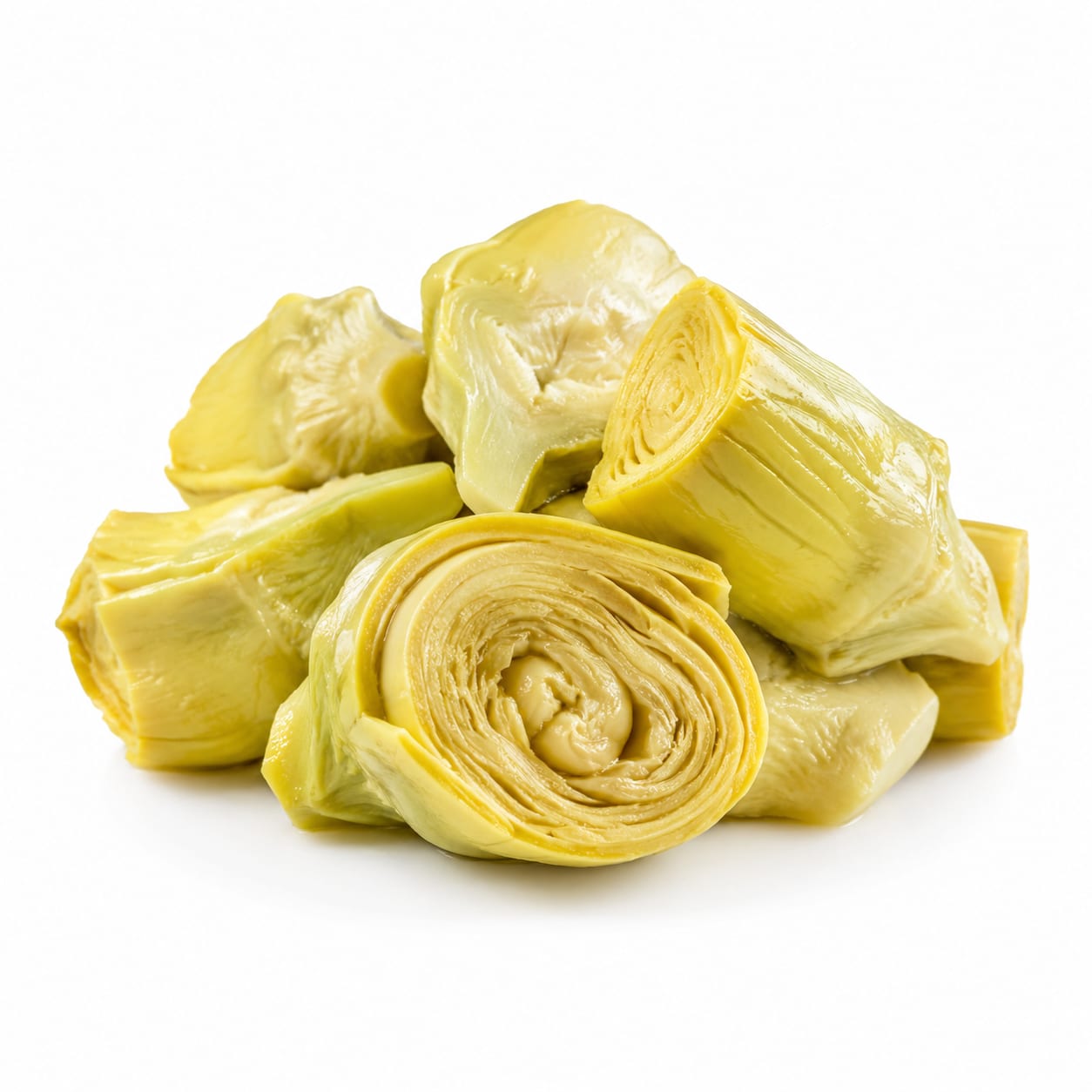
Artichoke
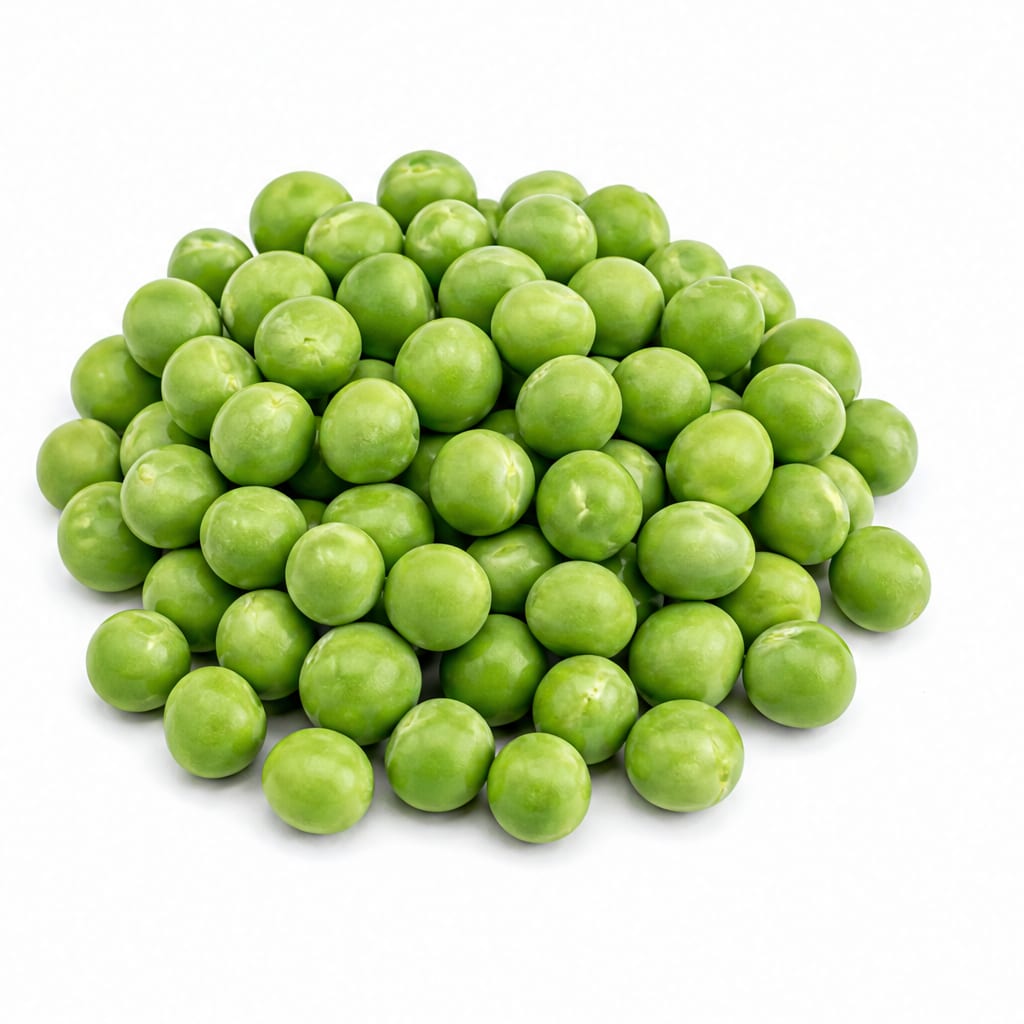
Green Peas
Artichokes are the ultimate fiber and gut-health booster, while green peas offer easier prep and more plant protein.
Green Peas score slightly higher due to protein content and everyday practicality, but Artichokes excel in specific gut-health and fiber metrics.
Maximum fiber and gut support versus higher protein and everyday convenience.
At a glance
Executive summary
Overall
It depends
Healthier
It depends
More practical
Green Peas
Daily use
Green Peas
Key comparison lenses
Fiber and digestive health
Artichokes are famously high in inulin and fiber, making gut health a primary differentiator.
Blood sugar management
The massive difference in net carbs makes this a key comparison point for metabolic health.
Plant-based protein intake
Green peas are surprisingly high in protein for a vegetable, unlike artichokes.
Meal prep convenience
Prepping fresh artichokes takes significant time compared to instant frozen peas.
Best choice for
Artichoke
- Gut health optimization
- Blood sugar management
- Low-calorie volume eating
Green Peas
- Plant-based protein intake
- Quick weeknight sides
- Muscle-supportive meals
Least suitable for
Artichoke
- Low-FODMAP diets
- Quick meal prep
Green Peas
- Strict low-carb diets
- Severe legume sensitivities
Deep comparison
Dimension by dimension
Each lens scores both foods and breaks down who each option suits.
- Dimension 1 · Priority 90Artichoke
Satiety & Fullness
Artichoke · 95Green Peas · 80Artichokes provide massive fiber volume for very few calories, keeping you full longer.
Tradeoff
You get more physical fullness from artichokes, but peas offer protein-based satiety which lasts longer between meals.
Why it matters
Fiber stretches the stomach, while protein triggers satiety hormones; both fight hunger differently.
Real-world impact
Eating an artichoke feels like a big, filling snack, whereas peas are a smaller but more sustaining side dish.
Artichoke
- Volume eaters
- Snacking between meals
Better for
- Those needing protein to stay full
Worse for
Green Peas
- Post-workout recovery
- Staying full for hours
Better for
- People who eat large volumes to feel satisfied
Worse for
- Dimension 2 · Priority 85Artichoke
Blood Sugar Stability
Artichoke · 95Green Peas · 75Artichokes have minimal impact on blood sugar, while peas have a moderate carb load.
Tradeoff
Artichokes are nearly carb-free in net terms, but peas provide the carbs needed for energy.
Why it matters
Steady blood sugar prevents energy crashes and cravings later in the day.
Real-world impact
Artichokes won't cause an afternoon slump, while a large portion of peas might give a slight energy dip if eaten alone.
Artichoke
- Diabetics
- Keto dieters
Better for
- Athletes needing quick energy
Worse for
Green Peas
- Active individuals needing carb fuel
Better for
- Those highly sensitive to carb spikes
Worse for
- Dimension 3 · Priority 80Green Peas
Protein & Muscle Support
Artichoke · 40Green Peas · 85Green peas are surprisingly high in plant protein, while artichokes offer very little.
Tradeoff
You sacrifice some protein for fiber with artichokes, but peas make it easier to hit daily protein targets.
Why it matters
Protein is essential for maintaining muscle, especially as you age or diet.
Real-world impact
Adding a cup of green peas to a bowl easily adds 8 grams of protein; artichokes add almost none.
Artichoke
- Those getting protein from other sources
Better for
- People relying on veggies for protein
Worse for
Green Peas
- Vegans and vegetarians
- Older adults needing muscle support
Better for
- Those strictly limiting carbs alongside protein
Worse for
- Dimension 4 · Priority 85Artichoke
Digestive Health & Prebiotics
Artichoke · 98Green Peas · 70Artichokes are loaded with inulin, a powerful prebiotic that feeds beneficial gut bacteria.
Tradeoff
Artichokes dramatically improve gut flora, but too much inulin can cause bloating in sensitive people.
Why it matters
A healthy gut microbiome affects everything from immunity to mood.
Real-world impact
Regular artichoke consumption can improve digestion long-term, but might cause gas initially.
Artichoke
- People building microbiome diversity
- Those with sluggish digestion
Better for
- Those prone to bloating or on a low-FODMAP diet
Worse for
Green Peas
- People with IBS or FODMAP sensitivities
Better for
- Those needing intense prebiotic support
Worse for
- Dimension 5 · Priority 75Green Peas
Convenience & Practicality
Artichoke · 45Green Peas · 90Frozen green peas are ready in minutes, while artichokes require significant prep or cooking time.
Tradeoff
Artichokes take effort to prepare and eat, but the slow eating pace aids digestion and satiety.
Why it matters
Convenience often dictates what you actually eat on a busy Tuesday.
Real-world impact
You can microwave peas in 3 minutes; fresh artichokes take 30-40 minutes to steam and peel.
Artichoke
- Weekend meal prep
- Mindful eating practices
Better for
- Busy professionals with limited time
Worse for
Green Peas
- Quick weeknight dinners
- Meal prep shortcuts
Better for
- Those who enjoy slow, ritualistic cooking
Worse for
Timeline
Health impact over time
Short-term
Hours to days
Artichoke
- Highly filling with very few calories
- May cause gas or bloating due to inulin
- Very low energy impact
Green Peas
- Provides quick, steady energy
- Easy to digest for most people
- Adds satisfying texture to meals
Long-term
Months to years
Artichoke
- Strongly supports microbiome health
- Helps regulate blood sugar
- Aids in cholesterol management
Green Peas
- Supports muscle maintenance
- Provides sustained plant-based nutrition
- Contributes to heart health via fiber and antioxidants
Risk profile
Safety & processing
Both are whole foods. Frozen or canned versions may contain added sodium, but fresh versions of both are entirely natural.
Artichoke
Choking hazard from choke
mediumImproperly trimmed artichoke chokes can be a physical hazard if swallowed.
Pesticide residue
mediumConventional artichokes can retain pesticides in their tight leaves; washing thoroughly is essential.
Green Peas
Added sodium in canned varieties
mediumCanned peas often contain high sodium; choosing no-salt-added or frozen mitigates this.
Lectin content
lowRaw peas contain lectins, but cooking completely neutralizes this concern.
Who wins for whom
Audience fit
Same foods, different winners depending on your goal.
children
Green PeasGreen peas are sweeter, easier to chew, and more kid-friendly than the tough leaves of an artichoke.
daily consumption
Green PeasGreen peas are easier to incorporate into daily meals due to convenience and milder digestive impact.
diabetes
ArtichokeArtichokes have virtually no net carbs and will not spike blood sugar, unlike the carb-containing peas.
elderly
Green PeasPeas are easier to chew and digest, and provide crucial protein to prevent age-related muscle loss.
muscle gain
Green PeasGreen peas provide significantly more protein to support muscle repair and growth.
weight loss
ArtichokeArtichokes offer massive volume and fiber for almost zero calories, making it easier to stay in a deficit.
Your move
Decision guide
Choose Artichoke
- You want to maximize fiber and gut health
- You are watching your blood sugar closely
- You enjoy mindful, slow eating
Choose Green Peas
- You need quick, convenient side dishes
- You are boosting plant-based protein intake
- You want a kid-friendly veggie
Either works if
- You want to increase your daily vegetable intake
- You are focusing on whole-food, natural diets
Avoid both if
- You have severe digestive sensitivities to high-fiber or FODMAP foods
Final recommendation
Keep both in rotation. Use green peas for easy, protein-boosted weeknight meals, and artichokes for weekend meal prep when you can focus on gut health and mindful eating.
Practical
Consumer tips
- 1
Buy frozen green peas over canned to avoid excess sodium while keeping convenience.
- 2
If artichoke prep is daunting, buy frozen artichoke hearts; they offer the same benefits with zero trimming.
- 3
Introduce artichokes slowly into your diet to let your gut adjust to the high inulin content and avoid bloating.
- 4
Toss green peas into soups, salads, or grain bowls for an effortless protein upgrade.