
Nutrition comparison
Artichoke vs Spinach: Nutrition, Gut Health, and Benefits Compared
Compare Artichoke vs Spinach to see which is better for gut health, vitamins, and daily use. Discover the pros and cons of each green vegetable.
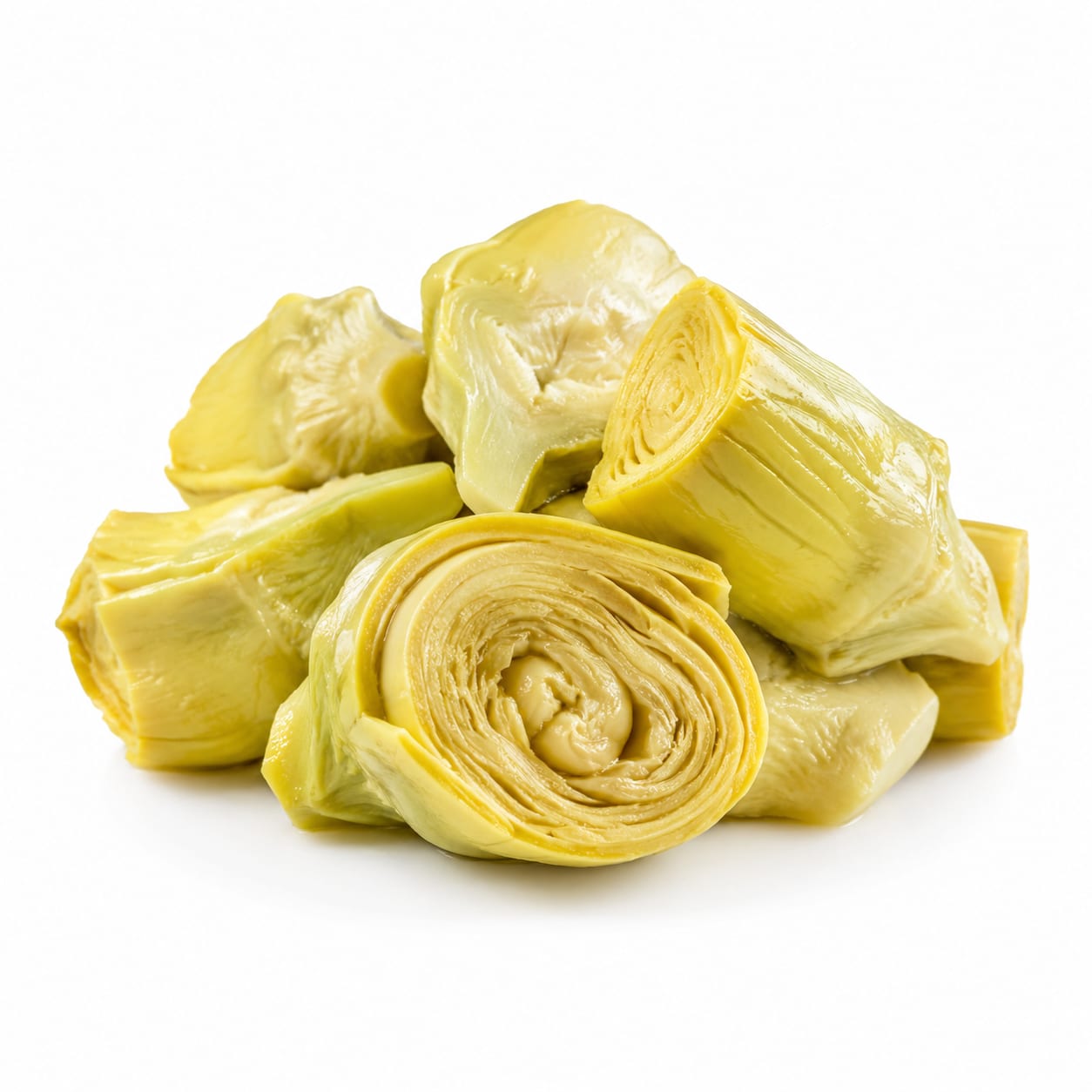
Artichoke
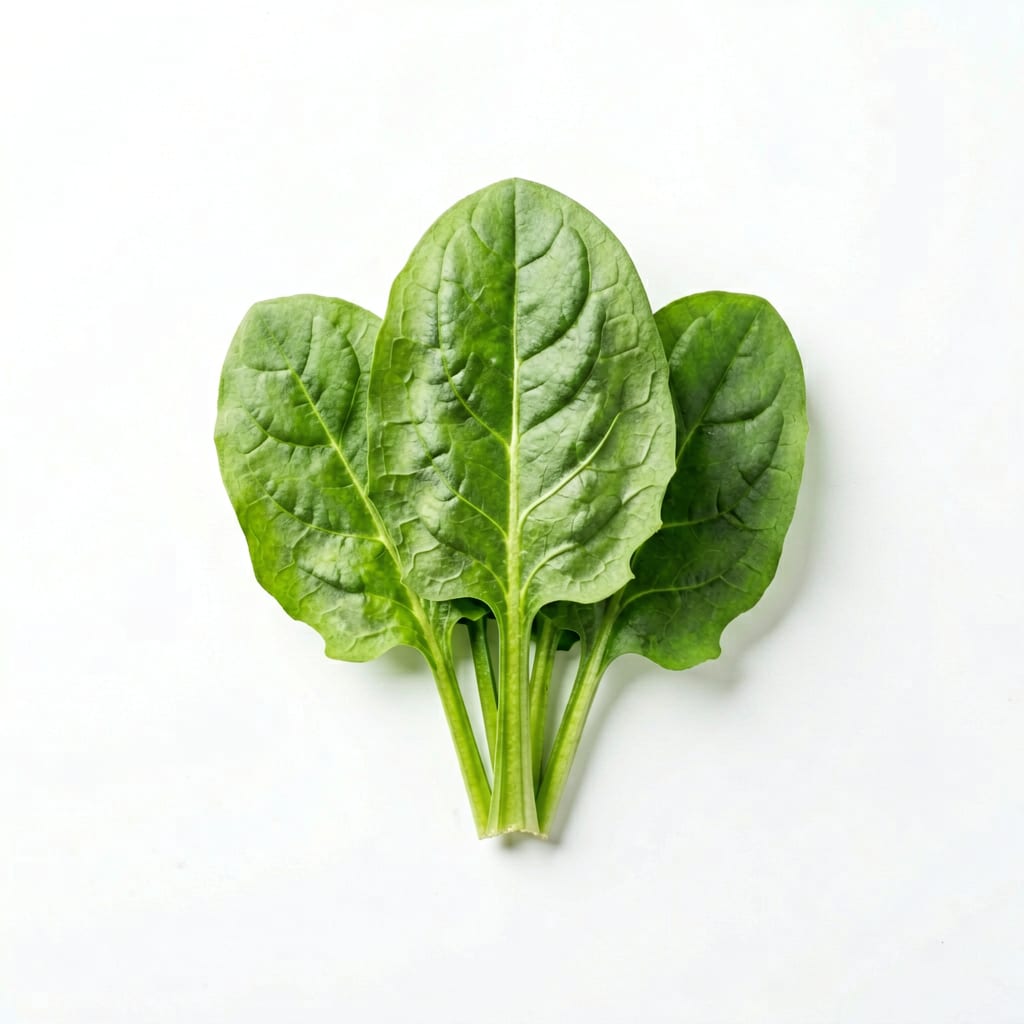
Spinach
Spinach offers broader vitamin coverage and everyday versatility, while Artichoke is a gut-health champion with unmatched fiber.
Spinach scores slightly higher due to its exceptional vitamin density and everyday practicality, but Artichoke remains elite for gut health and fiber.
Quick vitamin boost and ease of use versus deep digestive benefits and lasting fullness.
At a glance
Executive summary
Overall
It depends
Healthier
It depends
More practical
Spinach
Daily use
Spinach
Key comparison lenses
Gut health and digestion
Artichoke is uniquely high in prebiotic fiber, making gut health a central differentiator
Vitamin density and micronutrients
Spinach is famously rich in vitamins and minerals, creating a strong contrast in nutrient profiles
Kidney stone risk and antinutrients
Spinach contains high oxalates while Artichoke is low, a critical safety factor for some people
Meal convenience and versatility
Spinach is easy to blend or wilt, whereas Artichoke requires more prep or comes canned with sodium
Best choice for
Artichoke
- Improving gut microbiome diversity
- Managing blood sugar spikes
- People prone to calcium oxalate kidney stones
Spinach
- Boosting iron and vitamin K quickly
- Adding greens to smoothies or quick meals
- Low-calorie volume eating
Least suitable for
Artichoke
- People sensitive to FODMAPs or inulin
- Anyone needing a quick, no-prep vegetable
Spinach
- People with a history of calcium oxalate kidney stones
- Those needing high-fiber satiety to stay full
Deep comparison
Dimension by dimension
Each lens scores both foods and breaks down who each option suits.
- Dimension 1 · Priority 90Spinach
Nutrient Density & Vitamin Profile
Artichoke · 75Spinach · 95Spinach is a micronutrient powerhouse, while Artichoke offers solid but less concentrated vitamins.
Tradeoff
You get more vitamins A, K, and folate from Spinach, but Artichoke provides unique antioxidants like cynarin for liver support.
Why it matters
If you are looking to cover your vitamin bases in a single serving, Spinach gets you there faster.
Real-world impact
A handful of Spinach in a smoothie noticeably boosts your daily iron and vitamin K, whereas Artichoke shines more in long-term metabolic and liver health.
Artichoke
- Long-term liver support
- Antioxidant variety
Better for
- Iron deficiency concerns
Worse for
Spinach
- Quick vitamin K and iron replenishment
- Eye health from vitamin A
Better for
- Over-reliance without dietary variety
Worse for
- Dimension 2 · Priority 95Artichoke
Gut Health & Digestion
Artichoke · 98Spinach · 65Artichoke is one of the best prebiotic foods available, feeding beneficial gut bacteria far more effectively than Spinach.
Tradeoff
Artichoke's inulin feeds your microbiome beautifully but can cause bloating if you aren't used to it; Spinach is gentler but less impactful on gut flora.
Why it matters
A healthy microbiome affects everything from immunity to mood, making Artichoke a strategic choice for gut repair.
Real-world impact
Eating Artichoke regularly leads to better digestion and steadier bathroom habits, while Spinach acts more as a gentle daily green.
Artichoke
- Feeding beneficial gut bacteria
- Improving stool bulk and regularity
Better for
- Severe bloating for FODMAP-sensitive individuals
Worse for
Spinach
- Easier digestion for sensitive stomachs
- Low-FODMAP tolerance
Better for
- Lack of prebiotic fiber for microbiome building
Worse for
- Dimension 3 · Priority 85Artichoke
Satiety & Blood Sugar Control
Artichoke · 90Spinach · 60Artichoke's massive fiber content slows digestion and keeps blood sugar incredibly stable.
Tradeoff
Artichoke keeps you full for hours, while Spinach digests quickly, leaving you hungry sooner unless paired with protein or fat.
Why it matters
If you struggle with afternoon energy crashes, high-fiber foods like Artichoke make a noticeable difference.
Real-world impact
An Artichoke-based salad at lunch prevents the 3 PM snack attack much better than a Spinach salad alone.
Artichoke
- Sustained fullness between meals
- Preventing glucose spikes
Better for
- Feeling overly full before physical activity
Worse for
Spinach
- Light eating when you don't want to feel heavy
Better for
- Quick hunger return if eaten alone
Worse for
- Dimension 4 · Priority 80Spinach
Convenience & Meal Integration
Artichoke · 55Spinach · 92Spinach is effortlessly versatile, while Artichoke requires effort or comes with sodium tradeoffs.
Tradeoff
Fresh Spinach washes and cooks in seconds, but fresh Artichoke takes time to prep, and canned versions add excess sodium.
Why it matters
The easier a food is to prepare, the more likely you are to eat it consistently.
Real-world impact
Tossing Spinach into eggs or a smoothie takes zero thought; preparing Artichoke requires planning or settling for a jarred version.
Artichoke
- Hearty, center-of-plate vegetable dishes
Better for
- Spontaneous meal prep
- Raw snacking
Worse for
Spinach
- Smoothies, quick sautés, and salads
- Busy weeknight cooking
Better for
- Substantial, chewy texture in hearty meals
Worse for
- Dimension 5 · Priority 85Artichoke
Safety & Antinutrients
Artichoke · 88Spinach · 60Artichoke is low in antinutrients, while Spinach's high oxalates can cause issues for susceptible people.
Tradeoff
Spinach's oxalates can block mineral absorption and trigger kidney stones, whereas Artichoke's main risk is just choking on its choke if improperly prepped.
Why it matters
For anyone with a history of kidney stones, Spinach can be a hidden trigger, making Artichoke a safer green.
Real-world impact
Eating large amounts of raw Spinach daily might lead to kidney stones over time, while Artichoke poses virtually no such risk.
Artichoke
- Kidney stone prevention
- Better mineral bioavailability
Better for
- Choking hazard if the fuzzy choke is not removed
Worse for
Spinach
- No physical choking hazards
Better for
- High oxalate load blocking calcium and iron
Worse for
Timeline
Health impact over time
Short-term
Hours to days
Artichoke
- Feeling very full due to high fiber
- Potential gas or bloating if your gut isn't used to prebiotics
Spinach
- Quick nutrient absorption, especially if cooked with fat
- Very light feeling in the stomach after eating
Long-term
Months to years
Artichoke
- Improved gut microbiome diversity and resilience
- Better liver function from cynarin antioxidants
Spinach
- Stronger bones and blood clotting from abundant vitamin K
- Increased risk of kidney stones in susceptible individuals if consumed in excess
Risk profile
Safety & processing
Both are whole, natural foods in their fresh form, though canned Artichoke hearts often contain added salt and citric acid.
Artichoke
Sodium from canning
mediumCanned or jarred Artichoke hearts are convenient but packed in high-sodium brine; always rinse them before eating.
Physical choking hazard
mediumThe fuzzy choke in the center of a whole Artichoke must be completely scraped out before eating to prevent choking.
Spinach
Oxalate accumulation
highSpinach is extremely high in oxalates, which bind to calcium and iron, and can form painful kidney stones in prone individuals.
Pesticide residue
mediumSpinach consistently ranks high on the EWG's Dirty Dozen list for pesticide residue; washing thoroughly or buying organic is advised.
Who wins for whom
Audience fit
Same foods, different winners depending on your goal.
children
SpinachSpinach is much easier to hide in smoothies, pasta sauces, and scrambled eggs for picky eaters.
daily consumption
SpinachSpinach is far easier to incorporate into daily meals without digestive discomfort or prep fatigue.
diabetes
ArtichokeThe enormous fiber content in Artichoke dramatically slows sugar absorption, leading to much steadier blood glucose levels.
elderly
SpinachSpinach is easier to chew and digest, and its high vitamin K content is crucial for bone density in older adults.
muscle gain
SpinachSpinach contains dietary nitrates that improve blood flow and exercise efficiency, plus more iron for oxygen transport.
weight loss
SpinachSpinach provides massive volume for almost zero calories, making it easier to create large, low-calorie meals.
Your move
Decision guide
Choose Artichoke
- You want to improve your gut microbiome and digestion
- You need more fiber to stay full and manage blood sugar
- You have a history of kidney stones and must avoid oxalates
Choose Spinach
- You need a quick, versatile green for daily meals
- You want to boost your iron, folate, and vitamin K intake
- You are focusing on low-calorie volume eating for weight loss
Either works if
- You simply want to eat more vegetables and diversify your greens
- You are building a nutrient-dense salad and need a base
Avoid both if
- You are on a strict low-fiber diet for acute digestive issues like IBD flare-ups
Final recommendation
Eat Spinach for everyday vitamin convenience, but make Artichoke a weekly staple for gut health and fiber. Rotating them gives you the best of both worlds without the downsides of either.
Practical
Consumer tips
- 1
If you buy jarred Artichoke hearts, rinse them well under cold water to remove up to 30% of the added sodium.
- 2
Cook Spinach instead of eating it raw to reduce oxalate levels and significantly improve iron absorption.
- 3
Add a squeeze of lemon to Spinach; the vitamin C helps your body absorb its non-heme iron much more effectively.
- 4
If fresh Artichoke is too much work, frozen Artichoke hearts are a great low-sodium alternative to canned versions.
- 5
Start with small portions of Artichoke if you don't usually eat high-fiber foods to avoid sudden bloating.