
Nutrition comparison
Artichoke vs Cauliflower: Nutrition, Fiber, and Low-Carb Comparison
Compare Artichoke vs Cauliflower to see which is better for gut health, weight loss, and low-carb diets. Discover the nutritional tradeoffs and best uses.
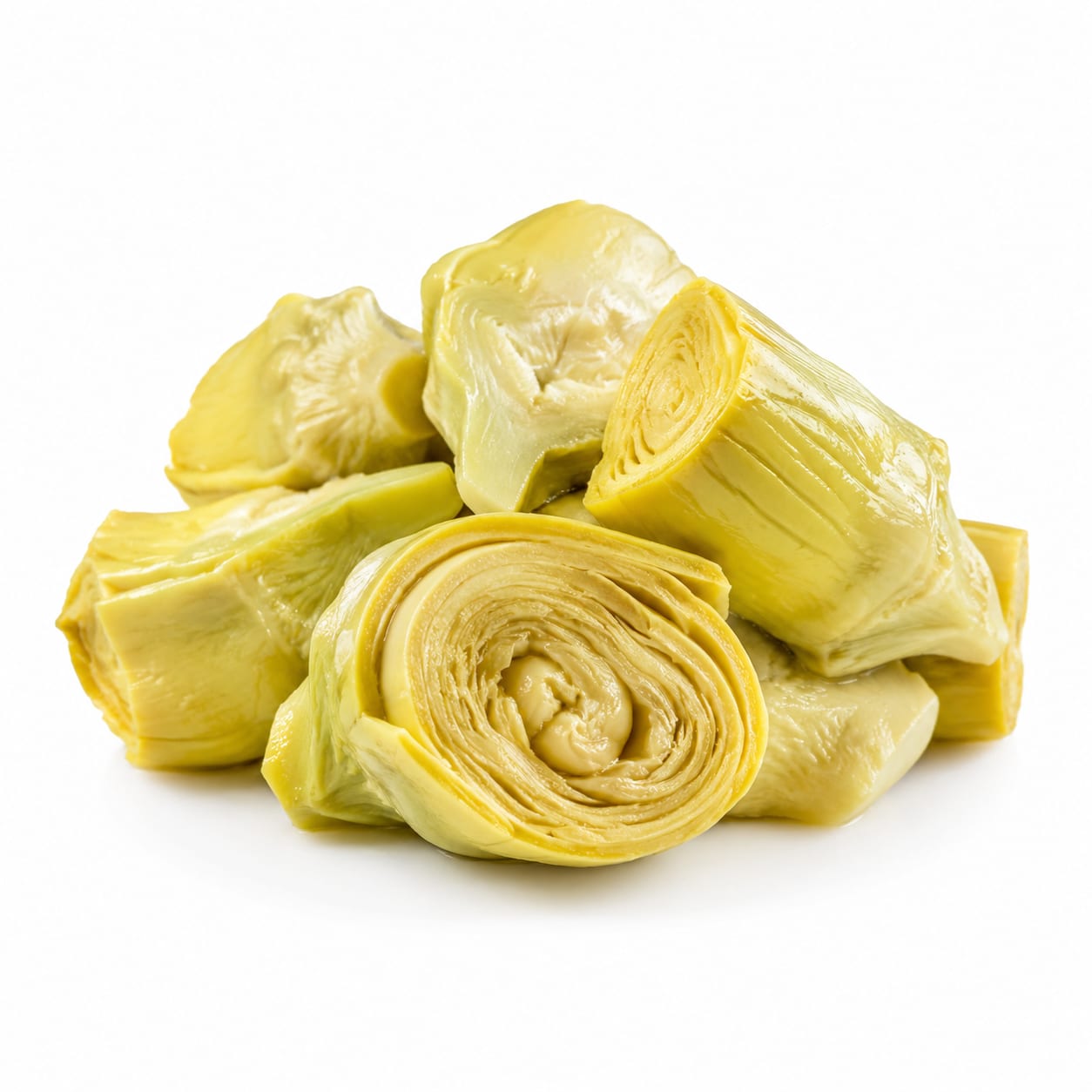
Artichoke
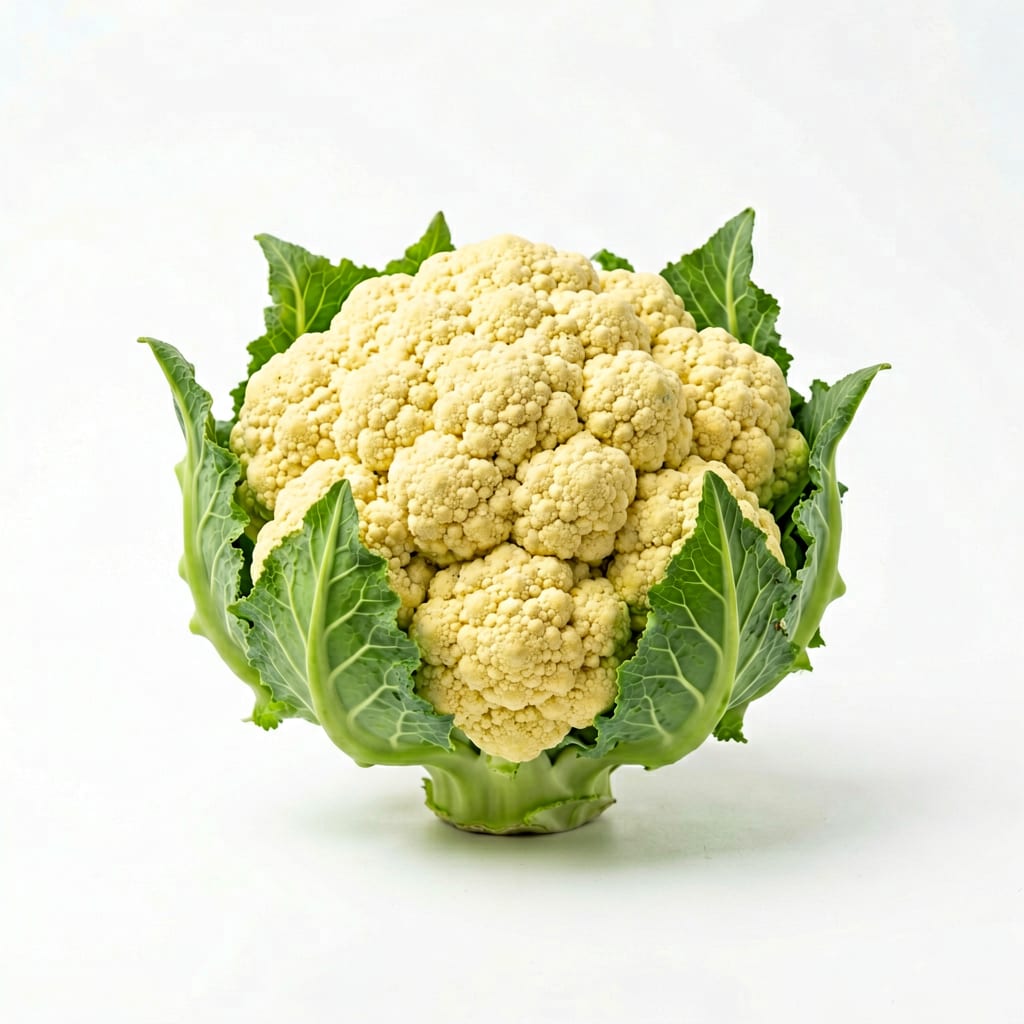
Cauliflower
Artichoke dominates for fiber and gut health, while Cauliflower wins on versatility and easy prep.
Artichoke scores slightly higher for raw nutritional density and gut benefits, but Cauliflower's unmatched versatility and ease of use keep it nearly tied for everyday eating.
Deep gut benefits and satiety versus everyday cooking convenience and low-carb flexibility.
At a glance
Executive summary
Overall
It depends
Healthier
Artichoke
More practical
Cauliflower
Daily use
Cauliflower
Key comparison lenses
Gut health and prebiotic fiber
Artichoke is one of the highest natural sources of inulin, a powerful prebiotic, making gut health a central comparison point.
Low-carb diet versatility
Cauliflower is the ultimate low-carb substitute for grains and potatoes, directly impacting how people choose between these vegetables for meal prep.
Satiety and fullness
The massive fiber difference means these two vegetables affect hunger levels very differently.
Preparation convenience
Artichokes require significant prep and cooking time, while Cauliflower is quick and easy to prepare in various forms.
Best choice for
Artichoke
- Gut microbiome support
- Maximizing fullness on low calories
- Liver health and fat digestion
Cauliflower
- Low-carb recipe swaps
- Quick weeknight dinners
- Vitamin C boost
Least suitable for
Artichoke
- Low-FODMAP diets for IBS
- Quick meal prep
- People who dislike fussy prep
Cauliflower
- Those seeking extremely high fiber
- People prone to severe cruciferous gas
Deep comparison
Dimension by dimension
Each lens scores both foods and breaks down who each option suits.
- Dimension 1 · Priority 95Artichoke
Fiber & Satiety
Artichoke · 95Cauliflower · 65Artichoke is a fiber powerhouse, delivering nearly double the fiber of Cauliflower per serving.
Tradeoff
You get much more fullness from Artichoke, but Cauliflower is easier to eat in large volumes.
Why it matters
High fiber keeps you full longer and feeds beneficial gut bacteria.
Real-world impact
An Artichoke side dish will keep you satisfied for hours, whereas Cauliflower might leave you hungry sooner.
Artichoke
- Staying full between meals
- Fixing constipation
- Feeding gut bacteria
Better for
- Those needing a low-residue diet
Worse for
Cauliflower
- Eating large portions without feeling overly stuffed
Better for
- Getting enough daily fiber without supplements
Worse for
- Dimension 2 · Priority 90Cauliflower
Versatility & Convenience
Artichoke · 45Cauliflower · 95Cauliflower is the ultimate low-carb substitute, while Artichoke requires specific prep and cooking methods.
Tradeoff
Cauliflower adapts to almost any recipe, but Artichoke offers a unique, irreplaceable flavor profile.
Why it matters
Convenience determines how often you actually eat a vegetable.
Real-world impact
You can rice, mash, or roast Cauliflower in 15 minutes; Artichoke takes 40 minutes to steam and requires careful eating.
Artichoke
- Special occasion side dishes
- Impressing dinner guests
Better for
- Last-minute cooking
- Beginner cooks
Worse for
Cauliflower
- Busy weeknights
- Low-carb pizza crusts
- Meal prepping
Better for
- Gourmet presentation
Worse for
- Dimension 3 · Priority 85It depends
Digestive Tolerance
Artichoke · 55Cauliflower · 60Both can cause bloating, but for different reasons. Artichoke is high in FODMAPs, while Cauliflower contains raffinose.
Tradeoff
Artichoke feeds good bacteria but triggers IBS in some; Cauliflower is gentler but still causes gas if eaten raw or in large amounts.
Why it matters
A healthy food isn't healthy for you if it causes discomfort.
Real-world impact
If you have IBS, both might cause bloating, but Cauliflower is usually easier to tolerate when cooked.
Artichoke
- Building a healthy microbiome if you tolerate FODMAPs
Better for
- Low-FODMAP diets
- Severe IBS
Worse for
Cauliflower
- Those with mild IBS
- Easier digestion when cooked
Better for
- People sensitive to cruciferous vegetables
Worse for
- Dimension 4 · Priority 80Artichoke
Antioxidant & Specialized Nutrients
Artichoke · 90Cauliflower · 75Artichoke contains cynarin and silymarin which support liver health, while Cauliflower provides glucosinolates and high Vitamin C.
Tradeoff
Artichoke is better for liver and gallbladder support, while Cauliflower excels at immune support and cellular defense.
Why it matters
Different antioxidants protect different systems in the body.
Real-world impact
Eating Artichoke can improve bile production and digestion of fats, while Cauliflower helps fend off colds and oxidative stress.
Artichoke
- Liver support
- Fat digestion
- Cholesterol management
Better for
- Quick immune boosts
Worse for
Cauliflower
- Immune function
- Detoxification pathways
- Skin health
Better for
- Supporting liver function
Worse for
Timeline
Health impact over time
Short-term
Hours to days
Artichoke
- Increased fullness
- Potential bloating if sensitive to FODMAPs
- Better fat digestion after meals
Cauliflower
- Quick energy from Vitamin C
- Possible gas from cruciferous fibers
- Easy low-carb volume eating
Long-term
Months to years
Artichoke
- Improved gut microbiome diversity
- Better cholesterol levels
- Enhanced liver function
Cauliflower
- Lower oxidative stress
- Reduced cancer risk from glucosinolates
- Easier weight maintenance via low-carb swaps
Risk profile
Safety & processing
Both are whole, natural vegetables. However, pre-packaged Cauliflower rice or crusts can contain added sodium and binders, so whole Artichoke is often less processed in practice.
Artichoke
Choking hazard
mediumThe fuzzy choke inside an Artichoke must be completely scraped out before eating, or it poses a serious choking risk.
Pesticide residue
mediumArtichoke leaves can trap pesticides; washing thoroughly is important.
Cauliflower
Goitrogens
lowRaw Cauliflower contains goitrogens that can interfere with thyroid function if consumed in massive amounts, but cooking neutralizes this.
Pesticide residue
mediumCauliflower is typically on the EWG's Dirty Dozen list due to pesticide use; buying organic is advisable.
Who wins for whom
Audience fit
Same foods, different winners depending on your goal.
children
CauliflowerCauliflower can be hidden in mac and cheese or mashed, whereas Artichoke is a choking hazard and too complex for most kids to eat.
daily consumption
CauliflowerCauliflower is far easier to prep and incorporate into daily meals without getting bored or frustrated.
diabetes
ArtichokeArtichoke's massive fiber load slows glucose absorption significantly better, leading to steadier blood sugar.
elderly
CauliflowerCauliflower is softer when cooked and easier to chew and digest, while Artichoke leaves can be tough and the choke is hazardous.
muscle gain
CauliflowerCauliflower provides more volume and Vitamin C for recovery, and pairs easily with high-protein meals due to its neutral flavor.
weight loss
ArtichokeThe extreme fiber content in Artichoke makes it far more filling per calorie, naturally reducing overeating.
Your move
Decision guide
Choose Artichoke
- You want to maximize fiber and gut health
- You have no issues with FODMAPs
- You enjoy the ritual of eating whole Artichoke leaves
- You need help digesting fatty meals
Choose Cauliflower
- You need quick, easy weeknight sides
- You are on a low-carb diet and miss rice or potatoes
- You want a versatile veggie that takes on any flavor
- You are meal-prepping for the week
Either works if
- You just need more vegetables in your diet
- You are looking for low-calorie volume eating
- You want to support overall long-term health
Avoid both if
- You are on a strict low-FODMAP diet for active IBS
- You have severe gas and bloating from cruciferous vegetables
Final recommendation
Keep both in rotation. Use Cauliflower for your daily low-carb swaps and quick dinners, but steam an Artichoke once a week for an unmatched fiber and liver-health boost.
Practical
Consumer tips
- 1
Buy frozen Artichoke hearts to skip the tough prep and choking hazard of whole Artichokes.
- 2
Roast Cauliflower with a light drizzle of olive oil and garlic to reduce gas-causing compounds and boost flavor.
- 3
If you have IBS, try a small portion of well-cooked Cauliflower first, as it is often better tolerated than Artichoke.
- 4
Look for organic Cauliflower when possible, as conventional crops often have high pesticide residues.