
Nutrition comparison
Artichoke vs Zucchini: Nutrition, Fiber, and Health Comparison
Artichoke delivers unmatched fiber and liver-supporting compounds while zucchini wins on convenience and digestibility. Learn which vegetable fits your health goals better.
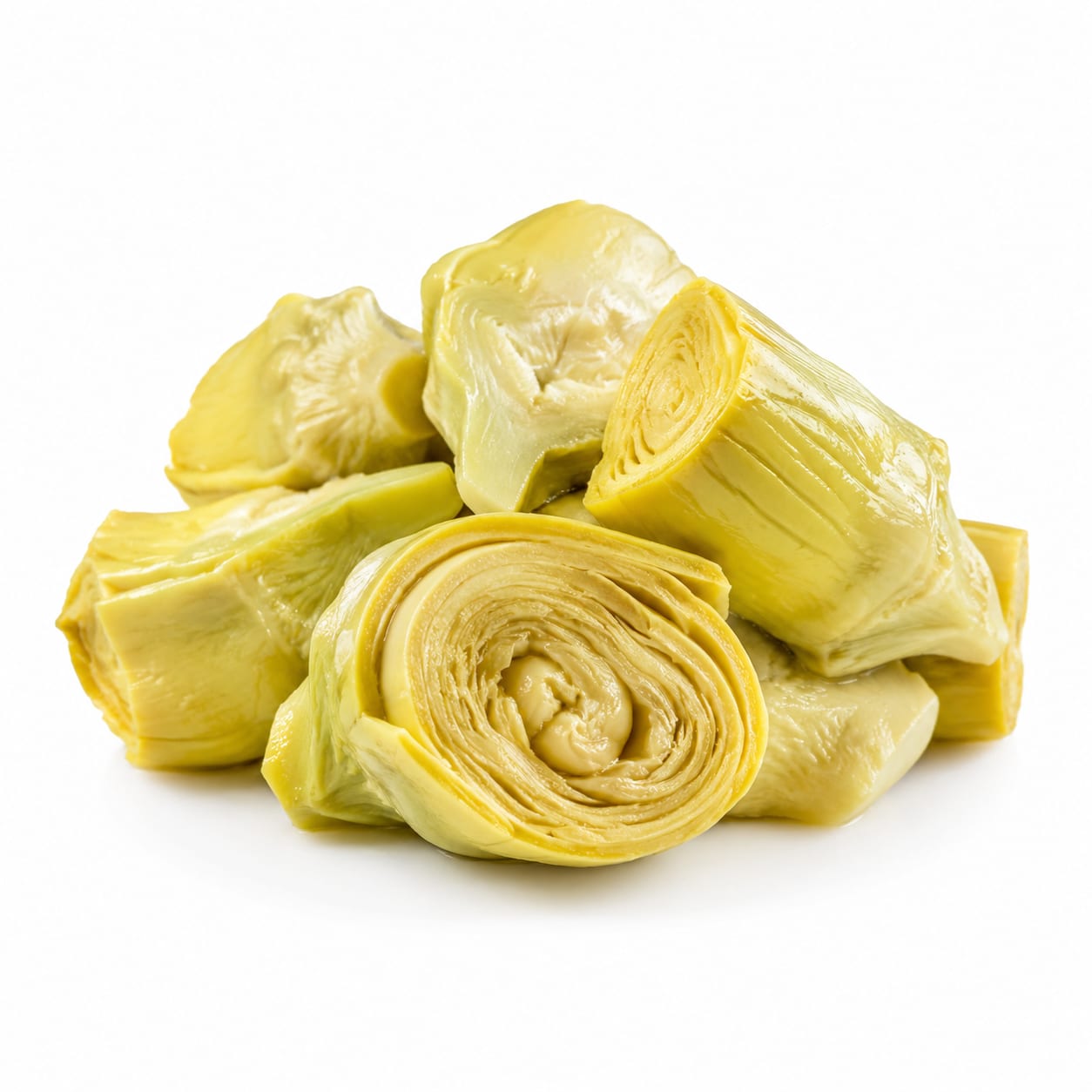
Artichoke
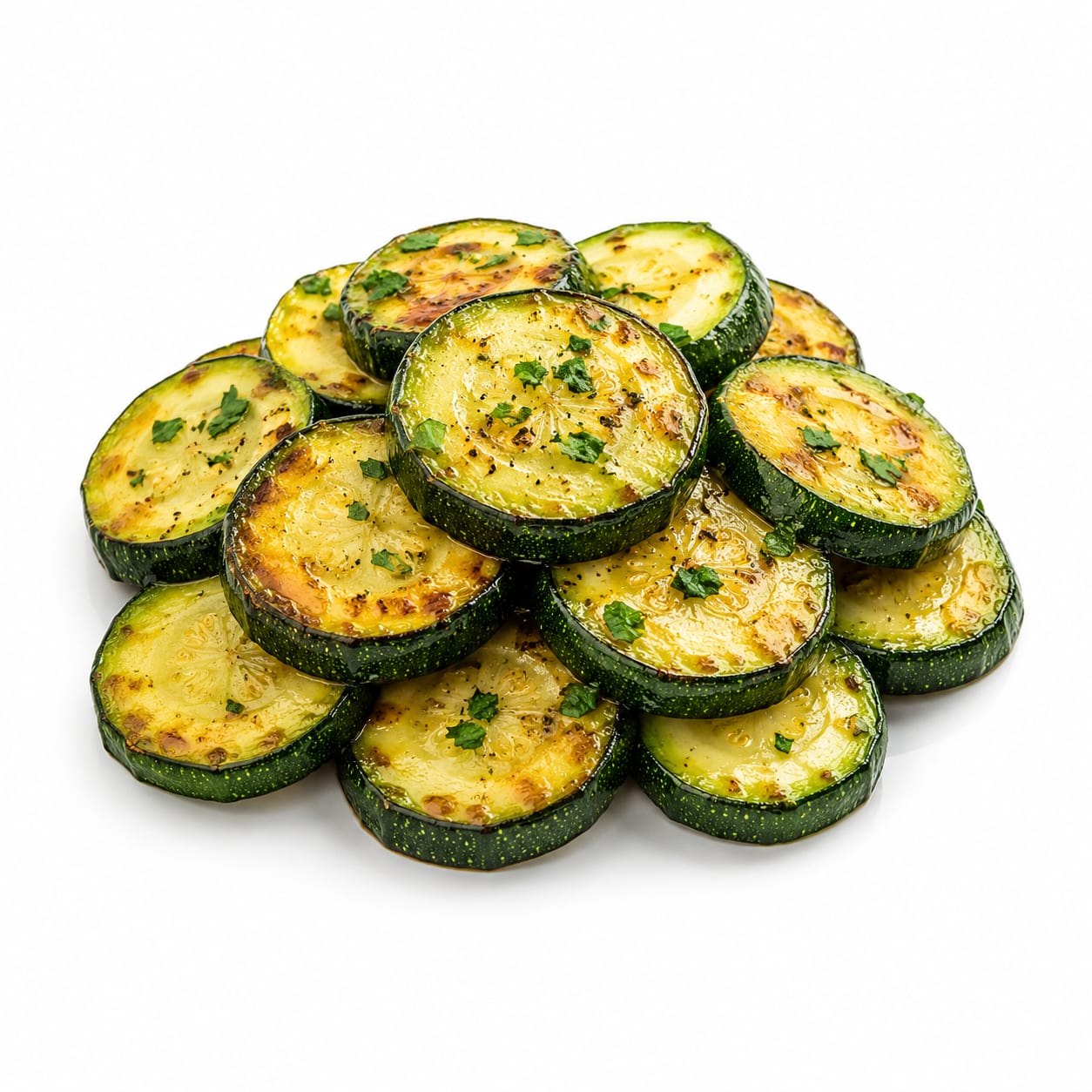
Zucchini
Artichoke is the nutritional powerhouse with unmatched fiber and liver-supporting compounds, but zucchini wins on convenience, digestibility, and everyday practicality.
Artichoke scores higher on nutritional depth and therapeutic value, but zucchini closes the gap through superior convenience, digestibility, and daily usability. The close scores reflect that neither is universally better — they serve different needs.
Deep targeted nutrition versus easy daily versatility — artichoke delivers more per bite but zucchini fits into almost any meal effortlessly.
At a glance
Executive summary
Overall
It depends
Healthier
Artichoke
More practical
Zucchini
Daily use
Zucchini
Key comparison lenses
fiber and gut health
Artichoke is one of the highest-fiber vegetables available, making gut health the dominant comparison axis
everyday versatility
Zucchini is a kitchen staple used in dozens of preparations while artichoke is more niche and seasonal
weight loss compatibility
Both are low-calorie vegetables but achieve satiety through very different mechanisms
digestive tolerance
Artichoke's inulin can cause bloating while zucchini is one of the gentlest vegetables on the gut
nutrient density per bite
Artichoke packs significantly more nutrition per serving despite similar calorie counts
Best choice for
Artichoke
- People seeking prebiotic fiber and gut microbiome support
- Anyone with sluggish digestion or irregularity
- Those wanting liver-supporting compounds like cynarin
- Nutrient-density maximizers who eat fewer calories
- Home cooks who enjoy slower, intentional meal preparation
Zucchini
- Busy people needing quick weeknight vegetable sides
- Anyone with sensitive digestion or IBS triggers
- Low-carb and keto dieters wanting a pasta substitute
- Families needing a mild vegetable kids will eat
- Meal preppers who want a vegetable that stores and reheats well
Least suitable for
Artichoke
- People with IBS or FODMAP sensitivities (inulin is a major trigger)
- Anyone short on prep time on weeknights
- Those unfamiliar with cooking and trimming globe artichokes
- Budget-conscious shoppers during off-season months
Zucchini
- Anyone needing a high-fiber food to stay regular
- People looking for strong prebiotic or liver-health benefits
- Those wanting a vegetable with bold standalone flavor
Deep comparison
Dimension by dimension
Each lens scores both foods and breaks down who each option suits.
- Dimension 1 · Priority 95Artichoke
fiber_and_gut_health
Artichoke · 96Zucchini · 52Artichoke delivers roughly 7g of fiber per medium globe compared to zucchini's 2g per cup, making it one of the most fiber-dense vegetables you can eat.
Tradeoff
That fiber comes largely as inulin, a prebiotic that feeds good bacteria but causes gas and bloating in sensitive people. Zucchini's modest fiber is gentler and less likely to trigger IBS symptoms.
Why it matters
Most people fall far short of the recommended 25-38g of daily fiber. Artichoke closes that gap dramatically in a single serving.
Real-world impact
Eating artichoke regularly can meaningfully improve bowel regularity and gut microbiome diversity within weeks. Zucchini helps but will not move the needle as much on its own.
Artichoke
- Building a diverse gut microbiome
- Relieving occasional constipation
- Feeding beneficial bifidobacteria
Better for
- FODMAP-sensitive individuals
- Anyone prone to gas and social discomfort from inulin
Worse for
Zucchini
- Getting some fiber without triggering IBS flares
- Eating a vegetable right before a date or event without bloating
Better for
- Anyone relying on it as their primary fiber source
Worse for
- Dimension 2 · Priority 88Zucchini
versatility_and_convenience
Artichoke · 40Zucchini · 94Zucchini can be spiralized, grilled, sautéed, baked into breads, eaten raw, or stuffed — often in under 10 minutes. Artichoke requires trimming, steaming for 30-45 minutes, and careful eating of the leaves.
Tradeoff
Artichoke's elaborate preparation is part of its appeal as a slow, mindful eating experience, but it limits how often most people actually cook it.
Why it matters
The healthiest vegetable is the one you actually eat regularly. Zucchini's ease makes it a realistic daily staple.
Real-world impact
You can throw zucchini into a stir-fry on a Tuesday night without thinking. Artichoke is more of a weekend project or special occasion food for most households.
Artichoke
- Creating a mindful, slow-eating experience
- Impressing guests with an elegant appetizer
Better for
- Last-minute meal needs
- Anyone intimidated by unfamiliar prep techniques
Worse for
Zucchini
- Weeknight dinners under 15 minutes
- Meal prep batches that reheat well
- Sneaking vegetables into picky eaters' food
- Low-carb pasta replacements
Better for
- Creating a memorable or special-occasion dish
Worse for
- Dimension 3 · Priority 82Artichoke
nutrient_density
Artichoke · 91Zucchini · 60Artichoke is rich in folate, vitamin K, magnesium, potassium, and unique antioxidants like cynarin and silymarin. Zucchini provides vitamin C and potassium but at lower concentrations across the board.
Tradeoff
Artichoke's nutrient density comes in a package many people eat less often. Zucchini's milder nutrition profile is offset by how easily it becomes a daily habit.
Why it matters
If you eat artichoke even once a week, you get a meaningful nutrient boost that zucchini cannot replicate. But zucchini's cumulative advantage grows the more consistently you eat it.
Real-world impact
A single artichoke provides nearly 25% of your daily folate and vitamin K needs. You would need several cups of zucchini to approach similar micronutrient intake.
Artichoke
- Folate needs during pregnancy
- Vitamin K for bone and blood health
- Unique liver-supporting antioxidants not found in most vegetables
Better for
- Anyone who rarely cooks it due to the effort involved
Worse for
Zucchini
- Vitamin C intake when eaten raw
- Hydration from high water content
Better for
- Situations where you need concentrated nutrition in limited calories
Worse for
- Dimension 4 · Priority 78Artichoke
blood_sugar_stability
Artichoke · 85Zucchini · 72Artichoke's high fiber slows glucose absorption significantly, giving it a lower effective glycemic impact despite similar carbohydrate content.
Tradeoff
Zucchini has so few carbs and calories that its glycemic impact is negligible too — the difference only matters when comparing larger servings or combining with other foods.
Why it matters
For people managing diabetes or insulin resistance, every high-fiber vegetable choice compounds into better long-term glucose control.
Real-world impact
Pairing artichoke with a carb-heavy meal blunts the blood sugar spike more effectively than zucchini. But both are excellent choices compared to starchy sides.
Artichoke
- Buffering blood sugar spikes when eating carb-rich meals
- Supporting insulin sensitivity through prebiotic fiber
Better for
- Large servings for people who ferment inulin poorly
Worse for
Zucchini
- Keeping total carb intake extremely low on keto
Better for
- Meals where you need the fiber to meaningfully slow digestion
Worse for
- Dimension 5 · Priority 78Zucchini
digestive_tolerance
Artichoke · 45Zucchini · 95Zucchini is one of the most gut-friendly vegetables available. Artichoke's inulin content makes it a common trigger for bloating and gas in sensitive individuals.
Tradeoff
The same compound that makes artichoke excellent for your microbiome can make you visibly bloated after eating it. Zucchini rarely causes any digestive distress.
Why it matters
For people with IBS, SIBO, or general gut sensitivity, tolerability often matters more than theoretical nutritional superiority.
Real-world impact
You can eat zucchini on a sensitive stomach before a workout or meeting without worry. Artichoke requires more strategic timing and portion awareness.
Artichoke
- Long-term gut microbiome remodeling in tolerant individuals
Better for
- FODMAP-restricted diets
- Social situations where bloating is unwelcome
Worse for
Zucchini
- Anyone with IBS, SIBO, or FODMAP sensitivity
- Pre-workout or pre-event meals
- People recovering from gastrointestinal illness
Better for
- Situations where aggressive prebiotic feeding is the goal
Worse for
- Dimension 6 · Priority 75It depends
weight_loss_compatibility
Artichoke · 80Zucchini · 82Both are low-calorie, but they support weight loss differently. Artichoke's fiber keeps you full longer per bite. Zucchini's volume and water content let you eat more total food for fewer calories.
Tradeoff
Artichoke creates deeper satiety from a smaller portion. Zucchini creates visual and physical fullness from a larger portion. The better choice depends on your eating psychology.
Why it matters
Some people need dense satiety from fiber; others need the psychological satisfaction of a large plate of food. Both strategies work.
Real-world impact
Half an artichoke with dinner can kill late-night snacking urges. A massive zucchini noodle bowl satisfies the need to eat a big volume of food without the calorie cost.
Artichoke
- Small-portion eaters who need maximum satiety per bite
- Reducing between-meal hunger through prebiotic fiber
Better for
- Anyone who finds the prep effort a barrier to consistent use
Worse for
Zucchini
- Volume eaters who need large portions to feel satisfied
- Replacing high-calorie pasta with a low-calorie alternative
Better for
- People who need deeper satiety that lasts hours after eating
Worse for
- Dimension 7 · Priority 70Artichoke
liver_and_detoxification_support
Artichoke · 94Zucchini · 38Artichoke contains cynarin and silymarin, compounds that stimulate bile production and support liver cell regeneration. No common vegetable matches this profile.
Tradeoff
This is a rare case where artichoke has a genuinely unique therapeutic property that zucchini simply cannot replicate.
Why it matters
For people with fatty liver disease, alcohol recovery, or toxin exposure, artichoke is one of the most evidence-supported functional foods available.
Real-world impact
Regular artichoke consumption has been shown to improve liver enzyme markers in clinical studies. Zucchini is healthy but has no specific liver-targeted benefits.
Artichoke
- Non-alcoholic fatty liver disease management
- Post-alcohol recovery nutrition
- Supporting natural detoxification pathways
Better for
- People on bile-acid-binding medications without doctor approval
Worse for
Zucchini
- General hydration and mild metabolic support
Better for
- Any situation where targeted liver support is the goal
Worse for
Timeline
Health impact over time
Short-term
Hours to days
Artichoke
- Noticeable fullness and satiety after eating due to high fiber density
- Possible bloating or gas within 1-3 hours if sensitive to inulin
- Improved bowel movement regularity within a day of consumption
Zucchini
- Light, hydrated feeling with almost no digestive discomfort
- Minimal satiety impact unless eaten in large volumes
- Easy to eat before physical activity without feeling weighed down
Long-term
Months to years
Artichoke
- Improved gut microbiome diversity from consistent prebiotic intake
- Better liver enzyme profiles and bile production with regular consumption
- Enhanced blood sugar regulation from sustained high-fiber intake
- Possible dependency on high-fiber intake for regularity if suddenly stopped
Zucchini
- Steady, gentle hydration and low-calorie nutrition supporting weight maintenance
- Easier long-term adherence due to minimal digestive side effects
- Modest but cumulative cardiovascular benefits from potassium intake
Risk profile
Safety & processing
Both vegetables are typically sold whole and unprocessed. Canned or jarred artichoke hearts may contain added salt and preservatives, so fresh or frozen is preferable. Zucchini is almost always sold fresh with no additives.
Artichoke
Choking hazard from choke and sharp leaf tips
mediumThe fuzzy choke in the center must be completely removed before eating. Improperly prepared artichoke leaves can scratch the throat.
Pesticide residue on outer leaves
mediumArtichokes frequently appear on EWG's Dirty Dozen list. Washing thoroughly or choosing organic reduces exposure.
Allergic reactions in Asteraceae-sensitive individuals
lowPeople allergic to ragweed, daisies, or marigolds may react to artichoke. Cross-reactivity is uncommon but documented.
Zucchini
Bitter cucurbitacin compounds in stressed plants
lowOccasionally zucchini develops bitter compounds from environmental stress. Extremely bitter zucchini should be discarded as it can cause nausea.
Minimal pesticide residue
lowZucchini typically has low pesticide residue and is not a high-concern crop on EWG lists.
Who wins for whom
Audience fit
Same foods, different winners depending on your goal.
children
ZucchiniZucchini's mild taste and soft texture when cooked make it far more kid-friendly. Artichoke's complex eating process and bitter notes usually fail with children.
daily consumption
ZucchiniZucchini's ease of preparation, gentle digestion, and culinary flexibility make it a realistic daily vegetable. Artichoke is better as a weekly nutritional boost.
diabetes
ArtichokeArtichoke's superior fiber content slows glucose absorption more effectively and supports insulin sensitivity through prebiotic mechanisms.
elderly
ZucchiniZucchini is easier to chew, digest, and prepare for older adults. Artichoke's tough outer leaves and choking hazard make it less suitable without assistance.
muscle gain
ZucchiniNeither is a protein source, but zucchini's mild flavor and low fiber make it easier to pair with large protein portions without feeling overly full.
weight loss
It dependsArtichoke provides deeper satiety per calorie for small-portion eaters. Zucchini enables large-volume eating for those who need visual fullness. Both work — the winner depends on your eating style.
Your move
Decision guide
Choose Artichoke
- You want to dramatically increase your fiber intake and improve gut health
- You have no FODMAP sensitivities and can tolerate inulin well
- Liver support is a priority due to fatty liver, medication load, or alcohol intake
- You enjoy slow, mindful eating experiences and have time to prepare it
- You eat a nutrient-dense low-calorie diet and need maximum nutrition per bite
Choose Zucchini
- You need a quick, versatile vegetable for busy weeknights
- You have IBS, SIBO, or any FODMAP sensitivity
- You want a low-carb pasta substitute that actually works
- You are feeding children or elderly family members
- You prefer eating large volumes of food without digestive consequences
Either works if
- You simply want more vegetables in your diet and both are available
- You are meal planning and can use artichoke for targeted nutrition and zucchini for daily bulk
- Blood sugar management is a goal — both are excellent low-glycemic choices
Avoid both if
- You have a severe Asteraceae allergy (artichoke) or cucurbitacin sensitivity (zucchini)
- You need a protein-rich food — neither contributes meaningful protein
Final recommendation
Use both strategically. Eat zucchini most days for effortless vegetable volume and digestive comfort. Add artichoke once or twice a week for a concentrated dose of fiber, prebiotics, and liver-supporting compounds that zucchini cannot match. This combination gives you the best of convenience and depth.
Practical
Consumer tips
- 1
Buy canned artichoke hearts packed in water, not oil, to avoid excess calories — but check sodium content and rinse before using
- 2
Frozen artichoke hearts are a practical middle ground: most of the nutrition with none of the prep hassle
- 3
Spiralize zucchini into noodles but salt and drain them for 15 minutes first to avoid watery dishes
- 4
If artichoke causes bloating, start with small portions and build tolerance gradually — your gut adapts to inulin over weeks
- 5
Choose organic artichokes when possible due to pesticide concerns on the outer leaves
- 6
Grilled zucchini with olive oil and herbs takes 5 minutes and rivals any restaurant side dish
- 7
Artichoke leaf extract supplements are available if you want the liver benefits without the prep effort