
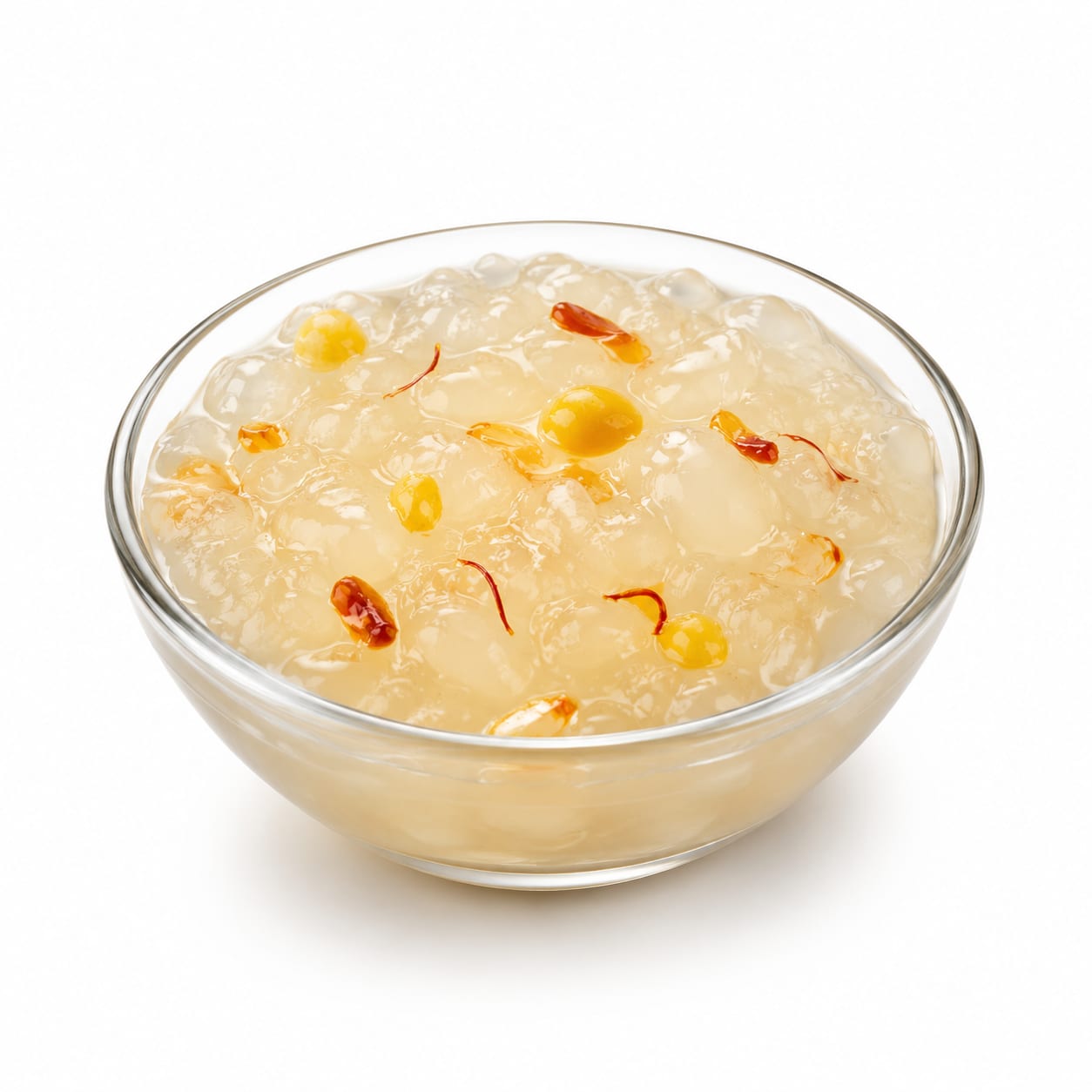
Starch / Flour
Arrowroot
An easily digestible starch extracted from the roots of the arrowroot plant, commonly used as a gluten-free thickening agent.
A starchy tuber primarily consumed as a finely ground powder used as a thickening agent in cooking and baking. It is prized for being easily digestible and naturally gluten-free.
fast-digesting carbohydrate thickener
Typical serving · 15g
Common varieties · arrowroot powder, arrowroot flour, arrowroot starch, raw arrowroot tuber
Overall context score across nutrition, safety, and diet fit
At a glance
Quick facts
Simple indicators based on nutrition, processing, and diet fit.
The story
What makes it unique
Composed almost entirely of easily digestible carbohydrates with minimal protein, fat, or fiber. Digests rapidly, providing quick energy but minimal satiety. The extraction process isolates the starch from the fibrous root, resulting in a refined carbohydrate powder.
Varieties: arrowroot powder · arrowroot flour · arrowroot starch · raw arrowroot tuber
Per 100g
Nutrition breakdown
Macro balance and key metrics at a glance.
Energy
Density 3.57 kcal/g
Protein
Carbs
Fat
Fiber
Sugar
0 g
Sodium
2 mg
Potassium
6 mg
Glycemic index
85
Glycemic load
75
Water content
10%
Standout compounds
Nutrient highlights
Starch
highProvides rapid energy and easy digestibility
Fiber
lowMinimal fiber content
Protein
lowNegligible protein for muscle building
Potassium
lowTrace amounts supporting fluid balance
Wellness map
Health scores & processing
NOVA processing scale
Minimally processed · Whole food
Arrowroot powder is produced by washing, peeling, grinding, and drying the tuber to extract the starch, involving physical separation without chemical modifications.
Diet compatibility
- Weight loss
- Muscle gain
- Diabetes
- Gut health
- Low carb
- High protein
- Heart health
Relative standing
Food rankings
Qualitative ranks compared to similar whole foods.
- Satietypoor
- Blood sugarpoor
- Nutrient densitypoor
- Fitness fuelmoderate
- Processing qualitygood
Eat with confidence
Food safety profile
Highly safe in its commercial powder form. Raw tubers should be washed and cooked properly to eliminate potential soil-borne microbes.
Evidence confidence 90%
- Pesticideslow
- Antibioticslow
- Heavy metalslow
- Contaminationlow
Watch for
- soil-borne microbes
Safer choices
Organic arrowroot powder ensures minimal pesticide residue during the extraction process
Prep tips
Store powder in a cool, dry place to prevent clumping or mold. Always mix with cold water before adding to hot liquids to prevent clumping.
None significant
Deep dive
Health analysis
How this food may fit different goals and preparation choices.
Weight loss
Poor choice for weight loss due to high energy density and low satiety. It adds calories without keeping you full.
Blood sugar
Causes rapid spikes in blood sugar due to its high glycemic index and low fiber content. Diabetics should use it sparingly.
Fitness & energy
Provides a fast-digesting source of carbohydrates that can be useful for quick pre-workout energy or glycogen replenishment.
Gut health
Paradoxically, despite being a refined starch, it is extremely gentle on the digestive tract and often recommended for people recovering from illness or with sensitive stomachs.
Processing quality
Extracted through physical means without chemical solvents, making it a cleaner alternative to highly modified food starches.
Food safety
Very safe. Minimal risk of contamination or heavy metals in the commercial powder form.
Common mistakes
Using it interchangeably with higher-fiber flours in baking, or assuming it is a low-carb thickener. Boiling it for too long causes it to break down and lose thickening power.
Best preparation
Mix with cold water to create a slurry before adding to hot liquids. Use as a 1:1 substitute for cornstarch in gluten-free recipes.
Practical guide
Best use cases
When and how this food fits real eating patterns.
Gluten-free thickening
Ideal for thickening sauces, gravies, and fruit pies without adding gluten or cloudiness.
Sensitive digestion recovery
Useful for individuals recovering from gastrointestinal illness who need easily digestible calories.
Paleo baking
Commonly used in paleo dessert recipes as a starch binder to improve texture.
Balance sheet
Pros & cons
Upsides
- Very easy to digest
- Naturally gluten-free
- Clean physical extraction process
- Clear thickening property
- Neutral taste
Trade-offs
- High glycemic index
- Very low in nutrients
- Not keto-friendly
- Adds empty calories
- Breaks down if overheated
Fit check
Who is it for?
Great match
- gluten-free cooking
- soothing digestive distress
- paleo baking recipes
Consider alternatives
- strict low-carb diets
- blood sugar control
- weight loss diets
Side by side
How it compares
Open the full head-to-head analysis for nutrition, safety, and practical tradeoffs.
This food
Arrowroot
VS95% alike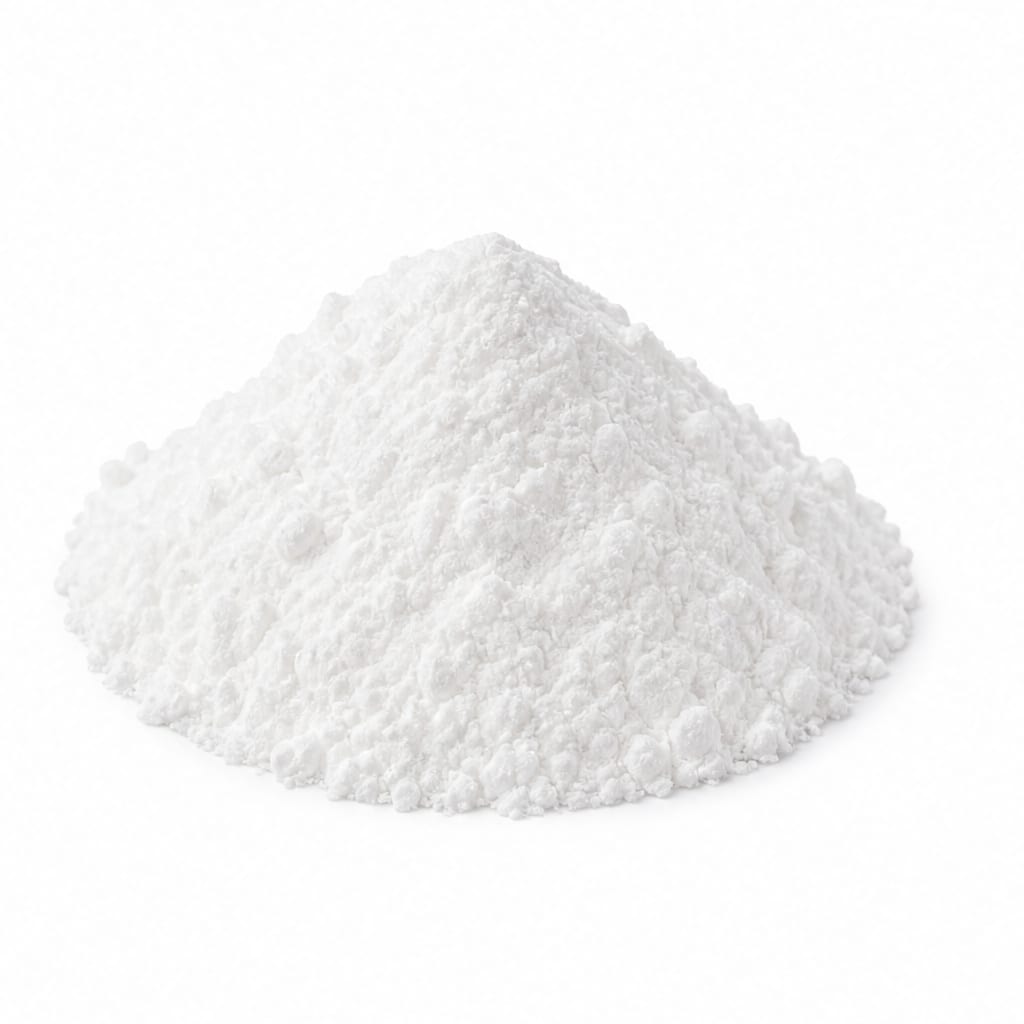
Compare with
Tapioca starch
Tapioca and arrowroot are nearly identical in carbohydrate content and lack of nutrients, though arrowroot breaks down less with acidic ingredients.
Tapioca and arrowroot are very similar, but arrowroot holds up better in acidic dishes and freezes better than tapioca.
This food
Arrowroot
VS90% alike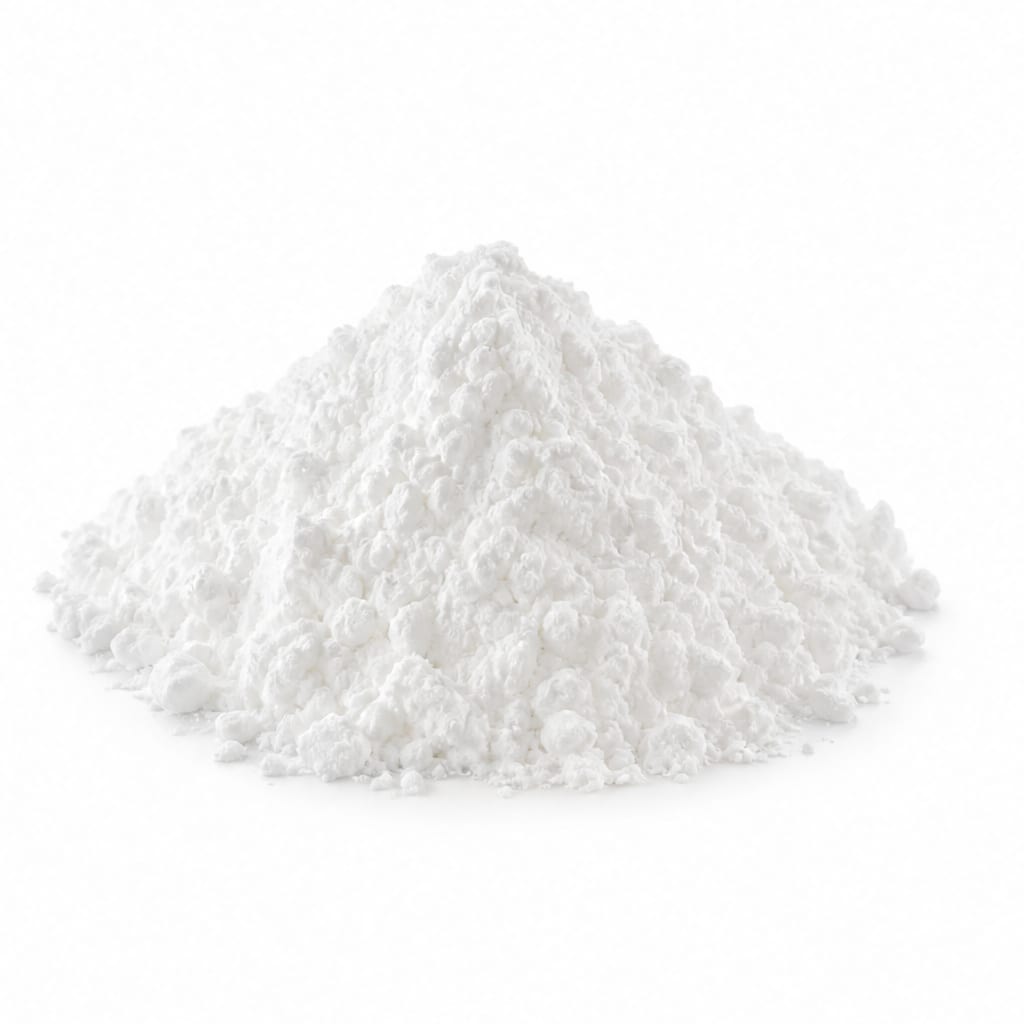
Compare with
Cornstarch
Cornstarch is more common and cheaper, but arrowroot is less processed and often non-GMO.
Arrowroot is less processed and creates a clearer gloss than cornstarch, though both act as high-glycemic thickeners.
This food
Arrowroot
VS85% alike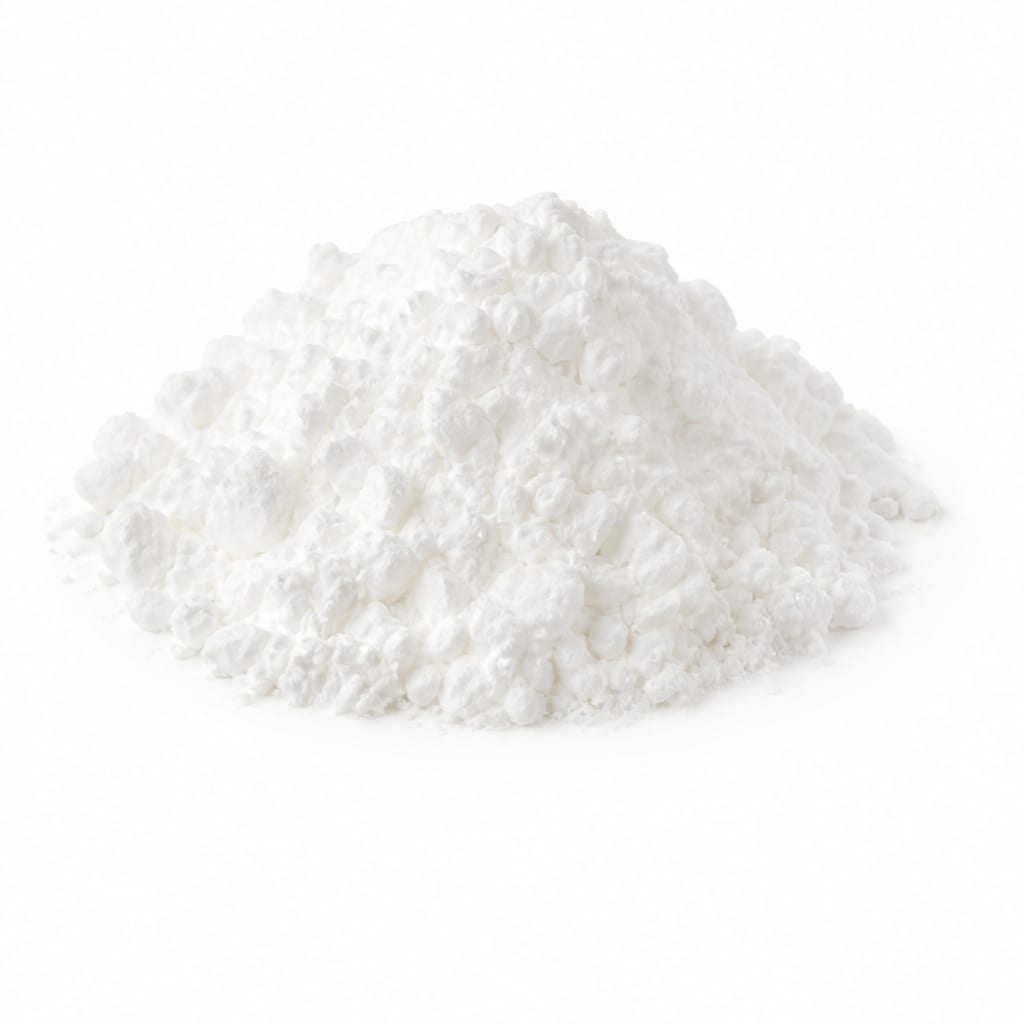
Compare with
Potato starch
Potato starch has slightly more resistant starch when raw, but both function similarly as high-glycemic thickeners.
Potato starch offers slightly more resistant starch for gut health, while arrowroot is gentler for sensitive digestion.
This food
Arrowroot
VS80% alike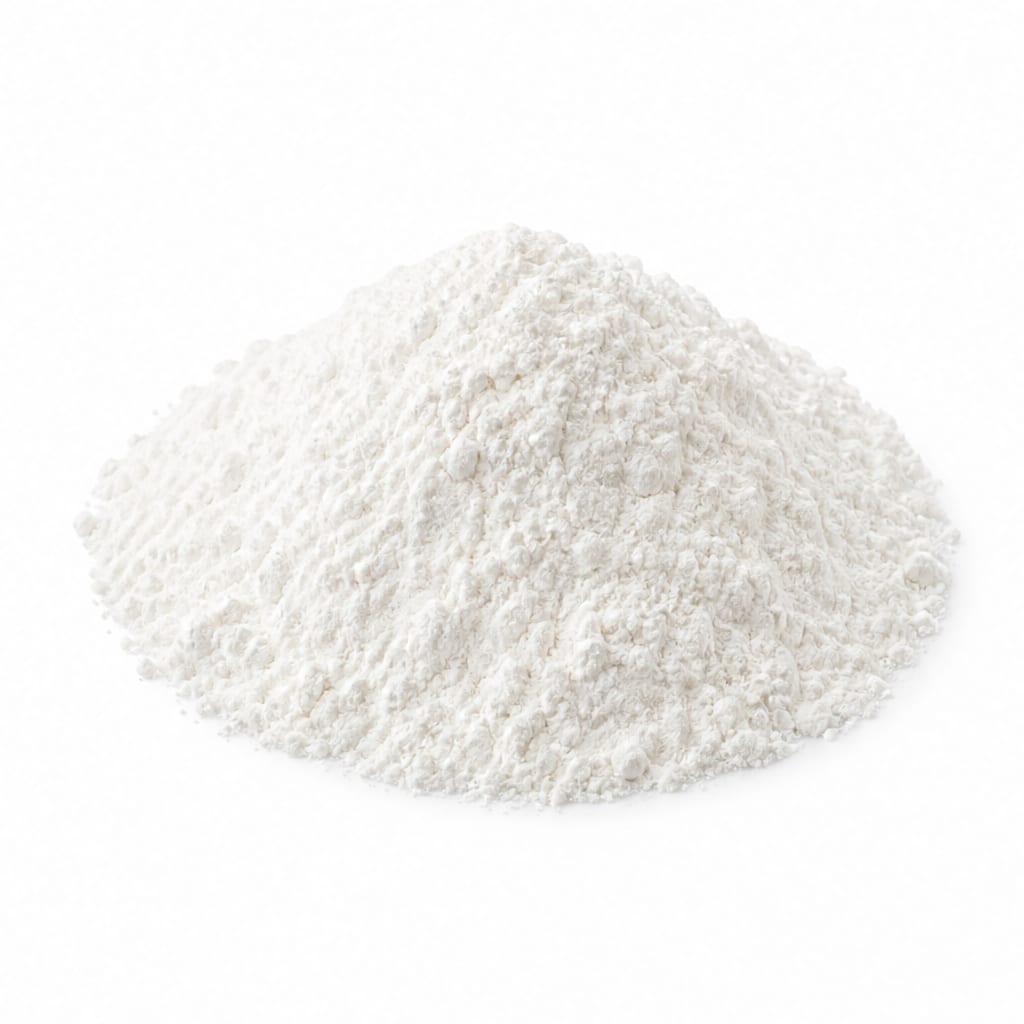
Compare with
Rice flour
Rice flour contains slightly more protein and can be used as a base flour, whereas arrowroot is strictly a starch additive.
Rice flour is better as a standalone baking flour, while arrowroot is superior for thickening and creating a crisp texture.
This food
Arrowroot
VS75% alike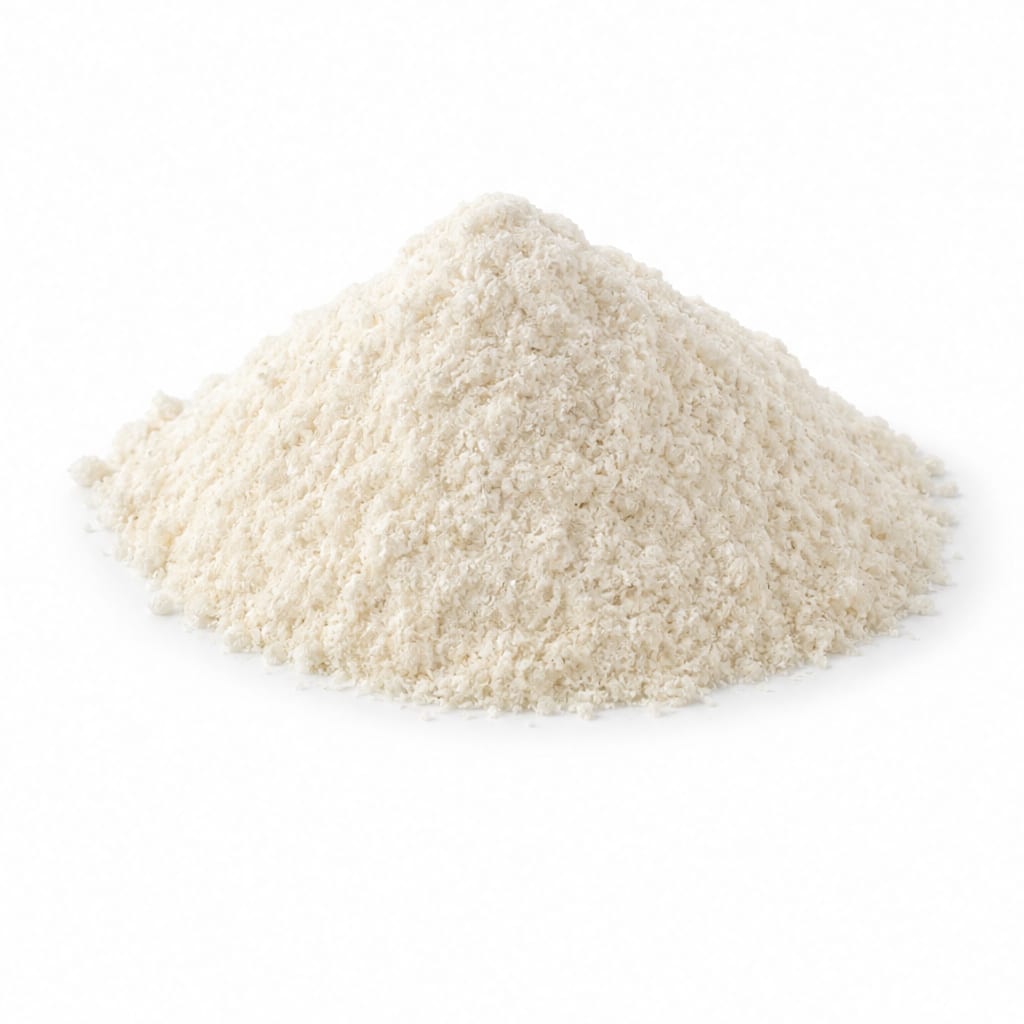
Compare with
Cassava flour
Cassava flour is a whole root flour with more fiber, while arrowroot is an extracted pure starch.
Cassava flour contains the whole root providing more fiber, while arrowroot is a refined starch better for gentle digestion.
This food
Arrowroot
VS50% alike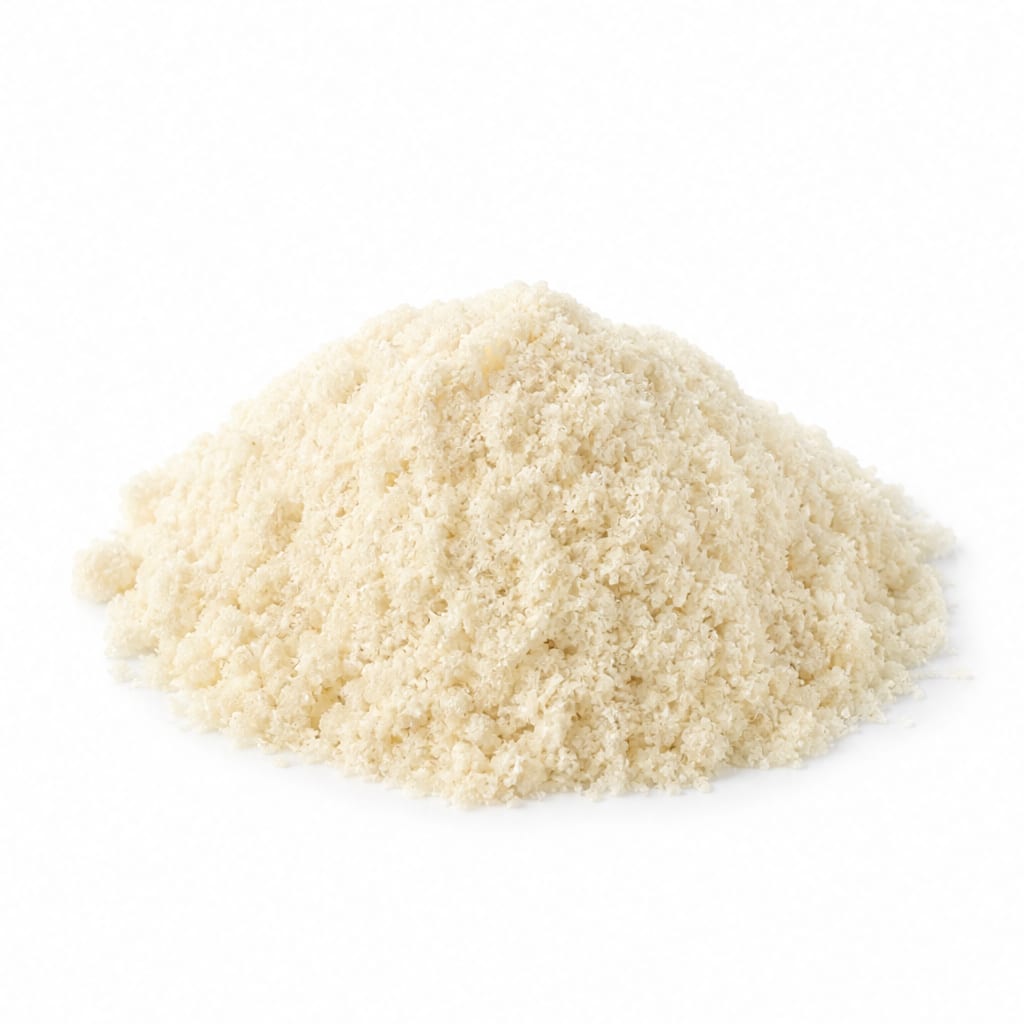
Compare with
Coconut flour
Coconut flour is high in fiber and low in digestible carbs, making it far superior for blood sugar control.
Coconut flour is high in fiber and low carb, ideal for weight loss, while arrowroot is a fast-digesting starch.
This food
Arrowroot
VS45% alike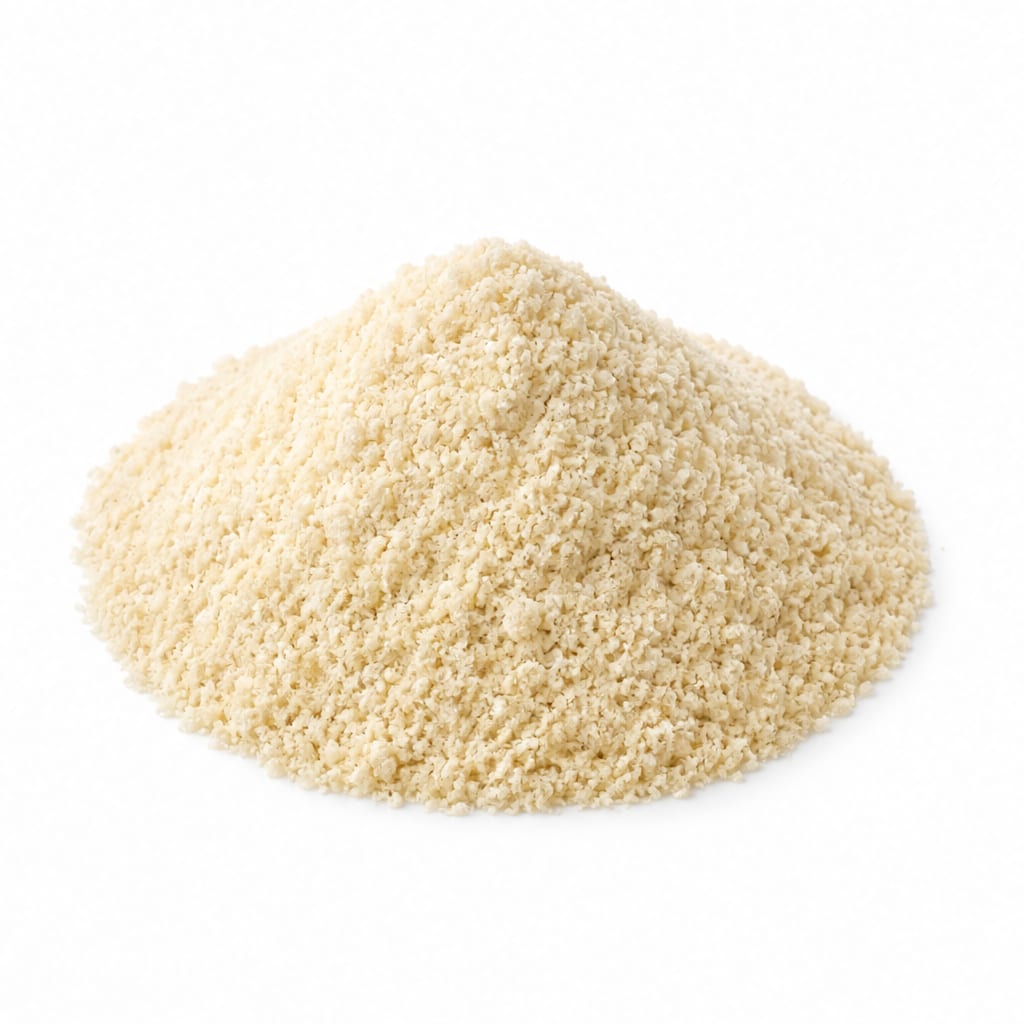
Compare with
Almond flour
Almond flour provides healthy fats, protein, and fiber, completely outclassing arrowroot in nutritional density.
Almond flour is rich in protein and healthy fats for satiety, whereas arrowroot is a pure carbohydrate thickener.
This food
Arrowroot
VS60% alike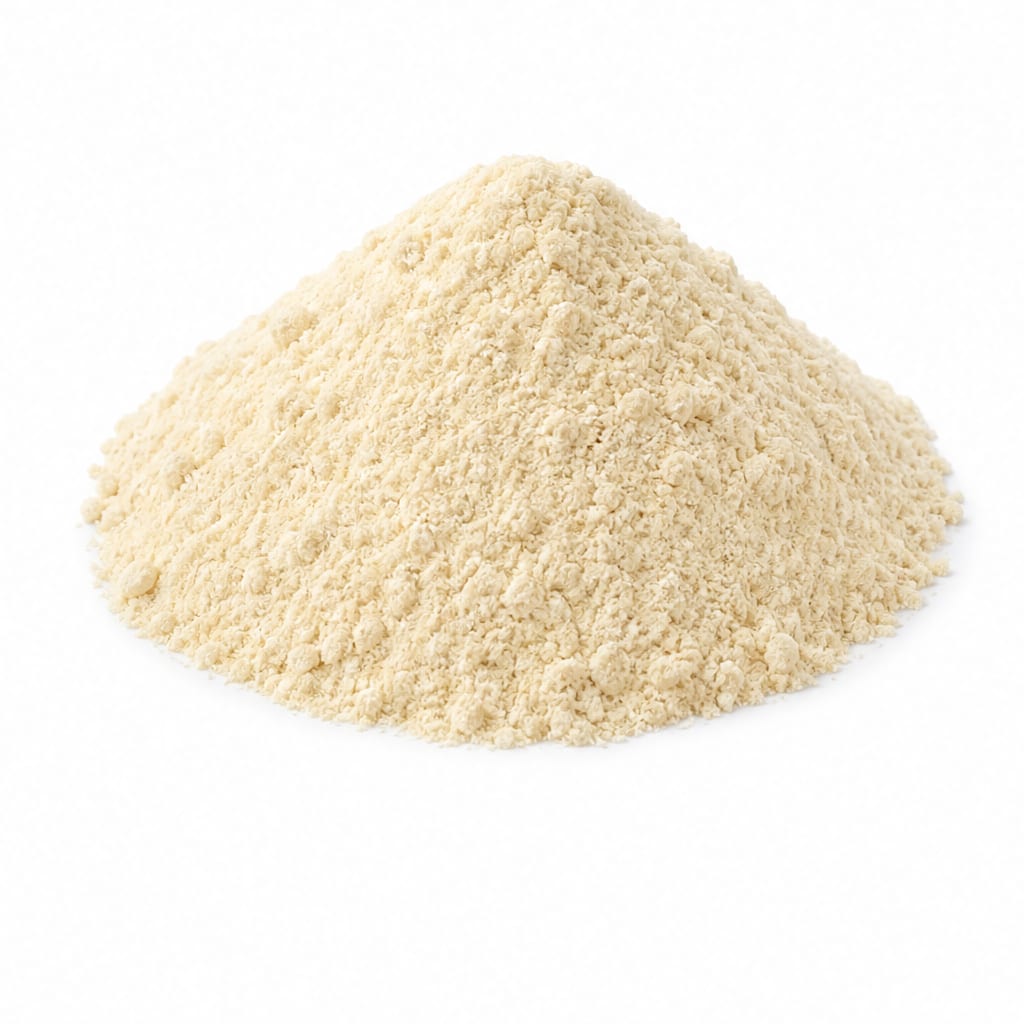
Compare with
Sweet potato flour
Sweet potato flour retains more nutrients and fiber from the whole vegetable compared to extracted arrowroot starch.
Sweet potato flour offers more vitamins, fiber, and a lower glycemic impact than refined arrowroot starch.
This food
Arrowroot
VS40% alike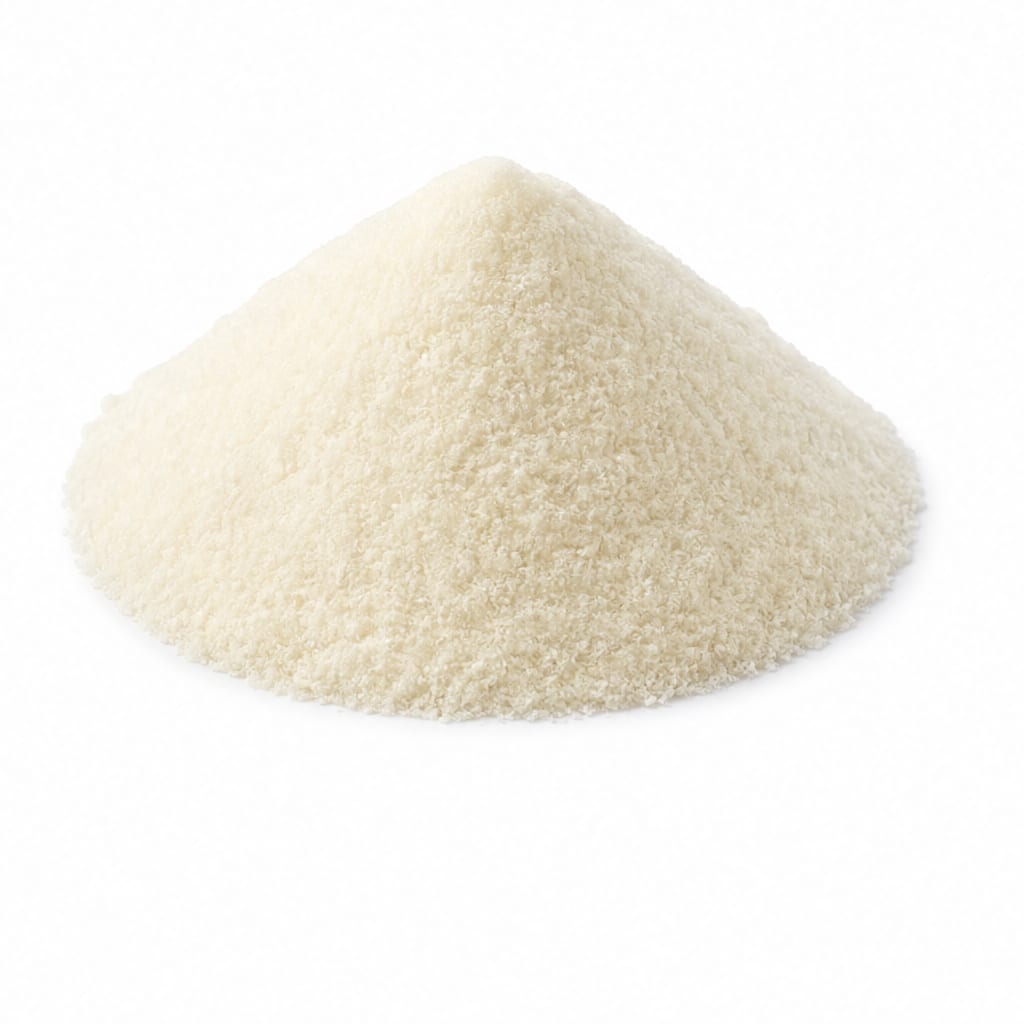
Compare with
Xanthan gum
Xanthan gum provides thickening with zero carbs and zero calories, making it vastly superior for low-carb diets.
Xanthan gum is a zero-carb thickener perfect for keto diets, while arrowroot provides traditional starch texture but with high carbs.
This food
Arrowroot
VS70% alike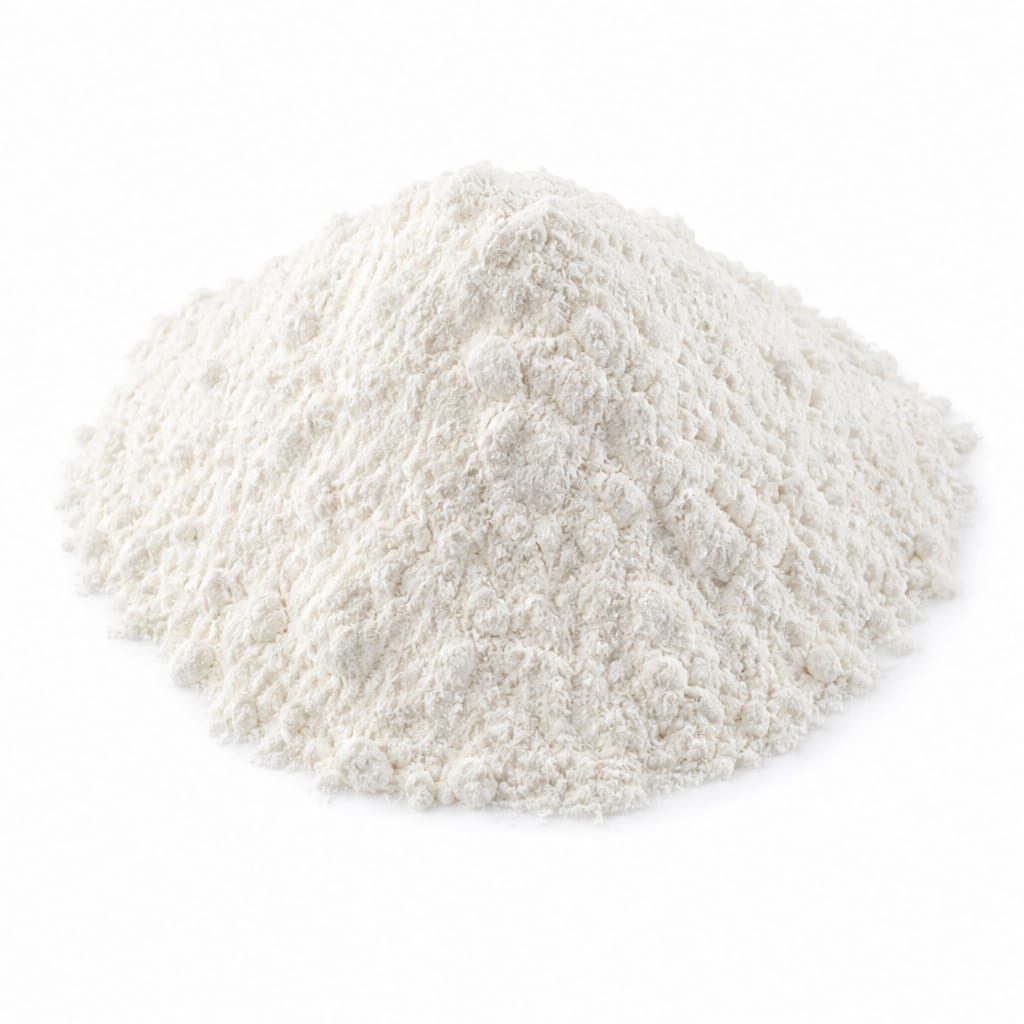
Compare with
All-purpose flour
All-purpose flour contains gluten and more protein, while arrowroot is gluten-free and pure starch.
All-purpose flour has more protein and a lower glycemic index than arrowroot, but arrowroot is gluten-free and easier to digest.
Common questions
FAQ
Answers aligned with how people search for this food.
Is arrowroot healthier than cornstarch?
Arrowroot is less processed than cornstarch and often non-GMO, but both are high-glycemic refined starches with similar calorie and carbohydrate counts.
Can diabetics eat arrowroot?
Arrowroot has a high glycemic index and can spike blood sugar, so diabetics should limit their intake or choose lower-carb thickeners like xanthan gum.
Is arrowroot keto-friendly?
No, arrowroot is almost pure carbohydrate and is not suitable for a ketogenic or strict low-carb diet.
Is arrowroot good for weight loss?
It is not ideal for weight loss because it is calorie-dense and lacks fiber or protein to promote fullness.
Why is arrowroot easy to digest?
It contains a very fine starch that breaks down easily in the gut, making it a traditional remedy for diarrhea and sensitive stomachs.
Can I use arrowroot instead of flour?
You can use it as a thickener in a 1:1 ratio for cornstarch, but it does not replace wheat flour 1:1 in baking without other gluten-free binders.
Does arrowroot have any nutrients?
It is very low in vitamins and minerals, functioning primarily as a source of pure carbohydrate energy.
Is arrowroot safe for babies?
Yes, arrowroot is often used in baby teething biscuits and infant cereals because it is gentle on the digestive system.
Transparency
Data confidence
Estimated confidence for nutrition data, interpretation, safety notes, and comparisons.
Nutrition data
Health analysis
Food safety
Comparisons