
Nutrition comparison
Arrowroot vs Almond Flour: Which Is Better for Baking, Health, and Blood Sugar?
Compare arrowroot and almond flour for nutrition, blood sugar impact, baking performance, and allergen safety. Find out which gluten-free flour fits your needs.

Arrowroot
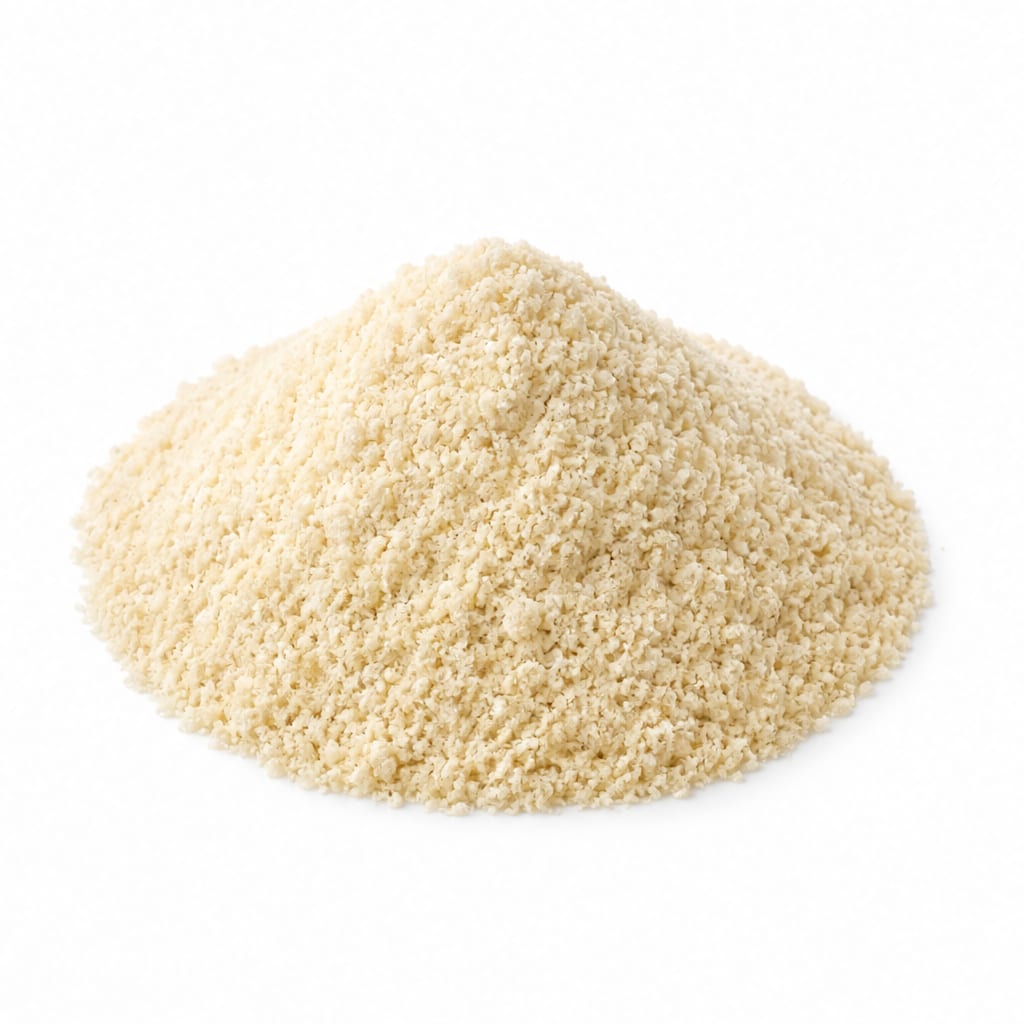
Almond flour
Arrowroot is a gentle, easily digested thickener with minimal nutrition, while almond flour is a nutrient-dense, low-carb baking staple with fat and protein that actually sustains you.
Almond flour scores significantly higher due to its protein, healthy fats, fiber, and mineral content. Arrowroot serves a narrow but valuable role as a gentle thickener and digestively tolerated starch, but offers little nutritional substance for daily sustenance.
Digestive simplicity and allergen safety versus nutritional substance and blood sugar stability.
At a glance
Executive summary
Overall
It depends
Healthier
Almond flour
More practical
Almond flour
Daily use
Almond flour
Key comparison lenses
gluten-free baking alternative selection
Both are popular gluten-free flours, but they serve completely different baking roles and nutritional profiles
blood sugar and carb management
Arrowroot is nearly pure starch while almond flour is low-carb, creating a massive glycemic difference
digestive sensitivity and gut health
Arrowroot is famously gentle on digestion, while almond flour's fat and fiber can be harder on sensitive stomachs
allergen safety for nut-free households
Almond flour is a top-8 allergen, making arrowroot the clear choice for nut-free environments
nutritional density and satiety
Almond flour delivers protein, healthy fats, and minerals; arrowroot is mostly empty carbs
Best choice for
Arrowroot
- People with severe digestive distress or recovery from illness
- Nut-allergic households and school-safe baking
- Thickening sauces, gravies, and fruit pies
- Infants transitioning to solid foods
- Anyone needing a bland, easily tolerated starch
Almond flour
- Low-carb and keto bakers
- People managing blood sugar or diabetes
- Anyone seeking satiating, protein-rich baked goods
- Paleo and grain-free diet followers
- Those wanting mineral density from food rather than supplements
Least suitable for
Arrowroot
- People managing diabetes or insulin resistance
- Low-carb or keto dieters
- Anyone seeking protein or healthy fats from meals
- Those prone to blood sugar crashes
Almond flour
- People with tree nut allergies
- Those with fat malabsorption issues
- Households requiring nut-free foods for school
- Anyone sensitive to high-fat foods during digestive recovery
Deep comparison
Dimension by dimension
Each lens scores both foods and breaks down who each option suits.
- Dimension 1 · Priority 95Almond flour
Nutritional Density
Arrowroot · 15Almond flour · 85Almond flour is loaded with vitamin E, magnesium, manganese, and healthy monounsaturated fats. Arrowroot is almost entirely starch with trace minerals at best.
Tradeoff
You get real nourishment from almond flour but must manage its calorie density and allergen risk. Arrowroot is light but nutritionally hollow.
Why it matters
Eating foods that actually feed your body reduces cravings and supplement dependence over time.
Real-world impact
A muffin made with almond flour keeps you full for hours. An arrowroot-based snack leaves you hungry again within 45 minutes.
Arrowroot
- Situations requiring minimal nutritional stimulation of the gut
Better for
- Anyone relying on it as a nutritional staple
- Preventing nutrient gaps in restricted diets
Worse for
Almond flour
- Daily nutrition and meal replacement
- Getting minerals from food naturally
- Sustained energy between meals
Better for
- Very low-calorie diet protocols where fat content is too high
Worse for
- Dimension 2 · Priority 92Almond flour
Blood Sugar Stability
Arrowroot · 20Almond flour · 82Arrowroot starch digests rapidly into glucose, spiking blood sugar quickly. Almond flour's fat, fiber, and protein slow absorption dramatically.
Tradeoff
Arrowroot's quick digestion can be helpful during acute digestive distress but problematic for metabolic health. Almond flour steadies blood sugar but feels heavier.
Why it matters
Blood sugar spikes drive cravings, fatigue, and long-term insulin resistance. Steady energy changes how your entire day feels.
Real-world impact
Arrowroot-based baked goods can trigger an afternoon energy crash. Almond flour baked goods provide a slow, steady burn.
Arrowroot
- Acute illness recovery when quick, easily absorbed energy helps
- Infants who need easily digested calories
Better for
- Insulin-resistant individuals
- Anyone prone to reactive hypoglycemia
Worse for
Almond flour
- Diabetes and prediabetes management
- Avoiding the mid-afternoon crash
- Keto and low-carb lifestyles
Better for
- Situations calling for rapid energy replenishment after illness
Worse for
- Dimension 3 · Priority 88Arrowroot
Digestive Tolerance
Arrowroot · 92Almond flour · 55Arrowroot is one of the most digestively gentle starches available, historically used for sick children and fragile digestion. Almond flour's fat and fiber can irritate sensitive guts.
Tradeoff
Gentle digestion comes at the cost of nutritional value. What slides through easily also provides little lasting benefit.
Why it matters
When your gut is inflamed or recovering, tolerating food at all matters more than optimizing nutrition.
Real-world impact
After stomach flu or surgery, arrowroot porosity feels soothing. Almond flour might feel heavy or trigger bloating during recovery.
Arrowroot
- Post-illness digestive recovery
- IBS flare-ups requiring low-residue foods
- Infant weaning and gentle first foods
Better for
- People needing fiber to support regular bowel movements
Worse for
Almond flour
- Healthy guts that benefit from fiber feeding gut bacteria
- Constipation-prone individuals needing more roughage
Better for
- Active IBS or colitis flares
- Gallbladder issues struggling with fat digestion
- Post-surgical digestive recovery
Worse for
- Dimension 4 · Priority 85Arrowroot
Allergen Safety
Arrowroot · 95Almond flour · 25Arrowroot is virtually non-allergenic, making it safe for nearly everyone. Almond flour is a tree nut allergen with serious cross-contamination risks.
Tradeoff
Maximum safety versus maximum nutrition. Nut-free environments must choose safety, even at a nutritional cost.
Why it matters
Tree nut allergies can be life-threatening. This is not a theoretical concern for millions of families and school environments.
Real-world impact
Arrowroot can go to school, daycare, or shared kitchens without worry. Almond flour requires labeling, separation, and constant vigilance.
Arrowroot
- School lunches and shared spaces
- Nut-free bakeries and facilities
- Households with mixed allergy statuses
Better for
- No real downside on allergen safety
Worse for
Almond flour
- Homes without any nut allergies where this is irrelevant
Better for
- Any environment where tree nut exposure is dangerous
- Schools with nut-free policies
- Shared kitchen spaces with unknown allergy statuses
Worse for
- Dimension 5 · Priority 80Almond flour
Satiety and Fullness
Arrowroot · 18Almond flour · 88Almond flour's protein and fat combination is genuinely filling. Arrowroot digests fast and leaves you looking for more food shortly after.
Tradeoff
Feeling satisfied after eating reduces overall calorie intake naturally. Light foods that disappear quickly can paradoxically lead to overeating.
Why it matters
Satiety is the single most underrated factor in sustainable eating. Fullness prevents snacking cascades.
Real-world impact
Two almond flour cookies can hold you until dinner. Two arrowroot cookies barely take the edge off.
Arrowroot
- When you intentionally want a light, non-filling base
Better for
- Anyone trying to reduce overall food intake
- Emotional eaters who need satiety signals
Worse for
Almond flour
- Weight management through natural portion control
- Replacing meals with satisfying baked goods
- Preventing late-night snacking
Better for
- Small appetites where density feels overwhelming
Worse for
- Dimension 6 · Priority 75It depends
Baking Versatility
Arrowroot · 45Almond flour · 78Almond flour creates rich, tender baked goods with structure and moisture. Arrowroot is best as a thickener or minor blending starch, not a standalone flour.
Tradeoff
Arrowroot excels at one specific job (thickening) but fails as a primary baking flour. Almond flour handles most baking roles but cannot thicken liquids.
Why it matters
Choosing the wrong flour for the wrong job wastes ingredients and produces disappointing results.
Real-world impact
Try making a pie filling with almond flour and it separates oddly. Try making a cake with only arrowroot and it crumbles into starch dust.
Arrowroot
- Thickening fruit pies, gravies, and sauces
- Creating a crispy coating on fried foods
- Blending with other flours for lighter texture
Better for
- Standalone baking flour for most recipes
- Any recipe requiring fat-based moisture
Worse for
Almond flour
- Cookies, cakes, muffins, and breads
- Keto and paleo pizza crusts
- Any baked good needing structure and richness
Better for
- Thickening liquids and sauces
- Creating light, airy textures on its own
Worse for
- Dimension 7 · Priority 70Arrowroot
Calorie and Fat Awareness
Arrowroot · 70Almond flour · 45Arrowroot is low in calories and essentially fat-free. Almond flour is calorie-dense at roughly 160 calories per quarter cup due to its fat content.
Tradeoff
Lower calories sound appealing but come with zero satiety. Higher calories from almond flour often mean you eat less overall because you feel full sooner.
Why it matters
Calorie counting without satiety context leads to hunger cycles. Dense foods can actually support weight management better than light ones.
Real-world impact
You might eat twice the volume of arrowroot-based food trying to feel satisfied, negating the calorie advantage entirely.
Arrowroot
- Explicitly calorie-restricted protocols under supervision
- When you need a light texture without added fat
Better for
- Volume eaters who do not stop at small portions
- Anyone needing sustained energy from food
Worse for
Almond flour
- Satiety-driven eating where quality beats quantity
- Low-carb diets where fat is the primary energy source
Better for
- Strict low-fat diet protocols
- People who mindlessly graze on calorie-dense foods
Worse for
Timeline
Health impact over time
Short-term
Hours to days
Arrowroot
- Quick energy from easily digested starch
- Gentle on an upset stomach or recovering digestive tract
- Possible blood sugar spike followed by a crash within 1-2 hours
- Unlikely to trigger any allergic or inflammatory reaction
Almond flour
- Sustained energy with no blood sugar roller coaster
- Feeling full and satisfied for several hours
- Potential bloating if you are not used to high-fat foods
- Possible allergic reaction in tree-nut-sensitive individuals
Long-term
Months to years
Arrowroot
- Nutrient shortfalls if used as a dietary staple without supplementation
- Potential contribution to insulin resistance with frequent high-starch consumption
- Consistent digestive comfort for sensitive individuals
- Minimal inflammatory or allergenic risk over time
Almond flour
- Improved mineral intake, especially magnesium and vitamin E
- Better blood sugar regulation with consistent low-carb use
- Heart-healthy monounsaturated fat intake supporting cardiovascular markers
- Ongoing tree nut allergy risk requiring permanent vigilance
Risk profile
Safety & processing
Both are single-ingredient products with no artificial additives. Arrowroot undergoes more processing to extract starch from the root, while almond flour is simply blanched almonds ground into a meal. Almond flour is closer to its whole-food origin.
Arrowroot
Contamination during starch extraction
lowCommercial arrowroot processing can involve shared facilities, but the starch extraction process itself reduces most contamination concerns.
Mislabeling or adulteration with cheaper starches
mediumSome arrowroot products are cut with potato starch or tapioca without clear labeling, which matters for those with specific sensitivities.
Almond flour
Tree nut allergen exposure
highAlmond flour can trigger severe anaphylactic reactions in allergic individuals. Cross-contamination in shared facilities is a serious concern.
Oxidation of fats in storage
mediumThe high fat content in almond flour can go rancid if stored at room temperature for extended periods. Refrigeration extends freshness significantly.
Phytic acid reducing mineral absorption
lowAlmonds contain phytic acid which can bind minerals, but this is a minor concern for most people eating a varied diet.
Who wins for whom
Audience fit
Same foods, different winners depending on your goal.
children
It dependsArrowroot is safer for nut-allergic children and gentler on developing digestive systems. Almond flour provides better nutrition for children without allergies. Context is everything.
daily consumption
Almond flourAlmond flour delivers consistent daily nutrition. Arrowroot is better used occasionally as a thickener rather than a daily dietary component.
diabetes
Almond flourAlmond flour minimizes blood sugar impact with its low net carb count. Arrowroot starch converts rapidly to glucose, making it a poor choice for glycemic control.
elderly
It dependsAlmond flour supports bone density and blood sugar stability in aging bodies. Arrowroot helps when digestion is fragile or appetite is poor. Needs vary significantly.
muscle gain
Almond flourAlmond flour provides 21g of protein per 100g compared to arrowroot's negligible protein content. Not a primary protein source, but it contributes meaningfully.
weight loss
Almond flourAlmond flour's protein and fat create genuine satiety, naturally reducing overall food intake. Arrowroot's empty carbs often lead to hunger-driven overeating.
Your move
Decision guide
Choose Arrowroot
- You are recovering from illness and need the gentlest possible food
- You live in a nut-free household or need school-safe ingredients
- You primarily need a sauce and gravy thickener
- You are weaning an infant onto solid foods
- You have gallbladder issues and cannot tolerate fat
Choose Almond flour
- You are baking low-carb, keto, or paleo recipes
- You want baked goods that actually keep you full
- You are managing blood sugar or insulin resistance
- You have no tree nut allergies and want maximum nutrition
- You need a flour that works as a primary baking base
Either works if
- You are blending multiple flours for gluten-free baking
- You want different tools for different jobs in the kitchen
Avoid both if
- You have celiac disease and cannot verify gluten-free certification
- You are on a strict whole-foods-only protocol avoiding any flour products
Final recommendation
Keep both in your pantry for different purposes. Use almond flour as your primary baking flour for nutrition and satiety. Use arrowroot as your go-to thickener for sauces, gravies, and fruit fillings. If you must choose only one for health and daily use, almond flour wins decisively unless nut allergies are a factor.
Practical
Consumer tips
- 1
Store almond flour in the refrigerator or freezer to prevent rancidity. It lasts months longer when cold.
- 2
Buy arrowroot in small quantities unless you thicken sauces frequently. It lasts a long time but you may not need much.
- 3
Blend arrowroot with almond flour in baking for lighter texture while maintaining nutritional value.
- 4
Always check that arrowroot is labeled 100% pure. Some brands mix in cheaper starches without making it obvious.
- 5
For nut-free baking, combine arrowroot with coconut flour or oat flour rather than relying on it alone.
- 6
If using arrowroot as a thickener, always mix it with cold water first to avoid clumping when adding to hot liquids.
- 7
Arrowroot loses its thickening power if boiled too long. Add it at the end of cooking and simmer gently.