
Nutrition comparison
Arrowroot vs Sweet Potato Flour: Which Gluten-Free Flour Is Better?
Compare arrowroot and sweet potato flour for nutrition, digestion, blood sugar, and baking. Learn which flour fits your health goals and when to use each one.
Overall winner · Sweet potato flour
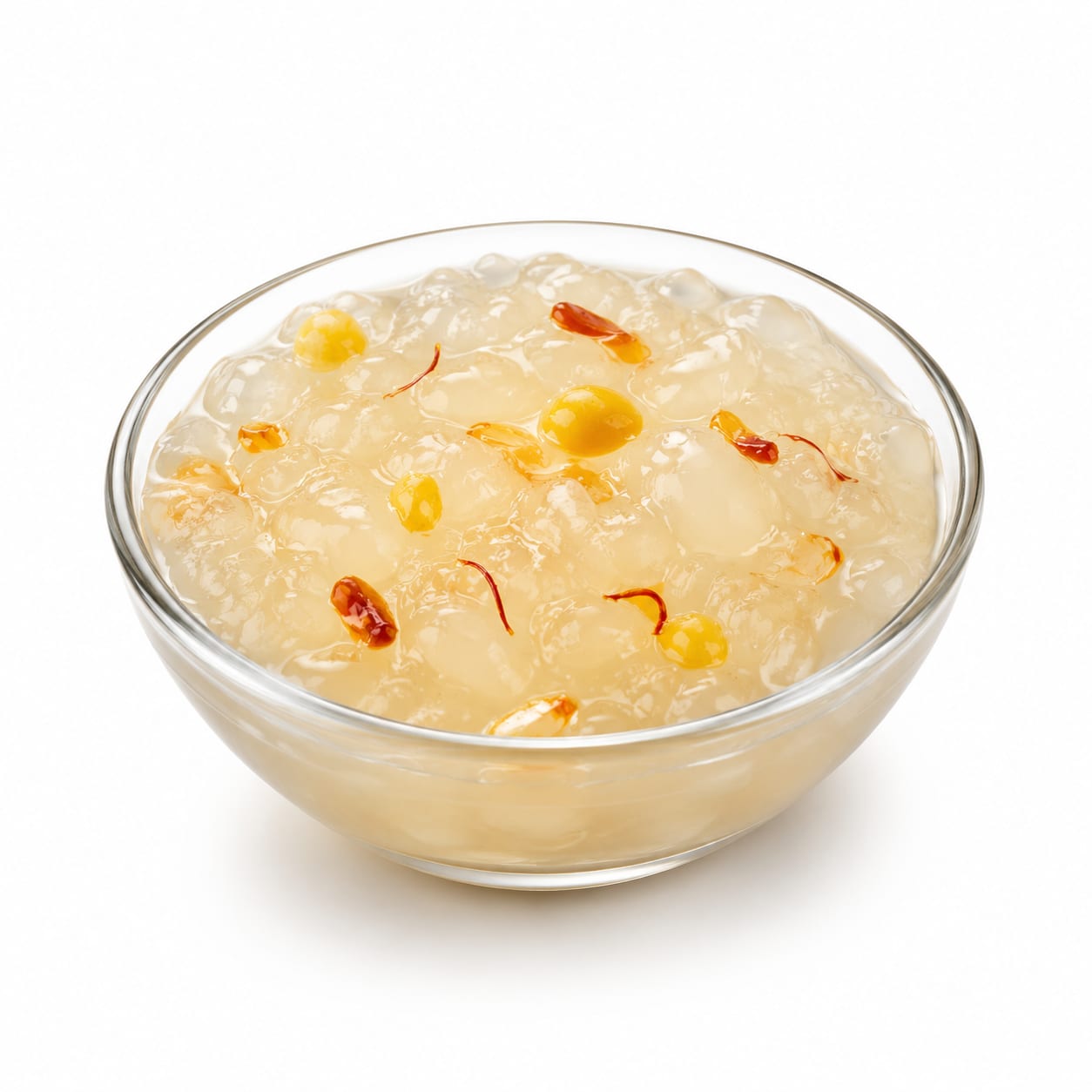
Arrowroot
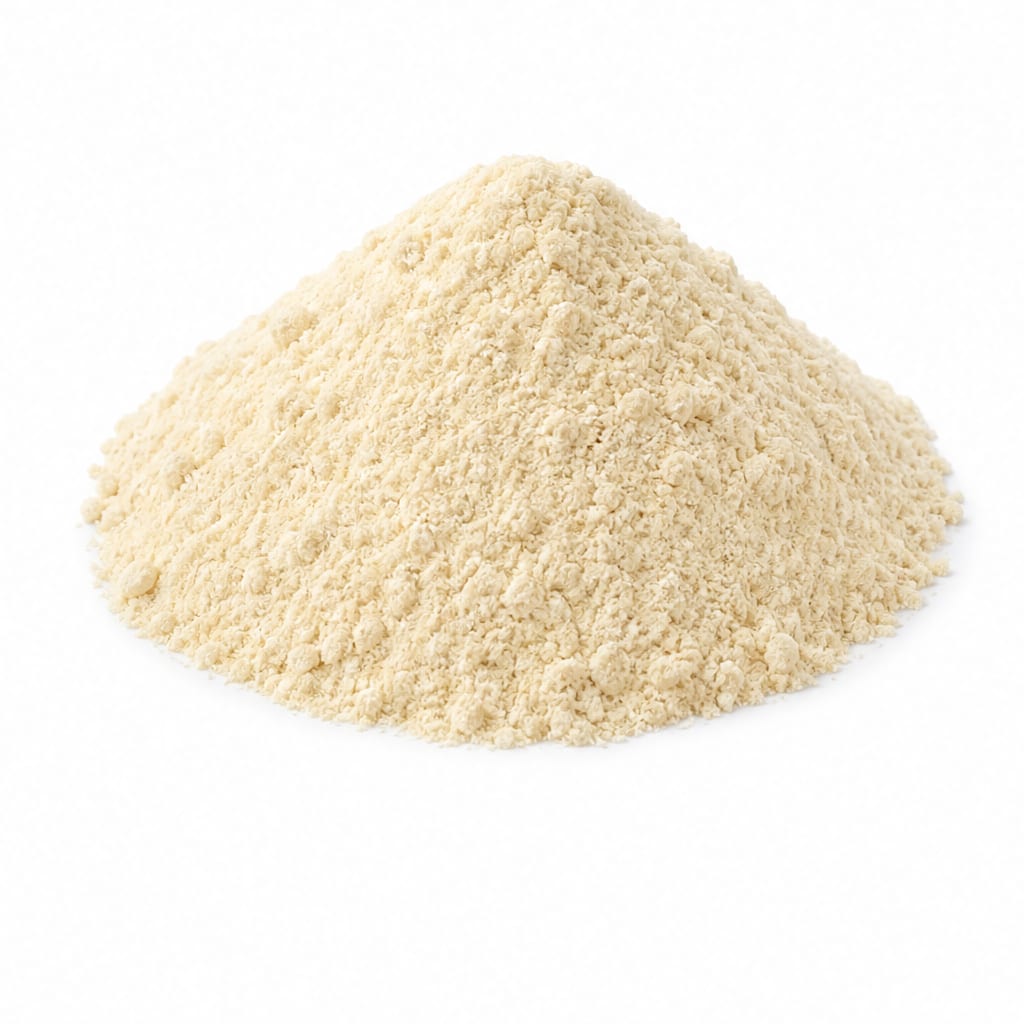
Sweet potato flour
Sweet potato flour delivers far more nutrition per calorie, while arrowroot excels when you need ultra-gentle digestion or a neutral thickener.
Sweet potato flour scores significantly higher due to its superior nutritional density, fiber content, and vitamin profile. Arrowroot earns its lower score honestly—it is essentially pure starch with minimal nutrients. However, arrowroot's specialized digestive benefits keep it from scoring even lower.
Arrowroot is easier on sensitive stomachs and better as a thickener, but sweet potato flour provides substantially more vitamins, minerals, and fiber for everyday nourishment.
At a glance
Executive summary
Overall
Sweet potato flour
Healthier
Sweet potato flour
More practical
It depends
Daily use
Sweet potato flour
Key comparison lenses
gluten-free baking alternative selection
Both are popular gluten-free flours, and users are likely choosing between them for recipes
digestive sensitivity management
Arrowroot is renowned for being gentle on the stomach, while sweet potato flour offers more fiber
nutritional value comparison
These flours differ dramatically in nutrient density, which matters for daily use
blood sugar impact assessment
Both are carbohydrate-dense but affect blood sugar differently due to fiber and starch type
infant and sensitive diet suitability
Arrowroot is commonly used in baby foods and recovery diets
Best choice for
Arrowroot
- People recovering from illness who need easily digestible calories
- Those with severe digestive sensitivities or IBS flares
- Bakers needing a neutral-flavored thickener for sauces or gravies
- Parents introducing starches to infants
- Anyone on a strict low-residue diet
Sweet potato flour
- People seeking nutrient-dense gluten-free flour for daily baking
- Those wanting more fiber and sustained energy from their carbs
- Anyone looking to boost vitamin A intake naturally
- Athletes needing complex carbohydrates with mineral support
- Home cooks wanting natural sweetness and color in recipes
Least suitable for
Arrowroot
- People seeking nutrient-dense flour alternatives
- Anyone monitoring blood sugar who needs high-fiber carbs
- Those wanting a flour that provides satiety and fullness
- Bakers looking for structure in bread-making
Sweet potato flour
- People with severe digestive irritation who need minimal residue
- Those wanting a completely neutral-flavored thickener
- Anyone on a very low-carb or keto diet
- Recipes requiring a light, powdery starch texture
Deep comparison
Dimension by dimension
Each lens scores both foods and breaks down who each option suits.
- Dimension 1 · Priority 95Sweet potato flour
Nutritional Density
Arrowroot · 15Sweet potato flour · 78Sweet potato flour is dramatically more nutritious, offering substantial vitamin A, potassium, and fiber. Arrowroot is nearly empty starch.
Tradeoff
You sacrifice digestibility advantages when choosing sweet potato flour for its nutrients, as the fiber that nourishes also requires more digestive effort.
Why it matters
If your flour is replacing wheat or other nutritious grains, arrowroot contributes almost nothing beyond calories. Sweet potato flour helps close nutritional gaps.
Real-world impact
Baking with sweet potato flour means your pancakes or muffins actually contribute to your daily vitamin and mineral needs. Arrowroot baked goods are calorically filling but nutritionally hollow.
Arrowroot
- Situations where nutrition is irrelevant and pure energy is needed
Better for
- Anyone relying on it as a nutritional staple
Worse for
Sweet potato flour
- Daily nutrition support
- Preventing micronutrient deficiencies on restricted diets
- Getting more value from every calorie consumed
Better for
- Situations requiring minimal nutrient load on the digestive system
Worse for
- Dimension 2 · Priority 90Arrowroot
Digestive Tolerance
Arrowroot · 95Sweet potato flour · 60Arrowroot is one of the most digestible starches available, famously used for people recovering from illness. Sweet potato flour is well-tolerated but contains fiber that can challenge sensitive systems.
Tradeoff
The very fiber that makes sweet potato flour nutritious is what makes arrowroot gentler. You choose between nourishing your gut bacteria and going easy on an irritated digestive tract.
Why it matters
For someone with active IBS, post-surgical recovery, or severe diarrhea, this difference is the deciding factor. Arrowroot is medicinal-grade digestible.
Real-world impact
When your stomach is upset, arrowroot porridge or crackers can stay down when almost nothing else can. Sweet potato flour might be too much during a flare.
Arrowroot
- Acute digestive illness recovery
- IBS flare management
- Infant first foods
- Low-residue diet requirements
Better for
- Long-term gut microbiome health if used exclusively
Worse for
Sweet potato flour
- Feeding healthy gut bacteria long-term
- Preventing constipation through fiber intake
Better for
- Active digestive distress or inflammation
Worse for
- Dimension 3 · Priority 85Sweet potato flour
Blood Sugar Stability
Arrowroot · 25Sweet potato flour · 58Arrowroot starch digests rapidly, spiking blood sugar quickly. Sweet potato flour's fiber and complex carb structure slow absorption meaningfully.
Tradeoff
Neither is ideal for blood sugar control, but sweet potato flour is the lesser of two evils. Arrowroot acts almost like sugar in its speed of absorption.
Why it matters
If you have prediabetes or diabetes, arrowroot can cause sharper glucose spikes. Sweet potato flour at least blunts the rise somewhat.
Real-world impact
An arrowroot-based snack might leave you hungry again within an hour. Sweet potato flour baked goods tend to sustain energy longer before the crash.
Arrowroot
- Quick energy recovery after intense exercise
- Rapid calorie intake for underweight individuals
Better for
- Anyone with insulin resistance or diabetes
- People prone to energy crashes after carbs
Worse for
Sweet potato flour
- Sustained energy through the afternoon
- Avoiding the post-snack crash
- More stable mood and focus from steadier blood sugar
Better for
- Situations requiring immediate glucose replenishment
Worse for
- Dimension 4 · Priority 80Sweet potato flour
Satiety and Fullness
Arrowroot · 20Sweet potato flour · 65Sweet potato flour keeps you fuller longer due to its fiber and more complex carbohydrate matrix. Arrowroot digests and leaves quickly.
Tradeoff
Arrowroot's lightness is either a feature or a bug depending on context—comforting when sick, unsatisfying when hungry.
Why it matters
If you are trying to manage weight or avoid overeating, satiety matters enormously. Arrowroot-based meals may lead to sooner hunger and more snacking.
Real-world impact
A sweet potato flour muffin at breakfast can hold you until lunch. An arrowroot-based equivalent might have you reaching for a snack by 10 AM.
Arrowroot
- When you deliberately want light eating
- Post-illness when appetite is low
Better for
- Anyone trying to feel satisfied on fewer calories
Worse for
Sweet potato flour
- Weight management through natural fullness
- Reducing between-meal snacking
- Hearty breakfast or lunch options
Better for
- When you want something light before physical activity
Worse for
- Dimension 5 · Priority 75It depends
Culinary Versatility
Arrowroot · 70Sweet potato flour · 68Arrowroot is unmatched as a clear thickener for sauces and gravies, while sweet potato flour brings flavor, color, and moisture to baked goods.
Tradeoff
They serve almost entirely different culinary purposes. Arrowroot thickens without altering taste; sweet potato flour contributes taste, color, and nutrition but cannot thicken clearly.
Why it matters
Choosing between them often depends on what you are cooking, not which is objectively better. They are not truly interchangeable.
Real-world impact
Use arrowroot when you need a sauce to thicken without cloudiness. Use sweet potato flour when you want rich, moist baked goods with natural sweetness.
Arrowroot
- Clear sauces and gravies
- Pie fillings that need setting
- Coating for crispy frying
- Any dish where neutral flavor is essential
Better for
- Bread-making where structure is needed
- Recipes where you want flavor contribution
Worse for
Sweet potato flour
- Pancakes, waffles, and muffins
- Flatbreads and tortillas
- Any baked good benefiting from natural sweetness and color
- Recipes where moisture retention matters
Better for
- Delicate sauces where clarity matters
- Dishes where added sweetness is unwanted
Worse for
- Dimension 6 · Priority 78Sweet potato flour
Vitamin A and Antioxidant Content
Arrowroot · 2Sweet potato flour · 90Sweet potato flour is an exceptional source of beta-carotene and antioxidants. Arrowroot contains virtually none.
Tradeoff
This is not a close comparison. Sweet potato flour delivers a nutrient category that arrowroot simply does not offer in meaningful amounts.
Why it matters
Vitamin A supports immune function, vision, and skin health. On a gluten-free diet, finding natural vitamin A sources is valuable.
Real-world impact
Regular use of sweet potato flour can meaningfully contribute to your daily vitamin A intake. Arrowroot cannot make this claim at all.
Arrowroot
- No realistic advantage in this dimension
Better for
- Anyone relying on it for vitamin intake
Worse for
Sweet potato flour
- Immune system support
- Eye health maintenance
- Skin health from beta-carotene
- Antioxidant protection against cellular stress
Better for
- No meaningful disadvantage in this dimension
Worse for
- Dimension 7 · Priority 72Arrowroot
Allergen and Sensitivity Safety
Arrowroot · 95Sweet potato flour · 82Both are gluten-free and well-tolerated, but arrowroot has an even lower allergen profile and is less likely to trigger any sensitivity.
Tradeoff
Sweet potato is a common and well-tolerated food, but it still contains compounds like oxalates that arrowroot avoids entirely.
Why it matters
For the most sensitive individuals—those with multiple food allergies or autoimmune conditions—arrowroot's extreme simplicity is an advantage.
Real-world impact
If you react to many foods, arrowroot is one of the safest starches you can try. Sweet potato flour is safe for most but slightly more complex immunologically.
Arrowroot
- Multiple food allergy situations
- Elimination diet testing phases
- Autoimmune protocol compliance
Better for
- No meaningful disadvantage in this dimension
Worse for
Sweet potato flour
- No realistic advantage in allergen safety
Better for
- Oxalate-sensitive individuals
- People with nightshade concerns (sweet potatoes are not nightshades but are sometimes confused)
Worse for
Timeline
Health impact over time
Short-term
Hours to days
Arrowroot
- Quick energy from easily digested starch
- Very gentle on an upset stomach
- Possible blood sugar spike followed by a relatively rapid drop
- Light feeling without heaviness or bloating
Sweet potato flour
- Steadier energy release due to fiber content
- More filling and satisfying after eating
- Better blood sugar stability compared to arrowroot
- Slight digestive adjustment period if your body is unused to fiber
Long-term
Months to years
Arrowroot
- Potential nutrient gaps if used as a primary flour without dietary diversity
- Minimal contribution to long-term disease prevention
- Possible pattern of blood sugar spikes contributing to insulin resistance over time
- Excellent safety profile for chronic digestive conditions
Sweet potato flour
- Meaningful contribution to vitamin A status and immune resilience
- Fiber supports long-term gut microbiome health and regularity
- Antioxidant intake may reduce chronic disease risk over years
- Better weight management support through natural satiety
Risk profile
Safety & processing
Arrowroot undergoes significant processing to extract pure starch from the root, stripping away most nutrients. Sweet potato flour is simply dehydrated and ground sweet potatoes, retaining much more of the whole food's integrity. Both are free from artificial additives, but sweet potato flour is closer to its whole-food origin.
Arrowroot
Contamination during processing
lowArrowroot is often produced in regions with variable food safety standards. Reputable brands test for heavy metals, but cheaper sources may not.
Mislabeling or adulteration
mediumSome arrowroot products are cut with cheaper starches like tapioca or potato starch. Authenticity can be uncertain without trusted sourcing.
Sweet potato flour
Oxalate content
lowSweet potatoes contain moderate oxalates. For most people this is harmless, but those prone to kidney stones should be mindful of cumulative intake.
Mold and mycotoxin risk in storage
lowLike any flour, sweet potato flour can develop mold if stored in humid conditions. Proper storage in a cool, dry place eliminates this risk.
Who wins for whom
Audience fit
Same foods, different winners depending on your goal.
children
It dependsArrowroot is ideal for infants and toddlers with sensitive digestion. Sweet potato flour is better for older children who benefit from the extra nutrients and fiber.
daily consumption
Sweet potato flourDaily use demands nutritional contribution. Sweet potato flour adds vitamins, minerals, and fiber to your regular diet. Arrowroot adds mostly empty calories.
diabetes
Sweet potato flourSweet potato flour's fiber slows glucose absorption. Arrowroot digests almost as fast as simple sugar, making it riskier for blood sugar management.
elderly
It dependsArrowroot suits elderly individuals with fragile digestion or poor appetite. Sweet potato flour is better for those who need nutrient density and can tolerate fiber well.
muscle gain
Sweet potato flourNeither is a protein source, but sweet potato flour provides more potassium and magnesium which support muscle function and recovery.
weight loss
Sweet potato flourSweet potato flour's fiber and satiety help control hunger naturally. Arrowroot's rapid digestion can lead to sooner hunger and more eating.
Your move
Decision guide
Choose Arrowroot
- You are recovering from illness and need the gentlest possible starch
- You have active IBS or digestive inflammation and need low-residue foods
- You need a clear, neutral thickener for sauces, gravies, or pie fillings
- You are introducing starches to an infant's diet
- You are on an elimination diet and need the simplest possible starch
Choose Sweet potato flour
- You want a nutrient-dense gluten-free flour for everyday baking
- You are looking to increase your fiber and vitamin A intake naturally
- You want baked goods that keep you full and energized longer
- You are managing blood sugar and need slower-digesting carbohydrates
- You want natural sweetness and color in your recipes
Either works if
- You need a gluten-free flour and have no specific health concerns
- You are rotating flours for variety in your baking
- You are making a recipe that calls for either as a minor ingredient
Avoid both if
- You are on a strict ketogenic or very low-carb diet
- You need high-protein flour alternatives
- You have a specific sensitivity to either root vegetable
- You are looking for a wheat flour substitute that behaves identically in bread-making
Final recommendation
For most people most of the time, sweet potato flour is the better choice—it nourishes while it fills. Keep arrowroot in your pantry as a specialized tool for thickening and for those moments when your digestive system needs the gentlest option available. Think of arrowroot as medicine and sweet potato flour as food.
Practical
Consumer tips
- 1
Buy arrowroot from reputable brands that guarantee purity—adulteration with cheaper starches is common
- 2
Store sweet potato flour in the refrigerator in humid climates to prevent mold
- 3
Arrowroot loses its thickening power if boiled too long—stir it in at the end of cooking
- 4
Sweet potato flour works best combined with other gluten-free flours rather than used alone in baking
- 5
If using arrowroot for digestive recovery, try simple arrowroot porridge with water and a pinch of salt
- 6
Sweet potato flour's natural sweetness means you can reduce added sugar in recipes by roughly 25%
- 7
For the best of both worlds, use sweet potato flour as your main baking flour and keep arrowroot for thickening sauces