
Nutrition comparison
Arrowroot vs Potato Starch: Digestion, Gut Health & Thickening
Compare arrowroot and potato starch for gut health, blood sugar, and cooking. Learn which thickener is best for sensitive stomachs vs. microbiome health.
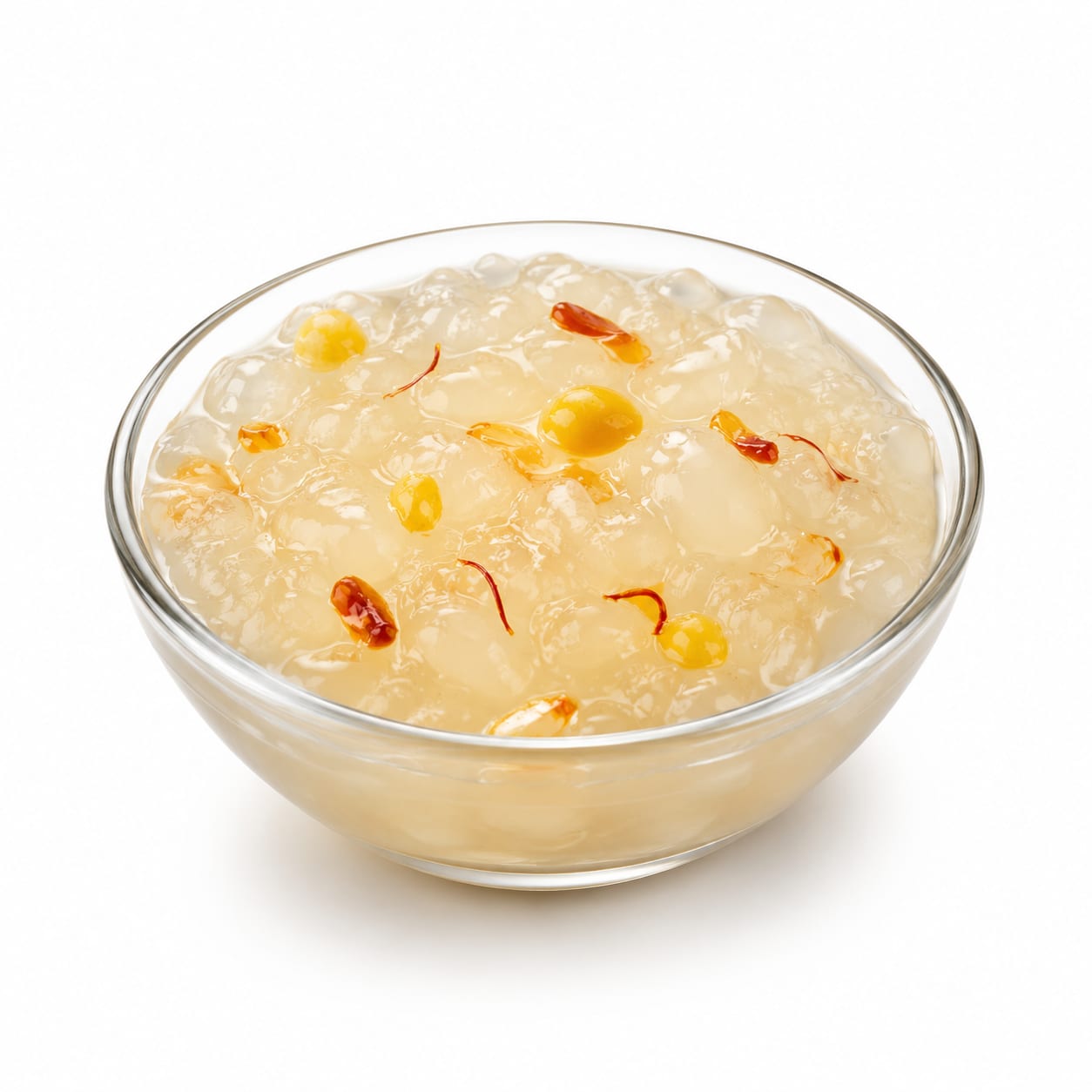
Arrowroot
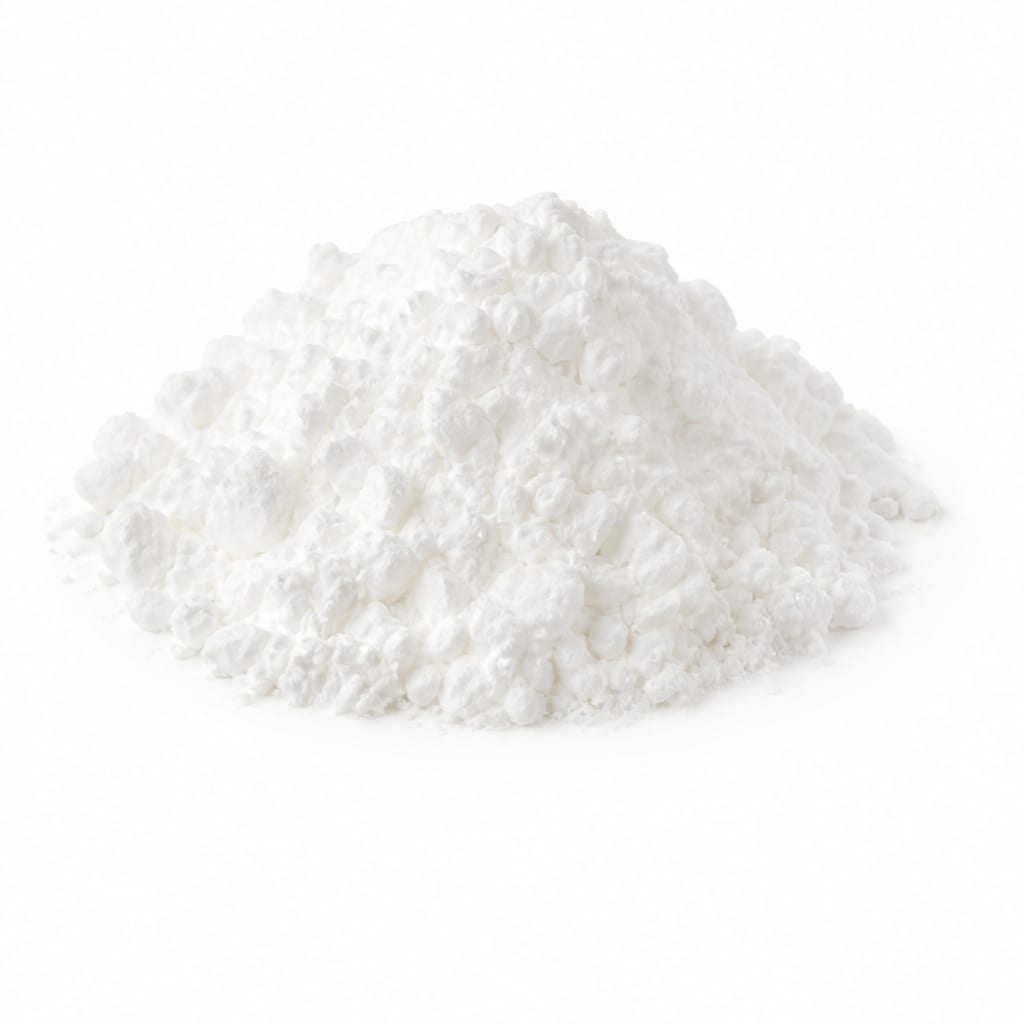
Potato starch
Arrowroot is the gentle, forgiving thickener for sensitive stomachs, while potato starch is the gut-health powerhouse for those seeking prebiotic benefits.
Potato starch scores slightly higher due to its impressive resistant starch content, which offers long-term metabolic and gut health benefits. Arrowroot remains excellent for specific culinary and digestive needs, but lacks the prebiotic fiber advantage.
Soothing digestibility and culinary ease versus high resistant starch for gut microbiome health.
At a glance
Executive summary
Overall
It depends
Healthier
Potato starch
More practical
Arrowroot
Daily use
Potato starch
Key comparison lenses
Digestive tolerance and gut soothing
Arrowroot is famously gentle on the stomach, while potato starch acts as a prebiotic that can initially cause bloating.
Gut microbiome support
Potato starch is extremely high in resistant starch, which feeds beneficial gut bacteria, whereas arrowroot is mostly digestible starch.
Culinary thickening performance
Both are used as thickeners, but they behave very differently under heat and acid, making substitution tricky.
Blood sugar management
The resistant starch in potato starch lowers its net digestible carbs, giving it a gentler blood sugar impact than arrowroot.
Best choice for
Arrowroot
- People with IBS, SIBO, or severe digestive distress
- Making clear sauces, gravies, and fruit pie fillings
- Weaning infants or those recovering from illness
- Cooking with acidic ingredients like lemon or tomato
Potato starch
- Boosting gut microbiome diversity and butyrate production
- Improving insulin sensitivity via resistant starch
- Gluten-free baking for a softer, moister crumb
- Adding to cold foods or smoothies for a fiber boost
Least suitable for
Arrowroot
- Those seeking to increase prebiotic fiber intake
- Low-carb or keto dieters tracking net carbs
- Dairy-based sauces that need to be boiled for a long time
Potato starch
- People with severe IBS or SIBO who react to fermentable fibers
- Making clear, glossy pie fillings or delicate sauces
- Cooking acidic dishes that require prolonged boiling
Deep comparison
Dimension by dimension
Each lens scores both foods and breaks down who each option suits.
- Dimension 1 · Priority 92Arrowroot
Digestive Tolerance
Arrowroot · 95Potato starch · 60Arrowroot is extremely gentle and often used to soothe upset stomachs, while potato starch can cause gas and bloating as gut bacteria ferment the resistant starch.
Tradeoff
You get prebiotic benefits with potato starch, but at the cost of potential digestive discomfort during the adjustment period.
Why it matters
If your gut is already inflamed or highly sensitive, the fermenting action of potato starch can feel worse before it feels better.
Real-world impact
Choosing arrowroot means a calm stomach right after eating. Choosing potato starch might mean a few days of bloating before your gut adapts.
Arrowroot
- Recovering from a stomach bug
- Managing active IBS or SIBO flare-ups
- Soothing an irritated digestive tract
Better for
- Resolving chronic constipation
Worse for
Potato starch
- Feeding a starved microbiome
- Building long-term digestive resilience
Better for
- Eating during an active IBS flare-up
- Having a date night or event where bloating is undesirable
Worse for
- Dimension 2 · Priority 90Potato starch
Gut Microbiome & Prebiotics
Arrowroot · 25Potato starch · 95Potato starch is one of the richest sources of resistant starch, acting as a powerful prebiotic. Arrowroot is almost entirely digestible starch and offers minimal prebiotic value.
Tradeoff
Potato starch feeds beneficial bacteria that produce butyrate, but you must consume it raw or cooled to get these benefits. Heating it fully destroys the resistant starch.
Why it matters
Butyrate from resistant starch reduces gut inflammation and strengthens the gut lining, impacting whole-body immunity.
Real-world impact
Mixing raw potato starch into a cold smoothie or yogurt feeds your good gut bacteria. Cooking it into a hot gravy removes most of this benefit.
Arrowroot
- Providing quick, easily absorbed energy without fermentation
Better for
- Feeding beneficial gut bacteria
Worse for
Potato starch
- Increasing butyrate production
- Rebalancing a dysbiotic gut
- Lowering colon cancer risk factors
Better for
- Providing immediate, easily accessible energy
Worse for
- Dimension 3 · Priority 80Potato starch
Blood Sugar Stability
Arrowroot · 45Potato starch · 70Because a large portion of potato starch is resistant to digestion, it has a lower net carb count and causes a smaller blood sugar spike. Arrowroot digests rapidly and can spike blood sugar quickly.
Tradeoff
Potato starch offers steadier energy when used raw, but acts like regular starch when cooked. Arrowroot always acts like a fast-digesting carb.
Why it matters
Frequent blood sugar spikes lead to energy crashes and cravings, making it harder to maintain a healthy weight.
Real-world impact
An arrowroot-thickened dessert will give you a quicker sugar rush and crash. A smoothie with raw potato starch provides steadier, calmer energy.
Arrowroot
- Quick energy recovery after intense exercise
Better for
- Preventing post-meal sugar crashes
Worse for
Potato starch
- Managing insulin resistance
- Reducing afternoon energy crashes
- Sustaining energy without spikes
Better for
- Rapidly refueling after a marathon or heavy workout
Worse for
- Dimension 4 · Priority 85Arrowroot
Culinary Performance
Arrowroot · 88Potato starch · 65Arrowroot creates clear, glossy, beautiful sauces and holds up well to acidic ingredients. Potato starch turns cloudy, breaks down under prolonged heat, and gets gummy in acidic dishes.
Tradeoff
Arrowroot is far more forgiving and versatile in hot cooking, but potato starch excels in gluten-free baking for creating a tender, moist crumb.
Why it matters
A ruined sauce or gummy pie filling can waste an entire meal's worth of ingredients and effort.
Real-world impact
Use arrowroot to thicken a lemon curd or gravy and it shines. Use potato starch for the same task and it might turn watery or form unappetizing clumps.
Arrowroot
- Clear, glossy fruit pie fillings
- Acidic sauces and gravies
- Dishes that need to be frozen and reheated
Better for
- Creating a tender crumb in gluten-free baking
Worse for
Potato starch
- Gluten-free muffins and cakes
- Crispy coatings for frying
- Making mochi-style desserts
Better for
- Prolonged boiling or simmering
- Thickening lemon or tomato-based sauces
Worse for
Timeline
Health impact over time
Short-term
Hours to days
Arrowroot
- Quick, easily accessible energy
- Calming effect on an upset stomach
- Rapid blood sugar rise if consumed in large amounts
Potato starch
- Potential gas and bloating if unaccustomed to resistant starch
- Steadier blood sugar when consumed raw
- Increased feelings of fullness
Long-term
Months to years
Arrowroot
- Safe, gentle daily energy source
- No significant prebiotic benefits for the microbiome
- Potential for blood sugar management issues if overconsumed
Potato starch
- Improved gut lining integrity from butyrate production
- Better insulin sensitivity over time
- Enhanced immune function due to a healthier microbiome
Risk profile
Safety & processing
Both are extracted starches, meaning the fiber, protein, and nutrients of the whole plant are stripped away. Neither contains artificial additives, but both are highly refined carbohydrates isolated from their whole food source.
Arrowroot
Contamination with other starches
mediumCommercial arrowroot is sometimes adulterated with cheaper starches like potato or tapioca, which matters for those with severe allergies.
Potato starch
Digestive distress from rapid fermentation
mediumStarting with large doses of raw potato starch can cause significant bloating, gas, and abdominal cramping.
Who wins for whom
Audience fit
Same foods, different winners depending on your goal.
children
ArrowrootArrowroot is extremely gentle, easy to digest, and historically used as a first food for infants and sick children.
daily consumption
Potato starchFor those with a healthy gut, the daily prebiotic boost from potato starch offers superior long-term health benefits.
diabetes
Potato starchPotato starch has a lower glycemic impact and improves insulin sensitivity through resistant starch, provided it is not heavily cooked.
elderly
ArrowrootOlder adults with fragile digestion often tolerate arrowroot better, as the fermentable fibers in potato starch can cause uncomfortable bloating.
muscle gain
ArrowrootArrowroot provides rapidly digestible carbohydrates that are easier to utilize for quick post-workout glycogen replenishment.
weight loss
Potato starchThe resistant starch in potato starch increases satiety and reduces net digestible carbs, making it easier to manage appetite.
Your move
Decision guide
Choose Arrowroot
- You have a sensitive stomach, IBS, or are recovering from illness
- You need a reliable, glossy thickener for hot sauces or acidic fruit fillings
- You are making food for an infant or toddler
- You want easily digestible carbs before or after a workout
Choose Potato starch
- You want to improve your gut microbiome and increase butyrate production
- You are doing gluten-free baking and want a softer, moister texture
- You want to add a prebiotic boost to your morning smoothie or cold yogurt
- You are looking to improve insulin sensitivity and manage blood sugar
Either works if
- You need a corn-free, gluten-free thickener for a basic, non-acidic recipe
- You are experimenting with paleo or grain-free cooking
Avoid both if
- You are strictly following a low-carb or ketogenic diet, as both are pure carbohydrates
- You are looking for a whole food source of fiber and nutrients
Final recommendation
Let your gut decide. If your digestion is fragile and easily upset, arrowroot is your safe, soothing friend. If your gut is hardy and you want to invest in your microbiome, potato starch is the superior daily supplement. In the kitchen, keep arrowroot for your sauces and potato starch for your baking.
Practical
Consumer tips
- 1
Start with just 1 teaspoon of raw potato starch daily and work your way up to avoid severe bloating.
- 2
Never boil potato starch; it breaks down and gets gummy. Add it at the very end of cooking or use it raw.
- 3
To get the resistant starch benefits from potato starch, mix it into cold foods like smoothies, kefir, or chilled yogurt.
- 4
Arrowroot thickens at a lower temperature than cornstarch, so remove your sauce from heat just as it begins to bubble.
- 5
If substituting arrowroot for potato starch in baking, use slightly less arrowroot as it absorbs more liquid.