
Nutrition comparison
Arrowroot vs Cassava Flour: Nutrition, Safety, and Best Uses Compared
Compare arrowroot and cassava flour for gluten-free cooking. Learn which is safer, more nutritious, better for baking, and the critical cyanide risk you need to know about cassava.
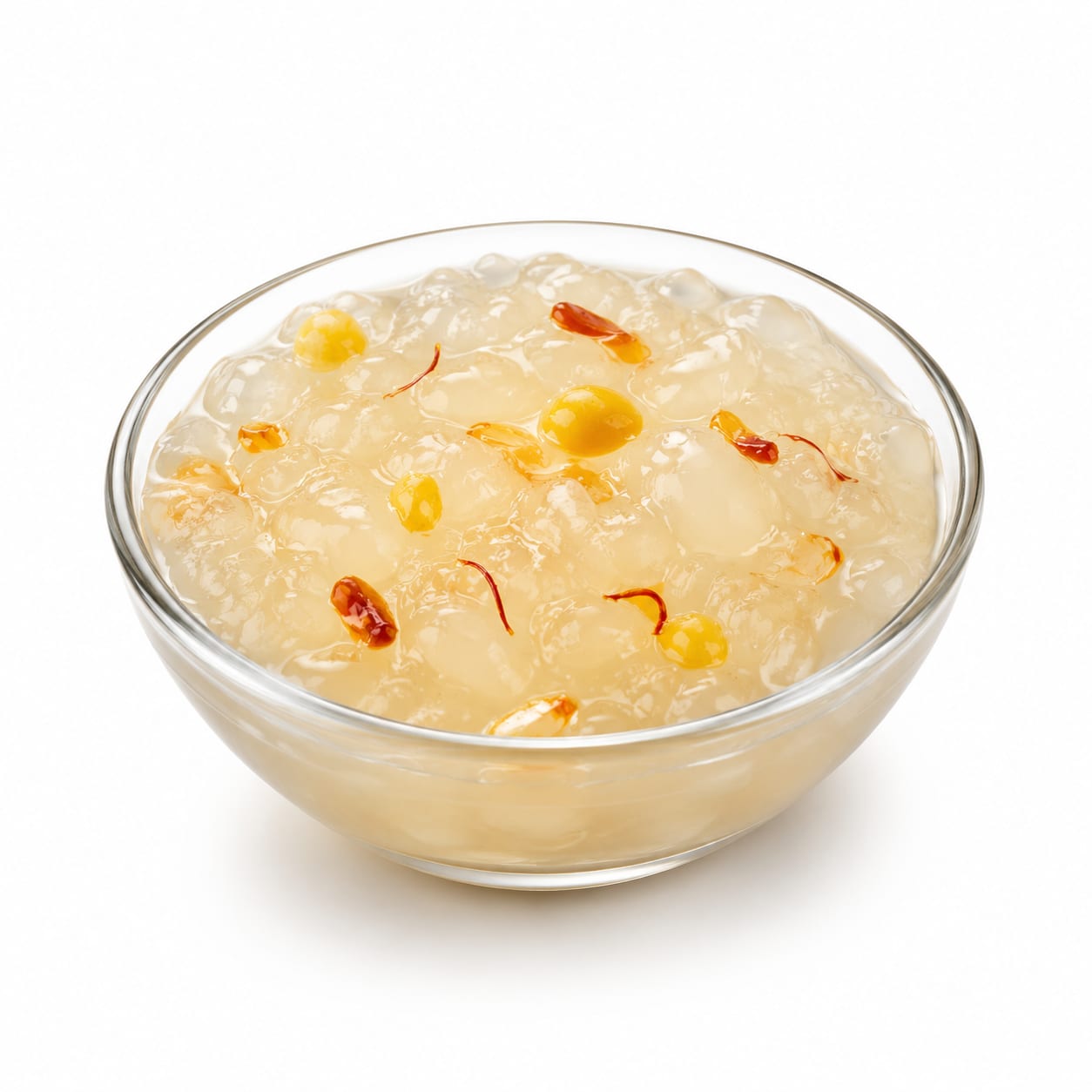
Arrowroot
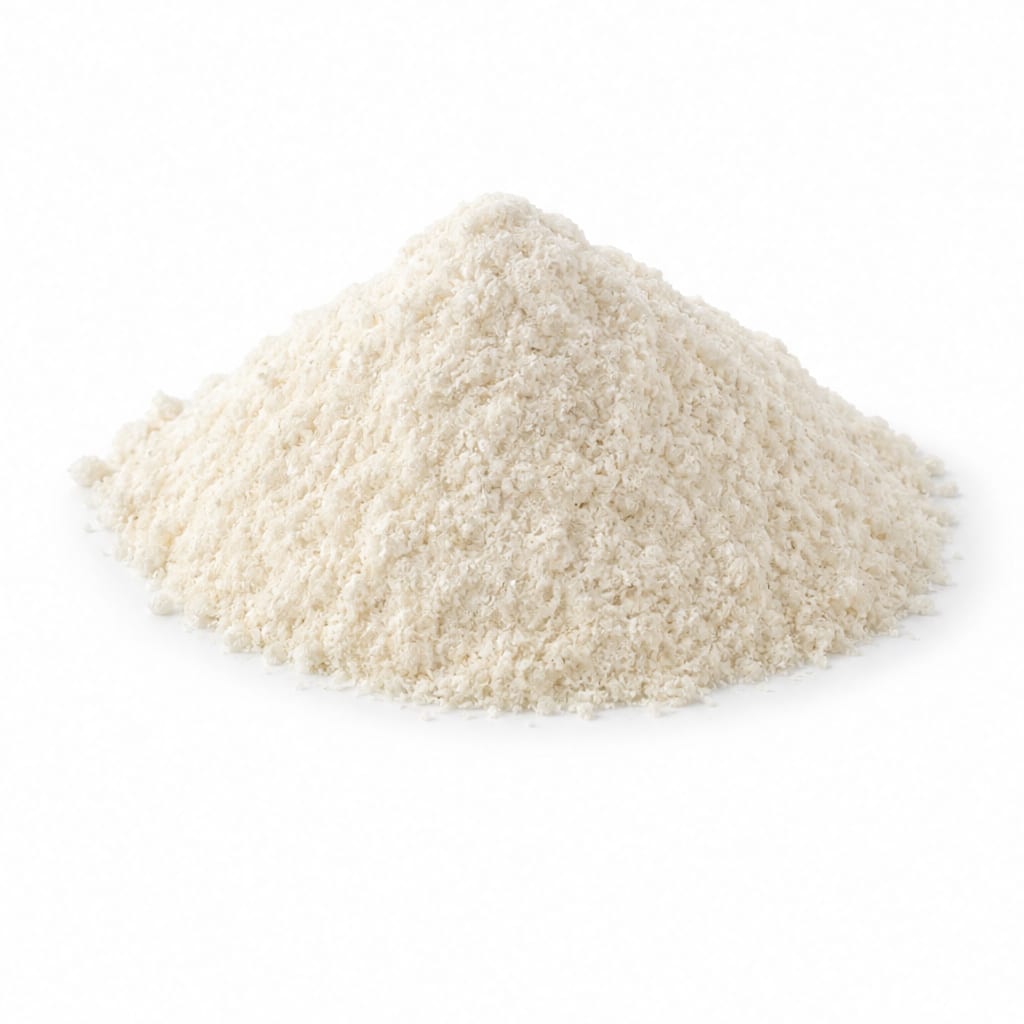
Cassava flour
Arrowroot is the safer, gentler thickener for sensitive stomachs, while cassava flour is the more nutritious and versatile gluten-free baking flour with a critical safety caveat.
Cassava flour scores higher due to superior nutritional density, fiber content, and culinary versatility. Arrowroot remains valuable for its exceptional digestibility and safety profile but is nutritionally hollow. The gap is moderate because cassava's safety concerns partially offset its advantages.
Arrowroot offers purity and digestibility but almost zero nutrition; cassava flour offers fiber, vitamins, and real baking functionality but carries a cyanide risk if improperly processed.
At a glance
Executive summary
Overall
It depends
Healthier
Cassava flour
More practical
Cassava flour
Daily use
It depends
Key comparison lenses
gluten free baking alternative
Both are popular gluten-free flours, but they serve very different culinary roles and have distinct nutritional profiles
digestive sensitivity
Arrowroot is famously gentle on digestion while cassava flour can be harder to tolerate for some
safety and toxin awareness
Cassava contains natural cyanogenic compounds that require proper processing, a concern arrowroot does not share
nutritional value comparison
Users want to know if either option offers meaningful nutrition beyond empty starch
blood sugar management
Both are high-carb starch sources, but fiber content differences affect glycemic response
Best choice for
Arrowroot
- People recovering from illness or digestive distress
- Babies and toddlers needing gentle first foods
- Those with severe digestive sensitivities like IBS
- Anyone needing a neutral thickener for sauces or gravies
- People with multiple food allergies seeking a safe starch
Cassava flour
- Gluten-free bakers wanting a true flour replacement
- People seeking more fiber and nutrients from their starch
- Those following paleo or grain-free diets
- Anyone wanting a more filling, satisfying carb source
- Home cooks making flatbreads, tortillas, or baked goods
Least suitable for
Arrowroot
- Anyone relying on it as a nutritional staple
- People seeking high-fiber carbohydrate sources
- Those wanting a flour that actually works for baking bread
- Anyone needing sustained energy from complex carbs
Cassava flour
- People who source unverified or homemade cassava flour
- Those with extremely sensitive digestion
- Anyone unfamiliar with proper cassava processing requirements
- People on low-carb or keto diets
Deep comparison
Dimension by dimension
Each lens scores both foods and breaks down who each option suits.
- Dimension 1 · Priority 90Arrowroot
digestive_tolerance
Arrowroot · 95Cassava flour · 65Arrowroot is one of the easiest starches for the human body to digest, making it a go-to for infants and the ill. Cassava flour is tolerable for most but can cause bloating or discomfort in sensitive individuals.
Tradeoff
You gain near-zero digestive friction with arrowroot but sacrifice all the fiber and nutrients that cassava flour provides.
Why it matters
If you have IBS, are recovering from stomach illness, or are feeding a baby, this difference is the entire decision.
Real-world impact
Arrowroot feels light and passes gently. Cassava flour can feel heavy or gassy if your gut is already compromised.
Arrowroot
- Post-illness recovery eating
- Infant weaning foods
- IBS or sensitive gut moments
- Anyone between flare-ups needing safe calories
Better for
- Anyone needing digestive regularity from fiber
- People wanting their starch to actively support gut health
Worse for
Cassava flour
- Healthy guts that handle fiber well
- People wanting more regular digestion from fiber
- Everyday eating when sensitivity is not a concern
Better for
- Active digestive illness or flare-ups
- Babies under 12 months with immature digestion
- Anyone already prone to bloating from high-fiber foods
Worse for
- Dimension 2 · Priority 85Cassava flour
nutritional_density
Arrowroot · 20Cassava flour · 60Arrowroot is almost pure starch with negligible vitamins or minerals. Cassava flour retains some fiber, vitamin C, potassium, and magnesium from the whole root.
Tradeoff
Cassava flour is not a superfood either, but it at least contributes something beyond empty calories. Arrowroot is essentially nutritional blank space.
Why it matters
If this flour is replacing wheat or another grain in your diet, the nutrient gap matters more than you think.
Real-world impact
A cassava flour tortilla gives you a few grams of fiber and some minerals. An arrowroot-based equivalent gives you almost nothing nutritionally.
Arrowroot
- Situations where nutrition comes from other meal components
- Pure thickening applications where nutrients are irrelevant
Better for
- Reliance as a dietary staple
- Replacing nutrient-dense flours without supplementation
Worse for
Cassava flour
- Gluten-free diets where every nutrient counts
- Replacing wheat flour in daily cooking
- People who struggle to get enough fiber
- Anyone eating limited food variety
Better for
- Expecting significant protein or healthy fats
- Comparing to truly nutrient-dense alternatives like almond flour
Worse for
- Dimension 3 · Priority 88Cassava flour
culinary_versatility
Arrowroot · 40Cassava flour · 85Cassava flour works as a near 1:1 replacement for wheat flour in many recipes. Arrowroot is mainly a thickener and fails at most baking applications on its own.
Tradeoff
Cassava flour lets you make real food like breads and tortillas. Arrowroot keeps you limited to sauces, gravies, and minor recipe roles.
Why it matters
If you are going gluten-free, you need a flour that actually works in your favorite recipes. Arrowroot will not be that flour.
Real-world impact
With cassava flour you can make passable pizza crust. With arrowroot alone you cannot make anything resembling baked goods.
Arrowroot
- Thickening soups, sauces, and pie fillings
- Creating crispy coatings when mixed with other flours
- Adding body to puddings and desserts
Better for
- Standalone baking of any kind
- Recipes requiring dough structure or elasticity
- Bread-making in any form
Worse for
Cassava flour
- Making flatbreads and tortillas
- Baking cookies, brownies, and cakes
- Creating pizza crusts and bread alternatives
- Any recipe calling for wheat flour replacement
Better for
- Delicate sauces where a neutral thickener is preferred
- Recipes requiring a light, clear thickening agent
Worse for
- Dimension 4 · Priority 92Arrowroot
safety_and_toxin_risk
Arrowroot · 95Cassava flour · 55Arrowroot has no natural toxin concerns. Cassava contains cyanogenic glycosides that produce cyanide if the flour is not properly processed and detoxified.
Tradeoff
Arrowroot is worry-free. Cassava flour requires trust in your supplier and proper manufacturing to be safe.
Why it matters
Improperly processed cassava can cause acute cyanide poisoning, konzo disease, and chronic neurological issues. This is not theoretical in regions with informal processing.
Real-world impact
Reputable commercial cassava flour is safe. But homemade or unverified sources carry real risk, especially for children and pregnant women.
Arrowroot
- Families with young children wanting zero risk
- Pregnant women avoiding any potential toxin exposure
- Anyone unsure about their flour source
- People in regions with informal or home-processed cassava
Better for
- No meaningful safety downside exists for arrowroot
Worse for
Cassava flour
- Trusted commercial brands with quality testing
- Adults with reliable supply chains
- Cooking applications where the flour is always heated thoroughly
Better for
- Unverified or artisanal sources without testing
- Raw or undercooked cassava flour applications
- Households with children where supervision varies
- Pregnant women in areas with informal processing
Worse for
- Dimension 5 · Priority 78It depends
blood sugar_stability
Arrowroot · 45Cassava flour · 50Both are high-glycemic starch sources that spike blood sugar. Cassava flour has slightly more fiber to slow absorption, but neither is good for glucose control.
Tradeoff
The difference is marginal. If blood sugar matters to you, both require pairing with protein, fat, and fiber from other foods.
Why it matters
Neither flour belongs in a diabetic meal plan as a staple. The small fiber advantage of cassava flour does not make it a safe choice on its own.
Real-world impact
Eating a cassava flour muffin will spike your blood sugar almost as much as a wheat flour muffin. Arrowroot thickened gravy is a smaller hit because you eat less of it.
Arrowroot
- Small-quantity thickening where total carb load stays low
- Situations where you only use a tablespoon or two
Better for
- Any use as a significant calorie source
- Large servings in any form
Worse for
Cassava flour
- Meals where the extra fiber marginally helps
- Pairing with high-protein and high-fat foods
Better for
- Diabetic meal planning as a flour staple
- Large portions without blood-sugar-buffering foods
Worse for
- Dimension 6 · Priority 72Cassava flour
satiety_and_fullness
Arrowroot · 30Cassava flour · 60Cassava flour is more filling due to its fiber content and denser caloric profile. Arrowroot passes through quickly and leaves you hungry again fast.
Tradeoff
Cassava flour keeps you satisfied longer but at the cost of higher calorie density. Arrowroot is light but will not hold you over.
Why it matters
If you are replacing a meal component, feeling full matters. Arrowroot-based dishes tend to leave you reaching for more food within an hour.
Real-world impact
A cassava flour pancake breakfast keeps you going until lunch. An arrowroot-thickened soup feels like a starter, not a meal.
Arrowroot
- Light meals where you do not want to feel heavy
- Small courses before a main dish
Better for
- Any situation where you need lasting energy
- Meal replacement or main dish applications
Worse for
Cassava flour
- Breakfast or lunch where staying full matters
- Active days requiring sustained energy
- Replacing wheat-based meals that kept you satisfied
Better for
- Light eating preferences
- Close to bedtime when heavy meals feel uncomfortable
Worse for
Timeline
Health impact over time
Short-term
Hours to days
Arrowroot
- Quick energy from easily digested starch
- Very gentle on the stomach with almost no bloating risk
- Rapid blood sugar spike if consumed in quantity
- Unlikely to cause any acute adverse reaction
Cassava flour
- More sustained energy due to fiber slowing digestion
- Possible bloating or gas in fiber-sensitive individuals
- Blood sugar elevation that is slightly blunted compared to arrowroot
- Risk of acute cyanide symptoms only if flour is improperly processed
Long-term
Months to years
Arrowroot
- Nutritional gaps if used as a dietary staple without supplementation
- No protective fiber benefits for gut or heart health
- Potential contribution to blood sugar dysregulation with heavy use
- Generally safe with no cumulative toxin risk
Cassava flour
- Modest fiber benefits for gut health and regularity
- Small contributions to potassium and magnesium intake
- Chronic cyanide exposure risk only with consistently poor-quality sources
- Better long-term satiety supporting weight management efforts
Risk profile
Safety & processing
Arrowroot undergoes more extensive processing to extract pure starch from the rhizome, stripping away all fiber and most nutrients. Cassava flour is simply the whole root peeled, dried, and ground, retaining more of the original food matrix. Both are free from artificial additives when sourced as pure products, but arrowroot is further from its whole-food origin.
Arrowroot
Contamination with other starches
lowSome commercial arrowroot is adulterated with cheaper starches like potato or corn. This is a labeling integrity issue rather than a health danger.
Mold or moisture spoilage
lowLike any starch powder, improper storage can lead to mold. Keep dry and sealed.
Cassava flour
Cyanogenic glycoside exposure
highCassava roots contain compounds that release cyanide. Proper peeling, soaking, fermenting, and drying are essential. Reputable commercial flour is tested and safe, but unverified sources can be dangerous, especially bitter cassava varieties.
Cross-contamination in processing facilities
mediumLess established brands may have weaker quality controls. Always verify testing and certification.
Allergen mislabeling
lowAs with any gluten-free flour, shared facility processing can introduce trace allergens. Check labels if you have severe allergies.
Who wins for whom
Audience fit
Same foods, different winners depending on your goal.
children
ArrowrootArrowroot is traditionally used in infant foods for its exceptional digestibility and zero toxin risk. Cassava flour's cyanide risk, even if small with quality products, makes parents rightly cautious.
daily consumption
Cassava flourFor people with healthy digestion and a trusted flour source, cassava flour offers more daily nutritional value and culinary flexibility. Arrowroot is too limited nutritionally for daily staple use.
diabetes
It dependsNeither is ideal for blood sugar management. Both spike glucose significantly. Arrowroot is used in smaller quantities as a thickener, which may mean less total carb intake, but cassava flour's fiber offers a marginal buffer.
elderly
ArrowrootOlder adults often have more sensitive digestion and lower stomach acid. Arrowroot's gentle profile is safer and more comfortable for aging digestive systems.
muscle gain
It dependsNeither is useful for muscle gain directly. Both provide carbs for energy but lack protein. Choose based on what you are cooking.
weight loss
Cassava flourCassava flour's fiber content provides more satiety per serving, helping control overall intake. Arrowroot's lack of filling power leads to eating more sooner.
Your move
Decision guide
Choose Arrowroot
- You need a gentle thickener for sauces, gravies, or soups
- You are recovering from illness and need easy-to-digest calories
- You are feeding a baby or someone with severe digestive sensitivity
- You want zero toxin risk and complete peace of mind
- You have multiple food allergies and need the safest possible starch
Choose Cassava flour
- You are baking gluten-free and need a real flour substitute
- You want more fiber and nutrients from your carbohydrate sources
- You are making flatbreads, tortillas, or pizza crusts
- You trust your supplier and want a more satisfying, filling option
- You follow a paleo or grain-free diet and need versatile flour
Either works if
- You are mixing flours and need one as a component rather than a base
- You are thickening a dish where either starch would work
- You want a cornstarch replacement and have both on hand
Avoid both if
- You are on a low-carb or ketogenic diet
- You have diabetes and need low-glycemic carbohydrate sources
- You are seeking protein-rich or nutrient-dense flour alternatives like almond or chickpea flour
- You are looking for a flour that provides omega-3 fatty acids or significant micronutrients
Final recommendation
Keep arrowroot in your pantry as a thickener and digestive-soothing tool. Keep cassava flour as your gluten-free baking flour if you buy from trusted, tested brands. They serve completely different purposes and are not truly interchangeable. If you must pick one for general use, cassava flour does more, but arrowroot is safer and gentler.
Practical
Consumer tips
- 1
Always verify cassava flour comes from a reputable brand that tests for cyanogenic glycosides. Avoid unlabelled or homemade versions.
- 2
Arrowroot loses its thickening power if boiled too long. Add it at the end of cooking and heat gently.
- 3
Cassava flour can sometimes taste slightly earthy or nutty. Try small batches before committing to a bulk purchase.
- 4
Neither flour is a nutritional powerhouse. Pair them with protein, healthy fats, and vegetables to build balanced meals.
- 5
Store both flours in airtight containers in a cool, dry place. Humidity is the enemy of any starch flour.
- 6
If switching to cassava flour for baking, start with recipes specifically designed for it rather than substituting 1:1 into wheat flour recipes on your first attempt.
- 7
Arrowroot works beautifully for creating a crispy coating on fried foods when mixed with other gluten-free flours.
- 8
Pregnant women should be especially cautious with cassava flour sources and stick to well-established commercial brands with safety testing.