
Nutrition comparison
Arrowroot vs All-Purpose Flour: Which Is Better for Baking, Thickening, and Health?
Compare arrowroot and all-purpose flour for gluten-free baking, sauce thickening, digestion, blood sugar, and nutrition. Learn when to use each and why context matters.
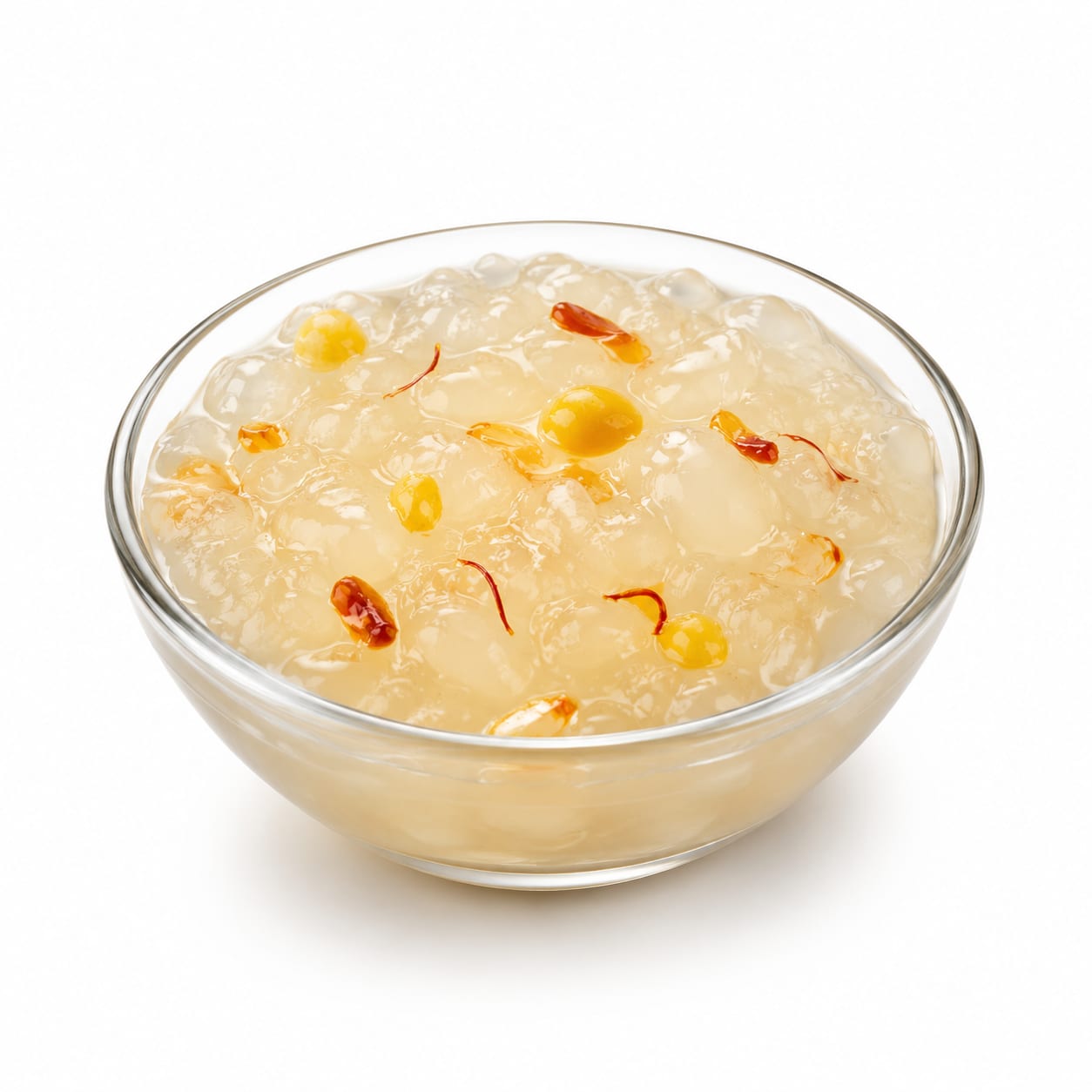
Arrowroot
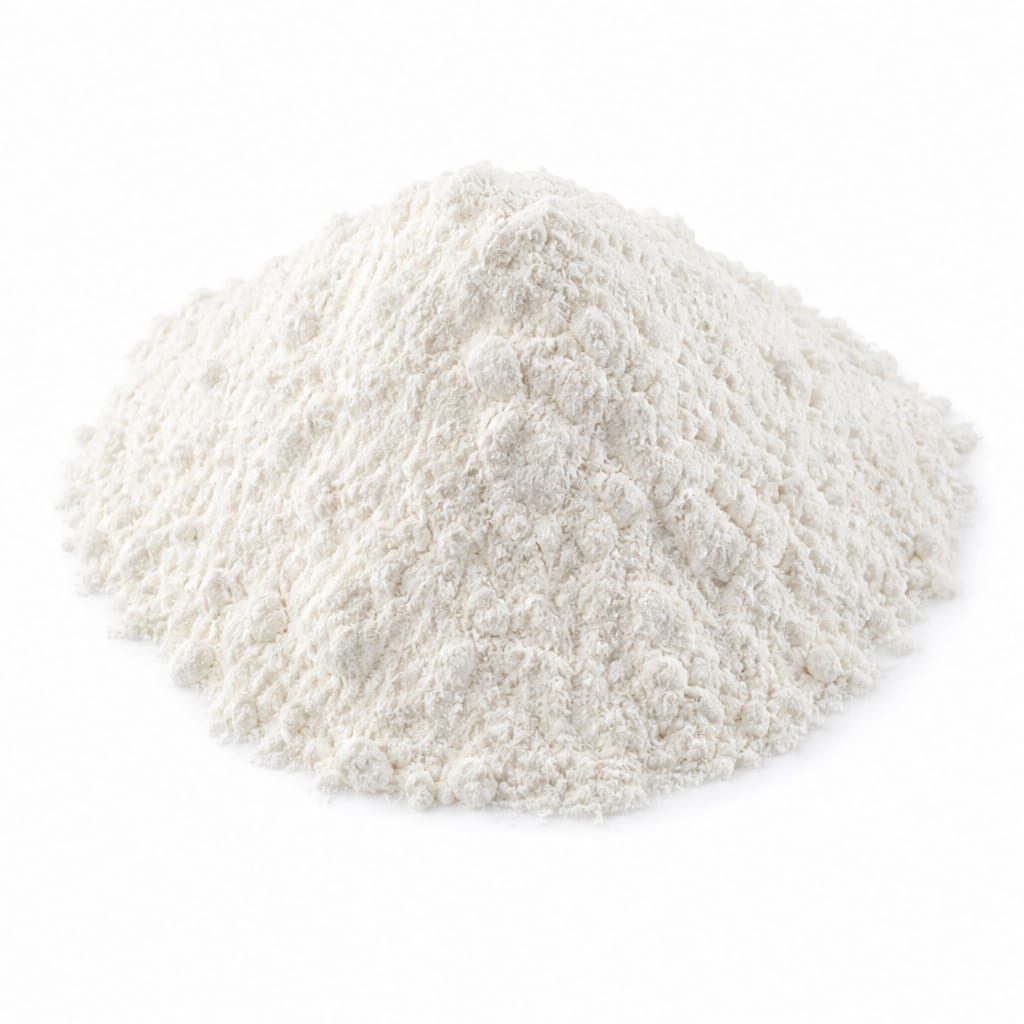
All-purpose flour
Arrowroot wins for digestive comfort and gluten-free needs, while all-purpose flour wins for baking versatility and cost. Neither is a nutritional star.
All-purpose flour scores slightly higher due to versatility, affordability, and enrichment, but arrowroot's digestive and allergen advantages make it the clear winner for specific populations. Context determines the better choice.
You trade baking performance and affordability for digestive ease and allergen safety when choosing arrowroot over all-purpose flour.
At a glance
Executive summary
Overall
It depends
Healthier
It depends
More practical
All-purpose flour
Daily use
All-purpose flour
Key comparison lenses
gluten-free baking alternative
Most users comparing these two are seeking a gluten-free substitute for wheat flour in cooking or baking
digestive tolerance
Arrowroot is famously gentle on the stomach, while all-purpose flour can cause bloating or discomfort for many
thickening agent performance
Both are commonly used as thickeners but behave very differently in sauces and gravies
blood sugar management
Both are refined starches with significant glycemic impact, a key concern for health-conscious users
nutritional value
Neither is a nutritional powerhouse, but differences in enrichment and mineral content matter
Best choice for
Arrowroot
- People with celiac disease or gluten sensitivity
- Those recovering from illness needing easy digestion
- Baby food preparation
- Making clear sauces and gravies
- Anyone avoiding wheat allergens
All-purpose flour
- Traditional baking (bread, cakes, pastries)
- Budget-conscious households
- Recipes requiring gluten structure
- Everyday cooking where versatility matters
- Enriched nutrient needs (folic acid, iron)
Least suitable for
Arrowroot
- Yeast bread baking (no gluten to trap air)
- Budget cooking (significantly more expensive)
- High-protein dietary needs
- Recipes requiring flour's binding strength alone
All-purpose flour
- Anyone with celiac disease or wheat allergy
- People with irritable bowel syndrome triggered by gluten
- Autoimmune protocol diets
- Clear sauce thickening (creates cloudy results)
Deep comparison
Dimension by dimension
Each lens scores both foods and breaks down who each option suits.
- Dimension 1 · Priority 92Arrowroot
digestive_tolerance
Arrowroot · 90All-purpose flour · 45Arrowroot is one of the easiest starches to digest, often recommended for infants and recovering patients. All-purpose flour contains gluten and can cause significant discomfort for sensitive individuals.
Tradeoff
You gain stomach comfort with arrowroot but lose the binding power that makes wheat flour so functional in recipes.
Why it matters
If you experience bloating, gas, or fatigue after eating wheat-based foods, this difference is life-changing rather than marginal.
Real-world impact
A sauce thickened with arrowroot feels light and settles easily. A wheat-flour-thickened gravy can leave sensitive people feeling heavy and bloated for hours.
Arrowroot
- People with IBS or gluten sensitivity
- Post-illness recovery eating
- Baby food and infant digestion
- Anyone who feels sluggish after wheat
Better for
- No significant digestive downside
Worse for
All-purpose flour
- People with no digestive issues who prioritize texture
Better for
- Celiac and gluten-intolerant individuals
- People prone to bloating after wheat
- Those with wheat-dependent exercise-induced anaphylaxis
Worse for
- Dimension 2 · Priority 88All-purpose flour
baking_versatility
Arrowroot · 25All-purpose flour · 92All-purpose flour builds structure, traps air, and creates the chewy texture people love in bread and pizza. Arrowroot cannot replicate any of this alone.
Tradeoff
Arrowroot produces crumbly, dense baked goods when used as a sole flour. It works best as a blend component, not a standalone replacement.
Why it matters
If you want to bake a loaf of bread or a fluffy cake, arrowroot alone will disappoint you every time.
Real-world impact
A cake made with all-purpose flour rises and holds together. A cake made only with arrowroot collapses into a crumbly mess.
Arrowroot
- Crispy coatings and tempura-style batters
- Clear fruit pie fillings
- Delicate sauces where clarity matters
Better for
- Any recipe requiring rise and chew
- Stand-alone flour in most baked goods
Worse for
All-purpose flour
- Bread and yeast baking
- Cakes, muffins, and cookies
- Pizza dough and pasta
- Any recipe requiring structural integrity
Better for
- Recipes where cloudiness from flour is undesirable
Worse for
- Dimension 3 · Priority 78It depends
blood_sugar_impact
Arrowroot · 35All-purpose flour · 30Both are refined starches that spike blood sugar quickly. Arrowroot has a slightly lower glycemic impact but not enough to call it a meaningful advantage.
Tradeoff
Neither is a good choice for blood sugar management. The difference between them is marginal at best.
Why it matters
If you are diabetic or insulin resistant, both foods require pairing with protein, fat, or fiber to blunt the glucose spike.
Real-world impact
Eating a serving of either on its own will cause a similar energy crash within 90 minutes for most people.
Arrowroot
- Slightly gentler blood sugar curve in some studies
Better for
- Still a high-glycemic refined starch
- Often consumed without fiber or protein pairing
Worse for
All-purpose flour
- No meaningful advantage for blood sugar
Better for
- Very high glycemic index as a refined flour
- Often combined with sugar in baked goods
Worse for
- Dimension 4 · Priority 72All-purpose flour
nutritional_density
Arrowroot · 28All-purpose flour · 48All-purpose flour is typically enriched with iron, folic acid, and B vitamins. Arrowroot offers small amounts of potassium and folate but is mostly pure starch.
Tradeoff
Enriched all-purpose flour provides more essential nutrients per serving, but both are fundamentally refined and nutrient-poor compared to whole grains.
Why it matters
If flour is a calorie staple in your diet, the enrichment in all-purpose flour contributes meaningfully to your intake of iron and folate.
Real-world impact
A serving of enriched all-purpose flour covers about 10% of your daily iron needs. Arrowroot covers essentially zero.
Arrowroot
- Trace potassium content
- Naturally occurring folate in small amounts
Better for
- Almost no protein
- No enrichment program
- Essentially empty starch calories
Worse for
All-purpose flour
- Iron enrichment
- B-vitamin enrichment (thiamin, riboflavin, niacin)
- Folic acid fortification
- Slightly more protein per serving
Better for
- Still a refined grain stripped of most natural nutrients
- Enrichment does not replace all lost whole-grain benefits
Worse for
- Dimension 5 · Priority 85Arrowroot
allergen_safety
Arrowroot · 95All-purpose flour · 35Arrowroot is naturally free of all major allergens including gluten, wheat, dairy, soy, and nuts. All-purpose flour is wheat-based and unsafe for a significant portion of the population.
Tradeoff
Arrowroot provides peace of mind for allergen-sensitive households but costs significantly more per serving.
Why it matters
For the roughly 1% of people with celiac disease and 6% with non-celiac gluten sensitivity, this is not a preference but a medical necessity.
Real-world impact
A household with a celiac child can use arrowroot freely without worry. All-purpose flour requires constant vigilance and cross-contamination management.
Arrowroot
- Celiac disease safety
- Wheat allergy safety
- Top-8 allergen free
- Safe for autoimmune protocol diets
Better for
- Possible cross-contamination in processing facilities
Worse for
All-purpose flour
- No allergen advantage
Better for
- Contains wheat, a top allergen
- Unsafe for celiac and gluten-sensitive individuals
- May trigger autoimmune responses in susceptible people
Worse for
- Dimension 6 · Priority 68All-purpose flour
cost_and_accessibility
Arrowroot · 30All-purpose flour · 90All-purpose flour is one of the cheapest staple foods available worldwide. Arrowroot is a specialty product that costs 4-8 times more per pound.
Tradeoff
Budget-conscious families may find arrowroot impractical as a regular flour substitute, especially for high-volume baking.
Why it matters
If you bake frequently or feed a large household, the cost difference adds up to hundreds of dollars per year.
Real-world impact
A 5-pound bag of all-purpose flour costs about $3. A similar amount of arrowroot powder costs $15-25.
Arrowroot
- Available in most health food stores and online
- Widely stocked in specialty baking sections
Better for
- 4-8x more expensive per pound
- Not always available in small stores
- Rarely sold in bulk sizes
Worse for
All-purpose flour
- Extremely affordable per serving
- Available in every grocery store
- Sold in bulk quantities easily
- Long shelf life at low cost
Better for
- No significant accessibility downside
Worse for
- Dimension 7 · Priority 80Arrowroot
thickening_performance
Arrowroot · 88All-purpose flour · 65Arrowroot creates glossy, clear, silky sauces and sets beautifully at lower temperatures. All-purpose flour creates opaque, cloudy results and requires longer cooking to remove raw flavor.
Tradeoff
Arrowroot breaks down if overcooked or frozen, while flour-based sauces are more stable for reheating and freezing.
Why it matters
For elegant dinner sauces or fruit pie fillings, arrowroot produces noticeably superior visual and textural results.
Real-world impact
A berry pie filling thickened with arrowroot looks jewel-like and glossy. The same filling with flour looks murky and dull.
Arrowroot
- Clear, glossy sauces and gravies
- Fruit pie fillings
- Asian-style stir-fry sauces
- Quick thickening at lower temperatures
- No raw flour taste to cook out
Better for
- Breaks down with prolonged heat
- Cannot be used in pressure cooking
- Does not freeze well in sauces
- Cannot make a traditional roux
Worse for
All-purpose flour
- Sauces that will be frozen and reheated
- Long-simmered gravies and roux
- Dishes where opacity is acceptable or desired
- Cajun and French cooking traditions
Better for
- Creates cloudy, opaque sauces
- Requires longer cooking to remove raw taste
- Can mask delicate flavors with wheat taste
Worse for
Timeline
Health impact over time
Short-term
Hours to days
Arrowroot
- Quick energy from easily digested starch
- Minimal digestive discomfort even with sensitive stomachs
- Possible blood sugar spike if eaten in large amounts without pairing
- Light feeling after eating compared to wheat-based alternatives
All-purpose flour
- Bloating or gas in gluten-sensitive individuals
- Blood sugar spike similar to other refined starches
- Heavier feeling after consumption due to gluten content
- Possible brain fog or fatigue in those with undiagnosed gluten sensitivity
Long-term
Months to years
Arrowroot
- Safe long-term option for celiac and gluten-sensitive individuals
- Minimal inflammatory potential
- Nutrient deficiency risk if relied on as a dietary staple without variety
- No known chronic disease associations
All-purpose flour
- Chronic inflammation risk for gluten-sensitive individuals
- Enrichment provides consistent iron and folate intake for regular consumers
- Intestinal damage progression in undiagnosed celiac disease
- Possible contribution to metabolic issues when consumed in excess as refined starch
Risk profile
Safety & processing
Both are processed foods. Arrowroot undergoes washing, peeling, grinding, and drying of the root, but no chemical refinement. All-purpose flour is milled and sifted to remove bran and germ, then typically enriched with synthetic vitamins. Arrowroot retains a slightly more natural processing profile, while all-purpose flour is more heavily refined but compensates with nutrient fortification.
Arrowroot
Cross-contamination with gluten
mediumMany arrowroot products are processed in facilities that also handle wheat. Always verify certified gluten-free labeling if this matters for your health.
Adulteration with cheaper starches
lowSome commercial arrowroot has been found to contain potato starch or tapioca as fillers. Buy from reputable brands.
All-purpose flour
Gluten exposure for sensitive individuals
highEven trace amounts can trigger autoimmune damage in celiac patients. Not suitable for any level of gluten avoidance.
Bromate residues
mediumSome all-purpose flours contain potassium bromate, a potential carcinogen banned in many countries but still permitted in the United States. Check labels.
Pesticide residues from conventional wheat
lowConventional wheat farming uses significant pesticides. Residual levels are typically within regulatory limits but may concern some consumers.
Who wins for whom
Audience fit
Same foods, different winners depending on your goal.
children
ArrowrootArrowroot is traditionally used in baby foods because it is extremely gentle on immature digestive systems and is allergen-free. All-purpose flour introduces gluten early, which some parents prefer to delay.
daily consumption
All-purpose flourAll-purpose flour is more affordable, versatile, and enriched with essential nutrients, making it more practical for daily use in most households without specific dietary restrictions.
diabetes
It dependsBoth spike blood sugar significantly. Neither is recommended as a primary starch for diabetics. If used, both must be paired with fiber, protein, and fat to slow glucose absorption.
elderly
ArrowrootOlder adults often develop increased digestive sensitivity. Arrowroot's easy digestibility and allergen-free nature make it safer for aging gastrointestinal systems.
muscle gain
All-purpose flourAll-purpose flour has more protein per serving and is typically consumed in larger quantities as a dietary staple, supporting higher calorie and protein intake needed for muscle building.
weight loss
It dependsNeither supports weight loss particularly well. Both are calorie-dense refined starches. Arrowroot may cause slightly less bloating, but all-purpose flour's higher protein content provides marginally more satiety.
Your move
Decision guide
Choose Arrowroot
- You have celiac disease, gluten sensitivity, or a wheat allergy
- You are making sauces, gravies, or pie fillings where clarity and gloss matter
- You are preparing food for infants or someone recovering from illness
- You need a top-allergen-free thickener for a mixed-dietary-need household
- You value digestive comfort over baking performance
Choose All-purpose flour
- You bake bread, pizza, cakes, or pastries regularly
- Budget is a significant concern for your household
- You have no gluten or wheat sensitivities
- You want the nutritional benefits of enriched flour (iron, folate, B vitamins)
- You need a flour that freezes and reheats well in cooked dishes
Either works if
- You are thickening a soup where clarity does not matter
- You are coating food before frying and both textures are acceptable
- You are mixing either into a blend with other flours
- Calorie and macronutrient profiles are your primary concern
Avoid both if
- You are managing diabetes and need low-glycemic starch alternatives
- You are following a whole-food or unrefined diet
- You need high-fiber flour alternatives like oat flour or whole wheat
- You are trying to reduce refined carbohydrate intake for metabolic health
Final recommendation
Keep both in your pantry if budget allows. Use all-purpose flour for everyday baking and cooking where gluten structure and cost matter. Use arrowroot for gluten-free needs, delicate sauces, and digestive sensitivity. If you must choose one, all-purpose flour wins on versatility and price, unless you have a medical reason to avoid gluten, in which case arrowroot is essential.
Practical
Consumer tips
- 1
If using arrowroot as a thickener, always mix it with cold water first to prevent clumping. Add it at the end of cooking and never boil it.
- 2
Arrowroot cannot replace all-purpose flour 1:1 in baking. Use it as part of a gluten-free blend with rice flour and tapioca for better results.
- 3
Look for certified gluten-free arrowroot if you have celiac disease, as cross-contamination in processing facilities is common.
- 4
Check your all-purpose flour label for potassium bromate and choose unbleached, unbromated brands when possible.
- 5
Arrowroot thickens at lower temperatures than flour, so add it near the end of cooking. Flour-based roux needs longer cooking to lose its raw taste.
- 6
For fruit pies, arrowroot creates a dramatically prettier, glossier filling than flour. Try it once and you will not go back.
- 7
Store arrowroot in an airtight container in a cool, dry place. It has a shorter shelf life than all-purpose flour once opened.