
Nutrition comparison
Arrowroot vs Tapioca Starch: Which is Healthier?
Compare Arrowroot and Tapioca starch to find the best thickener for your cooking and baking. Learn the differences in digestion, health benefits, and culinary use.
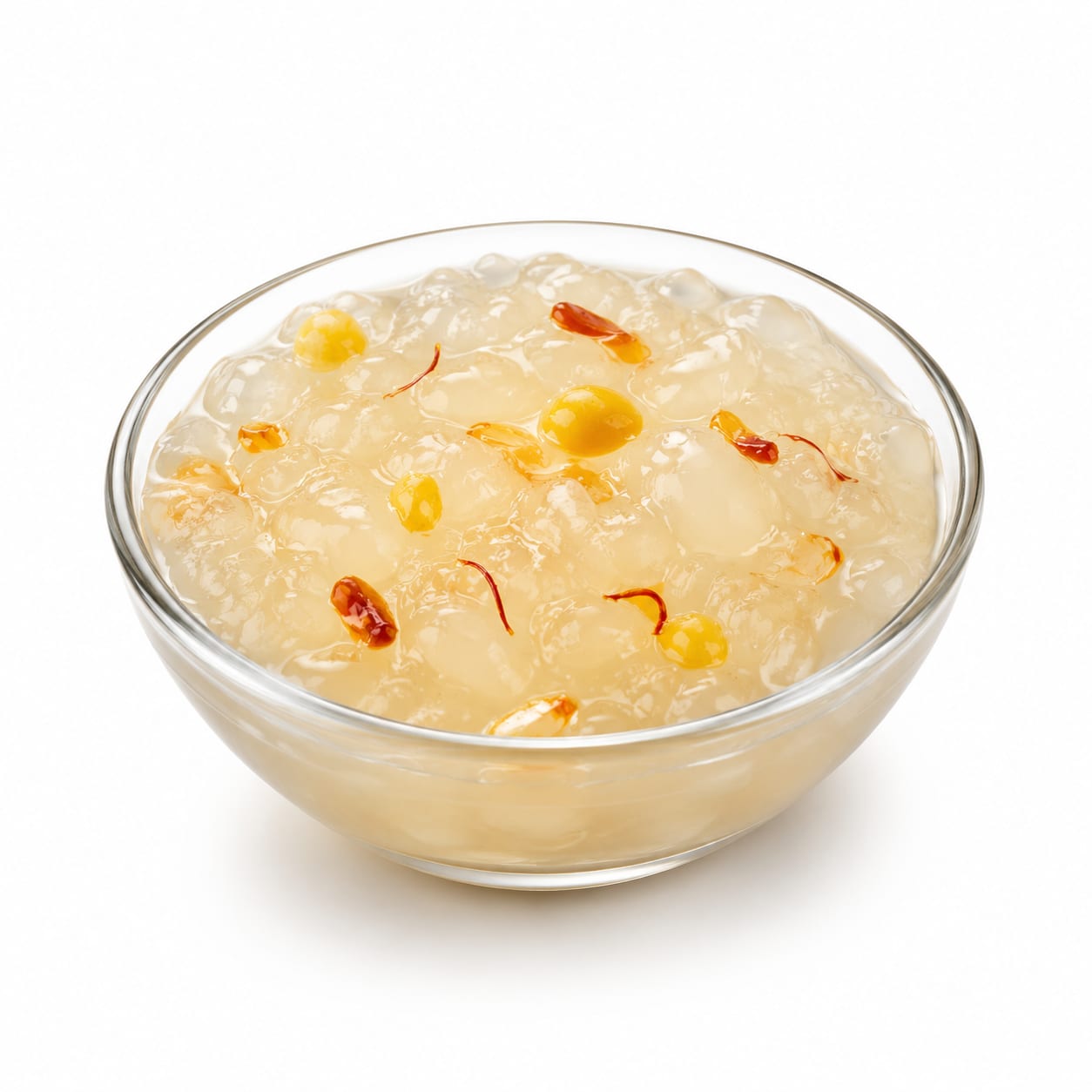
Arrowroot
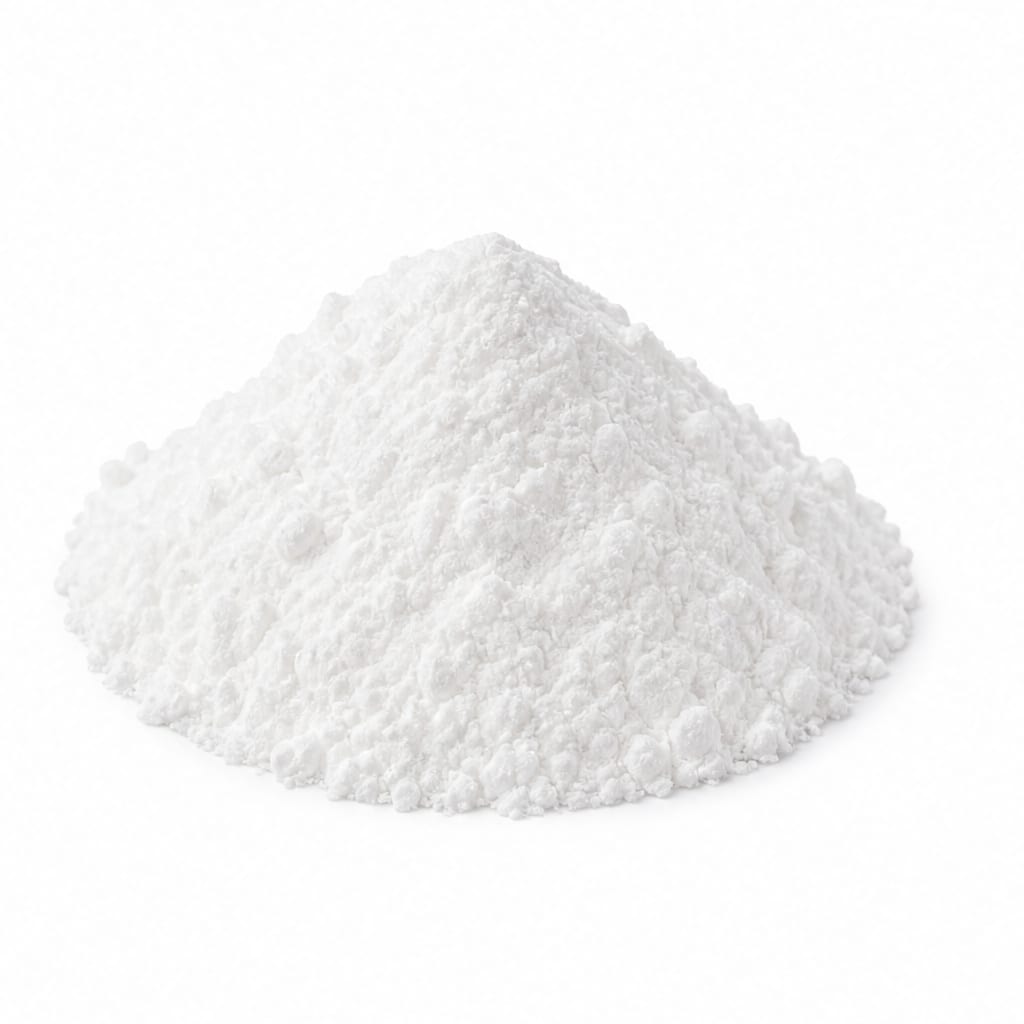
Tapioca starch
Arrowroot is slightly more nutritious and much better for delicate digestion, while Tapioca starch is the superior choice for chewy baking textures and budget cooking.
Arrowroot scores higher overall due to its trace nutrient content and renowned digestive benefits, but both are fundamentally refined starches with limited nutritional value, keeping overall scores moderate.
You trade Arrowroot's gut-soothing properties and trace nutrients for Tapioca starch's superior elasticity in gluten-free baking and lower cost.
At a glance
Executive summary
Overall
It depends
Healthier
Arrowroot
More practical
Tapioca starch
Daily use
Arrowroot
Key comparison lenses
Digestive tolerance and gut soothing
Arrowroot is famously gentle on the gut and traditionally used for illness recovery, while Tapioca starch is also digestible but lacks the same medicinal reputation.
Gluten-free baking and cooking performance
Both are popular gluten-free thickeners, but they behave very differently under heat and offer distinct textures in baking.
Nutritional density and empty calorie concerns
Both are nearly pure carbohydrates, but users often want to know if one offers even marginal trace nutrients over the other.
Blood sugar impact
As refined starches, both can spike blood sugar, making glycemic load a critical factor for frequent users.
Best choice for
Arrowroot
- Soothing an upset stomach or recovering from illness
- Thickening delicate sauces at the very end of cooking
- Infants and elderly needing the gentlest possible digestion
- Avoiding chewy or gummy textures in gravies
Tapioca starch
- Making gluten-free breads, pizza crusts, and chewy cookies
- Creating boba pearls and puddings
- Thickening fruit pies that will be frozen
- Cooking on a tight budget
Least suitable for
Arrowroot
- Dairy-based sauces where it can create a slimy texture
- Recipes requiring a chewy, stretchy texture
- High-heat or prolonged cooking like canning
- Budget-conscious bulk baking
Tapioca starch
- Soothing acute digestive distress
- Those strictly minimizing empty carbohydrates
- Delicate sauces that require a glossy, clear finish
- People avoiding highly refined industrial starches
Deep comparison
Dimension by dimension
Each lens scores both foods and breaks down who each option suits.
- Dimension 1 · Priority 95Arrowroot
Digestive Tolerance
Arrowroot · 90Tapioca starch · 70Arrowroot is a well-documented remedy for diarrhea and sensitive stomachs, while Tapioca starch is merely easy to digest rather than actively soothing.
Tradeoff
Arrowroot actively calms the gut, whereas Tapioca starch simply sits lightly without causing irritation.
Why it matters
When you or your child are recovering from a stomach bug, Arrowroot provides safe, comforting calories without triggering further distress.
Real-world impact
Choosing Arrowroot means a faster return to normal eating after illness, whereas Tapioca starch is just a neutral calorie source.
Arrowroot
- Recovering from a stomach virus
- Weaning infants onto solid foods
- Managing chronic IBS flare-ups
Better for
Tapioca starch
- Standard daily cooking when digestion is normal
Better for
- Acute diarrhea or severe gut inflammation
Worse for
- Dimension 2 · Priority 85Tapioca starch
Baking and Culinary Performance
Arrowroot · 60Tapioca starch · 90Tapioca starch provides the essential chew and stretch in gluten-free baking, while Arrowroot creates a glossy finish but breaks down under prolonged heat.
Tradeoff
You sacrifice the chewy, satisfying texture Tapioca starch provides for Arrowroot's clean, glossy thickening in sauces.
Why it matters
Gluten-free baking relies heavily on Tapioca starch to mimic the elasticity of gluten, making it indispensable for good texture.
Real-world impact
A pizza crust made with Tapioca starch bends and stretches; one made with Arrowroot turns out dense and crumbly.
Arrowroot
- Clear fruit glazes
- Light Asian-style sauces
- Quick pan gravies
Better for
- Casseroles that need long oven time
- Dairy-based cream sauces
Worse for
Tapioca starch
- Chewy chocolate chip cookies
- Boba pearls
- Gluten-free sandwich bread
Better for
- Delicate sauces that require a smooth, non-gummy finish
Worse for
- Dimension 3 · Priority 70Arrowroot
Nutritional Value
Arrowroot · 35Tapioca starch · 20Neither is a nutritional powerhouse, but Arrowroot contains slightly more fiber, protein, and potassium than Tapioca starch.
Tradeoff
Arrowroot offers marginal micronutrient benefits, but both remain predominantly empty carbs that should be used as ingredients rather than staples.
Why it matters
If you use starches frequently, those trace nutrients in Arrowroot can subtly add up over time.
Real-world impact
Using Arrowroot instead of Tapioca starch gives you a tiny boost in minerals, but you will not feel a physical energy difference.
Arrowroot
- Adding trace potassium to a restrictive diet
- Slightly higher satiety from trace fiber
Better for
Tapioca starch
- Pure carbohydrate loading for quick energy
Better for
- Diets strictly limiting empty carbohydrates
Worse for
- Dimension 4 · Priority 75Arrowroot
Blood Sugar Stability
Arrowroot · 30Tapioca starch · 25Both will spike blood sugar rapidly, but Arrowroot's tiny amount of fiber slows the rise just enough to give it a marginal edge.
Tradeoff
Neither is safe in large amounts for diabetics, but Arrowroot is slightly less aggressive on blood glucose.
Why it matters
Frequent blood sugar spikes lead to afternoon energy crashes and increased cravings.
Real-world impact
A Tapioca starch-heavy dessert will cause a faster sugar rush and crash compared to one thickened with Arrowroot.
Arrowroot
- Minimizing glycemic spikes when thickening sauces
Better for
Tapioca starch
- Insulin-resistant individuals using it as a primary carb
Worse for
Timeline
Health impact over time
Short-term
Hours to days
Arrowroot
- Provides quick, easily accessible energy
- Soothes an upset stomach almost immediately
- Can cause a rapid blood sugar spike if consumed in large amounts
Tapioca starch
- Delivers a very fast energy boost
- Causes a sharp blood sugar spike due to near-zero fiber
- Feels light in the stomach immediately after eating
Long-term
Months to years
Arrowroot
- Over-reliance can contribute to empty calorie intake
- Trace minerals offer very minor long-term nutritional support
- Consistent use as a staple carb may impair blood sugar management
Tapioca starch
- Frequent consumption can displace nutrient-dense foods
- High glycemic load may contribute to insulin resistance over time
- Lacks any meaningful long-term health benefits
Risk profile
Safety & processing
Both are extracted starches, but Arrowroot is often processed using simpler, more traditional washing and grinding methods, whereas Tapioca starch can involve more aggressive industrial extraction and chemical washing.
Arrowroot
Mislabeling or adulteration
mediumCommercial Arrowroot is sometimes mixed with cheaper starches like potato or tapioca, reducing its unique digestive benefits.
Tapioca starch
Cyanogenic glycosides from raw cassava
lowProperly processed commercial Tapioca starch is safe, but poorly processed cassava products can contain harmful compounds that affect the nervous system.
Who wins for whom
Audience fit
Same foods, different winners depending on your goal.
children
ArrowrootArrowroot is a traditional weaning food known for being exceptionally gentle on developing digestive systems.
daily consumption
ArrowrootArrowroot offers slightly better nutritional value and digestive comfort for regular, moderate use in cooking.
diabetes
ArrowrootArrowroot's trace fiber content gives it a slightly lower glycemic impact, though both require extreme portion control.
elderly
ArrowrootThe gut-soothing properties and easier digestion make Arrowroot more appropriate for sensitive or slowing digestive tracts.
muscle gain
It dependsNeither offers meaningful protein; both serve purely as quick carbs that need to be paired with protein sources for muscle building.
weight loss
ArrowrootArrowroot has slightly more fiber and protein, offering marginally better satiety, though both should be strictly limited on a weight loss plan.
Your move
Decision guide
Choose Arrowroot
- You are making a delicate sauce or glaze that needs to stay glossy
- Someone in your household has a sensitive stomach or is recovering from illness
- You want the most natural, minimally processed thickener available
- You are thickening a fruit pie filling that will not be frozen
Choose Tapioca starch
- You are baking gluten-free breads, rolls, or pizza crusts that need to stretch
- You want to make chewy desserts like boba, mochi, or pudding
- You are making a dish that requires prolonged heat or freezing
- You need a cost-effective thickener for large-batch cooking
Either works if
- You just need a basic thickener for a quick soup or gravy
- You are mixing a custom gluten-free flour blend and need a starch component
Avoid both if
- You are strictly managing diabetes and need to minimize all high-glycemic foods
- You are on a strict whole-foods diet and avoiding all extracted or refined starches
- You are looking for a significant source of protein or dietary fiber
Final recommendation
Keep Arrowroot on hand for gut health, delicate sauces, and everyday thickening where quality matters. Keep Tapioca starch on hand for gluten-free baking where texture and chew are the priority. If you must choose only one for general health and gentle digestion, Arrowroot is the better pantry staple.
Practical
Consumer tips
- 1
Always mix either starch with cold water before adding it to hot liquids to prevent immediate clumping.
- 2
Arrowroot breaks down and loses its thickening power if boiled for more than a minute; stir it in at the very end of cooking.
- 3
Tapioca starch holds up beautifully under high heat and long cooking times, making it better for canning and baking.
- 4
Store both in airtight containers in a cool, dry place to prevent moisture absorption and clumping.
- 5
Check Arrowroot labels carefully to ensure it is pure and not cut with cheaper potato starch.