
Nutrition comparison
Arrowroot vs Xanthan Gum: Which Thickener Is Better for Your Health and Cooking?
Compare arrowroot and xanthan gum as thickeners. Learn which is better for digestion, keto diets, clean-label cooking, and gluten-free baking with practical tradeoffs.

Arrowroot
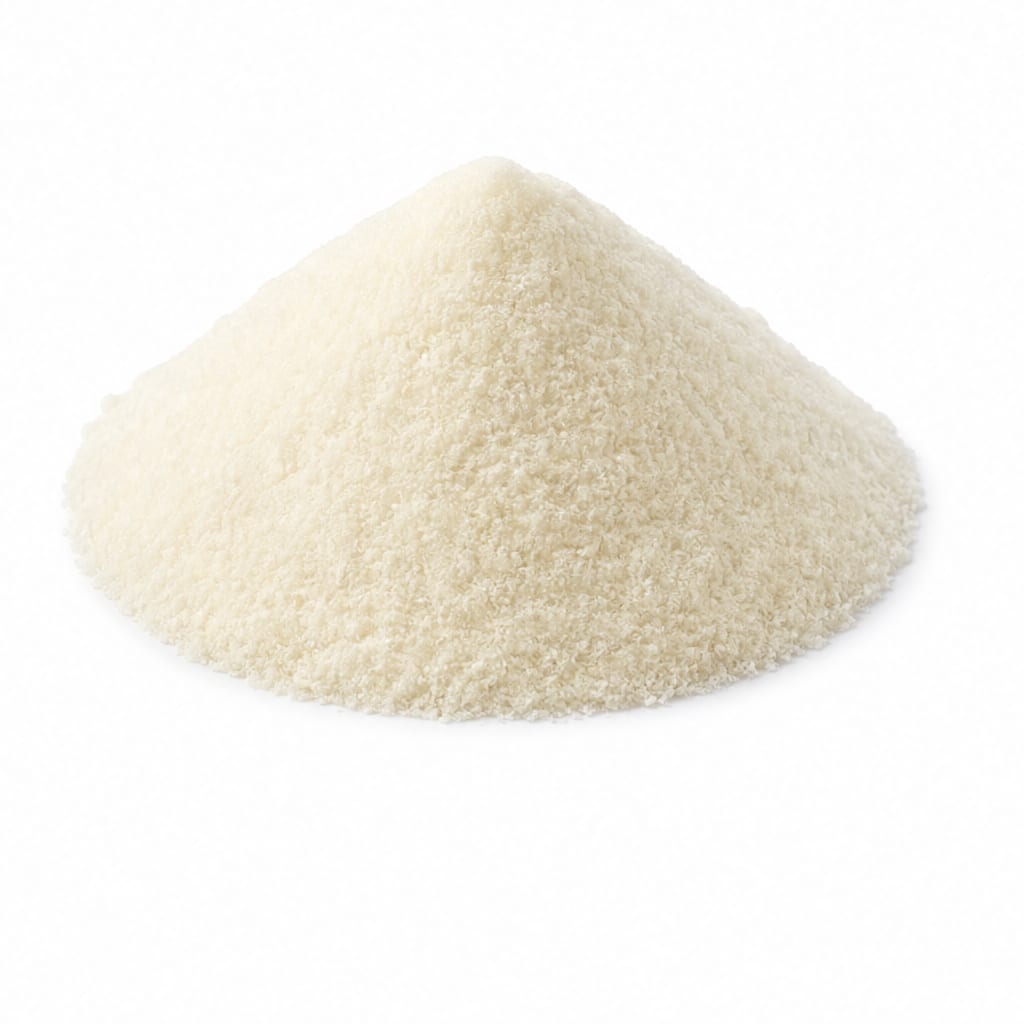
Xanthan gum
Arrowroot is the natural, gut-friendly thickener with real calories; xanthan gum is the ultra-potent, near-zero-calorie additive that demands tiny doses and careful digestion.
Arrowroot edges ahead on naturalness and digestibility but loses ground on carb load and caloric cost. Xanthan gum wins on efficiency and keto compatibility but carries processing and digestive tolerance concerns. Neither dominates because they serve fundamentally different priorities.
Natural digestibility versus concentrated efficiency — arrowroot costs more calories but sits easier; xanthan gum saves carbs but can cause bloating and feels more processed.
At a glance
Executive summary
Overall
It depends
Healthier
Arrowroot
More practical
Xanthan gum
Daily use
It depends
Key comparison lenses
thickening agent selection
Both are primarily used as thickeners, so culinary performance is the core decision driver
digestive tolerance
Xanthan gum causes bloating in many people while arrowroot is famously gentle on digestion
clean label preference
Arrowroot is a whole-food starch; xanthan gum is a fermented bacterial product with industrial processing
blood sugar and keto compatibility
Xanthan gum has near-zero carbs making it keto-friendly; arrowroot is pure starch and spikes blood sugar
allergen safety
Xanthan gum fermentation substrates can include corn, soy, wheat, or dairy — hidden allergen risks
Best choice for
Arrowroot
- People with sensitive digestion or IBS
- Families wanting clean-label cooking
- Anyone avoiding ultra-processed additives
- Baby food and gentle stomach recipes
- Those with corn or soy allergies
Xanthan gum
- Keto and low-carb dieters
- Gluten-free bakers needing structure
- People counting calories strictly
- Anyone wanting long-shelf-life pantry stability
- Small-quantity users who want a thickener that lasts months
Least suitable for
Arrowroot
- Keto dieters — too many carbs per serving
- People needing a heat-stable thickener for prolonged cooking
- Anyone watching calorie density closely
Xanthan gum
- People prone to bloating or gas
- Those avoiding ultra-processed ingredients
- Anyone with corn, soy, or dairy allergies depending on the brand's substrate
Deep comparison
Dimension by dimension
Each lens scores both foods and breaks down who each option suits.
- Dimension 1 · Priority 92Arrowroot
digestive_tolerance
Arrowroot · 88Xanthan gum · 45Arrowroot is one of the gentlest starches on the gut; xanthan gum commonly causes gas and bloating especially above 15g per day.
Tradeoff
You get zero calories with xanthan gum but risk stomach discomfort; arrowroot adds carbs but digests smoothly.
Why it matters
If you have IBS, sensitive digestion, or are cooking for children, this difference is night and day.
Real-world impact
A xanthan-thickened sauce might leave you bloated after dinner; arrowroot-thickened gravy sits comfortably.
Arrowroot
- People with IBS or sensitive stomachs
- Baby food recipes
- Post-illness recovery meals
Better for
- No real digestive downside beyond carb load
Worse for
Xanthan gum
- People with ironclad digestion who want zero calories
Better for
- Frequent bloating and flatulence reports
- Can trigger IBS symptoms at moderate doses
Worse for
- Dimension 2 · Priority 88Xanthan gum
carb_and_calorie_impact
Arrowroot · 25Xanthan gum · 95Xanthan gum is virtually calorie-free and carb-free at typical serving sizes; arrowroot delivers 100 calories and 25g carbs per ounce.
Tradeoff
Xanthan gum lets you thicken freely on keto; arrowroot adds meaningful energy that can derail low-carb goals.
Why it matters
For anyone managing blood sugar, weight, or carb intake, this is the deciding factor.
Real-world impact
Thickening a soup with arrowroot adds 50+ calories per cup; xanthan gum adds essentially zero.
Arrowroot
- Endurance athletes needing carb calories
- People recovering from illness who need gentle energy
Better for
- Spikes blood sugar rapidly
- Adds significant calories to recipes
Worse for
Xanthan gum
- Keto dieters
- Diabetics managing blood sugar
- Calorie counters
Better for
- No energy or nutritional value
Worse for
- Dimension 3 · Priority 85Arrowroot
naturalness_and_processing
Arrowroot · 82Xanthan gum · 20Arrowroot is a simple washed-and-ground tuber starch; xanthan gum is produced by industrial bacterial fermentation with chemical precipitation.
Tradeoff
Arrowroot reads clean on a label; xanthan gum is a lab-derived additive even though it is technically natural-origin.
Why it matters
Consumers avoiding ultra-processed foods should know xanthan gum is firmly in additive territory.
Real-world impact
A homemade pudding with arrowroot feels like real food; the same recipe with xanthan gum tastes slightly synthetic.
Arrowroot
- Clean-label shoppers
- Whole-food diet followers
- Parents cooking for young children
Better for
- Still a refined starch, not a whole food
Worse for
Xanthan gum
- Anyone prioritizing function over ingredient philosophy
Better for
- Industrial fermentation process
- Chemical solvents used in extraction
- Feels like an additive, not an ingredient
Worse for
- Dimension 4 · Priority 82Xanthan gum
thickening_efficiency
Arrowroot · 50Xanthan gum · 92Xanthan gum thickens at roughly 10x the potency of arrowroot — a quarter teaspoon does what tablespoons of arrowroot achieve.
Tradeoff
Xanthan gum is far more efficient but easier to overuse, creating a slimy texture; arrowroot is forgiving but requires more product.
Why it matters
Efficiency matters for cost and recipe texture; over-thickening with xanthan gum ruins dishes.
Real-world impact
A tiny mismeasurement of xanthan gum turns soup into gel; arrowroot mistakes are easily corrected.
Arrowroot
- Beginner cooks who want forgiving results
- Recipes where gradual thickening is preferred
Better for
- Requires larger quantities
- Less shelf-stable once opened
Worse for
Xanthan gum
- Experienced cooks wanting precision
- Gluten-free baking needing structural support
- Dressings and sauces needing stable emulsion
Better for
- Overuse creates unpleasant slimy texture
- Hard to fix once over-added
Worse for
- Dimension 5 · Priority 75Xanthan gum
heat_and_acid_stability
Arrowroot · 35Xanthan gum · 90Xanthan gum holds up under high heat, freezing, and acidic conditions; arrowroot breaks down with prolonged heat and acidic ingredients.
Tradeoff
Xanthan gum is reliable in complex recipes; arrowroot works best in simple, quick-cooked dishes.
Why it matters
If you are making fruit pies or long-simmered sauces, arrowroot may thin out unexpectedly.
Real-world impact
An arrowroot-thickened lemon curd can go runny; xanthan gum stays stable in the same recipe.
Arrowroot
- Quick gravies and pan sauces
- Gentle stovetop thickening
Better for
- Breaks down under prolonged heat
- Loses thickening power with acidic ingredients
Worse for
Xanthan gum
- Acidic recipes like fruit fillings
- Frozen foods that need to hold texture
- Long-simmered sauces
Better for
- No significant stability downside
Worse for
- Dimension 6 · Priority 70Arrowroot
allergen_and_safety_profile
Arrowroot · 85Xanthan gum · 50Arrowroot is naturally free of major allergens; xanthan gum's fermentation substrate can include corn, soy, wheat, or dairy depending on the manufacturer.
Tradeoff
Arrowroot is allergen-transparent; xanthan gum requires label investigation to confirm safe sourcing.
Why it matters
For people with corn or soy allergies, undisclosed xanthan gum substrates can trigger reactions.
Real-world impact
A celiac patient must verify xanthan gum was not fermented on wheat; arrowroot carries no such concern.
Arrowroot
- People with corn, soy, or dairy allergies
- Celiacs wanting worry-free thickening
- Parents of allergic children
Better for
- Minimal allergen risk
Worse for
Xanthan gum
- People without common allergens who verify sourcing
Better for
- Hidden corn, soy, wheat, or dairy in fermentation substrate
- Labels often do not specify substrate source
Worse for
Timeline
Health impact over time
Short-term
Hours to days
Arrowroot
- Provides quick-digesting carbohydrates for energy
- Very gentle on the stomach — traditionally used for nausea and diarrhea
- Can cause blood sugar spikes in large amounts
Xanthan gum
- May cause gas, bloating, or loose stools within hours of consumption
- Virtually no caloric or blood sugar impact
- Large doses can have a laxative effect
Long-term
Months to years
Arrowroot
- Regular use adds significant carbohydrate load to diet
- No known toxicity or cumulative concerns
- May contribute to elevated blood sugar if used heavily by sedentary people
Xanthan gum
- Long-term effects of regular xanthan gum consumption are not extensively studied
- May alter gut microbiota with chronic high intake
- Generally recognized as safe by FDA but belongs to the additive category under scrutiny
Risk profile
Safety & processing
Arrowroot is washed, peeled, and ground into powder — about as simple as starch processing gets. Xanthan gum requires bacterial fermentation in industrial vats followed by chemical precipitation with isopropyl alcohol. While the starting organism is natural, the process is firmly industrial.
Arrowroot
Contamination with other starches
mediumSome arrowroot products are adulterated with cheaper starches like potato or cassava, which matters for people with specific allergies.
Blood sugar spike
lowNot a safety risk per se, but rapid carbohydrate absorption can be problematic for diabetics in large servings.
Xanthan gum
Hidden allergen exposure
highFermentation substrates vary by manufacturer and are rarely disclosed. Corn, soy, wheat, and dairy have all been used, creating risk for allergic individuals.
Digestive distress
mediumXanthan gum is a soluble fiber that ferments in the gut. Doses above 15g daily commonly cause bloating, gas, and diarrhea.
Residual solvent exposure
lowIsopropyl alcohol is used in precipitation. Food-grade xanthan gum should have negligible residues, but trace amounts remain a theoretical concern.
Who wins for whom
Audience fit
Same foods, different winners depending on your goal.
children
ArrowrootArrowroot is gentle, natural, and traditionally used in baby food; xanthan gum's digestive effects and processing level make it less ideal for young digestive systems.
daily consumption
It dependsDepends on dietary goals — keto dieters should use xanthan gum daily; those prioritizing whole foods and gut comfort should choose arrowroot.
diabetes
Xanthan gumXanthan gum has negligible carbohydrate impact; arrowroot is a refined starch that raises blood sugar quickly.
elderly
ArrowrootOlder adults often have more sensitive digestion; arrowroot's gentle profile is safer and more comfortable than xanthan gum's bloating potential.
muscle gain
ArrowrootArrowroot provides easily digestible carbohydrates useful for post-workout glycogen replenishment; xanthan gum offers no nutritional fuel.
weight loss
Xanthan gumXanthan gum adds zero calories while providing thickening and satiety texture; arrowroot adds meaningful carbs that can hinder calorie deficits.
Your move
Decision guide
Choose Arrowroot
- You have sensitive digestion or IBS
- You want a clean-label, minimally processed ingredient
- You are cooking for babies, children, or elderly family members
- You have corn, soy, or dairy allergies
- You are making quick gravies or sauces where forgiving thickening matters
Choose Xanthan gum
- You are on a keto or very-low-carb diet
- You need a thickener that holds up under acid, heat, or freezing
- You want maximum efficiency — a single bag lasts months
- You are doing gluten-free baking and need structural support
- You count calories strictly and want zero-cost thickening
Either works if
- You are thickening a simple soup or sauce and have no dietary restrictions
- You want a gluten-free thickening option and tolerate both well
Avoid both if
- You need a nutrient-dense food — neither offers meaningful nutrition
- You are looking for a whole-food staple rather than a functional ingredient
Final recommendation
Use arrowroot when digestibility and naturalness matter most — family meals, gentle recipes, and clean-label cooking. Use xanthan gum when carb control and culinary precision matter more — keto baking, acidic sauces, and calorie-conscious recipes. Many home cooks benefit from keeping both: arrowroot for everyday comfort cooking, xanthan gum for specialty dietary needs.
Practical
Consumer tips
- 1
Start with half the xanthan gum a recipe calls for — you can always add more but cannot fix over-thickened slime
- 2
Arrowroot thickens best when added as a slurry at the end of cooking — prolonged heat breaks it down
- 3
If you have corn or soy allergies, contact xanthan gum manufacturers directly to ask about fermentation substrates
- 4
Store arrowroot in an airtight container away from moisture — it clumps and degrades faster than xanthan gum
- 5
Xanthan gum lasts years in the pantry; arrowroot is best used within a year of opening
- 6
For a middle-ground approach, try using both in small amounts — arrowroot for body, xanthan gum for stability