
Nutrition comparison
Arrowroot vs Coconut Flour: Which Gluten-Free Flour Is Better?
Compare Arrowroot and Coconut flour for baking, digestion, and nutrition. Find out which gluten-free flour is best for keto, blood sugar, and gut health.

Arrowroot
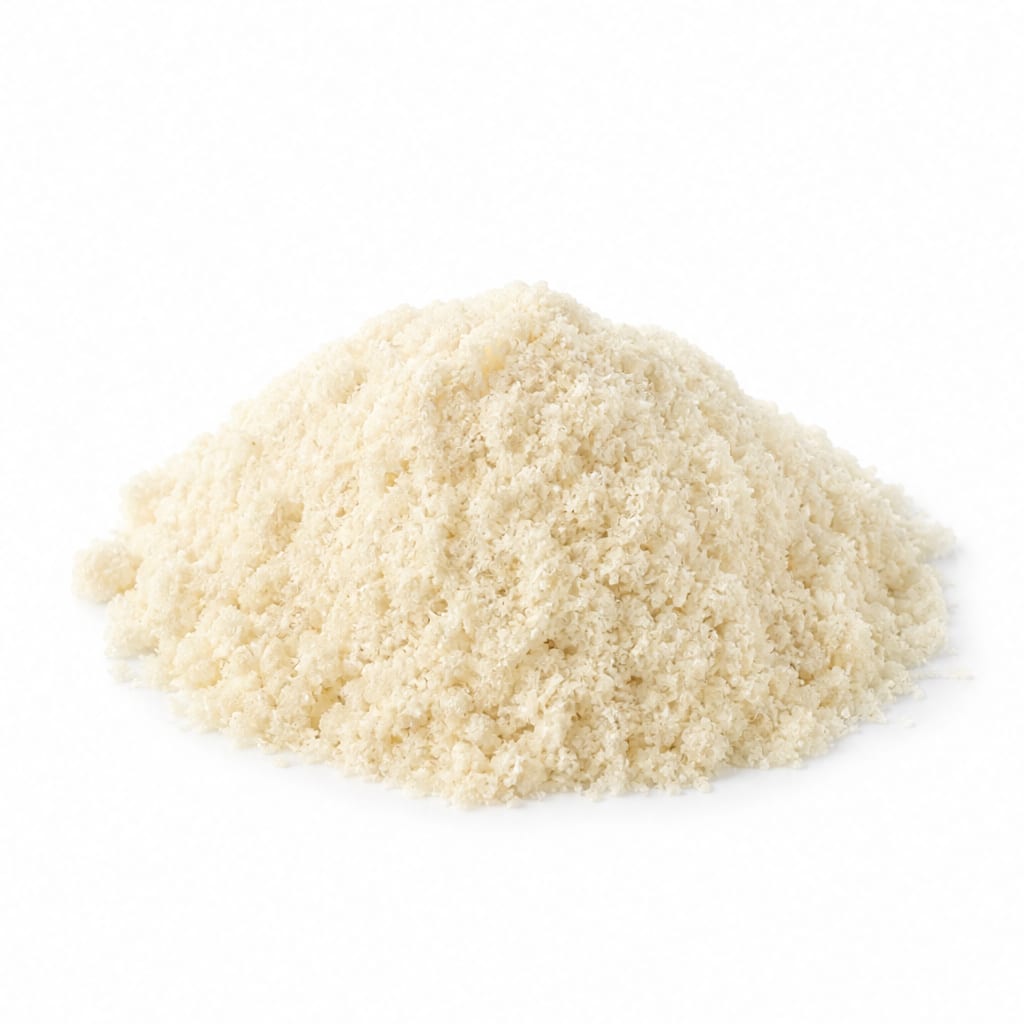
Coconut flour
Coconut flour offers far more nutrition and blood sugar stability, but Arrowroot is unmatched for gentle digestion and cooking convenience.
Coconut flour scores higher overall due to its superior fiber, fat, and protein content, but Arrowroot's specialized digestive and culinary benefits keep it highly relevant.
Nutritional density and lasting fullness versus digestive ease and baking predictability.
At a glance
Executive summary
Overall
It depends
Healthier
Coconut flour
More practical
Arrowroot
Daily use
Coconut flour
Key comparison lenses
Gluten-free baking and thickening alternatives
Both are popular substitutes for wheat flour but behave entirely differently in recipes.
Blood sugar management and low-carb diets
Arrowroot is a pure starch that spikes blood sugar, while Coconut flour is heavily favored in keto baking.
Digestive sensitivity and gut health
Arrowroot is famously gentle on the stomach, whereas Coconut flour's extreme fiber can cause bloating if misused.
Best choice for
Arrowroot
- Soothing an upset stomach
- Thickening sauces and gravies
- Creating light, crispy textures in baking
Coconut flour
- Stabilizing blood sugar
- Keto and low-carb diets
- Staying full between meals
Least suitable for
Arrowroot
- Diabetics seeking low-glycemic foods
- Low-carb dieters
- Resolving constipation
Coconut flour
- People with severe IBS or fiber sensitivity
- Beginner bakers wanting easy substitutions
- Those needing quick, light energy
Deep comparison
Dimension by dimension
Each lens scores both foods and breaks down who each option suits.
- Dimension 1 · Priority 95Coconut flour
Blood Sugar Stability
Arrowroot · 25Coconut flour · 85Coconut flour keeps blood sugar steady thanks to high fiber and fat, while Arrowroot acts like pure starch and causes quick spikes.
Tradeoff
You sacrifice quick energy for metabolic stability with Coconut flour.
Why it matters
Frequent blood sugar spikes lead to energy crashes and cravings.
Real-world impact
Eating Arrowroot on an empty stomach can leave you hungry an hour later; Coconut flour keeps you full for hours.
Arrowroot
- Post-workout carb replenishment
Better for
- Fasting blood sugar control
- Sustained energy
Worse for
Coconut flour
- Preventing afternoon energy crashes
- Managing diabetes
Better for
- Quick recovery from hypoglycemia
Worse for
- Dimension 2 · Priority 85Arrowroot
Digestive Tolerance
Arrowroot · 95Coconut flour · 45Arrowroot is famously gentle on the gut and often used during illness, whereas Coconut flour's massive fiber load can cause bloating.
Tradeoff
You trade gut-soothing simplicity for nutritional complexity.
Why it matters
An upset stomach makes even the most nutritious food useless if you cannot digest it.
Real-world impact
Arrowroot is a go-to for nausea or recovery; too much Coconut flour can leave you feeling uncomfortably full and gassy.
Arrowroot
- Recovering from stomach bugs
- Soothing irritated digestion
Better for
- Resolving constipation
Worse for
Coconut flour
- Feeding gut bacteria with prebiotic fiber
Better for
- IBS flare-ups
- Sensitive stomachs
Worse for
- Dimension 3 · Priority 80Coconut flour
Nutritional Density
Arrowroot · 20Coconut flour · 80Coconut flour brings protein, healthy fats, and minerals to the table, while Arrowroot is mostly empty carbohydrates.
Tradeoff
Arrowroot provides clean energy without much else; Coconut flour acts more like a whole food.
Why it matters
Getting nutrients from your flours and thickeners makes hitting daily targets easier.
Real-world impact
Baking with Coconut flour adds meaningful protein and iron to your meal; Arrowroot just adds carbs.
Arrowroot
- When you only need easily digestible carbs for energy
Better for
- Nutrient-dense meals
- Low-carb diets
Worse for
Coconut flour
- Boosting daily protein and iron intake
- Keto baking
Better for
- Low-fat diets
Worse for
- Dimension 4 · Priority 75Arrowroot
Baking Practicality
Arrowroot · 80Coconut flour · 40Arrowroot mixes easily and thickens smoothly, but Coconut flour is notoriously thirsty and requires recipe adjustments.
Tradeoff
Convenience and predictability versus nutrient density.
Why it matters
Failed baking experiments waste time and money.
Real-world impact
You can stir Arrowroot into a sauce effortlessly; Coconut flour demands extra eggs and liquid, or you get dry, crumbly results.
Arrowroot
- Thickening gravies
- Crispy coatings
- Beginner bakers
Better for
- Making fluffy low-carb breads
Worse for
Coconut flour
- Dense, moist keto cakes
- High-protein baking
Better for
- Quick weeknight sauces
- 1:1 flour substitutions
Worse for
- Dimension 5 · Priority 70Coconut flour
Satiety & Fullness
Arrowroot · 30Coconut flour · 90Coconut flour is incredibly filling due to its fiber and fat content, while Arrowroot digests rapidly and leaves you hungry sooner.
Tradeoff
Light, digestible comfort versus heavy, lasting fullness.
Why it matters
Staying full between meals prevents overeating and snacking.
Real-world impact
A Coconut flour muffin can keep you full until lunch; an Arrowroot-based snack will have you reaching for more food within the hour.
Arrowroot
- When you need a light stomach before exercise
Better for
- Controlling cravings
- Meal replacement
Worse for
Coconut flour
- Weight management
- Long workdays without breaks
Better for
- Eating right before a run
Worse for
Timeline
Health impact over time
Short-term
Hours to days
Arrowroot
- Provides quick, easily accessible energy
- Soothes an upset stomach
- May cause a blood sugar spike followed by a crash
Coconut flour
- Creates an immediate feeling of fullness
- Can cause bloating or gas if you eat too much too fast
- Delivers steady, crash-free energy
Long-term
Months to years
Arrowroot
- Potential for increased insulin resistance if overused as a primary carb source
- Maintains easy digestion without irritating the gut lining
Coconut flour
- Improved gut health from prebiotic fiber
- Better long-term blood sugar regulation
- Supports healthy cholesterol levels due to coconut fats
Risk profile
Safety & processing
Both Arrowroot and Coconut flour are whole-food derived and minimally processed, containing no artificial additives when purchased pure.
Arrowroot
Starch adulteration
lowSome cheaper Arrowroot products are cut with potato or tapioca starch, which matters if you have specific allergies or want pure Arrowroot.
Coconut flour
Gastrointestinal distress
mediumThe extremely high fiber content can cause severe bloating, gas, or constipation if consumed without adequate water.
Aflatoxin contamination
lowCoconut products can occasionally harbor mold if not stored properly, though reputable brands test for this.
Who wins for whom
Audience fit
Same foods, different winners depending on your goal.
children
ArrowrootArrowroot is extremely gentle on immature digestive systems and is commonly used in baby foods and teething crackers.
daily consumption
Coconut flourFor healthy adults, Coconut flour provides more daily nutritional value and blood sugar stability.
diabetes
Coconut flourThe low net carbs and high fiber in Coconut flour prevent dangerous blood sugar spikes, unlike the pure starch in Arrowroot.
elderly
ArrowrootOlder adults often have more sensitive digestion, making Arrowroot's gentle nature a safer bet than Coconut flour's heavy fiber load.
muscle gain
Coconut flourCoconut flour contains more protein per serving than Arrowroot, though neither is a primary protein source.
weight loss
Coconut flourCoconut flour's high fiber and fat content drastically reduce hunger, making it easier to eat fewer calories overall.
Your move
Decision guide
Choose Arrowroot
- You have a sensitive stomach or are recovering from illness
- You need a reliable, neutral thickener for sauces and soups
- You want light, crispy textures in gluten-free baking
- You are baking for a baby or toddler
Choose Coconut flour
- You are on a keto or low-carb diet
- You want to stay full for hours and manage cravings
- You need to keep your blood sugar stable
- You are an experienced baker looking for nutrient-dense alternatives
Either works if
- You need a gluten-free flour alternative
- You are making a blended gluten-free flour mix
Avoid both if
- You have a severe tree nut or coconut allergy
- You are looking for a high-protein flour
Final recommendation
Choose Arrowroot for digestive comfort and cooking ease, or Coconut flour for nutritional power and blood sugar control. They serve completely different purposes in the kitchen, so keeping both on hand gives you the best of both worlds.
Practical
Consumer tips
- 1
When baking with Coconut flour, use plenty of eggs and liquids; it absorbs moisture like a sponge.
- 2
Do not boil Arrowroot, as it breaks down and loses its thickening power. Stir it in at the end of cooking.
- 3
Start with small amounts of Coconut flour if you are not used to a high-fiber diet to avoid bloating.
- 4
Mix Arrowroot with heavier flours like almond or Coconut flour to lighten the texture of gluten-free baked goods.