
Nutrition comparison
Arrowroot vs Cornstarch: Which Thickener Is Healthier and When to Use Each
Compare arrowroot and cornstarch for cooking, digestion, allergies, and GMO concerns. Learn which thickener is better for baby food, cream sauces, and sensitive stomachs.
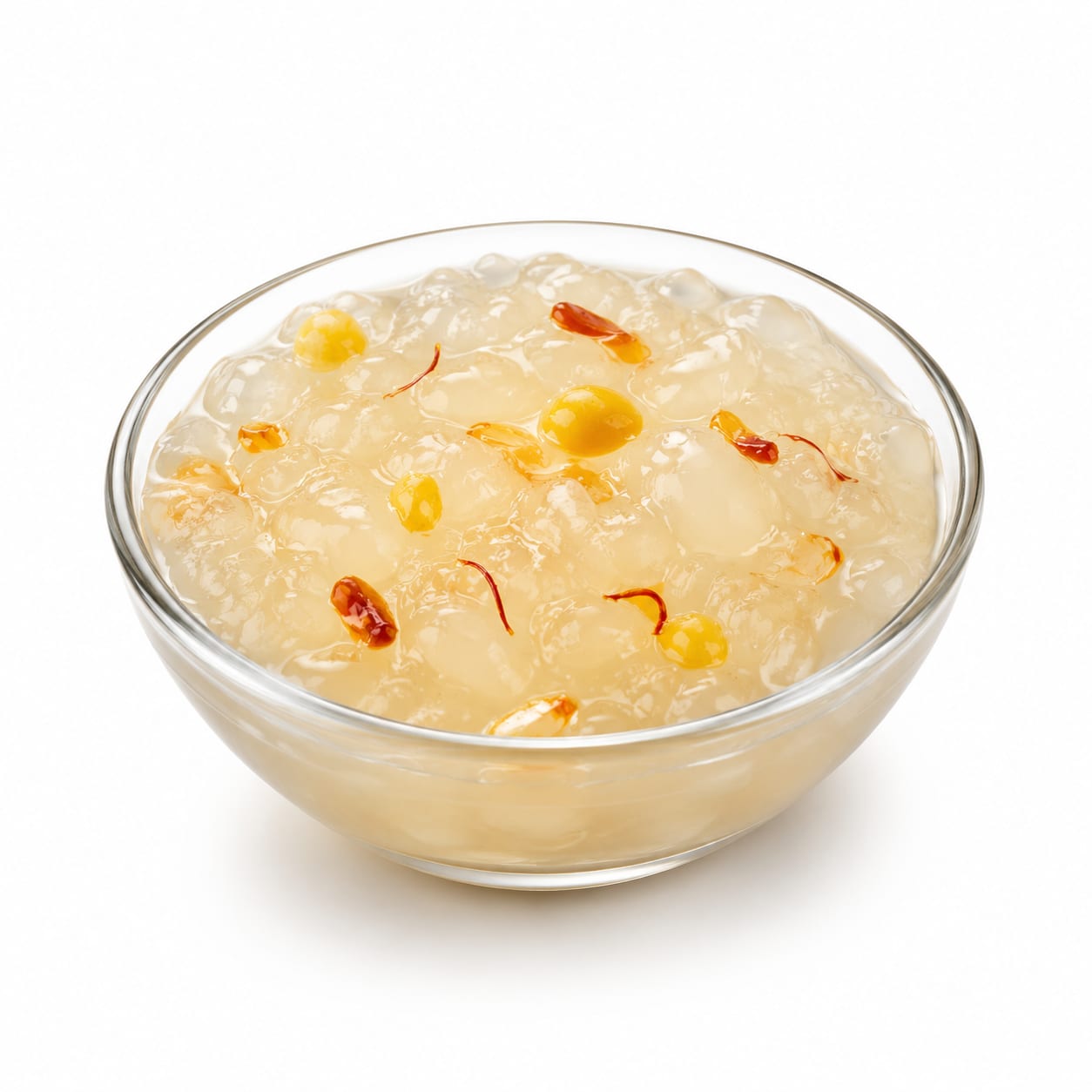
Arrowroot
Cornstarch
Arrowroot wins for digestibility and clean-label appeal, while cornstarch wins for cost, availability, and dairy-based cooking
Arrowroot scores higher due to superior digestibility, cleaner sourcing, and broader allergen safety. Cornstarch remains competitive on price and cooking reliability but loses ground on GMO exposure and gut gentleness.
Gentle digestion and corn-free safety versus cheaper price and better performance in creamy dishes
At a glance
Executive summary
Overall
It depends
Healthier
Arrowroot
More practical
Cornstarch
Daily use
Arrowroot
Key comparison lenses
digestive tolerance
Arrowroot is famously gentle on the gut and historically used for illness recovery, while cornstarch can be harder to digest for some
cooking performance
These are primarily thickening agents, so how they behave in sauces, gravies, and baking matters enormously
allergen and sensitivity avoidance
Corn is a common allergen and sensitivity trigger; arrowroot offers a corn-free alternative
processing and naturalness
Both are extracted starches, but arrowroot is perceived as less industrial and more whole-food aligned
gmo and purity concerns
Most conventional cornstarch comes from GMO corn, while arrowroot is almost always non-GMO
Best choice for
Arrowroot
- People with corn allergies or sensitivities
- Those recovering from stomach illness
- Clean-label and whole-food cooks
- Parents making baby food from scratch
- Anyone avoiding GMO ingredients
Cornstarch
- Budget-conscious home cooks
- People making cream-based sauces or dairy gravies
- Bakers who need reliable, consistent results
- Those who thicken large batches frequently
Least suitable for
Arrowroot
- Creamy dairy-based sauces that will be frozen or reheated
- Very tight grocery budgets
- Recipes requiring prolonged high-heat cooking
Cornstarch
- People with corn allergies or intolerances
- Those avoiding GMO products unless organic
- Baby food preparation
- Gentle recovery diets after illness
Deep comparison
Dimension by dimension
Each lens scores both foods and breaks down who each option suits.
- Dimension 1 · Priority 92Arrowroot
digestive_tolerance
Arrowroot · 88Cornstarch · 52Arrowroot is one of the easiest starches for the human body to handle, often recommended for infants and recovering patients.
Tradeoff
You give up some thickening power in dairy dishes, but your stomach thanks you.
Why it matters
If you have IBS, food sensitivities, or are cooking for someone with a delicate gut, this difference is significant.
Real-world impact
Arrowroot-thickened soup sits lightly; cornstarch-thickened gravy can feel heavy or bloating for sensitive people.
Arrowroot
- Post-illness recovery meals
- Baby food and infant digestion
- Sensitive stomachs and IBS
Better for
- Situations where maximum thickening efficiency matters more than gentleness
Worse for
Cornstarch
- People with no digestive concerns who prioritize texture
Better for
- Anyone already prone to bloating or corn sensitivity
Worse for
- Dimension 2 · Priority 88Cornstarch
cooking_versatility
Arrowroot · 58Cornstarch · 82Cornstarch handles high heat, dairy, and freezing better. Arrowroot breaks down with dairy and extended cooking.
Tradeoff
Cornstarch is the more reliable all-rounder in the kitchen, but arrowroot creates a glossier, clearer finish in fruit-based dishes.
Why it matters
Choosing the wrong thickener can ruin a sauce's texture — grainy, slimy, or broken results are common mistakes.
Real-world impact
A cornstarch gravy reheats beautifully the next day. An arrowroot dairy sauce can turn weird and slippery.
Arrowroot
- Fruit pies and berry fillings
- Clear glazes and Asian-style sauces
- Delicate desserts where clarity matters
Better for
- Any cream sauce that needs to hold together
- Prolonged simmering applications
Worse for
Cornstarch
- Cream-based soups and gravies
- Puddings and custards
- Stir-fry sauces with dairy
- Make-ahead meals that get frozen and reheated
Better for
- Acidic fruit fillings where cloudiness is undesirable
Worse for
- Dimension 3 · Priority 85Arrowroot
allergen_safety
Arrowroot · 90Cornstarch · 48Corn is a top 8 allergen and hidden in countless foods. Arrowroot is rarely allergenic and safe for most people.
Tradeoff
Arrowroot gives peace of mind for allergy households but costs more and is harder to find.
Why it matters
For corn-allergic individuals, even trace cornstarch can trigger reactions. This is not a trivial concern.
Real-world impact
A corn-allergic child can safely eat arrowroot-thickened gravy but might react to cornstarch in the same dish.
Arrowroot
- Corn-allergic households
- Elimination diet protocols
- Multi-allergy families seeking safe staples
Better for
- Rare cases of arrowroot sensitivity, though extremely uncommon
Worse for
Cornstarch
- Houses without corn concerns where availability matters
Better for
- Corn allergy sufferers who must avoid all corn derivatives
Worse for
- Dimension 4 · Priority 72Arrowroot
sourcing_and_gmo_concerns
Arrowroot · 85Cornstarch · 40Most conventional cornstarch comes from GMO corn. Arrowroot is almost always non-GMO and often sourced from traditional farming.
Tradeoff
Organic cornstarch exists but costs more, narrowing the price gap with arrowroot.
Why it matters
For people avoiding GMOs, conventional cornstarch is a hidden exposure source they might not think about.
Real-world impact
Switching to arrowroot or organic cornstarch removes a common GMO ingredient from your pantry without changing recipes much.
Arrowroot
- GMO-avoidant consumers
- Those seeking cleaner ingredient labels
Better for
- Situations where the premium price feels hard to justify for a small pantry staple
Worse for
Cornstarch
- Organic cornstarch users who want GMO-free at lower cost than arrowroot
Better for
- Conventional cornstarch is a consistent GMO exposure point
Worse for
- Dimension 5 · Priority 68Cornstarch
cost_and_accessibility
Arrowroot · 38Cornstarch · 88Cornstarch is cheap, everywhere, and familiar. Arrowroot is pricier and often requires a specialty store trip.
Tradeoff
You pay more for arrowroot's cleaner profile, sometimes 3-4x the price per ounce.
Why it matters
If you thicken frequently or cook for a large family, the cost difference adds up over months.
Real-world impact
A $2 box of cornstarch lasts months. Arrowroot might cost $6-8 for the same amount.
Arrowroot
- Small households using starch occasionally
- Those who prioritize quality over quantity
Better for
- Budget-strapped households that cannot justify the markup
Worse for
Cornstarch
- Large families on budgets
- Frequent cooks who go through starch fast
- Rural areas with limited specialty store access
Better for
- Those willing to pay more for cleaner ingredients
Worse for
- Dimension 6 · Priority 55It depends
glycemic_impact
Arrowroot · 48Cornstarch · 45Both are nearly pure refined starch with minimal fiber. Arrowroot has a slight edge but neither is a blood sugar friend.
Tradeoff
Neither is good for glucose control. The real question is whether you need any refined starch at all.
Why it matters
Diabetics should treat both as essentially the same: fast-digesting carbohydrate with minimal nutritional value.
Real-world impact
A tablespoon of either will spike blood sugar similarly. The difference is negligible in real meals.
Arrowroot
- Marginal advantage for slightly lower glycemic load per serving
Better for
- Anyone expecting arrowroot to be a healthy low-glycemic choice will be disappointed
Worse for
Cornstarch
- No real advantage here; both are comparable
Better for
- Same concern — refined starch is refined starch
Worse for
Timeline
Health impact over time
Short-term
Hours to days
Arrowroot
- Very gentle on the stomach, unlikely to cause bloating
- Quick energy from easily digested carbohydrate
- Unlikely to trigger allergic or sensitivity reactions
Cornstarch
- Can cause bloating or discomfort in corn-sensitive individuals
- Rapid blood sugar spike similar to any refined starch
- May trigger reactions in those with undiagnosed corn allergies
Long-term
Months to years
Arrowroot
- Regular use as a staple thickener adds refined carbs without nutritional benefit
- Low allergen risk makes it sustainable for sensitive individuals long-term
- No GMO exposure concern supports cleaner dietary patterns
Cornstarch
- Chronic GMO exposure from conventional sourcing if organic is not selected
- Ongoing corn protein exposure may worsen subtle sensitivities over time
- Heavy reliance on any refined starch displaces more nutrient-dense thickeners
Risk profile
Safety & processing
Both are extracted starches and neither is a whole food. However, arrowroot extraction is simpler and typically involves fewer industrial steps. Cornstarch undergoes more aggressive processing including steeping, fermentation, and centrifugation. Neither contains artificial additives, but cornstarch's industrial supply chain is more complex.
Arrowroot
Mislabeling or adulteration
lowSome commercial arrowroot is blended with cheaper starches like potato or tapioca. Buy from trusted brands.
Contamination during processing
lowArrowroot is typically produced in smaller facilities with less cross-contamination risk than massive corn processing plants.
Cornstarch
GMO corn sourcing
mediumOver 90% of US corn is genetically modified. Conventional cornstarch is almost certainly GMO unless labeled organic.
Cross-contamination with corn allergens
mediumCorn processing facilities handle multiple corn derivatives, increasing trace allergen exposure risk.
Hexane residue from processing
lowSome corn processing uses hexane extraction. Residue levels are regulated but may concern highly sensitive individuals.
Who wins for whom
Audience fit
Same foods, different winners depending on your goal.
children
ArrowrootArrowroot is traditionally used in baby food and infant formulations because of its exceptional digestibility and low allergen profile.
daily consumption
ArrowrootArrowroot's cleaner sourcing, lower allergen risk, and better digestibility make it the safer daily staple, despite higher cost.
diabetes
It dependsBoth spike blood sugar similarly. Diabetics should minimize both and consider alternative thickeners like xanthan gum or flaxseed.
elderly
ArrowrootOlder adults with sensitive digestion or reduced gut function tolerate arrowroot better. Its gentleness matters more as digestion weakens.
muscle gain
It dependsNeither is relevant for muscle gain. Both provide empty carbohydrate calories without protein or micronutrients.
weight loss
It dependsNeither supports weight loss meaningfully. Both are refined carbs with minimal satiety value. Use sparingly regardless of choice.
Your move
Decision guide
Choose Arrowroot
- You or someone you cook for has a corn allergy or sensitivity
- You are making baby food or cooking for someone recovering from illness
- You want a non-GMO thickener without paying organic premiums
- You make fruit-based desserts, pie fillings, or clear glazes
- Clean labels and minimal processing matter to you
Choose Cornstarch
- You make cream sauces, dairy gravies, or custards regularly
- Budget is a primary concern and you use starch frequently
- You need a thickener that survives freezing and reheating
- You live somewhere where arrowroot is hard to find
- You have no corn sensitivities and prioritize cooking reliability
Either works if
- You only thicken occasionally and either will do the job
- You are making a non-dairy, non-acidic sauce where both perform similarly
- Cost and availability are roughly equal in your area
Avoid both if
- You are managing diabetes and need to minimize refined starch intake
- You are on a low-carb or keto diet
- You could use a more nutritious thickener like pureed vegetables, flaxseed, or chia
Final recommendation
Keep arrowroot for delicate dishes, recovery meals, and allergy-safe cooking. Keep cornstarch for creamy gravies and budget-friendly everyday thickening. If you must choose one, arrowroot is the healthier long-term pantry staple — but cornstarch is the more practical workhorse.
Practical
Consumer tips
- 1
Mix arrowroot with cold water before adding to hot liquids to prevent clumping
- 2
Never boil arrowroot-thickened sauces for more than a minute or the thickening breaks down
- 3
Use organic cornstarch if you want to avoid GMOs without switching to arrowroot
- 4
Arrowroot creates a glossier, more attractive finish in fruit pies than cornstarch
- 5
Freeze a small test batch before making a full arrowroot-based casserole — texture can shift
- 6
Store both in airtight containers away from moisture; both last indefinitely when dry
- 7
Try substituting half arrowroot and half cornstarch in recipes where you want some benefits of both