
Nutrition comparison
Arrowroot vs Rice Flour: Nutrition, Digestion & Best Uses
Comparing Arrowroot and rice flour? Discover which is better for digestion, baking, and thickening, plus the nutritional tradeoffs you need to know.
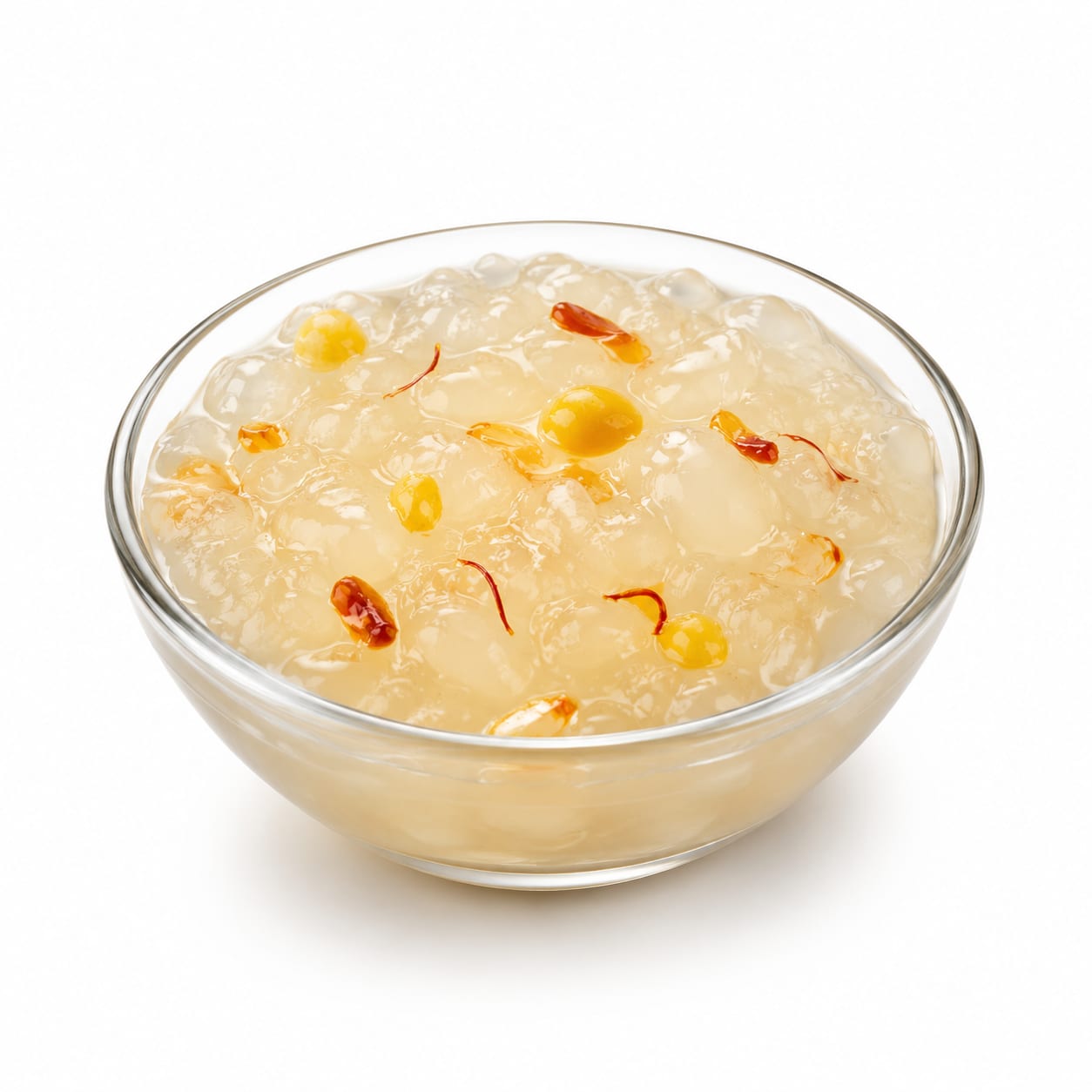
Arrowroot
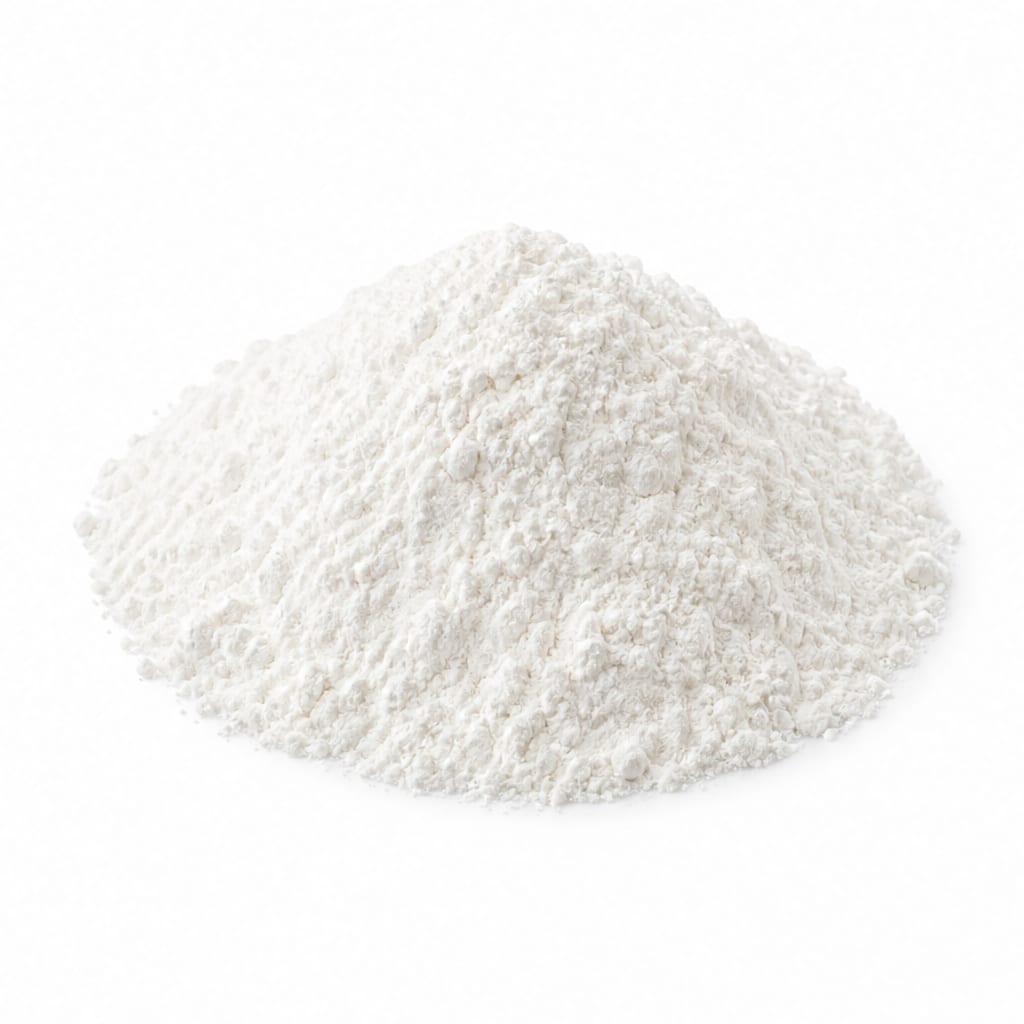
Rice flour
Arrowroot excels as a digestible thickener and gut-soother, while rice flour is the more versatile and nutritious choice for everyday gluten-free baking.
Rice flour scores higher overall due to better culinary versatility and a slightly stronger nutritional profile, but Arrowroot remains unmatched for specific digestive and thickening needs.
You trade the ultra-gentle digestion and glossy finish of Arrowroot for the structural baking power and slightly better nutrition of rice flour.
At a glance
Executive summary
Overall
It depends
Healthier
Rice flour
More practical
Rice flour
Daily use
Rice flour
Key comparison lenses
Gluten-free baking and thickening suitability
Both are staple substitutes for wheat flour, but they behave very differently in cooking and baking.
Digestive sensitivity and gut soothing
Arrowroot is famously gentle on the stomach, making it a go-to for digestive distress, while rice flour can be harder to digest if brown.
Nutritional value of refined starches
Users often assume gluten-free flours are inherently healthy, but both are carb-heavy with different micronutrient profiles.
Blood sugar impact
Both are high-glycemic ingredients that can spike blood sugar, requiring careful portion control.
Best choice for
Arrowroot
- Weaning infants and toddlers
- Recovering from stomach bugs or diarrhea
- Making clear, glossy sauces and gravies
- People with severe multiple allergies
Rice flour
- Gluten-free baking breads and muffins
- Coating proteins for frying
- Those needing slightly more protein and fiber in their diet
- Everyday thickening where opacity doesn't matter
Least suitable for
Arrowroot
- Low-carb or keto diets
- Building structure in yeast breads
- Those relying on flour for daily iron and B-vitamins
Rice flour
- Clear soups or fruit pie fillings (turns cloudy)
- Acidic sauces (breaks down and loses thickening power)
- Those with severe arsenic concerns (if brown rice flour)
Deep comparison
Dimension by dimension
Each lens scores both foods and breaks down who each option suits.
- Dimension 1 · Priority 95Arrowroot
Digestive Tolerance
Arrowroot · 96Rice flour · 72Arrowroot is one of the easiest starches for the human body to digest, making it a traditional remedy for upset stomachs.
Tradeoff
You get supreme gut gentleness with Arrowroot, but you sacrifice the broader nutrient profile that less-refined rice flour offers.
Why it matters
When your digestive system is compromised, Arrowroot provides calories without the friction, whereas brown rice flour can irritate a sensitive gut.
Real-world impact
If you are recovering from a stomach flu, Arrowroot crackers or porridge will sit lightly; rice flour might feel heavier and slower to process.
Arrowroot
- Infants transitioning to solid foods
- People with IBS flares or diarrhea
- Post-surgery soft diets
Better for
- Situations requiring dense, long-lasting energy
Worse for
Rice flour
- Those with no digestive issues needing everyday energy
Better for
- Acute gastrointestinal distress
Worse for
- Dimension 2 · Priority 90Rice flour
Culinary Versatility
Arrowroot · 50Rice flour · 88Rice flour can build structure in baking and create crispy coatings, while Arrowroot is mostly limited to thickening.
Tradeoff
Rice flour gives you baking flexibility but makes cloudy, slightly gritty sauces; Arrowroot makes flawless, glossy gravy but terrible bread.
Why it matters
Choosing the wrong flour ruins the texture of your meal. Arrowroot fails under prolonged heat and acid, while rice flour fails to provide stretch or clarity.
Real-world impact
Use rice flour for a crispy tempura batter or a sturdy muffin; use Arrowroot for a shimmering fruit pie filling or a silky stir-fry sauce.
Arrowroot
- Clear fruit glazes
- Silky pan sauces
- Dairy-free puddings
Better for
- Yeast bread baking
- Deep frying batters
Worse for
Rice flour
- Gluten-free bread and pizza dough
- Fried chicken coatings
- Cookie and cake bases
Better for
- Acidic sauce thickening
- Clear glazes
Worse for
- Dimension 3 · Priority 75Rice flour
Nutritional Density
Arrowroot · 25Rice flour · 55Neither is a nutritional powerhouse, but rice flour—especially brown rice flour—retains some protein, fiber, and B vitamins that Arrowroot lacks.
Tradeoff
Rice flour offers marginally more sustenance, but both are essentially refined carbohydrates that need pairing with protein and fat.
Why it matters
Relying on Arrowroot as a dietary staple could leave you deficient in essential nutrients, whereas rice flour provides a slightly better baseline.
Real-world impact
A meal thickened with rice flour will keep you satisfied slightly longer than one thickened with Arrowroot, due to the trace protein and fiber.
Arrowroot
- Extremely low-residue diets
Better for
- Nutrient-dense meal planning
Worse for
Rice flour
- Gluten-free diets needing daily caloric intake
- Balanced meals requiring some fiber
Better for
- Strict low-fiber medical diets
Worse for
- Dimension 4 · Priority 70It depends
Blood Sugar Stability
Arrowroot · 35Rice flour · 40Both spike blood sugar quickly, though Arrowroot's extreme refinement makes it digest slightly faster than white rice flour.
Tradeoff
Arrowroot acts almost like pure sugar in your bloodstream, while brown rice flour offers a trivial amount of fiber to slow the rise.
Why it matters
For diabetics, neither flour is safe in large quantities. They must be treated as high-glycemic ingredients and strictly portioned.
Real-world impact
Eating a baked good made with either flour on an empty stomach will likely cause an energy crash; always pair with fat and protein.
Arrowroot
- Quick energy recovery after intense vomiting
Better for
- Managing diabetes
- Preventing afternoon energy crashes
Worse for
Rice flour
- Slightly slower carb absorption (if brown rice flour)
Better for
- Managing diabetes
- Ketogenic diets
Worse for
Timeline
Health impact over time
Short-term
Hours to days
Arrowroot
- Rapidly soothes an upset stomach
- Provides quick, easily accessible energy
- Can cause a blood sugar spike if eaten in large amounts
Rice flour
- Provides filling bulk for meals
- Can feel heavy or gritty if overconsumed
- Triggers a moderate-to-high blood sugar rise
Long-term
Months to years
Arrowroot
- Risk of nutrient deficiency if used as a dietary staple
- Supports a calm digestive tract in sensitive individuals
- Potential weight gain if overused due to high carb density
Rice flour
- Better maintenance of basic daily nutrient intake
- Potential exposure to arsenic if consuming high amounts of brown rice flour
- Supports gluten-free lifestyle effectively
Risk profile
Safety & processing
Arrowroot undergoes significant processing to extract pure starch from the tuber, stripping away all fiber and protein. Rice flour is simply ground grains, making it a whole-food ingredient by comparison, though white rice flour is still refined.
Arrowroot
Adulteration with cheaper starches
mediumPure Arrowroot is expensive, so it is sometimes cut with potato or tapioca starch, which can be an issue for those with specific allergies.
Rice flour
Arsenic contamination
mediumRice naturally accumulates arsenic from soil and water. Brown rice flour tends to have higher levels because arsenic concentrates in the bran.
Who wins for whom
Audience fit
Same foods, different winners depending on your goal.
children
ArrowrootArrowroot is exceptionally gentle on immature digestive systems and is a traditional weaning food for infants.
daily consumption
Rice flourRice flour offers more versatility and a broader, though still limited, nutrient profile for everyday cooking and baking.
diabetes
It dependsBoth are high-glycemic and require strict portion control. Brown rice flour is slightly better due to trace fiber, but neither is ideal.
elderly
ArrowrootAging digestive systems often struggle with fiber and heavy grains; Arrowroot provides easy calories without digestive strain.
muscle gain
Rice flourRice flour has a marginally higher protein content, though neither is a significant muscle-building food.
weight loss
Rice flourRice flour, particularly brown rice flour, contains slightly more fiber and protein, promoting a bit more fullness than pure Arrowroot starch.
Your move
Decision guide
Choose Arrowroot
- You are making a fruit pie filling, glaze, or stir-fry sauce
- You or your child has an upset stomach or diarrhea
- You need a cornstarch substitute that yields a clear, glossy result
Choose Rice flour
- You are baking gluten-free breads, cakes, or cookies
- You need a crispy coating for frying chicken or tofu
- You want a daily-use flour with a slightly better nutritional profile
Either works if
- You need a gluten-free thickener for a creamy, opaque soup
- You are mixing a custom gluten-free flour blend
Avoid both if
- You are on a low-carb or ketogenic diet
- You need to tightly manage blood sugar spikes
- You are looking for a high-protein flour alternative
Final recommendation
Keep both in your pantry if you cook gluten-free often. Use Arrowroot strictly as a thickener for glossy sauces and for digestive soothing, and rely on rice flour as your workhorse for baking and breading.
Practical
Consumer tips
- 1
Mix Arrowroot with rice flour in baking to improve moisture and texture without adding grit.
- 2
Never boil Arrowroot vigorously; it breaks down and loses its thickening power. Stir it in at the very end of cooking.
- 3
Soak rice flour in your recipe's liquid for a few hours before baking to eliminate the gritty texture it can sometimes produce.
- 4
If you are concerned about arsenic in rice flour, opt for white rice flour instead of brown, and source brands that test for heavy metals.
- 5
Look for certified gluten-free labels on both products, as cross-contamination in processing facilities is common.