
Seafood
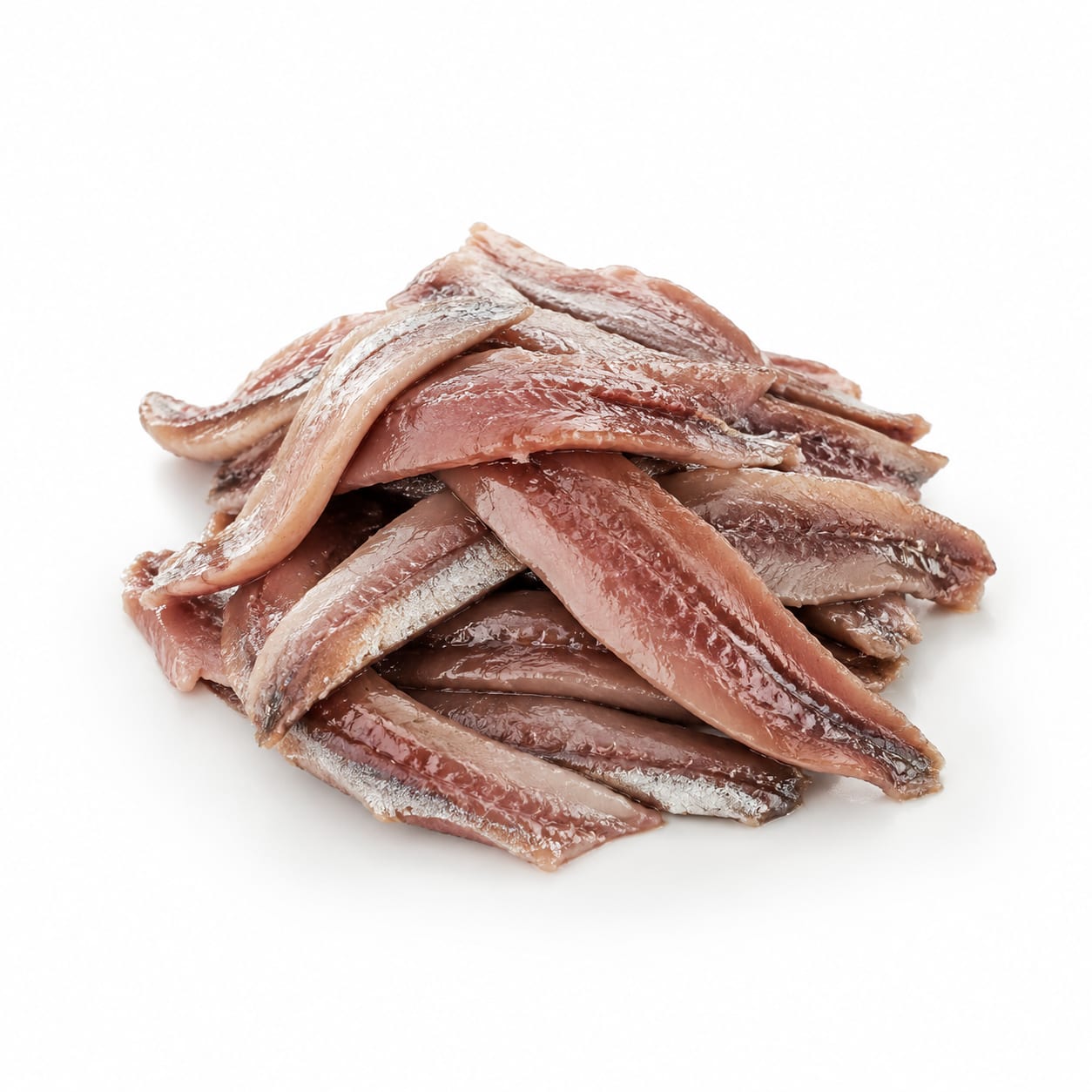
Anchovy
Anchovies are small, oily fish commonly preserved in salt and oil, offering high protein and omega-3 fatty acids but significant sodium content.
Anchovies are small, oily forage fish commonly found in the Atlantic, Indian, and Pacific Oceans. They are most widely consumed preserved in oil and salt, or processed into a paste, delivering a potent umami flavor.
omega-3 rich protein-dense preserved fish
Typical serving · 20g
Common varieties · canned in oil, salt-packed, anchovy paste, fresh, marinated boquerones
Overall context score across nutrition, safety, and diet fit
At a glance
Quick facts
Simple indicators based on nutrition, processing, and diet fit.
The story
What makes it unique
Anchovies are a fast-digesting, high-protein food with significant omega-3 fatty acid content. Their macronutrient profile is dominated by protein and fat, containing zero carbohydrates. Traditional salt-curing preserves the fish but drastically increases sodium concentration, which can affect fluid balance and blood pressure. Satiety is high due to strong protein and fat content, though typical serving sizes are very small.
Varieties: canned in oil · salt-packed · anchovy paste · fresh · marinated boquerones
Per 100g
Nutrition breakdown
Macro balance and key metrics at a glance.
Energy
Density 2.10 kcal/g
Protein
Carbs
Fat
Fiber
Sugar
0 g
Sodium
3450 mg
Potassium
384 mg
Glycemic index
0
Glycemic load
0
Water content
58%
Standout compounds
Nutrient highlights
Omega-3 fatty acids
highSupports heart health and reduces inflammation
Calcium
highStrengthens bones and teeth from edible bones
Niacin
highConverts food to energy and supports nervous system
Selenium
highActs as an antioxidant and supports thyroid function
Sodium
highRegulates fluid balance but risks high blood pressure in excess
Wellness map
Health scores & processing
NOVA processing scale
moderately processed · Whole food
Canning and salt-curing are traditional preservation methods that alter the food matrix and add high sodium, but do not introduce industrial ultra-processed additives.
Diet compatibility
- Weight loss
- Muscle gain
- Diabetes
- Gut health
- Low carb
- High protein
- Heart health
Relative standing
Food rankings
Qualitative ranks compared to similar whole foods.
- Satietygood
- Blood sugarexcellent
- Nutrient densityexcellent
- Fitness fuelgood
- Processing qualitymoderate
Eat with confidence
Food safety profile
Anchovies are among the safest fish for heavy metal exposure due to their small size and short lifespan, but improper storage can lead to histamine buildup, and traditional curing adds high sodium.
Evidence confidence 90%
- Pesticideslow
- Antibioticslow
- Heavy metalslow
- Contaminationmoderate
Watch for
- histamine
- parasites
Safer choices
Fresh anchovies or low-sodium canned versions packed in water or olive oil
Prep tips
Rinse preserved anchovies thoroughly under cold water or soak in milk for 10 minutes to draw out excess surface salt before consuming.
High sodium levels in preserved varieties may conflict with dietary guidelines for blood pressure management.
Deep dive
Health analysis
How this food may fit different goals and preparation choices.
Weight loss
High protein and fat promote satiety, but extreme sodium can cause temporary water retention. Their strong flavor limits overconsumption naturally.
Blood sugar
Zero carbohydrates result in no glycemic impact, making them completely safe for blood sugar management.
Fitness & energy
Excellent source of high-quality protein for muscle repair and omega-3s for joint health and inflammation reduction post-workout.
Gut health
Lacks dietary fiber, though omega-3s offer anti-inflammatory benefits that may support the gut lining.
Processing quality
Canning and salt-curing are traditional preservation methods that retain nutrients but drastically increase sodium content.
Food safety
Very low mercury risk due to their small size, but histamine poisoning (scombroid) is a risk if improperly refrigerated before processing.
Common mistakes
Eating them straight from the can without rinsing, which maximizes sodium intake, or adding them to dishes already high in salt like soy sauce.
Best preparation
Rinsing under cold water to remove excess salt, or mashing into a paste to dissolve into sauces for umami flavor without chunky texture.
Practical guide
Best use cases
When and how this food fits real eating patterns.
Umami flavor enhancer
Mash into dressings, sauces, or soups to add deep savory flavor without adding meat.
Post-workout recovery
Provides high-quality protein and anti-inflammatory omega-3s to support muscle repair.
Low-carb snack
A portable, zero-carb protein source for ketogenic or low-carb diets when eaten in small portions.
Balance sheet
Pros & cons
Upsides
- Extremely high in omega-3 fatty acids
- Excellent source of bioavailable calcium
- Very low mercury levels
- Zero carbohydrates
- Rich in B vitamins and selenium
- Provides intense umami flavor in small amounts
Trade-offs
- Very high in sodium from salt-curing
- Strong fishy flavor is polarizing
- High calorie density if eating large portions
- Risk of histamine toxicity if improperly stored
Fit check
Who is it for?
Great match
- keto and low-carb diets
- post-workout recovery
- umami flavor enhancement
- omega-3 supplementation
Consider alternatives
- low-sodium diets
- salt-sensitive hypertension
- large volume eating
- people averse to strong fish flavors
Side by side
How it compares
Open the full head-to-head analysis for nutrition, safety, and practical tradeoffs.
This food
Anchovy
VS90% alike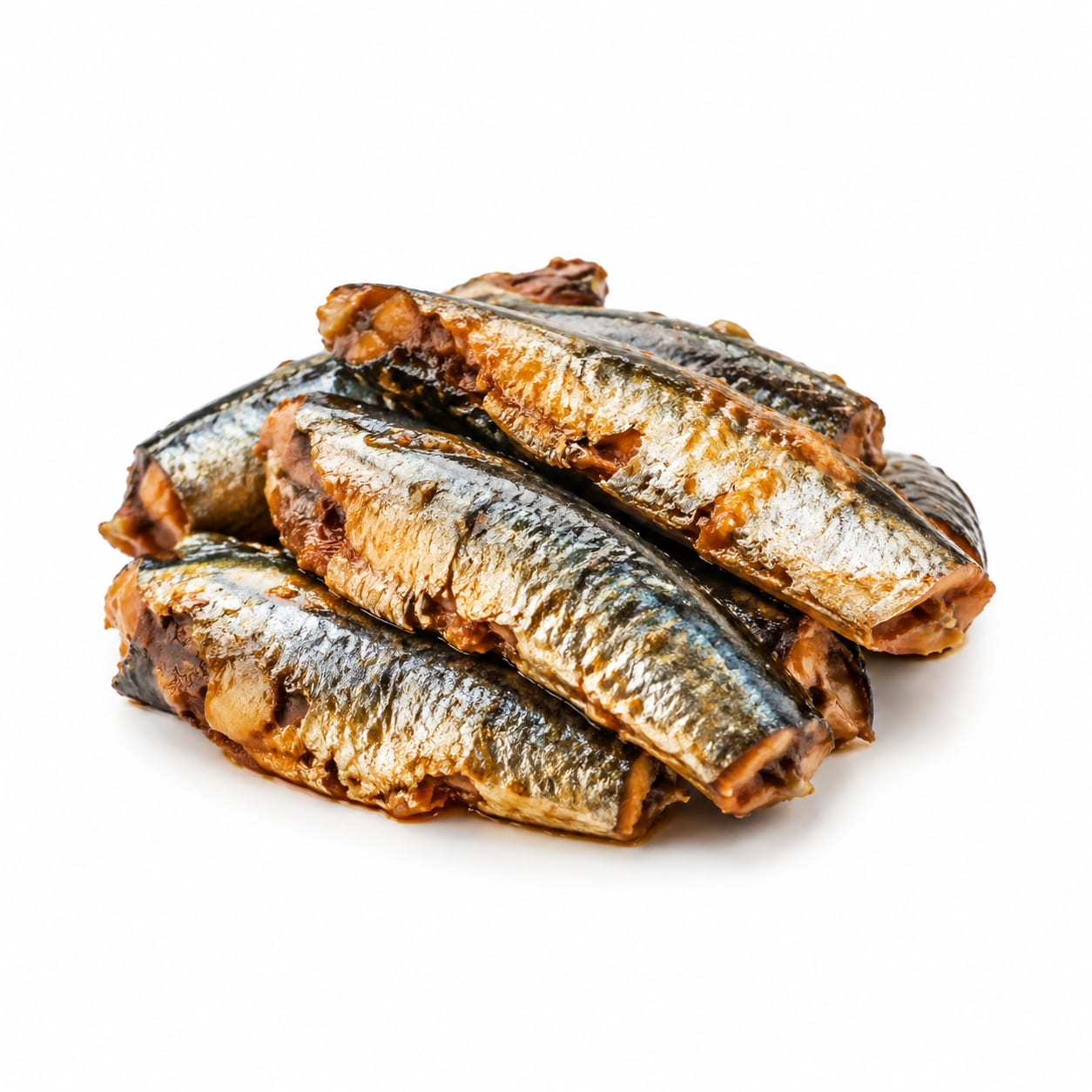
Compare with
Sardine
Sardines are less salty and often packed in water or tomato sauce, while anchovies are saltier and used more as a flavoring than a main dish.
Sardines are lower in sodium and better for eating as a main protein, while anchovies are saltier and best used as a flavor enhancer.
This food
Anchovy
VS70% alike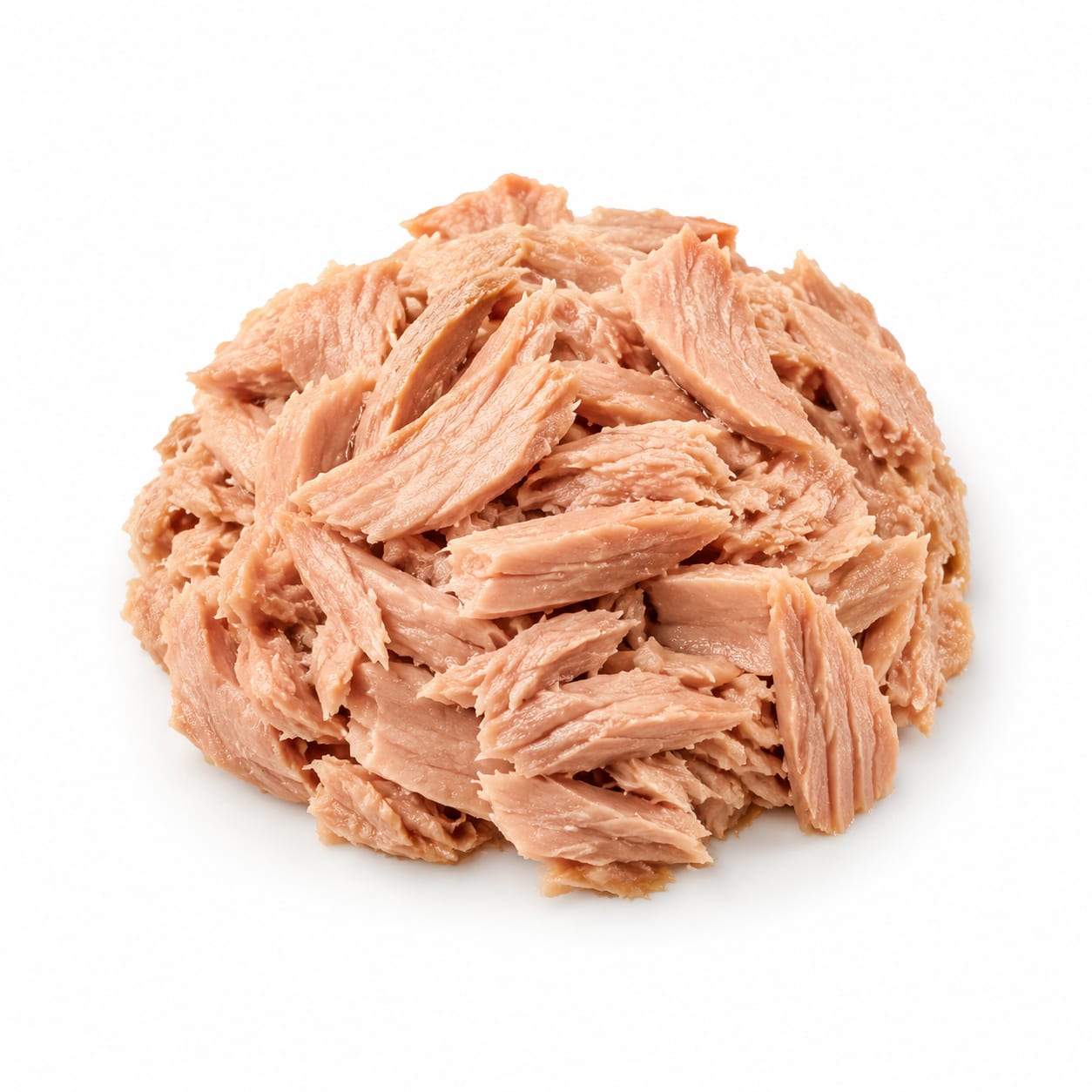
Compare with
Tuna
Tuna is leaner with less fat and sodium, while anchovies offer more omega-3s per ounce and significantly more calcium but much more salt.
Tuna provides leaner protein and less sodium for muscle gain, while anchovies offer more omega-3s and calcium but are extremely salty.
This food
Anchovy
VS65% alike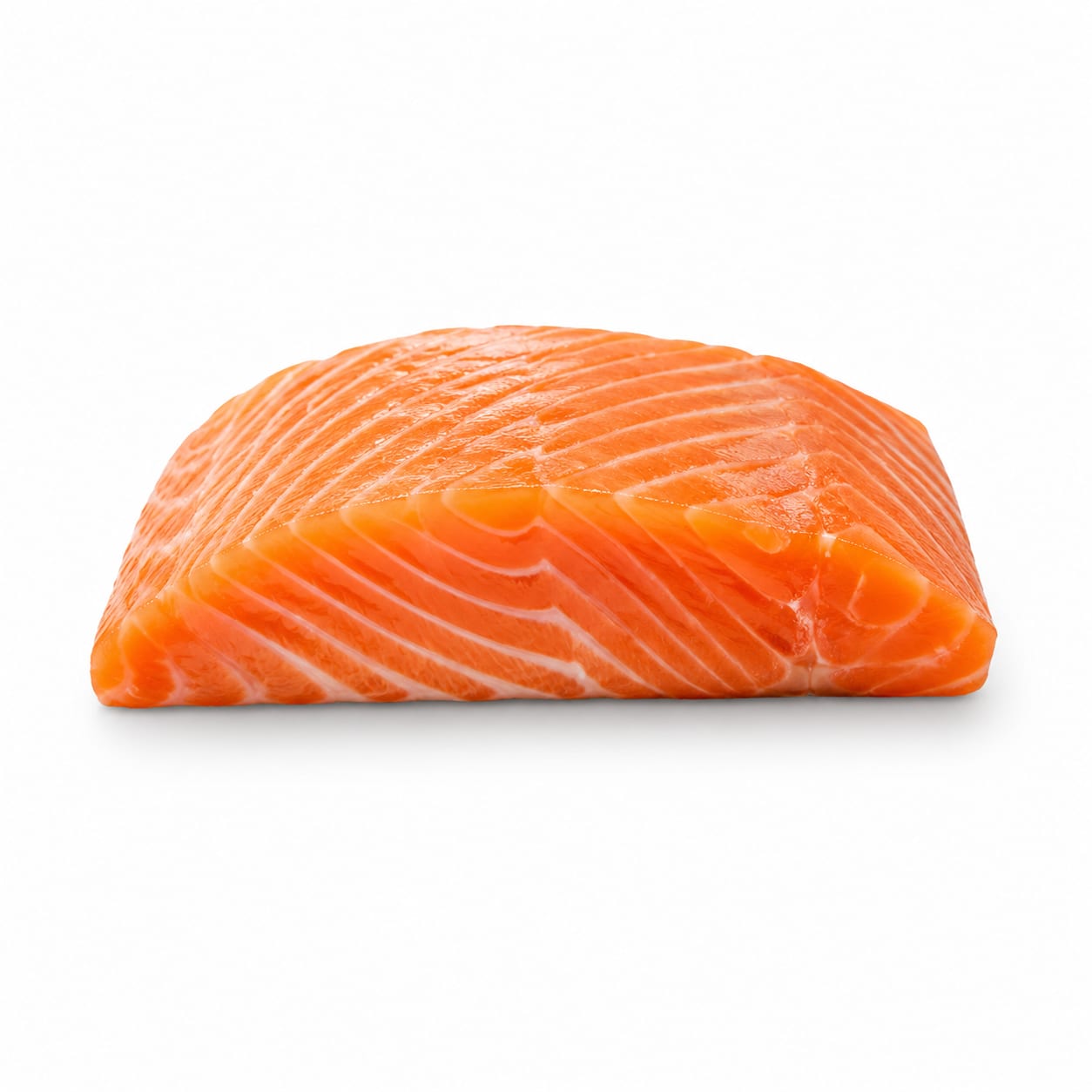
Compare with
Salmon
Salmon is a larger, milder fish eaten as a main course, whereas anchovies are tiny, intensely flavored, and eaten in small amounts.
Salmon is more versatile as a main dish with lower sodium, while anchovies provide a concentrated omega-3 hit with extreme saltiness.
This food
Anchovy
VS85% alike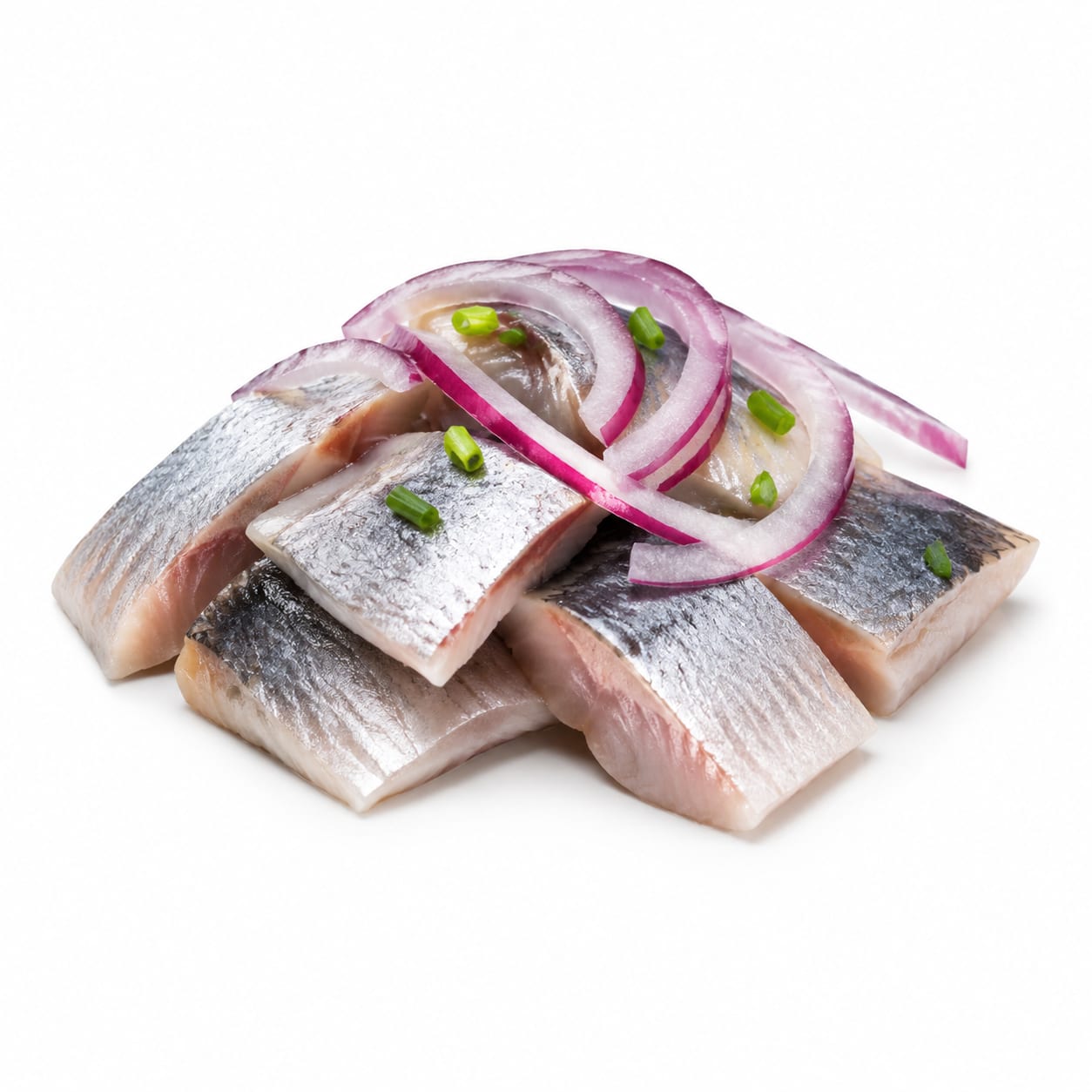
Compare with
Herring
Herring is typically larger and often pickled or smoked, offering a milder flavor, while anchovies are salt-cured and stronger tasting.
Herring offers a milder flavor and larger fillet size for meals, while anchovies are more concentrated in salt and umami.
This food
Anchovy
VS75% alike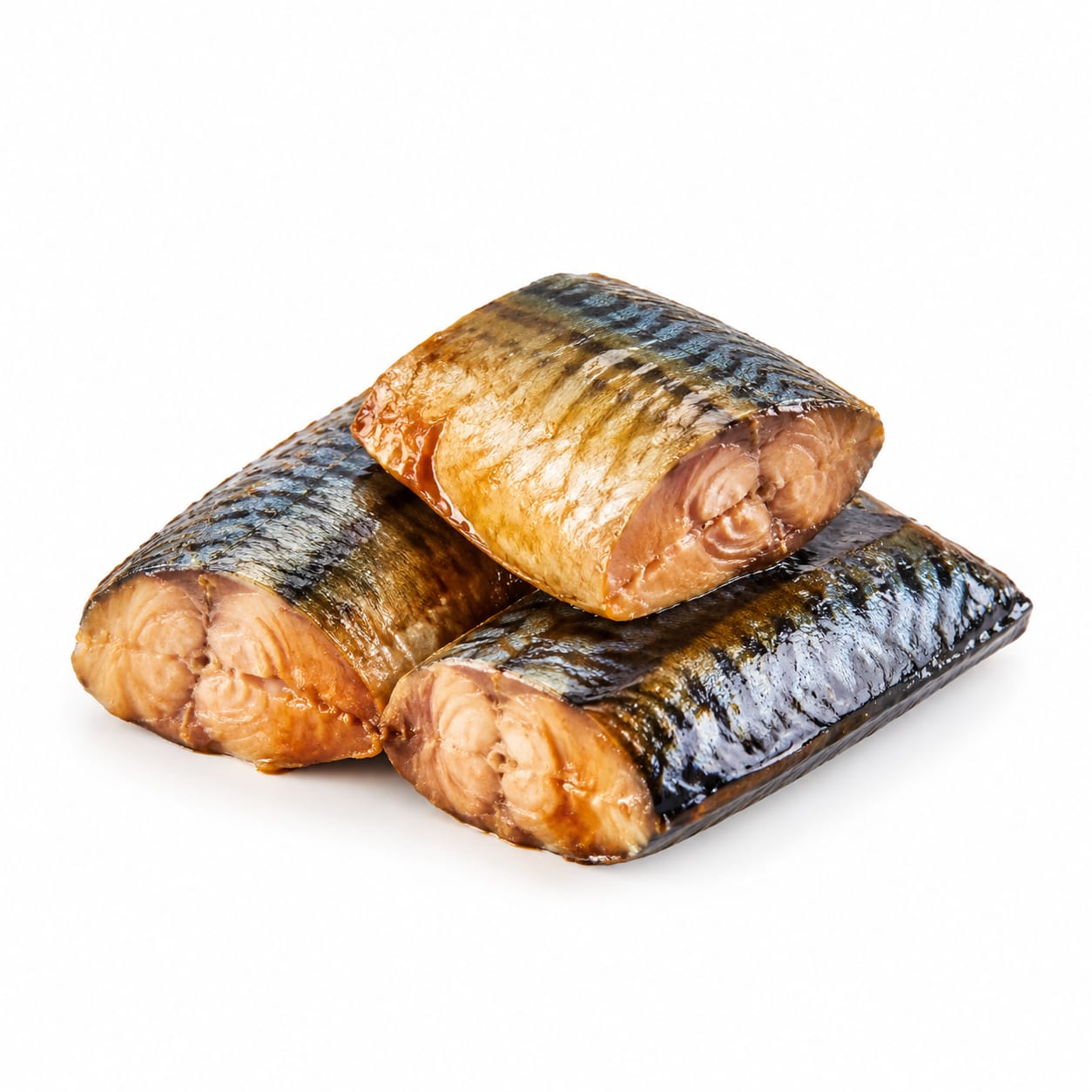
Compare with
Mackerel
Mackerel is larger and richer in fat, eaten as a steak or fillet, while anchovies are tiny and serve as a condiment.
Mackerel provides a substantial, lower-sodium meal option, while anchovies are a high-sodium flavor additive.
This food
Anchovy
VS60% alike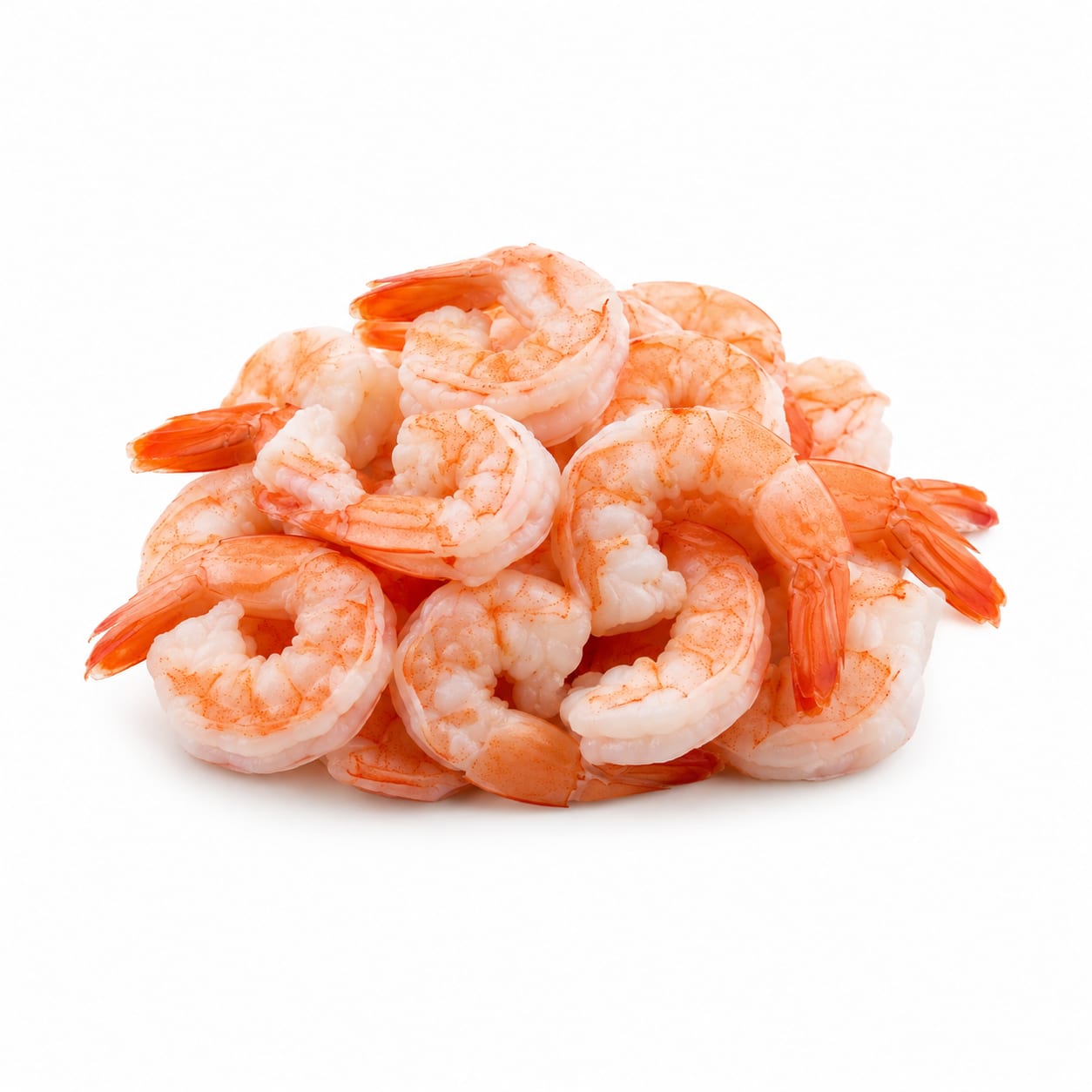
Compare with
Shrimp
Shrimp is very low in fat and calories, while anchovies are high in fat and sodium.
Shrimp is lower in calories and sodium for weight loss, while anchovies provide more omega-3 fats and calcium.
This food
Anchovy
VS50% alike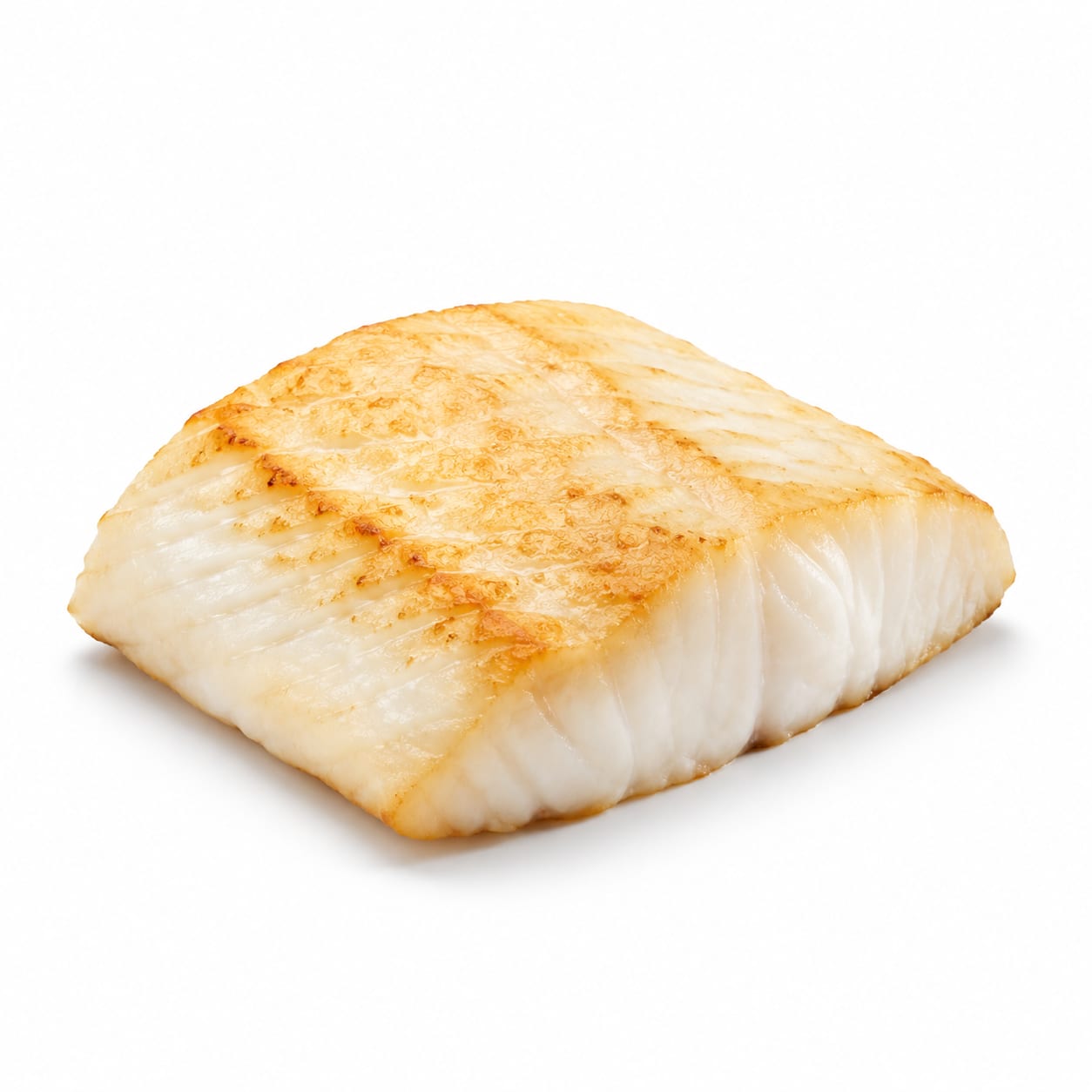
Compare with
Cod
Cod is a lean, mild-flavored fish eaten in large portions, whereas anchovies are fatty, strong-flavored, and eaten in small amounts.
Cod is a low-calorie, low-fat fish for large meals, while anchovies are a high-fat, high-sodium flavor boost.
This food
Anchovy
VS45% alike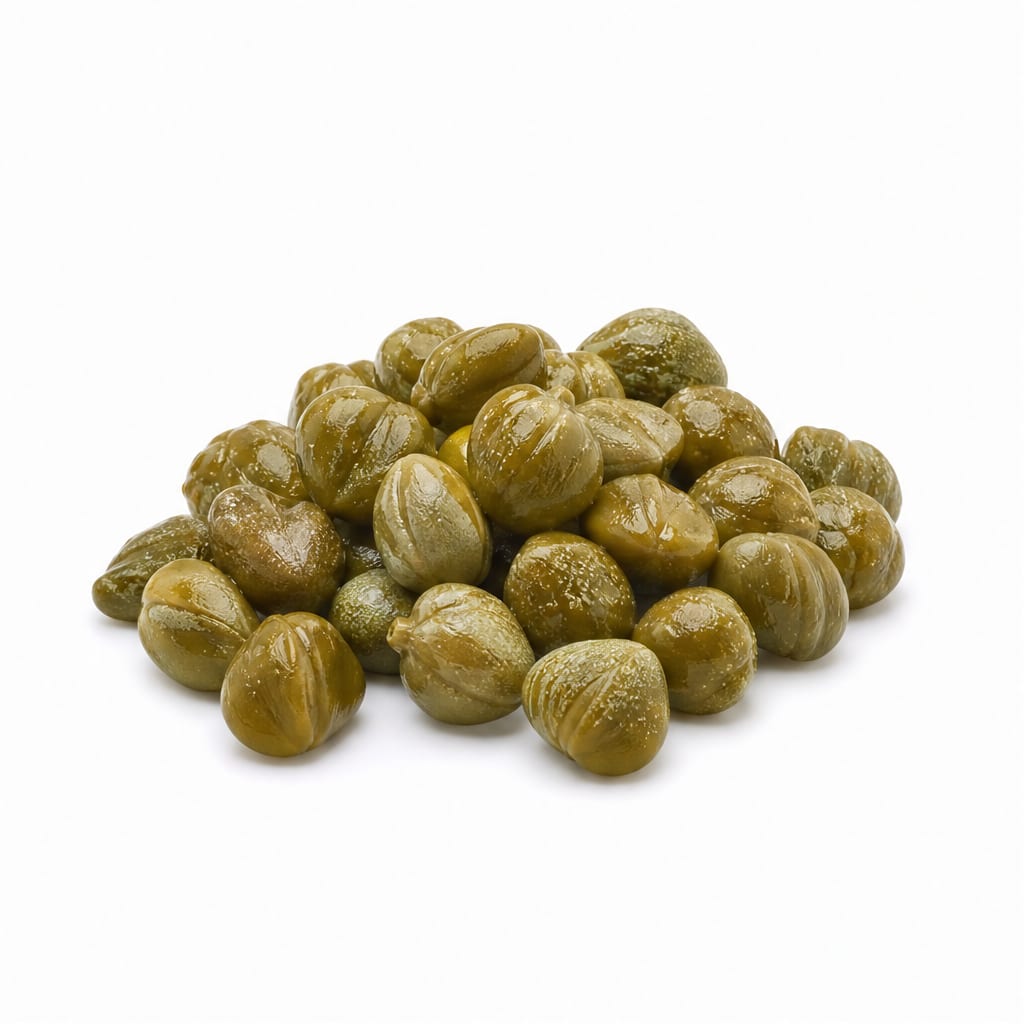
Compare with
Capers
Capers are flower buds with no protein or fat, while anchovies provide substantial protein and omega-3s despite similar salt levels.
Capers are a low-calorie salty garnish, while anchovies add both salty umami and nutritional value like protein and omega-3s.
This food
Anchovy
VS40% alike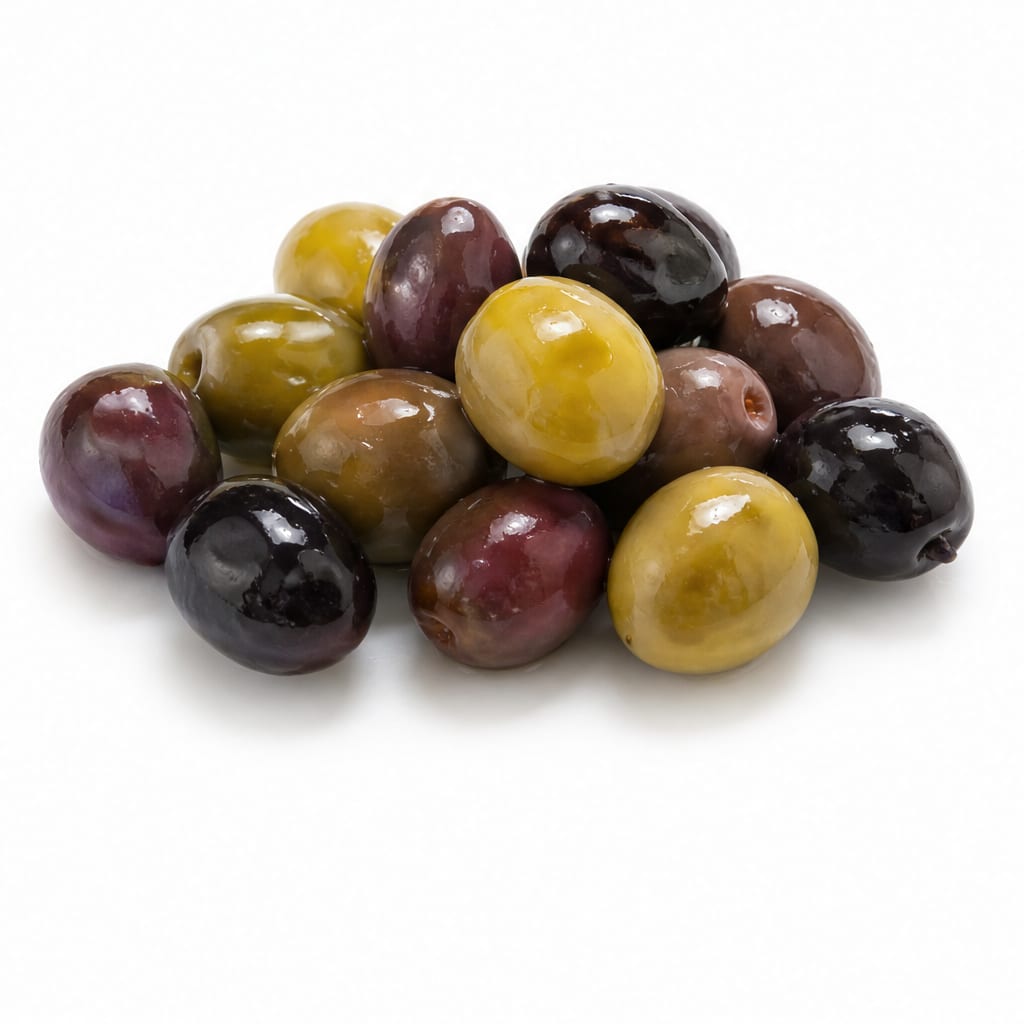
Compare with
Olives
Olives provide monounsaturated fats and fiber, while anchovies provide omega-3s and protein. Both are very salty.
Olives offer healthy monounsaturated fats and fiber, while anchovies win on protein and omega-3s, though both are high in salt.
This food
Anchovy
VS55% alike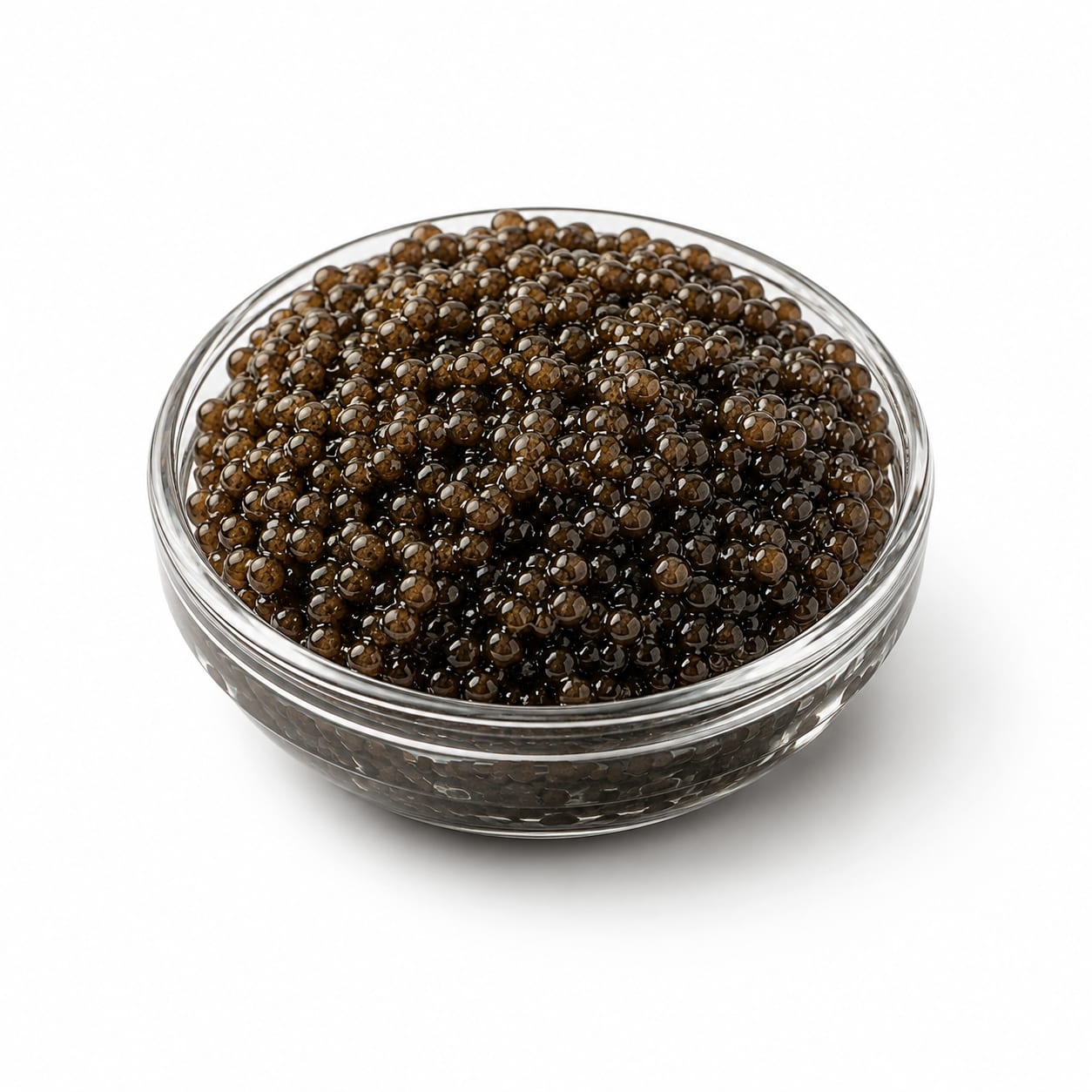
Compare with
Caviar
Caviar is fish roe, rich in vitamins B12 and D, while anchovies are whole fish offering more protein and omega-3s per calorie.
Caviar is a nutrient-dense garnish high in B12, while anchovies provide a more affordable, protein-rich source of omega-3s with similar sodium.
Common questions
FAQ
Answers aligned with how people search for this food.
Are anchovies good for weight loss?
Yes, anchovies are high in protein and omega-3 fats which boost satiety. However, they are calorie-dense and very high in sodium, so portion control is necessary.
Can diabetics eat anchovies?
Yes, anchovies contain zero carbohydrates and will not spike blood sugar. The omega-3 fatty acids also help improve insulin sensitivity.
Are anchovies high in mercury?
No, anchovies are very low in mercury compared to larger fish because they are small and low on the food chain, making them a safe seafood choice.
Why are anchovies so salty?
Anchovies are preserved using a traditional salt-curing process. The high salt content acts as a preservative and develops their signature intense umami flavor.
Should you rinse canned anchovies?
Yes, rinsing canned anchovies under cold water or soaking them in milk removes excess surface salt and mellows their intense flavor before cooking or eating.
Can you eat anchovy bones?
Yes, the bones in canned or preserved anchovies are completely soft and safe to eat. They are actually a good source of dietary calcium.
Are anchovies a good source of omega-3?
Yes, anchovies are one of the best sources of EPA and DHA omega-3 fatty acids, which are crucial for heart and brain health.
Can you eat anchovies on a keto diet?
Yes, anchovies are ideal for a keto diet because they contain zero carbs and are rich in healthy fats and protein.
Transparency
Data confidence
Estimated confidence for nutrition data, interpretation, safety notes, and comparisons.
Nutrition data
Health analysis
Food safety
Comparisons